
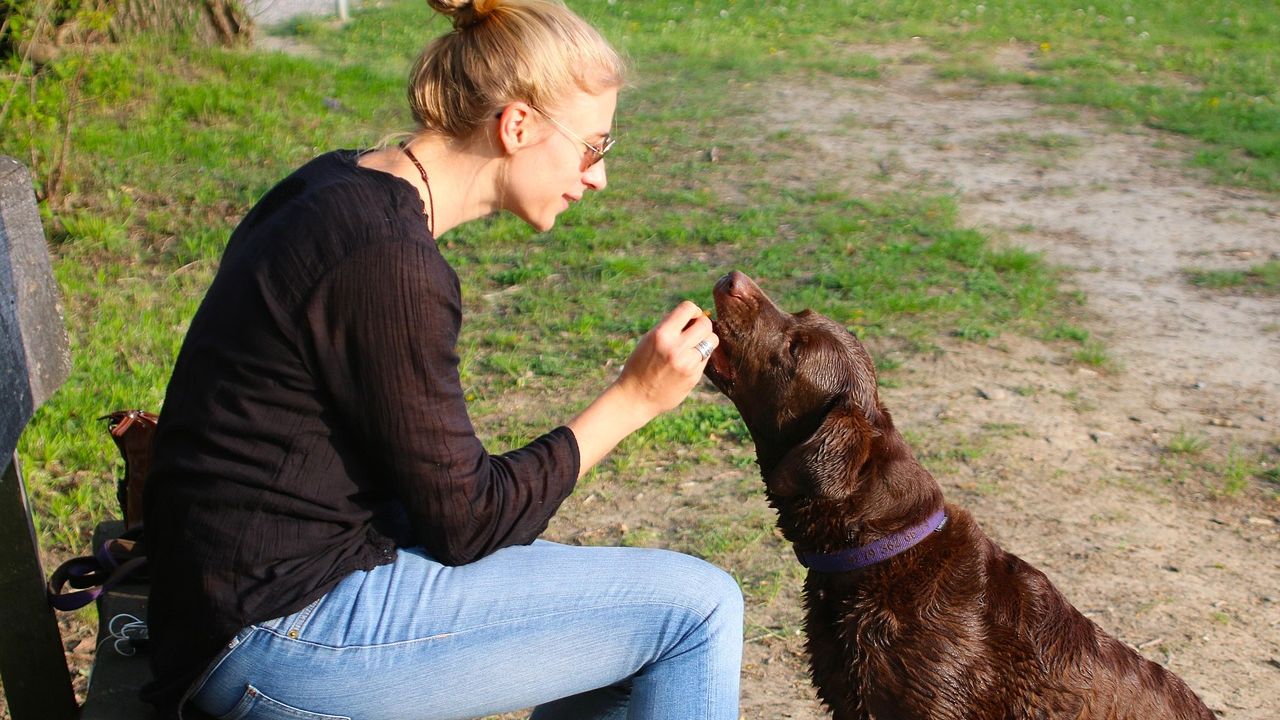
You love your dog more than most people love their morning coffee. You’d do anything for that wagging tail, those soulful eyes, that ridiculous wiggle they do when you walk through the door. So here’s a thought that might sting a little: the very love you pour into your dog could be quietly teaching them to misbehave.
It’s not intentional. Honestly, most dog owners who end up with a jumping, barking, or begging fur baby had nothing but good intentions. The tricky part is that dogs don’t learn the way we do. They learn through consequences, through what works and what doesn’t. So every time a certain behavior gets them what they want, they mentally bookmark it. Let’s unpack exactly where good intentions go sideways, so you can love your dog better, not just harder.
Your Dog Isn’t Misbehaving – They’re Just Repeating What Works
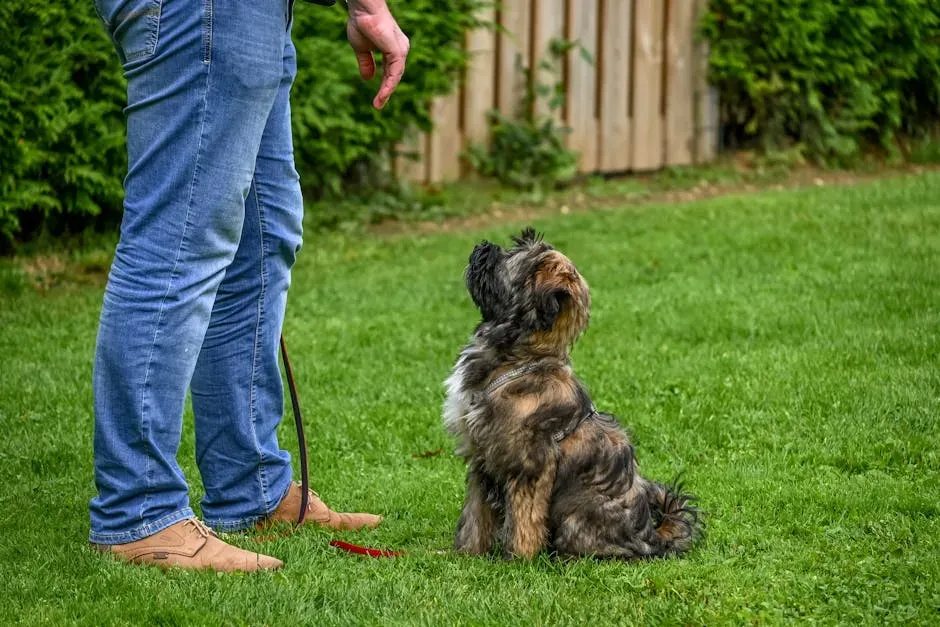
Here’s something that took me a while to fully grasp: your dog isn’t trying to ruin your life when they bark nonstop or jump on your guests. Dogs don’t misbehave to annoy us. They simply repeat what works – because dogs learn by consequence. If a behavior leads to something rewarding, even unintentionally, they’ll keep doing it. Think of it like a vending machine. If pressing a certain button occasionally gives your dog a snack, they’ll keep pressing that button forever.
Reinforcement history refers to the frequency or number of times a particular behavior has been reinforced. Dogs thrive on routine and reinforcement, so the more they rehearse a behavior, or the more times it has been reinforced, the more likely it is to be repeated. This is powerful knowledge. It means that every single moment with your dog is quietly shaping their habits, whether you realize it or not.
Most owners assume their dog just picked up bad habits, but in reality, the owner usually taught the behavior without realizing it. The owners are reinforcing unwanted behaviors and not reinforcing the good behaviors. The good news? Once you see it, you can fix it. It starts with awareness.
The Jumping Problem: Why Your Excitement Is Backfiring
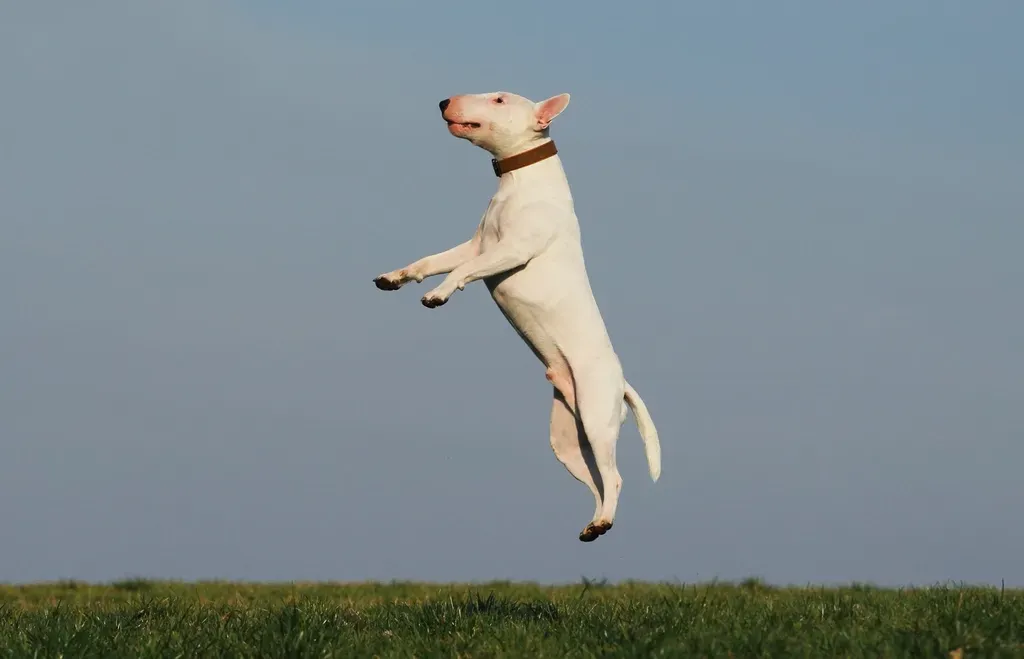
Picture this: you walk through the front door after a long day, and your dog launches themselves at you like a furry missile. Your instinct? You laugh, you pet them, you say “down” somewhere between giggles. Sound familiar? If you pet or talk to your dog when they jump on you, they’ll think jumping is okay. Without realizing it, many owners encourage bad habits this way. Even telling them “no” while making eye contact counts as attention in your dog’s mind.
Jumping is a known attention-seeking dog behavior. Any attention bestowed upon them after jumping, including chastising them, will result in furthering this behavior. It is particularly important to discourage jumping, or else an overenthusiastic dog could hurt someone. A large dog jumping on a child or an elderly person is not cute; it’s a real safety risk. The fix is simpler than you might think.
One way to reroute this behavior is to turn your back on the dog when they jump at you and completely ignore them until they have all four feet on the floor. Once this happens, you can then give a reward such as a treat or some pets, followed by verbal praise. Consistency here is everything. Every person in your household must respond the same way, every single time.
Feeding Begging Behavior One Bite at a Time
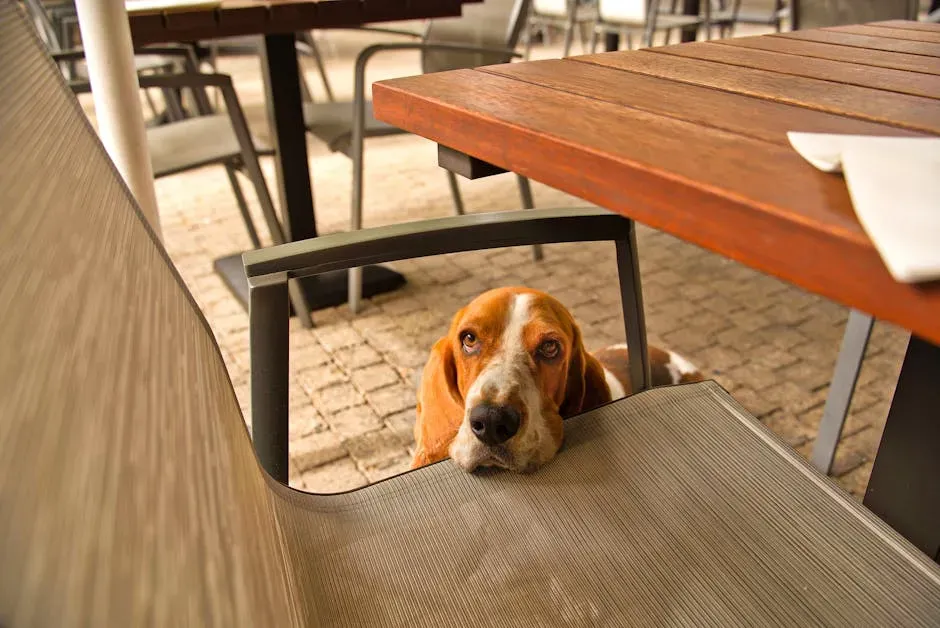
Those puppy eyes at dinnertime are a masterclass in emotional manipulation, and honestly, dogs are brilliant at it. While your dog may start with just pleadingly looking at you with “puppy dog eyes” to get a bite of food, this can lead to other behaviors like drooling, barking, whimpering, and jumping. What started as a sweet moment at the table can snowball into a full-blown dinner-time drama.
Dogs will learn to beg if you give them food while you are eating or cooking. If you never feed a dog human food while eating, they will quickly learn not to beg. It really is that direct a relationship. The moment that first scrap of chicken hits the floor from your plate, a habit is born. Even if your pup is whimpering by your side, try not to feed them off your plate. It creates bad habits and you risk feeding your dog something they shouldn’t be eating. Many human foods contain an unhealthy amount of sodium for dogs which can cause rapid dehydration and muscle cramps.
The best training option is to teach your dog a so-called incompatible behavior – something they can do that means they can’t beg at the same time. The San Francisco SPCA recommends “Go to bed.” With that command, you can gradually train your dog to spend all mealtimes quietly waiting on their mat. Reward that calm behavior, and mealtimes become peaceful again.
Inconsistent Rules Are the Silent Enemy of Good Behavior
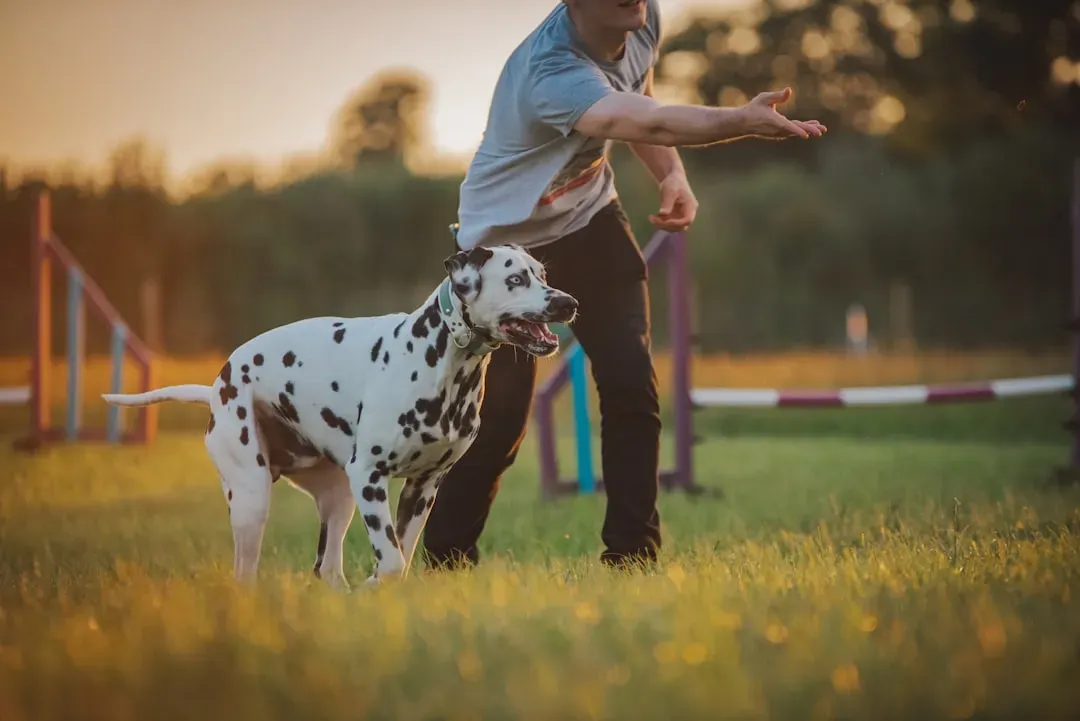
Let’s be real: this one is incredibly common and incredibly easy to fall into. Maybe the dog is allowed on the couch on movie night, but then scolded for jumping up on a Tuesday morning. Dogs thrive on consistency, and changing rules confuses them. If you allow your dog on the couch one day and scold them for it the next, they won’t understand what’s expected. The same applies to commands – if you say “off” sometimes and “down” other times, your dog may not connect them.
Nothing says “confusion” louder than mixed signals. Imagine your dog trying to understand what you want with different cues coming from different people. This can lead to inconsistent behavior and a frustrated pet. Think of it from your dog’s perspective: they’re genuinely trying their best to figure out the rules of a world run by confusing humans. Inconsistent training is a very common bad habit of dog owners, and the biggest problem with it is that it leads to a multitude of other bad habits.
The practical fix? Use the same command words each time, such as always saying “sit” instead of switching between “sit down” or “stay still.” Ensure all family members follow the same rules and commands. Stick to a routine – dogs thrive on consistency. It’s less about strict discipline and more about giving your dog a predictable world they can confidently navigate.
Soothing Your Dog’s Anxiety Is Actually Making It Worse

This one is perhaps the most heartbreaking to read, because it comes from a place of pure love. When your dog panics before you leave for work, shaking and whining near the door, your first instinct is to comfort them. You lean down, stroke their head, and say “It’s okay, I’ll be right back.” Completely understandable. Also, unfortunately, completely counterproductive.
It’s easy for owners to reinforce separation anxiety. When the dog has anxiety and knows you’re leaving, you try to comfort it by saying “It’s okay, I’ll be back in a little while.” You give the puppy attention when they’re anxious, instead of teaching them independence and confidence. By comforting a panicking dog, you’re essentially rewarding the panic itself. Your dog learns that anxious behavior earns closeness and affection.
If you find yourself in a situation where you’ve accidentally built a reinforcement history for a behavior you don’t want, the easiest way to begin to shift your dog’s behavior is to reinforce a different and incompatible behavior. For separation anxiety, this means building independence gradually: practice short departures, reward calm behavior before you leave, and avoid dramatic goodbyes. Reinforce calm behavior, good choices, and self-control. Be consistent – if one day you ignore whining and the next day you give in, you’ll only confuse your dog.
You Can Undo the Damage – Here’s How to Start
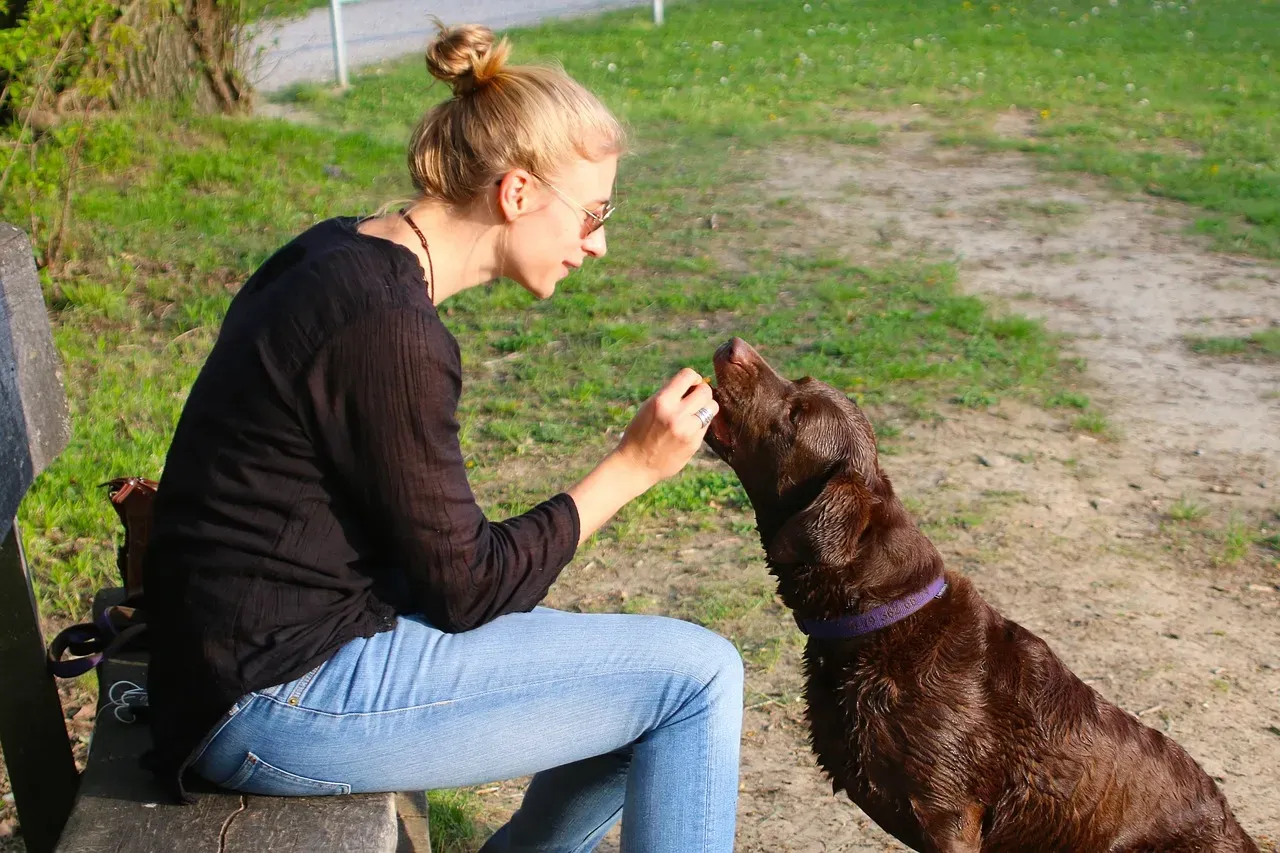
If you’ve been nodding along to every section above, please don’t feel guilty. Every single dog owner on this planet has done at least one of these things. The fact that you’re reading this means you already care deeply, and that is more than half the battle. If you’re unknowingly reinforcing bad habits, don’t worry – it’s an easy fix. The key is to mark and reward the behaviors you do want instead.
Timing matters enormously. Timing matters more than most owners think, because there’s a split second between when they do something wrong and when they do something right. For example, if the puppy is in a sit and you go to give a treat and they jump up to get it before it reaches them, and you give it anyway, you are rewarding the jumping. A fraction of a second can be the difference between reinforcing the right thing and the wrong thing. Mark the exact moment the correct behavior happens.
Instead of reacting to bad behavior, owners should start rewarding the behavior that they want. Focus on the outcome you want. Stop overcorrecting or nagging when the dog isn’t doing something right, and focus on the behaviors you want. It’s a shift in mindset, from “how do I stop the bad?” to “how do I grow the good?” Once your dog realizes that the best way to get attention, food, or play is through good choices, they’ll start offering those behaviors naturally.
Conclusion: Love Them Smarter, Not Just Harder
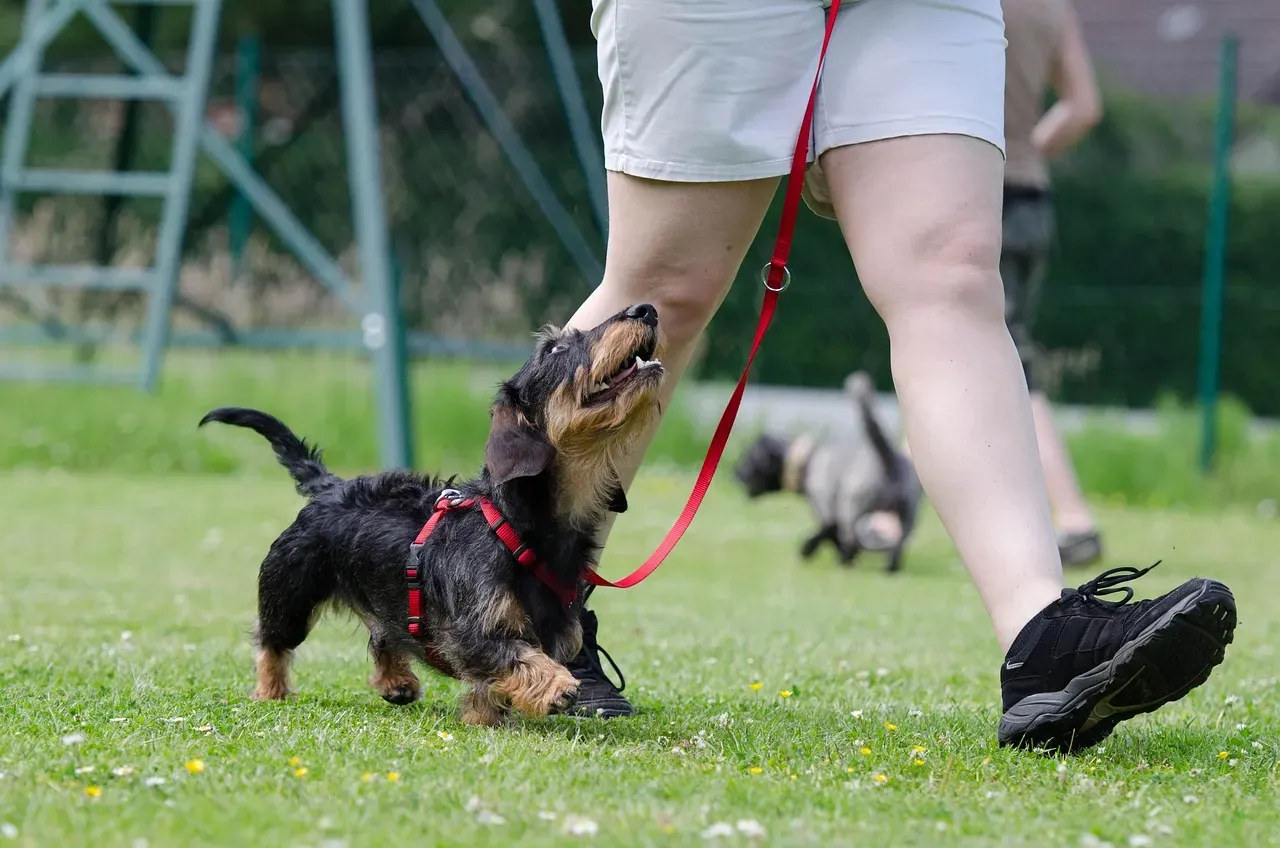
Here’s the thing about dogs: they aren’t complicated. They’re actually beautifully simple. They do what works. They repeat what gets rewarded. They live entirely in the present moment, which means the power to change their behavior is always, entirely in your hands right now. Not yesterday, not last month. Now.
You don’t need to be a professional trainer to raise a well-behaved dog. You just need awareness, consistency, and a willingness to look honestly at your own habits before blaming theirs. Dog training is a journey that requires patience, consistency, and understanding. Avoiding common mistakes and using the right approaches will help you build a strong, trusting relationship with your dog. By setting clear expectations and reinforcing positive behaviors, you’ll have a well-trained, happy companion who thrives by your side.
Your dog already thinks you’re the greatest human who ever lived. Now it’s your turn to be worthy of that title by showing up with intention. So, which of these habits hit closest to home for you? Drop it in the comments – no judgment here, only fellow dog lovers who get it.


