
How Do Dogs Choose Their Favorite Human? The Science Behind the Bond
You’ve probably seen it happen. Everyone’s sitting in the living room, and the dog quietly walks past three people and curls up right next to one specific person. Every single time. It doesn’t matter who has the treats, who called the dog first, or who’s been home the longest. The dog has made up its mind, and honestly? That decision is surprisingly deep.
There’s real science behind why dogs form these powerful emotional bonds with certain humans, and it goes far beyond belly rubs and bacon strips. The answer touches on neuroscience, evolutionary history, early development, and something remarkably close to human attachment theory. If you’ve ever wondered whether your dog truly loves you back, or why your pup seems devoted to someone else in the household, you’re about to find out. Let’s dive in.
The Attachment Science: Dogs Bond Like Babies Do
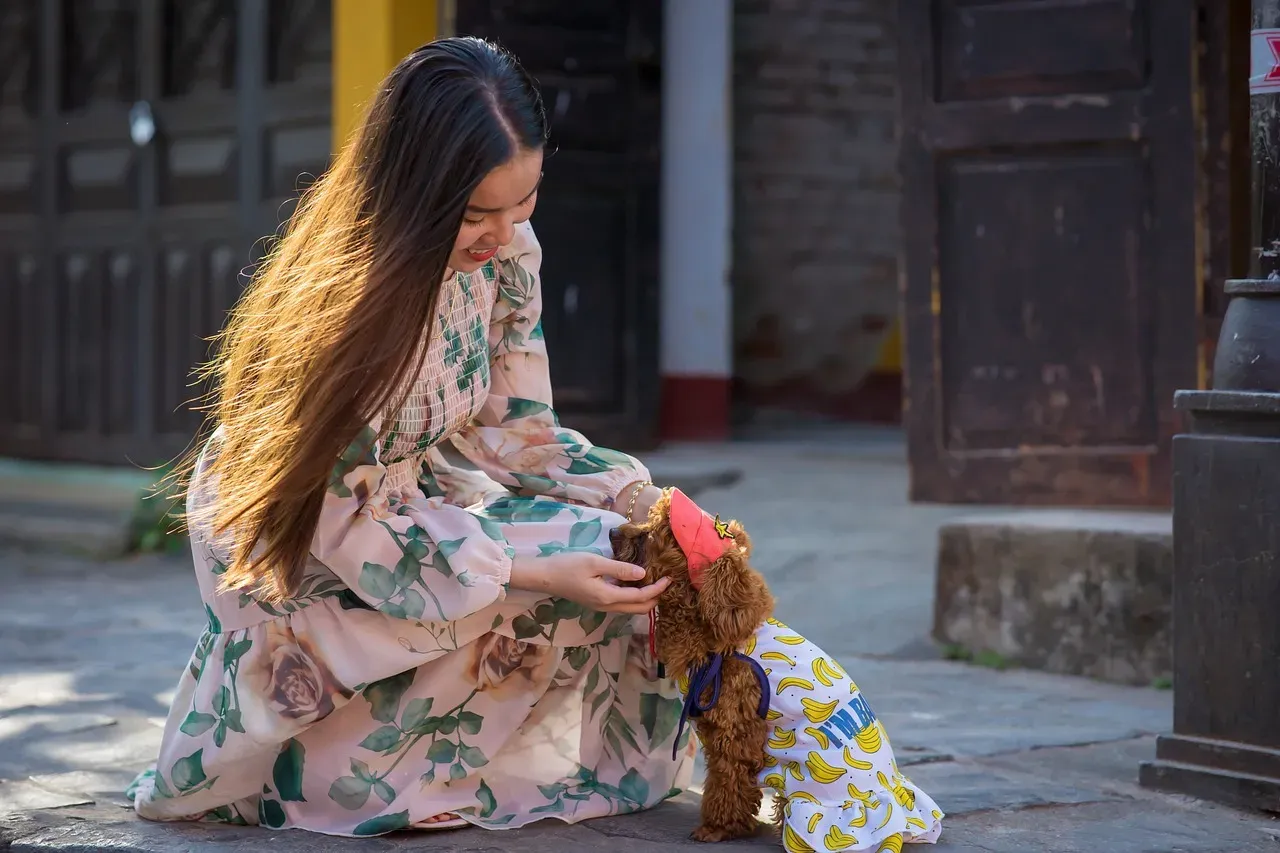
Here’s something that might genuinely surprise you. Psychologists believe that the relationship between human and canine is a bidirectional attachment bond, which resembles that of the typical human caretaker and infant relationship, and shows all of the usual hallmarks of a typical bond. That’s not poetic license. That’s peer-reviewed research. Think about that for a second: your dog’s emotional connection to you mirrors the way a baby bonds with its mother.
Research in animal behavior suggests that dogs form attachment bonds similar to those seen in human infants. Studies using “secure base” testing show that dogs explore more confidently when their trusted human is present. When separated from that person, stress indicators increase. It’s the same kind of separation anxiety a toddler feels when a parent leaves the room. Your dog isn’t being dramatic. Their nervous system is genuinely wired for this.
Another such behavior is the safe haven effect, which describes when the canine more freely explores novel objects in the caretaker’s presence. Canines are capable of assessing humans’ emotional states, as well as discriminating humans by levels of familiarity. This is why some dogs seem perfectly at ease in new environments with one specific person around, but shut down entirely without them.
The Oxytocin Loop: Chemistry You Can Actually See
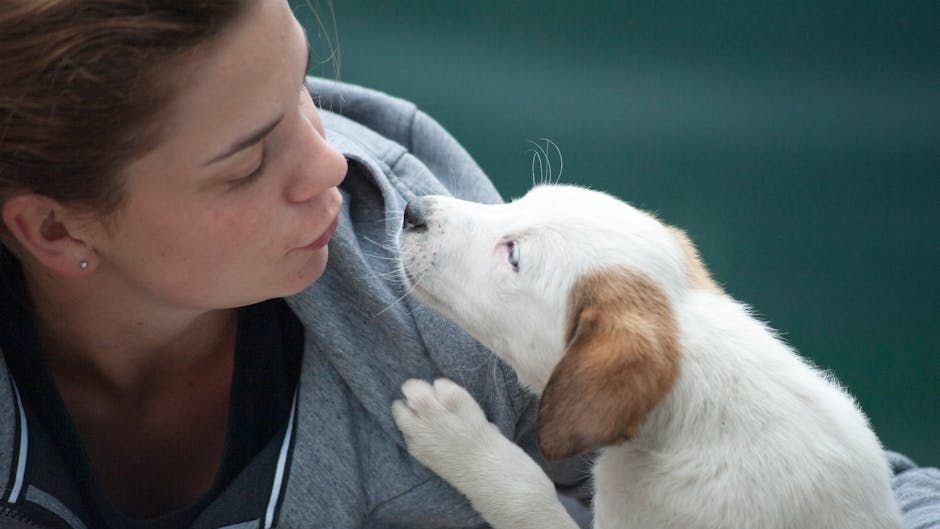
If you want to understand the deep “why” behind a dog’s devotion, you need to understand oxytocin. Often called the “love hormone,” it’s the same neurochemical responsible for parent-child bonding in humans. When you pet your dog and make gentle eye contact, oxytocin increases in both of you. This feedback loop strengthens attachment. So the warm feeling you get when your dog gazes at you? It’s completely mutual, and it’s chemical.
A landmark study published in Science revealed something extraordinary. Of the duos that had spent the greatest amount of time looking into each other’s eyes, both male and female dogs experienced a 130% rise in oxytocin levels, and both male and female owners a 300% increase. That’s not a small effect. That’s a flood of bonding chemistry triggered simply by mutual eye contact. The person your dog stares at most adoringly? They are quite literally chemically bonded to that dog in a measurable way.
These results support the existence of a self-perpetuating oxytocin-mediated positive loop in human-dog relationships that is similar to that of human mother-infant relations. Human-dog interaction by dogs’ human-like gazing behavior brought on social rewarding effects due to oxytocin release in both humans and dogs and followed the deepening of mutual relationships, which led to interspecies bonding. The more you gaze, the deeper the bond grows. It’s a beautiful cycle.
Early Life Imprinting: The First Six Months Matter More Than You Think
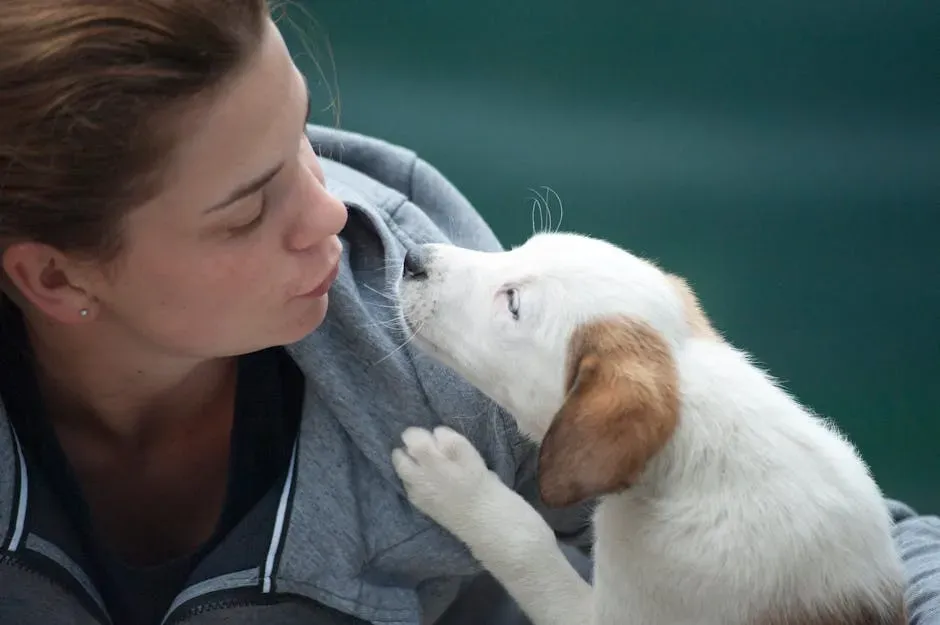
Honestly, if you want to understand who a dog will favor for life, you need to look at who they were around first. During early development, puppies tend to attach strongly to whoever handles them most consistently during their formative weeks. That early bonding period often shapes long-term preference patterns. This is called imprinting, and it’s powerful. Think of it like concrete: easy to shape when wet, nearly impossible to reshape once it sets.
Dogs can quickly become fearful of negative experiences, and experiences are how they shape their personality and learn to trust others, both humans and animals alike. If you get your dog when they are a puppy, their mind is very impressionable, and they will likely imprint on the person whom they feel most connected to in those early life bonding experiences. This is why two people in the same household can have wildly different relationships with the same dog, especially if one person spent more time with the pup in those crucial early weeks.
What about rescue dogs? The picture is a little more nuanced there. Rescue dogs may form attachments more gradually. Past experiences influence how quickly they trust. In some cases, they may initially attach to the most predictable or least threatening person in the home. With time, patience, and consistent structure, rescue dogs can form exceptionally strong bonds. So if you’ve adopted a rescue and feel like the connection is slow-building, that’s completely normal. Keep showing up.
Routine, Consistency, and Calm: What Dogs Are Really Looking For
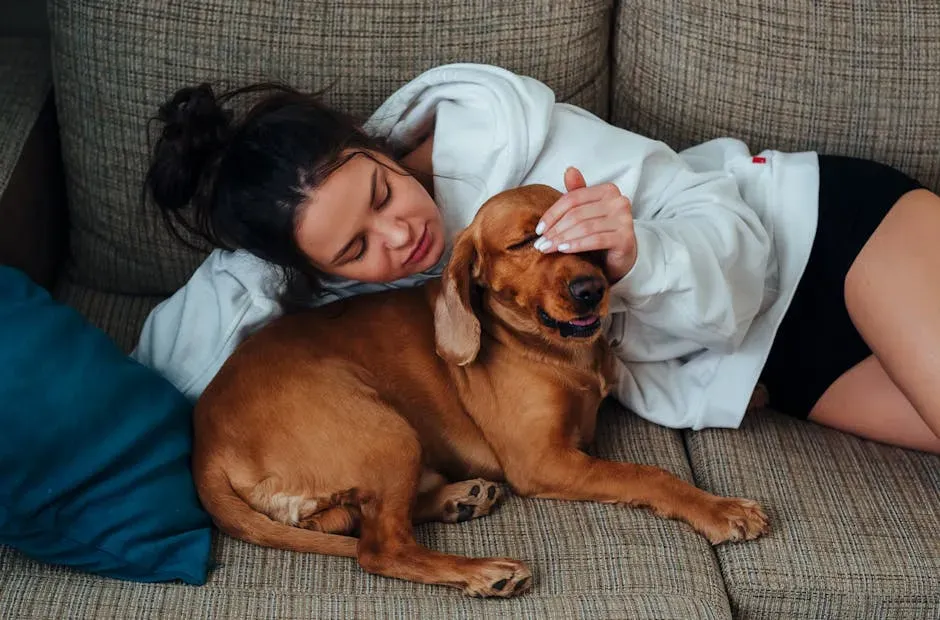
Let’s be real: most people assume that the dog’s favorite human is whoever plays with them the most or sneaks them the most treats. But that’s not the whole story. Dogs thrive on predictability. Feeding times, walks, play sessions, training expectations, and even bathroom habits create rhythm in their world. The individual who maintains structure becomes the anchor. Routine lowers stress hormones in dogs. Lower stress increases trust. Trust increases preference. It’s almost like a mathematical equation for earning a dog’s devotion.
Dogs are masters at reading human energy. They notice posture, tone, breathing, and emotional shifts. The person who consistently remains calm and reassuring becomes associated with safety. When a dog feels anxious, startled, or uncertain, they will often seek out the person who has historically provided comfort. That pattern strengthens attachment over time. This explains why, counterintuitively, the person in the house who barely acknowledges the dog often ends up with a shadow following them everywhere. Calm, non-threatening energy is deeply attractive to dogs.
If a person is stressed, loud, or inconsistent, a dog may be less likely to form a deep bond with them. On the other hand, someone who offers reassurance and stability often earns the title of ‘favorite’ without even realizing it. This is something worth sitting with, especially if you’re trying to strengthen your bond with a dog who seems hesitant around you.
Personality Matches and Shared Experiences: The Friendship Factor
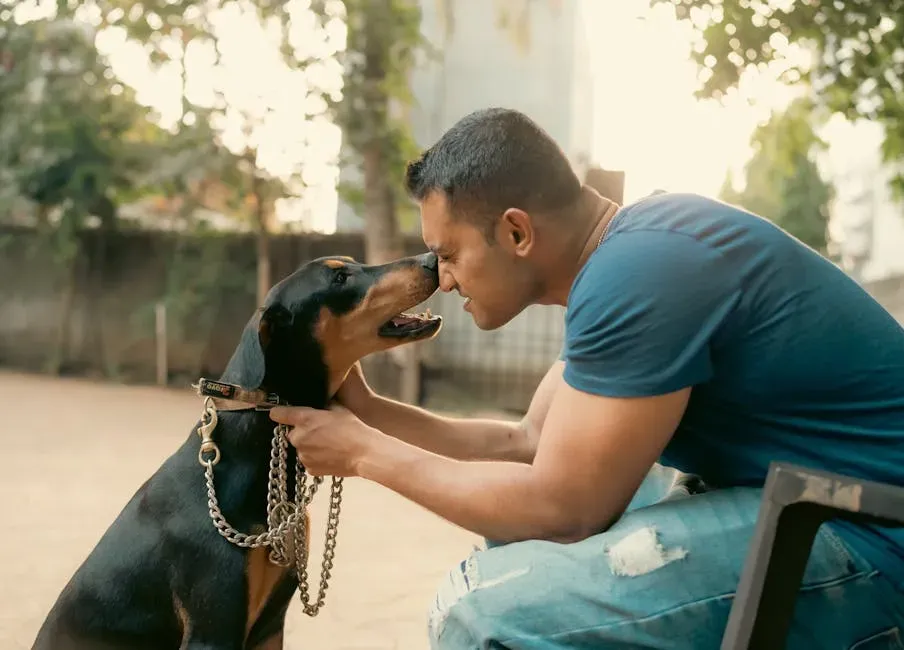
Dogs are not blank slates. They have personalities just like people do. When people spend time together, some get along better than others. In fact, some get along great with each other. When dogs and humans have matching personalities, they usually bond better. Think of it like human friendships. You don’t equally connect with every person you meet, and neither does your dog.
The examples here are wonderfully relatable. If you have a tiny lap dog who loves to snuggle, they might be more drawn to the person in their home who likes to binge-watch television shows with cozy blankets on the couch. If you have a dog that’s on the hyper side, they could be more drawn to the active person in their home who takes them for hikes or long walks daily. The overlap in lifestyle matters enormously. A high-energy Border Collie finding their person in the household marathon runner isn’t coincidence. It’s compatibility.
Engaging in breed-appropriate activities strengthens your bond by fulfilling your dog’s natural instincts and preferences. High-energy breeds benefit from active play sessions, agility training, or outdoor adventures, while calmer breeds might prefer grooming sessions, puzzle games, or quiet bonding time. Matching your activities to your dog’s natural inclinations increases their enjoyment and strengthens their positive associations with you. In short, do what your dog loves, not just what you want to do with them.
Conclusion: You Don’t Have to Be “The Chosen One” to Have a Meaningful Bond
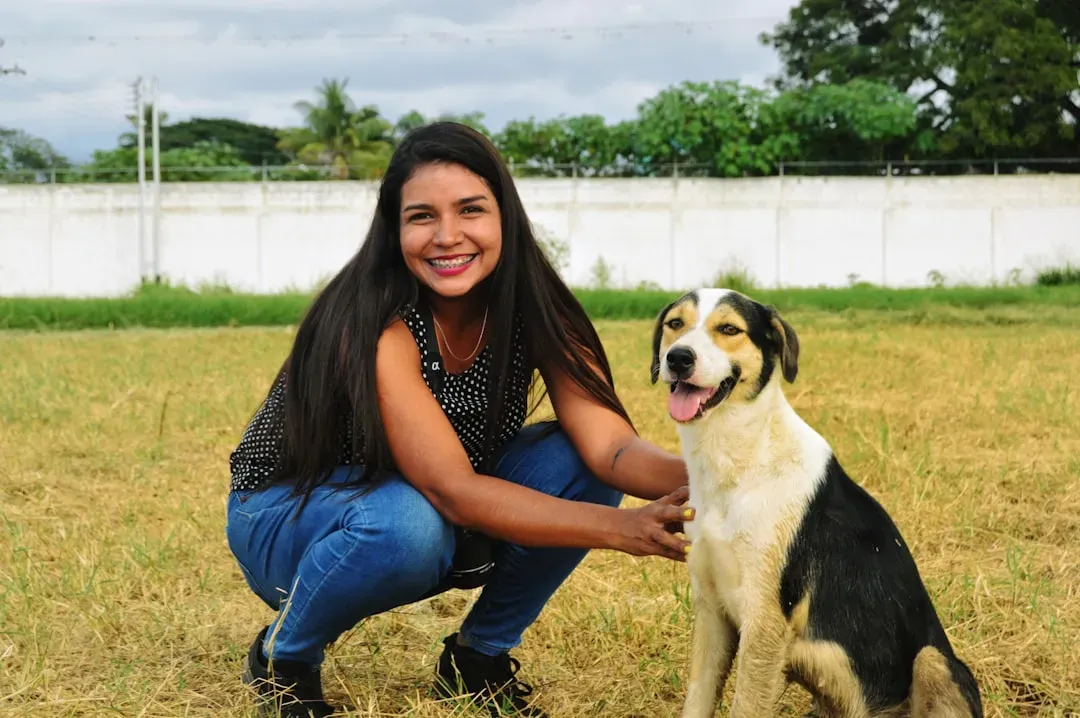
Here’s a truth worth sitting with: not being your dog’s top favorite doesn’t mean they don’t deeply love you. Dogs are capable of forming multiple meaningful bonds. Preference does not eliminate affection for others. The bond your dog has with their “person” is simply the strongest thread in a web of real connections that includes everyone in the home.
The beautiful thing is that this bond is entirely buildable. If you show up daily, calm, predictable, and attentive, you are building exactly the type of relationship dogs instinctively gravitate toward. Loyalty grows from repetition. Trust grows from reliability. Attachment grows from safety. There’s no shortcut, no magic treat, no trick that replaces consistent, loving presence.
So the next time your dog bypasses everyone else in the room to rest their head in one specific lap, remember: that’s not random. That’s the culmination of thousands of small moments, a little neuroscience, and a bond that is, in every measurable way, as real as the ones we form with each other. The question worth asking yourself is a simple one: are you showing up in the small moments that matter most to your dog?