
9 Overlooked Behaviors That Reveal Your Dog’s Deepest Affection for You
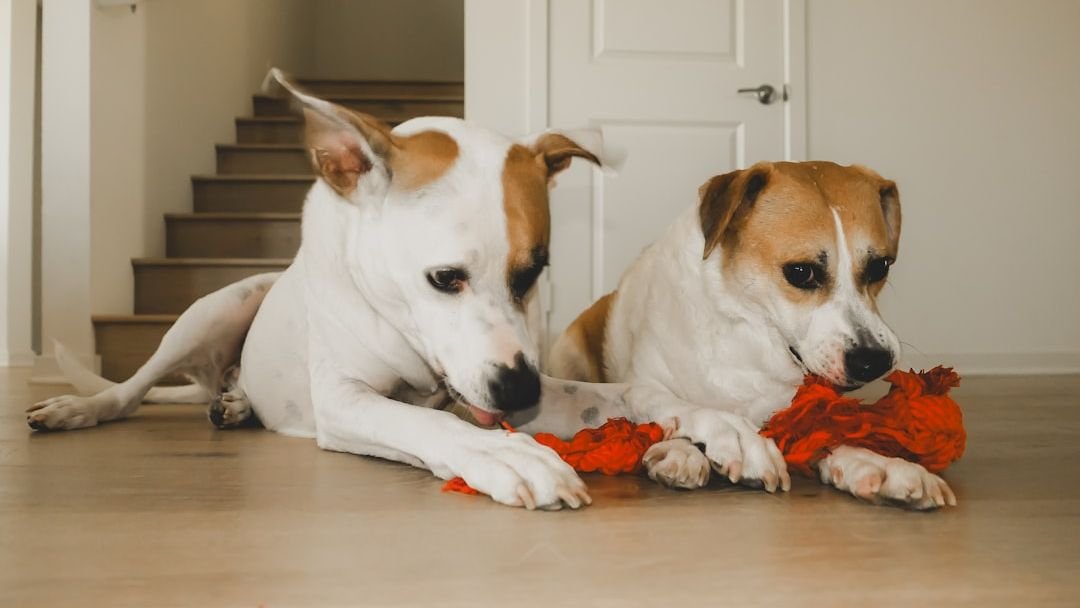
Most of us think we know when our dogs love us. The tail wags, the sloppy face licks, the enthusiastic jump at the door. But honestly, those are just the headlines. The real love story your dog tells is written in the quieter moments, the subtle gestures that slip right past us while we’re scrolling our phones or rushing through the morning routine.
Think about it. Your dog communicates entirely through body language and behavior. They can’t write you a note, send a text, or whisper sweet nothings. So every single thing they do around you is a form of emotional expression, and some of the most powerful signals are the ones we’ve been completely ignoring. If you’ve ever wondered just how deep your dog’s love for you really runs, buckle up. What you’re about to discover might genuinely surprise you.
The Soulful Gaze That Actually Releases a Bonding Hormone
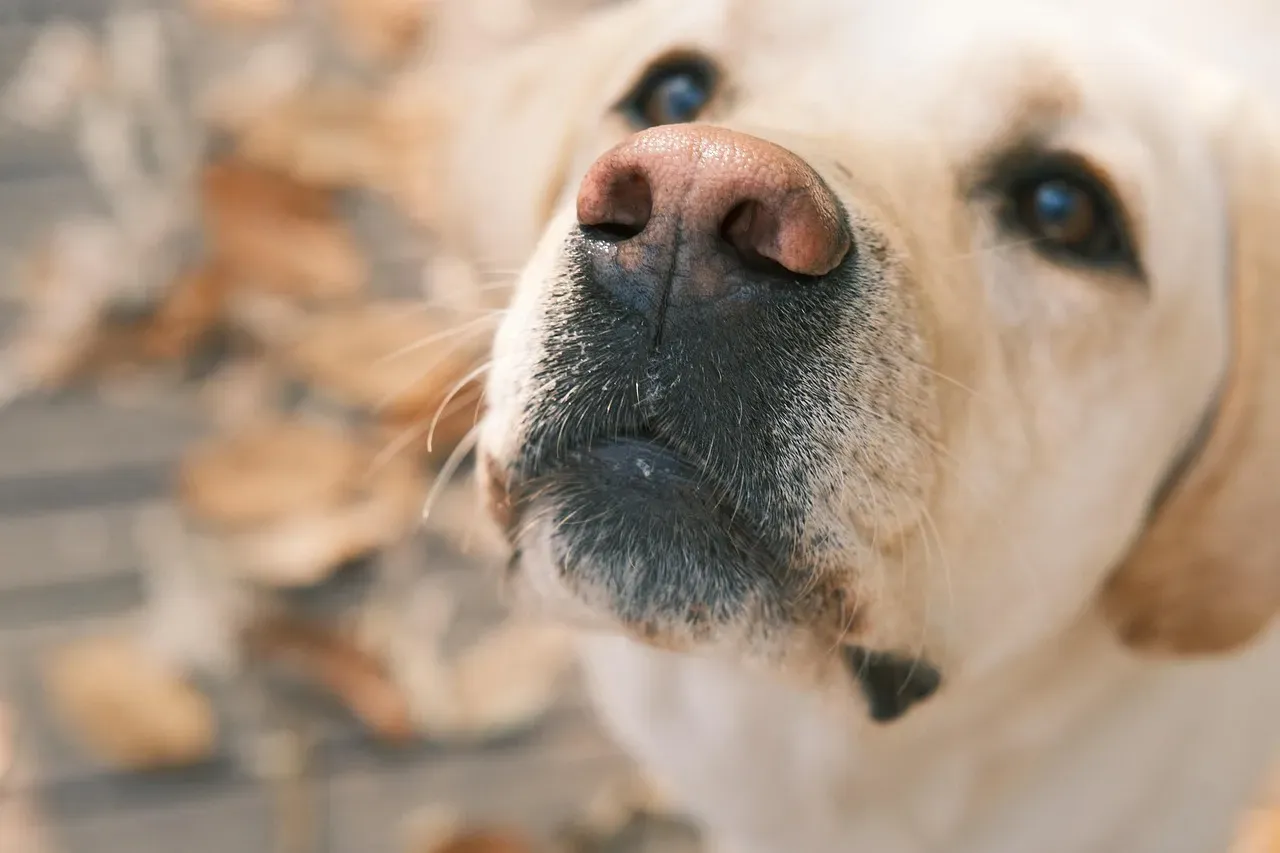
You’ve probably caught your dog staring at you from across the room and thought nothing of it. Maybe you assumed they wanted food. Here’s what’s really happening: sustained eye contact is one of the more subtle ways your dog expresses love. While some dogs may be wary of making eye contact, especially with strangers, they reserve this behavior for those they trust and love. When your dog gazes into your eyes, it releases oxytocin, the “love hormone,” in both of you, creating a feeling of emotional bonding and connection.
This is not a coincidence or a cute quirk. According to a study published in the journal Proceedings of the National Academy of Sciences, dogs have evolved a special eye muscle to better communicate with humans, and they are able to move their eyebrows and make that deeply expressive face that tugs at our heartstrings. The next time your dog holds that gentle gaze, meet it warmly. You’re essentially sharing a hug at a neurological level. Just keep an eye on context: if your dog is making eye contact with you, not blinking, and looking stressed or agitated, there’s a chance they’re uncomfortable and trying to tell you something else.
The Full-Body Lean That Says “You’re My Safe Place”
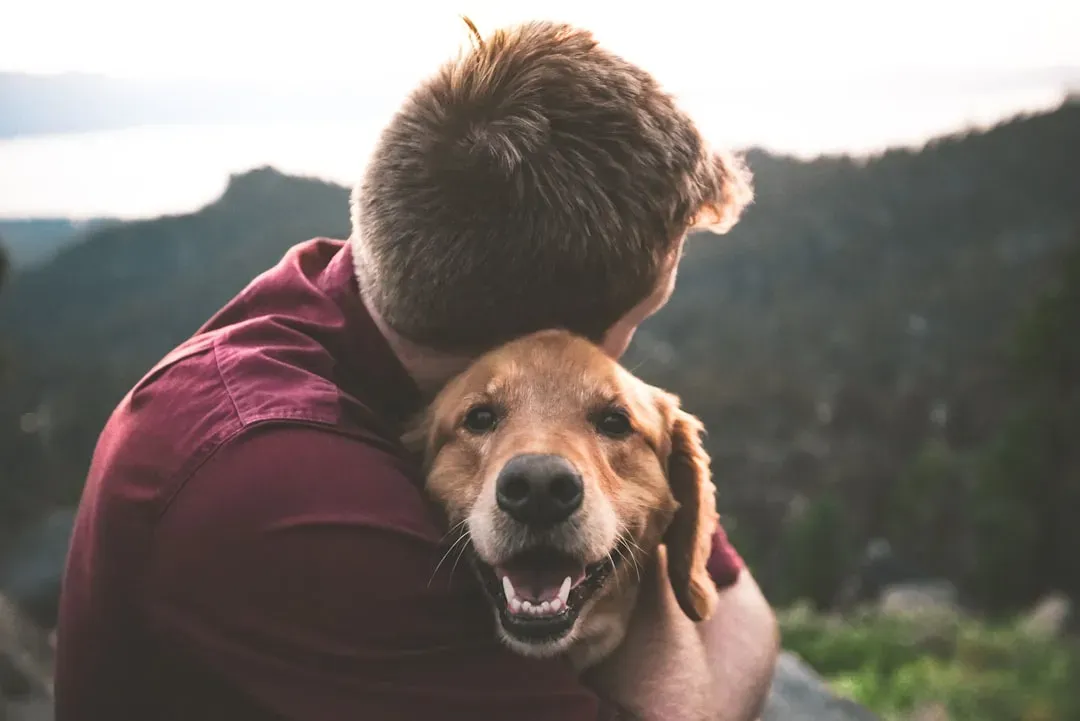
Picture this: you’re standing in the kitchen making coffee, and suddenly seventy pounds of dog presses gently against your leg and just stays there. No barking, no jumping, just that warm, steady weight. This kind of contact helps dogs feel grounded and calm. Your presence actually regulates their nervous system, even if you’re not actively petting them. To your dog, leaning on you feels like comfort, protection, and closeness all wrapped into one.
When dogs lean their full weight against you, it signifies complete trust. This means your dog sees you as a protector. Your dog may do this for comfort, but when they lean against you, it is the equivalent of a full-body hug. Think of it like a child reaching up for a parent’s hand in a crowded room. It’s not neediness. It’s pure, unfiltered love expressed through physical closeness. Don’t push them away in those moments if you can help it. They chose you specifically as their anchor.
Bringing You Their Favorite Toy, Even When You Didn’t Ask
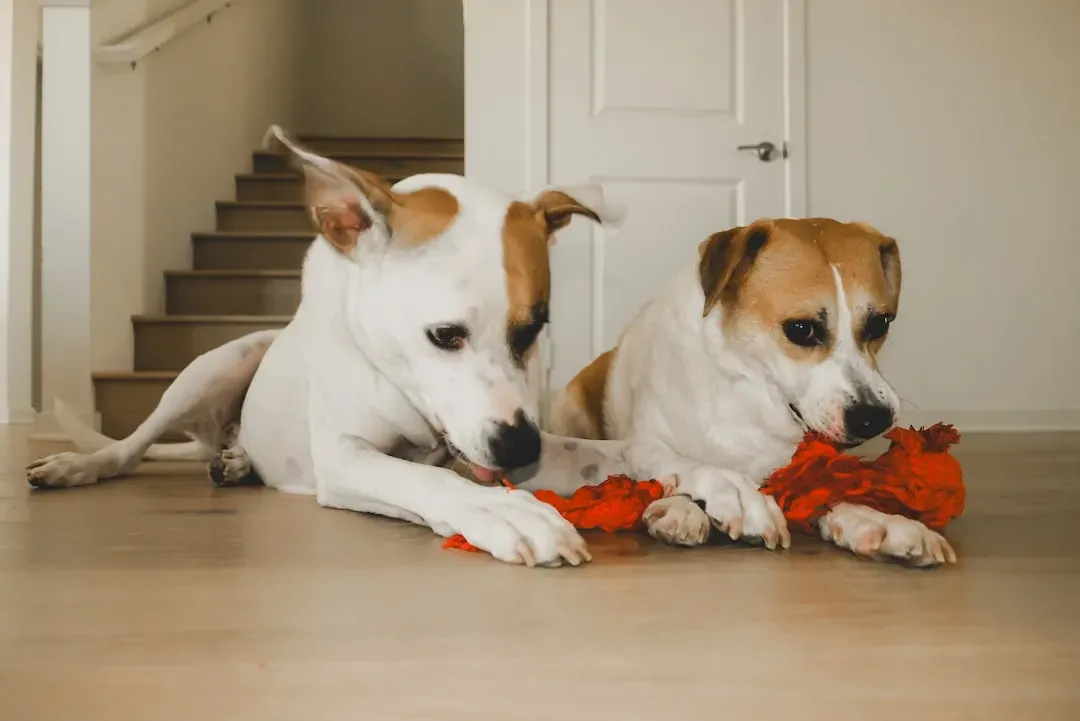
Dogs don’t share their prized possessions with just anyone. Let’s be real: some dogs are fiercely protective of their squeaky duck or that one tennis ball with the missing fuzz. So when your dog trots over and drops it right into your lap, that’s a moment worth paying attention to. Dogs often bring their favorite toys to their owners as a sign of affection. When your dog brings you their most cherished possession, it’s a gesture of trust and love. In their world, toys are valuable, and sharing them with you is a sign of deep connection, showing that your dog values you enough to give up something they treasure, even if only temporarily.
While this behavior may appear like a form of play, it can also be a sign of “affiliative sharing.” Dogs aren’t always willing to share their perceived possessions, and when they do, it’s a deep sign of trust, as if they’re effectively saying: “You’re the best! I trust you with what matters to me.” When your dog brings you a broken toy, that adds another layer. They’re handing over something precious because they trust you to help. That’s love and teamwork.
Following You Everywhere, Including the Bathroom
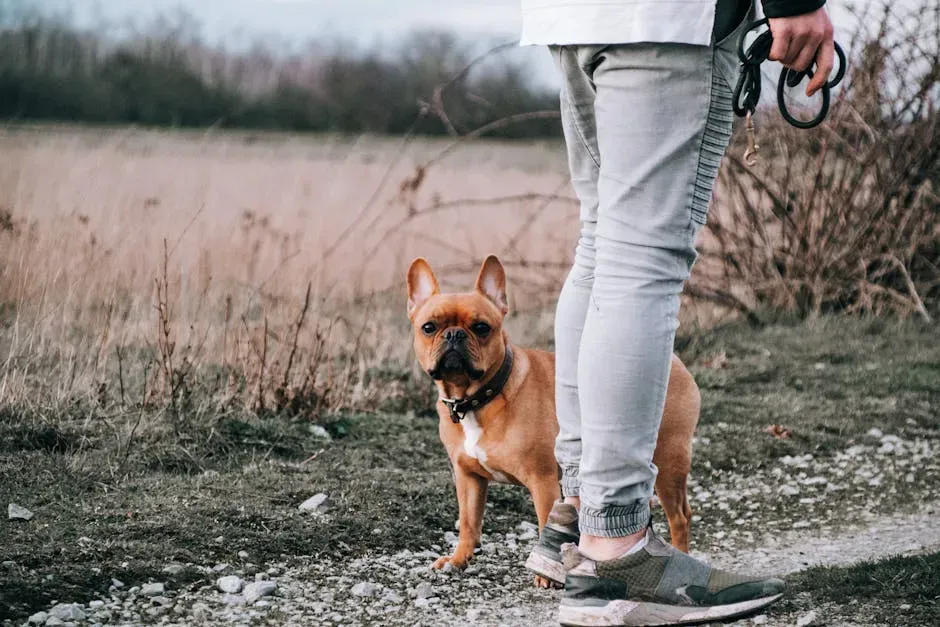
Yes, including there. You’re not imagining the tiny shadow that appears every time you change rooms. When your dog “shadows” you, it means your presence is comforting and reassuring. Dogs who love their humans tend to stay close, whether you’re doing laundry or cooking in the kitchen. It’s their way of staying connected and involved in your life. This behavior is deeply rooted in pack mentality: in your dog’s eyes, you are the pack, and pack members don’t just wander off alone.
While we might find it annoying or invasive, your dog following you to the bathroom is actually a sign of deep attachment. Pack animals stick together, and in your dog’s mind, you two are a pack. However, it’s worth noting that there’s a difference between loving closeness and anxiety-driven clinginess. Hyperattachment often stems from genetics or inconsistent attachment figures early in life. It can lead to separation anxiety or protective aggression. You can work on these behaviors with a certified trainer or behaviorist who practices positive reinforcement. So watch the full picture, not just one behavior in isolation.
The Contented Sigh When They Curl Up Beside You
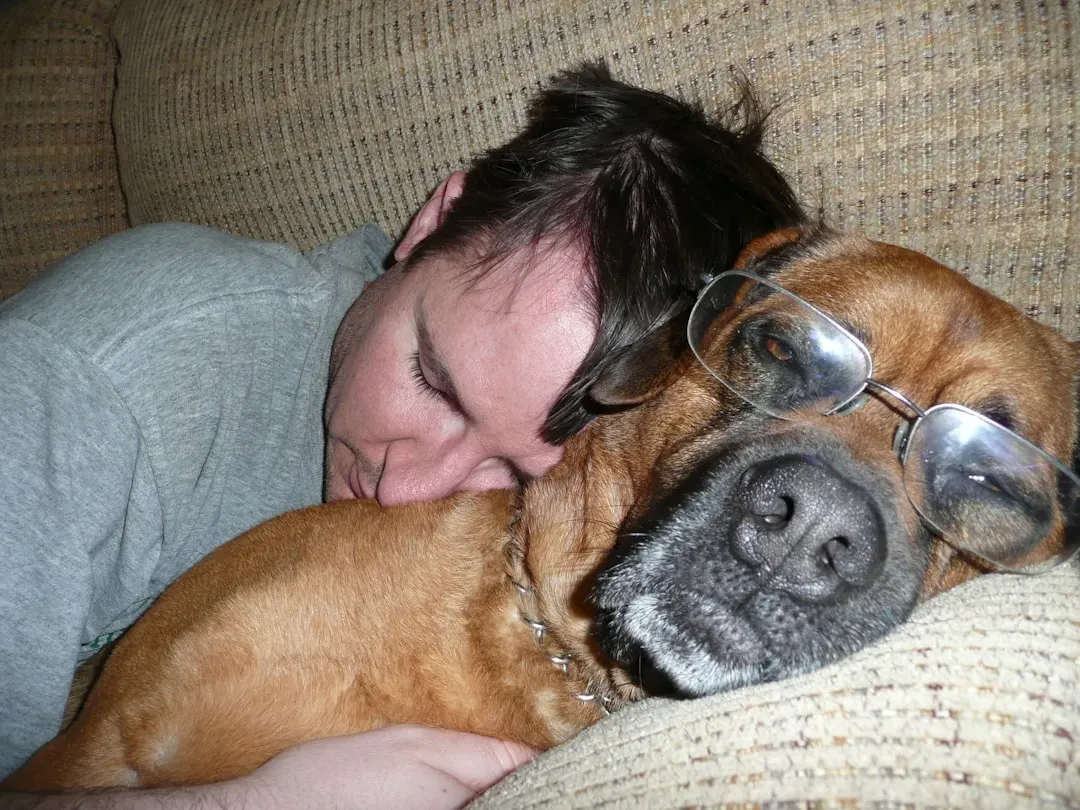
It’s such a small sound. Easy to ignore, easy to mistake for nothing. Your dog settles in next to you on the couch, tucks their nose under their tail, and lets out this long, slow exhale. Honestly, it might be one of the most tender things a dog can do. Soft vocalizations, like sighs and groans, are signs of contentment in dogs. When you hear your furry buddy do that, it means they’re happy.
That long sigh before sleep is a sign they feel safe, settled, and deeply relaxed. Think of it as your dog’s version of saying “all is right with the world.” It’s a quiet confirmation that they feel completely at ease in your presence. You don’t have to do anything dramatic to earn that sigh. Simply being a consistent, loving presence in their life is enough. Most dogs thrive on predictability, and regular feeding times, walks, play, and rest help regulate their nervous system and reduce stress. A consistent routine creates feelings of safety, and when dogs know what to expect, they’re more able to relax, learn, and connect.
Showing Their Belly: The Highest Form of Canine Vulnerability
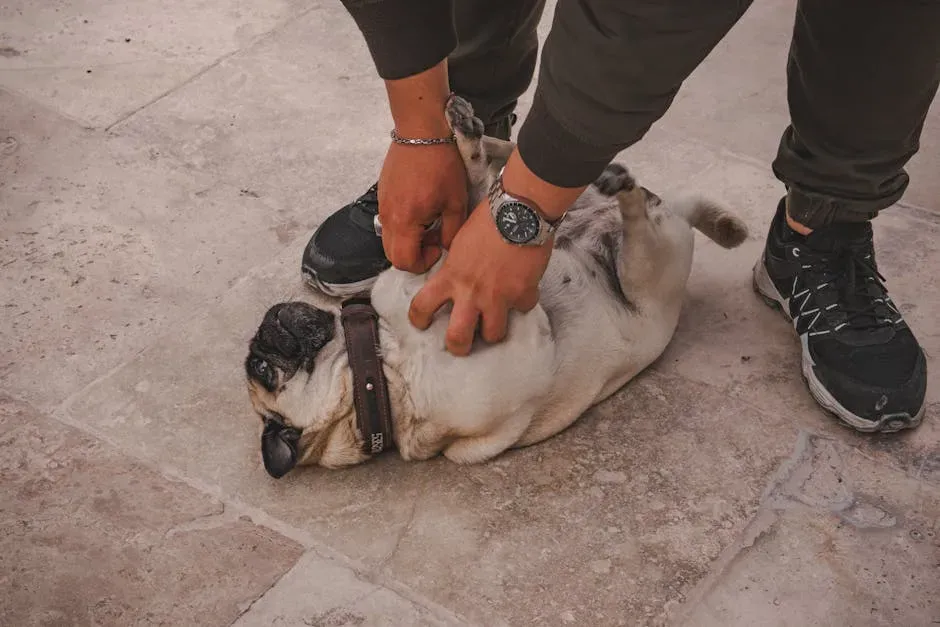
A dog’s belly is arguably the most vulnerable part of their body. In the wild, exposing it would be an enormous risk. So when your dog flops over in front of you, paws in the air, just asking for a belly rub, they’re doing something profoundly trusting. Nothing says “I really, really trust you” more than your pup rolling on their back and asking for a belly rub. Since a dog’s tummy is one of their most vulnerable body parts, this act puts them into a total state of submission, the ultimate signal of love and trust.
If your dog flops over for belly rubs, naps with their belly exposed, or stretches out beside you, it means they feel safe and comfortable in your presence. There’s something really moving about that when you think about it. An animal that is, at its core, a predator, choosing to expose its most unguarded self to you. That’s not something they’d do with a stranger. Rolling onto their back with a relaxed body often signals comfort and affection, and it’s one of the clearest trust indicators in the canine world.
Mirroring Your Yawns and Emotions: Emotional Contagion Is Real
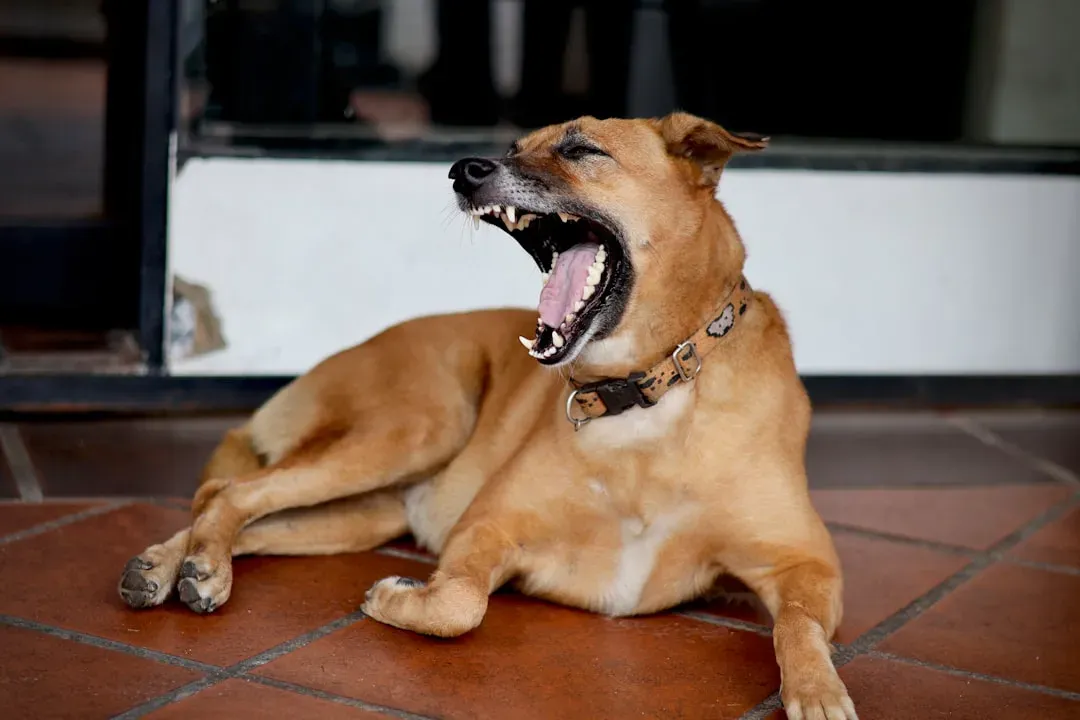
Here’s one that genuinely surprised me when I first learned about it. Your dog yawns when you yawn. You might have written it off as coincidence, or assumed dogs just yawn a lot. Turns out, it’s something much more remarkable. Yawning when you yawn is a surprising way dogs show their love. This behavior, known as contagious yawning, suggests they have a strong emotional connection with you. Not all animals do this, which makes it special. It shows empathy and signifies that they are attuned to your feelings.
This is part of a larger phenomenon. Research has shown that dogs often mimic our emotions, a phenomenon known as emotional contagion, which is another way they show love. Think of it like having a friend who can’t help feeling what you feel. Dogs are incredibly in tune with your moods and emotions. Because of this, emotional contagion, the tendency to reflect the feelings or behaviors of someone you’re close to, can also show up in dogs. For example, if they yawn when you yawn, it can be a sign that you’re emotionally connected. It’s worth embracing those moments rather than dismissing them as coincidence.
Sleeping Near You: A Profound Declaration of Trust
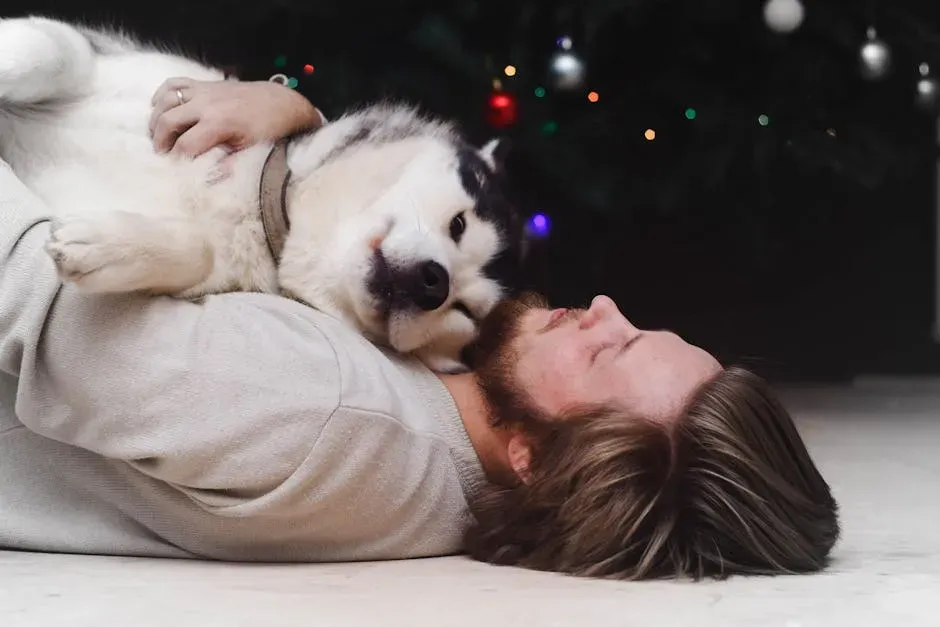
Sleep is when every living creature is at their most vulnerable. That’s not a minor detail. Dogs are most vulnerable when asleep. Choosing to rest close to you shows deep trust. Whether they’re curled up at your feet, pressed against your legs, or having an entire debate with themselves about whether to climb up onto the bed, the choice of location matters enormously. Dogs tend to sleep where they feel most secure, so choosing to sleep by your side is a sign of trust and attachment. This shows a deep level of emotional closeness.
Since you are your dog’s best friend and family, it’s only natural they will want to sleep near you. Whether or not this behavior is acceptable in your bedroom is debatable, but the fact that they want to sleep near you shows a deep bond of love and trust. The good news is, you get to set the boundaries here. If sleeping in the bed works for both of you, wonderful. If not, a cozy dog bed placed near yours gives them the proximity they crave while keeping your sleeping space intact. It’s important not to force physical contact with your dog. Just like people, dogs have different comfort levels when it comes to touch. Always let your dog initiate contact and watch for signs indicating if they are getting uncomfortable. Respecting their boundaries helps build trust and strengthens your bond over time.
Stealing Your Clothes and Belongings When You’re Away
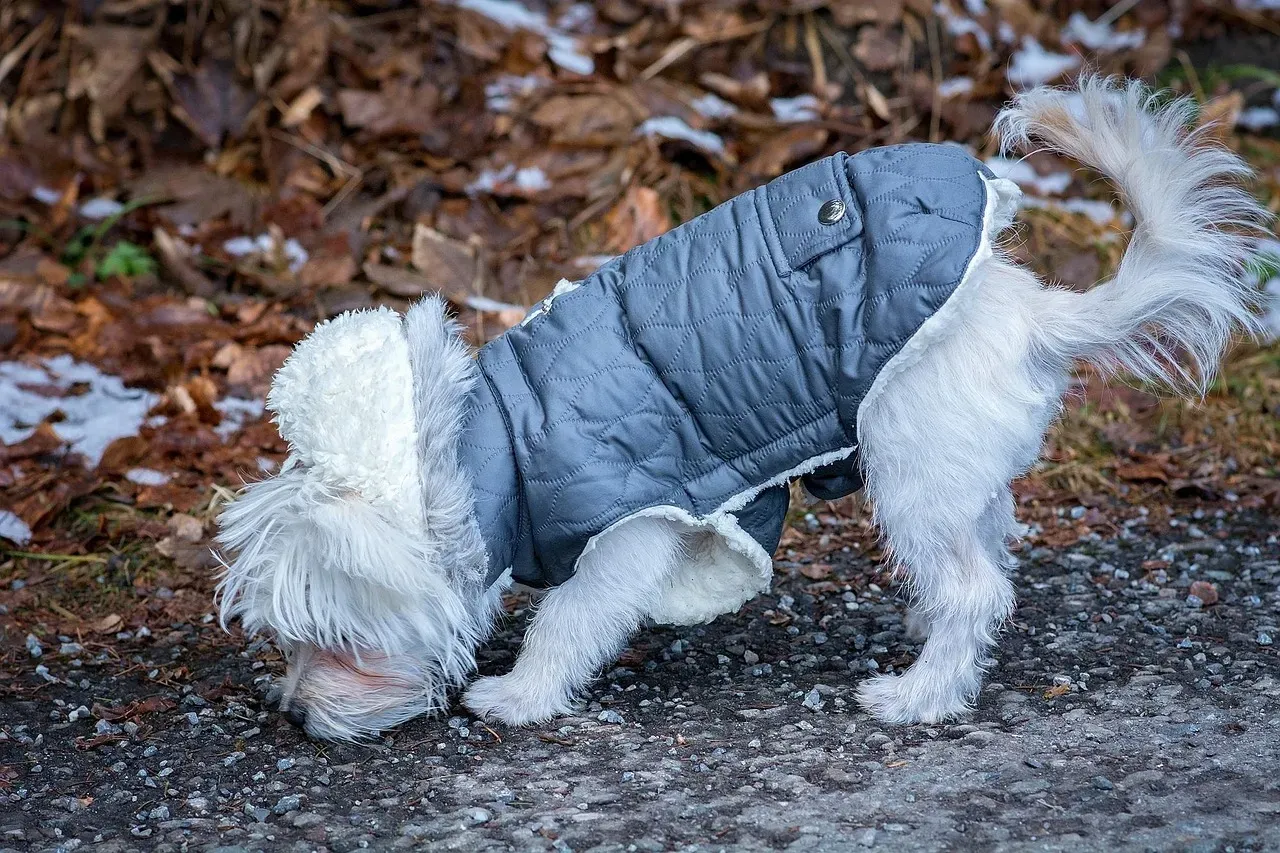
You come home and find your favorite hoodie dragged off the laundry pile and onto your dog’s bed. Your sock is missing. One of your shoes has been relocated to their favorite napping spot. This might feel frustrating, especially if you love that hoodie. But I’d encourage you to see it through your dog’s eyes. If your dog raids your dirty laundry for your smelliest clothes, dirtiest shoes, and stinkiest socks, it’s a sign of love. It shows that they missed you while you were away and can’t get enough of your unique smell.
Dogs experience the world primarily through scent, and your smell is essentially their emotional anchor. When your dog goes for your dirtiest, sweatiest items, it shows that they missed you while you were away and just can’t get enough of your unique smell. It’s a coping mechanism, one that’s genuinely touching when you consider what’s behind it. It’s okay to discourage this behavior for the sake of your shoes and socks, but remember, they are doing it out of love. A practical tip: consider leaving an old unwashed t-shirt in their space during extended absences. It may help ease their separation stress and protect your wardrobe at the same time.
Your Dog’s Love Is Quieter Than You Think, and So Much Deeper
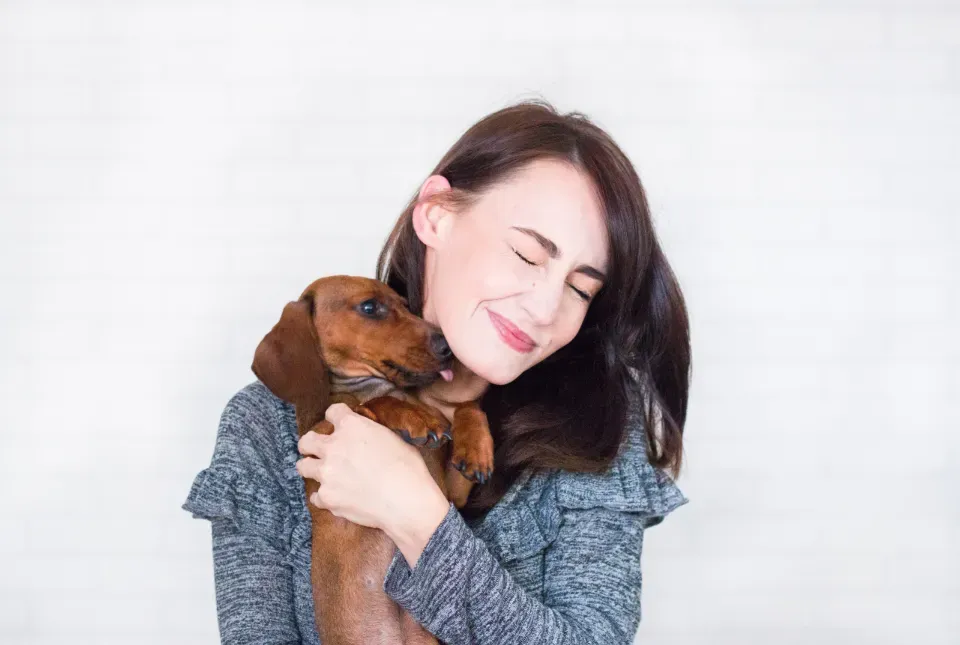
Here’s the thing about dogs: they don’t love loudly. Not really. The deepest expressions of their affection are often the ones we’re most likely to overlook, a steady lean, a quiet sigh, a gentle gaze across the room. Licking, leaning against you, bringing a favorite toy, letting out a contented sigh, holding eye contact, or choosing to sleep nearby all reflect trust and attachment. Some signs are obvious and playful, while others are quiet and steady, much like human love languages expressed in different ways.
Once you start recognizing these overlooked signals, you’ll begin to see just how often your dog is saying “I love you” throughout the day. No two dogs show affection in exactly the same way. Personality plays a big role, along with breed tendencies and past experiences. Some dogs are natural snugglers who want constant closeness, while others prefer sitting nearby or checking in quietly. The most loving thing you can do is learn your individual dog’s language and respond in kind.
Some dogs seek closeness, others prefer to show affection through play, shared routines, or quiet companionship. Paying attention to your dog’s signals and responding with empathy builds a bond based on understanding and respect, not assumptions. So slow down. Put the phone down for a moment. Notice the small things your dog is doing right now to show you they’re yours and you’re theirs. Chances are, they’ve been speaking this language to you all along.
Did you recognize any of these signs in your own dog? Drop your story in the comments, we’d love to hear how your pup says “I love you.”