
Forget Expensive Toys: These Simple Household Items Are Your Dog’s New Favorite Playthings
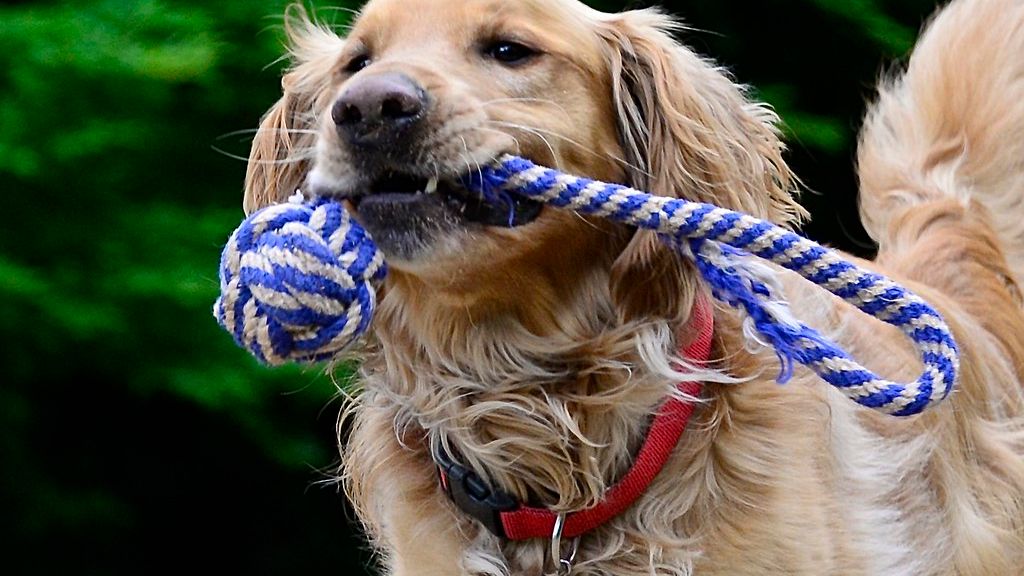
You’re standing in the pet aisle, staring at a $35 interactive puzzle toy, wondering if your dog will actually use it or just chew the box it came in. Sound familiar? Here’s the thing most pet brands won’t tell you: your dog doesn’t know the difference between a designer toy and a rolled-up kitchen towel. What they care about is stimulation, novelty, and the chance to do what dogs were literally built to do – sniff, chew, chase, and problem-solve.
The key to a happy and healthy dog is regular enrichment that allows them to engage in their innate behaviors, such as playing, chasing, smelling, chewing, and scavenging. By allowing your dog to engage in these behaviors, you allow them to be physically, emotionally, and mentally satisfied. The good news? You already have everything you need sitting in your recycling bin, linen closet, or kitchen drawer. Here’s how to put it to use.
The Humble Cardboard Box: Your Dog’s Personal Playground
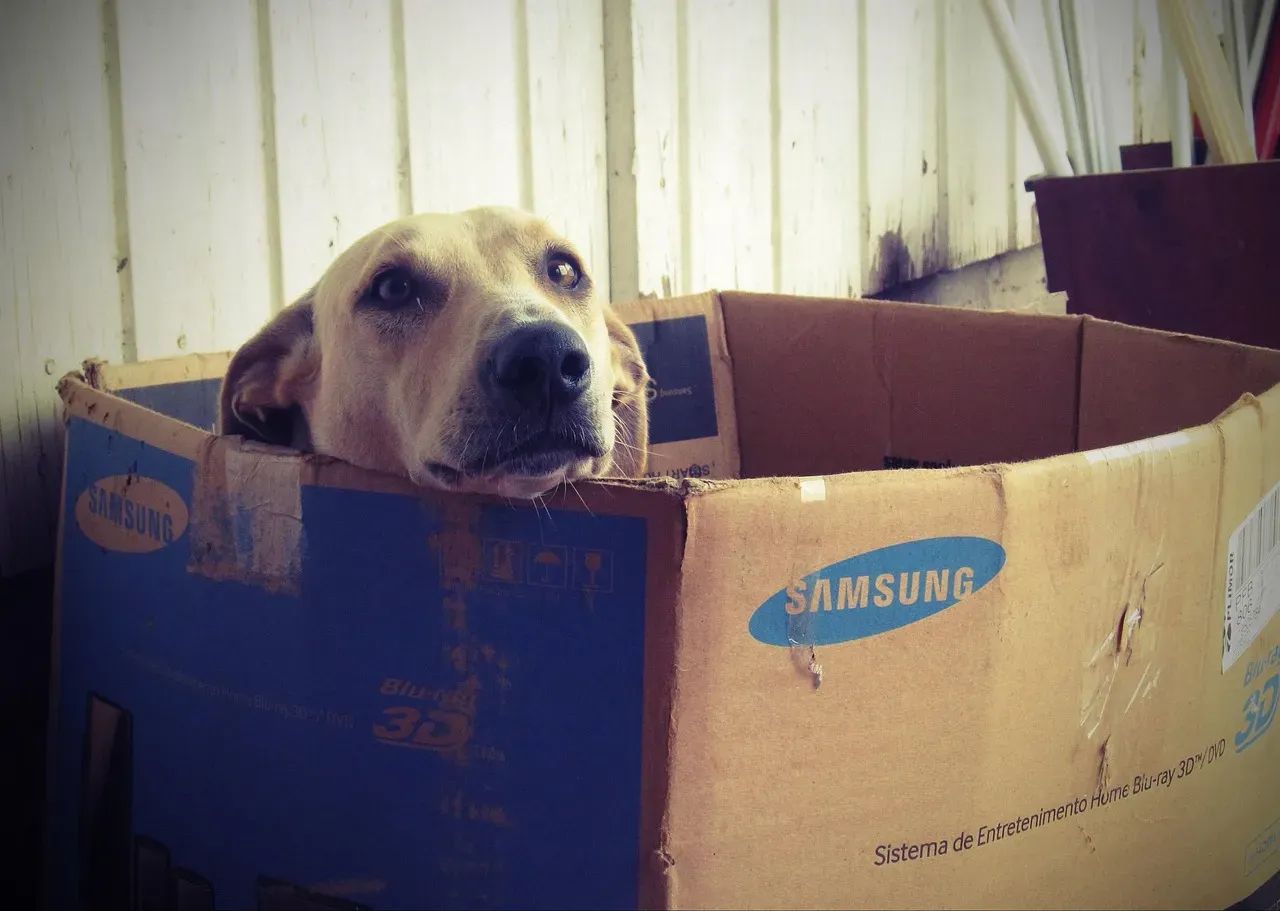
Few things in your home offer as much versatile enrichment potential as a simple cardboard box. Ripping and tearing are natural, instinctive dog behaviors, and busy boxes give dogs the opportunity to safely rip and tear something they’re allowed to destroy. That pile of delivery boxes in the corner? Your dog sees a treasure chest.
Hiding treats in boxes and allowing your dog to sniff them out is one of the most confidence-boosting and stress-relieving activities for dogs, and it gives you a way to put all those delivery boxes to use before recycling them. You can stuff crumpled packing paper inside, toss in a few pieces of kibble, and watch your dog work for every last morsel.
You can also drop treats or stuffed toys into a large cardboard box filled with empty water bottles, requiring the dog to search inside to recover the treats or toys. Because the bottles move and make noise, the game can actually help build confidence. Start simple and graduate to more complex setups as your dog catches on. Just remove any tape, staples, or printed foil liners before handing the box over.
Old T-Shirts and Towels: Tug Toys That Cost Nothing
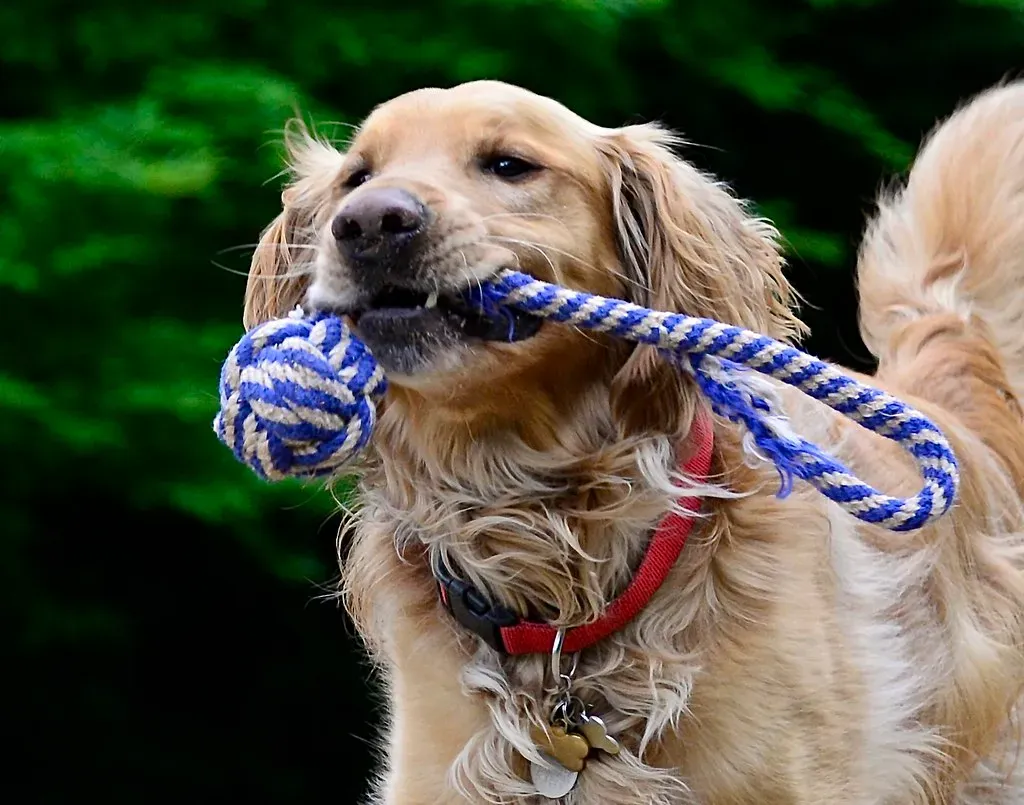
Old T-shirts or cotton fabric strips can be braided into tug toys, which provide excellent mental and physical stimulation for your dog. Tug-of-war is a fantastic way to engage with your dog, allowing for bonding time while also letting them release energy. A basic three-strand braid from strips of an old shirt is genuinely durable and soft on a dog’s teeth and gums.
Braiding old T-shirts or towels together creates a durable and interactive tug toy that gives your dog an outlet for their natural tug instinct and provides an engaging playtime activity. Tug is often misunderstood as a game that encourages aggression, but when played with clear rules like “drop it” and “leave it,” it’s actually a wonderful impulse-control exercise.
Avoid using items with zippers, buttons, or loose seams, as these could come off and be ingested. Always check for wear and tear before allowing your dog to play. Once the braid starts to fray significantly or threads begin to pull loose, retire it without hesitation. Your dog won’t miss it for long once you hand over a fresh one.
Kitchen Towels and Blankets: The DIY Snuffle Mat
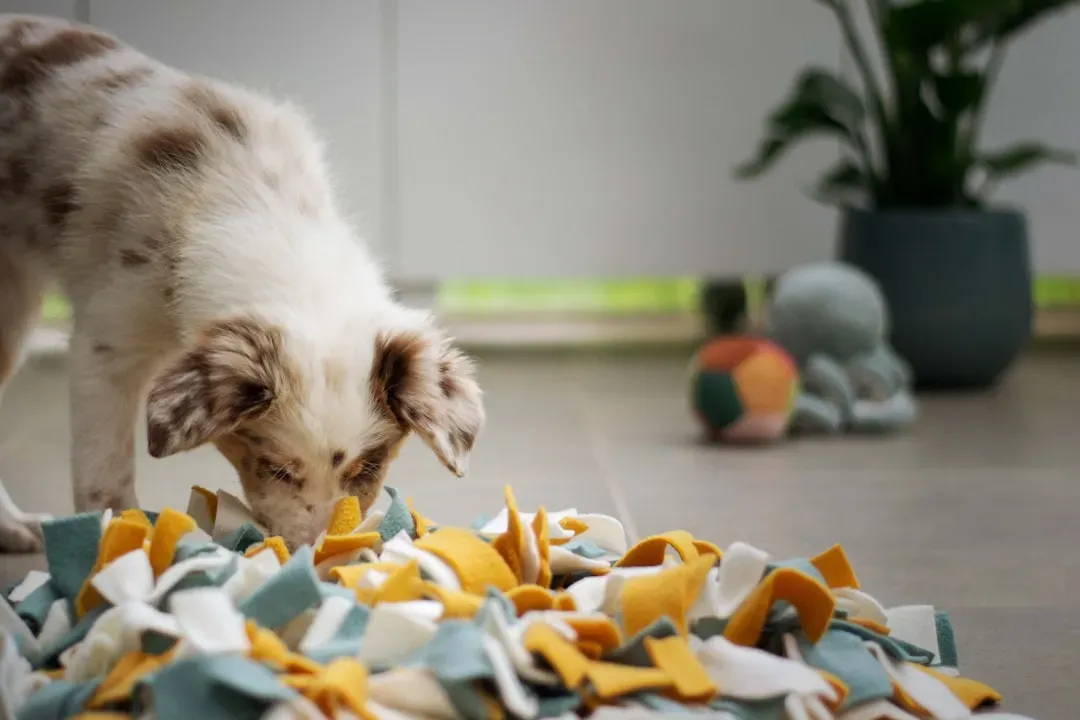
You can use a towel or blanket to create your own sniff-and-find game. Just lay a towel flat, scatter small treats or kibble across the surface, roll or fold the towel to hide the treats within the layers, and let your dog sniff and unroll it to uncover their rewards. It takes about thirty seconds to set up and will keep a focused nose busy for ten times that long.
Whether you’re playing indoor scent games or out on a walk, it’s incredibly important to allow your dog to use their nose. Sniffing can be stimulating and calming and allows your dog to gather information on their environment. What looks like a dog nosing through a rolled-up dish towel is actually a dog meeting one of its deepest neurological needs. It’s tiring in the best possible way.
Remove the towel once your dog has found all the hidden treats inside it. You don’t want them to shred and ingest the towel in continued efforts to make treats magically appear again. Think of it as a game with a defined start and end – set it up, let them work, then put it away. That boundary keeps the activity safe and keeps it feeling special.
Plastic Bottles and Cardboard Tubes: The Zero-Cost Treat Dispenser
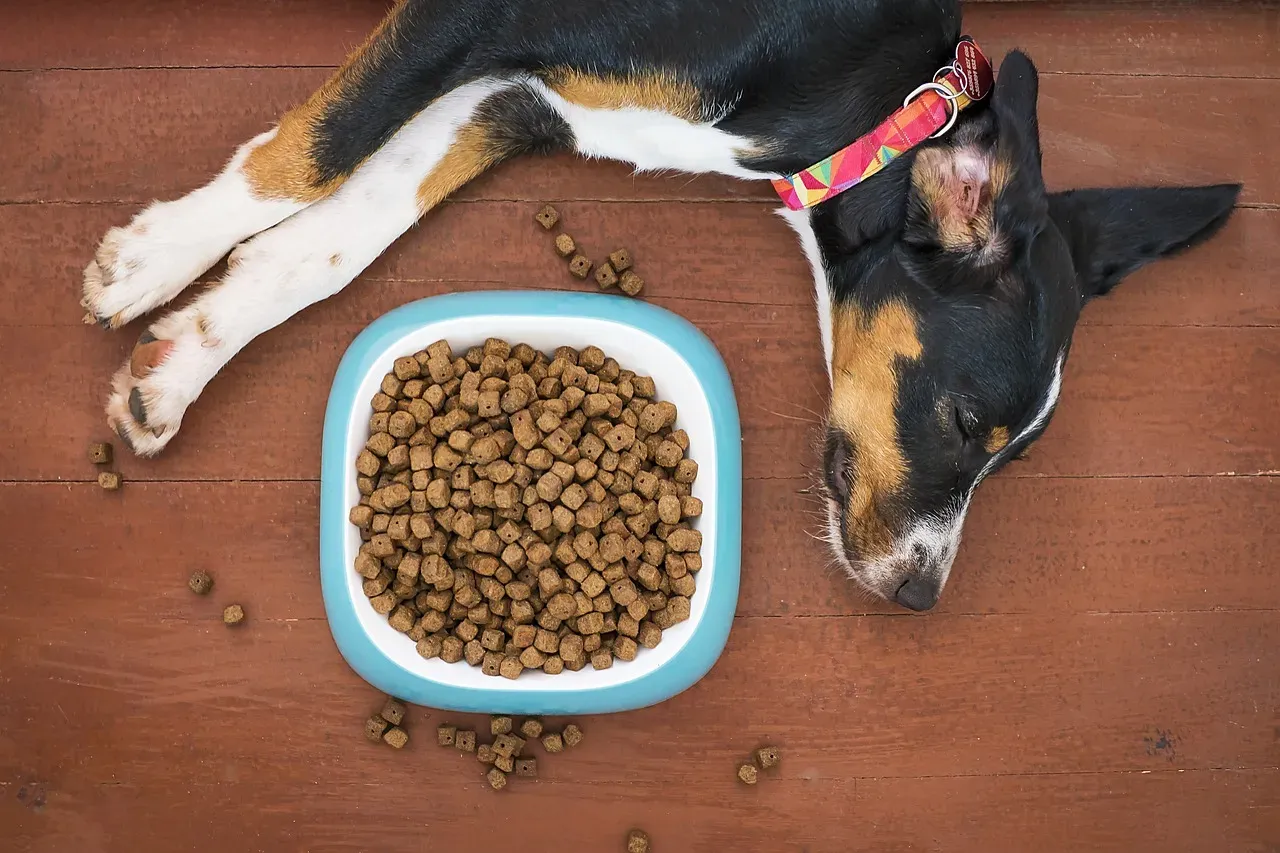
A clean, empty plastic bottle with the cap and label removed makes a surprisingly effective treat dispenser. Cut small holes around the bottle, just large enough for kibble to fall out, fill it with treats or dry food, and let your dog roll it around to release the goodies. Most dogs figure it out within minutes and become completely absorbed.
A simple puzzle feeder can also be made from a cardboard paper towel tube. Cut random holes in the tube, add some treats, and press in the ends to close. Covering the tube with paper and twisting the paper ends adds extra challenge. Paper towel rolls are perfect for smaller breeds or dogs newer to puzzle play since the cardboard gives just enough resistance without being frustrating.
Always supervise your dog when playing with plastic bottles to ensure they don’t chew off pieces or swallow plastic fragments. Once the bottle shows any significant chewing damage, swap it out immediately. Rotating toys and activities regularly keeps things interesting and prevents your dog from losing interest in their enrichment options. Keep a few bottles in rotation and your dog will always treat the next one like it’s brand new.
Muffin Tins and Tennis Balls: A Classic Puzzle That Never Gets Old
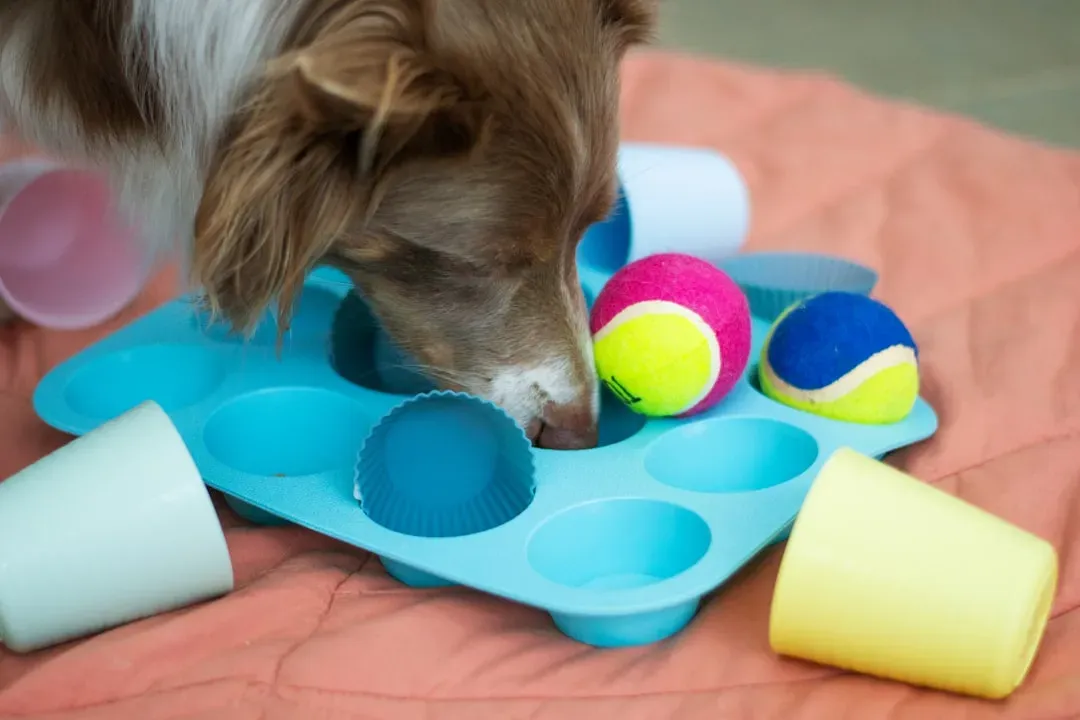
Dog parents can make a DIY enrichment puzzle feeder with just a muffin tin and tennis balls. Place a treat or a small scoop of kibble in each cup, then cover them with tennis balls. Your dog has to nudge or paw each ball out of the way to discover whether a reward is hiding underneath. It sounds almost too simple, but the mental engagement it creates is real.
Start by placing a few visible treats in the muffin cups and letting your dog find them. When your dog is easily getting the treats out of the cups, cover a couple of treats with a tennis ball to increase the challenge. Gradually cover more cups, or mix in a few empty ones to keep them guessing. The unpredictability is part of what makes the game genuinely stimulating.
Tennis balls make great dog toys for fetching, but don’t stand up to chewing very well. Discard any tennis balls that have been chewed through, as they can pose a choking hazard to your pet. Used fetch balls that are past their best are perfectly fine for the muffin tin game since they’re never in your dog’s mouth for extended periods. It’s a smart way to give worn-out balls a second life before they hit the bin.
Ice Cube Trays and Frozen Treats: Summer Enrichment on a Budget
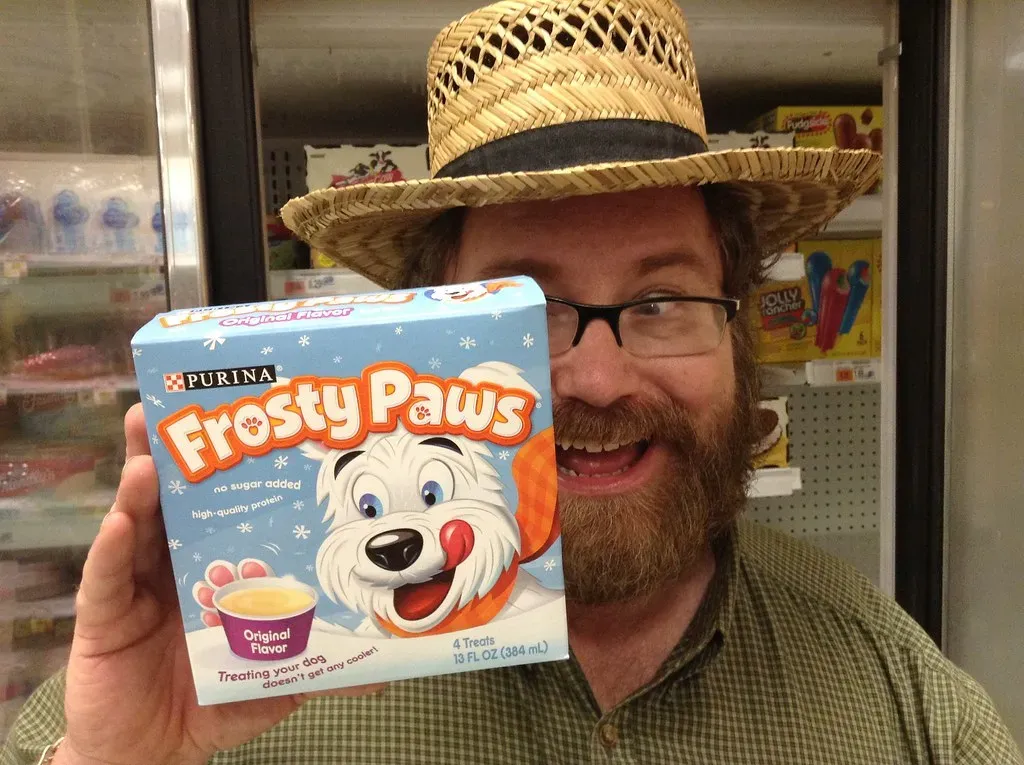
Muffin tin treats can encourage problem-solving and exploration, and frozen treats are perfect for hot summer days. Muffin tin fun can prolong treat time and provide sensory stimulation through taste and texture. The same principle works beautifully with a standard ice cube tray, which you almost certainly already own.
One easy enrichment toy to make at home is a scented towel toy. Soak an old washcloth in chicken, beef, or bone broth, then put the washcloth in the freezer for a few hours. The combination of cold, scent, and texture gives your dog multiple layers of sensory engagement all at once. On a warm day, a frozen broth washcloth can keep a medium-sized dog occupied for a surprisingly long time.
When using peanut butter in any homemade treat, check the ingredients first, since sugar-free peanut butter may contain xylitol, which is toxic to pets. Always read labels before involving any human food in your dog’s play. Beyond that, frozen enrichment items are one of the safest options in this entire list, since there are no loose parts, no sharp edges, and nothing to swallow in one piece. They’re also a legitimate lifesaver on rainy days when outdoor exercise isn’t an option.
The Bigger Picture: Why This All Matters
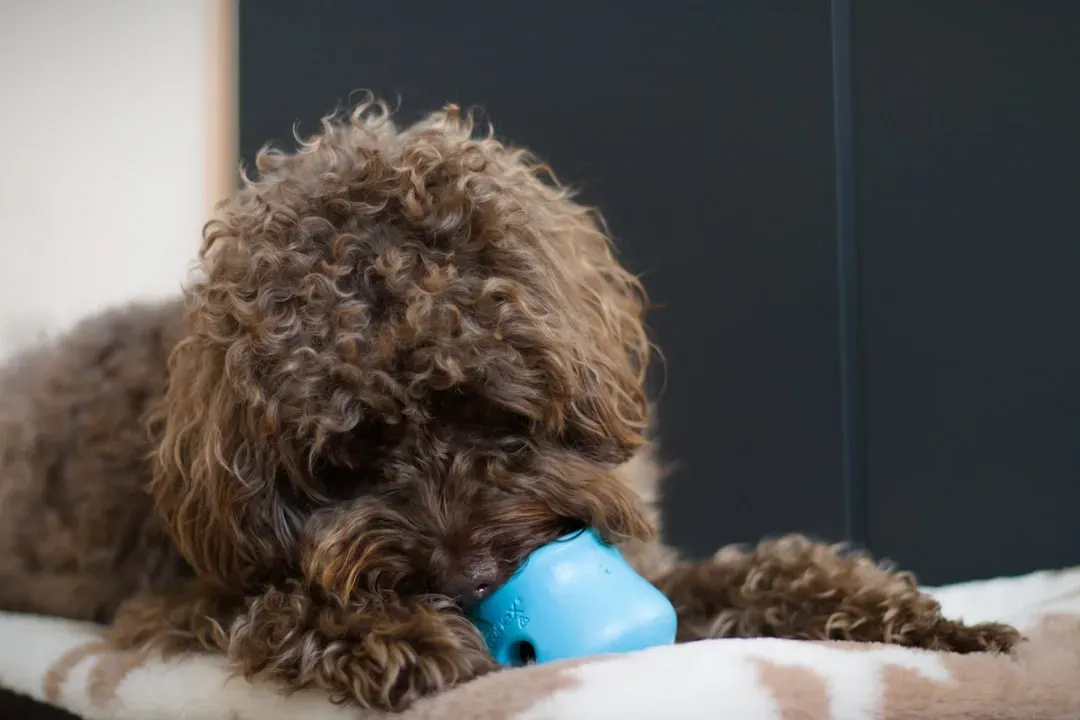
Dogs are naturally curious and energetic animals, and without proper stimulation, they can become bored, anxious, or even destructive. Enrichment helps improve a dog’s mental sharpness and problem-solving skills, reduces anxiety, prevents boredom-related behaviors, and strengthens the bond between you through shared activities. Those chewed baseboards and constant barking almost always have a root cause – and that cause is usually unmet mental need.
By meeting your dog’s enrichment needs, you’ll reduce unwanted behaviors like destructive chewing or counter surfing. Enrichment helps to prevent boredom and can help with dog behavior problems, such as anxiety. Think of it less as “giving your dog something to do” and more as genuinely meeting a biological requirement, the same way food and exercise do.
Creating DIY dog enrichment activities isn’t just fun for your dog – it’s a rewarding experience for you, too. By using household items, you’re reducing waste, saving money, and spending quality time with your furry friend. That’s a genuinely rare deal: three wins at once, and not a single dollar spent at the pet store.
Conclusion
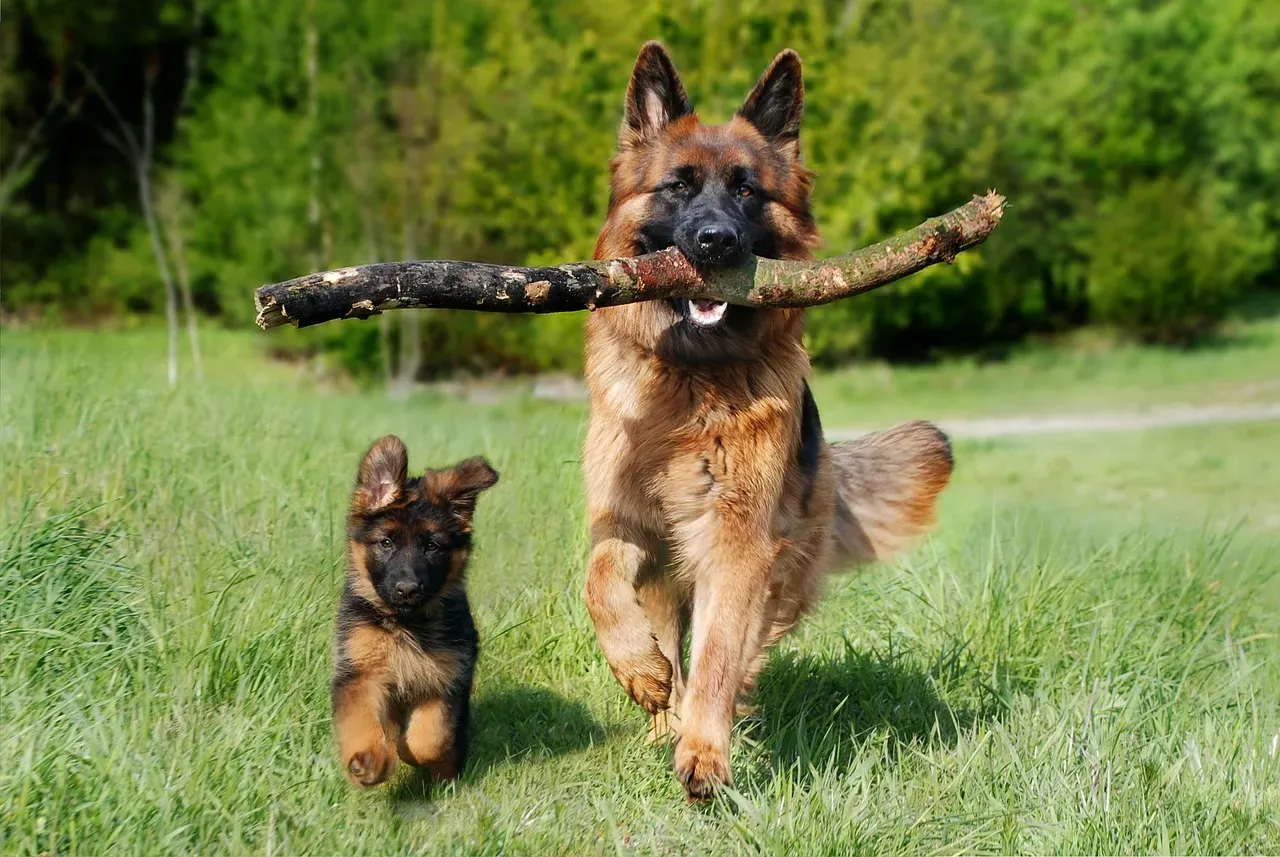
Your dog doesn’t need more stuff. What they need is more of you, more variety, and more opportunities to use the brilliant, curious brain they were born with. The cardboard box by your door, the towel on your rack, the muffin tin in your kitchen drawer – these are all the raw materials of a richer, more stimulating life for your dog.
Safety always comes first. Household items can be safe when used properly and with caution. Always inspect items for small parts or sharp edges that could pose a choking hazard, and ensure that items are free from harmful chemicals or toxic substances. Supervise, inspect, and retire anything that shows wear.
The most expensive toy your dog will ever love is your undivided attention. Everything else is just a bonus. Start with what’s already in your home, pay attention to what makes your dog’s tail move fastest, and build from there. That’s really all it takes.