

Most dog owners have been there. The chewed shoe, the accident on the rug, the counter surfing the moment your back is turned. The impulse to scold feels completely natural, almost like common sense. After all, if your dog looks guilty, surely they know what they did wrong.
That assumption is one of the most widespread and consequential misunderstandings in pet ownership. What dogs actually experience when punished, and how that shapes their relationship with you over time, is often far removed from what we imagine. The science on this topic is fairly clear, and it points in a direction that’s worth understanding before your next frustrating moment with your dog.
The “Guilty Look” Is Not What You Think It Is

Many owners interpret a dog’s lowered ears, tucked tail, and averted eyes as a sign that their dog knows it did something wrong. It feels like remorse. It looks like remorse. Pets may act guilty if they can predict when you are about to administer punishment or if you are displeased, and that guilty look is actually an attempt to appease the human, not an acknowledgment of wrongdoing.
Dogs often display appeasement gestures such as crouching, ears down, tail tucked, and eyes diverted. To the dog, these signals are designed to make another dog stop being assertive, essentially communicating “please stop yelling, hitting, or punishing me.”
This distinction matters enormously. When you walk in to find the torn cushion and your dog drops into that posture, they’re reacting to your body language and tone, not replaying the act of shredding the sofa. The behavior that caused the damage and the moment of your arrival are two entirely separate events in their mind.
Timing Is Everything, and Owners Almost Always Get It Wrong
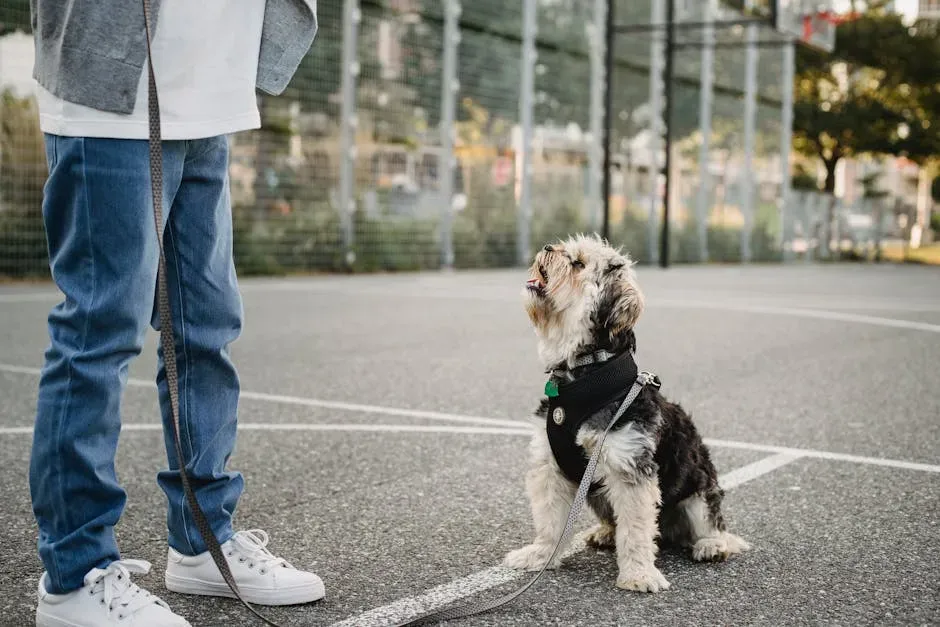
Animals associate events that occur within seconds of each other. A reprimand or physical correction delivered minutes or hours after the behavior is ineffective because the animal cannot link cause and consequence. Most real-world household scenarios simply don’t allow for that precision.
It’s difficult to time punishment correctly. For the animal to understand what it is doing wrong, the punishment must occur while the behavior is happening, within one second, or at least before the next behavior occurs. That’s an incredibly narrow window, and most owners discover the evidence of a problem long after it happened.
Think about coming home after a full workday to find something destroyed. Even if you react immediately upon seeing it, your dog already moved on mentally hours ago. What you’re actually punishing, from their perspective, is whatever they were just doing when you walked through the door.
Punishment Suppresses Behavior Without Teaching Anything

Research shows that punishment alone is not as effective in modifying behavior as positive reinforcement. While punishment may suppress unwanted behaviors in the short term, it does not teach dogs what they should do instead. Positive reinforcement involves rewarding desired behaviors, which helps dogs understand what is expected of them.
Punishment does not teach more appropriate behaviors. One of the most important problems with punishment is that it does not address the fact that the undesirable behavior occurs because it has been reinforced, either intentionally or unintentionally.
There’s a meaningful difference between stopping a behavior and replacing it with something better. Punishment-based trainers tend to wait for the dog to do the unwanted behavior and then punish him, which sets them up to fail from the outset. Although it might teach the dog what not to do, it doesn’t tell the dog what the person or trainer wants instead. That gap in communication is where frustration builds on both sides.
Aversive Methods Can Trigger Aggression and Anxiety

Researchers from the School of Veterinary Medicine at the University of Pennsylvania reported in the journal Applied Animal Behavior Science that using punishing techniques when training dogs tends to increase aggression in the animals, in much the same way that spanking increases aggressive responses in human children.
Animals develop increased stress responses when exposed to training using positive punishment and negative reinforcement, especially in the hands of people who do not have an advanced understanding of animal behavior. The freeze response and learned helplessness can be confused with a calm and compliant animal who is happy to obey.
The stress of aversive training can cause cortisol and stress hormones to rise and remain in a dog’s bloodstream for up to 72 hours. As a result, other behavior issues may emerge. That’s a significant physiological response, not a brief moment of discomfort that’s quickly forgotten.
Silencing Warning Signals Is Dangerous

One of the less obvious but genuinely serious consequences of punishment involves the way it can eliminate a dog’s natural communication. Positive punishment can result in inhibition of behaviors that serve as communication signals. An example is an animal who is punished for normal threat displays, such as growling or barking. These displays are a form of early communication to warn people to stay away. If such displays are punished, the animal will cease warning people; however, the underlying fear causing the behavior remains or may even increase.
A fearful dog that is growling at unfamiliar people entering the home can be silenced by a punishment program, but this does nothing to ease the dog’s fear. Unfortunately, the growl is the dog’s way of expressing fear, and shutting down that warning communication can have dangerous results.
A dog that no longer growls before it bites is not a calmer dog. It’s a dog whose early warning system has been switched off, which is a situation that can catch everyone off guard.
How Punishment Erodes the Human-Dog Bond

Punishment-based training damages the human-animal bond and leads to mistrust, pain, fear, agitation, and increasing anger as the dog develops a strong negative association with the punisher. This erosion doesn’t always happen all at once. It accumulates slowly.
Your dog may associate the punishment with you, especially because you are present when the punishment is delivered. Over time, your presence itself can become a source of anxiety rather than comfort. From the dog’s view, the owner becomes inconsistent and unpredictably forceful or coercive, characteristics that can hinder the pet-human bond.
Consider what that means on a daily level. A dog that doesn’t fully trust you will be harder to recall, slower to relax, and less engaged during training. The relationship becomes something to navigate carefully rather than enjoy openly.
What Actually Works: Building Behavior Through Trust
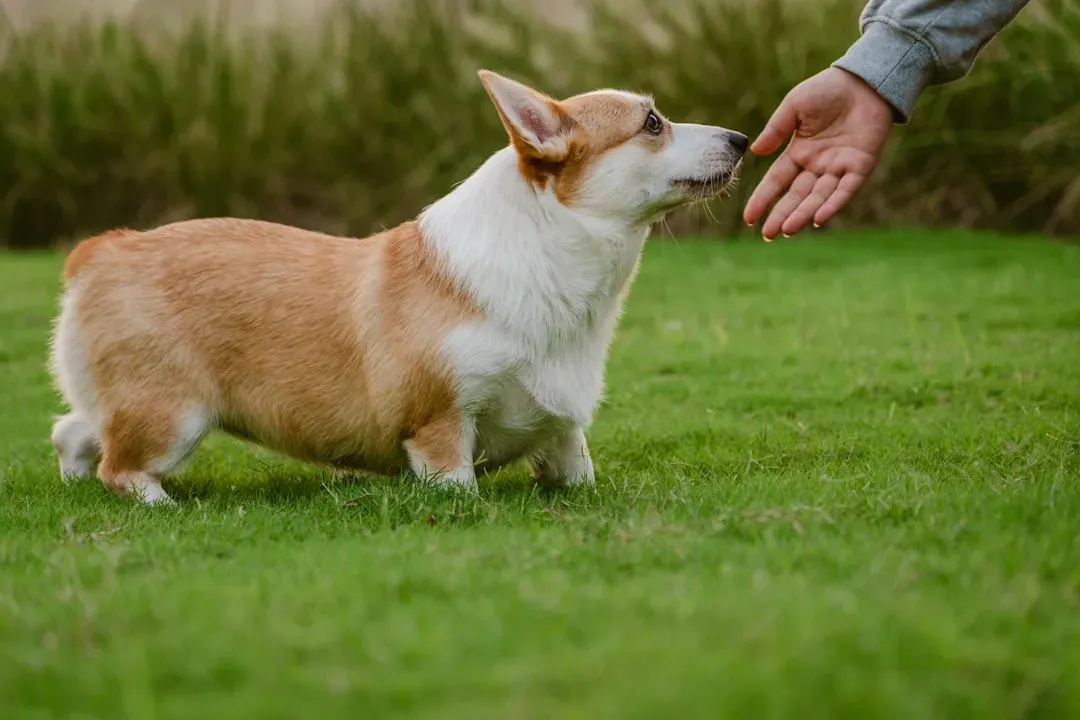
Studies show that dogs trained with positive reinforcement show greater learning success and higher obedience rates compared to those trained with aversive methods. The mechanism behind this is worth understanding. Unlike punishment-based training, positive reinforcement focuses on trust, motivation, and clear communication, and dogs trained with this method are more confident, eager to learn, and less likely to develop anxiety or fear-based behaviors.
A more appropriate approach to problem solving is to determine what is reinforcing the undesirable behavior, remove that reward, and reinforce an alternate desirable behavior instead. That shift in framing, from “how do I stop this?” to “what do I want to teach instead?”, changes everything about how training sessions feel for both dog and owner.
Dogs trained with positive reinforcement tend to retain learned behaviors for longer. The association between the behavior and the reward is strong and doesn’t diminish as quickly as fear-based responses. Reliability, not just compliance, is the real goal, and reward-based training is what gets you there.
Conclusion
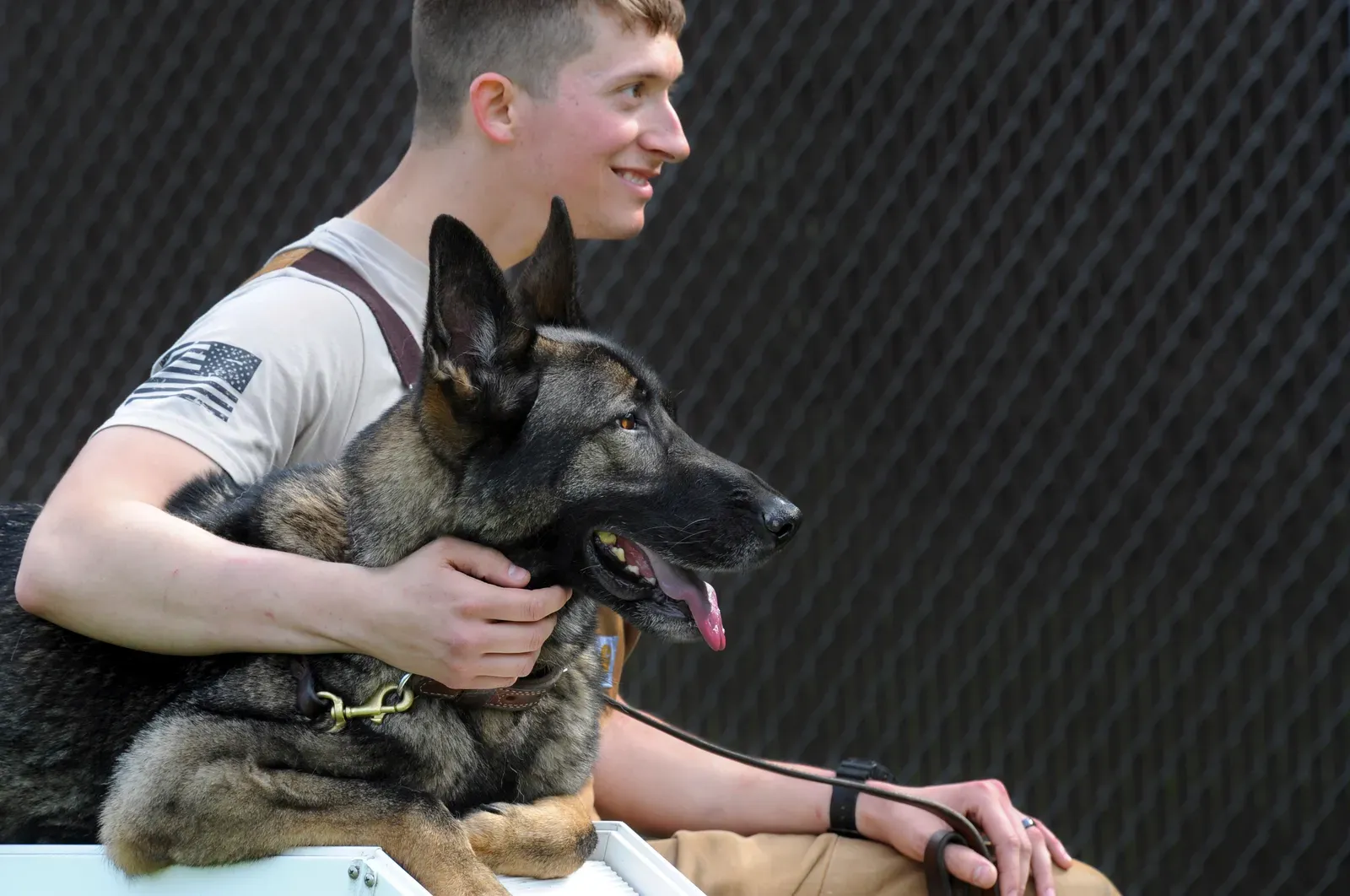
The gap between how punishment feels to us and how it registers with a dog is wider than most people realize. We bring a human frame, with memory, reasoning, and moral context, to moments that a dog experiences purely through association and timing. When those two frameworks collide, the dog usually pays the price in confusion, fear, or eroded confidence.
None of this means dog ownership requires perfection. Moments of frustration happen. What matters is the overall pattern you build, because that is what your dog actually learns from. Dogs learn best when they can anticipate outcomes and feel secure. Training methods that create confusion, fear, or pain may still change behavior, but typically at the cost of trust and a dog’s emotional well-being.
The relationship you have with your dog is, at its core, one of the simplest and most rewarding things in daily life. Protecting that by choosing clarity over force isn’t just better training. It’s better companionship.


