
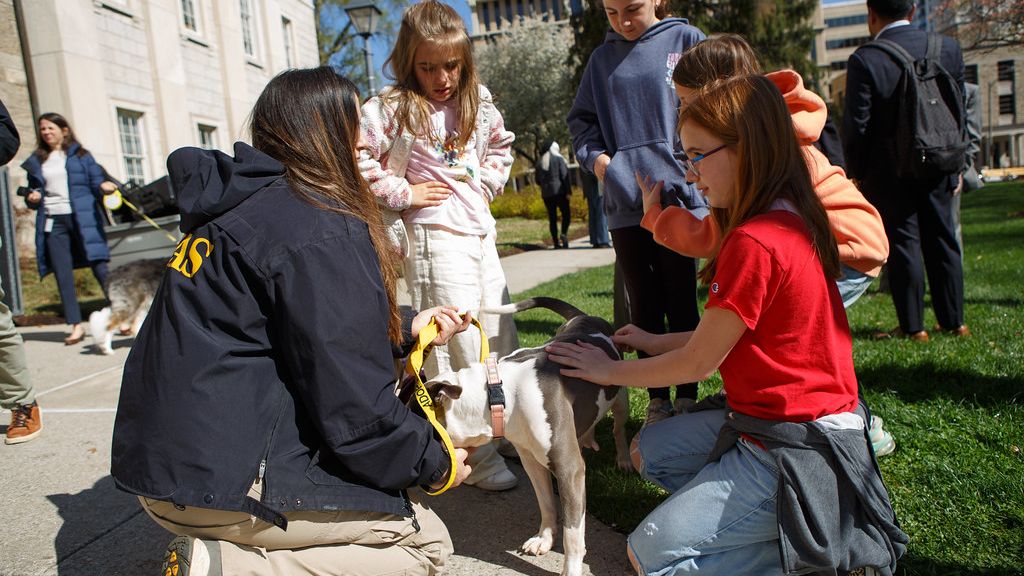
Dogs can’t speak. They can’t pick up the phone, walk into a police station, or tell anyone what happens behind closed doors when their trusted human steps out. What they can do, however, is show you. Their bodies carry the story, their behavior shifts, their eyes lose a little light. Most of us trust that our dogs are safe at home, surrounded by people we know. That trust is rarely misplaced, but not always.
Abuse and neglect take on many forms, ranging from a rambunctious young child unaware of how to handle a pet, to someone striking a dog after a stressful day or in a burst of anger. The signs are not always dramatic. We may miss subtle signs of mistreatment in homes more often than we think, and even a primary pet care provider may miss clues that a pet is being harmed under their own roof. If something feels off about your dog lately, read carefully.
#1: Unexplained Flinching or Cowering at Human Hands
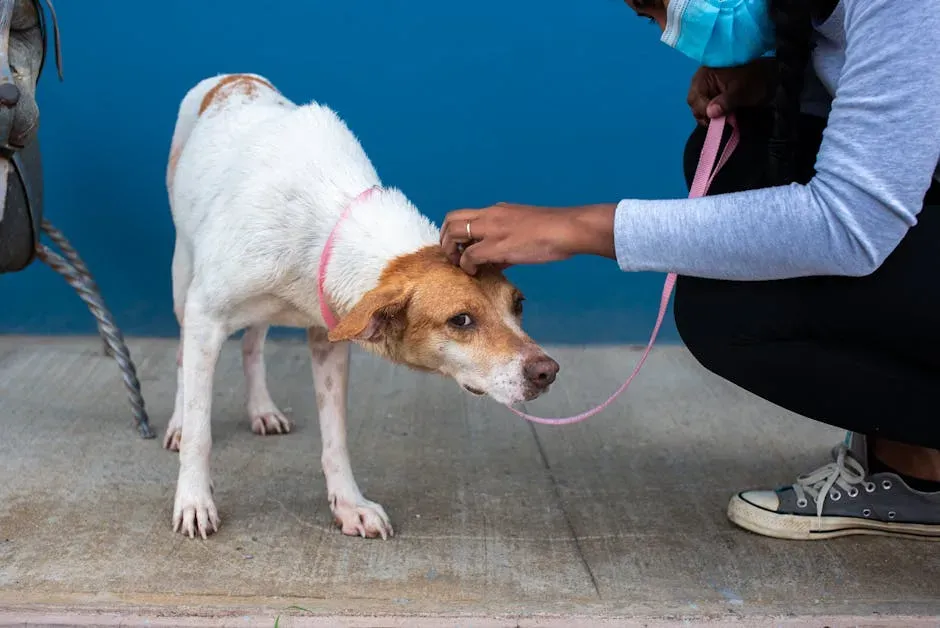
One of the more telling signs that a dog may be experiencing mistreatment is when they flinch as a human reaches to pet them, suggesting the dog is fearful of humans and, in particular, of their hands. This reaction isn’t random. A dog that was raised with patience and gentleness doesn’t suddenly develop a fear of hands without cause.
If the dog flinches or pulls away when someone tries to touch them, they may have been struck or beaten at some point and are now defensive as a result. Dogs who have been abused often display an intense fear of humans, and common signs include flinching or pulling away when someone approaches, often with a particular sensitivity to hands. Watch for this closely, especially if the reaction appears when certain people are present.
#2: Sudden Shifts in Personality or Mood
A dog that was once playful and curious but has quietly become withdrawn, dull, or unusually timid is telling you something important. Not all forms of dog abuse are physical. Some cruelty is emotional and can leave lasting scars that affect a dog’s behavior, confidence, and ability to trust.
It’s sometimes difficult to determine if a pet has been abused or neglected, as opposed to simply being undersocialized or genetically predisposed to fearful behavior. However, pets that have been abused may display a large emotional reaction to certain objects or situations. If the personality change is recent, sudden, or tied to the presence of a specific person, that pattern deserves serious attention rather than a quick dismissal.
#3: Excessive Submissive Behavior
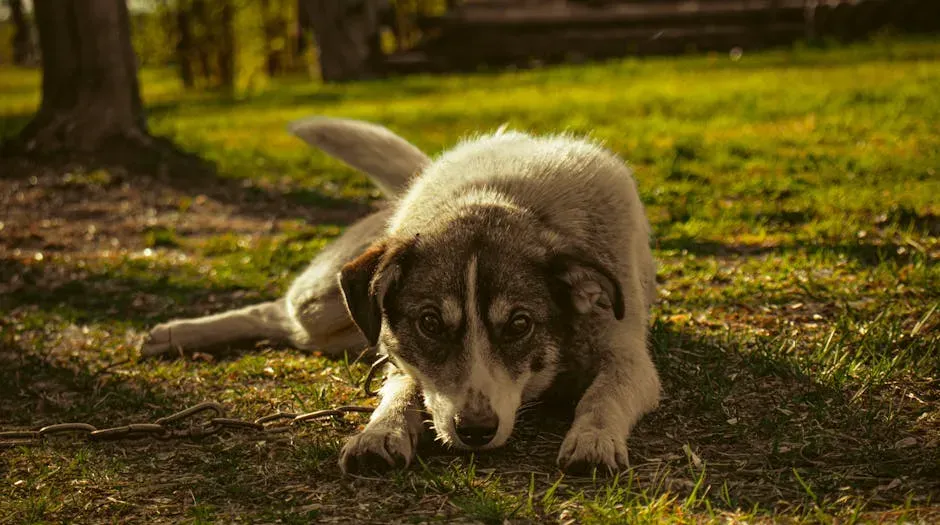
Submission in dogs can be normal, but when it becomes excessive, it may indicate emotional trauma, and overly submissive behavior is often a sign of abuse especially when rooted in fear, intimidation, or harsh discipline. There’s a meaningful difference between a naturally gentle dog and one that seems to shrink constantly, desperate to avoid any kind of conflict.
Some signs of extreme submission include rolling over with tail tucked when approached, cowering, and lying down or cowering while urinating. Overly submissive behavior often develops when a dog has been punished harshly, yelled at frequently, or exposed to unpredictable environments, creating a sense of learned helplessness where the dog tries to avoid any behavior that might result in conflict. That level of vigilance in a dog is not normal. It’s survival mode.
#4: Food Aggression or Frantic Eating
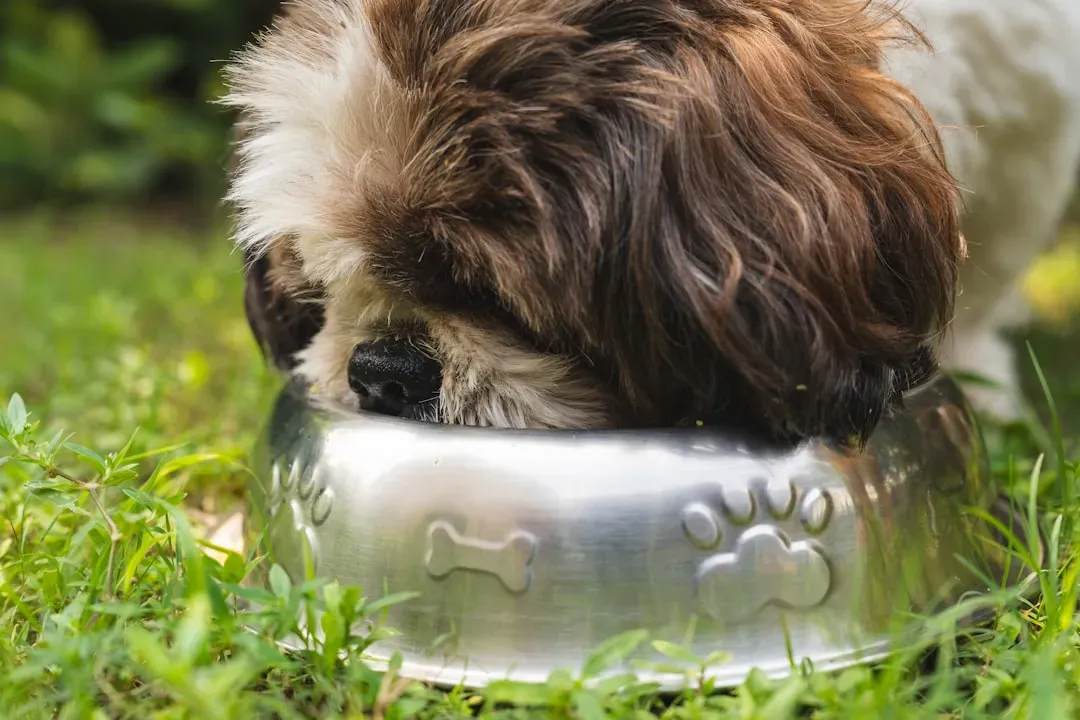
Food aggression is one of the most recognizable emotional signs of dog abuse. This behavior often appears when a dog has been neglected, inconsistently fed, or starved in the past, and the anxiety surrounding food can create a sense of urgency and defensiveness, leading to aggressive or protective behavior during mealtimes.
When a dog has experienced hunger or food insecurity, eating becomes tied to survival rather than comfort, and the fear of losing a meal can cause them to react defensively even in safe environments. This behavior is rooted in emotional trauma, not dominance or stubbornness. Some dogs that have been abused, neglected, or kept in a hoarding situation might not have been properly fed, and this can result in a dog being more possessive around food bowls.
#5: Unexplained Wounds, Scars, or Injuries in Various Stages of Healing

Wounds that have been left untreated, or wounds that are in different stages of healing, are a sign that an animal is being abused. An owner may frequently change their story about where the injuries came from and how old the injuries are. That inconsistency is a red flag all by itself.
Wounds that have been left untreated or wounds in different stages of healing are also a sign that an animal is being abused, and wounds from physical abuse that have managed to heal on their own can form scars. Physical injuries such as bruising, eye injuries, fractures, repetitive lesions or injuries, and internal injuries are also evidence of abuse. If you’re noticing a pattern of fresh bruises or new marks alongside old ones, do not wait to act.
#6: Visible Neglect of Physical Condition
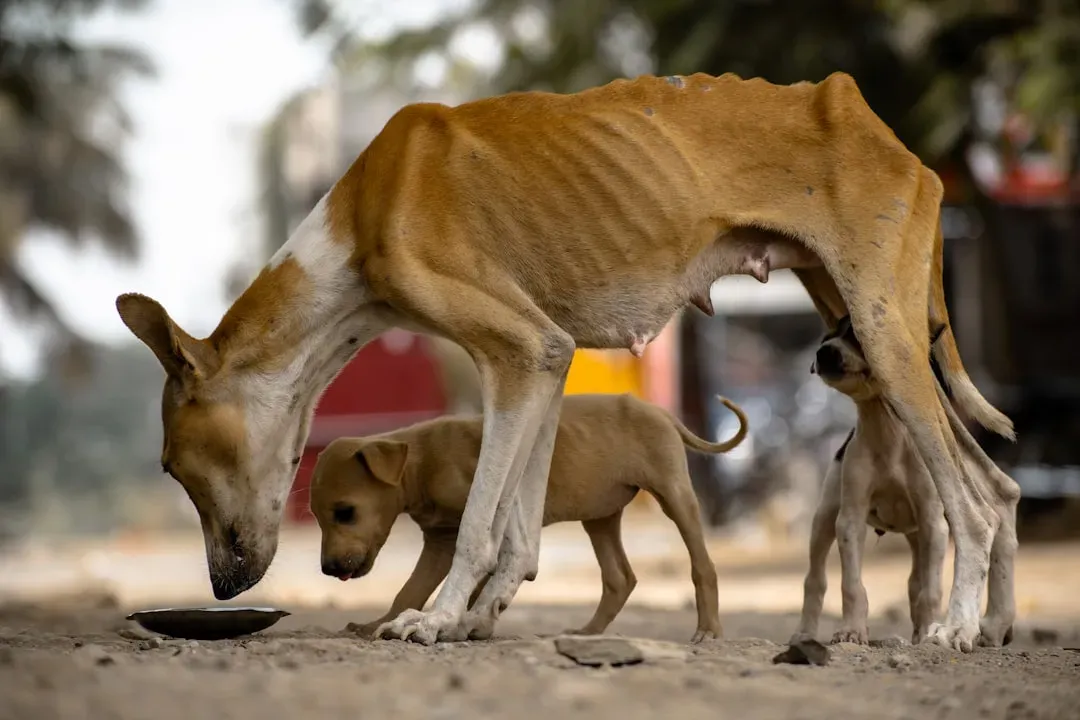
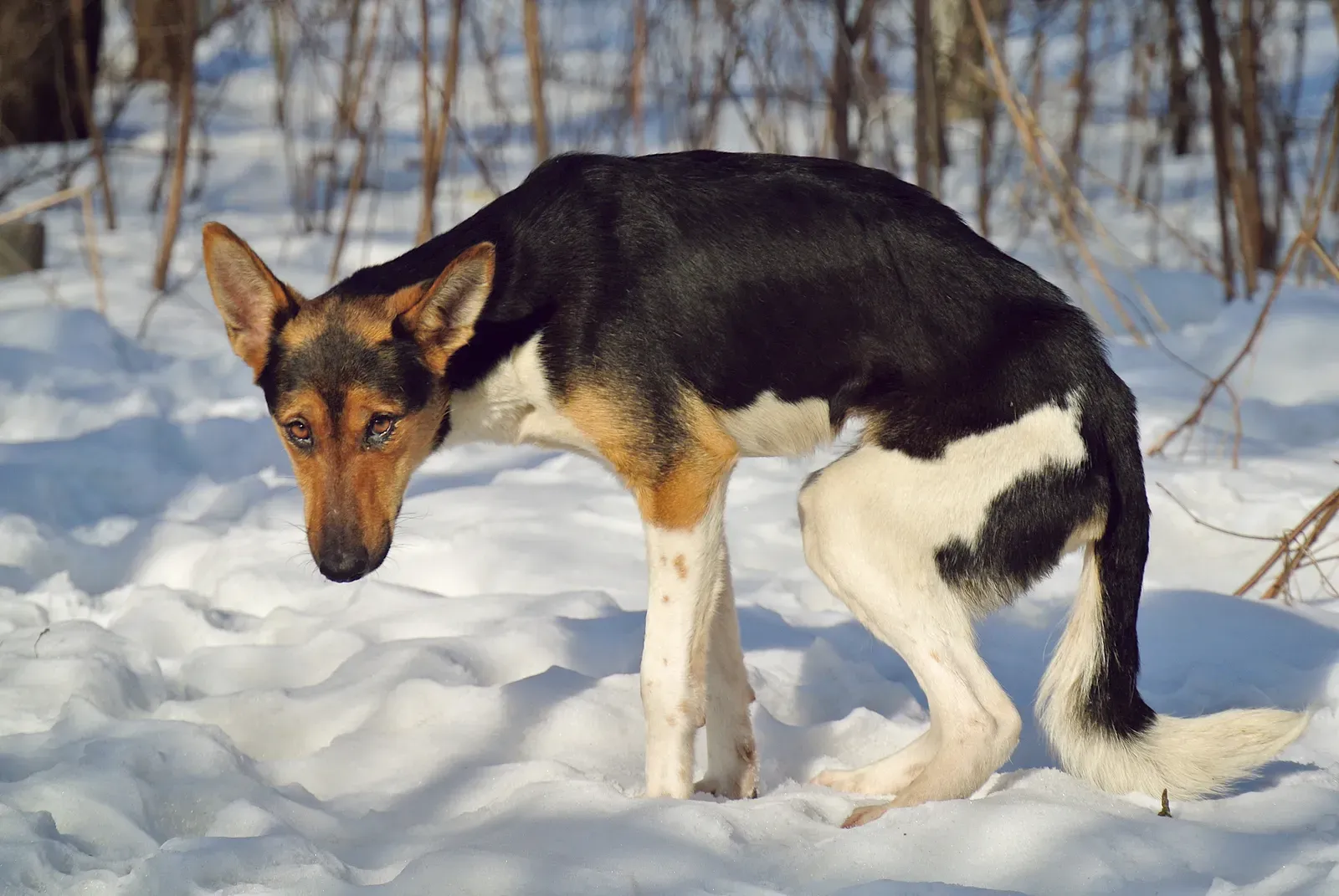
Besides behavior, physical symptoms can reveal prior mistreatment or neglect, including poor nutrition indicated by extreme thinness, a dull coat, dry skin or visible ribs and bones, unexplained injuries such as limping or fractured limbs, and signs of poor hygiene like matted fur, dirt accumulation, or infections that have gone untreated.
Nails that are longer than they should be, fur that doesn’t seem healthy, walking with an unusual gait, and having places on their body that they don’t like to be touched are all signs that they may have been neglected or abused. Fur loss and matted fur can be signs that a dog is malnourished or isn’t being taken care of properly, both falling under the category of neglect. Similarly, weight loss is often caused by a poor diet or lack of food and water. These physical markers are often the clearest evidence of ongoing mistreatment.
#7: Fear Reactions Triggered by Specific Objects or People

Pets that have been abused may display a large emotional reaction to certain objects or situations. For example, a dog with a history of being punished with a belt may cower, crawl away, hide, or urinate in place when someone picks up a belt, or alternatively might lunge at it. These responses are the dog’s mind connecting present triggers to past pain.
Idiopathic fear, meaning unpredictable fear responses, can result from unstable or abusive environments. If your dog panics around a specific household member in a way it doesn’t with others, or reacts with terror to everyday objects like brooms, raised voices, or certain rooms in the house, those associations matter. These behaviors are a sign that the dog associates people or even normal household activity with potential danger.
#8: Separation Anxiety and Extreme Clinginess

Psychological abuse of animals may also lead to the development of separation disorders such as separation anxiety. A dog that seems to desperately need you when you return, pressing against your legs, whimpering constantly, or refusing to let you out of sight, may be communicating something deeper than simple attachment.
Dogs thrive on stability and companionship, and those who’ve experienced emotional abuse, neglect, or repeated changes in caregivers often struggle to trust that their person will return. This fear becomes an ingrained anxiety response, leading to panic whenever they’re left alone. A dog with a history of abuse might become very attached to a new owner with whom they feel secure, but relentless clinginess combined with other warning signs on this list is worth investigating further.
#9: Destructive Behavior or Inappropriate Elimination When Left Alone
Coming home after a long day to find chewed furniture and doors that have been scratched during an attempted escape is a hard-to-ignore sign that something is wrong with your dog. Warning signs of animal abuse and neglect can lead to behavioral issues of aggression, barking, destructive behavior, disobedient behavior, and inappropriate elimination. When these behaviors appear suddenly in a previously well-behaved dog, they deserve more than a frustrated scolding.
When dogs feel like they’re not getting enough attention or feel deeply unsafe, their anxiety may increase, and that in turn may result in more frequent urination and defecation. Destructive behavior isn’t always a sign of neglect, as dogs with separation anxiety can become destructive simply because they feel distressed. However, if your typically well-behaved dog doesn’t have a history of separation anxiety and is now tearing up your home, it may be communicating that something has changed.
#10: Antisocial Behavior Toward Other Dogs and People

Antisocial behavior is a subtle yet powerful emotional sign of dog abuse. Dogs who have been mistreated or poorly socialized may develop fear or distrust toward both humans and other animals, which can manifest as withdrawal, avoidance, or even aggression in certain situations.
Previously abused dogs display a heightened fear of strangers, especially animals that were physically abused by humans in a direct way. However, those abused through neglect or starvation were sometimes less fearful of strangers because they were not taught to associate humans directly with mistreatment. Dogs that have been abused tend to be afraid of everything and may be unpredictably aggressive, and these dogs may need medication alongside work with a dog trainer to become more comfortable in the world. If your once-social dog now hides, snaps, or refuses to engage, don’t write it off as a phase.
What You Should Do If You Suspect Mistreatment
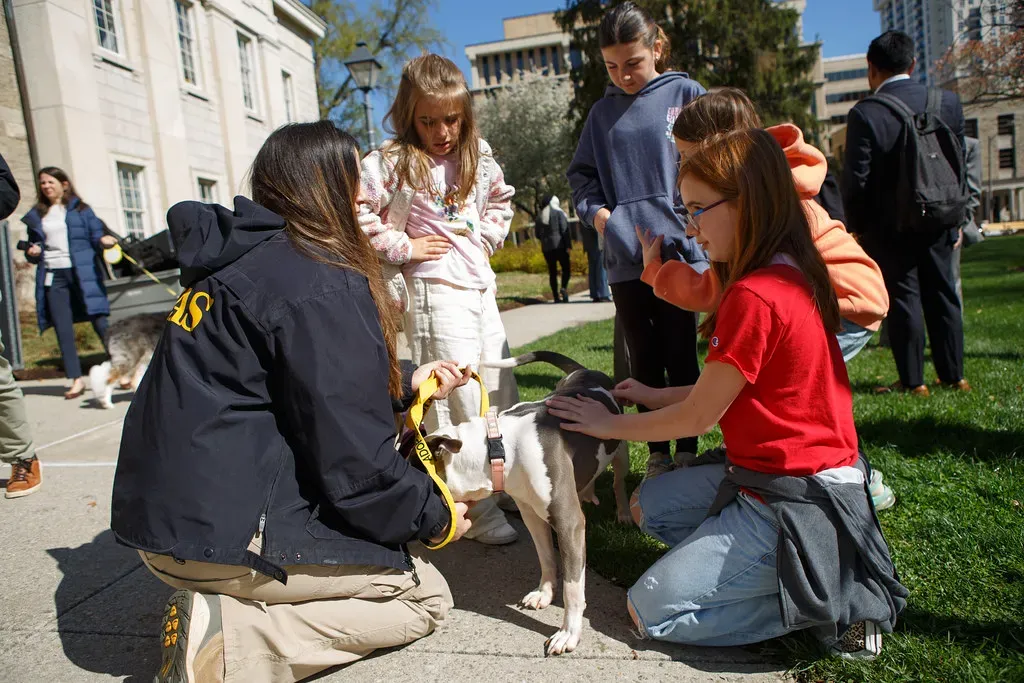
Not all abuse and neglect is obvious, and not every symptom indicates abuse, especially on its own. Context matters. A single behavioral quirk doesn’t automatically signal harm. However, a casual observer might be able to pick up on signs that an animal has been neglected or abused, as an animal may carry symptoms of abuse and neglect with them, as well as in their surroundings.
If concerns persist, report the situation to your local animal control agency or humane society. In the US, common reporting channels include local police departments, animal shelters, or dedicated cruelty hotlines. Pets with a history of severe mental and physical trauma may need a lot of emotional support, and those with behavioral disorders may need a more comprehensive behavior-modification plan, with the assistance of a board-certified veterinary behaviorist or a certified applied animal behaviorist.
A Final Word

Your dog trusts you completely, even when you’re not in the room. That trust is also a vulnerability. The uncomfortable truth is that mistreatment happens quietly, inside ordinary homes, carried out by ordinary-seeming people. A person who would abuse an animal in plain sight is likely doing far worse outside of view.
Pay attention to the signals. A personality change, a flinch, a tucked tail, a dog that no longer runs to greet you with joy. These things may mean nothing individually. Together, they tell a story. Healing from abuse takes time, patience, and a nurturing environment, and caregivers should collaborate with skilled trainers and veterinarians to implement positive reinforcement training and gradual socialization to rebuild trust. Your dog cannot speak up for themselves. You can. And in many cases, doing so makes all the difference.


