
People Who Apologize to Their Dog After Stepping on Their Paw Possess a Level of Empathy That’s Becoming Extinct in Modern Society

In an era where digital interactions often replace face-to-face connections, the simple act of apologizing to a dog after an accidental misstep may seem trivial. Yet, this gesture reveals a depth of empathy that appears increasingly rare in today’s fast-paced world.
The Subtle Art of Canine Apologies
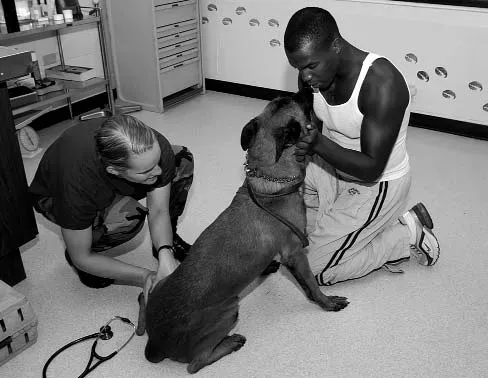
Accidentally stepping on a dog’s paw is a common mishap for pet owners. The immediate reaction – expressing remorse and offering comfort – demonstrates an acute awareness of the dog’s feelings. This behavior isn’t just about soothing the pet; it reflects a human’s capacity to recognize and respond to the emotions of another being.
Dogs are adept at reading human cues. They can discern between intentional harm and accidents by observing our body language and tone. When we apologize, they often respond with forgiveness, showcasing the mutual understanding that forms the foundation of the human-animal bond.
Empathy in Decline: A Societal Concern

Recent studies suggest a troubling trend: a decline in empathy among individuals, particularly in Western societies. Factors such as increased screen time, reduced face-to-face interactions, and the fast-paced nature of modern life contribute to this erosion of compassionate behavior.
This decline isn’t just an academic concern. Reduced empathy can lead to weakened social bonds, increased misunderstandings, and a more fragmented society. The ripple effects touch every aspect of communal life, from personal relationships to professional environments.
Digital Isolation: The Empathy Erosion

The digital age, while connecting us globally, often isolates us emotionally. Online interactions lack the nuanced cues present in face-to-face communication, making it easier to misinterpret intentions and emotions. This detachment can desensitize individuals, making them less attuned to the feelings of others.
Moreover, the curated nature of online personas can lead to comparisons and judgments, further distancing individuals from genuine empathetic connections. The result is a society where superficial interactions replace deep, meaningful relationships.
Rekindling Empathy Through Everyday Actions

Simple, everyday actions, like apologizing to a pet, can serve as reminders of our innate capacity for empathy. These moments encourage us to pause, reflect, and connect on a deeper level, fostering a culture of understanding and compassion.
By consciously engaging in empathetic behaviors, individuals can counteract the broader societal trend. It’s a small step, but collectively, such actions can lead to a more compassionate world.
The Role of Pets in Teaching Empathy

Pets, especially dogs, offer unconditional love and companionship. They provide opportunities for humans to practice empathy daily. Caring for a pet requires attentiveness to their needs, moods, and well-being, fostering a habit of considering another’s perspective.
This relationship can serve as a training ground for broader empathetic behaviors, influencing how individuals interact with fellow humans. The lessons learned from pets can translate into more compassionate human relationships.
Conclusion: A Call to Conscious Compassion

In a world where empathy seems to be waning, the simple act of apologizing to a dog after stepping on its paw stands out as a beacon of compassion. It serves as a reminder that empathy isn’t a grand gesture but a series of small, conscious actions that acknowledge and respect the feelings of others. As we navigate the complexities of modern life, perhaps it’s these small acts that will guide us back to a more connected and compassionate society. So, the next time you find yourself in such a situation, consider: could this be a step toward rekindling empathy in our world?