
10 Dog Behaviors That Only Appear When Your Dog Has Decided They Are Responsible for Keeping You Alive
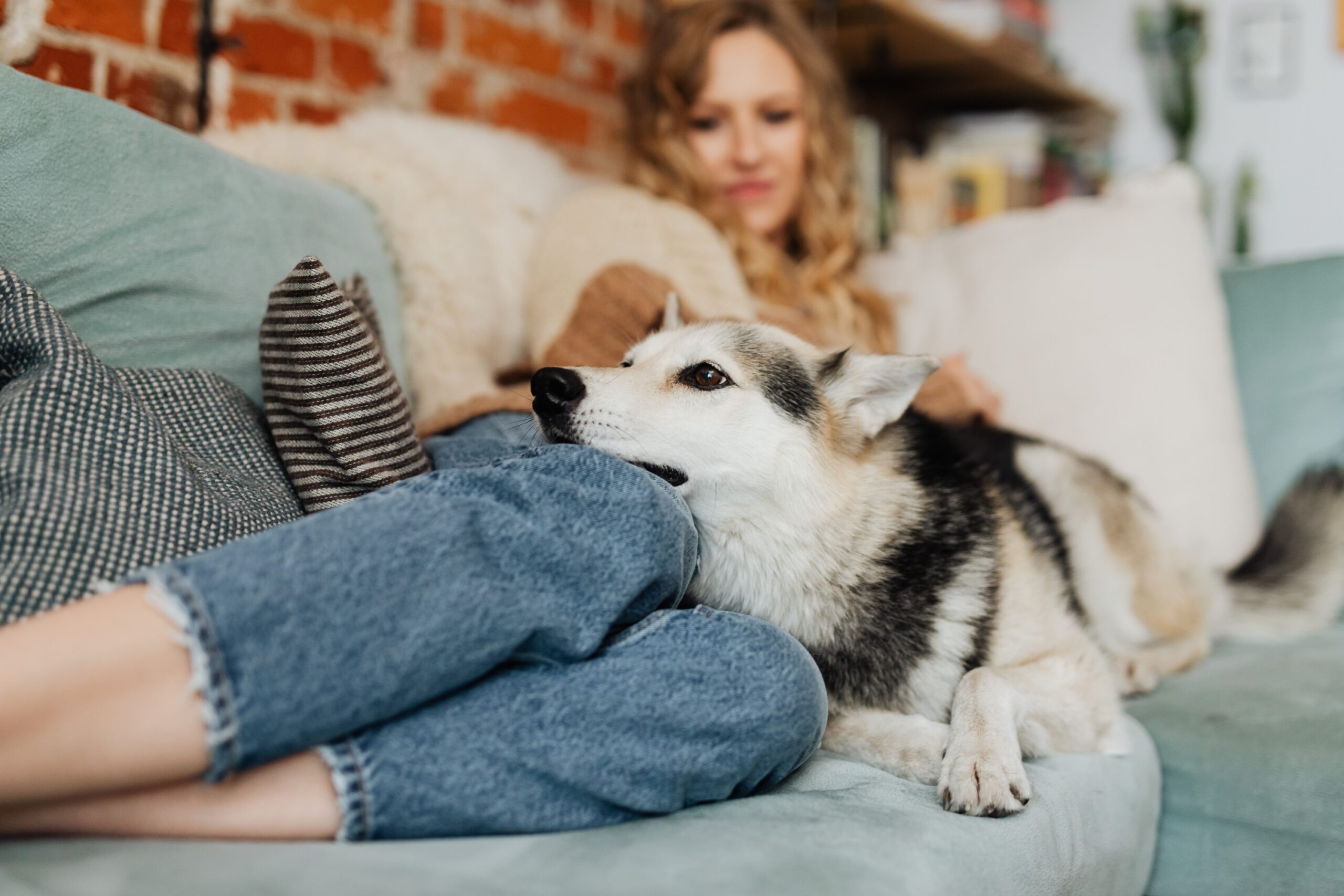
Dogs have been our loyal companions for thousands of years, but sometimes their behavior takes a turn that suggests they’re not just friends – they’re guardians. If your furry friend has appointed themselves as your personal protector, you might notice some unique behaviors that go beyond typical canine conduct. Let’s delve into these distinctive signs that your dog has taken on the role of your personal bodyguard.
1. Constant Vigilance
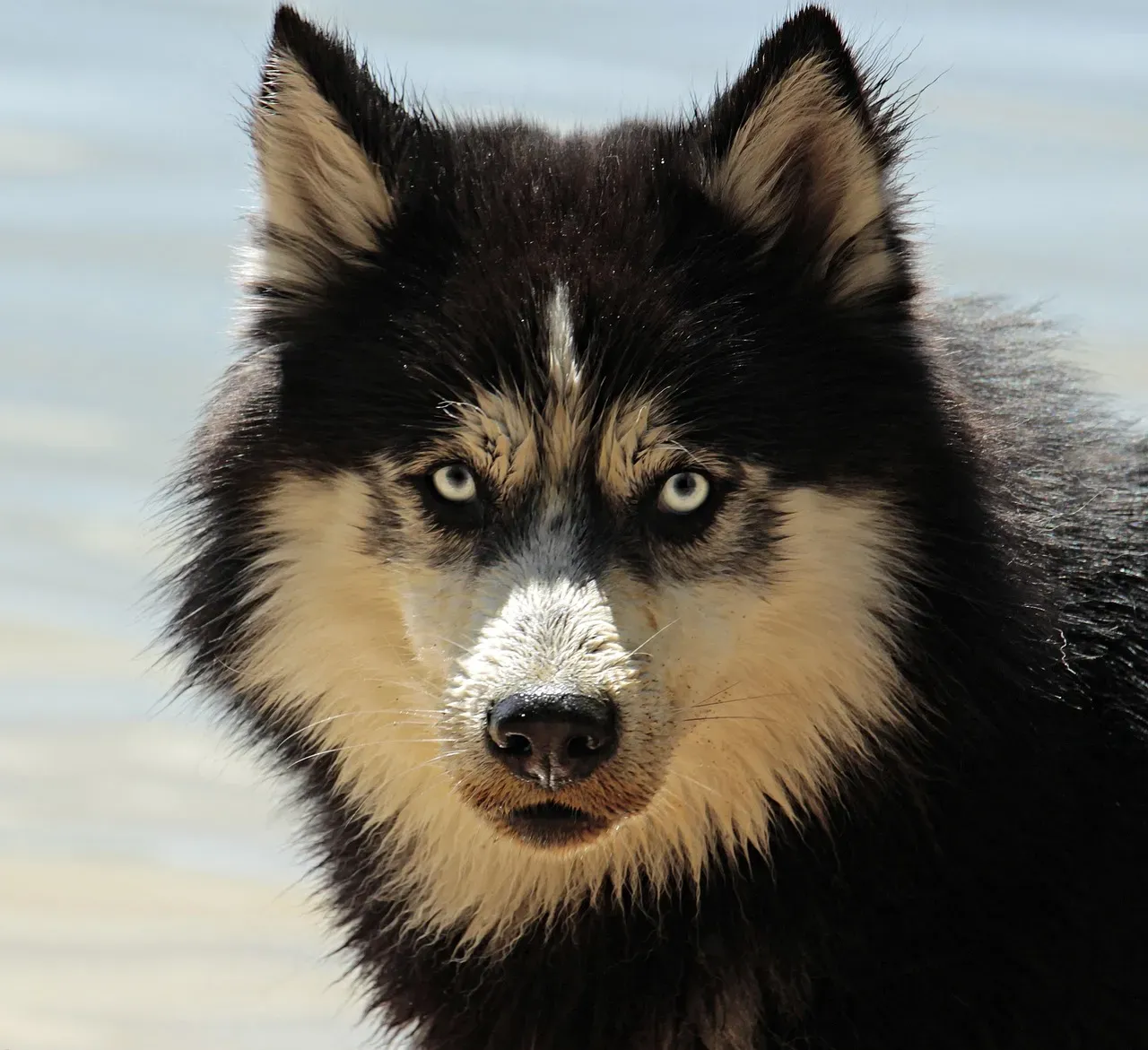
Ever feel like you’re being watched? If your dog is always on high alert, scanning the environment and monitoring your every move, it’s a clear sign they’ve assumed a protective role. This behavior stems from their instinct to guard their pack, ensuring no harm comes your way.
This heightened awareness means your dog is attuned to potential threats, ready to act if they sense danger. While it’s comforting to have such a dedicated protector, it’s essential to ensure this vigilance doesn’t escalate into anxiety or overprotectiveness.
2. Positioning Themselves Between You and Others
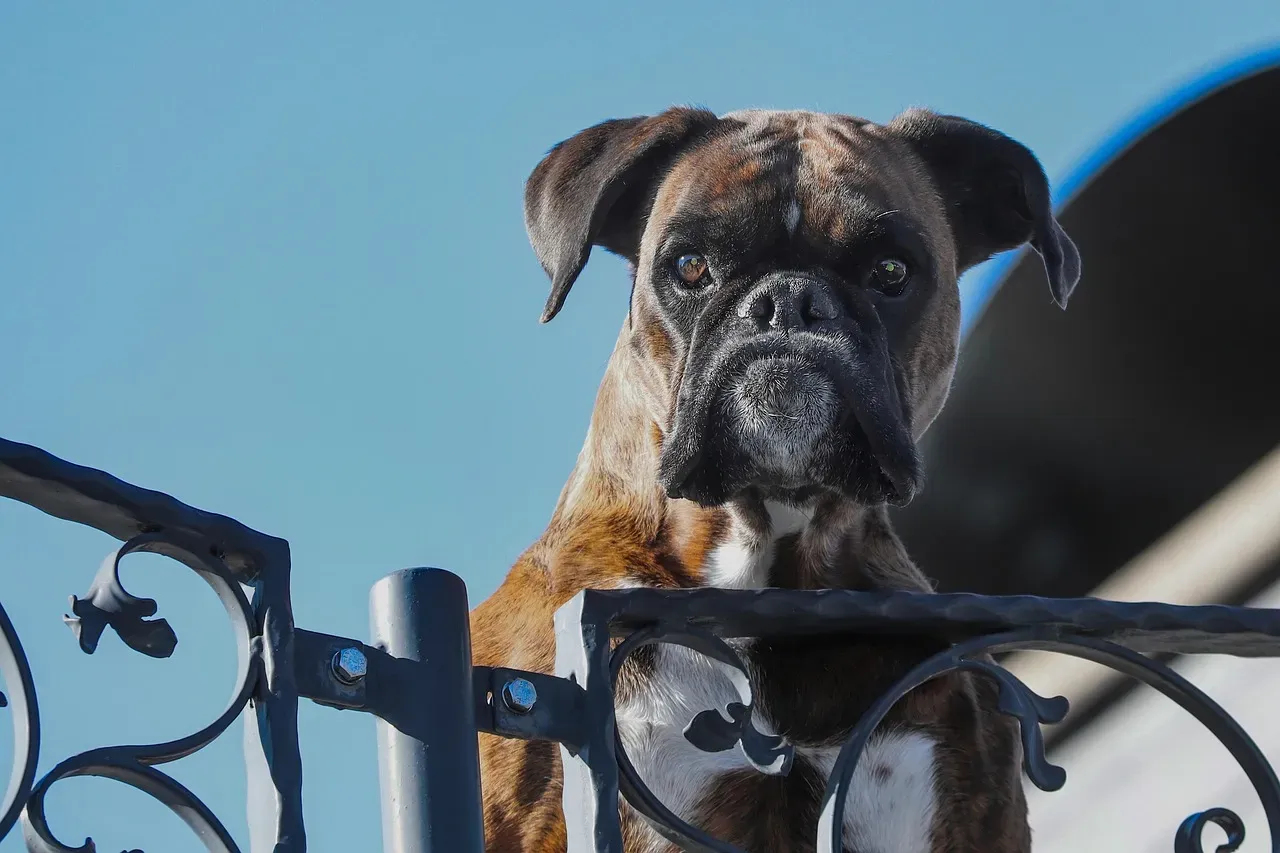
Notice your dog stepping in front of you when someone approaches? This isn’t just coincidence; it’s a deliberate act to shield you from potential harm. By placing themselves between you and a perceived threat, your dog is signaling their commitment to your safety.
This behavior is rooted in their pack mentality, where the leader is protected at all costs. Your dog sees you as the leader and instinctively moves to guard you, even if the “threat” is just the mailman.
3. Growling or Barking at Strangers

If your dog becomes vocal when unfamiliar people approach, it’s a protective measure. Growling or barking serves as a warning to potential intruders that they’re ready to defend their territory – and you.
While this behavior can be reassuring, it’s crucial to manage it appropriately to prevent unnecessary aggression. Training and socialization can help your dog discern between genuine threats and harmless visitors.
4. Following You Everywhere
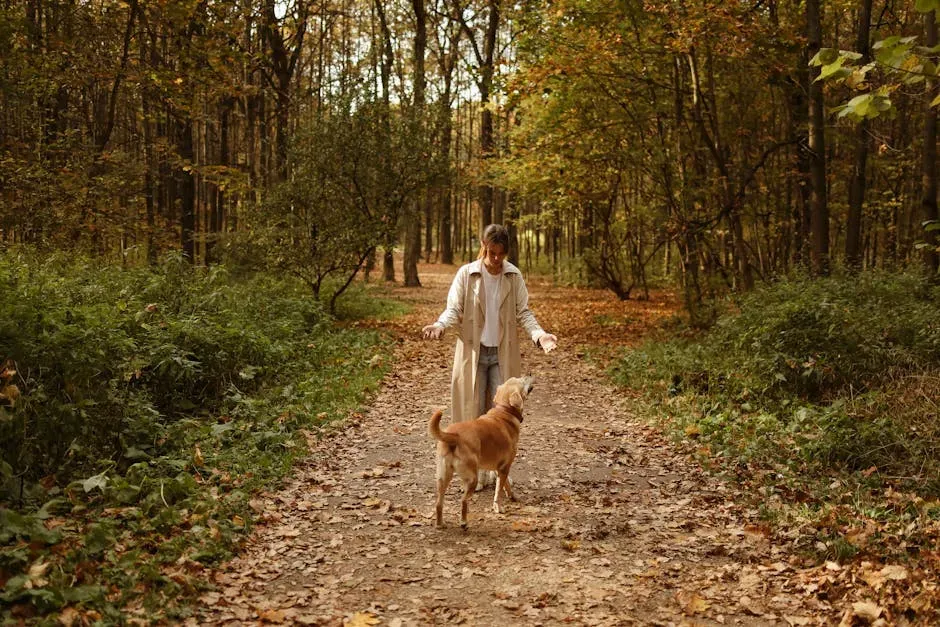
Does your dog shadow you from room to room? This constant companionship isn’t just about affection; it’s a protective behavior. By staying close, your dog ensures they’re always ready to intervene if needed.
This behavior indicates a deep bond and a sense of responsibility for your well-being. However, it’s essential to ensure your dog doesn’t develop separation anxiety from being overly attached.
5. Sleeping Near You
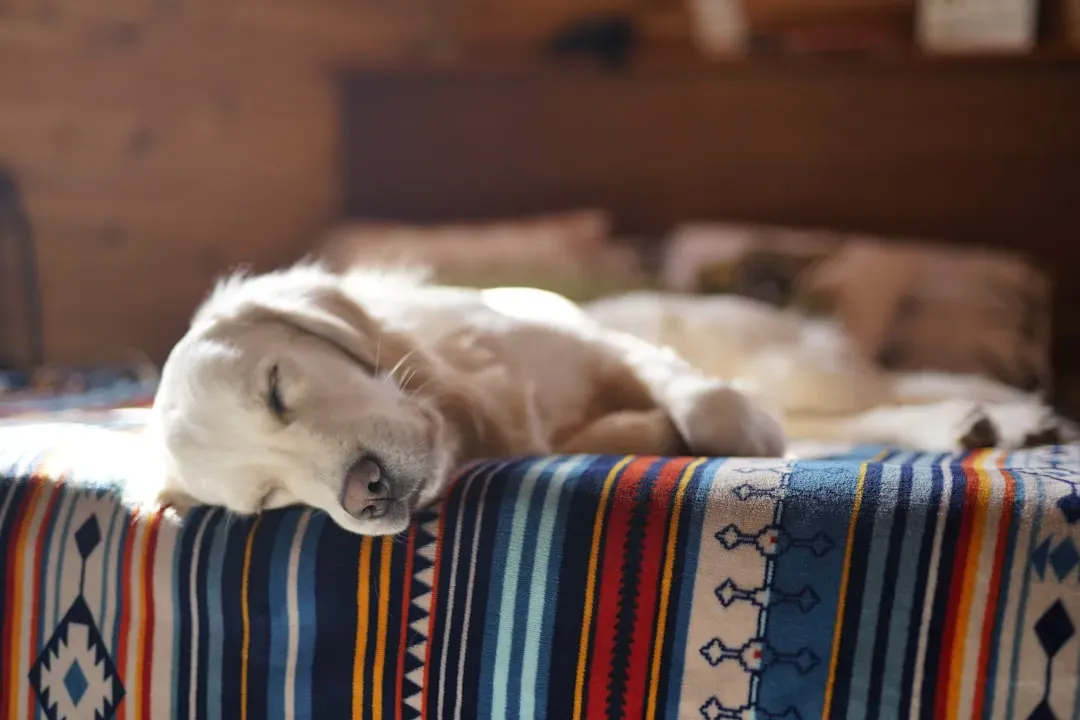
Choosing to sleep close to you, especially facing the door, is a sign your dog is on guard even during rest. This positioning allows them to monitor for potential threats and react swiftly if necessary.
This behavior showcases their commitment to your safety, even in vulnerable moments. It’s a testament to the trust and bond you share.
6. Blocking Your Path
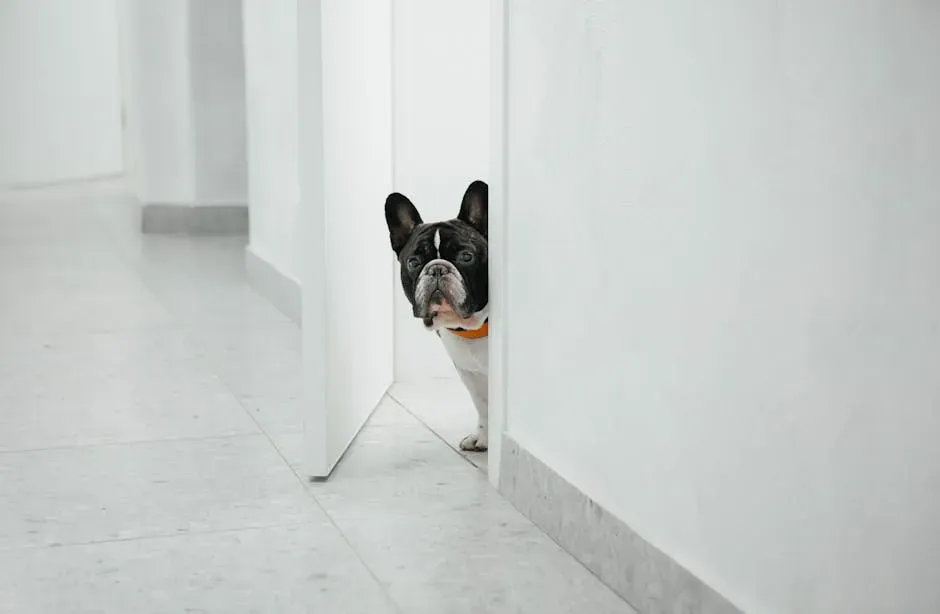
If your dog stands in your way or nudges you away from certain areas, they might be sensing danger you haven’t noticed. This behavior is their way of steering you clear of potential harm.
Dogs have keen senses and can detect subtle changes in the environment. Trusting their instincts can sometimes keep you out of harm’s way.
7. Checking on You Regularly
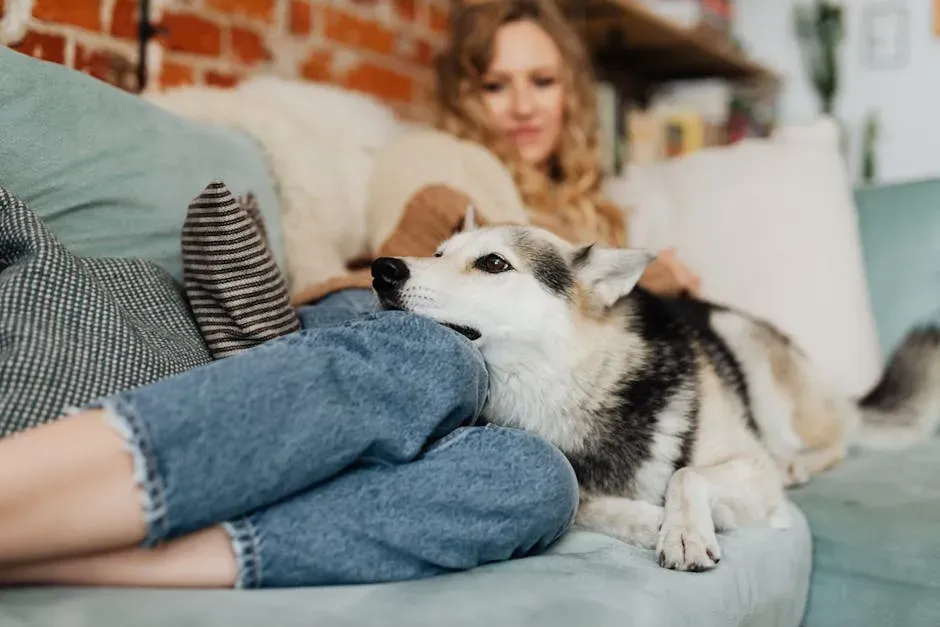
Does your dog frequently come to check on you, even when you’re in another room? This behavior indicates they’re ensuring you’re safe and sound, fulfilling their self-appointed duty as your protector.
This constant check-in is a sign of their deep concern for your well-being. It’s their way of saying, “I’ve got your back.”
8. Bringing You “Gifts”

Offering you toys or other items isn’t just about play; it’s a gesture of care. By sharing their prized possessions, your dog is strengthening the bond and ensuring you’re part of their pack.
This behavior reflects their desire to provide for you, much like they would for other pack members. It’s a sign of trust and affection.
9. Licking Your Face
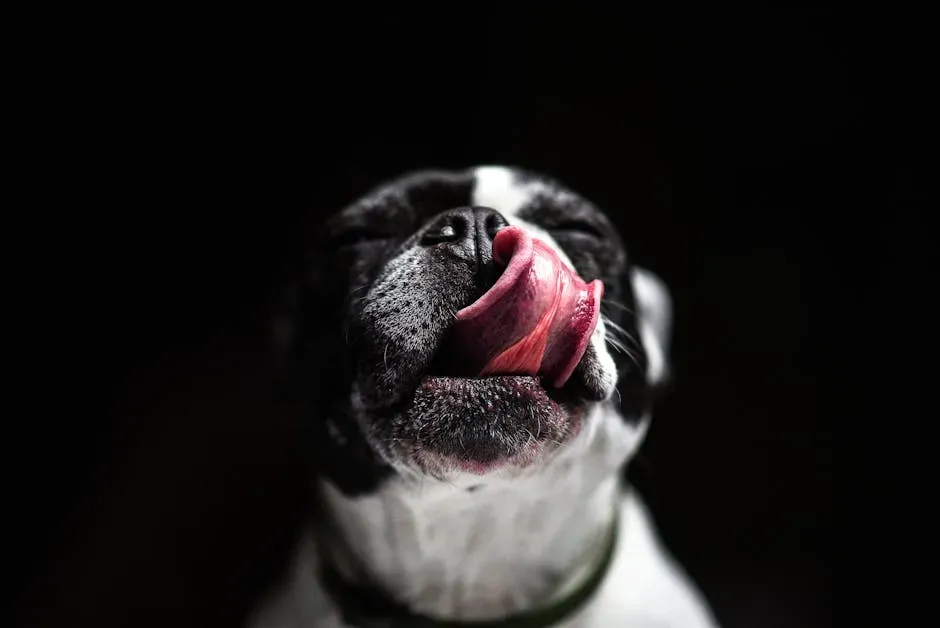
Licking is a submissive behavior in dogs, often directed towards pack leaders. By licking your face, your dog acknowledges your role and reinforces the bond between you.
This act is also a way for them to comfort you, showing empathy and care. It’s their version of a reassuring hug.
10. Ignoring Commands When They Sense Danger
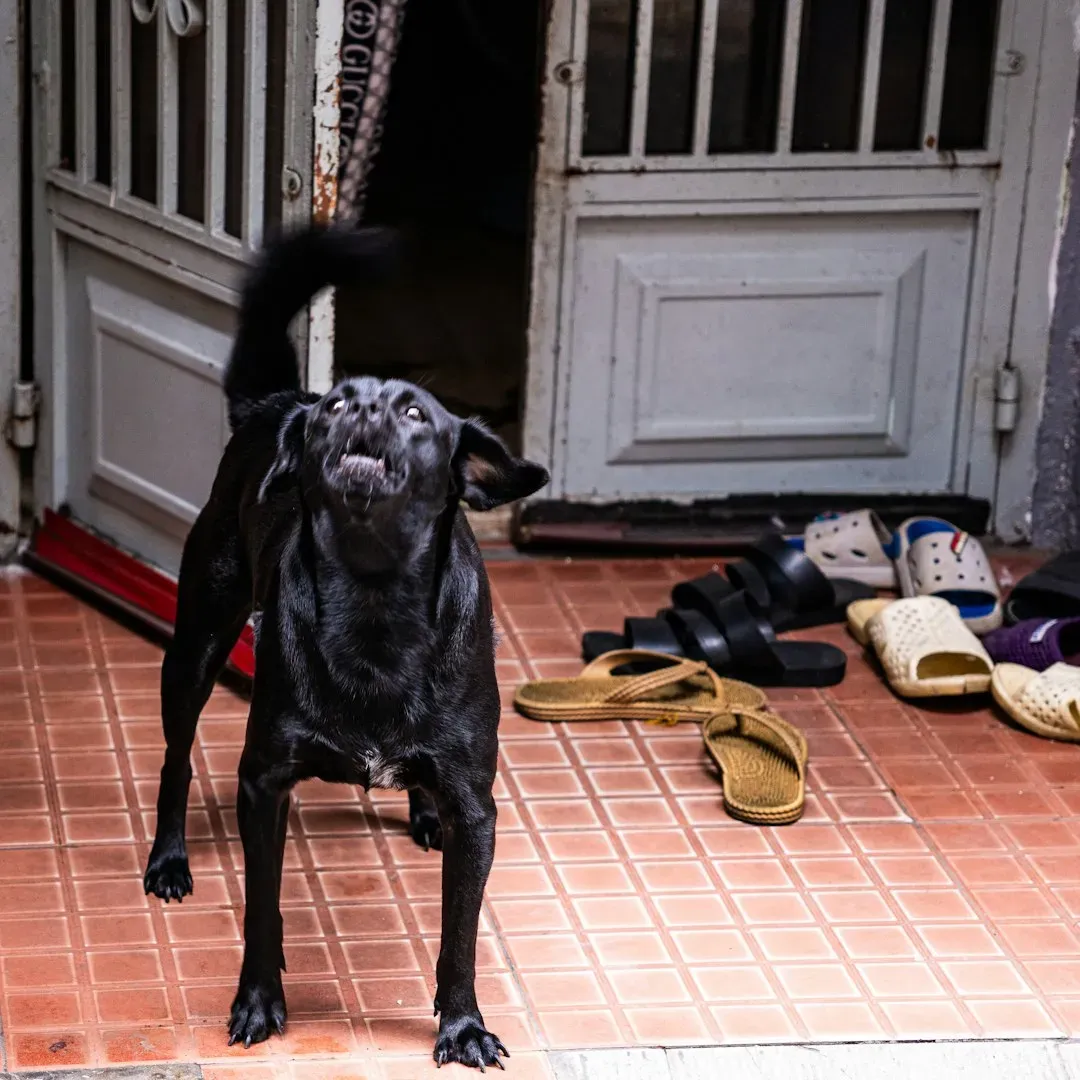
If your dog disregards your commands in situations they perceive as threatening, it’s because their protective instincts override training. They’re prioritizing your safety over obedience.
While this can be frustrating, it’s essential to understand their perspective. Proper training can help balance their protective instincts with obedience.
In conclusion, these behaviors are clear indicators that your dog has taken on the role of your guardian. While it’s heartwarming to know your furry friend is so dedicated to your safety, it’s essential to ensure their protective instincts are managed appropriately. Proper training and socialization can help strike a balance between protection and overprotectiveness, ensuring a harmonious relationship.
So, have you noticed any of these behaviors in your dog? It’s a testament to the deep bond and trust you share.