
7 Things Your Dog Stores in Long-Term Memory That Will Surprise Every Expert Who Thought They Knew Better

Think your dog lives entirely in the moment? Think again. While it’s true that dogs don’t recall events the way humans do, their long-term memory is more intricate and enduring than many experts once believed. Let’s delve into seven surprising things your dog remembers, challenging the conventional wisdom about canine cognition.
1. The Sound of Your Voice

Ever noticed your dog’s ears perk up at the mere sound of your voice, even after a long absence? Dogs have an exceptional ability to recognize and remember their owner’s voice. This auditory recognition isn’t just about familiarity; it’s deeply tied to the emotional bond you share. Your voice becomes a source of comfort and security, etched into their long-term memory.
Studies have shown that dogs can distinguish their owner’s voice from that of strangers, even when the words spoken are the same. This suggests that the unique tonal qualities and patterns of your speech are stored in their memory, reinforcing the special connection between you and your furry friend.
2. Specific Commands and Tricks
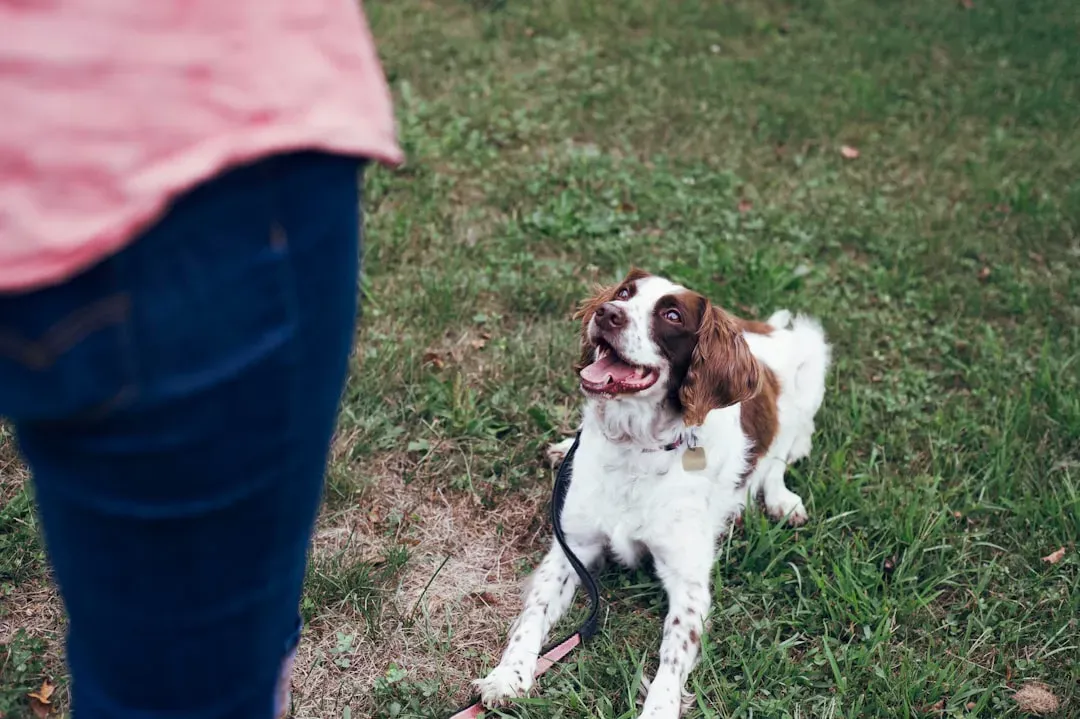
It’s astonishing how dogs can recall commands and tricks learned years ago, even if they haven’t practiced them recently. This retention showcases their ability to store procedural memories – how to perform specific actions – over extended periods. For instance, a dog trained to sit or fetch as a puppy can often execute these commands flawlessly in adulthood, even with minimal reinforcement.
This long-term memory for commands is particularly evident in working dogs, such as service or police dogs, who rely on their training to perform complex tasks. Their ability to remember and execute commands accurately is a testament to the durability of their procedural memory.
3. Emotional Experiences

Dogs are highly sensitive to emotional experiences, and these moments leave lasting imprints on their memory. Positive experiences, like joyful playtimes or affectionate interactions, are remembered and often lead to repeated behaviors seeking similar rewards. Conversely, negative experiences, such as traumatic events or harsh punishments, can result in long-term behavioral changes or anxieties.
This emotional memory explains why a dog might develop a fear of certain objects or situations associated with past negative experiences. Understanding this aspect of canine memory is crucial for training and rehabilitation, emphasizing the importance of positive reinforcement and gentle handling.
4. Familiar Scents

A dog’s sense of smell is incredibly powerful, and they use it to remember and recognize a vast array of scents. This olfactory memory allows them to identify familiar people, animals, and places, even after long separations. For example, a dog can recognize the scent of a family member who has been away for months, triggering excitement and recognition upon their return.
This scent memory is so strong that dogs have been known to find their way home over long distances by following familiar smells. It’s also why they might react strongly to the scent of another dog or person they’ve had significant interactions with in the past.
5. Locations of Important Resources

Dogs have an impressive spatial memory, enabling them to remember the locations of essential resources like food, water, and shelter. This ability is rooted in their survival instincts, allowing them to navigate their environment efficiently. For instance, a dog will remember where their food bowl is placed or the route to their favorite park.
This spatial memory extends to remembering the locations of hidden treats or toys, demonstrating their ability to recall and seek out resources based on past experiences. It’s a testament to their cognitive mapping skills and their ability to adapt to their surroundings.
6. Social Hierarchies and Relationships
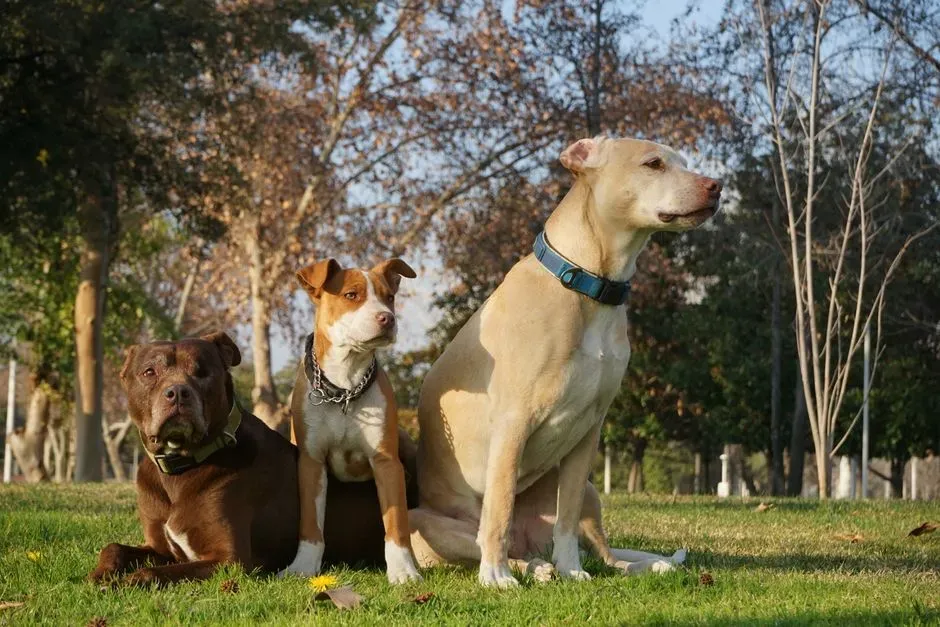
Dogs are social animals that remember and understand the dynamics of their social groups. They can recall the hierarchy within their pack, including the roles and behaviors of other dogs and humans they interact with regularly. This memory helps them navigate social interactions and maintain harmony within their group.
For example, a dog will remember which household members are more likely to provide food or play, adjusting their behavior accordingly. They also remember past interactions with other dogs, influencing how they approach future encounters based on previous experiences.
7. Traumatic Events

Unfortunately, dogs can remember traumatic events, and these memories can have lasting effects on their behavior and well-being. A dog that has experienced abuse or a frightening situation may develop anxieties or phobias related to specific triggers associated with the trauma.
Recognizing and addressing these memories is essential for rehabilitation. Through patient training and positive experiences, it’s possible to help a dog overcome the negative associations tied to past traumas, allowing them to lead a happier and more confident life.
In conclusion, while dogs may not remember events in the same way humans do, their long-term memory is rich and complex, encompassing voices, commands, emotions, scents, locations, social structures, and even traumas. This understanding challenges previous assumptions and highlights the depth of our canine companions’ cognitive abilities. So, next time you wonder if your dog remembers you or a particular experience, rest assured – they do, in ways more profound than we might have imagined.