
10 Changes in Your Dog That Mean Their Body Is Telling Them Something Their Face Is Not Showing You
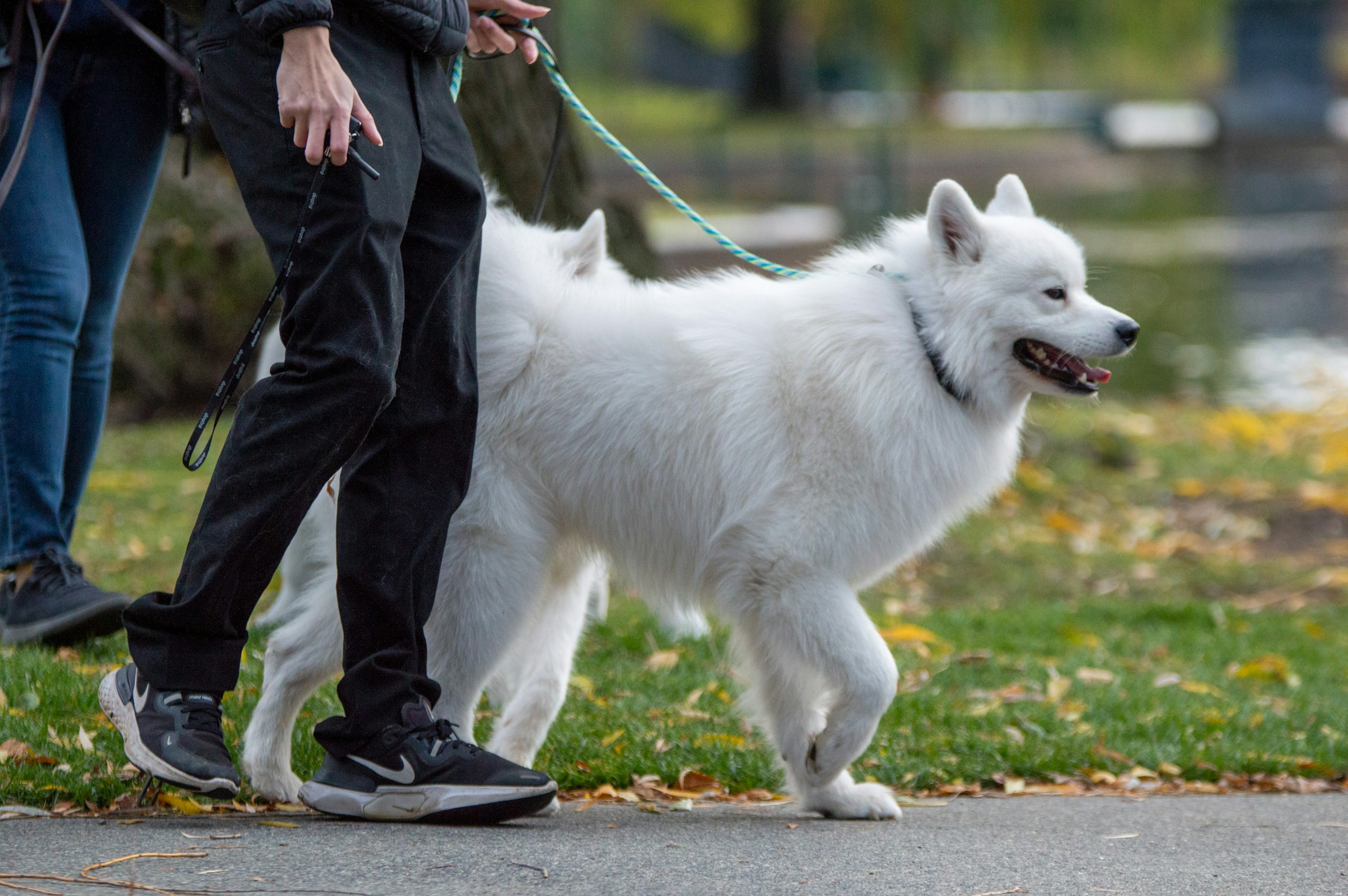
Dogs are masters of disguise when it comes to hiding discomfort or illness. While their faces may wear the same cheerful expressions, subtle changes in their behavior or physical condition can be silent alarms signaling that something isn’t right. As a devoted pet parent, it’s crucial to tune into these less obvious cues to ensure your furry friend’s well-being. Let’s explore ten changes that might indicate your dog needs attention, even if their face doesn’t show it.
1. Unexplained Weight Loss or Gain
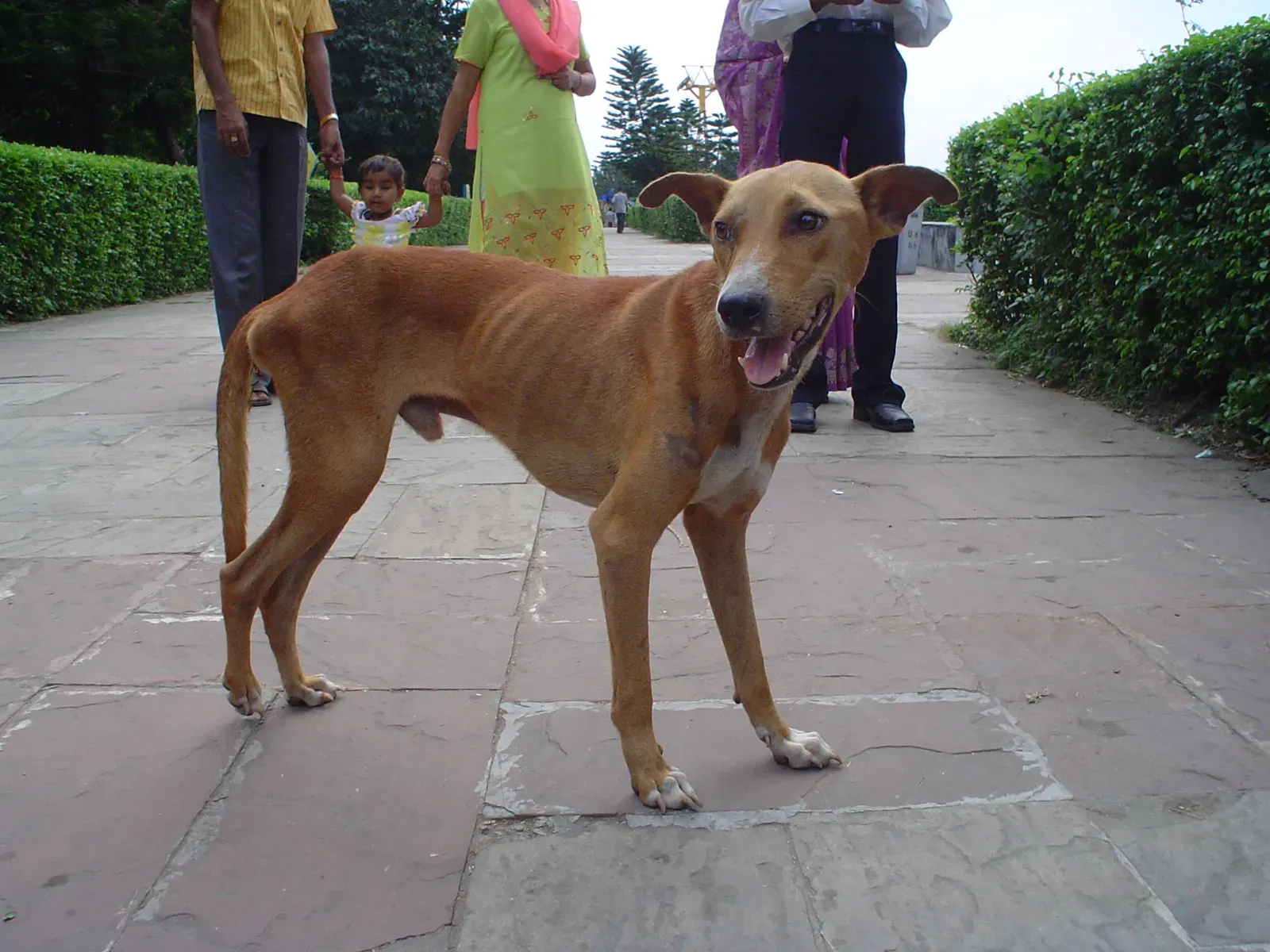
A sudden drop in weight can be alarming, especially if your dog’s diet and exercise routine haven’t changed. This unexpected weight loss might point to underlying issues such as metabolic disorders, dental problems, or internal diseases. Conversely, unexplained weight gain could signal hormonal imbalances or other medical concerns. Regularly monitoring your dog’s weight and consulting your vet about any significant changes is essential for early detection and treatment.
2. Changes in Appetite or Thirst
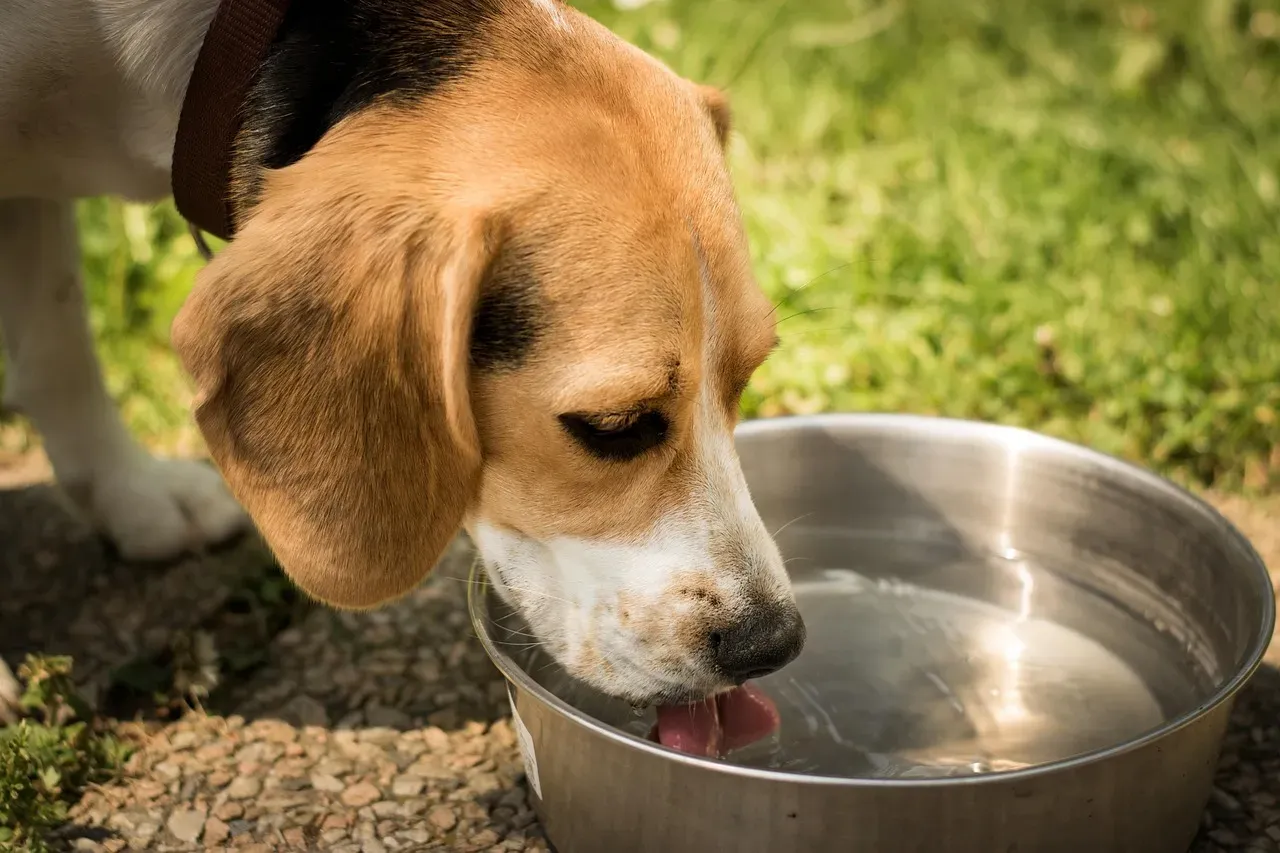
If your dog suddenly loses interest in meals or, on the flip side, seems insatiably hungry, it’s time to pay attention. Similarly, an increase or decrease in water consumption can be indicative of health problems like diabetes or kidney disease. These shifts in eating and drinking habits are often early signs that something is amiss internally, warranting a prompt veterinary check-up.
3. Lethargy or Unusual Fatigue

Dogs are typically energetic and eager to engage with their surroundings. If your pup becomes unusually tired, shows a lack of interest in play, or seems reluctant to go for walks, it could be a sign of underlying health issues. Persistent lethargy may indicate infections, anemia, or other medical conditions that require professional evaluation.
4. Behavioral Changes
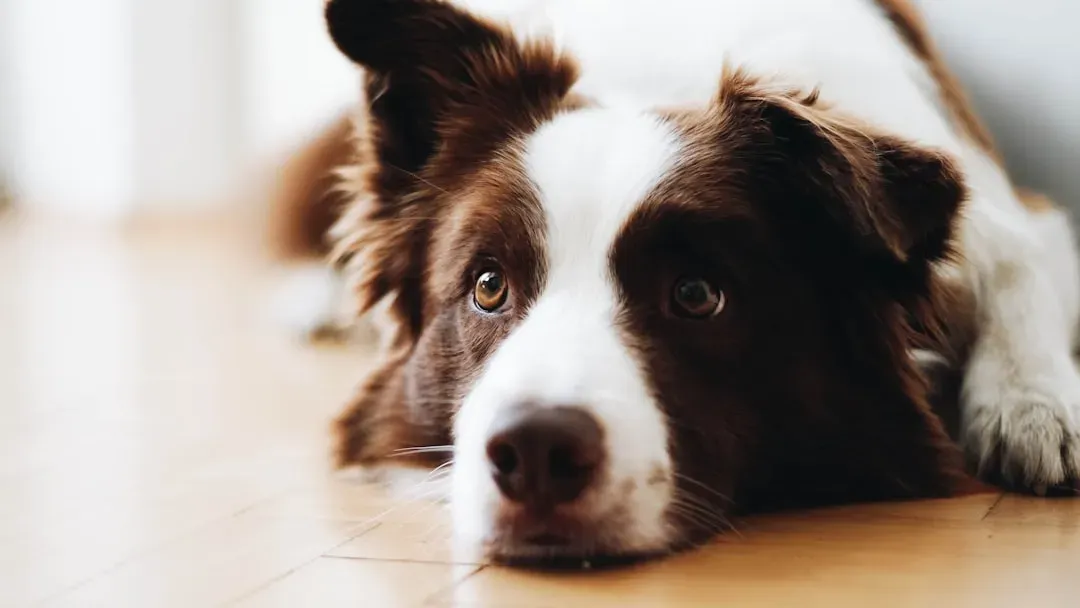
A friendly dog becoming irritable or a social butterfly turning withdrawn can be subtle indicators of discomfort or illness. Sudden aggression, anxiety, or clinginess might be your dog’s way of expressing that they’re not feeling well. These behavioral shifts should prompt a closer look and possibly a visit to the vet to rule out health problems.
5. Digestive Issues

Occasional stomach upsets are normal, but frequent vomiting, diarrhea, or constipation are red flags. Changes in stool consistency, color, or the presence of blood can signal gastrointestinal issues, infections, or even more serious conditions. Monitoring your dog’s digestive health and seeking veterinary advice when abnormalities persist is crucial.
6. Respiratory Changes
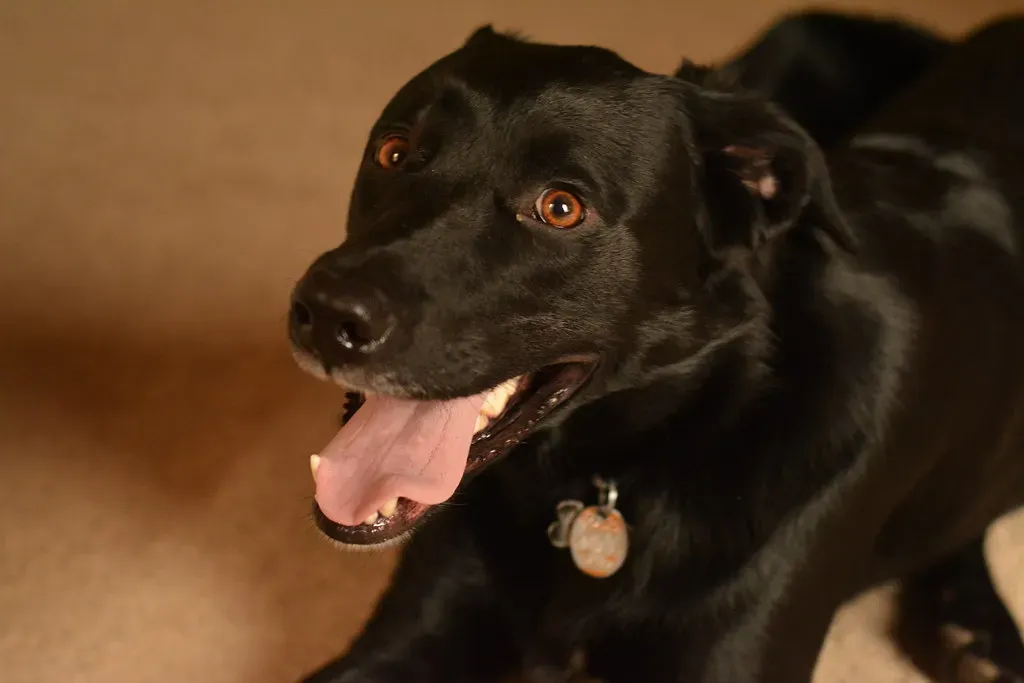
If your dog starts coughing, wheezing, or shows labored breathing without an obvious cause, it’s a cause for concern. These respiratory changes can indicate heart disease, respiratory infections, or other serious health issues. Prompt attention to these symptoms can prevent complications and ensure your dog’s comfort.
7. Skin and Coat Changes

A dull coat, excessive shedding, or the appearance of bald patches can be more than just cosmetic issues. They might indicate allergies, parasites, or skin infections. Regular grooming and skin checks can help you spot these changes early, allowing for timely treatment and relief for your dog.
8. Mobility Issues
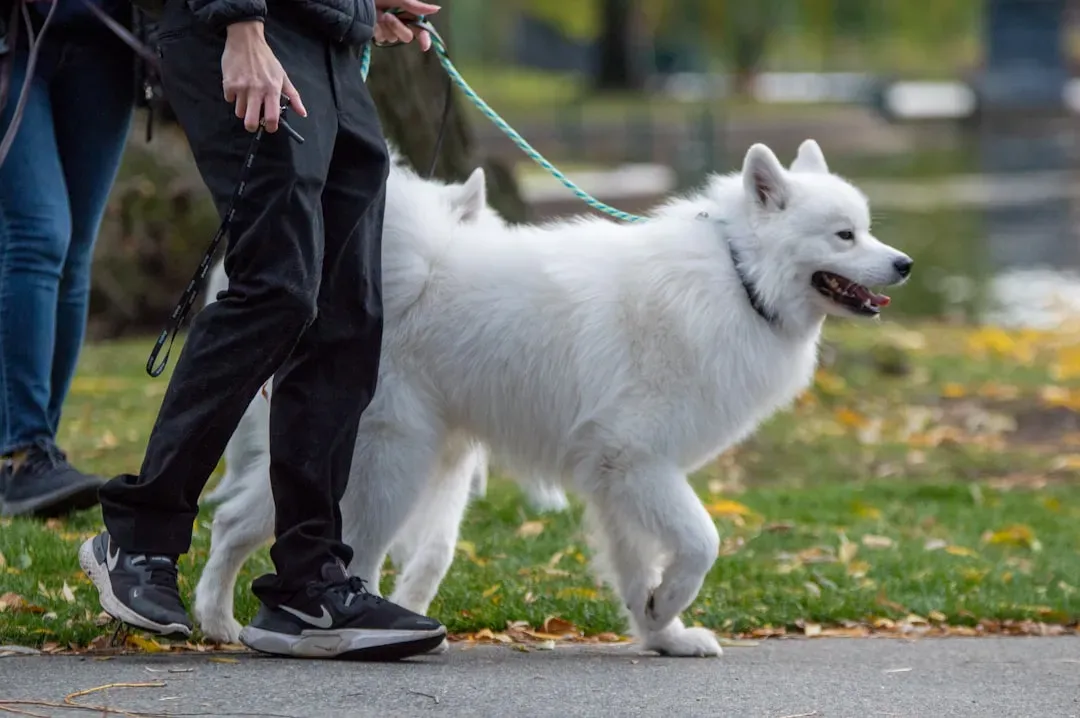
Difficulty standing up, reluctance to climb stairs, or a noticeable limp can suggest joint pain, arthritis, or other musculoskeletal problems. While some stiffness can be expected with age, sudden or severe mobility issues should be evaluated by a veterinarian to improve your dog’s quality of life.
9. Unusual Odors

Persistent bad breath, foul-smelling ears, or an overall unpleasant odor can be signs of dental disease, ear infections, or other health issues. These odors are often accompanied by other symptoms like drooling, head shaking, or scratching. Addressing these signs promptly can prevent more serious complications.
10. Changes in Bathroom Habits

Accidents in the house, straining to urinate, or noticeable changes in the frequency or color of urine and stool can indicate urinary tract infections, kidney issues, or gastrointestinal problems. Keeping an eye on your dog’s bathroom habits and consulting your vet about any changes is important for their health.
Conclusion
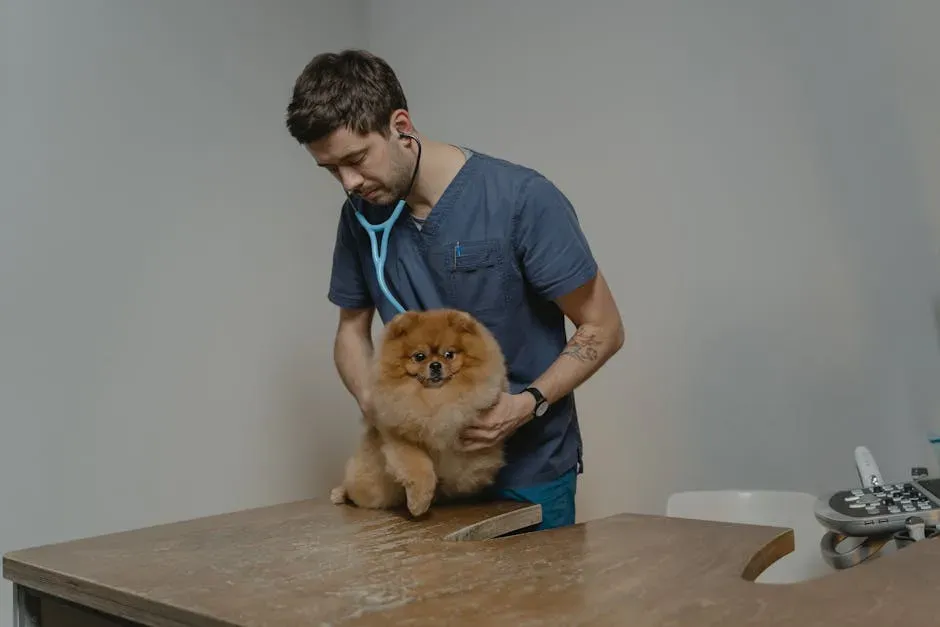
Our dogs rely on us to interpret the subtle signals their bodies send when something isn’t right. By staying vigilant to these ten changes, you can catch potential health issues early and seek appropriate care. Remember, your dog’s face might not reveal their discomfort, but their behavior and physical condition will. Isn’t it time we listened more closely to what they’re trying to tell us?