
The Real Reason Your Dog Watches You Eat But Never Begs Has Nothing to Do With Natural Submission and Everything to Do With Whether They Have Anticipated a Consistent Boundary or Reward

Ever noticed your dog watching you intently during meals, yet never resorting to begging? It’s a behavior that puzzles many pet owners. Contrary to popular belief, this isn’t about natural submission. Instead, it’s deeply rooted in the boundaries and expectations you’ve set.
Understanding Canine Observation During Mealtime
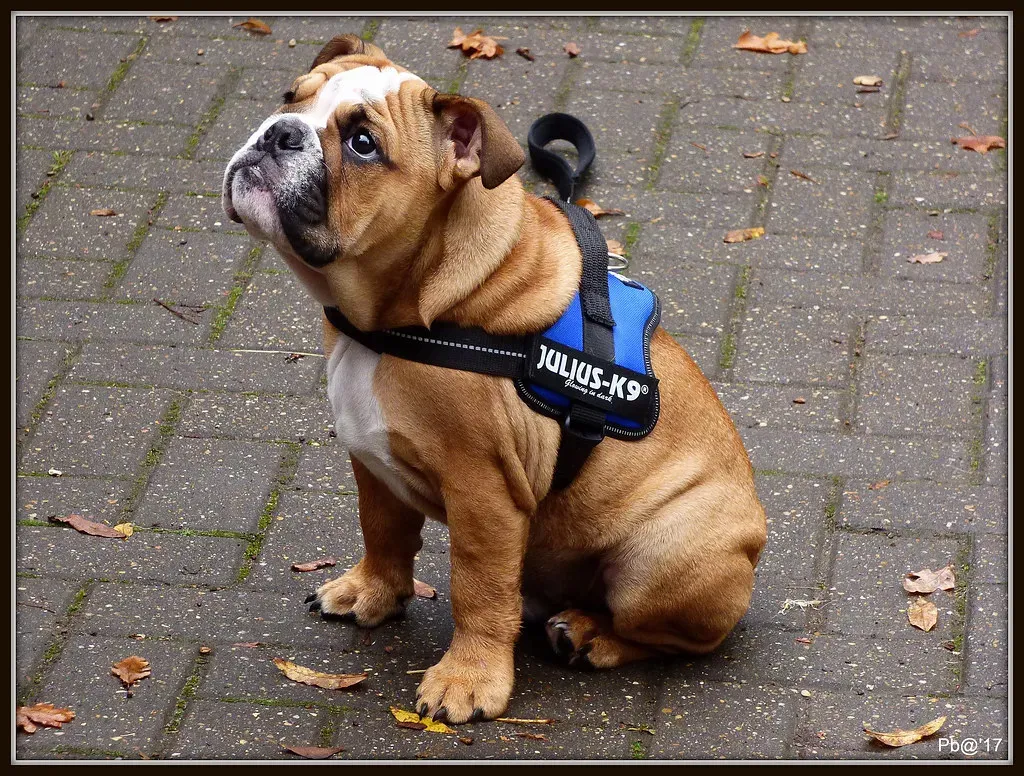
Dogs are naturally observant creatures. When they watch you eat without begging, it’s not mere curiosity. They’re gauging the environment, understanding routines, and assessing their place within the household dynamics.
This behavior indicates that your dog recognizes and respects the boundaries you’ve established. It’s a testament to the consistency in training and the clear expectations you’ve set regarding mealtime conduct.
The Role of Consistent Boundaries in Canine Behavior
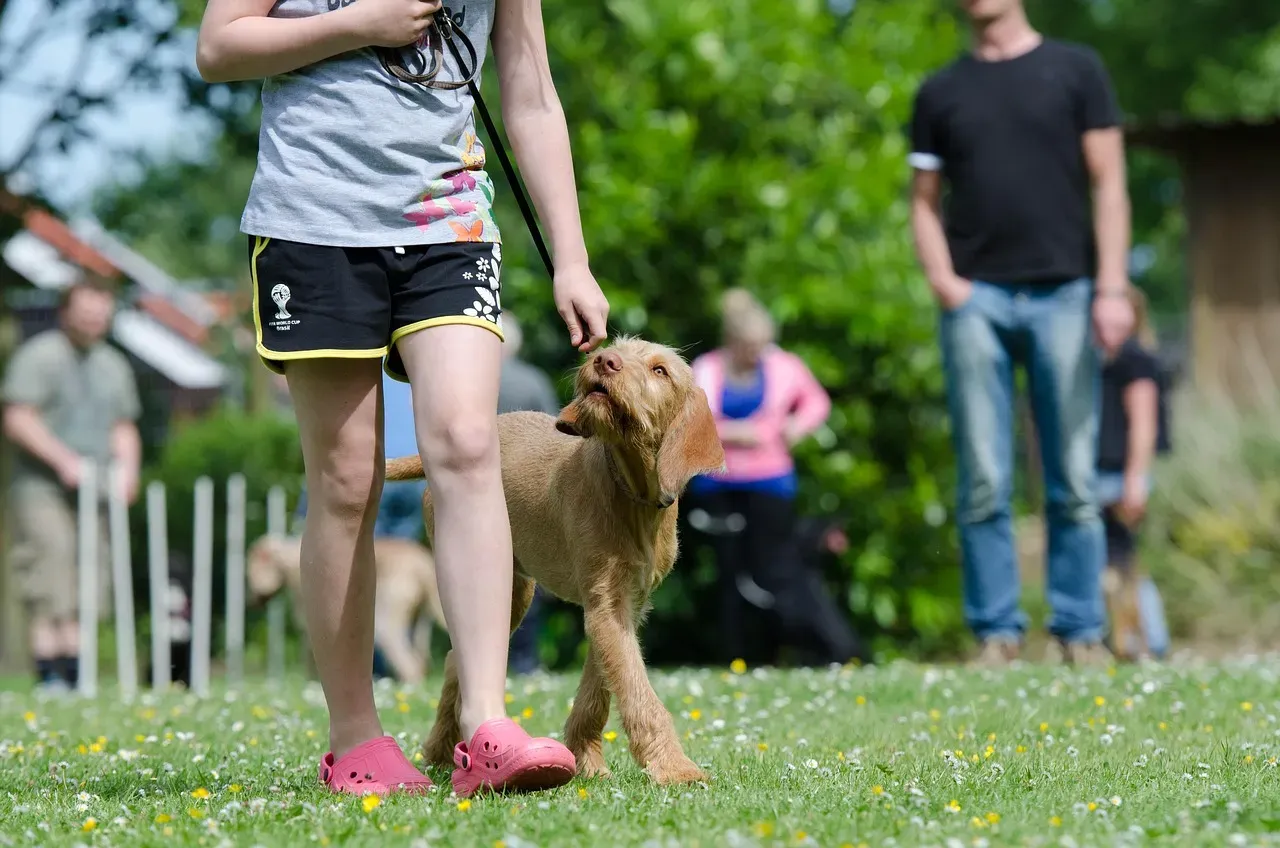
Consistency is key in dog training. When dogs are provided with clear and unwavering boundaries, they learn what behaviors are acceptable and which aren’t. This clarity reduces anxiety and fosters a sense of security.
For instance, if a dog is never fed from the table and is consistently rewarded for staying in their designated spot during meals, they’ll understand that begging is neither necessary nor rewarding.
Anticipation of Rewards and Its Impact on Behavior
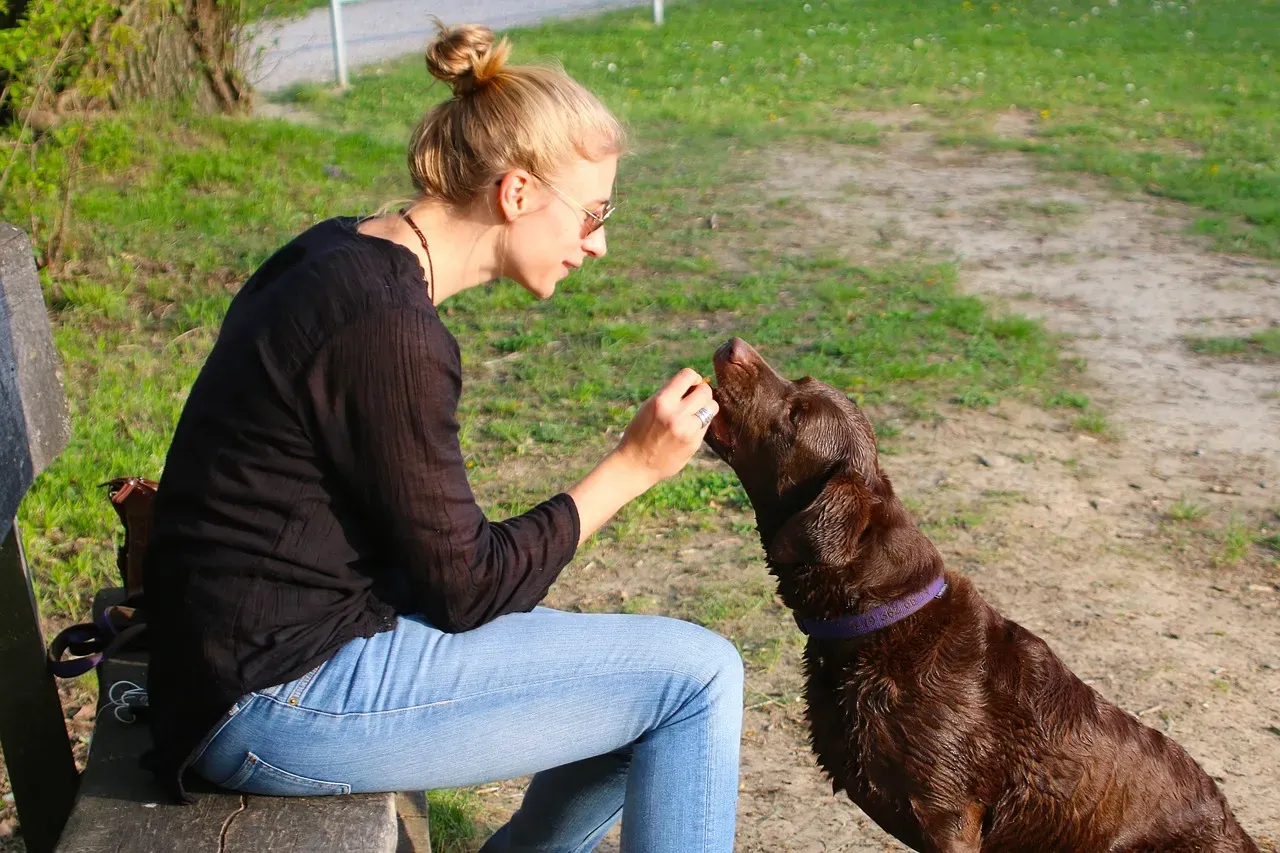
Dogs are motivated by rewards. If they’ve been trained to expect a treat or their own meal after you finish eating, they’ll patiently wait without resorting to begging. This anticipation is a result of consistent reinforcement.
By establishing a routine where the dog knows they’ll be rewarded post-meal, they learn that patience yields better results than begging. This understanding stems from the predictable patterns you’ve set.
Debunking the Myth of Natural Submission

It’s a common misconception that a dog’s passive behavior during meals is due to natural submission. In reality, it’s more about learned behavior and the environment you’ve cultivated.
Dogs adapt to the cues and routines of their owners. Their behavior is a reflection of the training and boundaries set, rather than an innate submissive trait.
Training Techniques to Reinforce Positive Mealtime Behavior

To encourage your dog to watch without begging, consider the following techniques:
- Designate a specific spot for your dog during meals and reward them for staying there.
- Feed your dog at the same time you eat, ensuring they have their own meal to focus on.
- Use positive reinforcement to reward desired behaviors, reinforcing the idea that patience is beneficial.
Consistency in these practices will help solidify the behavior you desire.
The Importance of Family Consistency in Training

It’s crucial that all family members are on the same page. If one person feeds the dog from the table while others don’t, it creates confusion and undermines training efforts.
Ensure that everyone understands and adheres to the established boundaries, providing a unified front that reinforces the desired behavior.
Recognizing and Addressing Unintentional Reinforcement
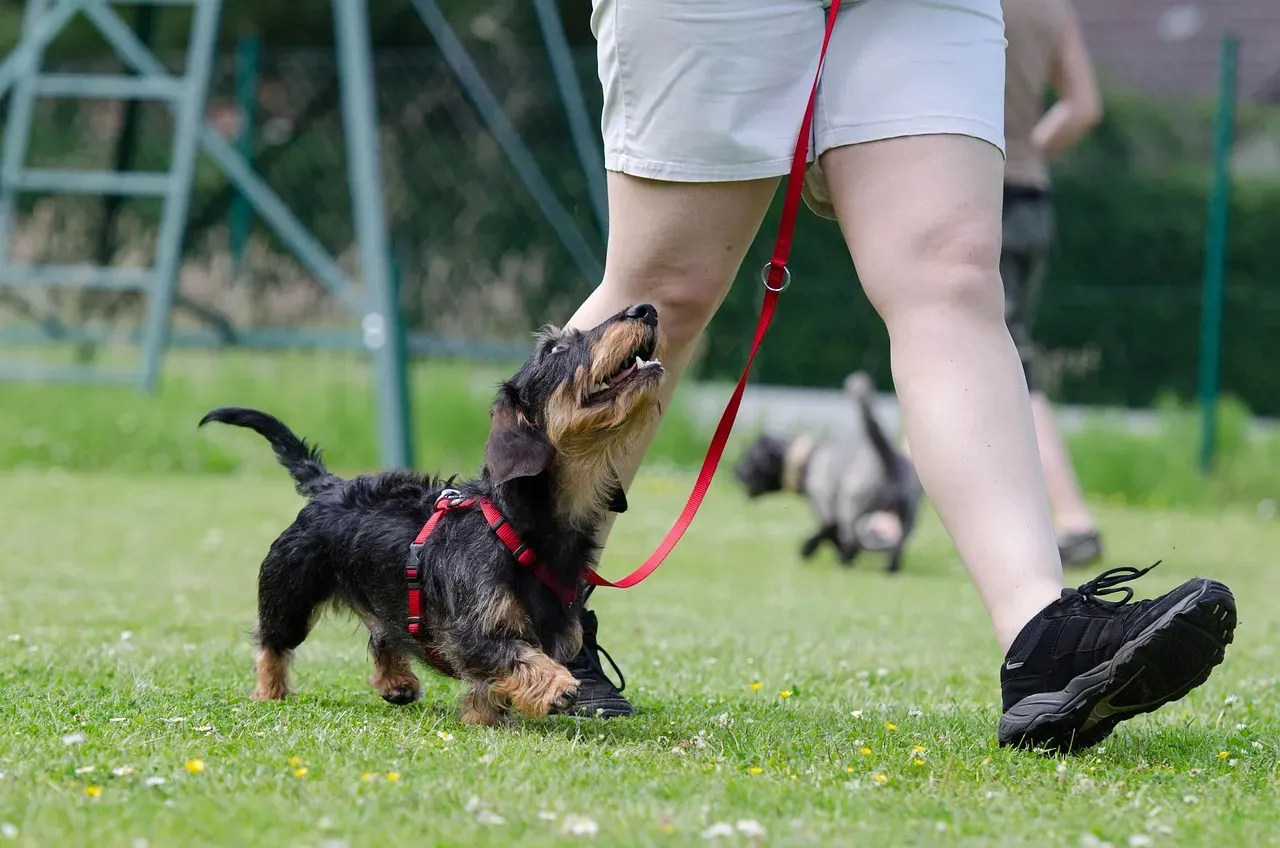
Sometimes, without realizing it, we reinforce unwanted behaviors. Laughing at a dog’s antics during meals or occasionally slipping them a treat can send mixed signals.
Being mindful of these actions and ensuring that rewards are given for desired behaviors will help maintain the boundaries you’ve set.
Conclusion

In essence, your dog’s behavior during mealtime is a mirror reflecting the boundaries and expectations you’ve established. It’s not about natural submission but about the consistent training and clear communication you’ve provided. By maintaining these boundaries and reinforcing positive behaviors, you foster a harmonious dining experience for both you and your canine companion.
So, next time your dog watches you eat without begging, take a moment to appreciate the mutual respect and understanding you’ve cultivated. Isn’t it rewarding to see the fruits of consistent training?