
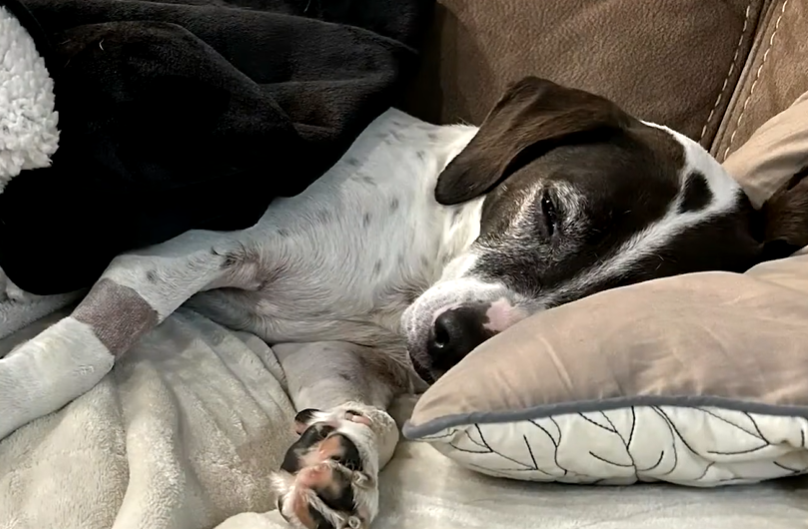
Mount Laurel, New Jersey — A 10-year-old hound mix named Ricky turned a routine day into a medical emergency when he ingested multiple socks along with pieces of fabric and part of a tote bag. His owners noticed his sudden lethargy and loss of appetite, prompting an immediate rush to Mount Laurel Animal Hospital.[1][2] Veterinarians there performed scans that revealed the dangerous blockage, leading to life-saving surgery. The case highlights the hidden hazards household items pose to pets.[1]
Ricky’s Alarming Turn
Ricky’s condition deteriorated quickly. The senior hound mix, known for his playful nature, became unusually lethargic over a short period. He refused meals, a clear deviation from his normal routine.
Owners grew concerned as these symptoms persisted. Such signs often indicate internal issues in dogs, especially older ones prone to digestive slowdowns. Ricky’s family acted fast, transporting him to the hospital without delay.[1]
Diagnosis Reveals Shocking Blockage
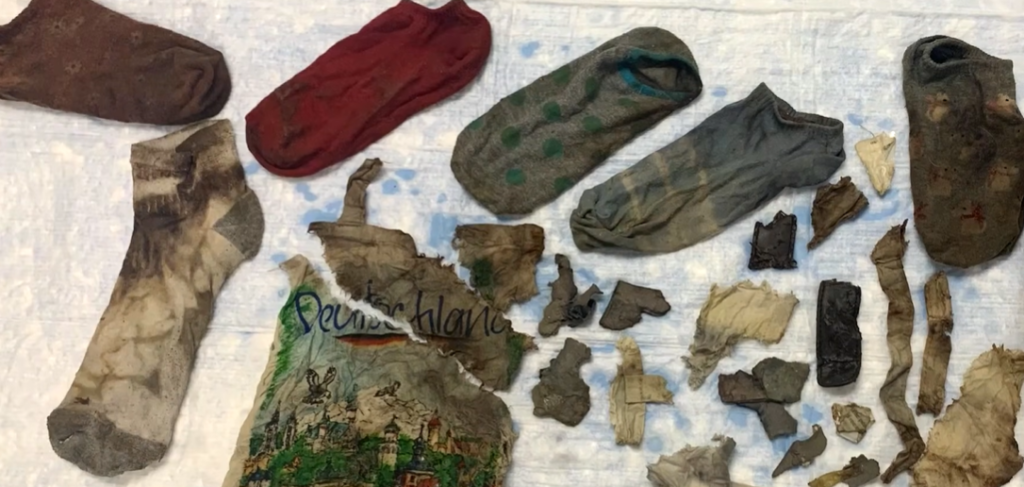
At Mount Laurel Animal Hospital, staff conducted imaging scans on arrival. The results showed a mass of foreign material obstructing Ricky’s stomach. Veterinarians prepared for surgery once the extent became clear.
Doctor Brent Crandall and his emergency team led the effort. They identified fabric pieces, including several socks, as the culprits. The tote bag fragment compounded the obstruction, preventing normal digestion.[3]
Surgery Uncovers Full Extent of Ingestion
During the procedure, surgeons opened Ricky’s stomach to extract the items. They removed six socks, assorted fabric scraps, and part of a tote bag. The collection had formed a dense blockage threatening perforation or rupture.
Ricky recovered steadily post-operation. The hospital shared details to alert other pet owners. Staff emphasized how everyday laundry items can turn deadly when swallowed.[4]
- Six full socks
- Multiple fabric pieces
- Tote bag remnants
Why Dogs Target Socks and Fabrics
Dogs like Ricky sometimes develop fixations on textiles. Boredom, nutritional gaps, or instinctual chewing drive such behavior. Socks prove irresistible due to their scent and texture.
Once ingested, these items rarely pass naturally. They bunch up in the stomach or intestines, leading to blockages. Older dogs face higher risks as their systems process slower.[5][6]
Common warning signs include:
- Lethargy or weakness
- Loss of appetite
- Vomiting or retching
- Abdominal bloating or pain
- Straining without stool production
Prevention Steps Every Owner Should Take
Veterinarians at Mount Laurel Animal Hospital urged vigilance after Ricky’s case. Secure laundry baskets and keep floors clear of tempting fabrics. Provide ample chew toys to redirect energy.
Monitor high-risk breeds and seniors closely. Regular vet checkups catch early pica tendencies. Training reinforces “leave it” commands effectively.
| Symptom | Action |
|---|---|
| Lethargy | Contact vet immediately |
| No appetite | Monitor 24 hours, then seek care |
| Vomiting | Prevent dehydration; rush to ER |
- Act swiftly on digestive symptoms to avoid surgery.
- Store socks and fabrics out of reach.
- Enrich environments with safe alternatives for chewing.
Ricky’s recovery stands as a testament to prompt intervention. Pet owners everywhere can learn from this close call, ensuring their companions avoid similar fates. What steps do you take to pet-proof your home? Tell us in the comments.


