
You grabbed your keys, stepped out the door, and told yourself you’d only be gone an hour. Maybe it turned into three. You walk back in, and there’s your dog, waiting right where you left them – or rather, right where they’ve been orbiting ever since you disappeared. That greeting, all tail and paws and leaning, tells a story bigger than most of us stop to consider.
The truth is, dogs experience your absence in ways that are emotionally deeper and more layered than a quick trip to the store would suggest. They don’t have clocks. They don’t know it’s been ninety minutes. What they do have is a powerful emotional relationship with you, a finely tuned sense of routine, and a nervous system that reacts to your absence almost the moment you’re gone. Understanding what actually happens while you’re away can change how you leave, how you come home, and how you care for your dog every single day.
How Dogs Actually Perceive Time When You’re Gone
Dogs don’t experience time the way we do, but that doesn’t mean they’re floating in a blank void while you’re at the grocery store. Research suggests dogs rely on associative memory, environmental cues, scent awareness, and biological rhythms to interpret time rather than structured measurement. It’s a completely different system from our calendar-driven awareness, but it works in its own surprisingly accurate way.
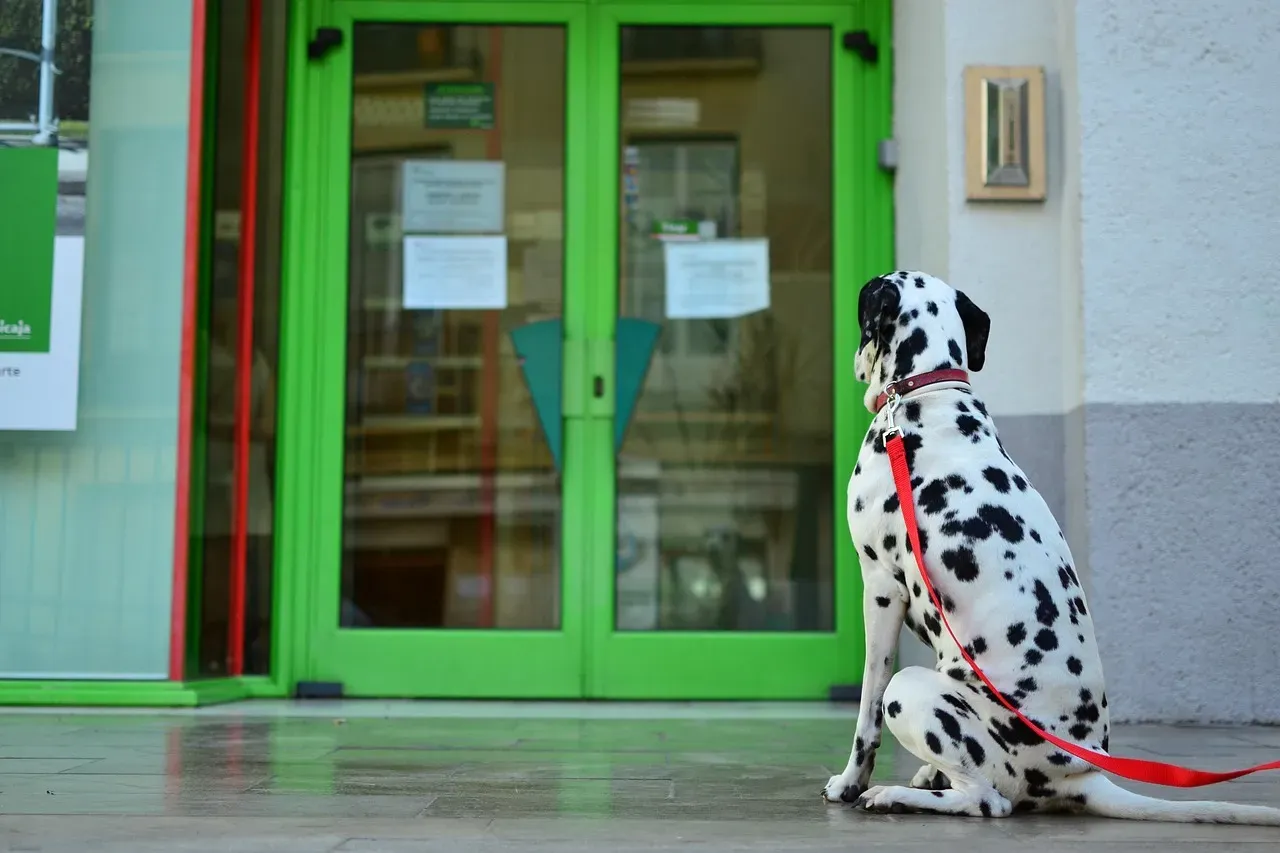
Dogs rely heavily on scent. Their owner’s smell fades over hours, and dogs may use this process to measure time’s passage. Some dogs wait by the door or become alert at specific times, likely responding to scent levels and environmental cues rather than an abstract sense of time. Think about that for a moment. Your dog isn’t watching the clock. They’re essentially reading the air.
Dogs naturally follow circadian rhythms, which help regulate sleep, hunger, and activity patterns. These internal rhythms help dogs anticipate daily events even without visual time references. For example, dogs often become alert shortly before their owner usually returns home. That eerie accuracy you’ve noticed – your dog camping by the door ten minutes before your car pulls in – isn’t coincidence. It’s biology meeting routine.
What’s Really Happening in the First 30 Minutes After You Leave
The peak intensity of separation-related behaviors occurs shortly after the owner’s departure. This is the window most dog owners never see – because they’ve already left. It’s also the most emotionally charged period of your dog’s alone time.
Many dogs begin to display anxiety as soon as the owners prepare to leave. That follows-you-to-the-door routine isn’t just sweet loyalty. For some dogs, it’s the beginning of a stress response. Dogs with separation anxiety exhibit behavior problems when they’re left alone. Typically, they’ll have a dramatic anxiety response within a short time – around 20 to 45 minutes – after their owners leave them.
When they realize you’ve left, their thoughts race, and they become hyper-alert to sounds signaling your return: car doors, horns, children laughing, or clocks chiming. Eventually, they relax and fall asleep. The relief isn’t immediate. Most dogs cycle through vigilance before they finally settle, and some never fully do.
Signs Your Dog Is Struggling While You’re Away
Separation-related behaviors in companion dogs commonly include destruction, vocalization, and house soiling such as urination, defecation, or vomiting, as well as pacing, restlessness, owner searching, panting, hypervigilance, and extreme passivity. The range is wide, and the quieter signs are just as important as the dramatic ones.
During departures or separations, in addition to vocalization, destruction, and elimination, dogs may be restless, shake, shiver, salivate, refuse to eat, or become quiet and withdrawn. A dog who goes silent and stops eating while you’re gone is just as distressed as one who chews through a couch cushion. Withdrawal is a stress signal, not calm acceptance.
Dogs’ vocalizations may help with identification of specific inner states during separation. Frustration may elicit mostly barking, while whining would be more indicative of fear. This is genuinely useful to know. If your dog is mostly barking at the door, that’s a different emotional state than soft, persistent whining – and each may benefit from a slightly different approach.
How the Length of Your Absence Actually Matters
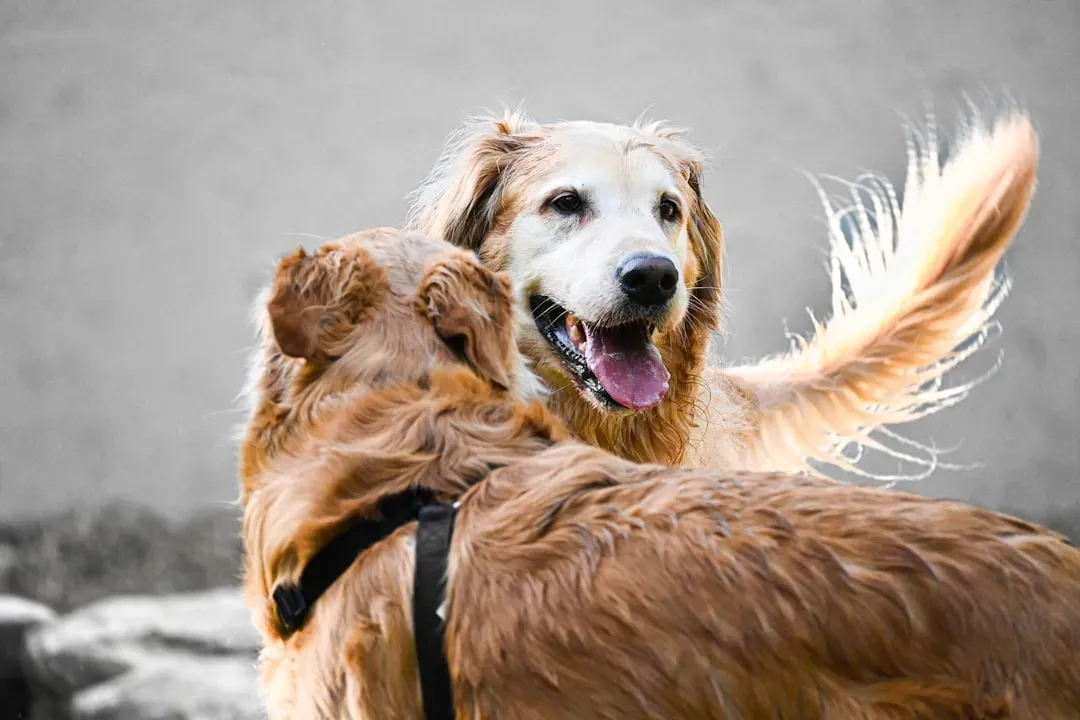
You might assume your dog doesn’t care much whether you were gone for thirty minutes or four hours. The research suggests otherwise. A 2011 study found that dogs were much more excited to see their owners after being gone for two hours or more than they were if their owners were only gone for thirty minutes. The emotional intensity of the reunion scales with the time apart.
Upon return, dogs often greet their humans with signs of joy, including tail wagging, bounding, whining, and licking. These behaviors suggest recognition and emotional release. The longer the separation, the more intense the greeting often is. That frantic homecoming isn’t your dog being dramatic. It’s a genuine emotional download after a long wait.
Longer absences can also leave a mark beyond just that evening. Symptoms such as lethargy, reduced interest in activities, changed sleeping patterns, and decreased appetite can emerge. Dogs with strong attachment bonds are more susceptible to these emotional changes during owner absence. If your dog seems off after you’ve been away for a few days, they’re not sulking. They’ve been genuinely affected.
What You Can Do to Make the Wait Easier for Your Dog
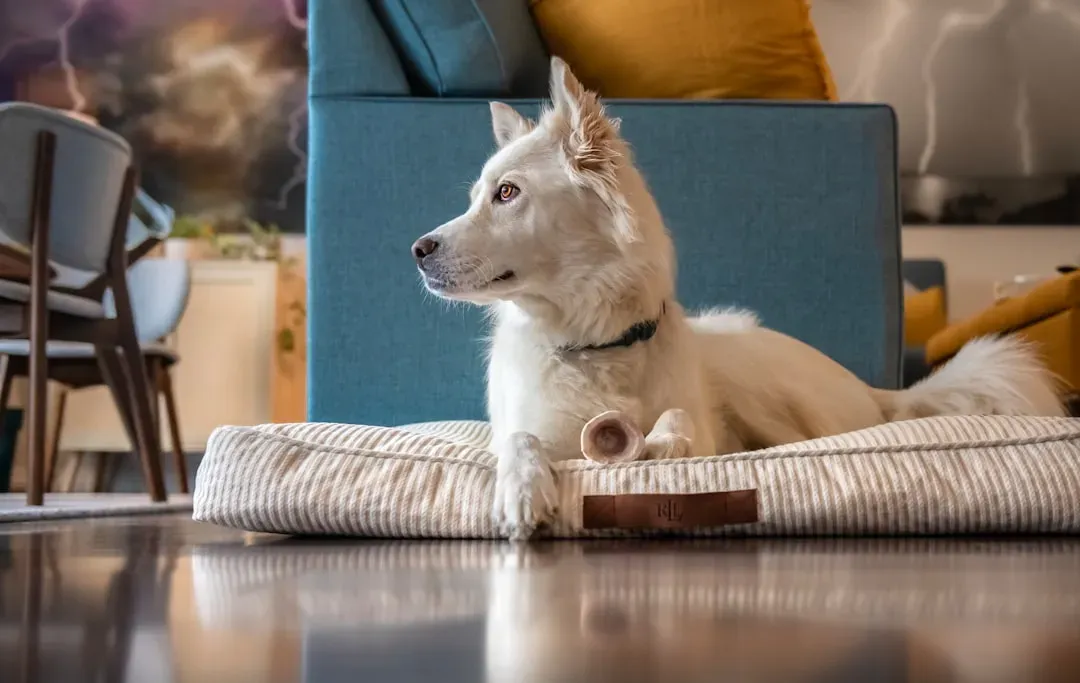
The good news is that this isn’t a helpless situation. Dogs are adaptable, and with consistency and the right tools, most of them can learn to handle alone time without significant distress. Protective factors include ensuring a wide range of experiences outside the home and with other people, between the ages of 5 to 10 months, stable household routines and absences from the dog, and the avoidance of punishment. Building that foundation early matters enormously.
For dogs already showing signs of struggle, the approach needs to be practical and gradual. The main rule is to plan your absences to be shorter than the time it takes for your dog to become upset. Starting small and building from there gives your dog real wins, which compounds over time into genuine confidence. Leave your dog with an article of clothing that smells like you. Establish a “safety cue” – a word or action that you use every time you leave that tells your dog you’ll be back.
Enrichment plays a bigger role than most people realize. Providing puzzle toys or treat-dispensing toys engages their minds for 30 minutes or more, giving them a constructive activity while you’re away. Mental activity tires dogs as much – or more – than physical exercise. A tired, mentally engaged dog is a calmer dog. Keep departures low-key to prevent anxiety escalation. Leave background noise: soft music or TV noise can make the home feel less empty. Small adjustments to your routine can have a noticeably positive effect on how your dog handles your absence.
Conclusion
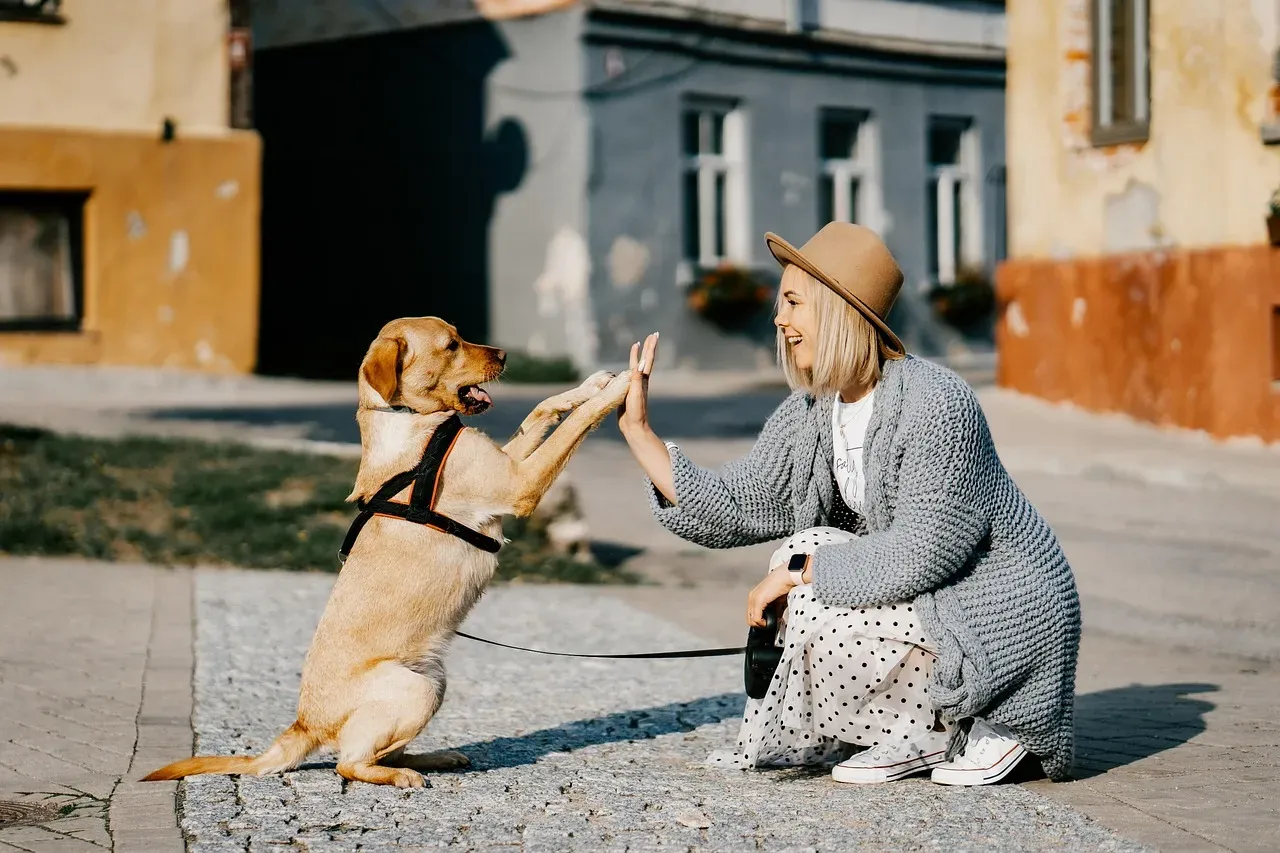
Your dog doesn’t just notice when you leave. They feel it. That’s not anthropomorphizing – it’s backed by genuine behavioral science and decades of observation by veterinarians, animal behaviorists, and researchers who’ve studied the human-dog bond closely. The relationship your dog has with you is one of the most significant in their entire world.
Caring better for your dog while you’re away doesn’t require heroic effort. It asks for awareness: knowing what your dog experiences, reading the signs they give you, and making thoughtful choices about how you leave and how you return. That frantic greeting at the door? It’s your dog telling you the wait felt long.
The most valuable thing you can offer is predictability. Routines, enrichment, calm departures, and patient training don’t just reduce anxiety – they build trust. A dog who trusts that you’ll come back is a dog who can finally rest while you’re gone.


