

There’s a moment many dog owners know well: you’re having a rough day, you sit down, and your dog quietly presses against your leg. No fanfare. No demands. Just presence. That simple act is, in many ways, the essence of what therapy dogs do professionally in hospitals, schools, nursing homes, and disaster recovery zones every single day.
Therapy dogs provide more than companionship. They bring comfort, emotional support, and healing to those in need, whether someone is navigating anxiety, PTSD, autism, or depression. Not every dog is cut out for this work, though. Therapy dogs are required to remain calm and gentle, prefer to stay close to people, be adaptable to unfamiliar situations, and accept unfamiliar persons without fear. The ten breeds below have earned their places at the top of that list, and understanding why can help you appreciate your own dog in a whole new light.
1. Golden Retriever: The Gold Standard of Comfort

The Golden Retriever’s temperament often makes them great service and therapy dogs. While they can be playful and have a lot of energy in their youth, a well-exercised, emotionally satisfied adult Golden is most likely going to be calm and steady in almost any setting. Golden Retrievers are celebrated for their gentle temperament, which helps them establish deep bonds with those in need of emotional support, ensuring a nurturing presence that fosters healing.
Golden Retrievers make wonderful therapy dogs because they’re the right size, between roughly 55 and 75 pounds, heavy enough to provide good grounding pressure without being too big. They’re naturally gentle and patient, even when the person they’re helping might move around or act unpredictably. If you’re thinking about training your Golden for therapy work, focus on early socialization and basic obedience. Consistency in training pays enormous dividends with this breed. Golden Retrievers are typically eager to please and thus easy to train, which means formal certification through organizations like Pet Partners or the Alliance of Therapy Dogs is very achievable.
2. Labrador Retriever: Friendly, Focused, and Fearless in New Environments
This tag does not indicate the copyright status of the attached work. A normal copyright tag is still required. See Commons:Licensing.
العربية ∙ বাংলা ∙
Bahaso Jambi ∙
Deutsch ∙ Deutsch (Sie-Form) ∙ English ∙ español ∙ euskara ∙ فارسی ∙ français ∙ italiano ∙ 日本語 ∙ 한국어 ∙ македонски ∙ മലയാളം ∙ Plattdüütsch ∙ Nederlands ∙ polski ∙ پښتو ∙ português ∙ русский ∙ slovenščina ∙ svenska ∙ Türkçe ∙ українська ∙ 简体中文 ∙ 繁體中文 ∙ +/−, Public domain)
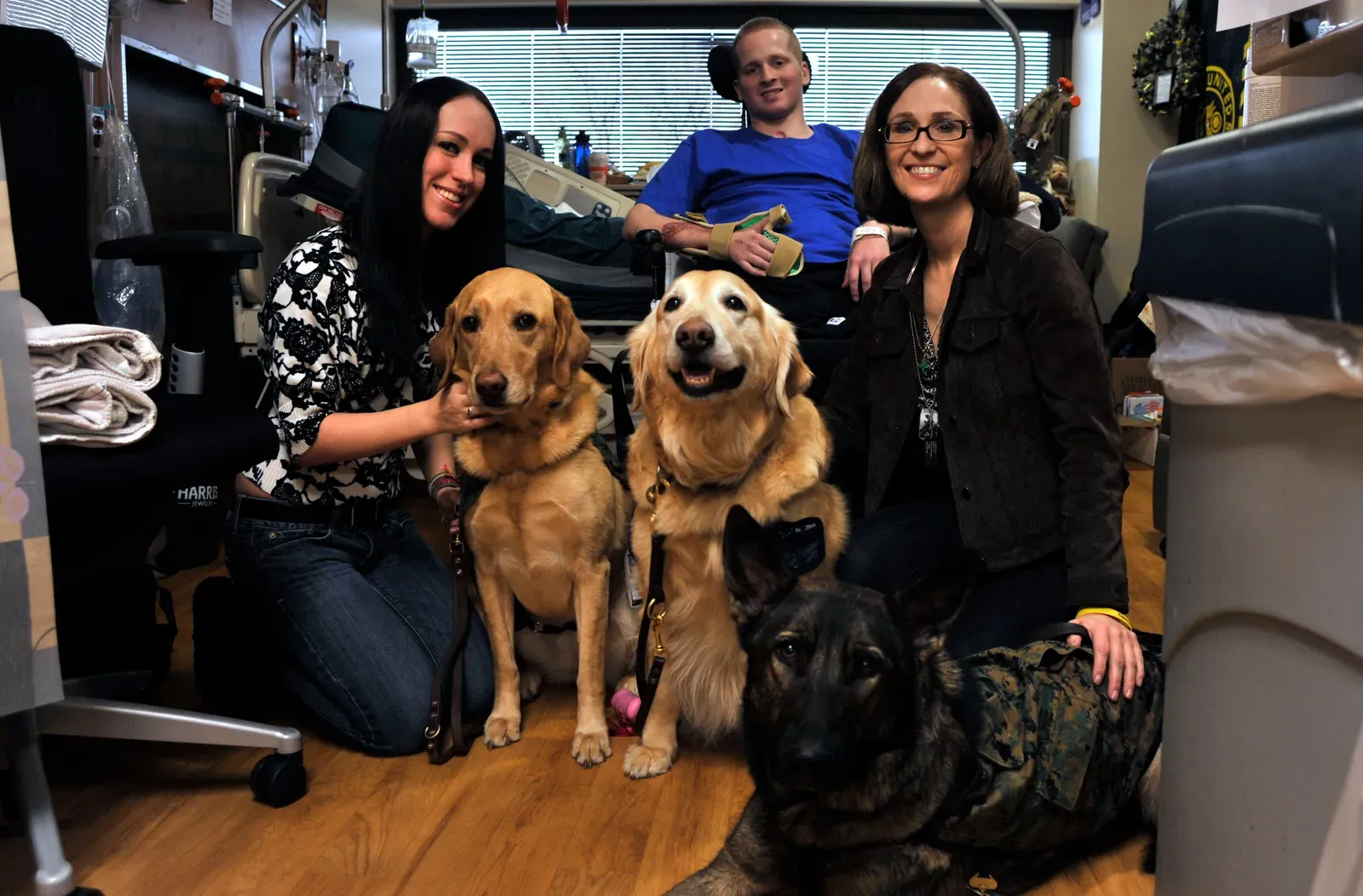
The Labrador Retriever is a happy, friendly breed and is typically known as a classic family dog. They are prime choices for all types of service dog work, from guide dogs and medical alert dogs to psychiatric service dogs. Labrador Retrievers are intelligent, love to learn new tasks, and are both calm and patient. Labrador Retrievers consistently exhibit an ideal temperament that complements the unique needs of veterans with PTSD, children with autism and neurodevelopmental disabilities, and adults with physical challenges.
Labradors are adaptable and can thrive in various environments, including hospitals, nursing homes, schools, and more, which makes them one of the most versatile therapy breeds in the world. One practical tip: Labs can be boisterous in puppyhood, so the American Kennel Club recommends that dogs pass the Canine Good Citizen test at minimum before beginning therapy registration. Once that foundation is in place, a Lab’s natural warmth does the rest. Their gentleness and outgoing personality make them perfect for chasing away the loneliness and depression that often clouds the everyday lives of patients and residents.
3. Cavalier King Charles Spaniel: Small Dog, Enormous Heart
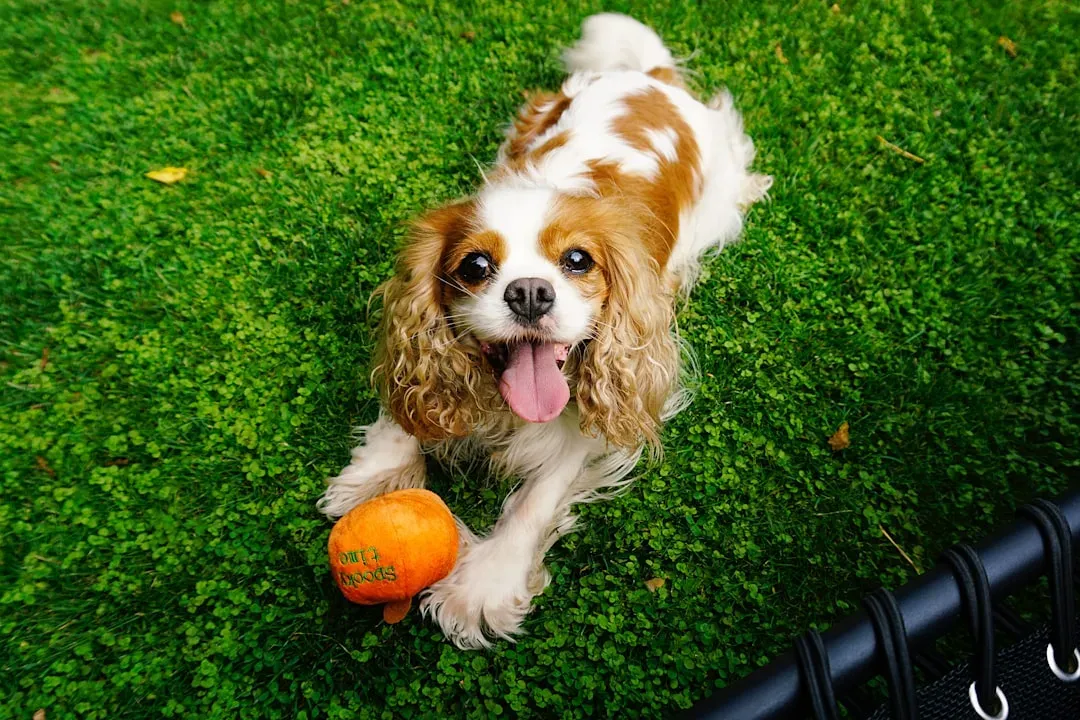
Dating back to Renaissance times, the Cavalier King Charles Spaniel is known for their prestigious nobility and gentle demeanor. Bred through generations of royals like King Charles I and his son Charles II, their sweet expression and round eyes make them hard to resist. The Cavalier has a kind, loving, gentle temperament and tends to have a calming influence. They typically enjoy sitting on laps, even those of strangers, and working with people who use a wheelchair or cuddling at a patient’s bedside are great opportunities for this breed to shine.
The Cavalier King Charles Spaniel’s gentle temperament, emotional attunement, and affectionate personality make them one of the best emotional support dogs available. Backed by science and loved by owners worldwide, Cavaliers provide a unique blend of comfort, joy, and companionship that can transform daily life for those in need. One important health note: the Cavalier King Charles Spaniel is prone to mitral valve disease, a heart condition that can lead to heart failure, so regular cardiac screening and veterinary checkups are non-negotiable for this breed. Their hearts are big in every sense of the word, and protecting that health is part of responsible ownership.
4. Poodle: Intelligence That Meets Empathy
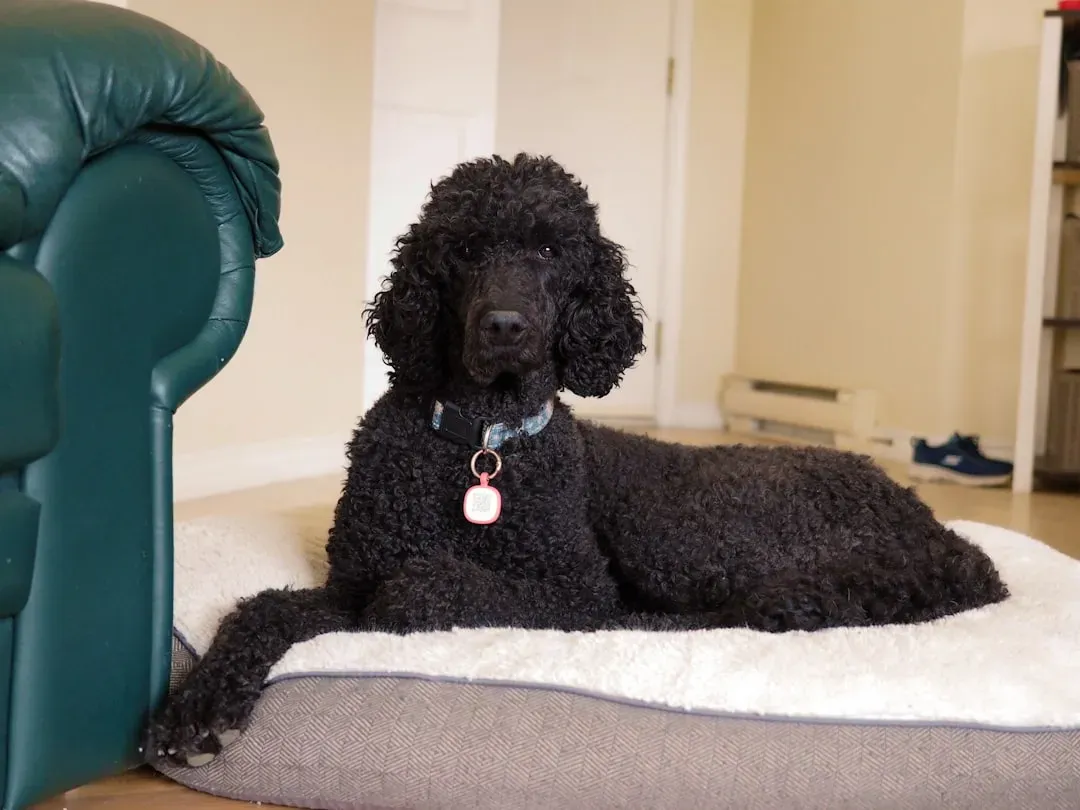
The great thing about the Poodle is that it comes in three different size categories: standard, toy, and miniature. There are some slight variances in temperament between the three sizes, but for the most part, Poodles are smart, affectionate, and good with children. This breed serves as superb therapy dogs because of their hypoallergenic coat, affectionate personality, and adaptability to different environments. That hypoallergenic quality is genuinely practical in clinical settings where patients may have allergies.
Another nice thing about Poodles is that they do not shed very much at all. They are considered hypoallergenic, and while no dog is truly 100% hypoallergenic, Poodles are one of the least likely to irritate those with allergies. The Standard Poodle in particular handles diverse therapeutic environments with ease, navigating busy hospital corridors as calmly as a quiet reading room. Their coats do require regular professional grooming, so budget time and resources accordingly if you’re considering this breed for therapy work.
5. Bernese Mountain Dog: A Gentle Giant Built for Comfort
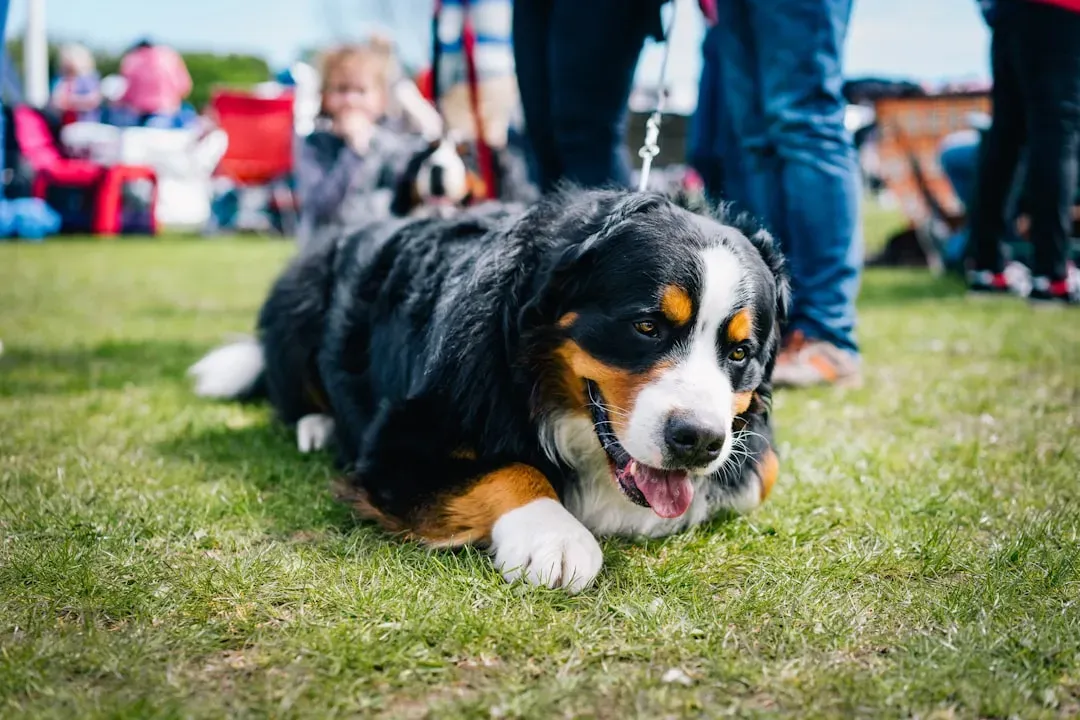
Bernese Mountain Dogs are known for their calm and friendly demeanor, making them excellent companions for individuals requiring emotional support or assistance. Their intelligence and eagerness to please allow for effective training as service dogs, and their sturdy physique enables them to perform tasks requiring strength, such as mobility assistance. Bernese Mountain Dogs are often used for therapy work due to their gentle demeanor, and their presence alone can be calming in emotionally intense situations.
Imagine a large, soft, tri-colored dog walking calmly into a rehabilitation unit. That image captures why Berners connect so naturally with people who are struggling. They’re steady without being dull, warm without being overwhelming. Keep in mind that this breed has a shorter lifespan than many others, typically around seven to ten years, so regular veterinary care and attention to joint health are especially important. Their time with us may be shorter, which makes every therapy visit all the more precious.
6. Newfoundland: The Gentle Giant That Seems to Know What You Need
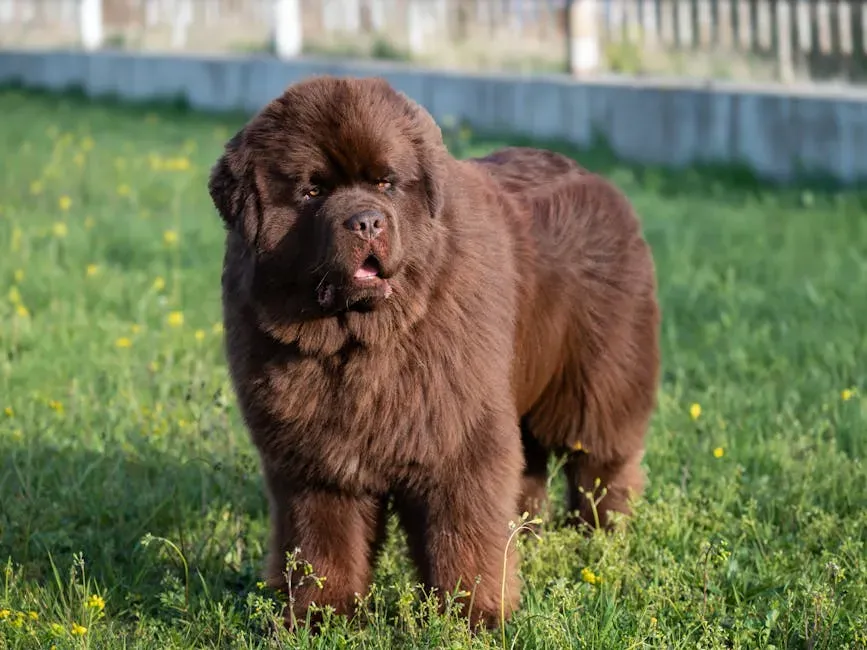
Originally bred as a working dog in the fishing industry, the Newfoundland is intelligent and very trainable. When around water, these dogs seem to know intuitively when swimmers need help. The Newfie’s love for helping people transfers directly to suitability for therapy work, and this breed has a calming effect on people, enjoying comforting them through pets and cuddles. There is something genuinely disarming about a calm, massive dog settling down beside someone who is in pain or distress.
Truly a gigantic teddy bear, this big dog is a gentle giant. Very friendly, affectionate, and protective, the Newfie is a great fit for those who struggle with stress and anxiety. Deep Pressure Therapy dogs are typically larger breeds, as more mass and weight can help produce a stronger sense of pressure during panic attacks or sensory overload events. Newfoundlands do require ample space, regular grooming for their thick double coat, and consistent exercise to stay in good health. They are a real commitment, but the emotional return is extraordinary.
7. Greyhound: The Surprising Softy of the Dog World
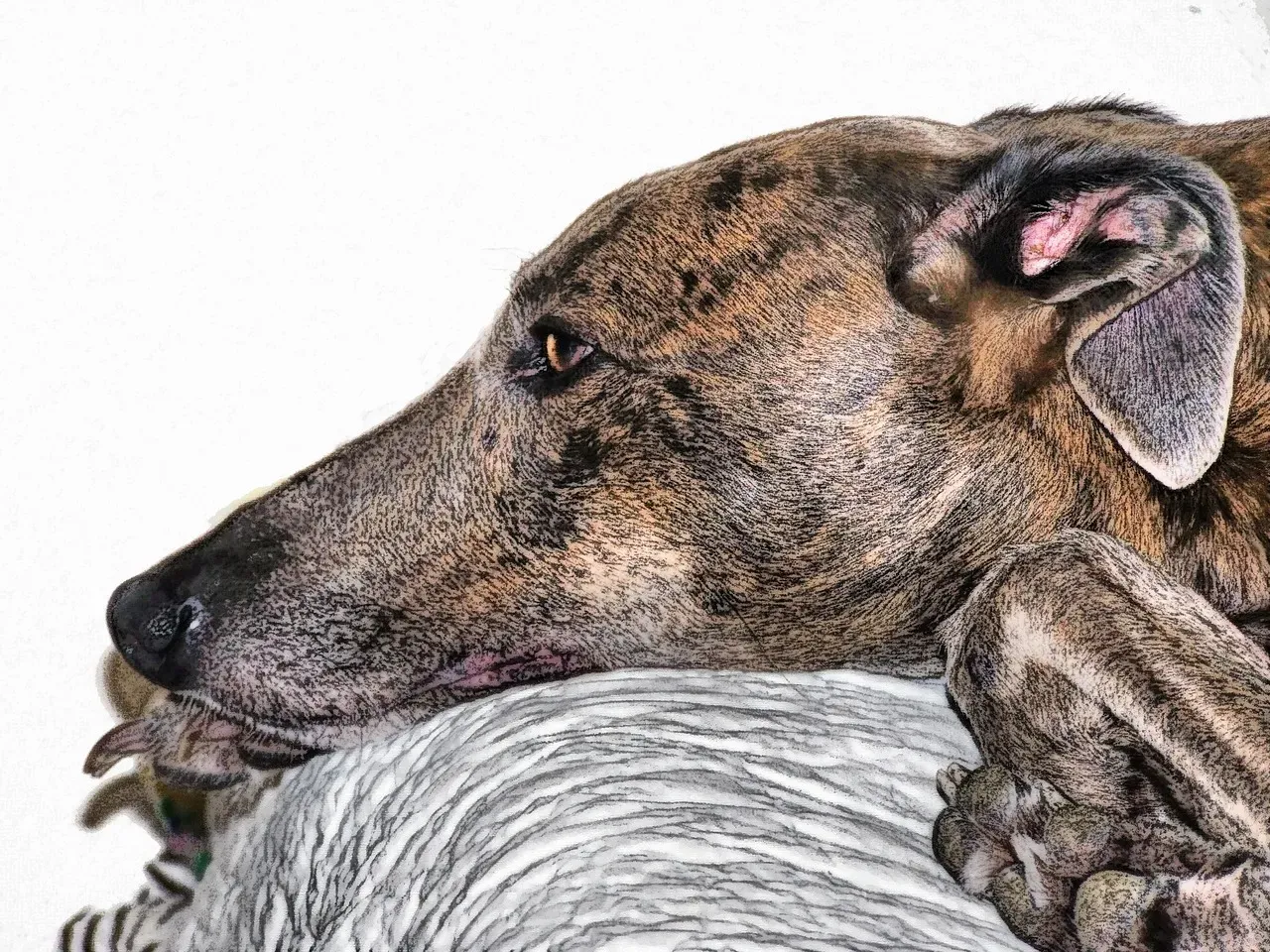
The Greyhound, a racing breed, might not be the first breed that comes to mind for therapy work. However, this dog’s sweet, sensitive nature makes it an excellent therapy breed. The Greyhound is smart and loyal with a calm temperament, and is particularly good at helping people struggling with anxiety or PTSD. Most people are genuinely surprised by how quiet and low-energy retired Greyhounds are indoors. They can spend the better part of a day simply resting beside someone.
Surprisingly gentle and calm, Greyhounds are affectionate and quiet. When you think of ‘calm’ you may picture a dog who loves nothing more than a good snooze, but actually it refers to a dog’s all-round qualities, including the ability to maintain composure in challenging situations, and Greyhounds excel at exactly that. One behavioral note: Greyhounds can have a strong prey drive, so careful introductions around small animals and children are wise. With proper training and socialization, though, many retired racing Greyhounds become surprisingly effortless therapy partners.
8. Basset Hound: Low to the Ground, High on Comfort

Standing no more than 14 inches, the Basset Hound originated in France and Belgium. The word “basset” is French for “low.” The Basset Hound is famous for being able to follow scents without getting distracted, and remaining calm while doing so. This calmness also applies to all other parts of their personality. Their droopy eyes, long ears, and unhurried pace have an almost comically soothing effect on people. You simply can’t look at a Basset Hound and feel rushed.
Once they’re properly trained, Basset Hounds will be your faithful companion nearly anywhere. Their energy levels tend to veer more toward couch potato vibes, so when you’re looking to kick back after a long day, your Basset Hound will be happy to join in and cuddle with you. It’s no wonder they are ideal for people looking for a stress-relieving, affectionate dog. A key health concern to watch: the Basset Hound is prone to hip dysplasia and ear infections, so regular ear cleaning and joint monitoring are part of good preventative care for this breed.
9. Great Pyrenees: Mountain-Born Calm in Any Room
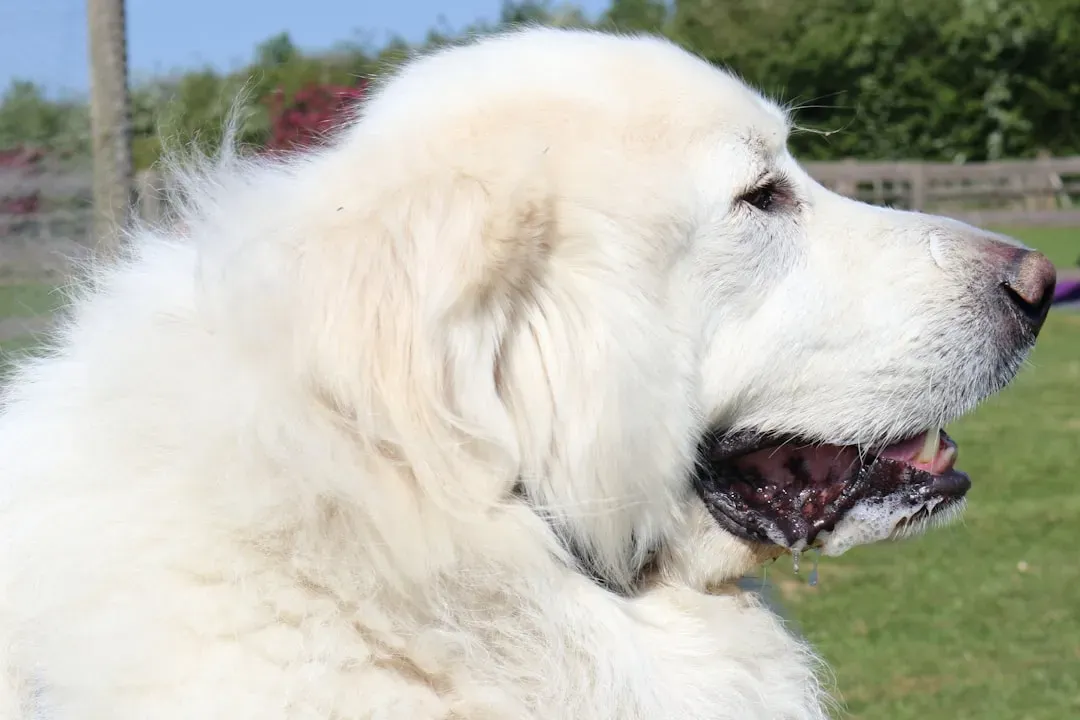
Great Pyrenees weigh between 85 and 115 pounds and provide deep, grounding pressure that really helps adults with severe anxiety or panic attacks. Despite their impressive size, Great Pyrenees are known for being exceptionally gentle and calm. This calm, loving breed is suitable for working as a therapy dog in a variety of settings, and just watching a Great Pyrenees walk into a hospital room or nursing home brings joy to people’s hearts.
Unlike many service dog breeds, Great Pyrenees were bred to independently guard livestock, making decisions without human direction. This means they require specialized training approaches that respect their thoughtful, deliberate nature. They typically need significantly more repetitions to reliably learn new commands than retrievers do, and training sessions must be kept positive, interesting, and relatively short to maintain their engagement. Patience with training pays off, though. Once a Pyrenees understands the work, their quiet confidence and magnificent size create a presence that few other breeds can match.
10. Clumber Spaniel: The Underrated Therapy Gem

Clumber Spaniels originated as a hunting companion for kings, but these pups are blissfully mellow in temperament. They will win you over with their big, warm eyes and an equally warm personality. Their gentle nature gives them a naturally calming presence, perfect for providing emotional support and companionship in a variety of households. Clumber Spaniels enjoy long walks outdoors, which helps both them and their owners stay relaxed. Known for being intelligent and eager to please, they respond well to training and only bark when necessary, making them a top choice among comforting dog breeds.
Known for being great hunters and loyal companions, Clumber Spaniels are among the calmer breeds in the Sporting Group. Their low-key approach to life makes them particularly well-suited for quieter therapy settings like nursing homes, palliative care wards, or one-on-one emotional support sessions. They’re not as widely recognized as Golden Retrievers or Labs for therapy work, which is honestly a bit of a missed opportunity. If you own a Clumber and are considering therapy certification, this breed’s natural patience and people-focused temperament make the journey a genuinely rewarding one.
What Makes Any Dog a Great Therapy Dog: The Bigger Picture
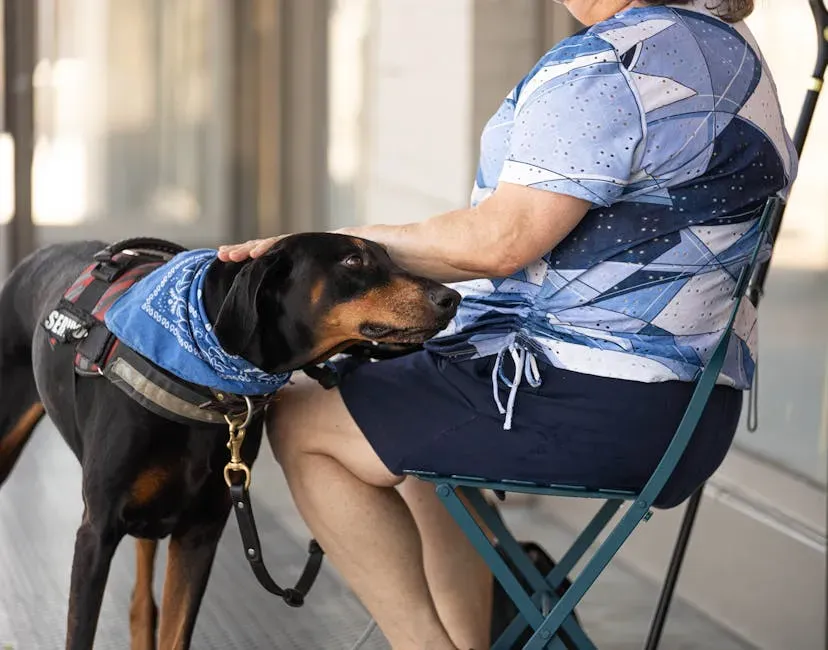
Breed can help, but temperament and training are the most vital factors. What the most exceptional therapy dogs share is calm confidence, trusting relationships with their guardian handlers, and an obvious enjoyment of people. If you’re hoping to train your dog for therapy work, look for dogs who are comfortable with new people and environments, unbothered by noise or unpredictability, and able to settle quietly after a period of excitement.
A therapy dog must remain composed even in high-stress situations. Loud noises, bustling environments, or unpredictable behaviors from people should not rattle them. This calmness ensures they can provide consistent emotional stability, whether sitting quietly with someone experiencing anxiety or accompanying a child with autism during a sensory overload. While a naturally calm and friendly temperament sets a good foundation, potential therapy dogs require specialized training and official evaluation to truly earn their title. The path to certification is a commitment, but for the right dog and the right owner, it becomes one of the most fulfilling partnerships imaginable.
Conclusion: The Quiet Power of a Calm Dog
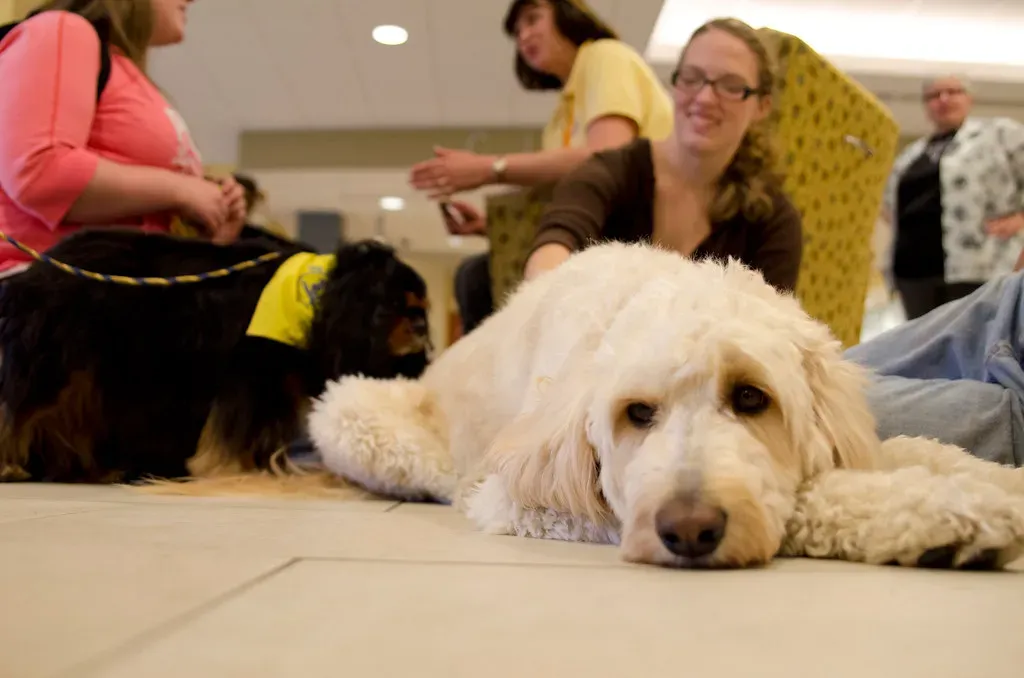
What unites these ten breeds isn’t just their ability to sit still or their soft fur. It’s something harder to define but easy to feel: a willingness to be present, without agenda, in moments that matter. Whether it’s a Labrador resting its chin on a hospital bed rail, a Cavalier curled up beside a child reading aloud, or a Great Pyrenees standing steady while someone works through a panic attack, these dogs offer something deeply human in the most canine way possible.
If you share your life with any of these breeds, you’re already living alongside that potential. By focusing on traits such as temperament, trainability, and adaptability, therapy dogs provide the comfort and support required in various settings. Understanding the specific roles of different breeds allows handlers to create meaningful connections with those they serve. The most important thing you can do is nurture that temperament with consistent training, proper healthcare, and genuine attention to your dog’s emotional wellbeing. A calm dog, after all, needs to feel safe themselves before they can make anyone else feel the same.


