
Conservation Groups Launch Emergency Bid to Block Alaska’s Bear-Killing Program
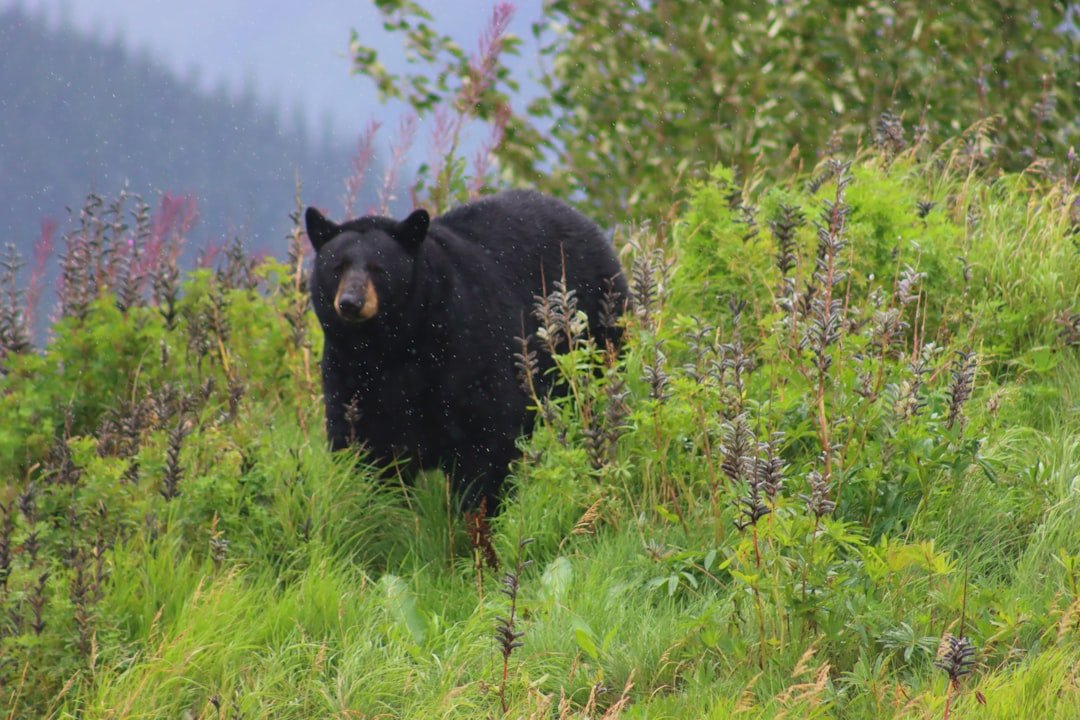
Alaska – Conservation organizations filed an emergency motion last week in Alaska Superior Court to halt the state’s predator control program targeting bears in southwest Alaska. The action seeks a preliminary injunction against operations in the 40,000-square-mile Mulchatna Caribou Herd Predation Management Area, where killings could resume as early as May.[1][2] Groups argue the plan remains unconstitutional despite prior court rulings that struck down earlier versions for lacking scientific backing.
Fresh Legal Push Follows Pattern of Court Rejections
Alaska Wildlife Alliance and the Center for Biological Diversity submitted the motion on April 6 as part of a broader lawsuit initiated in November 2025. The filing targets a program reauthorized by the Alaska Board of Game in July 2025, which permits the Alaska Department of Fish and Game to kill unlimited numbers of brown and black bears across Game Management Units 9B, 17A, 17B, 17C, 18, 19A, and 19B.[2] State officials conducted similar efforts from 2023 to 2025, resulting in the deaths of 186 brown bears, five black bears, and 20 wolves before courts intervened.[3]
Plaintiffs contend the revived initiative repeats fatal flaws from its predecessors. Anchorage Superior Court judges ruled the original 2022 program unconstitutional in March 2025 for failing to provide credible evidence on bear populations, violating the state’s sustained yield principle under Article VIII, Section 4 of the Alaska Constitution.[4] A subsequent emergency regulation met the same fate in May 2025, with the court citing bad faith after 11 additional brown bears were killed.
Mulchatna Program Aims to Boost Struggling Caribou Herd
The Mulchatna caribou herd once numbered around 200,000 animals at its 1997 peak but dwindled to about 12,000 by 2019 and hovered near 16,000 last year. Regulators closed hunting in 2021 and set a recovery goal of 30,000 to 80,000 animals. The bear control efforts focus on late spring and early summer, when newborn calves face predation near calving grounds.[2][3]
Department officials deploy helicopters for aerial removals, arguing the measures support herd recovery. Critics highlight alternative factors in the decline, such as disease, poor nutrition from habitat changes, and non-predation mortality accounting for up to 80 percent of adult deaths. Calf losses often stem from starvation or dehydration rather than bears, according to state research cited in court filings.[4]
Core Arguments Center on Science and Sustainability
Advocates emphasize the absence of current population data for bears in the control area. Estimates for brown bears rely on outdated studies from 2001 and 2010 outside the region, while black bears lack any figures. The 2023 operation far exceeded predictions, killing 94 brown bears against an anticipated 5 to 15.[4]
The motion lists specific deficiencies:
- No credible, area-specific bear population studies despite court mandates.
- Unlimited kill authorizations without caps or success metrics.
- Failure to assess predation’s true role in caribou declines.
- Reliance on anecdotal evidence over rigorous data.
- Potential ecosystem disruption from rapid bear removals, given slow reproduction rates.
“The state is once again primed to gun down bears from helicopters this spring even though it still has no idea how many bears live in the targeted area,” stated Michelle Sinnott, staff attorney with Trustees for Alaska.[1] The program has already cost taxpayers more than $1 million in operations and legal battles.
Stakeholders Weigh In on Broader Implications
Nicole Schmitt, executive director of Alaska Wildlife Alliance, described the effort as unscientific and ineffective. “This program is not based on science, has no legitimate measures of success, and has cost the state more than $1 million in program and legal fees,” she said.[1] Cooper Freeman, Alaska director for the Center for Biological Diversity, called for evidence-based management: “Alaska needs to stop wasting public resources and make wildlife management decisions firmly rooted in science and sustainability.”[2]
Alaska Department of Fish and Game Commissioner Doug Vincent-Lang confirmed receipt of the motion and ongoing review with attorneys. The agency maintains that predator reductions aid caribou recovery, though it has not detailed new data addressing court concerns.[3] The conflict underscores tensions between intensive management and constitutional mandates for all wildlife species.
Key Takeaways
- Prior versions of the program killed nearly 200 bears before courts halted them as unconstitutional.
- No updated bear population data supports the current plan’s sustainability.
- Caribou declines involve multiple factors beyond predation, per available research.
The Superior Court now holds the power to preserve the status quo pending full review. This case tests whether Alaska can balance caribou recovery with protections for predators under its constitution. Ongoing litigation could reshape predator control statewide. What do you think about the balance between herd recovery and bear conservation? Tell us in the comments.