
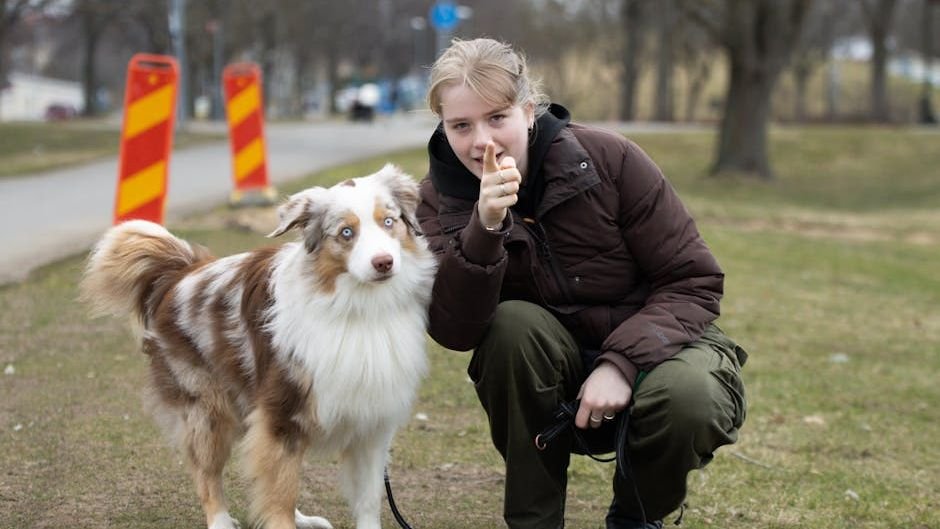
There’s a moment most dog owners know well. Your dog is seven, eight, maybe ten years old, and you wonder if there’s still any point in teaching them something new. Maybe you’ve heard the old saying so many times it’s started to feel like fact. The truth, though, tells a different story.
While declining health might prevent older dogs from being able to perform certain tasks, they still have the ability to learn new skills, though at a slower rate than puppies and younger dogs. More interestingly, older dogs actually outperform young pups in logic and reasoning tasks, suggesting that senior dogs stubbornly refuse to unlearn what they already know. That’s not stubbornness, that’s wisdom.
Breeds that are easier to train while young will remain easier to train as they age. So if you’re thinking about which breeds hold onto that spark longest, you’re asking exactly the right question. These ten breeds are the ones that keep showing up, eager and sharp, well into their grey-muzzled years.
1. Border Collie: The Dog World’s Overachiever
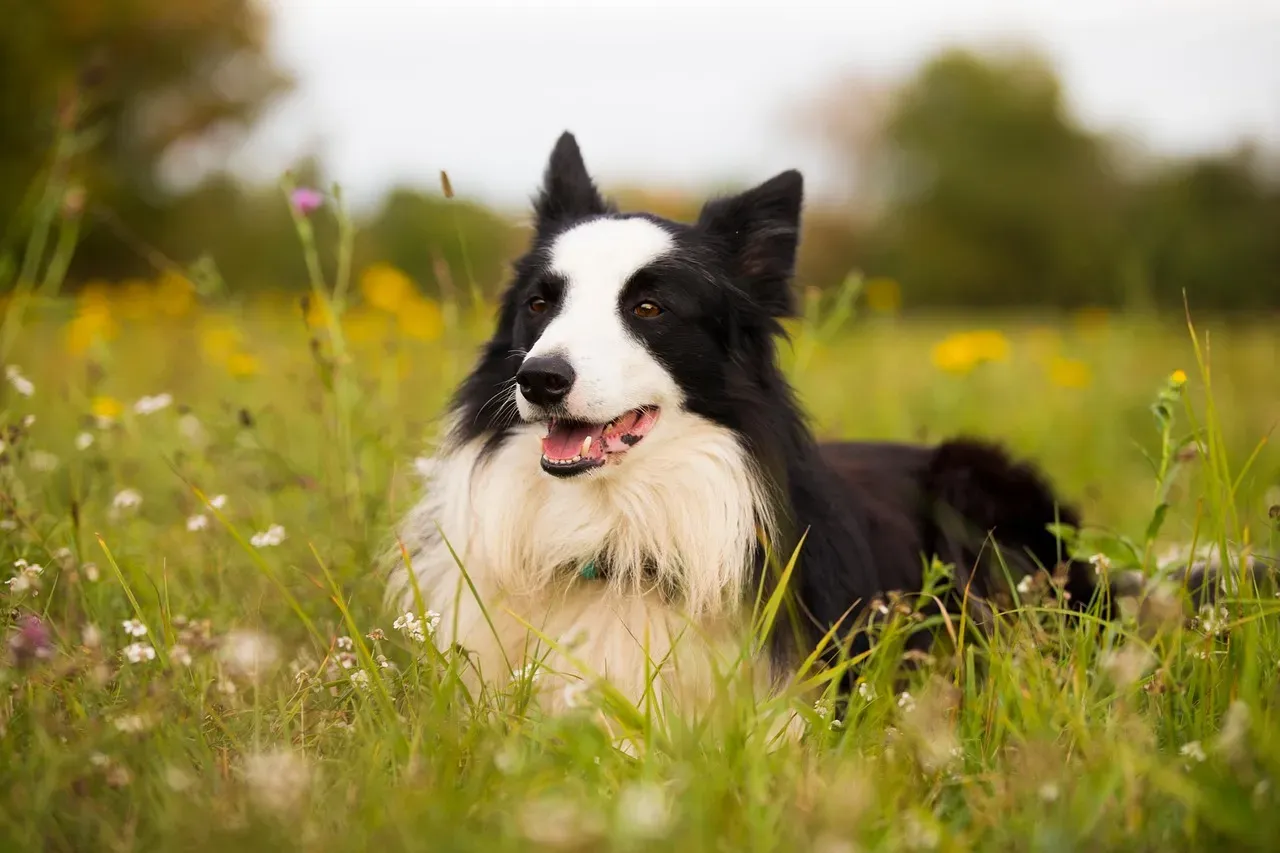
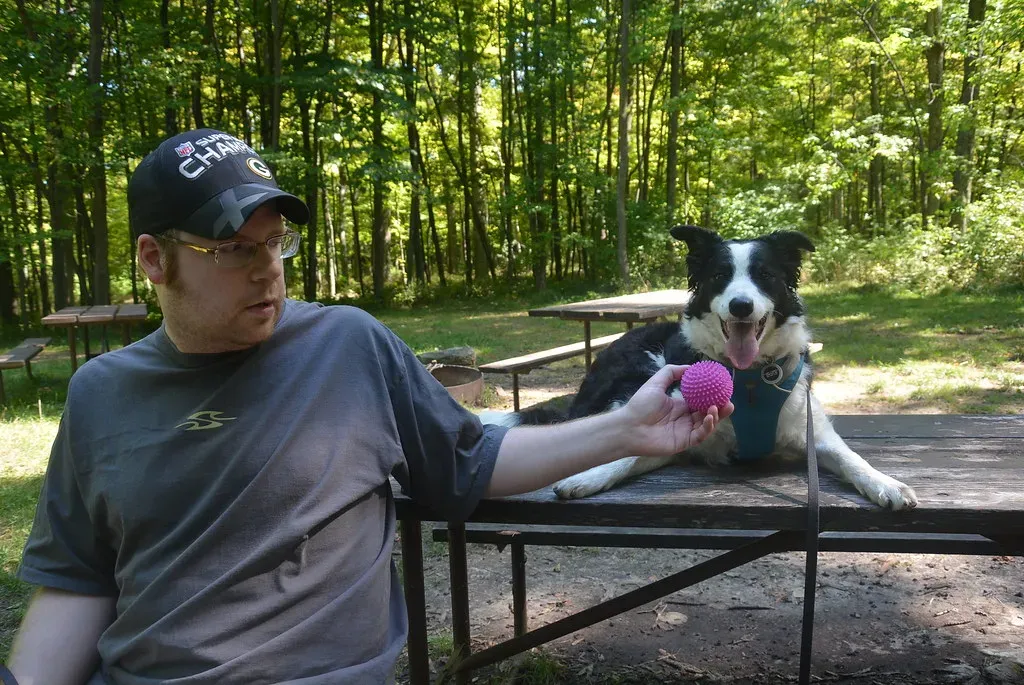
According to Stanley Coren’s landmark book “The Intelligence of Dogs,” the Border Collie is the smartest dog breed in the world. The American Kennel Club describes the Border Collie not only as “smart, affectionate, and energetic,” but also as a “remarkably bright workaholic.” These dogs don’t just learn tricks. They anticipate your next move before you’ve even thought about it.
Border Collies are famous for their ability to solve complex problems, and notable individuals like Chaser have been proven capable of learning over a thousand words. As a senior, a Border Collie may slow down physically, but the mental engine stays running. Nutritional supplements and lifelong training are thought to delay cognitive aging in dogs, and interventions that utilize environmental enrichment including social, physical, and cognitive stimulation may protect against age-related cognitive decline. Keep their sessions short, fun, and varied, and they’ll reward you tenfold.
One health note: hip dysplasia is a common ailment for herding breeds, with abnormal formation of hip sockets sometimes causing a slow degradation in joints, which can lead to lameness and painful arthritis with age. If your senior Border Collie seems less enthusiastic about physical movement during training, get a vet check before assuming disinterest.
2. Poodle: The Brainy Beauty That Never Quits
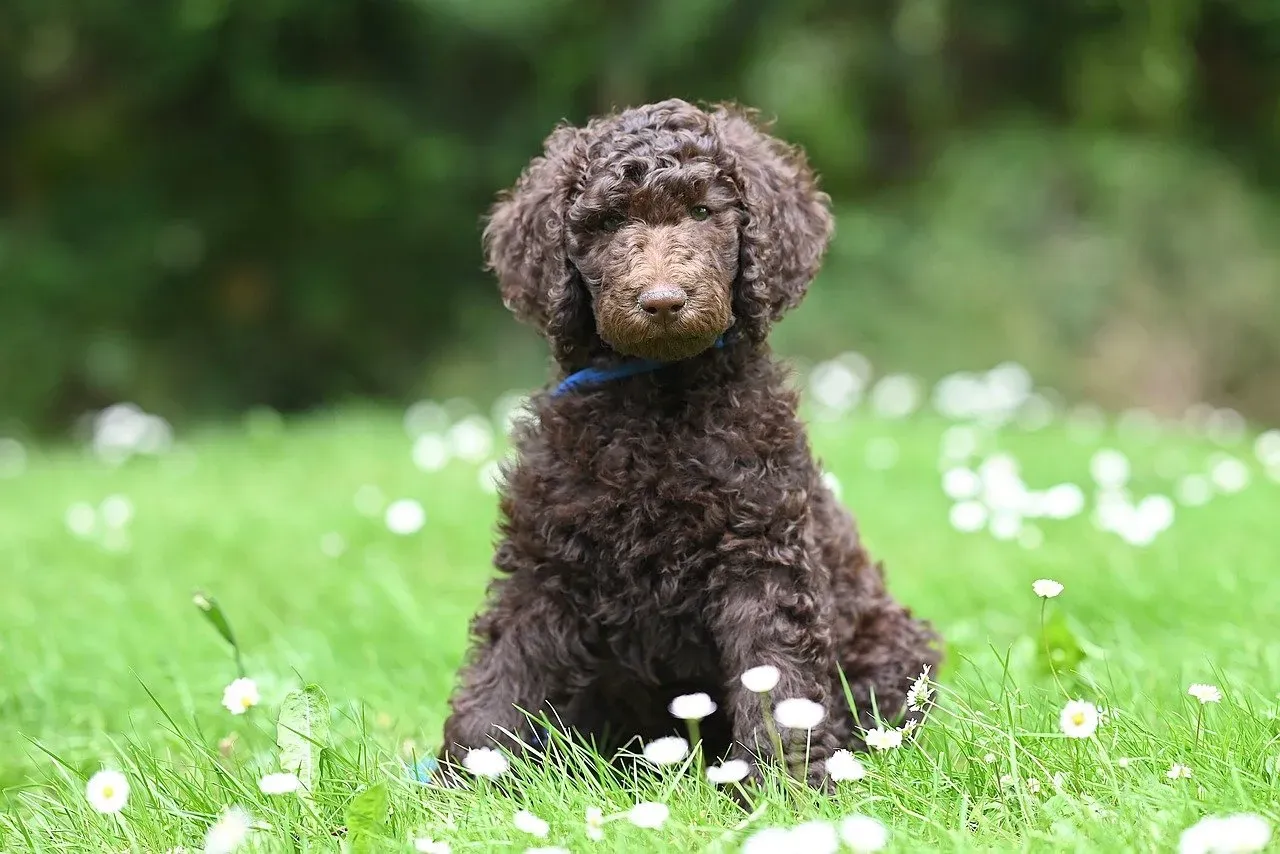
Don’t let the stylish hairdo fool you. Standard Poodles were originally bred to be hunting dogs, retrieving ducks and other waterfowl. The qualities that made them such great water retrievers, including being athletic, eager to please, and naturally intelligent, remain today and are passed down to their smaller descendants, Miniature and Toy Poodles. In other words, the brains aren’t just for show.
Poodles are quick learners and respond beautifully to positive reinforcement. They also excel in obedience, hunting, and even therapy work. As they age, this breed tends to stay sharp, especially when given consistent mental challenges. Originally bred as a hunting dog, present-day Poodles might be more commonly seen curled up on the couch, but these smart pups are still frequently at the top of the winner’s podium at obedience and agility competitions, and their strong connection to their people means they’re relatively easy to train with positive reinforcement tools.
Senior Poodles benefit particularly from short, reward-based sessions. As dogs age, they may develop health conditions that limit their learning ability, including joint pain, vision or hearing loss, or a decline in cognitive function. Watching for those signs early means you can adapt your training to what your Poodle can comfortably handle, keeping the joy alive without the frustration.
3. German Shepherd: The Tireless Worker
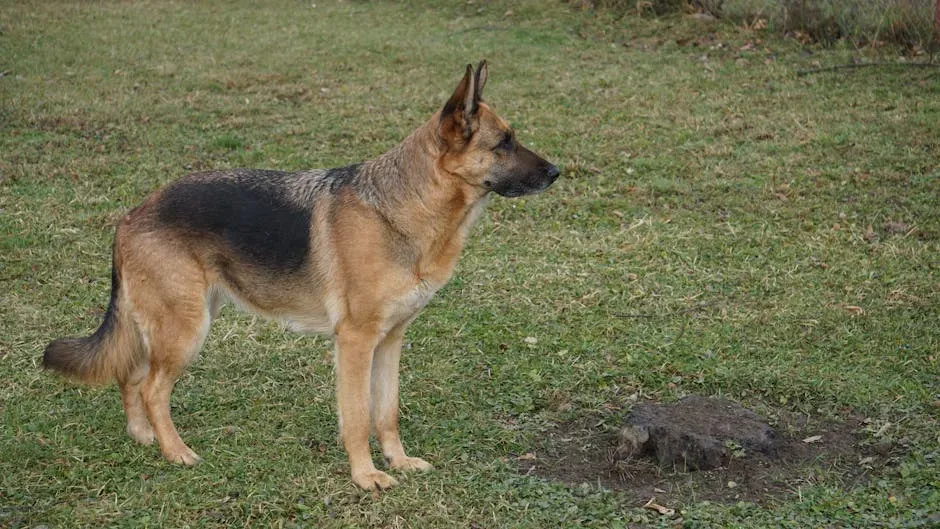
German Shepherds are considered one of the smartest dog breeds due to their exceptional intelligence, trainability, and versatility. Their instincts from hundreds of years protecting flocks are still intact today, and the adaptable, hard-working German Shepherd still excels in jobs that many humans would find demanding, like police and military work or search and rescue missions. That drive doesn’t just evaporate when the grey hairs appear.
German Shepherds were bred for their superior intelligence and can master a new command on the first try. This breed has laser-sharp focus and is easy to train because they possess both the will and the ability to be obedient. For senior German Shepherds, structured training keeps both their mind and confidence intact. They learn new commands in just a few repetitions, but they also need constant stimulation, and owners should be ready to provide daily exercises, advanced tricks, and agility training to keep this dog happy. Scale back the intensity with age, but never stop the engagement.
4. Golden Retriever: The Eternal Eager Pleaser
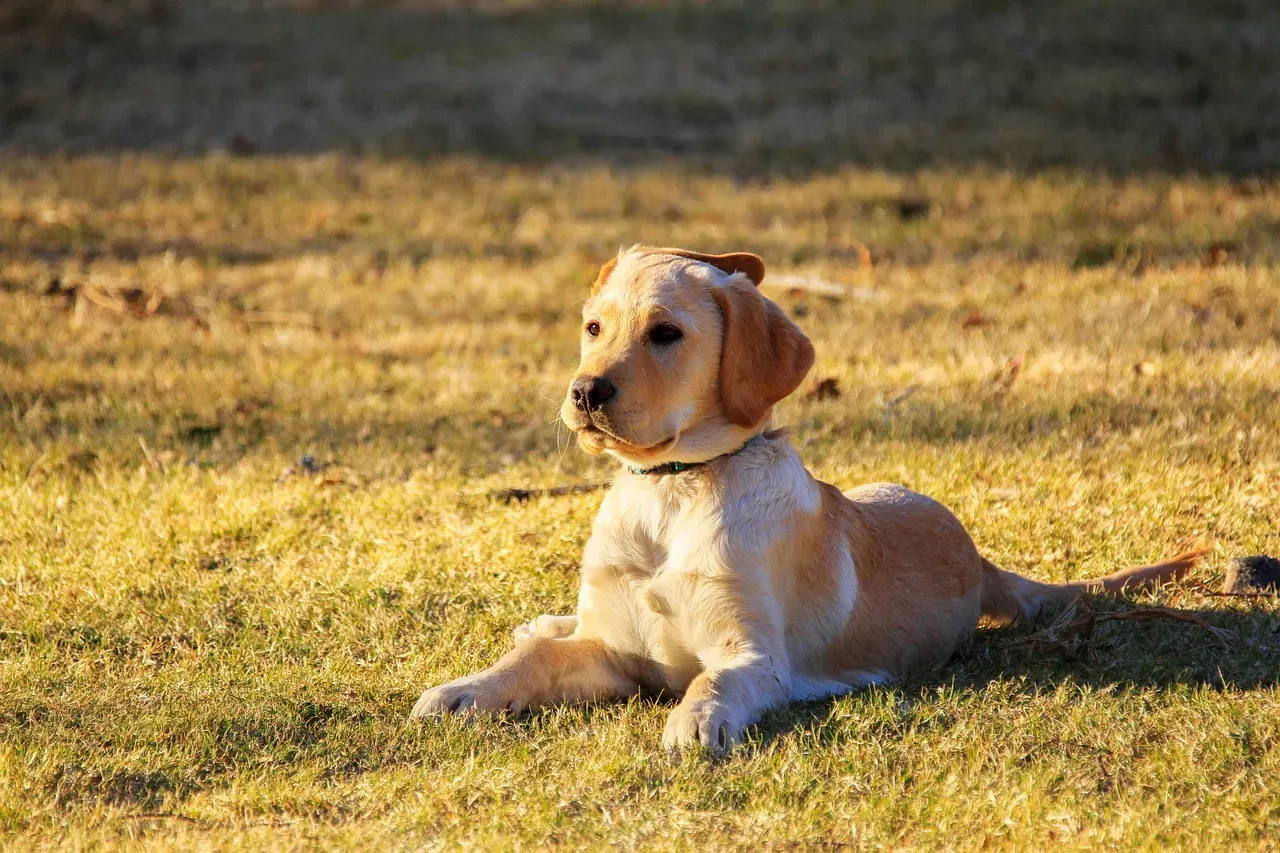
With training, Golden Retrievers can excel in various tasks such as hunting, retrieving, obedience, and even service and therapy work. These intelligent sporting dogs have a notoriously gentle nature, and their ability to learn quickly and respond well to commands means they’re relatively easy to train. There’s a reason Goldens dominate service dog programs around the world.
Golden Retrievers may come across as happy-go-lucky, but these blond beauties are also one of the smartest dog breeds. Goldens are a popular breed for assisting individuals with disabilities, whether as guide dogs for the visually impaired or as mobility assistance dogs, and their success in this line of work can be attributed to their innate working ability, natural intelligence, and eager-to-please attitude. As seniors, Goldens retain this warmth and willingness. Their biggest challenge with age is physical rather than mental. Keep an eye on joint stiffness, and swap high-energy trick sessions for calm, mentally stimulating exercises like scent games or object identification.
5. Labrador Retriever: The Consistent All-Rounder

Labrador Retrievers are some of the friendliest dogs you’ll ever meet, but they’re also remarkably smart. Labs have a long history of working alongside their humans to hunt and retrieve, meaning they’re instinctually perceptive and quick to learn. With adequate training, Labs can become champions in retrieving, obedience, and service and therapy work. Their consistency is what sets them apart. They don’t have bad training days in the same way some breeds do.
Friendly, eager to please, and quick to learn, Labs are among the easiest breeds to train, especially for first-time dog owners. They respond well to positive reinforcement and thrive with structure and mental stimulation. Senior Labs are typically still food-motivated, which makes reward-based training straightforward. Giving them something they’re excited about each time they do what you want creates positive associations between the command and the desired outcome, though you should be careful not to feed your dog too many treats, keeping them to no more than about one tenth of their daily caloric intake.
6. Shetland Sheepdog: The Small Dog With Big-League Brains
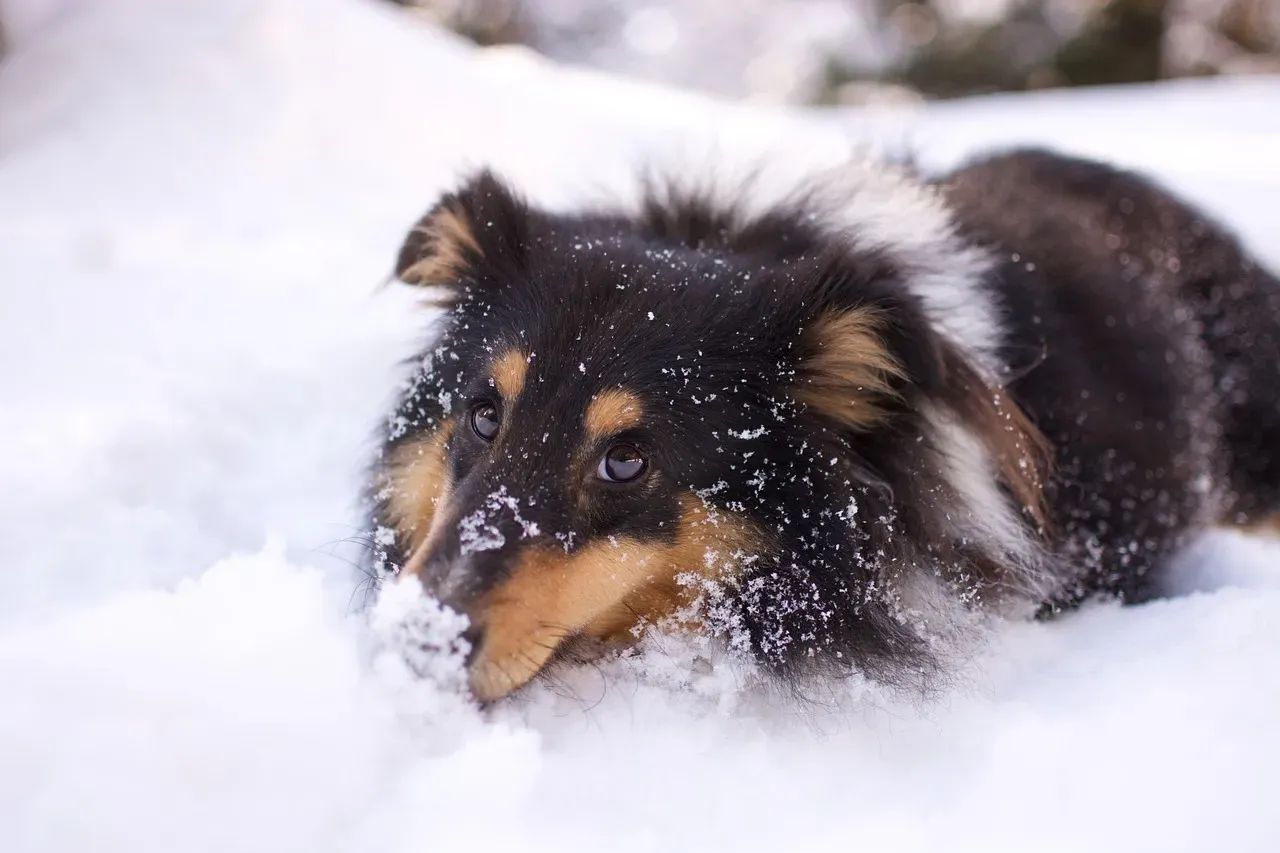
Shetland Sheepdogs are known for their high intelligence, trainability, and excellent problem-solving skills. Also known as Shelties, these quick learners excel in herding, agility, obedience, and working as therapy dogs. Despite their compact size, don’t be fooled into thinking their drive is modest. Shelties have enormous hearts for learning.
All sheepdogs are smart and highly trainable, but Shelties seem more attached to their owners than to their jobs, and that gives them a big edge over most other herding breeds. Eager to please, the Sheltie can happily handle any job you give them. That owner attachment is actually a powerful asset in senior training. Smart and sensitive, Shelties are known for their instinctive intelligence and responsiveness, and their herding background means they pick up complex cues and commands with ease. A senior Sheltie learning the names of their toys or playing hide-and-seek around the house is a genuinely joyful sight.
7. Australian Shepherd: The Relentless Problem-Solver
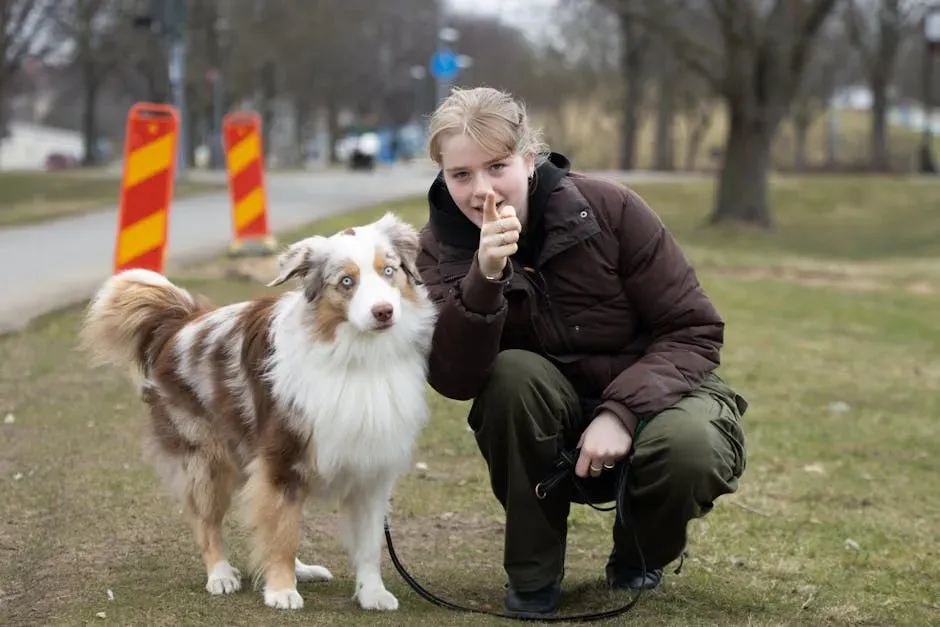
The Australian Shepherd is a very trainable dog, being very intelligent and enjoying the ability to bond with their human family. As a result, they love to learn tricks and skills, and they are very responsive to positive reinforcement, making training relatively easy to master. Aussies are working dogs through and through. Give them a task and watch them shine.
Australian Shepherds are highly intelligent and very receptive to training and mastering tasks and skills quickly, but this also means they are great escape artists and excellent at finding outlets for mental stimulation if not provided constructive ones. That last point is especially worth noting for senior Aussies. Australian Shepherds are highly energetic and maintain their energy levels through their adult life and sometimes into their senior years, which means consistent exercise and mental stimulation is a must. Shorter training sessions two or three times a day work better than one long push. Keep the variety high and the pressure low.
8. Doberman Pinscher: The Sharp and Loyal Learner
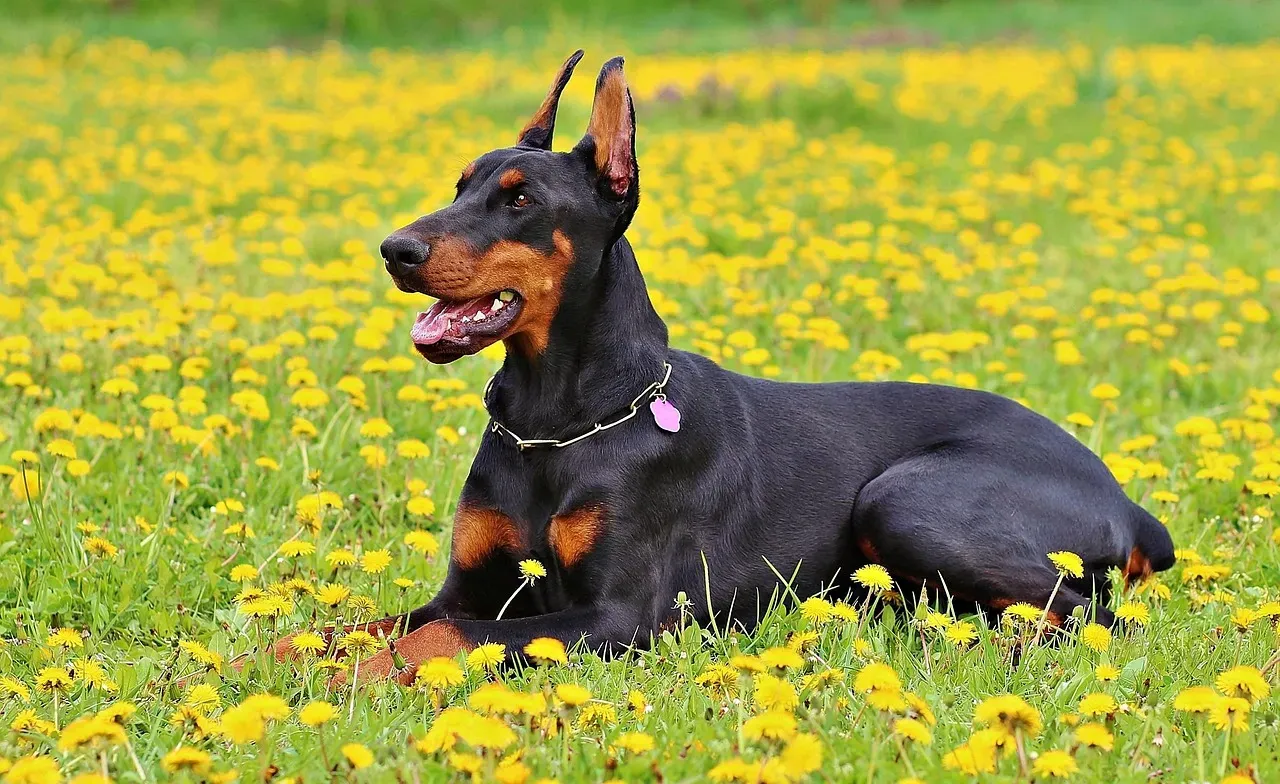
Doberman Pinschers are exceptionally intelligent, loyal, and trainable. These versatile dogs excel in obedience competitions as well as police and military work. While they are known for being highly perceptive, they are also very curious pups. To live their best lives, Dobermans should get plenty of exercise and be able to use their brains as well as their bodies.
Powerful, vigilant, and fearless, the Doberman Pinscher embodies these three traits. But there’s more to them than just muscle. They’re also very smart, able to learn quickly and easily, and incredibly devoted to their people. Senior Dobermans tend to mellow considerably in temperament while keeping much of their intellectual sharpness. Dobermans thrive when trained with consistency and firmness balanced with affection. That balance becomes even more important with age. Go lighter on physical demand, but keep the mental engagement rich and regular.
9. Papillon: The Tiny Genius With Outsized Drive
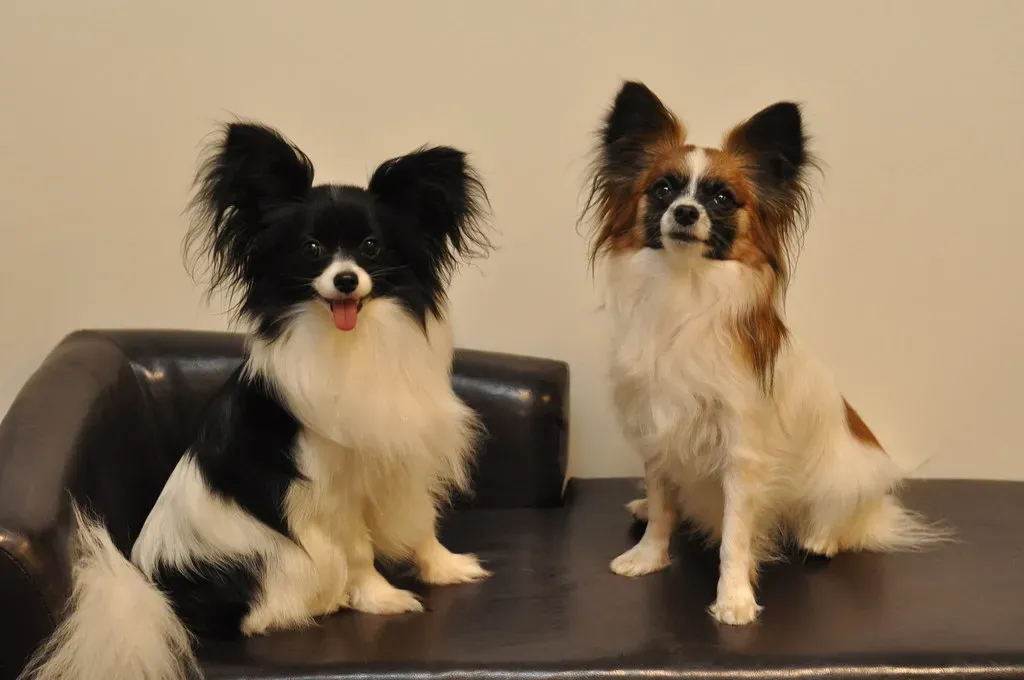
As one of the oldest surviving dog breeds, the Papillon has had plenty of time over the centuries to evolve into one of the smartest dogs in the world. The Papillon has distinctive butterfly-like ears and is the smartest of the toy breeds. Papillons are incredibly agile and trainable. When people underestimate this breed based on size alone, they tend to get a pleasant surprise fairly quickly.
A smart dog in a small package, the Papillon is an outgoing charmer. Their intelligence and enthusiasm make this breed easy to train, and they excel at learning tricks. As seniors, Papillons are often easier to manage physically than larger breeds, which actually works in their favor. Their intelligence shines through in their curiosity and eagerness to learn new tricks. Lively and playful, they are quick to pick up on human emotions, and they have a surprisingly bold personality for such a small dog. Senior Papillons thrive on daily short sessions that rotate through known tricks and introduce at least one new challenge per week.
10. Collie: The Perceptive and People-Focused Learner
Perhaps no dog in history has a reputation for being as intelligent as Lassie. The perceptive, protective hero we know from the popular show is not far from Collies’ true nature. These herding dogs are alert and friendly, and they’re problem-solvers as much as they are family pets. Collies can excel in herding, agility, and obedience competitions.
Collies are athletic and muscular canines known for their intelligence, obedience, and herding skills. They are often recognized as problem-solvers due to their impressive spatial awareness and ability to anticipate outcomes. Those problem-solving instincts don’t fade quietly. Senior Collies often stay remarkably in tune with their owners’ emotional states, which makes positive-reinforcement training feel almost effortless. While known for their trainability, super-smart Collies appreciate a little extra mental stimulation to keep them challenged. Rotate puzzle toys, vary commands, and consider introducing scent work as a low-impact but deeply satisfying mental activity for an older Collie.
A Note on Training Any Senior Dog Well
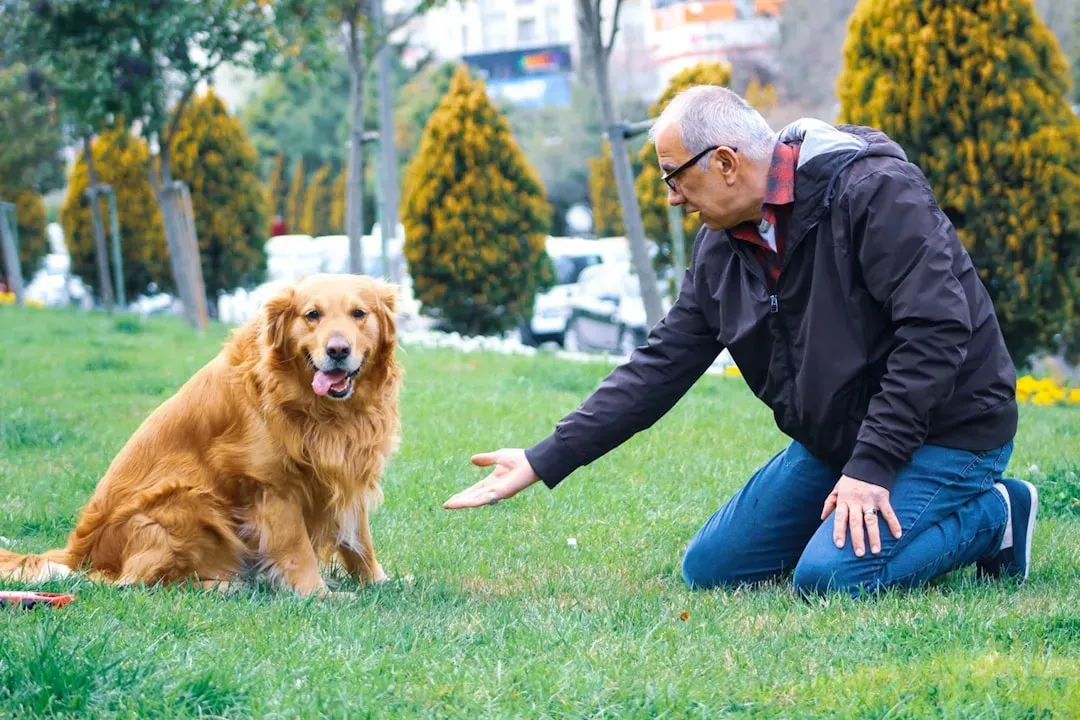
In a study conducted at the University of Vienna’s Clever Dog Lab, a test of dogs’ ability to learn to distinguish between objects found that dogs around ten years of age took more than twice as many repetitions and corrections than puppies six months to one year old. That’s not failure. That’s just a different pace, and pace can be accommodated.
In line with research on human aging, lifelong training helped to retain measures of attentiveness in senior dogs. Think of each short session as a deposit into your dog’s cognitive health account. The brain exercise helps keep senior dogs young as long as possible, something we all want for our best buddies. Watch for early signs of canine cognitive dysfunction, which affects roughly one in seven dogs aged eight to nine and can rise significantly in older dogs, resembling dementia in humans and affecting memory, learning, and awareness. If your normally quick learner suddenly seems confused or disengaged during sessions they used to love, a vet visit is the right next step.
Conclusion: The Best Trick You Can Teach Is Continuity
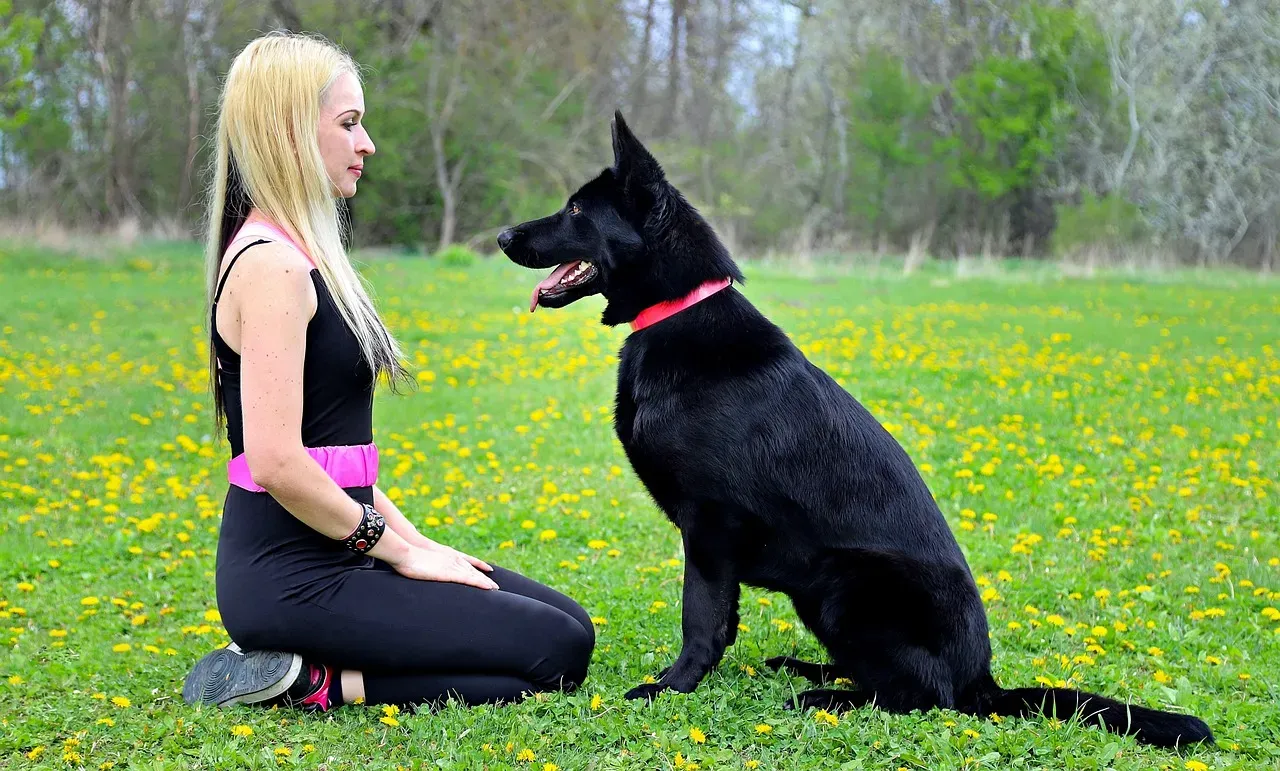
The breeds on this list share something that goes beyond raw intelligence. They’re wired to stay connected to the people they love, and that connection is what keeps learning alive. Whether your dog is a silver-muzzled Poodle who still nails every command or a senior Golden Retriever who takes a little longer to get there, the act of training together matters far beyond the trick itself.
If you make training a fun time for bonding, any breed can learn and enjoy doing it. Keep sessions gentle, keep expectations kind, and stay consistent. Despite the old adage, teaching an old dog new tricks is entirely possible. It simply takes time and repetition along with a whole lot of patience and love.
Your senior dog isn’t past their prime. They’re just in a different one, and that one deserves just as much investment, curiosity, and joy as every stage that came before it.


