
Your dog doesn’t need to say a word to tell you something is wrong. The yawn in the middle of a training session, the sudden, frantic sniffing at the ground when a stranger approaches, the full-body shake after a vet visit – these aren’t random quirks. They’re a language. A quiet, sophisticated language that millions of dog owners walk right past every single day.
Dogs don’t just “act out” for no reason. Many of their seemingly random behaviors are deeply ingrained instincts that help them self-regulate, and these are their natural way of self-soothing – much like humans engage in stress-relieving activities. The difference is that we don’t always recognize what we’re seeing.
Dogs show dysregulation or self-regulation much like humans do, and their responses aren’t about choosing right from wrong – they’re a reflection of emotional regulation. Understanding that distinction changes everything. Once you start to see your dog’s stress behaviors as communication rather than misbehavior, you become a far better advocate for them. Here are ten ways your dog is actively trying to manage their own stress, and what you can do to help.
1. Yawning to Release Tension
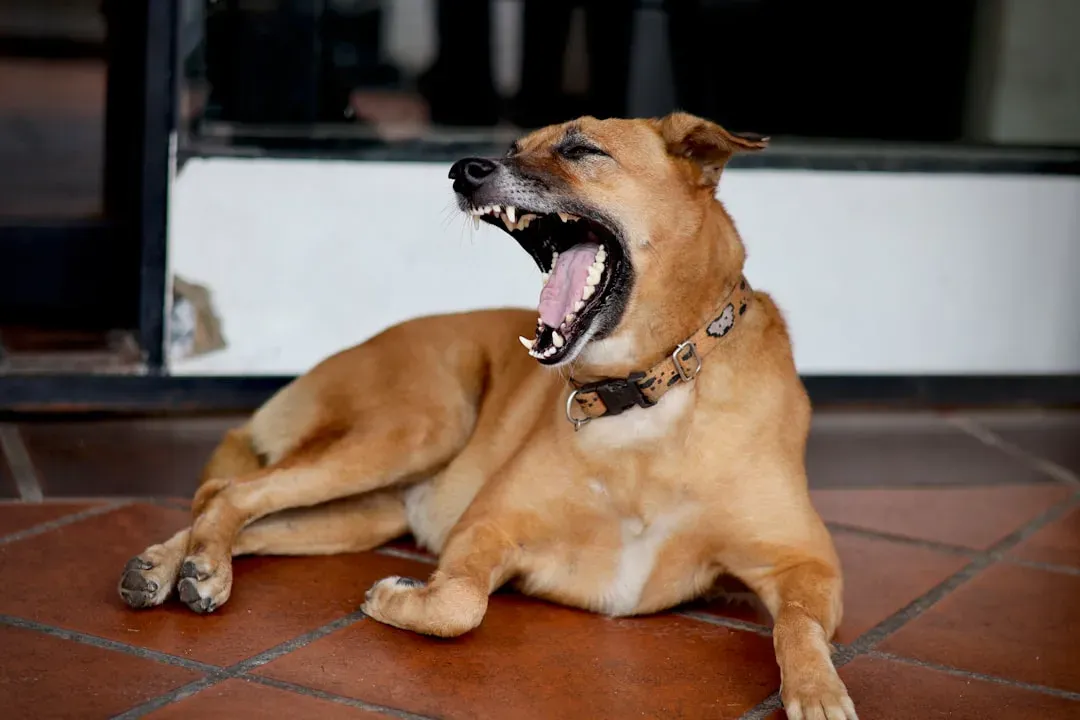
Most people assume a yawning dog is a tired dog. Sometimes that’s true. Other times, it’s something worth paying closer attention to.
Stress-induced yawning is different from a sleepy yawn – it often occurs in situations where the dog is clearly not tired and serves as a displacement behavior to cope with tension. It typically looks like a big, exaggerated yawn in the middle of an activity or interaction, and it may be slower and more pronounced than an ordinary sleepy yawn.
If you pay closer attention, you’ll notice that the stressed yawn actually looks a bit different. The dog opens their mouth extra wide, curling the tongue, and might give their head a slight shake as they close it. You’ll see this at the vet, during a tense greeting with an unfamiliar dog, or when you’re speaking in a firm voice. Dogs may also yawn more frequently when learning new behaviors, as it helps them release stress and maintain self-control. When you spot it, slow things down. Give your dog a moment to breathe.
2. Lip Licking and Nose Licking
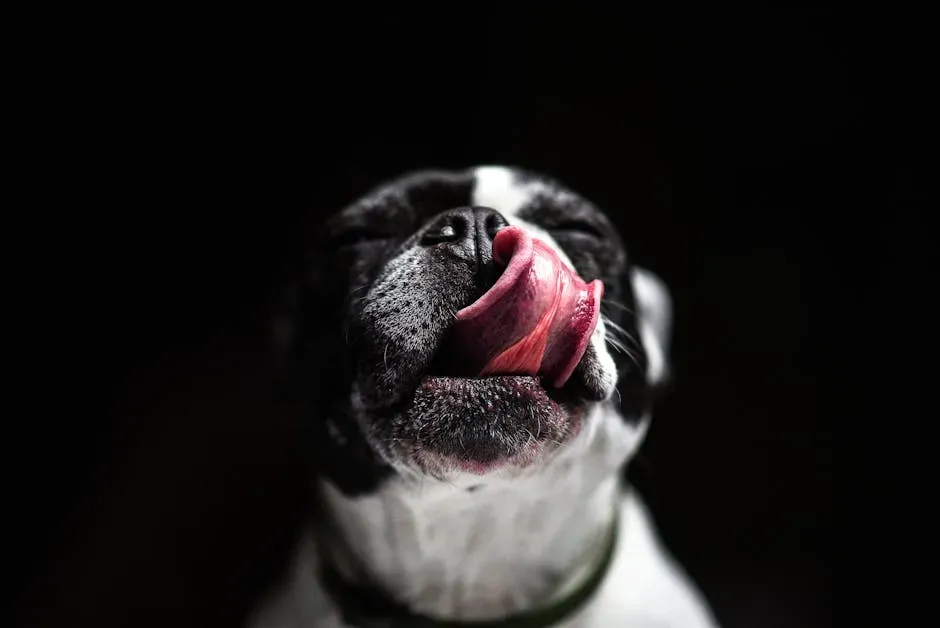
A quick lick of the lips when dinner is being served is just anticipation. But context matters enormously here, and the same behavior means something completely different in a different situation.
Lip licking and nose licking are common behaviors that often indicate stress or anxiety. When you see your dog repeatedly licking their lips or nose, it may be their way of telling you they’re feeling uneasy. This behavior can serve as an appeasement gesture, a canine communication tool to express fear or discomfort.
Lip-licking is a calming signal whose use increases in frequency as the distance between the sender and the recipient decreases – meaning the closer an unsettling person or dog gets, the more you may see it. Watch for this during training sessions especially – if your dog is lip licking frequently, they may be stressed by the training method or the environment. Ease back, lower the pressure, and let them reset.
3. Sniffing the Ground
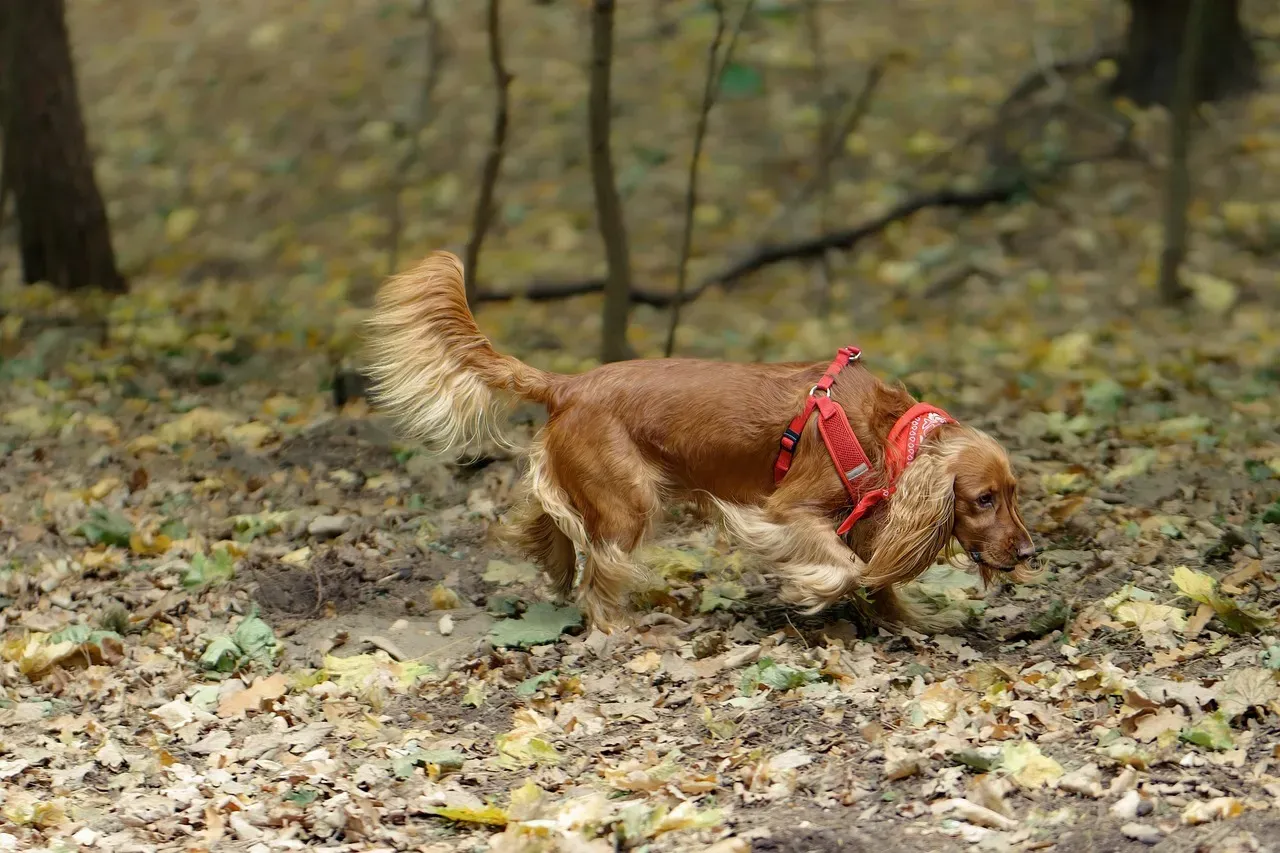
Sniffing is one of the most underappreciated stress tools dogs have. It’s wired deep into who they are, and it’s far more than just curiosity about the world.
Sniffing isn’t just about exploring – sometimes, dogs use it to reset their emotions. You’ll often see them sniffing intensely when nervous or overstimulated, especially in new environments. The act of sniffing engages their brain, distracts them from stressors, and offers a sense of familiarity.
If you’ve been standing in one place with a dog for a few minutes and a person walks up to pet them and they suddenly start sniffing the ground frantically, that’s displacement – they’re stressed and self-soothing. Sniffing is actually preferable to bark-lunging, so encouraging it gives the dog a constructive outlet. On your next walk, when your dog stops to sniff a patch of grass longer than you’d like, consider letting them. It might be exactly what they need.
4. Chewing
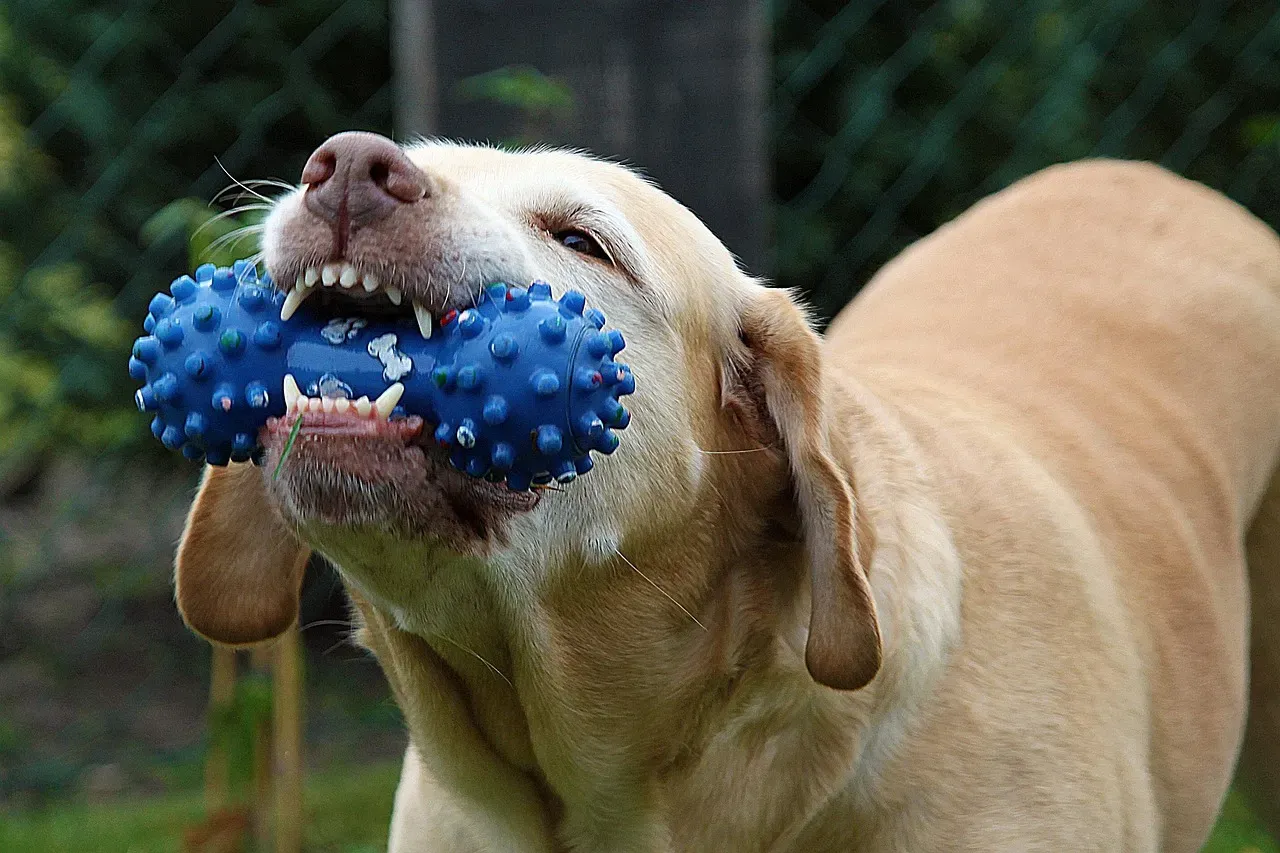
There’s a reason chewed baseboards tend to appear during life changes – a new baby, a move, a change in schedule. Chewing isn’t always destructive intent. Often it’s coping.
Even adult dogs chew as a natural way to relieve stress. Chewing is a powerful stress reliever for dogs. It’s not just about keeping their jaws busy – chewing actually triggers the release of calming hormones that help your dog relax. It’s one of the most physiologically direct tools a dog has for bringing themselves down from an anxious state.
Whenever there is a disturbance or loud noise outside, dogs can get really worked up and start barking – but after a few minutes, many will settle themselves down by chewing on their favorite bone, even as they continue to listen and stay on guard. Providing appropriate chew toys, puzzle feeders, or lick mats can help satisfy this need while preventing destructive chewing. Think of a good chew as your dog’s version of stress-relief journaling.
5. The Full-Body Shake-Off
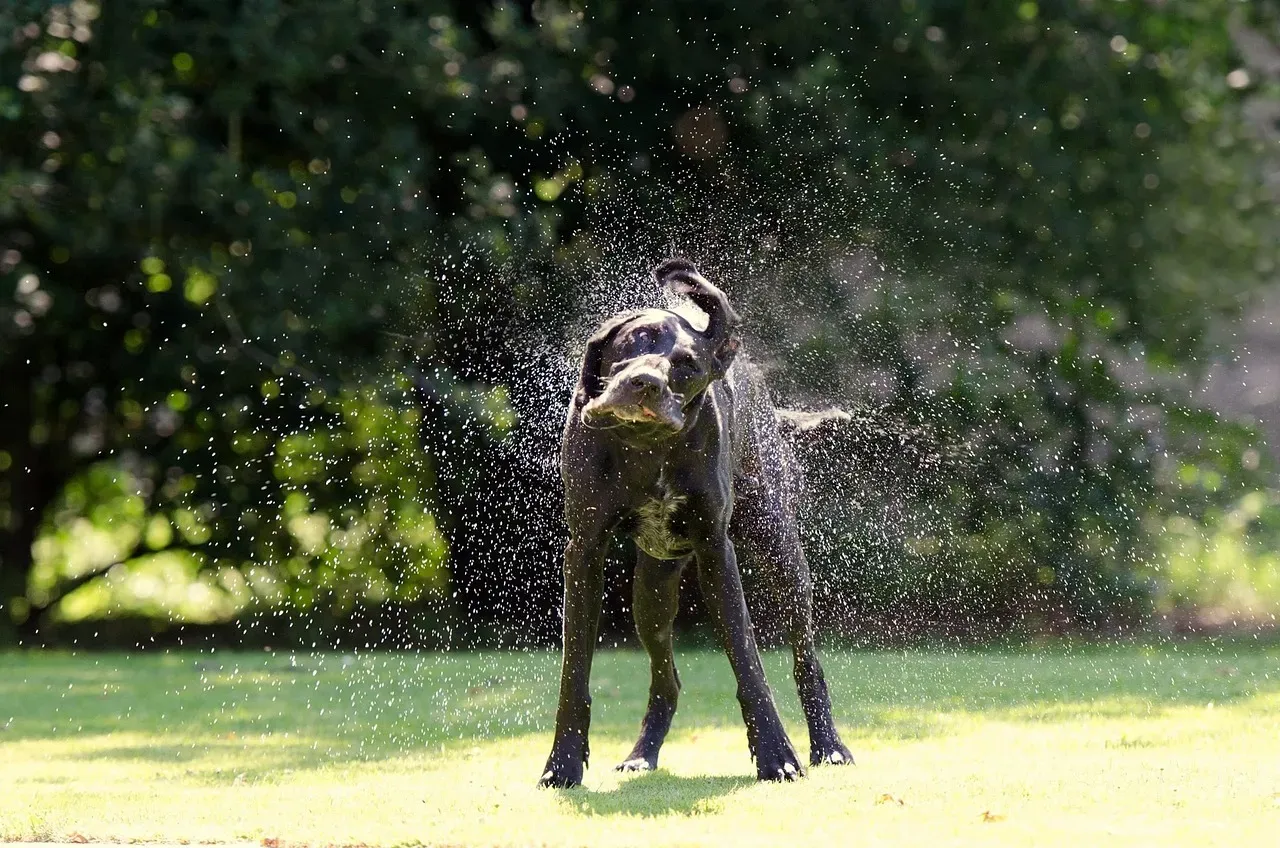
You’ve probably seen it a hundred times. Your dog finishes a tense greeting with another dog, steps off the vet’s exam table, or gets up after an uncomfortable interaction – and then gives an enormous, whole-body shake. No water involved.
You’ve seen your dog shake after a bath or a roll in the grass. That whole-body shake can be amusing and is quite normal – unless it occurs as the result of a stressful situation. The “shake off” that dogs often do after they descend from the veterinarian’s exam table is likely triggered by stress.
Doing a full body shake, especially when the dog is not dirty or wet, is a self-soothing stress release behavior. Praising your dog when they do it, especially in exciting or stressful situations, can help reinforce the behavior, making it more efficient and frequent when needed. Think of it as your dog pressing the reset button. Shaking off stress helps dogs transition to a relaxed state by lowering adrenaline. It’s one of the most elegant pieces of canine emotional self-care there is.
6. Turning Away or Looking Away
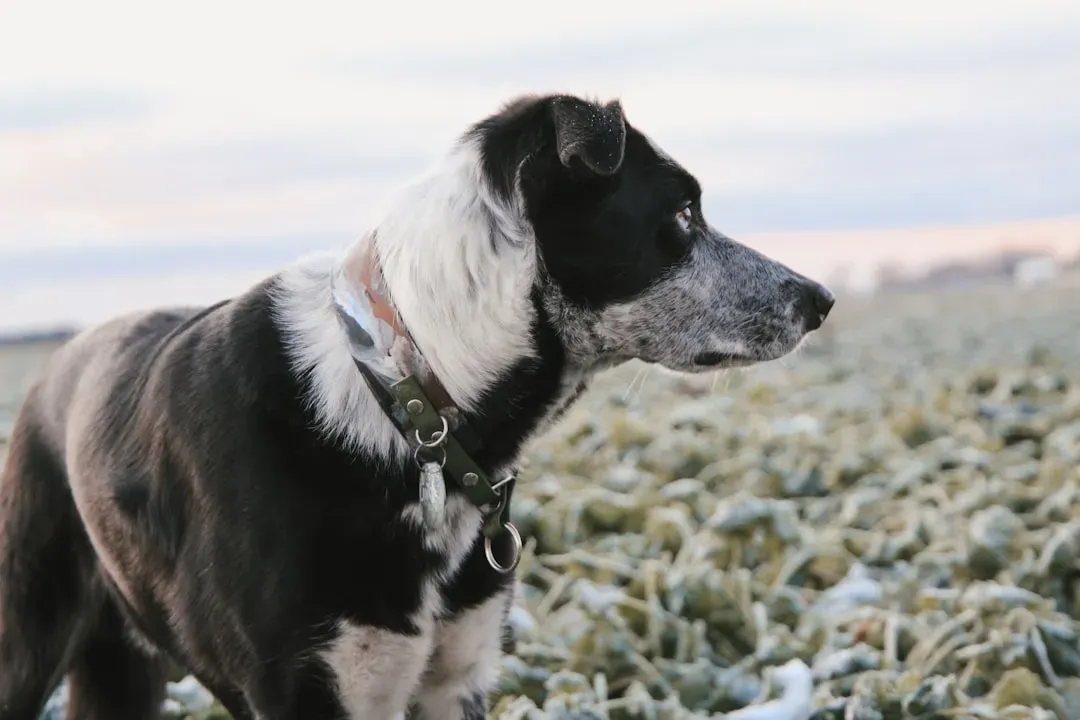
It can feel dismissive or rude when your dog suddenly looks away during an interaction. It isn’t. It’s one of the most polite things they know how to do.
When a dog turns its head or body away from something or someone, it is a clear indication that it is not interested in or comfortable with the situation at hand. This behavior is a subtle but powerful communication tool used by dogs to express their feelings and establish boundaries.
In obedience classes, dogs turning their head away from each other during group stays and avoiding eye contact is them trying to de-escalate the highly uncomfortable situation of sitting so close to each other. A common way dogs calm themselves is to look away. When two dogs lock eyes, it can sometimes signal trouble – if one dog doesn’t want conflict, breaking the challenge by looking away is how they communicate peace. If your dog breaks eye contact with you or another dog during a tense moment, respect it. They’re trying to keep things calm.
7. Hiding or Seeking Solitude
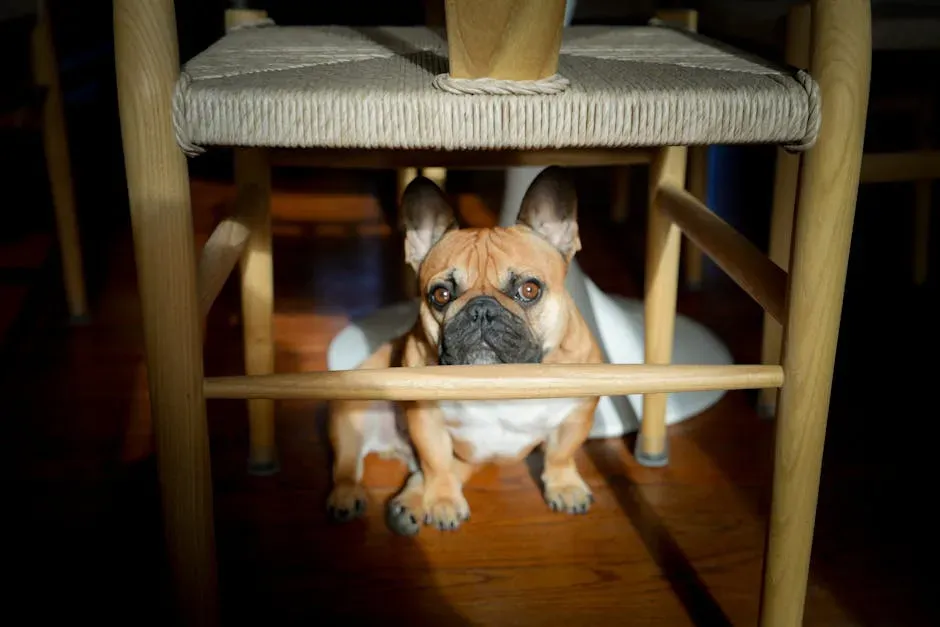
Some dogs will disappear under a bed during a thunderstorm. Others retreat to a crate, behind the couch, or into a quiet corner of a room. This isn’t weakness. It’s wisdom.
Hiding or escape behavior is an extension of avoidance. Some tense dogs move behind a trusted person or behind a nearby object. They may even nudge or jump on their person to prompt them to move along. The dog is essentially asking to be removed from the situation they find overwhelming.
It’s important to provide your dog with a safe place in the home where they can escape stimuli that trigger a stress response. Everybody enjoys a calm place to retreat. If your dog has a favorite hiding spot, make it comfortable and accessible. If your dog avoids interaction with other dogs or people, do not force the issue. Respect their choice. Forcing a stressed dog to stay in an overwhelming situation doesn’t help them – it just erodes trust.
8. Paw Licking and Self-Grooming

Repetitive self-grooming in moments of stress is something dogs share with many other mammals. It’s calming at a neurochemical level, and it often goes unnoticed because it looks so ordinary.
When a dog starts licking its paws – especially when there’s no apparent injury – it’s often a way to self-soothe. The repetitive motion and sensation can have a calming effect, much like how people might twirl their hair or tap their fingers. It’s usually a sign they’re trying to manage anxiety or settle down.
Licking mimics the comfort dogs felt when nursing from their mothers, which is why it can release endorphins – the hormones responsible for feelings of pleasure and relaxation. This makes licking an effective way for dogs to calm themselves during moments of stress or anxiety. The key thing to watch for is frequency and intensity. If the licking becomes obsessive, it might be time to check for allergies or consult your vet. Occasional licking is healthy regulation; compulsive licking is a signal that stress has tipped into something that needs professional support.
9. Displacement Sniffing and Displacement Behaviors
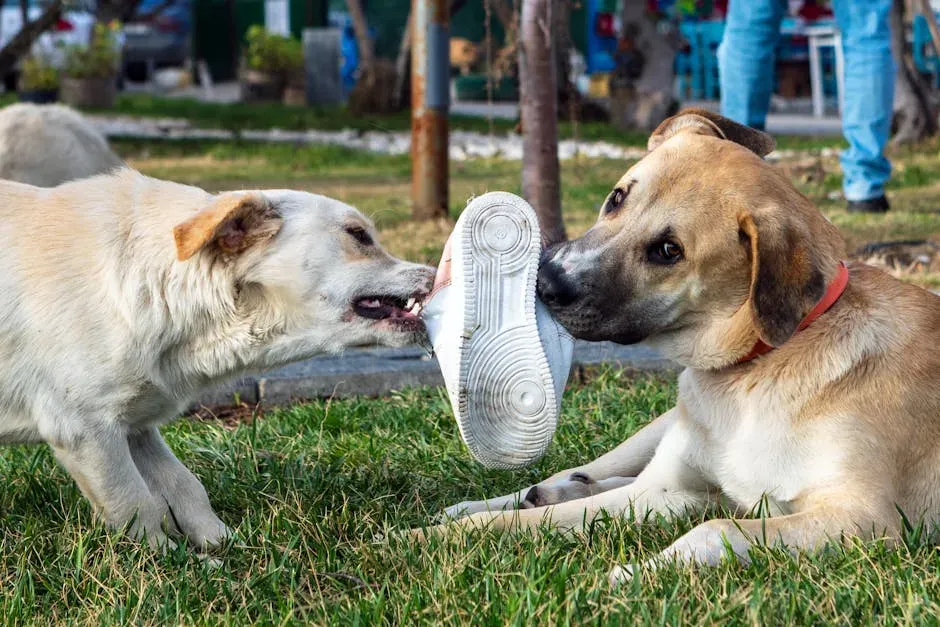
Displacement behaviors are a fascinating and often misread category of stress regulation. They’re essentially what happens when a dog is caught between two conflicting impulses and redirects into something seemingly unrelated.
When faced with an unwelcome situation, dogs may “escape” by focusing on something else. They may sniff the ground, lick their genitals, or simply turn away. This is the dog choosing a neutral, non-confrontational action as a way of self-regulating without escalating the situation. It’s remarkably controlled behavior, even if it doesn’t look like it.
During training sessions, dogs may feel pressure to perform commands perfectly. If under stress or uncertainty about their behavior, they might exhibit behaviors like excessive yawning to self-soothe. By being aware of these behaviors, we can adjust our interactions with our dogs, ensuring that they feel supported and secure. When you notice your dog exhibiting signs of displacement behavior, it’s essential to respond calmly and constructively. Lowering the pressure in that moment is almost always the right move.
10. Leaning Into Their Humans
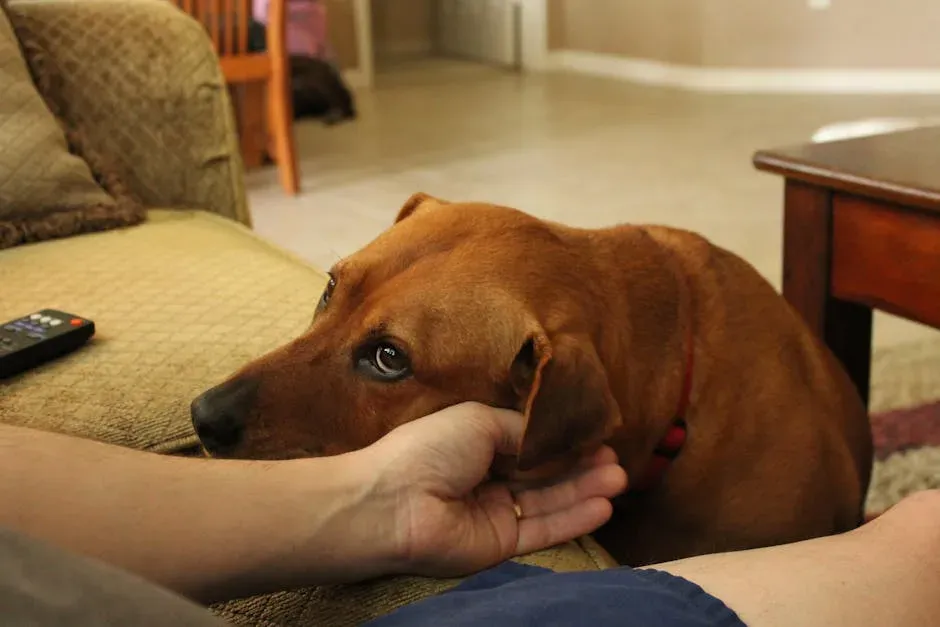
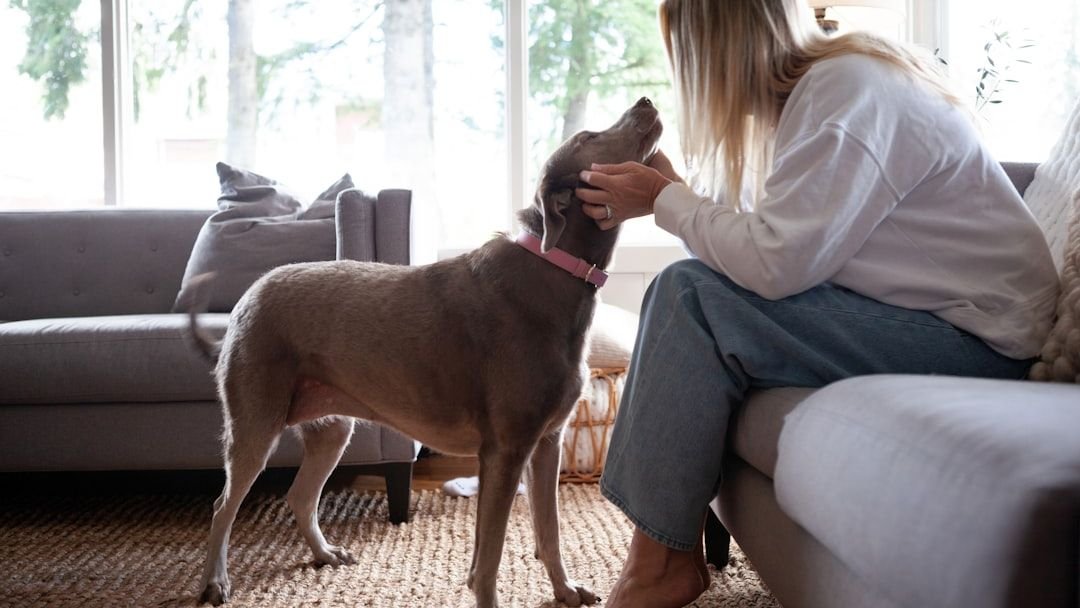
Sometimes a dog’s most instinctive stress-regulation tool is the simplest one: you. Physical closeness with a trusted human is one of the most powerful calming mechanisms available to a dog.
Dogs who feel nervous or uncertain might lean against their humans for reassurance. This close contact helps them feel safe, grounded, and supported. Physical touch is soothing for dogs, and a calm lean is often more about emotional closeness than clinginess.
Dogs have evolved alongside humans for thousands of years, developing an extraordinary ability to read and respond to human emotional cues. When you’re stressed, your dog’s stress hormones like cortisol increase in response. When you’re calm and centered, your dog’s nervous system shifts toward rest and digest mode. This is why your own calm matters as much as anything else. Dogs notice your feelings. If you panic, they get more worried. Staying calm, speaking gently, and staying close to them is one of the most useful things you can do. You are part of their stress-regulation system. The relationship runs both ways.
What This All Means for You as a Dog Owner
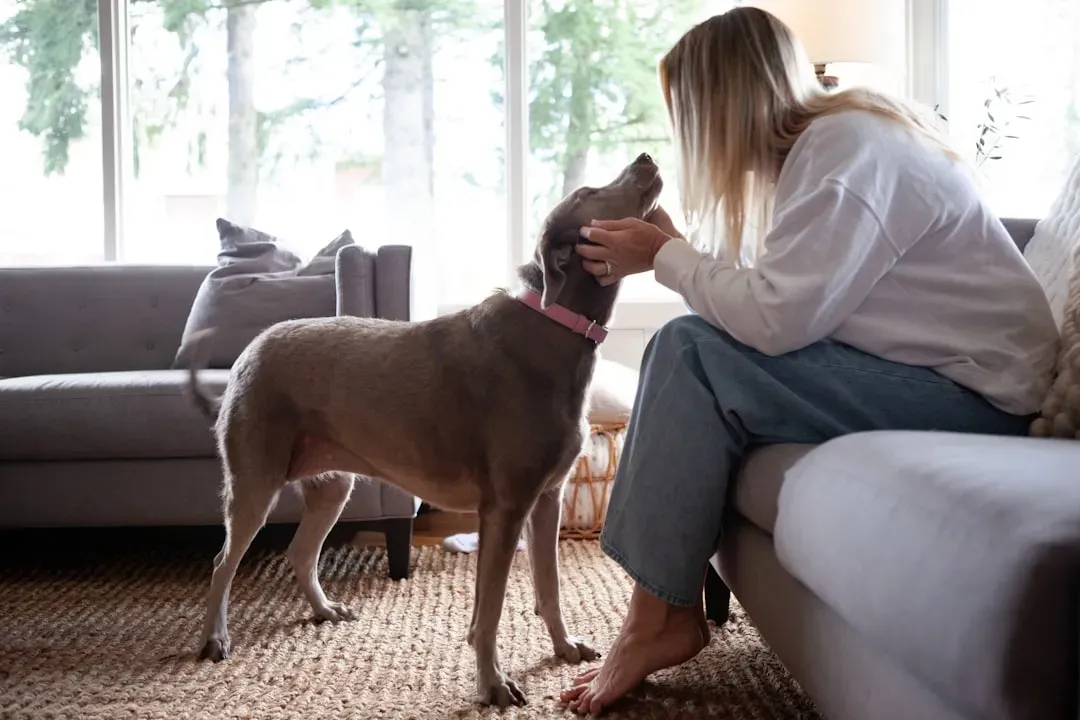
The subtle stress signals dogs display are not signs of misbehavior or disobedience. They’re polite, peaceful communications that say, “I need help; I’m feeling overwhelmed.” By learning to recognize and respect these signals, you become a better advocate for your dog’s emotional wellbeing. You can intervene before stress escalates, build trust through understanding, and create a life where your dog feels safe, heard, and supported.
Regardless of interpretation, the important thing is to recognize the signs of stress in your dog and take steps to help them become more comfortable with the experiences they find worrisome. When you see these signals being made, stop and make a note of what was taking place. Consider whether you see a pattern of the same signals in the same situations. If so, work with a rewards-based dog trainer or behaviorist to gradually desensitize and counter-condition your dog.
If your dog becomes stressed often or in response to many triggers, see your veterinarian. After ensuring that your dog’s behavior does not have a physical basis, your veterinarian may refer you to a trainer or veterinary behaviorist. A treatment plan may include behavior modification, a change in daily routine, and medications to reduce the emotional response to triggers.
Conclusion
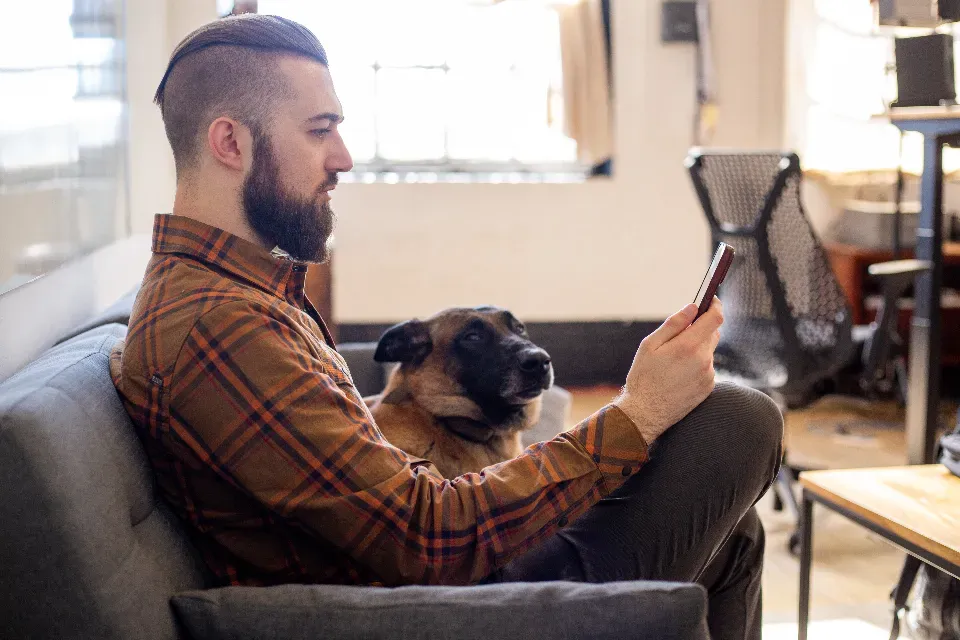
Dogs have been communicating with us for thousands of years. The remarkable thing is not that they have so many ways to regulate their stress – it’s that they’ve been doing it right in front of us all along. Every shake-off, every sniff at the ground, every quiet retreat to the corner of the room is a sentence in a conversation we’re only just beginning to understand.
You don’t need to be a professional behaviorist to help your dog. You just need to slow down, watch, and listen – not with your ears, but with your eyes and your patience. Understanding calming signals is more than a training tool – it’s a relationship tool. When you start responding to your dog’s emotional cues, you unlock a new level of connection based on empathy, respect, and trust.
The dogs who feel most seen are the ones who act out the least. That’s not a coincidence. That’s the relationship working exactly as it should.


