

Picture this: you’ve booked a trip, your bags are packed, and the one thing standing between you and a stress-free getaway is knowing your dog is in good hands. You’ve found someone who seems sweet, loves dogs, and comes at a great price. But here’s the question most dog owners forget to ask: are they insured?
It sounds like a formality. It isn’t. The difference between a covered dog sitter and an uninsured one can mean the difference between a resolved accident and a financial nightmare that lands squarely on your lap. Whether your dog has a history of mischief or has never so much as chewed a shoe, things can go sideways in ways no one predicts.
What Dog Sitter Insurance Actually Covers
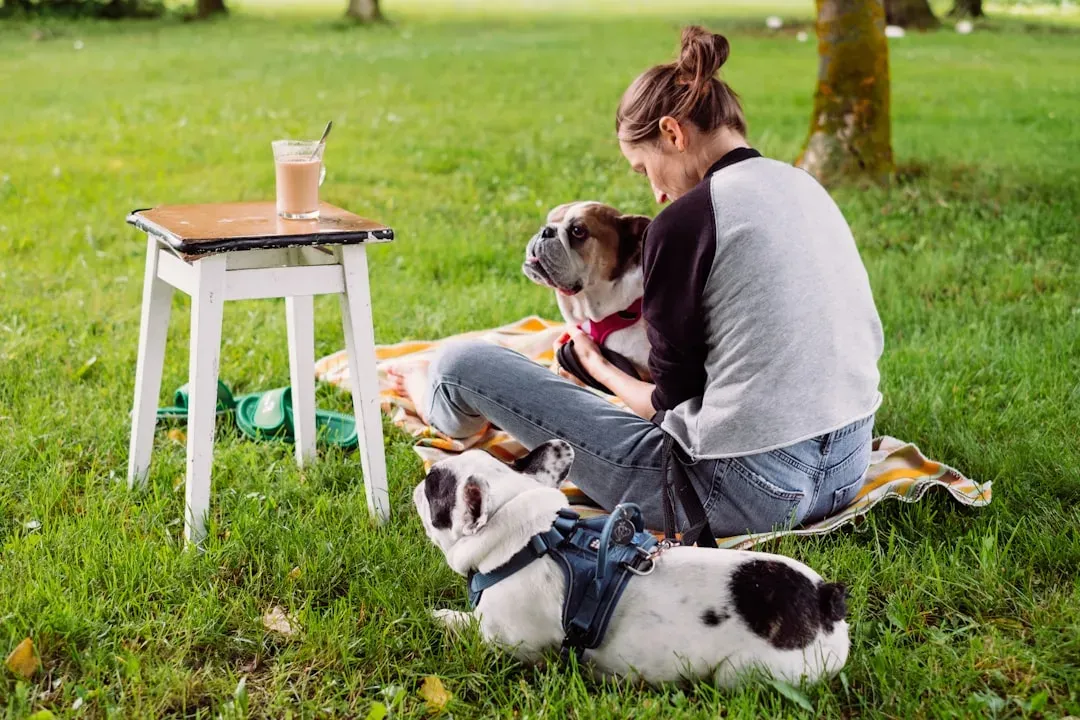
Pet sitting insurance is a type of business insurance designed to protect against claims related to accidents, injuries, or damages that happen while a sitter is caring for a client’s pet. That’s a broader safety net than most people realize. It’s not just about vet bills.
General liability insurance covers bodily injury and property damage to others, harm caused by the sitter’s products and services, and advertising mistakes. Pet Protection Coverage, also known as Animal Bailee coverage, protects against legal claims for harm to animals in the sitter’s care, custody, and control.
Animal bailee insurance helps cover expenses if an animal in the sitter’s care gets hurt or is lost. This coverage can also help pay for veterinary bills, and it can even help cover advertising and reward costs incurred to help find a lost pet. That last point is easy to overlook. Losing your dog while you’re abroad is terrifying enough without also absorbing the costs of flyers, social media ads, and search efforts.
If the sitter loses a client’s house key, a dog sitting insurance policy can help cover the costs to replace the locks or a missing key. Small detail, potentially large expense. A good policy handles it cleanly.
The Real Risks of Hiring an Uninsured Sitter

It’s easy to assume that because your dog is calm and well-trained, nothing will go wrong. But dogs respond to new environments, unfamiliar people, and unpredictable situations in ways that even their owners don’t always anticipate. Dog sitters face hundreds of risks when pet parents turn over the leash and keys, and new surroundings and animal antics can result in pricey accidents.
Consider this scenario: a dog in the sitter’s care escapes from the house and tears up the neighbor’s freshly seeded lawn, leaving the sitter to pay for the property damage. A client’s pup gets the zoomies and crashes into a table, knocking over and breaking an expensive vase. The dog nibbles on a houseplant when the sitter’s back is turned and gets seriously ill, and the emergency vet bill comes out of the sitter’s pocket. Without insurance, all of that can roll back to you.
If a sitter does not have proper insurance, pet owners are at risk of paying thousands in vet bills if their pet gets sick or injured during their stay, being held financially responsible if their pet damages the sitter’s home, and facing a lawsuit if their pet injures another animal or person while in the sitter’s care. These are not remote possibilities. They happen regularly.
Many pet owners assume that because a sitter is experienced, nothing will go wrong, but accidents can happen. Without insurance, you could be left with expensive vet bills, lawsuits, or even the heartbreaking loss of a pet.
Why “Bonded and Insured” Is a Phrase Worth Understanding
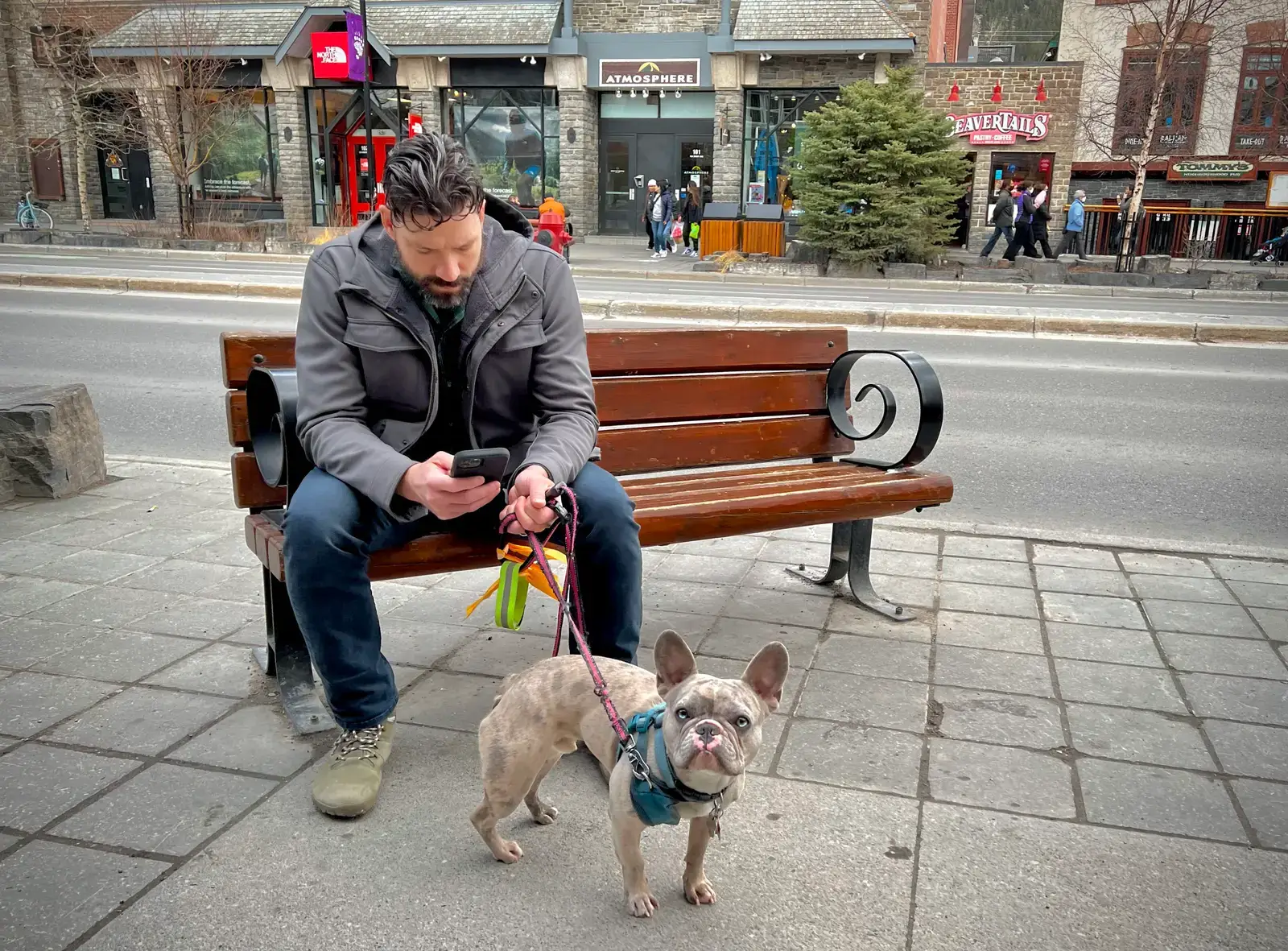
You’ve probably seen it in listings: “bonded and insured.” Most people nod and move on without really knowing what it means. Understanding the distinction matters more than you’d think. If a pet sitter is insured and bonded, it means that customers are protected against any losses caused by the pet sitter. Being bonded gives clients compensation if a covered property damage incident or theft takes place.
While bonding is not technically a form of insurance, it is often included alongside pet sitter insurance. Bonding provides financial protection against theft, so if the pet sitter steals from the pet owner, bonding can cover the loss. That’s a sensitive thing to think about when you’re handing over your house keys to someone you just met, but it’s a real consideration.
Bonding insurance protects pet owners from damage or acts of theft in the home on the part of the service provider’s employees or contractors. It helps ensure that the customer is protected against losses from theft or damage done by the company’s employees or contractors. A truly professional sitter won’t blink at being asked to confirm both.
The Professionalism Signal You Shouldn’t Ignore

Choosing isn’t just a practical financial decision. It’s a strong signal about the sitter’s character and commitment to their work. Having insurance enhances a pet sitter’s professional reputation. It shows that they are serious about their business and committed to providing the best possible care for their clients’ pets.
Many professional agencies and pet parents require pet sitters to have insurance before agreeing to hire them. Not only does insurance protect them from risk, but it proves that the sitter is serious about watching out for clients, their homes, and their pets. Think of it as a professional baseline, the same way you’d expect a contractor or a babysitter to carry credentials.
Smart, conscientious, and reputable pet sitters and dog walkers take their pet care and home sitting services very seriously, and prioritize the safety and wellness of client pets, ensuring that their insurance coverage is sufficient to cover any damages, accidents, or injuries to pets and property.
There’s also a practical screening benefit. An uninsured sitter who hesitates when asked about coverage may also be cutting corners in other areas, whether that’s pet first aid knowledge, emergency protocols, or simply the habit of staying attentive. Insurance is not everything, but its presence or absence often reflects a broader professional mindset.
How to Verify Your Dog Sitter’s Insurance Before Handing Over the Leash

Asking about insurance doesn’t have to feel awkward. Most professional sitters expect the question and will have documentation ready. Knowing what to look for makes the conversation easier. The first coverage recommended for every dog walker and pet sitter is general liability insurance that includes coverage for pets and property in their care, custody, or control. This is often called CCC coverage, and it’s the single most important thing to confirm is included.
When selecting a pet sitting insurance provider, it’s vital to consider factors such as coverage limits, deductibles, and any additional benefits offered. Look for a provider that understands the unique risks faced by pet sitters and offers tailored coverage to meet specific needs. As a dog owner, you can ask your sitter directly: what provider do you use, and what does your policy cover if my dog gets injured?
Popular pet-sitting apps like Rover, Wag, Time to Pet, and others don’t insure sitters against common pet-sitting risks. In fact, all of these apps recommend that pet businesses invest in comprehensive pet sitter insurance for when the unexpected happens. So if you’re booking through a platform, don’t assume the platform’s coverage has your dog fully protected.
Joining or consulting organizations like the National Association of Professional Pet Sitters (NAPPS) is a useful route for pet owners seeking guidance. A NAPPS membership gives access to resources, including advice about insurance and bonding. Even as a client, resources like these help you ask better questions and hire with more confidence.
Conclusion: Peace of Mind Is Part of Good Dog Care

Leaving your dog with someone else, even briefly, involves real trust. You’re not just handing over a leash. You’re handing over a member of your family, along with access to your home, your routine, and your peace of mind.
Pet sitting insurance gives financial protection if an accident occurs, and having it also provides pet owners, staff members, and clients with additional peace of mind. That peace of mind isn’t a bonus. For most dog parents, it’s the whole point.
The good news is that verifying insurance is straightforward, the conversation takes about two minutes, and it filters out unprepared sitters before anything goes wrong. Loving your dog well means choosing every detail of their care deliberately, including who holds the leash when you’re not there.


