
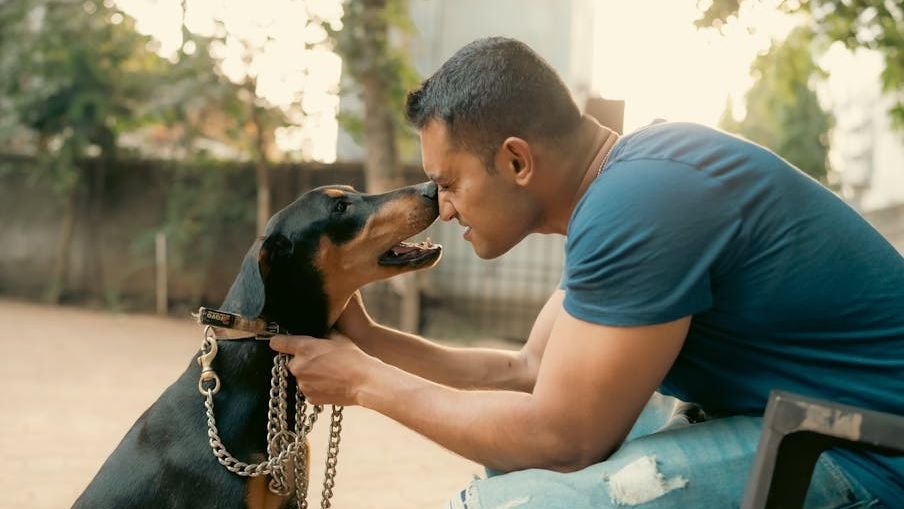
There’s a particular kind of quiet joy in watching your dog settle at your feet, let out a long sigh, and drift off to sleep. No drama. No watchfulness. Just complete, unhurried peace. Most dog owners recognize that moment, even if they can’t always explain why it feels so significant.
The truth is, your dog can’t tell you they feel safe. They can’t send you a text or pull you aside for a heartfelt chat. Unlike humans, dogs do not verbalize trust. Instead, they reveal it through their gentle and instinct-driven behaviors, rooted in emotional security and body language. And once you know what to look for, those signals are everywhere.
This article breaks down nine of the most meaningful ones, so you can read your dog more clearly, strengthen your bond, and feel genuinely confident about the relationship you’ve built.
1. They Sleep Deeply Near You (and Sometimes Touch You While Doing It)
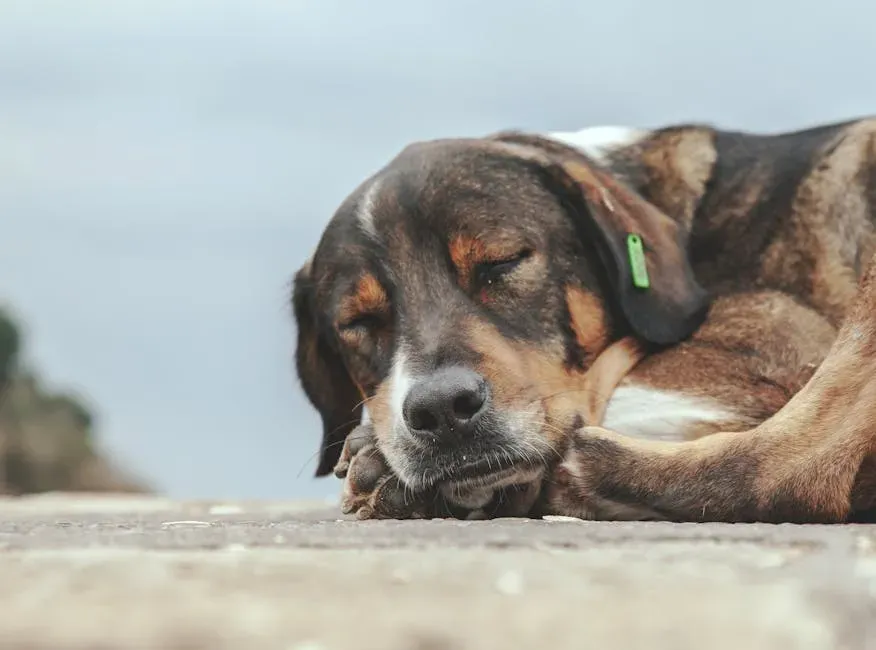
Sleep is one of the most revealing windows into your dog’s emotional world. Sleeping near you, or even touching you while sleeping, shows deep trust. Dogs are vulnerable when they sleep, so choosing to rest beside you means they believe you’ll keep them safe. That’s not a small thing.
Sleeping positions reflect emotional security. Dogs rest on their sides and backs only when they feel safe, loose, and not tense. So if your dog stretches out completely, paws in the air, belly exposed, right next to you on the couch, that’s not laziness. That’s trust in its most physical form.
If your dog falls asleep with their back to you, that’s an even stronger indicator of trust, because they’re confident you’ll watch out for threats. Think about that the next time your dog turns their back to curl up. It’s not indifference. It’s the opposite.
2. Their Body Is Loose and Wiggly When You’re Around
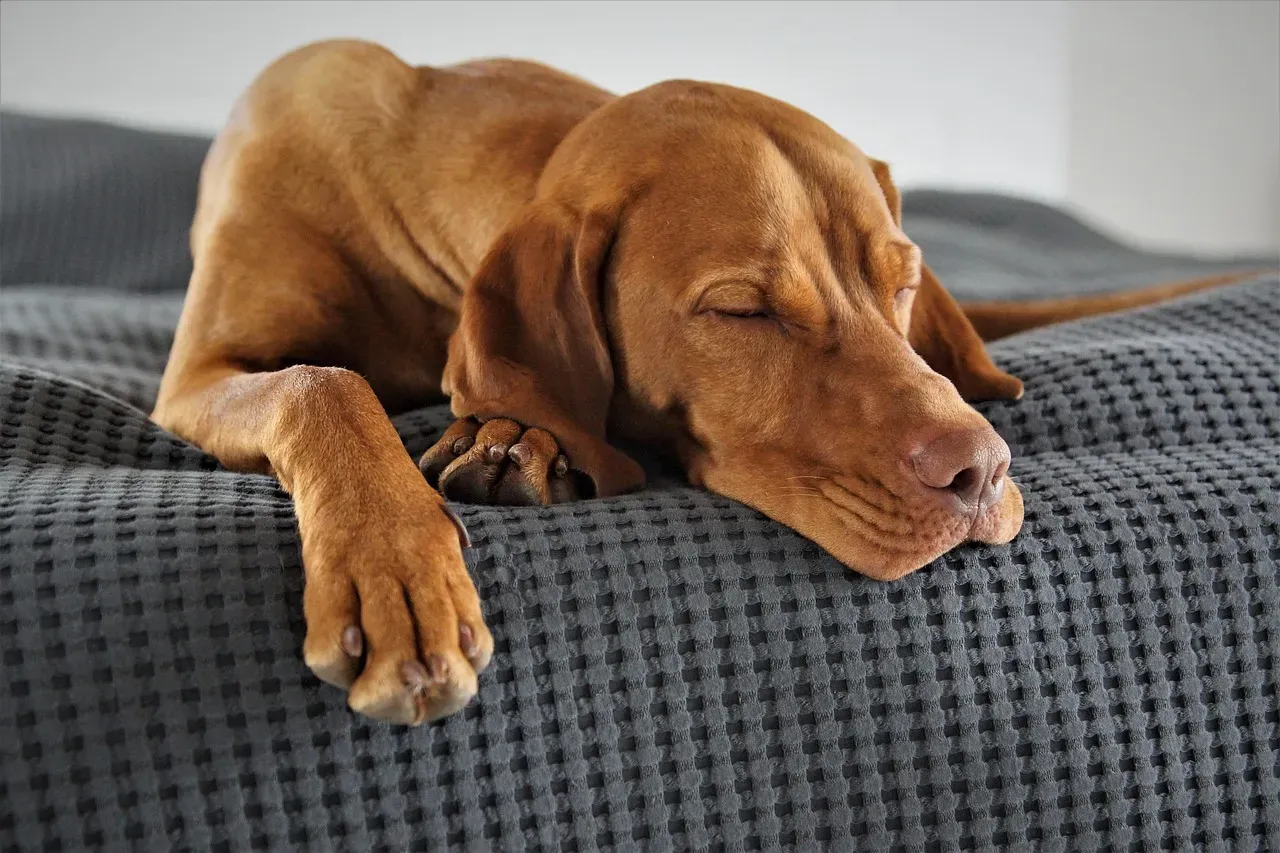
A relaxed body posture is one of the clearest signs your dog trusts you. When your dog stands or sits near you with loose muscles, a slightly open mouth, and soft eyes, they’re showing they feel safe and comfortable. The whole body speaks here, not just one feature.
A dog who’s on alert and worried will have vastly different posture than one who feels at ease. Your trusting dog will present with body language that shows their comfort level with you. You’ll likely see a relaxed face, soft eyes, and a wag that wiggles the entire hind end. That full-body wiggle is hard to fake.
A dog that feels safe, comfortable, and at ease in their environment has every muscle soft. The body moves with a fluid, almost wiggly quality. Contrast that with a stiff, straight-lined posture and you’ll quickly understand what emotional ease actually looks like on a dog.
3. They Make Soft Eye Contact With You
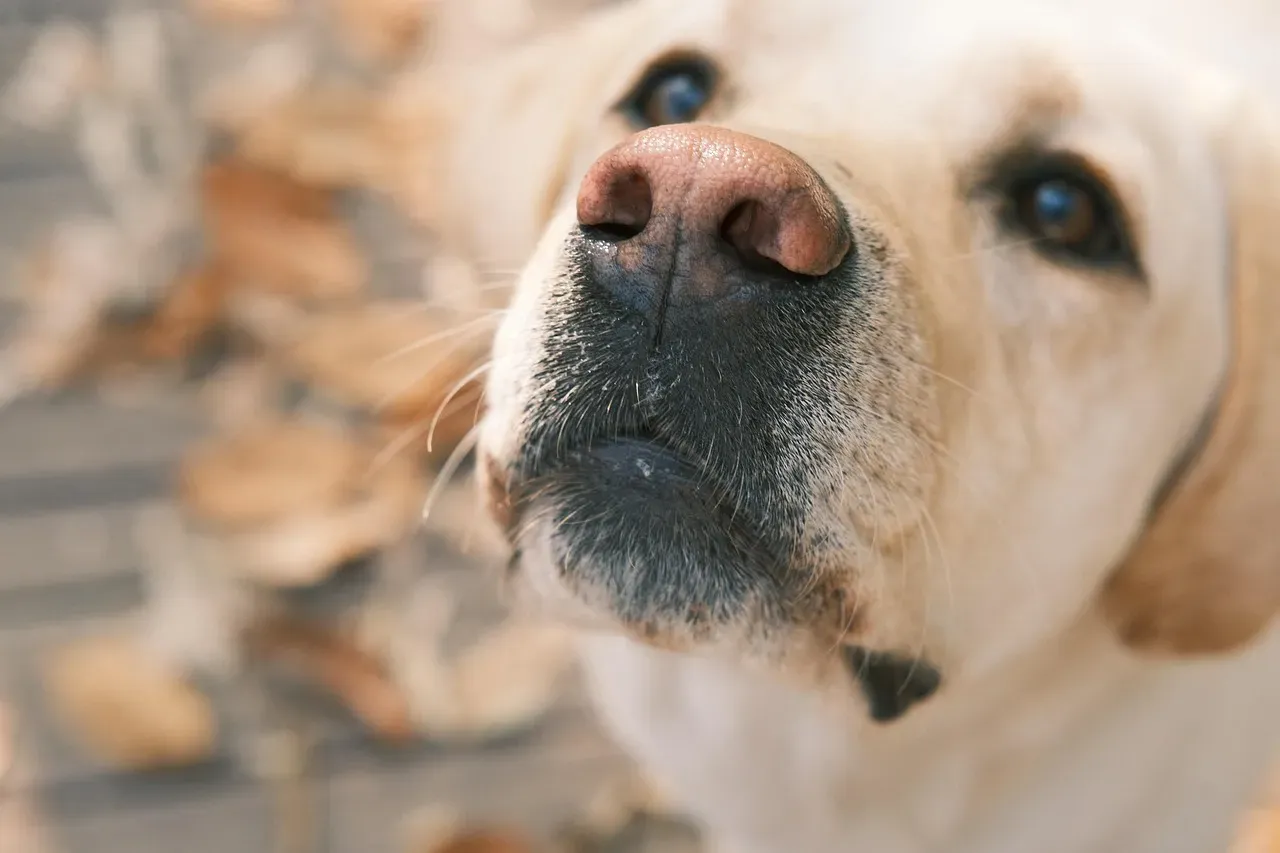
Eye contact between dogs can be complex. Too much of the wrong kind is actually a challenge or a threat in canine language. Soft, gentle eye contact, however, is a subtle and sweet sign your dog admires you. This behavior shows they feel safe and are quietly content in your presence.
A compelling study from the University of Japan found that when dogs and their owners gazed into each other’s eyes during a 30-minute period, both of their oxytocin levels increased. Oxytocin is known as the love hormone. It helps mothers bond with their babies. It also spikes when we’re around someone we love and trust. That’s a real biochemical connection, not just a sweet idea.
A trusting dog makes soft, gentle eye contact with you. This is different from a hard stare, which can signal discomfort or challenge. When your dog looks at you with relaxed eyes and maybe even slow blinks, they’re expressing affection and trust. Next time your dog gazes at you softly, hold that moment. It genuinely means something.
4. They Expose Their Belly Freely and Without Tension
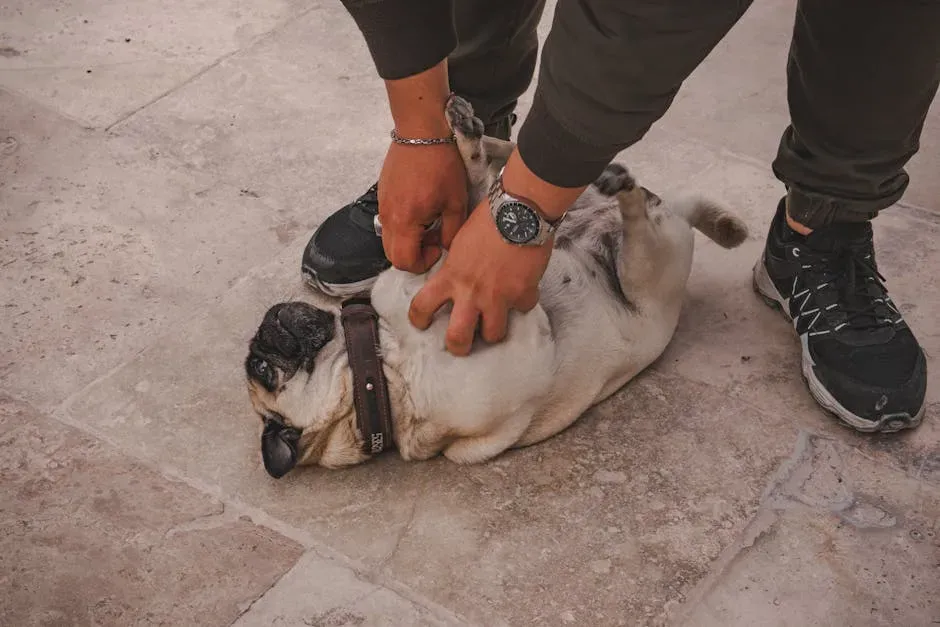
A dog rolling over to show their belly is one of the most recognizable gestures in the canine world, though it’s often misread. The greatest indicator of trust is showing off their belly. Since exposing the belly shows that a dog has dropped its guard and is emotionally comfortable, the posture demonstrates complete trust.
There’s an important nuance worth knowing here. A relaxed dog soliciting belly rubs will have loose, wiggly body language: tail wagging, soft eyes, mouth slightly open, maybe some happy squirming. Some dogs, however, roll over as a submissive gesture when they feel uncertain, particularly around unfamiliar people or in new environments. A dog showing its belly out of stress will look tense, with a stiff body, a tight mouth, tucked tail, and eyes that avoid yours.
One of the most revealing signs of trust is when your dog willingly sleeps on their back, exposing their belly. Since this is a vulnerable area, if the animal is even slightly unsure, they would rather hide it to avoid potential threats. The openness of the belly clearly indicates that your dog deeply trusts you. So always read the whole body, not just the pose.
5. They Turn to You When Something Startles or Worries Them
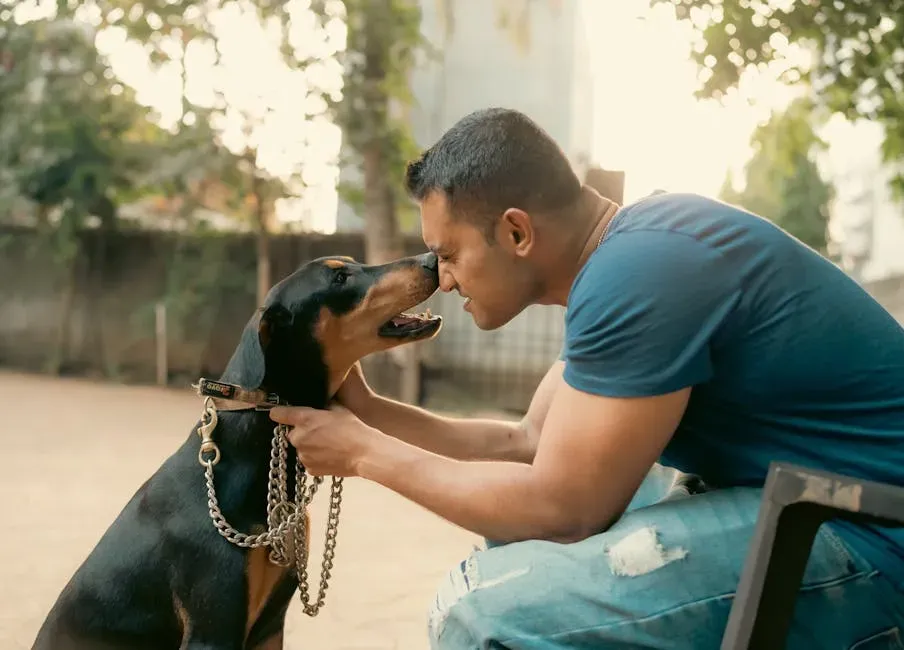
Pay attention to what your dog does in the first second after something surprises them. That instinctive reaction tells you more about your bond than almost anything else. When your dog is afraid, caught by surprise, or unsure, if they look to you for guidance, that’s a sign that you’re a safe person they trust to look after them. When a loud noise surprises them, or something catches them off guard, if you’re the person they turn to, your dog knows they can trust in you.
Sometimes life gets intense, and a dog who trusts their person is going to turn to them for help when feeling overwhelmed. Whether it’s dealing with a pushy stranger or an unexpected sound from outside, a dog who trusts you will look to you for direction. Thanks to the bond you’ve built, you become the security blanket, escape hatch, and translator all rolled into one.
This signal is especially touching in rescue dogs who’ve come from uncertain beginnings. When a dog who once flinched at every sound starts looking to you for reassurance instead of bolting or shutting down, that’s the relationship doing its work. For your dog, trust means feeling secure enough to be vulnerable around you. When a dog trusts their owner, they believe you won’t hurt them, will meet their needs, and will protect them when needed.
6. They Follow You Calmly, Without Anxiety
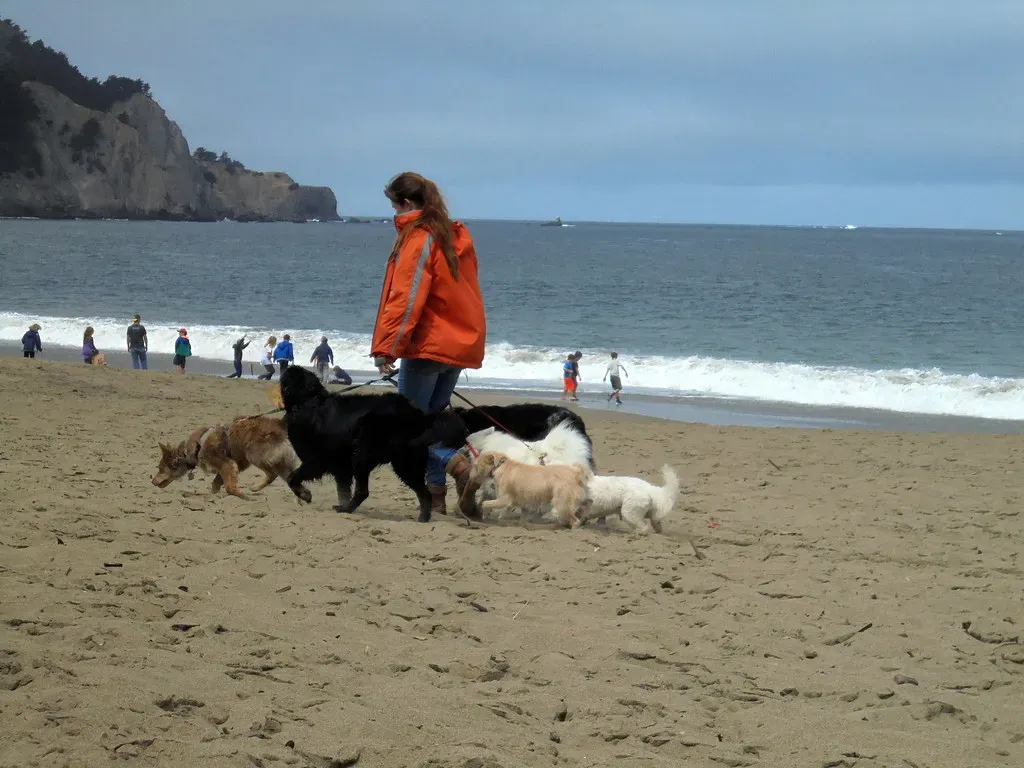
A dog who follows you from room to room gets a mixed reputation. Some owners find it endearing. Others wonder if it’s a sign of over-attachment. Context matters a great deal here. When a dog follows you around, they do not necessarily depend on you in an unhealthy way. A dog following you without being anxious shows that they trust you, are emotionally confident, and feel they are in a safe environment. A dog that is not anxious while doing this is showing that it is comfortable and safe for them to be near you.
A dog often follows their owner to provide emotional security and anchor their presence to daily routines and overall environment, reinforcing emotional stability and comfort. It’s the canine equivalent of a child wanting to stay in the same room as a calm, trusted parent. There’s nothing needy about it when the dog’s overall energy is relaxed.
The key distinction is the dog’s body language while following. Some dogs naturally stay close to their owners even in unfamiliar settings. If your dog checks in with you during a walk, looks back at you while exploring, or stays nearby in new situations, it shows they trust your guidance and feel secure. That quiet check-in glance during an off-leash walk is one of the most sincere things a dog can do.
7. They Eat Comfortably and Play in Your Presence
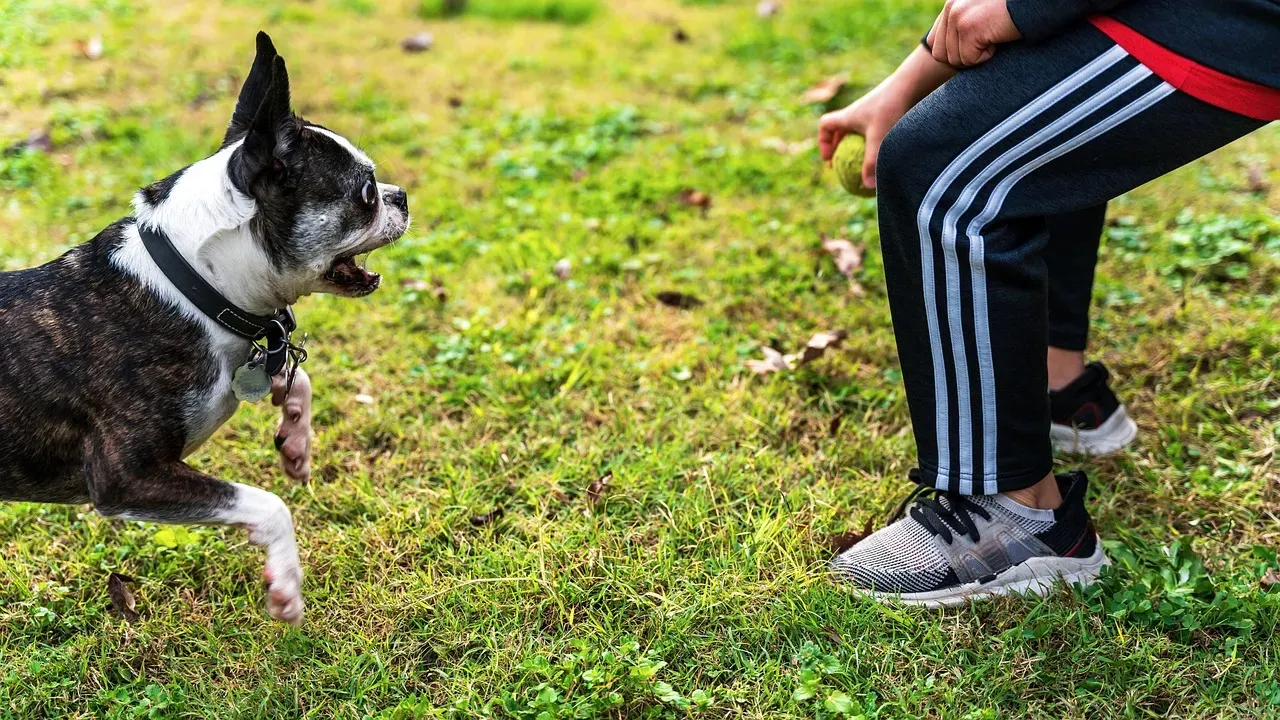
It might sound ordinary, but a dog eating normally around you or choosing to play in your company is genuinely meaningful. Resting by your side, especially in deep sleep, is a vulnerable behavior and a good sign. Eating can be a little more complicated. A dog who eats in your presence or takes treats from you is likely feeling safe.
It might be somewhat amusing if your dog plays with their toy while you’re trying to concentrate on something else. However, it’s actually a very good sign when a dog plays in your presence. Play requires a relaxed mind. Anxious dogs don’t play freely. A dog who brings you a toy, initiates a game, or happily chews their chew right next to you is displaying a comfortable, secure emotional state.
This is worth paying attention to, especially for new dog owners and those with rescues. Dogs under stress might stop taking treats, become unable to perform known commands, or show changes in their typical interaction patterns with people or other dogs. So a dog who readily eats treats from your hand and engages in play is giving you a quiet green light.
8. Their Ears Are Relaxed and Their Tail Wags Wide
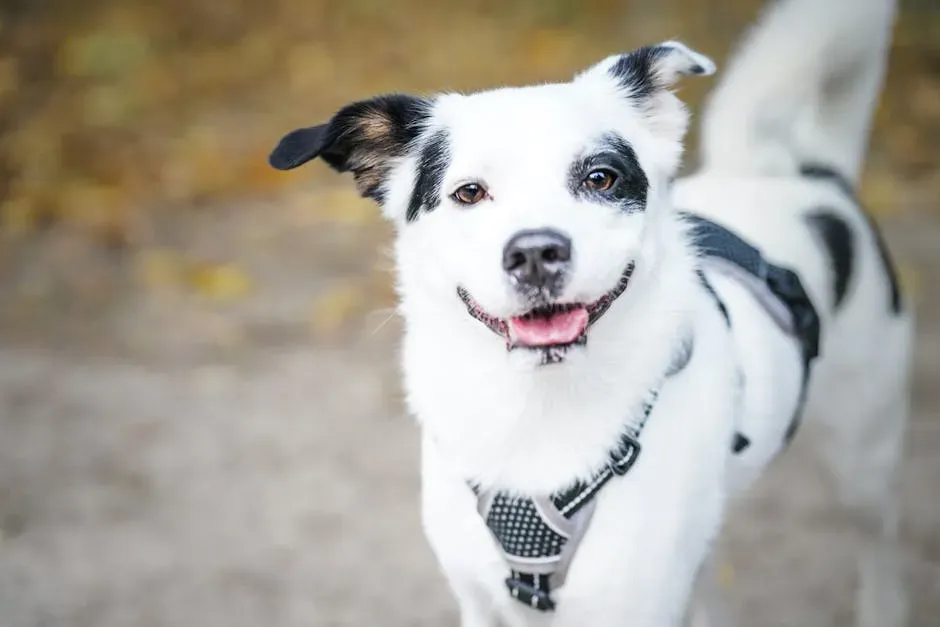
Two of the most expressive parts of a dog’s body are their ears and tail, though both are frequently misread. Relaxed ears that are neither pinned back nor overly alert, coupled with soft, squinty eyes, signify a content and secure dog. Ears that simply rest in their natural position, moving easily in response to sounds without tension, are one of the quieter signs of emotional ease.
Happy and relaxed dogs offer a great deal of body language information. The ears of these dogs can range from forward and relaxed to pointed back and relaxed. Dogs that are happy and submissive may even fold their ears back. A key sign is found in circular wags. If your dog is wagging their tail in a circle, it is showing you that they are very happy and joyful.
A study on tail-wagging showed that dogs tend to wag their tails more to the right when they’re feeling positive about something, such as interacting with their owner. So next time you notice a wide, sweeping, right-leaning tail wag paired with relaxed ears, know that your dog isn’t just happy in general. They’re happy because of you, specifically.
9. They Lean Into You or Seek Physical Contact on Their Own Terms
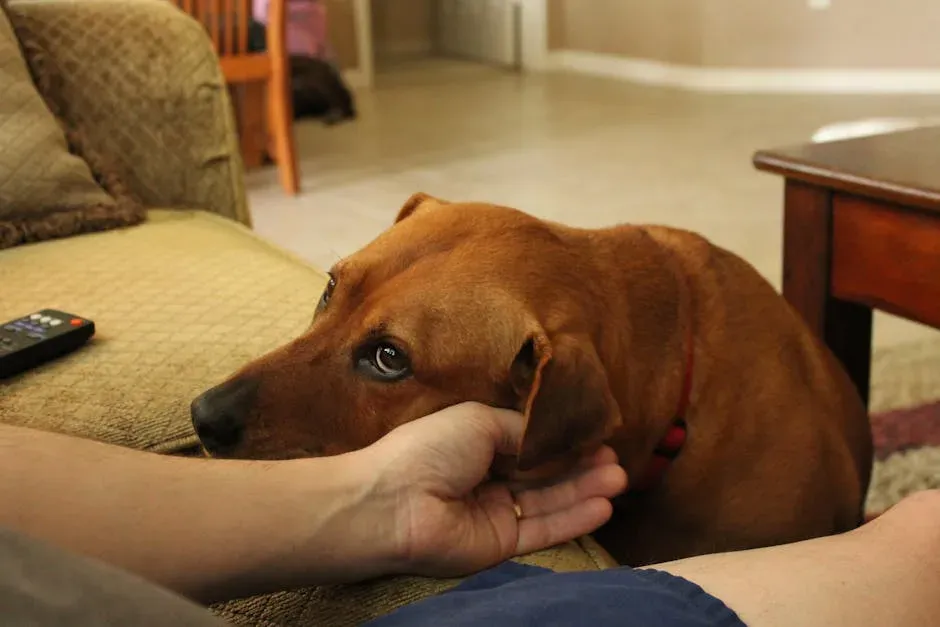
Physical closeness chosen freely by your dog is one of the warmest signals in the entire trust repertoire. If your pet seeks your touch, leans on you, rests their head on your thigh, or paws at you, that’s a meaningful gesture. Dogs only willingly engage in physical contact with someone they genuinely trust.
Dogs often use touch to express the need for reassurance. Leaning against an owner signals trust and a desire for closeness. Resting their head on a lap conveys a deep sense of security. These gestures aren’t random. They’re deliberate, even if they look casual. Your dog is choosing you.
The “on their own terms” part matters. When the day is over and it’s time to settle down, a dog who trusts you will want to hang out close to you. The degree of closeness depends on your dog’s individual preference. Some trusting pups will want to press right up against you, while others might camp out in their dog bed next to you with a single paw pressed against your foot. Either way, they like being close to you.
Conclusion: The Quiet Language of Safety
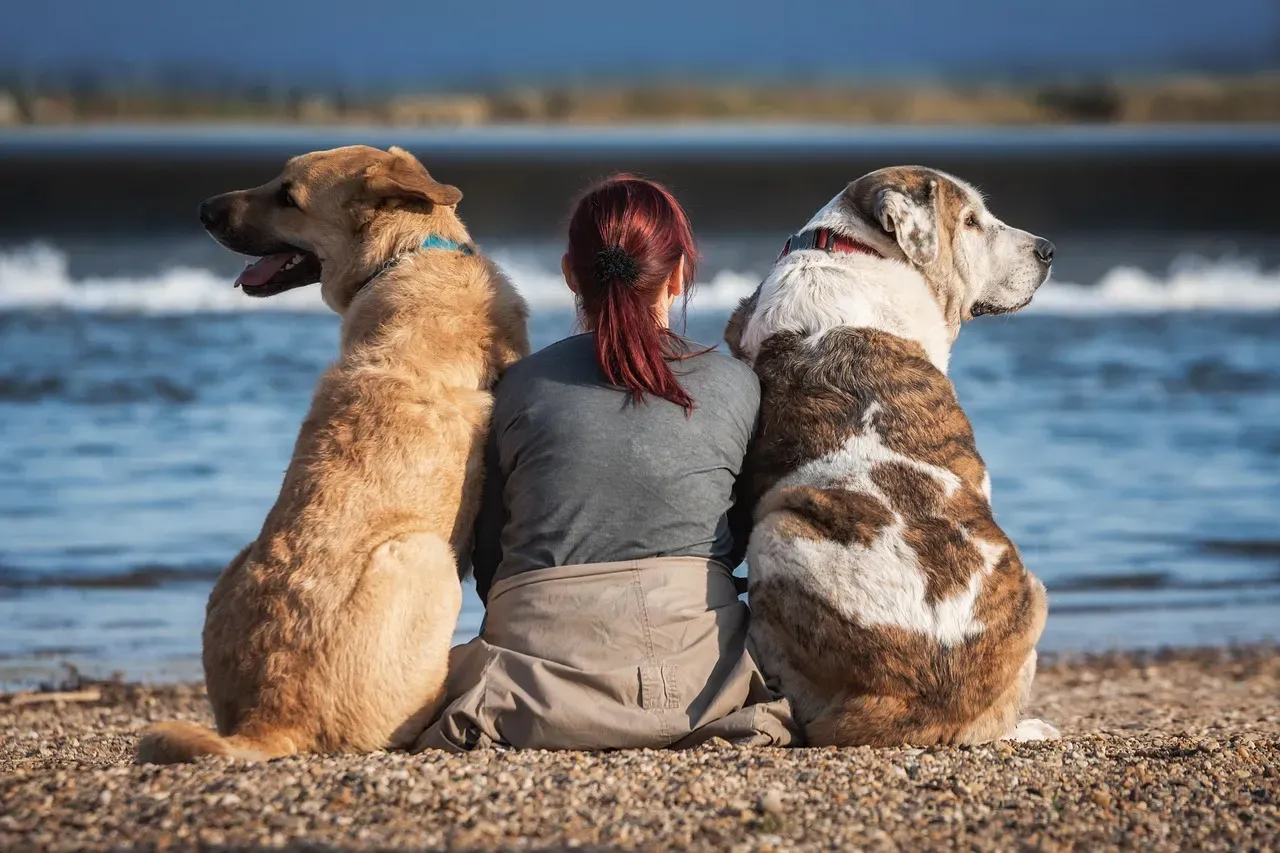
None of these signals require any grand gestures from your dog. They’re quiet, everyday moments. A heavy sigh during a nap. A glance back on a walk. A slow tail sweep when you walk into the room. These are the things that easy-to-miss but matter most.
Trust in dogs is built through routine, consistency, and emotional security. It’s not built in a single afternoon. This kind of trust builds slowly through hundreds of small, positive interactions. Every time you feed your dog on schedule, speak calmly during stressful moments, or play together, you’re making deposits in your trust account.
Understanding these signals changes how you see your dog. Suddenly, the dog curled at your feet isn’t just resting. They’re making a statement. And that statement is: I’m safe here. With you. That’s one of the most profound things any living being can communicate, and your dog has been saying it all along.


