

Florida summers don’t ease you in gently. By late May, you’re already looking at heat indices pushing past 100 degrees, thick humidity that makes even a short walk feel like wading through warm soup, and afternoon thunderstorms that do almost nothing to cool things down. For dog owners, that reality hits a little differently. You’re not just managing your own comfort. You’re managing your dog’s, too.
When living in a hot climate, choosing the right dog breed can significantly impact your pet’s well-being and comfort. The good news? Some dogs were practically built for this. Whether it’s a lean build, a short coat, or generations of evolution in scorching climates, certain breeds carry physical advantages that make Florida heat far more manageable. Here are ten of them, along with what makes each one tick and how you can keep them thriving all summer long.
1. Basenji: The Ancient Heat Warrior
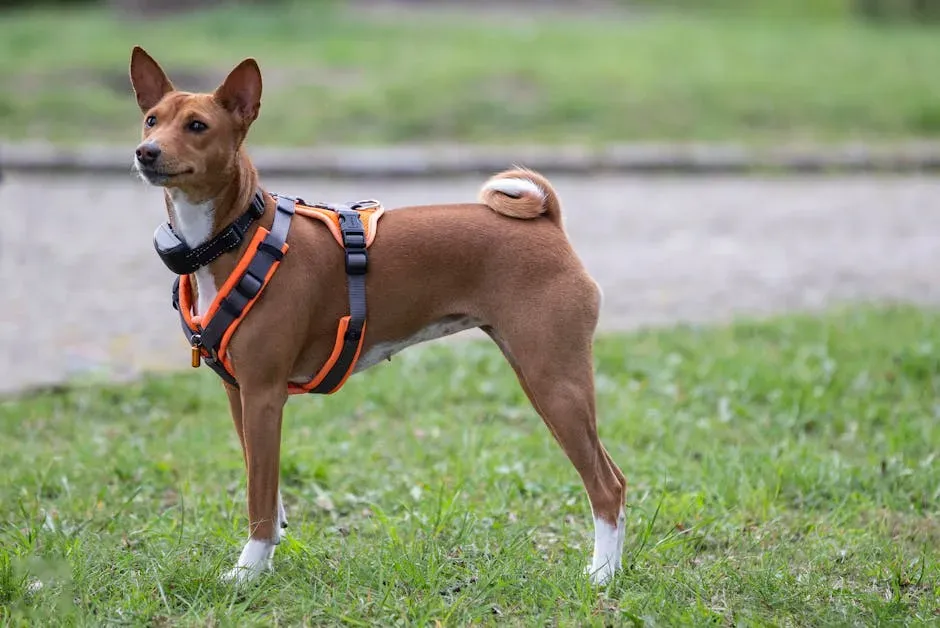
Originating from Central Africa, Basenjis have a rich history of living in hot climates. They are often called “barkless dogs” and are well-known for their cat-like grooming habits. Their short, fine coat provides natural insulation and allows for efficient heat dissipation, making them well-suited for warmer weather. This is a breed whose DNA is essentially coded for warmth. Basenjis are small hunting dogs first brought from interior Africa and given to the pharaohs of Ancient Egypt. The breed’s short, fine coat is chestnut red, black, tricolor, or brindle with white legs and feet. Small erect ears help keep the dog cool in hot weather.
Basenjis are highly adaptable and tend to be more tolerant of heat compared to other breeds. However, they still need access to shade and fresh water during hot days. One behavioral cue worth noting: Basenjis groom themselves much like cats, which keeps their coat cleaner and in better condition during the sweaty Florida months. Basenjis can be stubborn and are not the easiest to train. They need consistent, patient training and secure fencing to manage their strong prey drive and curiosity. A fenced yard is practically a necessity for this one.
2. Vizsla: The Energetic Sun-Lover
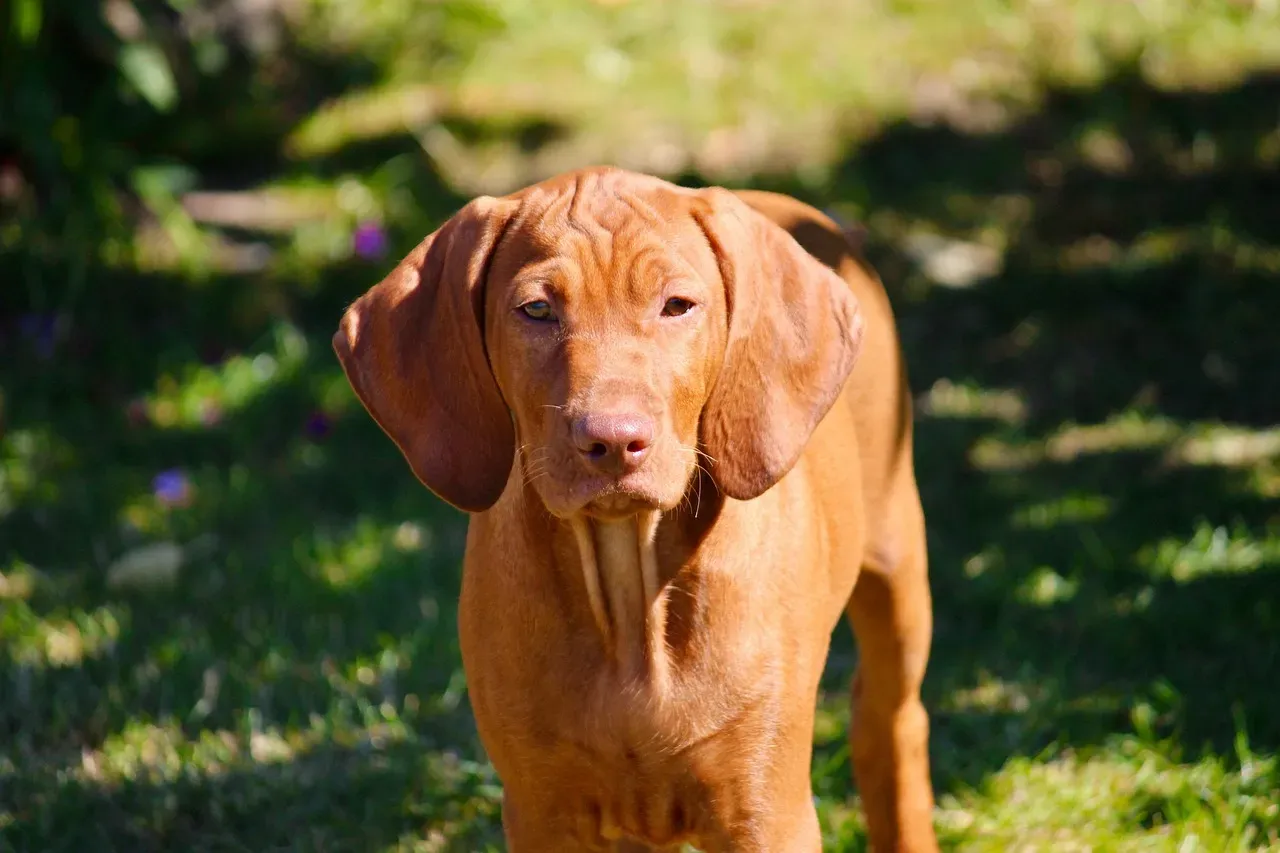
The Vizsla is a Hungarian breed known for its sleek, short coat that is ideal for hot weather. With their high energy levels and athletic build, Vizslas need plenty of exercise, which they handle well in warmer temperatures as long as they have adequate hydration. Their short coat is easy to maintain, and they are known for their affectionate nature and agility. In Florida, that affectionate quality becomes a real asset for active families who want a summer adventure companion.
Originating from Hungary, they are accustomed to various climates and can adapt well to heat. Vizslas require regular exercise, which they can comfortably endure in warmer weather. Schedule morning runs before 8 a.m. to keep them safe and comfortable. Watch for excessive panting, drooling, or sluggishness mid-exercise, which are early signs of heat stress that warrant an immediate water and shade break. Their golden-rust coat is also a lighter shade that helps reflect rather than absorb the sun’s rays.
3. Dalmatian: The Spotted Florida Fit
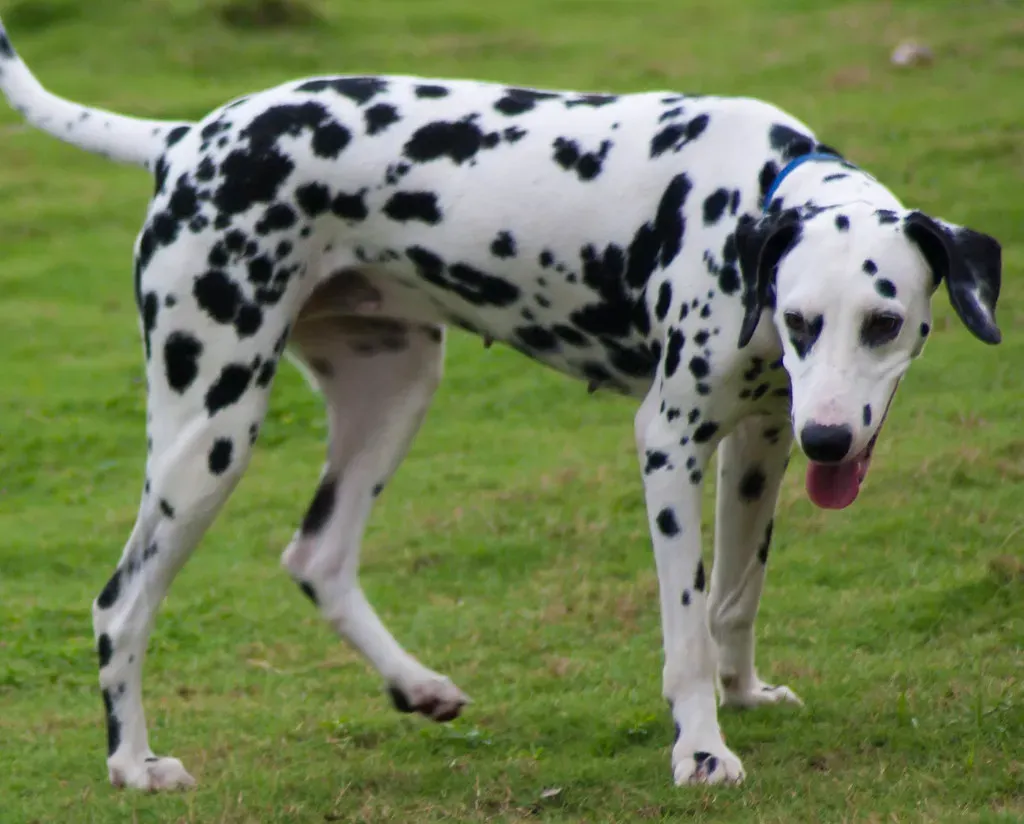
While the Dalmatian’s origins are obscure, by the early 1800s, the Non-Sporting Group member accompanied travelers in Dalmatia along the Adriatic Sea. With a short, white spotted coat, the breed is athletic but knows when it’s time to catch some rest in the sun. That white base coat is no coincidence. White, tan, or gray-colored coats reflect, rather than retain, heat. Dalmatians essentially wear a natural cooling palette.
Although they originate from Central Europe, the Dalmatian’s unmistakable spotted coat is thin and lacks an undercoat. Because of that, the breed tolerates life in hot climates. Dalmatians are also high-energy dogs, so Florida’s parks, trails, and dog beaches are genuinely their happy place. This energetic breed enjoys physical activities, making it well-suited for an active lifestyle in a hot climate. Regular exercise and access to shade and water are essential to keeping them comfortable. If you’re a runner who lives in Tampa or Miami, a Dalmatian might be your perfect early morning partner.
4. Greyhound: The Effortless Thermoregulator
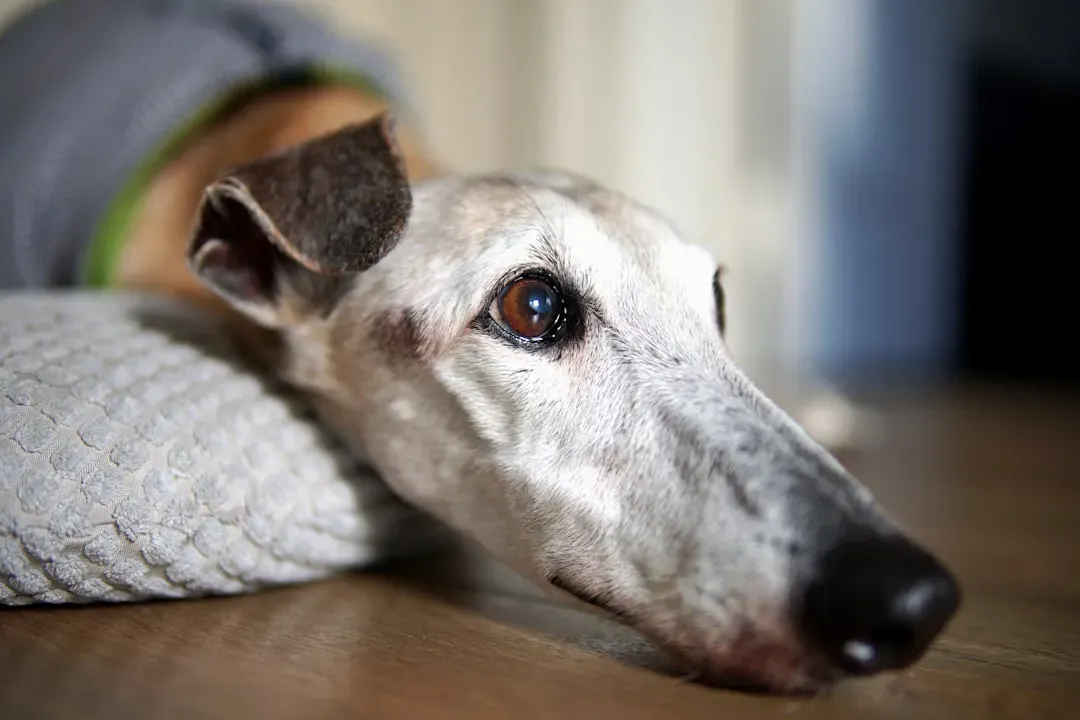
A Hound Group member and sprinter with a lean body mass, the Greyhound can easily regulate its body temperature when the weather heats up. The science behind this is fairly straightforward. With origins dating back to ancient Egypt and the Middle East, Greyhounds have a history of living in hot climates. Their thin, short coat helps regulate body temperature, and their lean build promotes better heat dissipation. Less body mass means less heat generated and more surface area to release it.
No matter what the size of a Greyhound, they all do fairly well in hot weather thanks to their lack of body fat, short hair, and thin physique. Interestingly, Greyhounds are famously relaxed indoors and can spend most of the day lounging around contentedly. That indoor calm actually helps them conserve energy during the hottest parts of a Florida afternoon. Be cautious during extreme temperatures, as even Greyhounds can suffer from heatstroke. Always bring water on outings, even for a breed this naturally equipped.
5. Chihuahua: Small Dog, Big Heat Tolerance
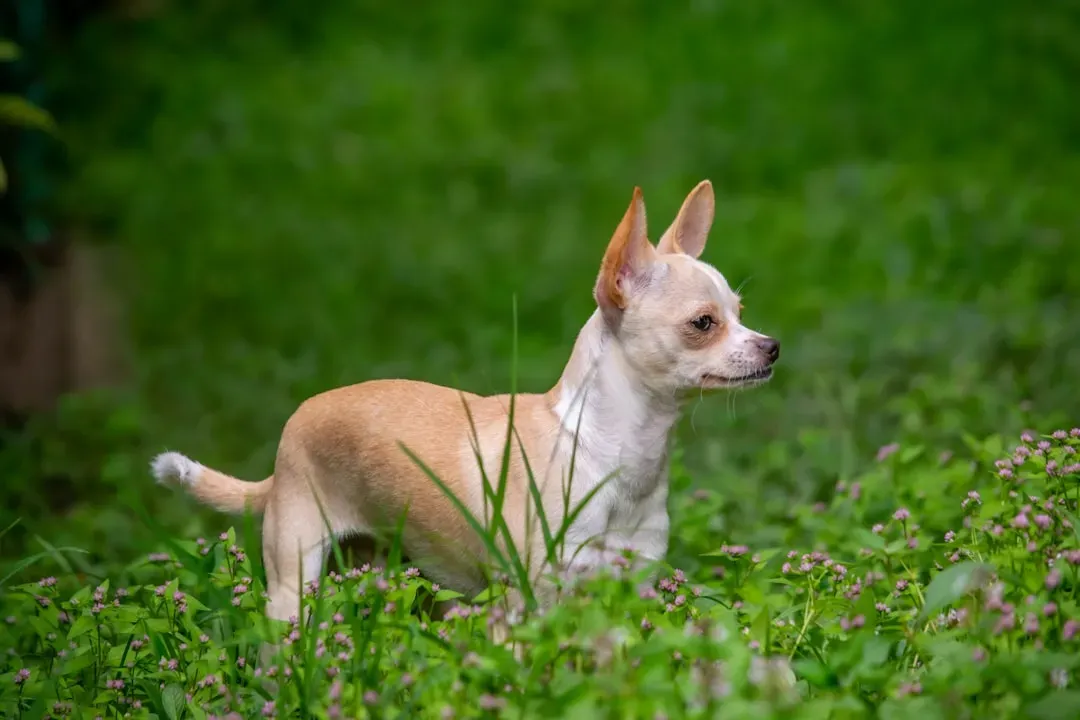
Originating in the Mexican desert, the Chihuahua is a national symbol of Mexico with a lineage dating back to the ancient kingdoms of pre-Columbian times. This 2-to-5-pound dog with large erect ears and a thin coat seeks warmth and needs a sweater and a warm lap when the temperature drops. The very traits that make Chihuahuas struggle in cold weather are exactly why they thrive in Florida. Their small size allows them to dissipate body heat more efficiently.
Chihuahuas have different coats, which can affect how likely they are to overheat. A single-coated short-haired Chihuahua is better adapted than a long-haired double coat. Either way, their large erect ears disperse excess heat. One practical note for Florida Chihuahua owners: not every sidewalk will be safe. Asphalt, tar, and concrete can get as hot as 125 degrees in direct sunlight during the scorching summer months, which could burn your Yorkshire Terrier’s paws – and the same applies to tiny Chihuahua paws. Stick to grassy areas or early morning walks to protect those small feet.
6. Whippet: The Lean, Laid-Back Floridian
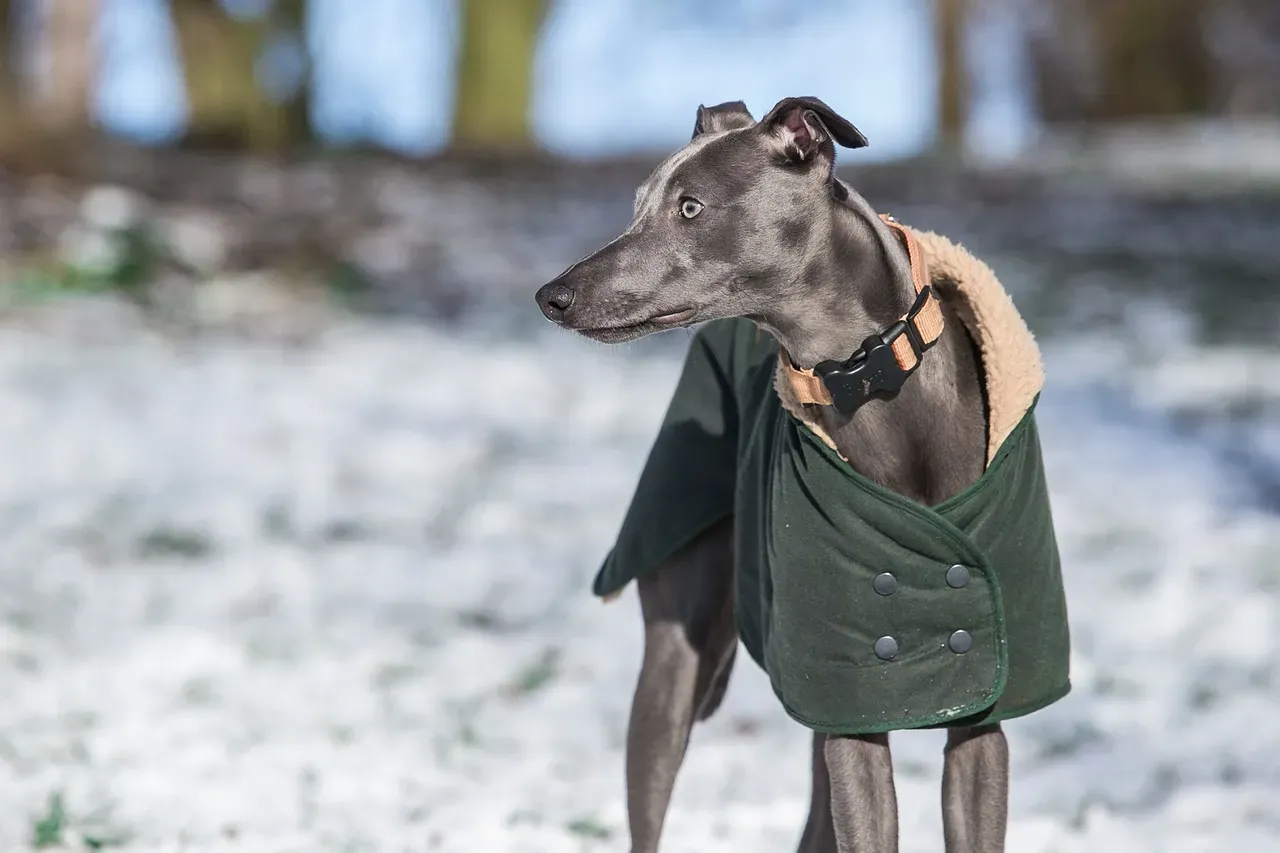
Whippets are a breed with a short, thin coat that adapts well to hot climates. They are slender, medium-sized dogs that are incredibly fast and agile. Their low body fat and minimal undercoat help them stay cool in the heat. Whippets are gentle and affectionate, making them great companions in warm weather. They’re also one of the quieter breeds on this list, which is a bonus if you live in a Florida apartment or condo community.
Whippets have short hair which prevents insulation and allows cooler air to circulate, a long nose to take in air and large open ears to disperse heat. Plus they are a lean and athletic breed, meaning they fare better in hot weather because they expend less energy just moving around. One of the biggest perks of having a Whippet in warm climates is their low-maintenance coat. They don’t shed excessively, require minimal grooming, and rarely develop that “doggy odor.” For busy Florida pet parents, that’s genuinely good news.
7. Australian Cattle Dog: Born for the Blazing Outdoors
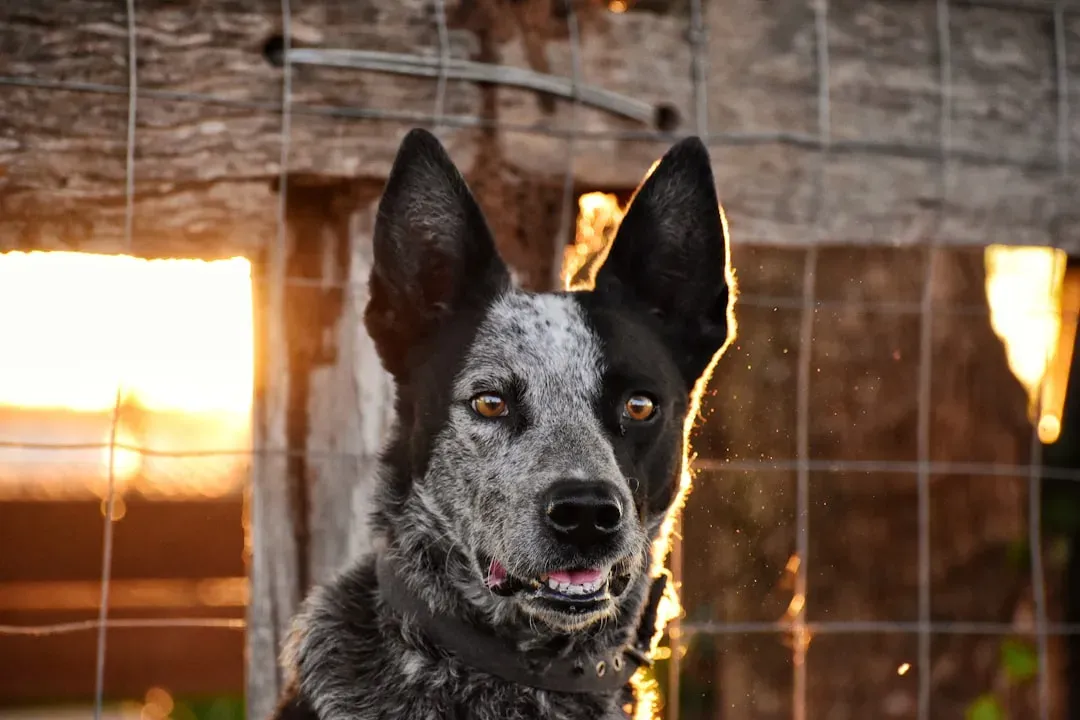
Hailing from hot weather Australia, the Australian Cattle Dog is related to the Dingo in the outback and is accustomed to working in hot weather. This Herding Group member is born with a short double white coat that turns gray or red. The connection to the Dingo matters here, because wild dogs adapted over centuries to survive in extreme Australian heat. Australian Cattle Dogs have a short, weather-resistant coat that can handle a variety of climates, including hot ones. These dogs are highly energetic and thrive in active environments. They are intelligent and robust, making them well-suited for working or active families. Their double coat helps protect them from the sun and keeps them comfortable in warmer temperatures.
These dogs need a job. Without mental and physical stimulation, an Australian Cattle Dog in a Florida suburb will find their own entertainment, and it usually involves your furniture. Give them a task, whether it’s agility training, dock diving at a local facility, or advanced obedience work. These pups are highly intelligent and natural herders. Jogging partner, anyone? Just be aware that they may be uninterested in or stand-offish with strangers, so teach them good manners early on. Early socialization is key.
8. Rhodesian Ridgeback: The African Endurance Dog
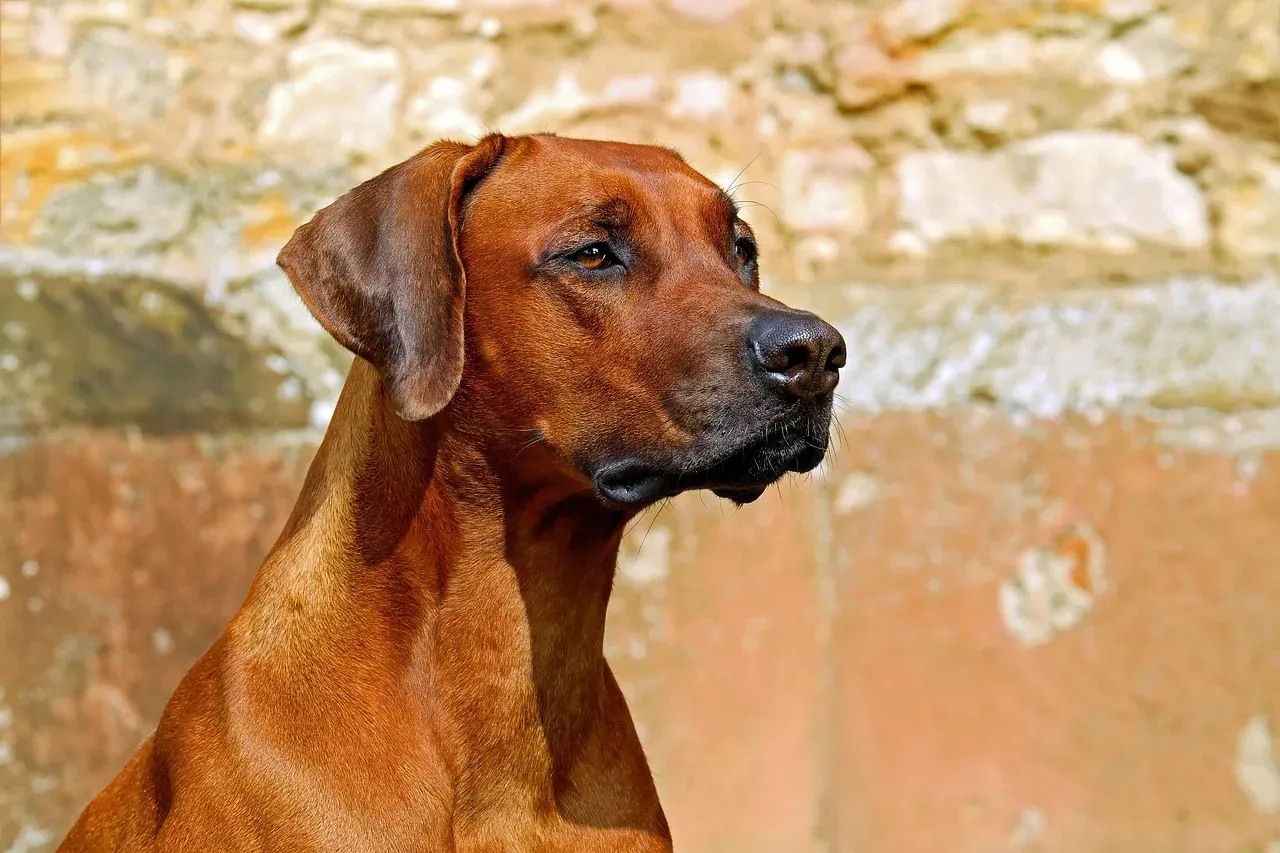
Rhodesian Ridgebacks are originally from southern Africa and are well-adapted to hot, dry climates. Their short coat and robust build make them tolerant of high temperatures. They are known for their endurance and can handle outdoor activities even in warmer conditions. That origin story is significant. Southern Africa is unforgiving terrain, and Ridgebacks were bred to pursue lions across it. Florida is comparatively manageable for a dog with that heritage.
Rhodesian Ridgebacks, originally bred in Africa, are well-adapted to hot climates. Their short, sleek coat and strong, muscular build make them well-suited for warmer temperatures. They are known for their endurance and protective nature, making them excellent family dogs. Despite their heat tolerance, they should have access to plenty of water and avoid prolonged exposure to the sun. One behavioral cue to watch: if your Ridgeback starts seeking shade on their own and losing interest in play, that’s their way of telling you the heat has crossed from comfortable to taxing. Always respect that signal.
9. German Shorthaired Pointer: The Natural Swimmer
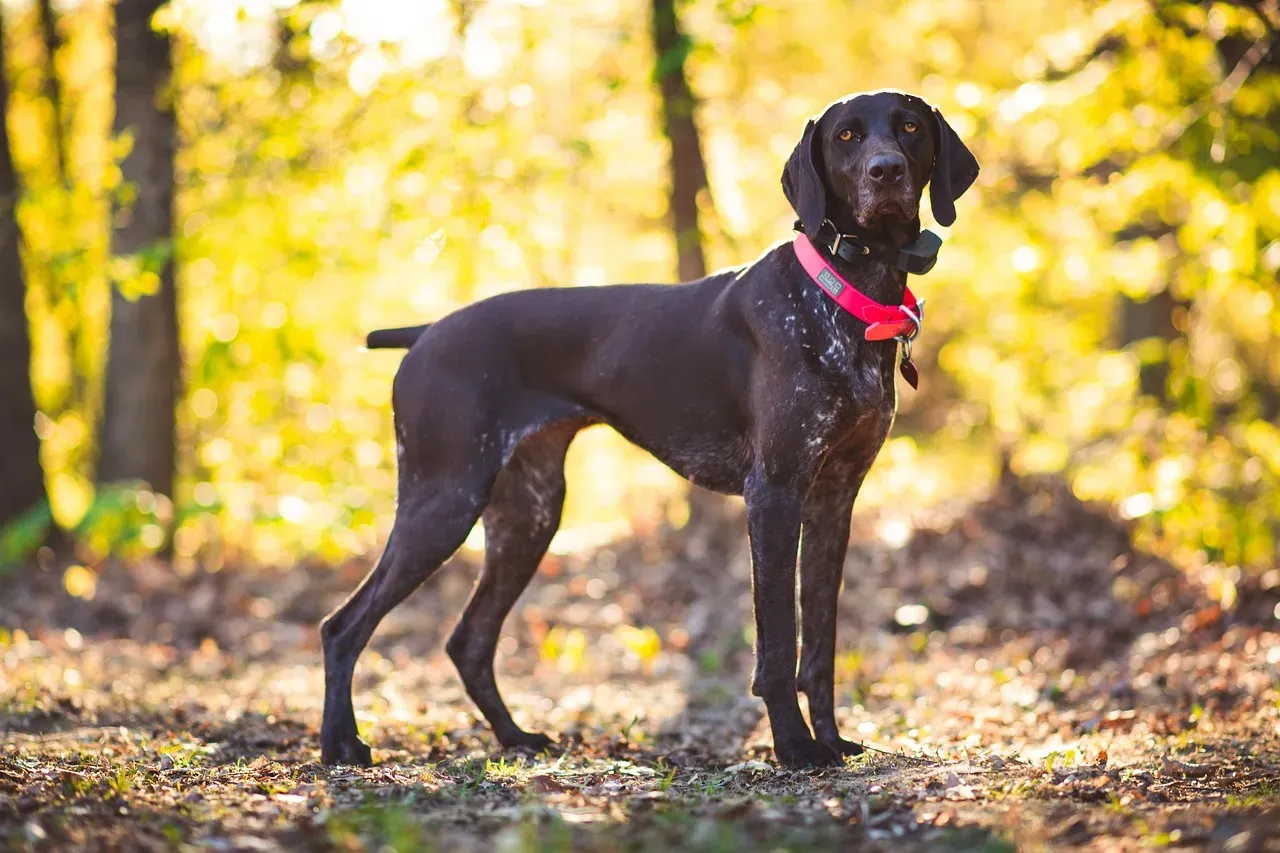
With a short coat in solid liver or liver and white, the German Shorthaired Pointer is a member of the Sporting Group. With a high activity level, the GSP is a natural swimmer and knows when to cool off when it feels the heat. Florida is basically a German Shorthaired Pointer paradise. Between the lakes, rivers, Gulf beaches, and Atlantic coastline, water is never far away, and this breed genuinely uses it as a cooling mechanism.
German Shorthaired Pointers are known for their robust energy and versatility in outdoor activities. Their short, dense coat makes them well-suited for hot climates. They’re perfect for active individuals or families who love outdoor adventures such as hiking, running, or hunting. This breed thrives in an environment where they can expend their energy and satisfy their high exercise needs. Their strong prey drive and energy require consistent training and socialization from a young age. A GSP with proper training and regular water access is one of the most joyful dogs you’ll own in a Florida summer.
10. Havanese: The Tropical Island Dog

The Havanese breed was developed in a tropical climate in Cuba (hence the “Havana”). They have a unique coat of long, silky hair that acts as a natural insulator. This helps to protect them from the sun’s rays and provides a barrier against excessive heat. Along with their luxurious coat, Havanese dogs have a smaller size which helps them disperse body heat more effectively, enabling them to better handle hot weather.
The Havanese is perhaps the most overlooked name on this list, and that’s a shame. Their tropical Cuban roots make them genuinely well-suited to Florida’s climate in a way that surprises many new owners. Keep the coat well-groomed throughout summer, as matting reduces airflow through the fur and can trap heat close to the skin. They’re also cheerful, social, and wonderfully adaptable to apartment or condo living, making them a practical choice for Florida’s densely populated coastal cities. Even if you have a hot-weather dog breed, take precautions to keep them safe in the heat. Water is key. Ensure your dog has access to fresh, clean water always to avoid dehydration. Place multiple water bowls around your home and yard.
Keeping Any Hot-Weather Breed Safe in the Florida Summer
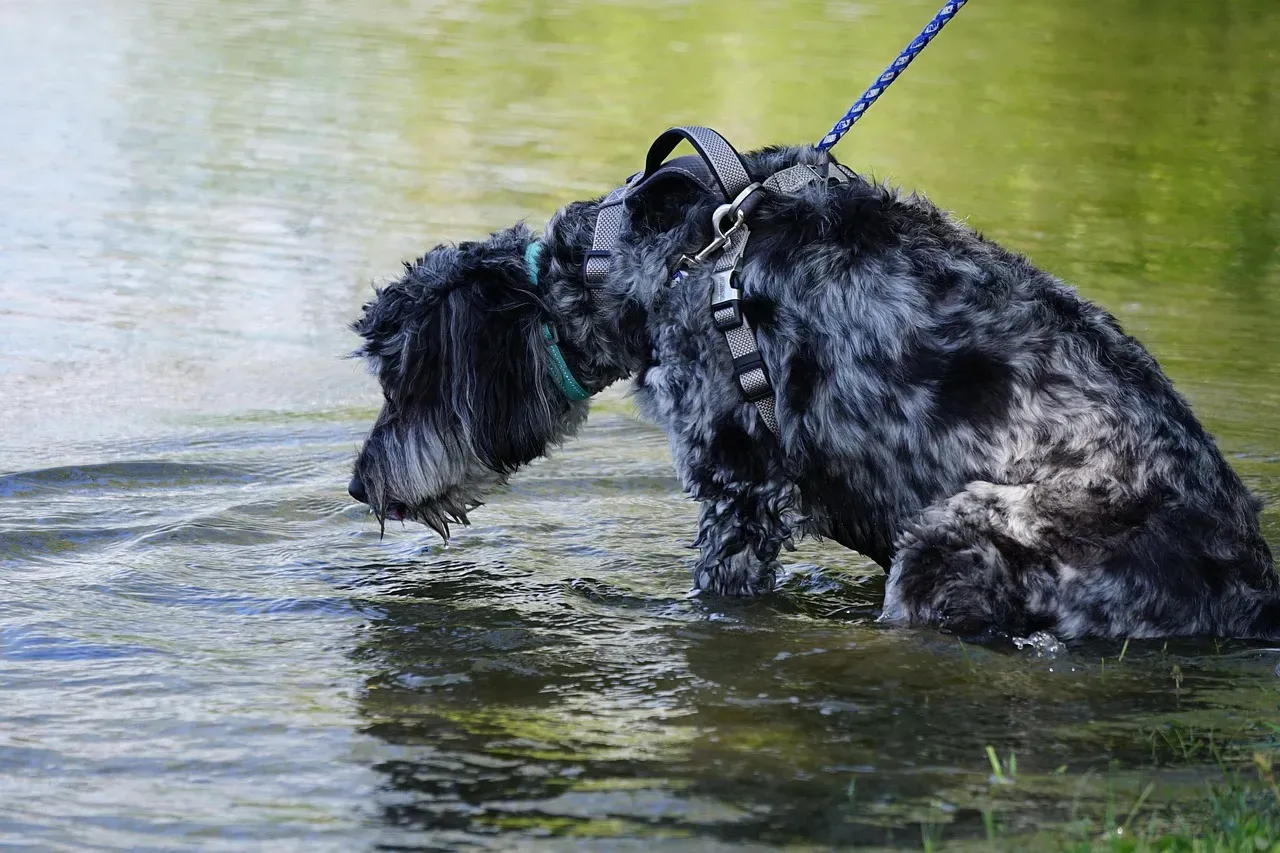
Hot weather can be dangerous for all dogs, and can lead to heat exhaustion, heat stroke, or even death. Dogs are most susceptible to heat stroke when they are left in hot cars, left outside in hot and humid weather without shade, or access to cool fresh water, or exercising in hot conditions. Even the most heat-tolerant breeds on this list are not heat-proof. They simply have a wider safety margin than most.
Avoid taking your dog for walks during the hottest parts of the day. Opt for early mornings or evenings when temperatures are cooler. Since dogs cannot efficiently regulate their internal body temperature, some brachycephalic breeds, those with dark or thick double coats, and overweight pets may be more susceptible to heat stroke and dehydration. Keep your dog at a healthy weight, schedule regular vet checkups, and never underestimate how fast Florida heat can escalate into a real emergency.
A Final Thought for Florida Dog Lovers
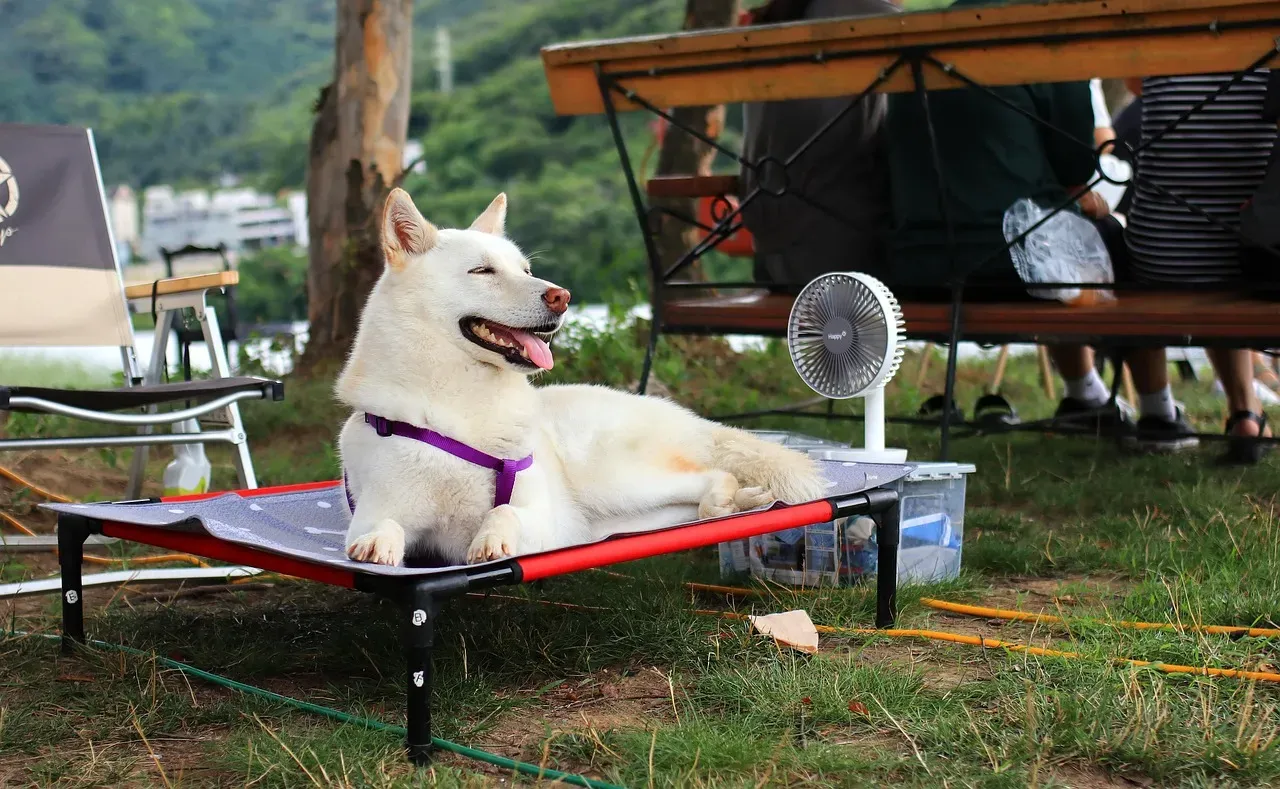
Choosing the right breed for your climate is one of the most genuine acts of care a dog owner can offer. It’s not about finding the trendiest dog or the most Instagrammable one. It’s about matching a living creature to an environment where they can genuinely be comfortable and happy. In general, dogs that can handle hot weather have roots in warmer climates, short coats, or physiques that effectively cool air as they breathe.
The ten breeds above share that natural advantage. Still, no breed thrives on biology alone. Fresh water, shade, early morning exercise, and your own attentiveness matter just as much as genetics. Florida summers are long and they’re relentless. The dog by your side deserves to enjoy them too, not just survive them.


