
Wildlife Trade Amplifies Zoonotic Disease Risks Over Decades, Major Study Reveals
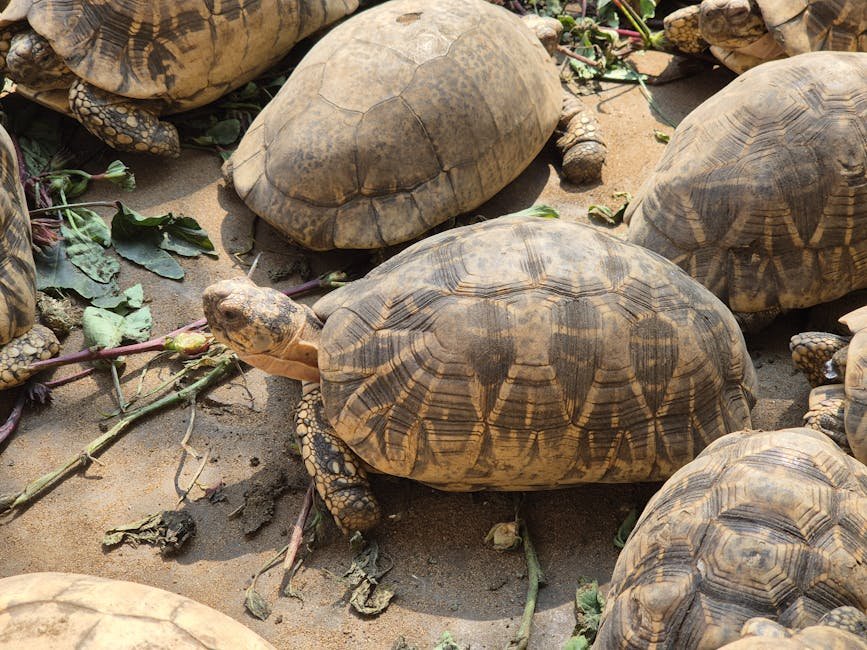
The global wildlife trade, a multibillion-dollar industry spanning meat, furs, pets, and more, has long raised alarms about disease transmission from animals to humans. A comprehensive new study published in Science examined 40 years of trade records and pathogen data from thousands of mammal species, revealing that traded animals pose significantly higher risks of spillover events.[1][2] Researchers found that the longer species remain in circulation, the more pathogens they share with people, underscoring an urgent need for tighter controls.
Traded Mammals Harbor Far More Human Pathogens
Among 2,079 mammal species involved in wildlife trade, 41 percent carried at least one pathogen known to infect humans, compared to just 6.4 percent of non-traded species.[1] This made traded mammals 1.5 times more likely to serve as zoonotic hosts, even after accounting for factors like geographic range, human proximity, and research biases.
The analysis drew from diverse sources, including the Convention on International Trade in Endangered Species (CITES) for legal trade since 1975, U.S. import records via the Law Enforcement Management Information System (LEMIS) from 2000 to 2022, and data on illegal seizures.[1] Pathogen associations came from a vast database covering viruses, bacteria, fungi, helminths, and protozoa. These patterns held firm across controls for phylogeny and other variables.
Time in Trade Drives Pathogen Accumulation
One of the study’s most striking discoveries emerged from tracking 583 CITES-listed species between 1980 and 2019: each decade a species spent in trade correlated with one additional shared pathogen with humans.[1][3] On average, species lingered in markets for about 10 years, steadily building risks as animals encountered hunters, transporters, breeders, and buyers.
This temporal effect proved robust, with statistical models showing a strong predictive link. “That time-in-trade effect is the smoking gun,” said Colin Carlson, an epidemiologist at the Yale School of Public Health and co-author.[4] Prolonged exposure created repeated opportunities for pathogens to jump species barriers and adapt.
Live Sales and Illegal Markets Heighten Dangers
Live animal trade amplified threats further, with such species 1.34 to 1.5 times more likely to share pathogens than those sold as products like meat or pelts.[1] Crowded markets fostered close contact, echoing outbreaks like the 2003 mpox from prairie dogs in the U.S. or salmonella from imported reptiles.
Illegal trade added another layer, as involved species harbored 1.4 times more pathogens on average.[5] Yet researchers stressed that legal channels carried risks too. “There’s no safe trade,” noted lead author Jérôme Gippet of the University of Fribourg. “As long as we continue trading species, we will expose ourselves to this problem.”[2]
- 41% of traded mammals share pathogens with humans vs. 6.4% non-traded.
- 1 additional pathogen per 10 years in trade.
- Live trade: 1.5x more pathogens shared.
- Illegal trade: 1.4x higher pathogen load.
- Synanthropic (urban-adapted) species: 1.2x risk, partly tied to trade.
Mechanisms and Historical Context
Trade facilitates spillover through hunting, transport, storage, and sales, where stressed animals in proximity shed pathogens more readily. Global networks ignore borders, complicating containment. Past events like SARS and COVID-19, potentially linked to wildlife markets, highlight the stakes.[2][3]
The study controlled for wild meat consumption and urban adaptation, finding trade’s direct impact dominant. U.S. data from LEMIS underscored imports’ role in domestic risks.[1]
| Factor | Odds Ratio | Key Insight |
|---|---|---|
| Traded vs. Non-Traded | 1.5x | Highest direct risk |
| Live Trade | 1.34-1.5x | Proximity drives jumps |
| Illegal Trade | 1.4x pathogens | Evades oversight |
| Time (per decade) | +1 pathogen | Cumulative threat |
Experts like Meredith Gore of the University of Maryland called for broader action: “Focusing on illegal wildlife trade is not enough.”[4] Enhanced biosurveillance at farms, markets, and borders could detect threats early.
Key Takeaways
- Reducing overall trade volume limits human-animal contact and spillover opportunities.
- Monitor high-risk pathogens like coronaviruses in trade hubs and worker populations.
- Legal and live trades demand equal scrutiny to legal and illegal ones.
This study delivers the clearest evidence yet that curbing wildlife trade safeguards public health and biodiversity alike. Policymakers now face a clear path: prioritize surveillance and trade limits to avert the next outbreak. What steps should governments take next? Share your thoughts in the comments.