
Buffalo-Area Man Ends Two-Year Legal Battle Over Seized Pet Alligator
Hamburg, N.Y. – Tony Cavallaro has closed the chapter on a contentious fight to reclaim his longtime pet alligator, Albert, more than two years after state authorities removed the reptile from his home. The 66-year-old resident of this Buffalo suburb built a special indoor habitat for the 12-foot, 750-pound animal, which he had raised since it was a hatchling. His decision to drop the lawsuit against the New York Department of Environmental Conservation marks the end of a saga that captivated animal lovers nationwide.[1][2]
A Baby Gator Grows into Family Member
Over three decades ago, Cavallaro purchased a two-month-old alligator named Albert at a reptile show in Ohio. What began as a novelty quickly evolved into a deep companionship. He invested $120,000 in a custom home addition featuring heated floors, a pond with waterfalls, spa jets, tropical plants, pillows, and even a bar – creating an ideal environment for the growing reptile.[2]
Cavallaro described Albert as his emotional support animal, a gentle giant who lived indoors, often in a swimming pool. The alligator reached 12 feet in length and weighed 750 pounds, yet Cavallaro insisted he remained docile, like “just a big baby” who never showed aggression.[1] For 34 years, Albert knew no other home, sharing quiet days with his devoted owner.
Sudden Seizure Shocks the Neighborhood
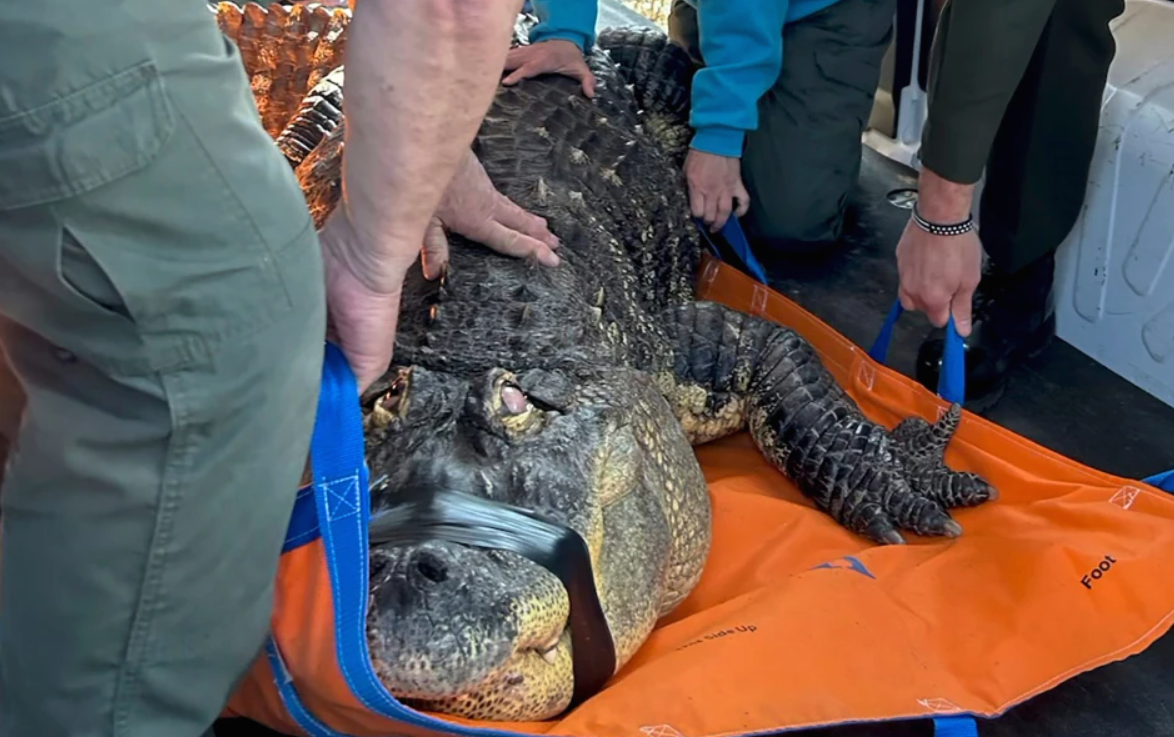
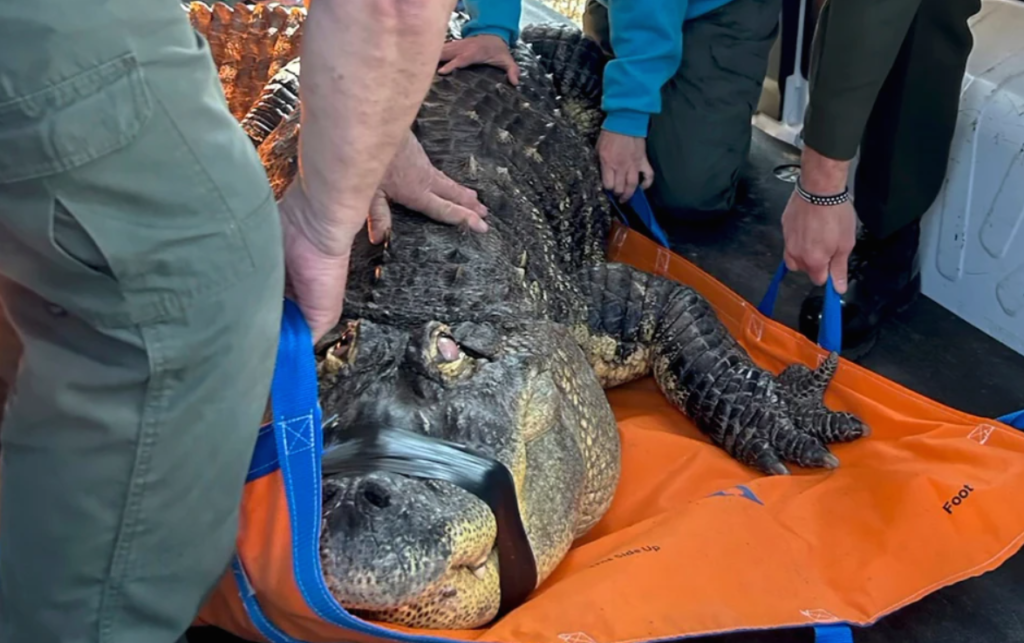
On March 13, 2024, Department of Environmental Conservation officers arrived at Cavallaro’s driveway with a warrant. They sedated the massive alligator and transported it away, citing an expired license from 2021 and other violations. State rules prohibit public contact with dangerous wild animals, and investigators found evidence that visitors had petted Albert and entered the pool with him.[1]
The operation unfolded swiftly, with officers taping the reptile’s mouth for safety during removal. Cavallaro watched helplessly as his companion of decades was loaded onto a truck. The event thrust the quiet suburb into the spotlight, sparking immediate outrage among locals who viewed Albert as a beloved fixture.
Health Concerns Fuel the Dispute
Authorities highlighted Albert’s deteriorating condition at the time of seizure, including blindness in both eyes, spinal complications, and additional health problems. They argued these issues, combined with the license lapse, necessitated intervention to ensure the animal’s welfare.[1]
Cavallaro contested these claims, maintaining that his veterinarian treated the alligator for cataracts and that no spinal problems existed. He had sought to renew his possession license, but the DEC denied the application, prompting his lawsuit. The case centered on whether prior infractions warranted permanent separation.
Public Outpouring and Costly Courtroom Drama
The seizure ignited a wave of support for Cavallaro and Albert. Online petitions circulated widely, while neighbors displayed “Bring Albert Home” signs on their lawns. Supporters donned “Free Albert” T-shirts and buttons, turning the story into a viral cause that reached far beyond New York.[2]
The legal proceedings dragged on for nearly two years, draining Cavallaro’s retirement savings. His attorney, Peter Kooshoian, explained the toll: “Ultimately, it didn’t seem worth it at the end of the day.” Continued litigation promised at least another year of expenses, stress, and DEC oversight if Albert returned.[2]
- Petitions gathered thousands of signatures demanding Albert’s release.
- T-shirts and merchandise sold to fund legal fees.
- Lawn signs dotted the Hamburg neighborhood in solidarity.
- Social media campaigns amplified Cavallaro’s pleas nationwide.
- Local media coverage kept the story alive for years.
A Reluctant Goodbye
Last month, Cavallaro made the painful choice to withdraw the suit. In a recent interview, he reflected on the ordeal: “They were never going to give me this alligator back, and it was going to cost me a ton more money. Another year and a half – at least – of stress.” He admitted lingering resentment: “I’m not at peace. I don’t think I ever will be. I’m very angry about the whole thing.”[1]
Meanwhile, Albert has settled into Gator Country, a reptile rescue and sanctuary in Beaumont, Texas. There, the aging alligator enjoys professional care among other reptiles, with visitors able to observe him safely. Cavallaro has seen recent photos but holds no plans to visit, closing the door on their shared past.
The resolution underscores the challenges of exotic pet ownership amid strict wildlife regulations. Albert’s relocation prioritizes his long-term well-being, even as it leaves Cavallaro without his faithful companion of over 30 years.
Key Takeaways
- Albert’s seizure stemmed from an expired license and public contact violations.
- The legal battle cost Cavallaro dearly in time, money, and emotion.
- Public support rallied but could not sway state authorities.
As Albert adapts to his new Texas home, questions persist about balancing personal bonds with public safety. What do you think about exotic pets like alligators in suburban settings? Tell us in the comments.