
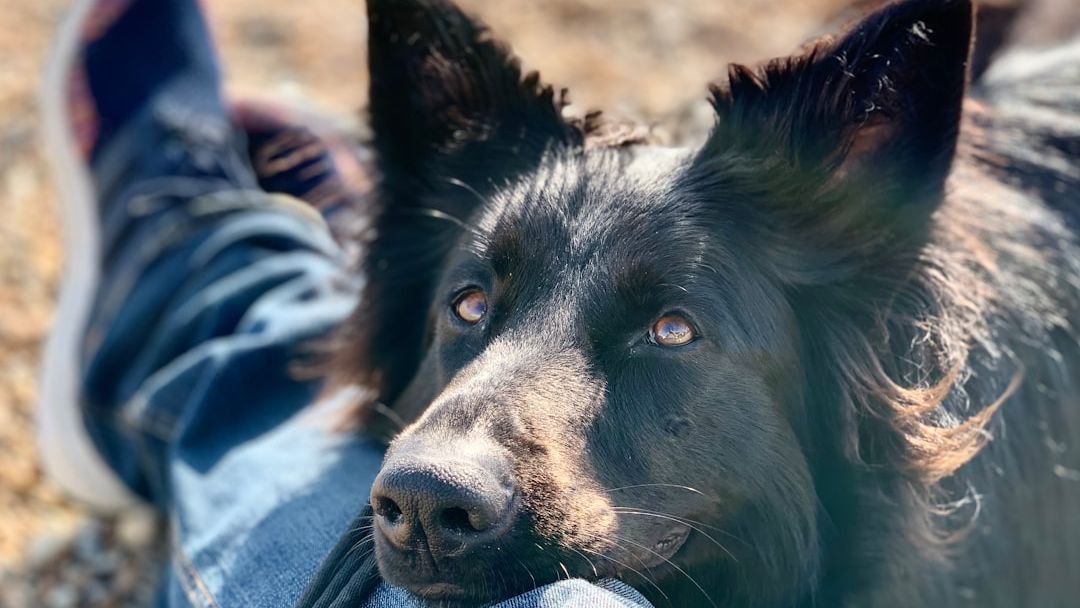
Picture this: you get up from the couch to grab a glass of water, and before your feet hit the floor, there’s your dog, already trotting beside you to the kitchen. You close the bathroom door, and within seconds you hear the soft scratch of paws on the other side. Most people laugh it off. Some find it mildly overwhelming. Very few stop to ask what it actually means.
The truth is, that little shadow trailing behind you isn’t a sign of a poorly trained dog or an overly dependent one. It’s one of the most scientifically grounded, emotionally rich behaviors in the whole animal kingdom. When your dog follows you, they’re communicating something real, and it’s worth understanding properly.
The Science Behind Why Your Dog Won’t Leave Your Side
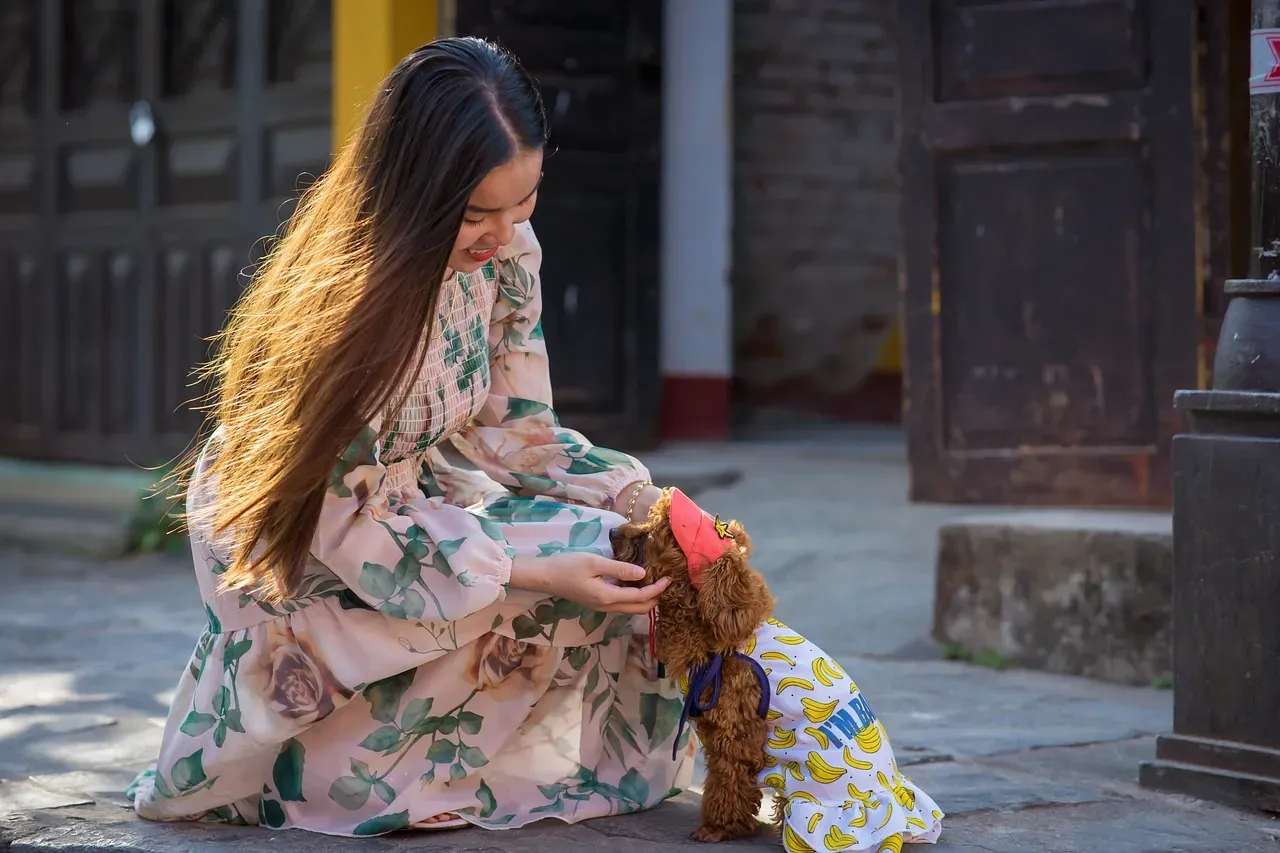
Dogs are pack animals hardwired for companionship, and after thousands of years of domestication, they’ve evolved to see their human as their primary source of safety, food, and emotional connection. That isn’t a metaphor. It’s biology written into their very makeup.
A 2017 study in Science Advances identified specific genetic changes on chromosome 6 in dogs that are associated with hypersociability, a strong desire to seek human contact. Wolves don’t carry these variants. In other words, the tendency to follow you around is literally written into your dog’s DNA.
A 2015 study published in Science revealed that both dogs and humans release oxytocin, the bonding hormone, when gazing into each other’s eyes, similar to the bond between mother and infant. So that long, soft look your dog gives you from across the room? That’s chemistry. Literally.
Psychologists believe that the relationship between human and canine is a bidirectional attachment bond, which resembles that of the typical human caretaker and infant relationship. Dogs display proximity seeking behavior, where the canine will seek out its caretaker as a means to cope with stress. When your dog presses close to your legs during a thunderstorm, they aren’t being dramatic. They’re doing exactly what the science predicts.
You Are Their Safe Base, Not Just Their Owner
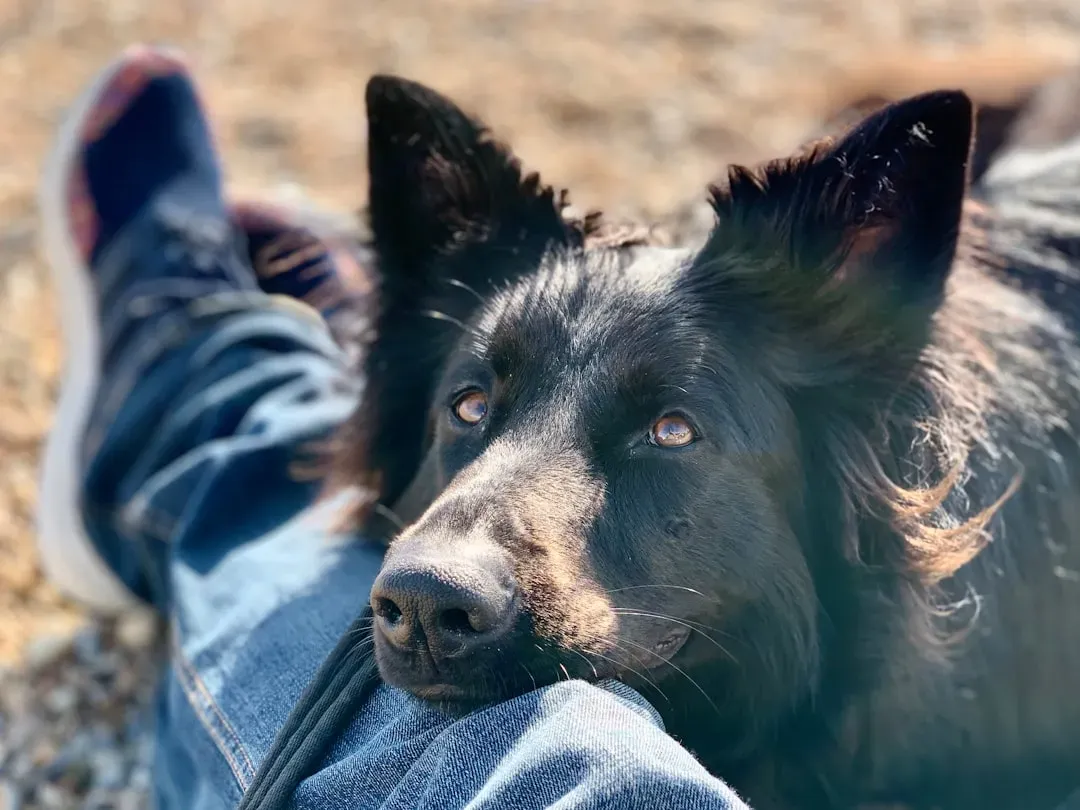
The dog-human attachment bond is characterized by features including proximity seeking, where the animal seeks out the attachment figure as a means of coping with stress. The presence of a human can also attenuate the effect of a stressful event, constituting the so-called safe haven effect of attachment theory. Dogs also demonstrate the secure base effect, where the presence of an attachment figure allows dogs to more freely investigate novel objects. Think about what that means in everyday terms.
When your dog feels safe with you nearby, they’re actually more confident exploring the world. They’ll sniff that weird noise, investigate the new furniture, greet the stranger at the door, precisely because you’re there as a reliable anchor. You, the owner, provide a secure base from which your dog can explore their environment, while also acting as a safe haven to return to when they face danger.
According to fear-free certified dog trainer Kim Wegel, dogs derive security from being around their owners, not just because we offer good things, but because we provide cues about what to do and how to respond. In other words, you’re not just a treat dispenser. You’re a compass. Your calm reassures them. Your movement orients them. Your presence genuinely helps them function better.
When Normal Bonding Starts Crossing Into Anxiety
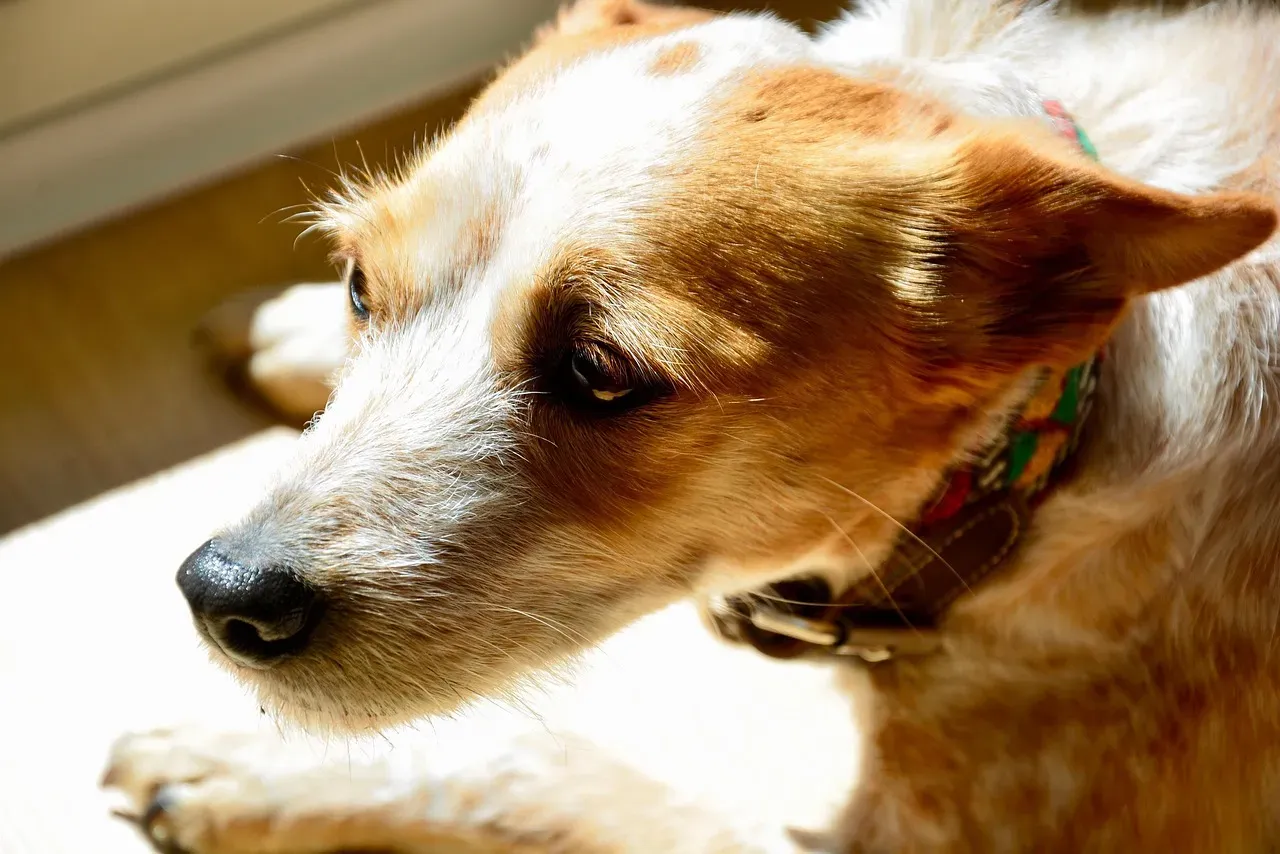
There’s a meaningful difference between a dog who loves being near you and one who can’t cope without you. Healthy bonding usually includes choice and flexibility. Concerning velcro dog behavior includes urgency and loss of independence. Attachment is normal, but when it becomes the dog’s only coping tool, the pattern can crowd out sleep, play, and self-soothing.
Dogs with separation anxiety experience intense distress when left alone or separated from their primary caregiver. These dogs might not only follow from room to room but also display signs such as whining, barking, pacing, or destructive behavior when you’re not in sight. This level of attachment goes beyond normal companionship and can affect the dog’s well-being. There are also physical signs to watch closely.
Red flags include new shadowing, nighttime pacing, panic behind doors, or inability to relax even when you’re home. Stress-driven following often clusters with watchful body language, pacing, and sensitivity to routine changes. Pain-driven proximity seeking often comes with stiffness, hesitation on stairs, or reduced play and exploration. If these patterns appear, they deserve real attention and a vet visit rather than reassurance alone.
It could be unhealthy when a dog cannot stop following or looking at their owner, especially if the dog has chosen only one particular person to interact with and is fearful of or avoids all other people. In these cases, the dog may be improperly socialized or might have overly bonded to one person. These dogs are at risk of developing social or separation anxiety, fear aggression, or other behavioral issues.
Health Signals Hidden in Following Behavior
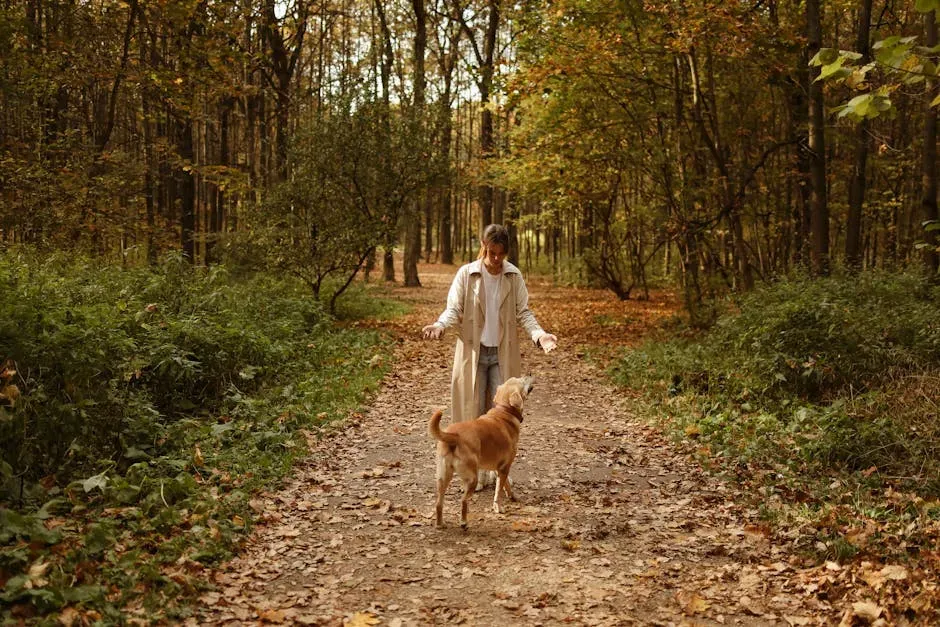
Sometimes a sudden shift in how closely your dog shadows you has nothing to do with emotions at all. If your dog has always been a confident, independent dog and has suddenly become clingy, there’s a good chance they’re trying to tell you something. Often, this may mean something is wrong, that they aren’t feeling well or something in their body has changed and is making them less confident, like a loss of sight or hearing. Any time a dog’s behavior changes markedly and suddenly, it is time to schedule a checkup.
As dogs age, they can develop Canine Cognitive Dysfunction, a condition similar to Alzheimer’s in humans. It affects memory, awareness, and behavior, often causing dogs to become disoriented or anxious. Senior dogs experiencing this may follow you because they feel genuinely confused and your presence is the one thing that feels certain to them.
Pain-driven proximity seeking often comes with stiffness, hesitation on stairs, or reduced play and exploration. Senior-dog clinginess can be an early clue of confusion and sleep-wake disruption; track patterns and discuss with your veterinarian. A useful practical tip: keep a one-week log of when the following happens, how your dog settles when you’re home, and any changes in sleep or mobility. This information is genuinely valuable when you take your dog in for an appointment.
How to Support Your Dog Without Creating Dependency
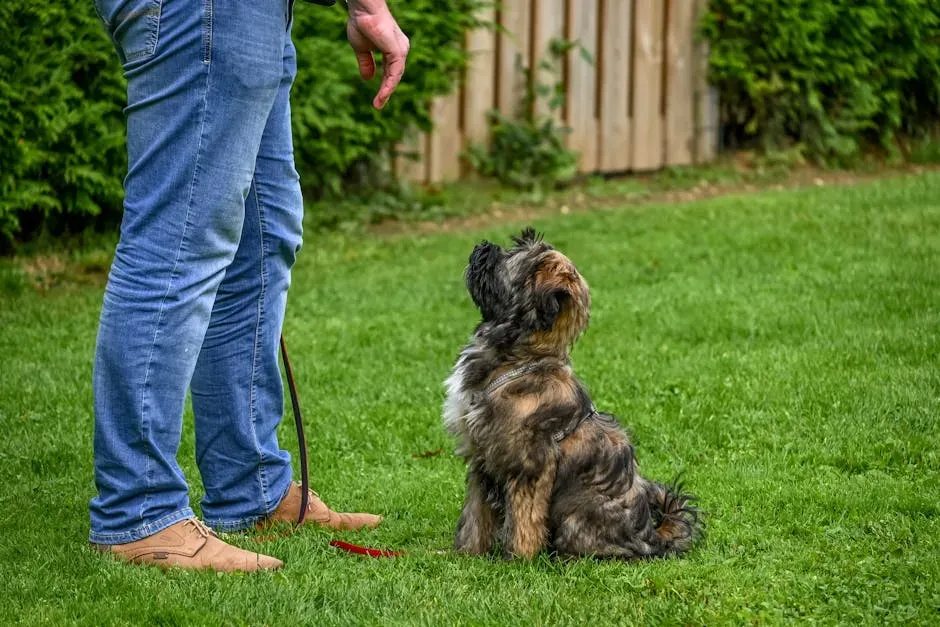
The goal isn’t to push your dog away. It’s to help them feel safe enough that they don’t need to be glued to you every second. The goal is to widen the dog’s range so closeness is a choice, not a need. That’s a small but important reframe.
Confidence-building exercises like teaching new skills or engaging in enrichment activities such as puzzle toys and snuffle mats can help your dog learn to problem-solve and develop independence. A simple way to build their confidence involves creating a designated safe space where the dog is rewarded for relaxing with increasing duration and degrees of separation. These aren’t fixes for a broken dog. They’re investments in a more emotionally resilient one.
A recent study showed that a consistent routine can help alleviate anxiety and reduce behavioral issues in dogs, so when that routine is interrupted, it might cause a behavioral shift. This is practical and actionable. Regular feeding times, predictable walks, and calm departures all give your dog an internal map of the day. That map is comforting. Routine and predictability, through regular walks, feeding times, and rituals, teach security and reliability, cornerstones of every great relationship.
Once your dog has mastered the basics, you can ask them to stay while you quickly run into another room. Come right back with a great treat and reward your dog for a successful stay. Eventually, your dog will realize that they don’t need to follow you everywhere for good things to happen. Small steps. Real progress. No drama needed.
Conclusion: The Follow Is a Compliment, Not a Problem
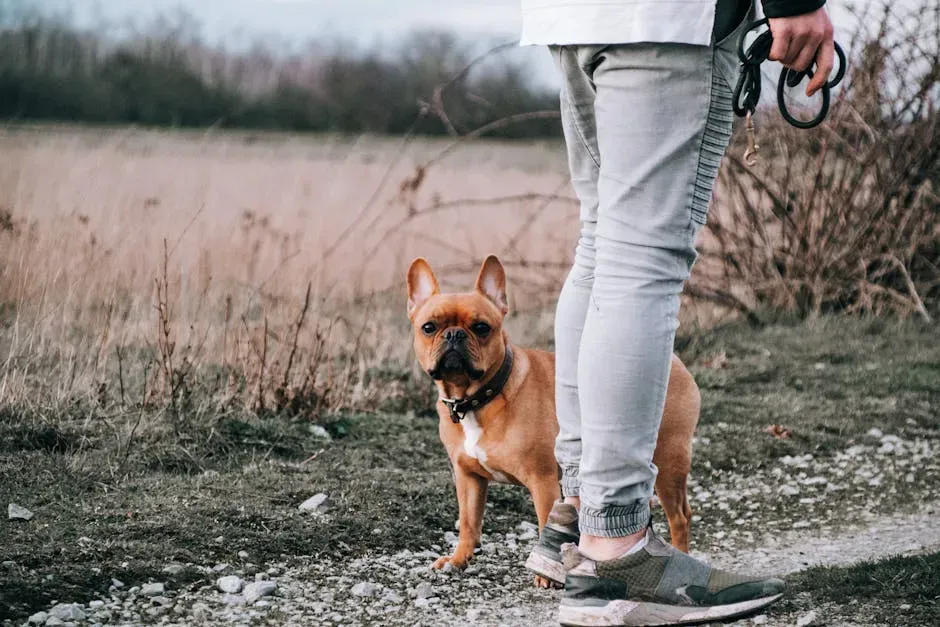
Most of the time, when your dog tracks your every move, it’s a quiet, daily expression of trust. If your dog follows you everywhere, it’s a sign that they trust and love you and that you make them feel safe. That’s not something to correct. That’s something to honor.
The line worth watching is whether your dog follows you out of love and curiosity or follows you because they genuinely don’t know how to exist without you nearby. What is best is a dog who loves your attention and being close to you but is fine when you’re not around for a period of time. That balance is the sweet spot of a healthy bond.
You don’t need to be less present to fix this. You need to be present in the right ways, building your dog’s confidence, keeping routines steady, watching for health changes, and letting closeness be earned through trust rather than anxiety. When you do that, the dog trotting behind you to the kitchen stops feeling like a burden and starts feeling exactly like what it is: a creature that chose you, completely, every single day.


