
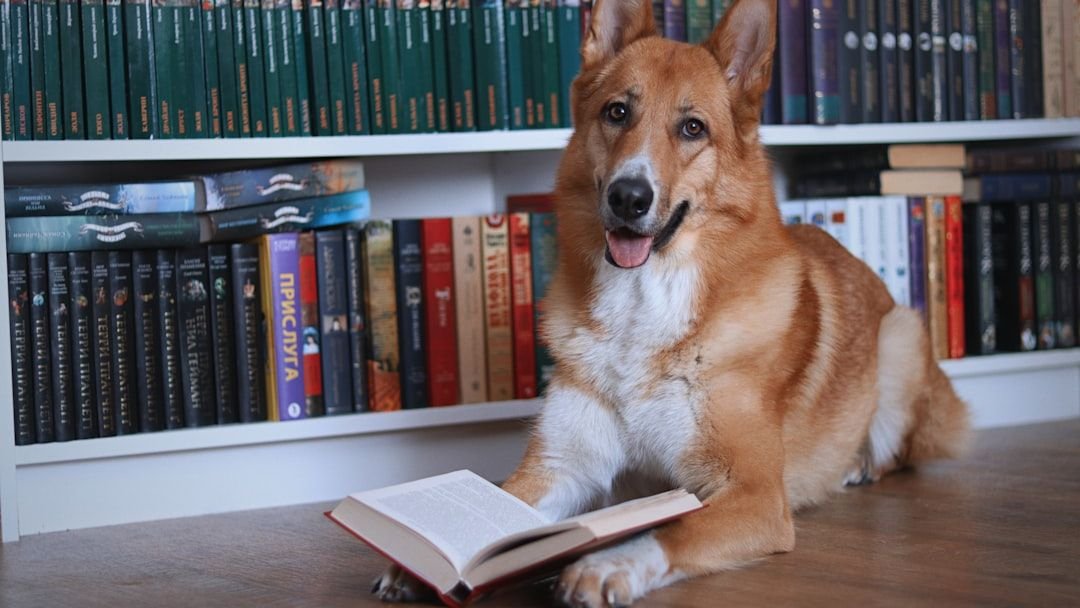
You’ve probably caught your dog doing something that stopped you mid-step. Maybe they figured out which family member keeps the treats. Maybe they appeared at the door exactly when you were about to call them for a walk. These aren’t coincidences, and they aren’t tricks either. They’re glimpses of something genuinely remarkable going on inside your dog’s head.
Scientists have suggested that dogs can be as smart as a two-year-old child, and research on dog intelligence has demonstrated that our four-legged friends can learn in more complex ways than previously known. Yet most of us miss the quiet, everyday signals that reveal just how capable our dogs really are. The signs aren’t always dramatic. Often they’re subtle, easy to overlook, and hiding in plain sight.
They Solve Problems Without Being Prompted

One of the clearest markers of a sharp canine mind is the ability to figure things out independently. The smartest dogs are able to solve problems without being taught, figuring things out on their own like opening a door latch or learning a new routine quickly. This kind of self-directed thinking is genuinely different from responding to a cue you’ve given them.
These dogs often test solutions, explore objects, and understand patterns more quickly than the average dog. If your pup has ever worked out how to open a cabinet, scoot a bowl to signal it’s empty, or detour around an obstacle without your help, you’ve witnessed real problem-solving in action. Pay attention to those moments. They tell you a lot.
They Remember Commands They Haven’t Used in Ages

A really smart dog will remember commands over time, even if they haven’t been used in a while. This isn’t just a party trick. Long-term retention of learned behavior points to a working memory that goes well beyond basic conditioning.
Dogs have demonstrated episodic-like memory by recalling past events that included the complex actions of humans. So if your dog executes a command they haven’t heard in six months with barely a pause, that’s not luck. That’s a genuinely capable memory at work. Try it yourself: revisit an old trick your dog learned years ago and see what happens.
They Read Your Emotions With Quiet Precision
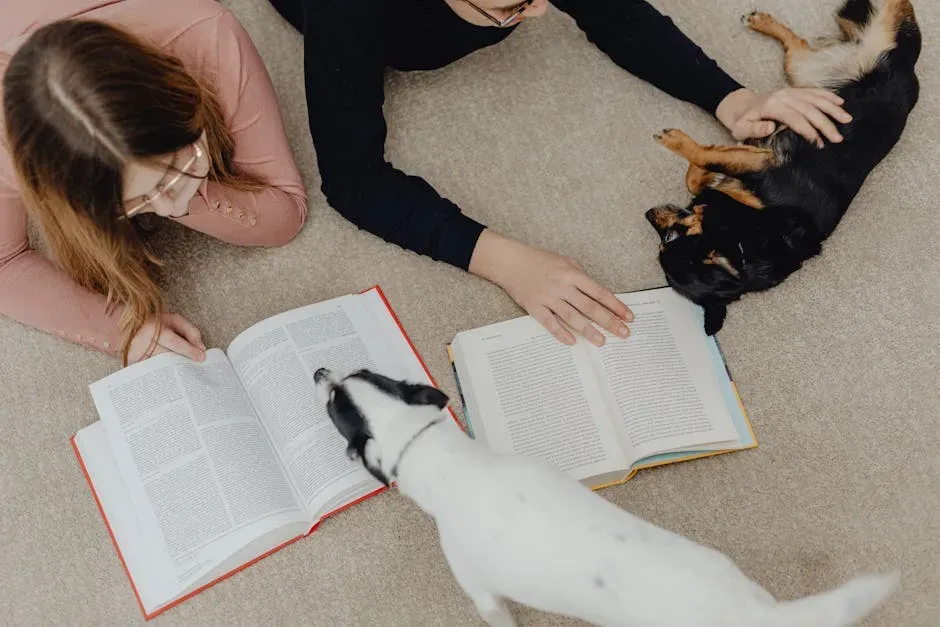
Scientific studies have shown that dogs can read facial expressions, tones of voice, and even body language to gauge our moods. This isn’t your dog being sweet, though it is that too. It reflects a developed form of social and emotional intelligence.
A smart dog will read your sadness and double up as an emotional support dog by taking steps to comfort you, such as cuddling up with you or refusing to leave your side until your tears dry. Some research suggests that dogs may also feel more complex emotions, like jealousy and empathy. In one study, dogs became agitated when they saw another dog be rewarded for a behavior when they were not. That kind of awareness is hard to dismiss.
They Anticipate Your Routine Before You Act

Highly intelligent dogs are able to learn your habits, body language, tone, and micro-signals. They watch you closely, almost as if studying your actions. They notice when you grab your shoes or keys before a walk. It can feel almost eerie the first time you realize your dog was waiting by the door before you’d even picked up the leash.
Being highly observant is another characteristic that smart dogs share. For instance, when you pull out your suitcase, does your dog recognize that it’s a sign something is about to change, like you’re going on a trip? Dogs may show their understanding by trying to jump or hide in your suitcase, or they might stick unusually close to you. These aren’t random behaviors. They reflect careful, ongoing observation of your world.
They Invent Their Own Games
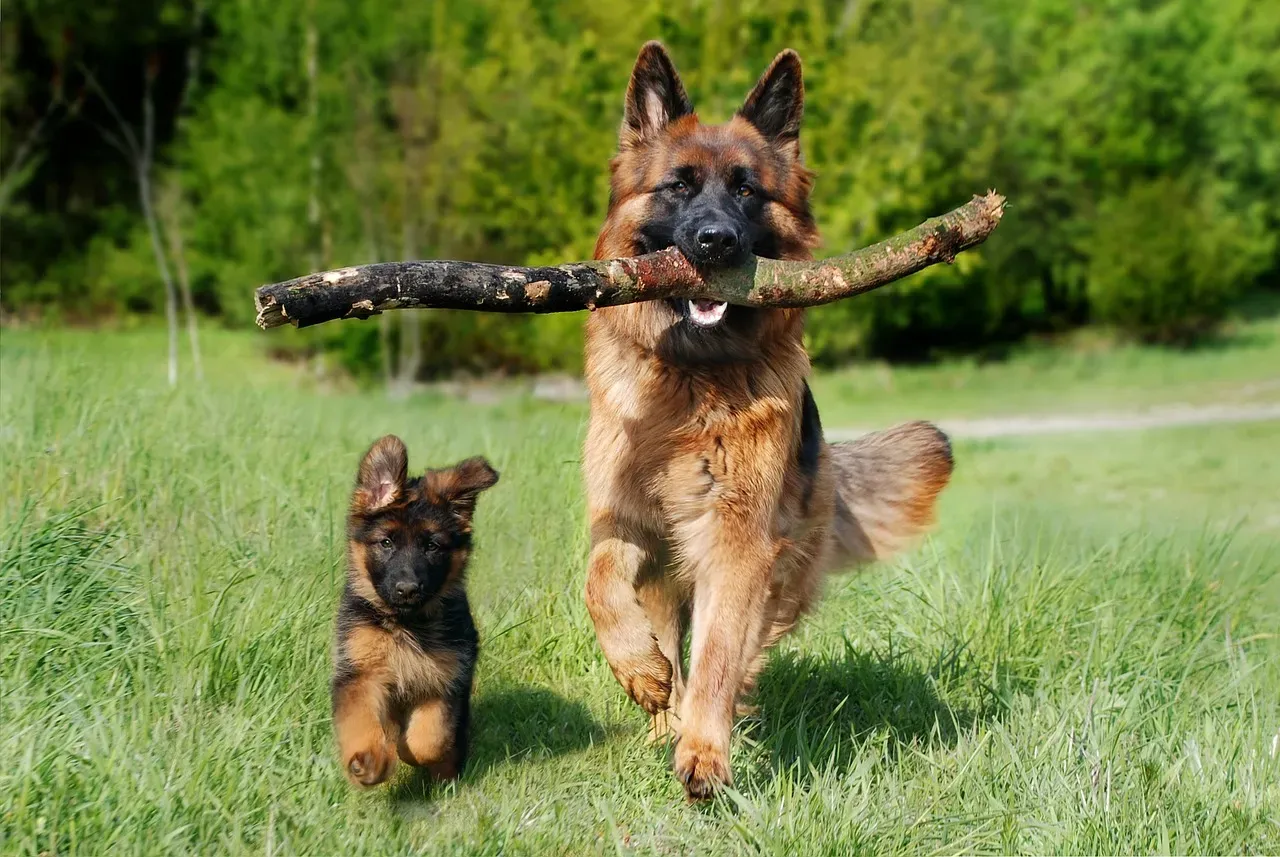
When a dog invents their own forms of entertainment, it’s a sign of higher cognitive ability and curiosity. When boredom and their intelligent brain meet, it produces creative ways to stay busy. You might notice your dog dropping a toy into a laundry basket repeatedly, or pushing objects into patterns around the room. These aren’t random. They’re self-directed play with structure.
Dogs often come up with new ways of entertaining themselves or inventing games without anyone teaching them. These pups show a higher level of creativity while figuring out how to toss a toy right into a basket or finding new ways to interact with family members. If your dog does this, resist the urge to redirect them every time. Let the creativity run for a bit. It’s good for their brain.
They Communicate in Specific, Deliberate Ways

Smart dogs are more than just vocalizations. These pups communicate with greater precision by using distinctive sounds, body language, or even behaviors to deliver their points. For example, some dogs nudge their leash to let their owners know that they wish to go out for a walk, while others might fetch their ball whenever it is time to play.
Whether it’s pawing at the door to go outside, nudging their water bowl when it’s empty, or bringing you a leash for a walk, these communicative actions are not just cute, they’re clever. Dogs who use specific signals to get your attention are demonstrating advanced social intelligence. They know which behaviors get results, and they fine-tune their “language” over time. Think of it as your dog developing their own vocabulary with you.
They Pick Up New Tricks Fast and With Few Repetitions
One of the main signs of exceptional intelligence in dogs is learning new commands quickly without the need for extensive training. Most dogs need a fair amount of repetition to associate a word with an action. Genuinely sharp dogs make that connection in just a few tries and hold onto it.
If your dog picks up new commands after just a few demonstrations, consider yourself the proud owner of a brainy pup. Quick learners can connect words, gestures, and desired actions with minimal repetition. This ability to absorb and process information is a key marker of intelligence in dogs. To test this, introduce a completely novel trick with a clear hand signal and see how many sessions it takes before your dog offers the behavior unprompted. The result might surprise you.
They Look to You for Guidance When Stuck

A study conducted at the University of Helsinki found that self-control and turning to humans in problem situations are valuable traits for pet dogs. When a dog hits a wall on a task and instead of giving up or bulldozing through, they turn to look at you, that’s a meaningful cognitive choice.
How much dogs naturally look to their owners for direction can be a sign of intelligence. A smart dog will not only follow direction but will look to you for cues for what to do. Another study indicated that after undergoing training to solve a simple manipulation task, dogs faced with an unsolvable version of the same problem look at the human, whereas socialized wolves do not. That shift toward collaboration over stubborn independence is, in itself, a form of smart social thinking.
They Adapt Quickly to New Environments or Routines
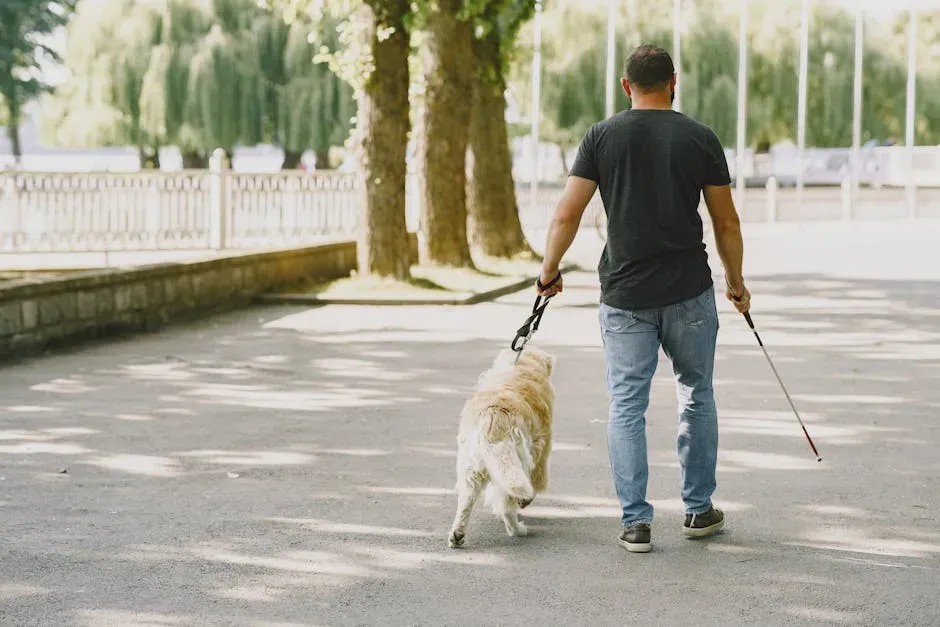
Some dogs handle changes, like moving to a new home, meeting new people, or adjusting to a new routine, with graceful curiosity. The ability to adapt quickly and calmly is a sign of a flexible, intelligent mind. These dogs aren’t thrown off by surprises; instead, they embrace new experiences as opportunities to learn.
Dogs that adjust to new routes or strange settings can show astounding levels of cognitive flexibility. This demonstrates that their minds adapt quickly to changing situations, which is an essential component of intelligence. If your dog transitions smoothly when you switch their walk route or rearrange the furniture, that mental flexibility is worth recognizing and nurturing with ongoing novelty and enrichment.
They Have a General Cognitive Factor, Just Like Humans

In a groundbreaking study conducted by researchers at Eötvös Loránd University, scientists found evidence that dogs possess a key component of intelligence known as the general cognitive factor, or “g factor,” which mirrors the human version, especially in relation to aging. This means your dog’s sharp memory, emotional awareness, and problem-solving ability aren’t random isolated traits. They’re connected.
Higher g factor scores were consistently linked with increased levels of activity, a greater willingness to engage in training, and higher trainability. This relationship between the canine g factor and key personality traits further cemented the resemblance between canine and human general intelligence. In practical terms, this means a dog that excels in reading your emotions is also likely to be a faster learner. All these clues belong to the same picture.
What To Do Once You Spot the Signs
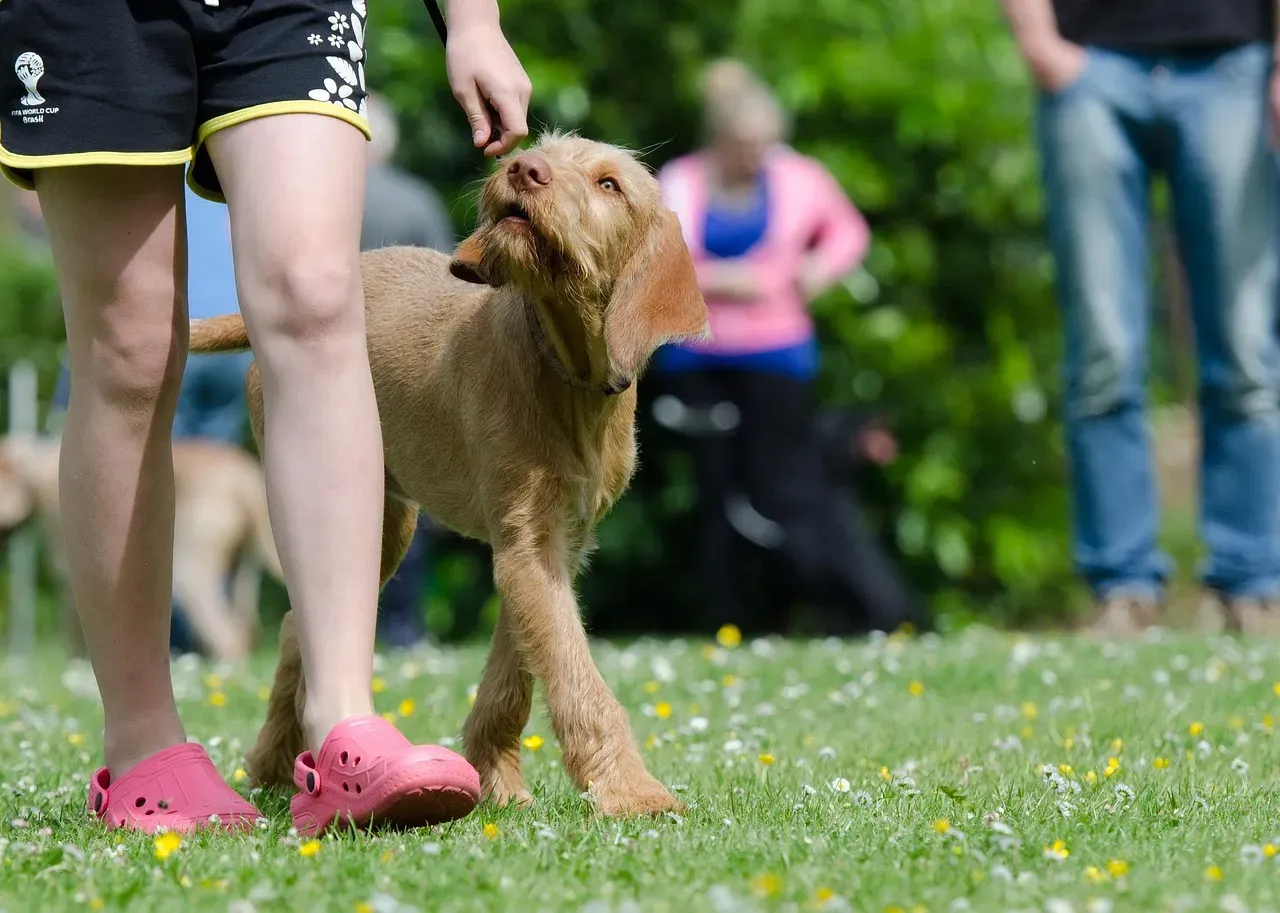
Recognizing your dog’s intelligence is just the beginning. Intelligence is shaped by personality, environment, and enrichment just as much as breed. The more you give your dog to think about, the more their abilities will shine. Puzzle feeders, scent games, rotating toys, and short training sessions all count as meaningful brain fuel.
You can help your dog strengthen their intelligence skills by incorporating regular training and enrichment sessions into their day-to-day life. Learning new tricks, playing scent games, and taking short walks in new places all help. This mental stimulation can also slow cognitive decline. A bored genius, canine or otherwise, tends to find its own outlet. Give them good ones.
The relationship between you and your dog deepens the more you understand how their mind works. Notice the small things: the look they give you when they need help, the way they pause before making a move, the subtle ritual they’ve invented to tell you they want to play. None of it is accidental. Your dog is paying close attention to your world, and with a little awareness, you can start paying the same kind of attention to theirs.


