
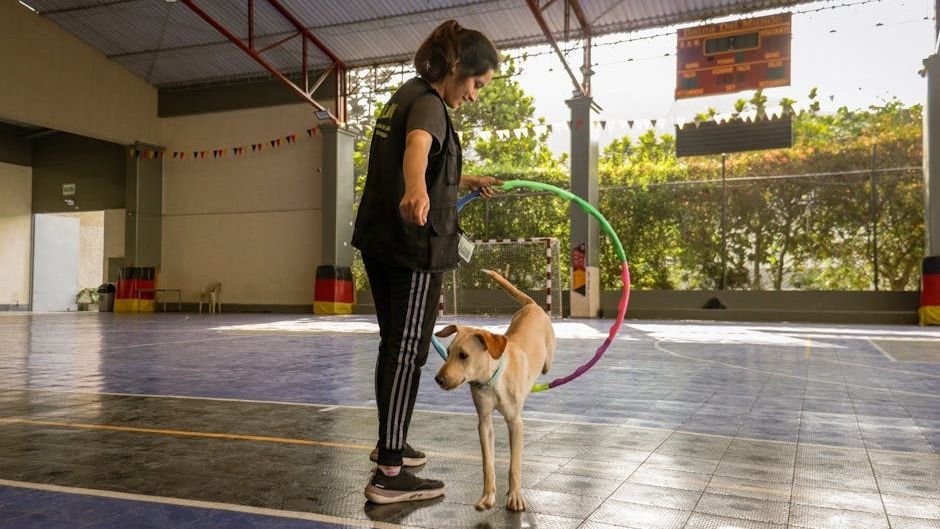
Picture this: it’s a grey, drizzly afternoon, rain tapping steadily at the window, and your dog is staring at you with those wide, pleading eyes. The leash is hanging by the door, untouched. The usual walk isn’t happening. And your pup? They’re starting to pace, nudge your hand, and orbit the couch with what can only be described as restless energy looking for an exit.
Dogs are creatures of routine, and when daily walks or play sessions get disrupted, they often feel anxious or under-stimulated. The good news is that a rainy day doesn’t have to mean a bored, frustrated dog or a chewed-up couch. With a little creativity and the right approach, your living room can become one of the most enriching places your dog has ever been. Here are nine genuinely clever ways to make it happen.
1. Puzzle Feeders and Treat-Dispensing Toys: Make Mealtime an Event
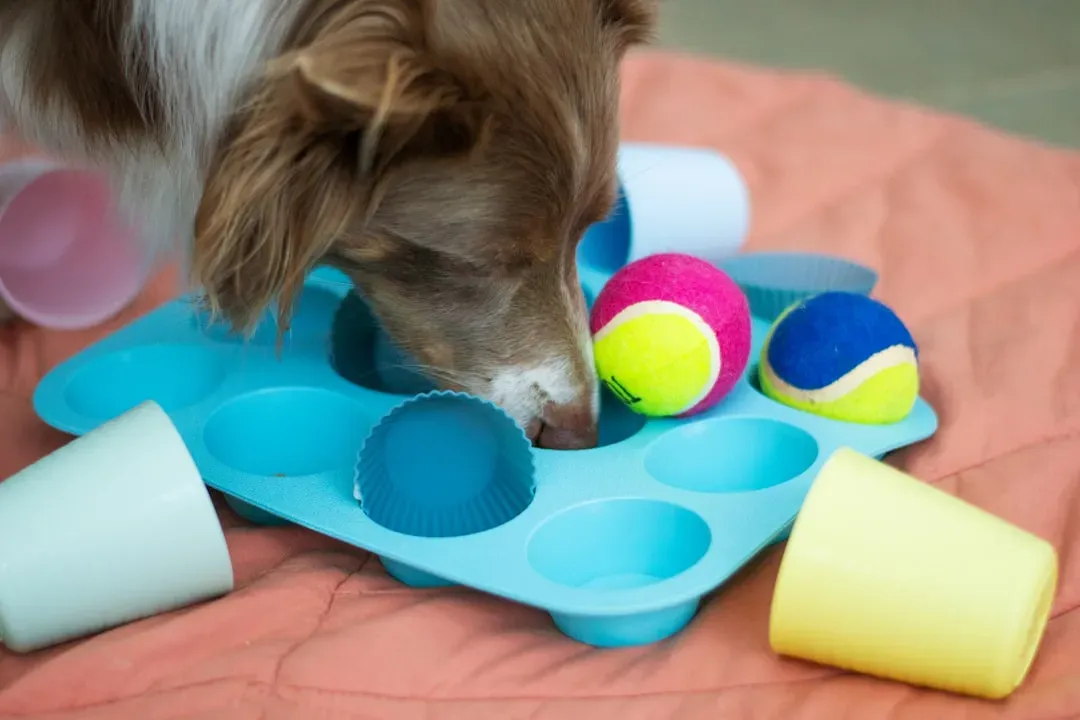
When the weather forces you inside, dog mental stimulation becomes even more important. Puzzle feeders and treat-dispensing toys challenge your dog’s brain while rewarding them with tasty bites. Think of it as turning a two-minute meal into a satisfying twenty-minute problem-solving session. Your dog earns every bite, and that sense of accomplishment is genuinely satisfying for them.
From simple snuffle balls to advanced puzzles with sliding parts, there’s something for every skill level. Try stuffing a Kong with peanut butter and freezing it, or use a wobble toy filled with kibble. Interactive toys like puzzle feeders don’t just entertain, they also help prevent destructive dog behavior by redirecting pent-up energy. If your dog masters one puzzle quickly, bump up the difficulty level rather than retiring it entirely.
2. Nose Work and Scent Games: Tap Into Their Superpower
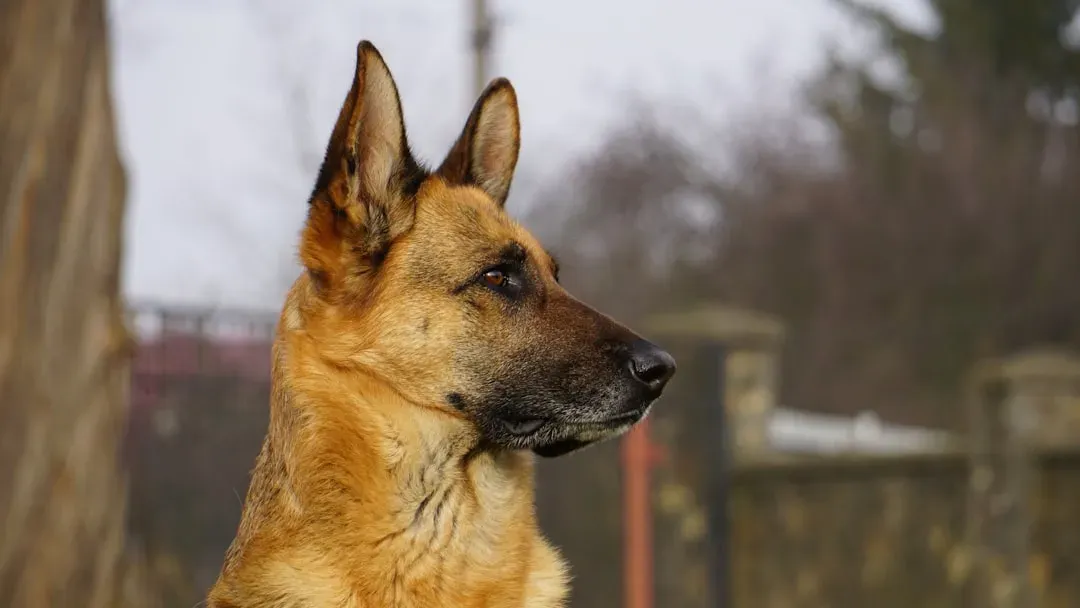
You don’t need a scenthound to have fun with nose games. Even some bulldogs knock it out of the park, and enjoy every second. You can start with easy games and work up to some really complicated stuff if your dog enjoys it. A dog’s sense of smell is their primary way of understanding the world, and giving them permission to use it fully is one of the most satisfying gifts you can offer on a slow indoor day.
The shell game is a great starting point: grab three cups, put a treat under one, and ask your dog “which one?” When they sniff the right one, praise them, lift the cup, and let them have their reward. When they’re confidently finding it, start moving the cups around before asking. A ten-minute scent work session is physically easy but mentally exhausting, which means a calm, settled dog afterward, even on the rainiest of days.
3. Indoor Hide-and-Seek: The Classic Gets a Canine Upgrade
Just like people, dogs can find hide-and-seek to be great fun. This is easiest to do if your dog knows “stay” or if you have a friend who can help keep the dog in one room while you hide. Once you’re hidden, call your pup to come find you. The mix of anticipation, searching, and reunion makes this one of the most emotionally rewarding games for social dogs.
Playing hide-and-seek requires two things from your dog: critical thinking skills and a good nose. In a home setting, dogs don’t need to use these skills as often, and having the opportunity to use them is lots of fun for them. You can also hide their favorite toys or treats around the house for a solo version of the game. Once you’re done hiding, instruct your dog to seek out his hidden treats for a tasty reward. The search itself is the entertainment.
4. Indoor Fetch and Soft Toy Play: Keep It Moving
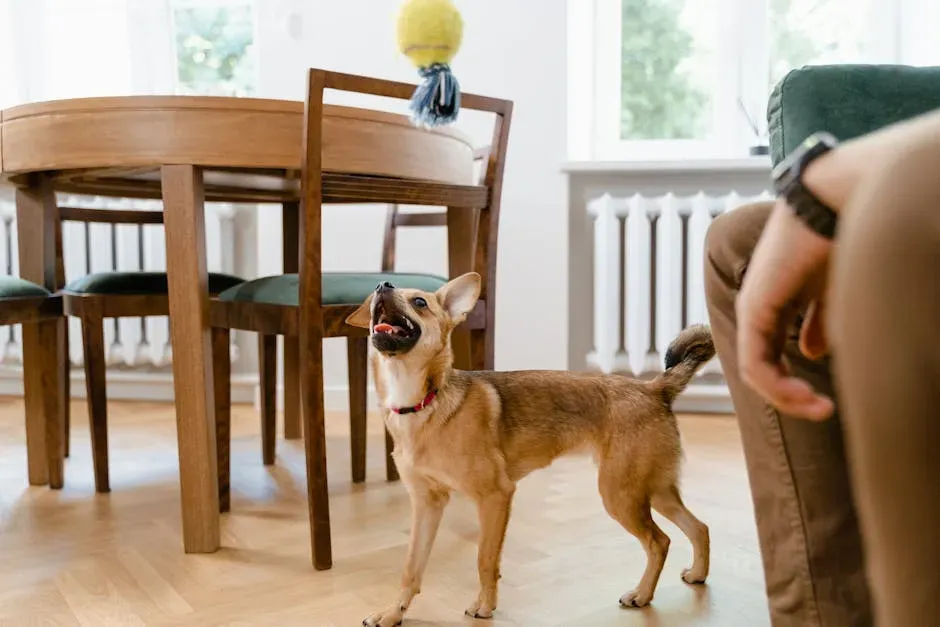
Fetch isn’t just an outdoor game. Indoor fetch using soft toys is one of the simplest indoor dog activities that burns energy without damaging your furniture. A long hallway is genuinely all you need. Toss something lightweight, give the “bring it” command, and you’ve got a low-cost activity that keeps tails wagging and legs moving.
Use toys with different textures or sounds to keep things interesting. Combine the game with verbal commands like “bring it” or “drop” for extra mental engagement. Just make sure you’re playing in an area that won’t damage your house or your dog if things get a little wild. For stronger breeds, mixing in a tug-of-war session right after fetch is a natural way to satisfy their prey drive while reinforcing impulse control.
5. Trick Training: Your Rainy Day Secret Weapon
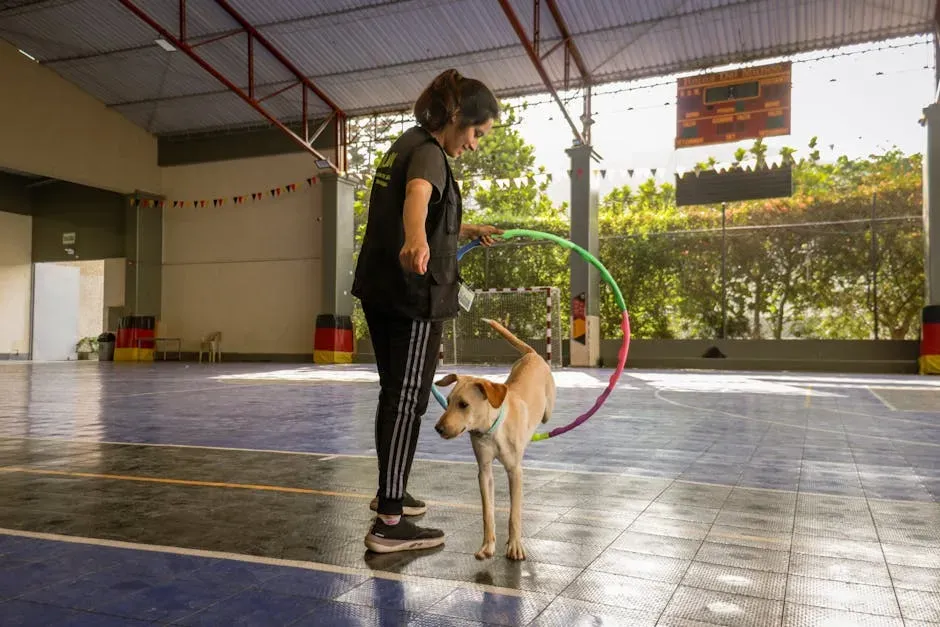
A rainy day is the perfect time to work on training. Teaching new tricks or reinforcing commands is one of the best rainy day dog activities that strengthens your bond while keeping their brain engaged. Even five focused minutes of trick training can leave a dog more satisfied than a longer, less structured play session. The key is keeping it positive and fun.
Stay positive and keep training light, without pressure. It isn’t important to get perfect behavior in one session; the goal is to have fun and work together. Trick training, shaping games, and impulse control exercises are all mentally demanding and fun. Teach your dog to spin, to bow, to touch a target with their nose, to back up, or to weave between your legs. Trick training is mentally tiring, which often leads to a calm, happy pup afterward.
6. DIY Obstacle Course: Bring the Backyard Inside
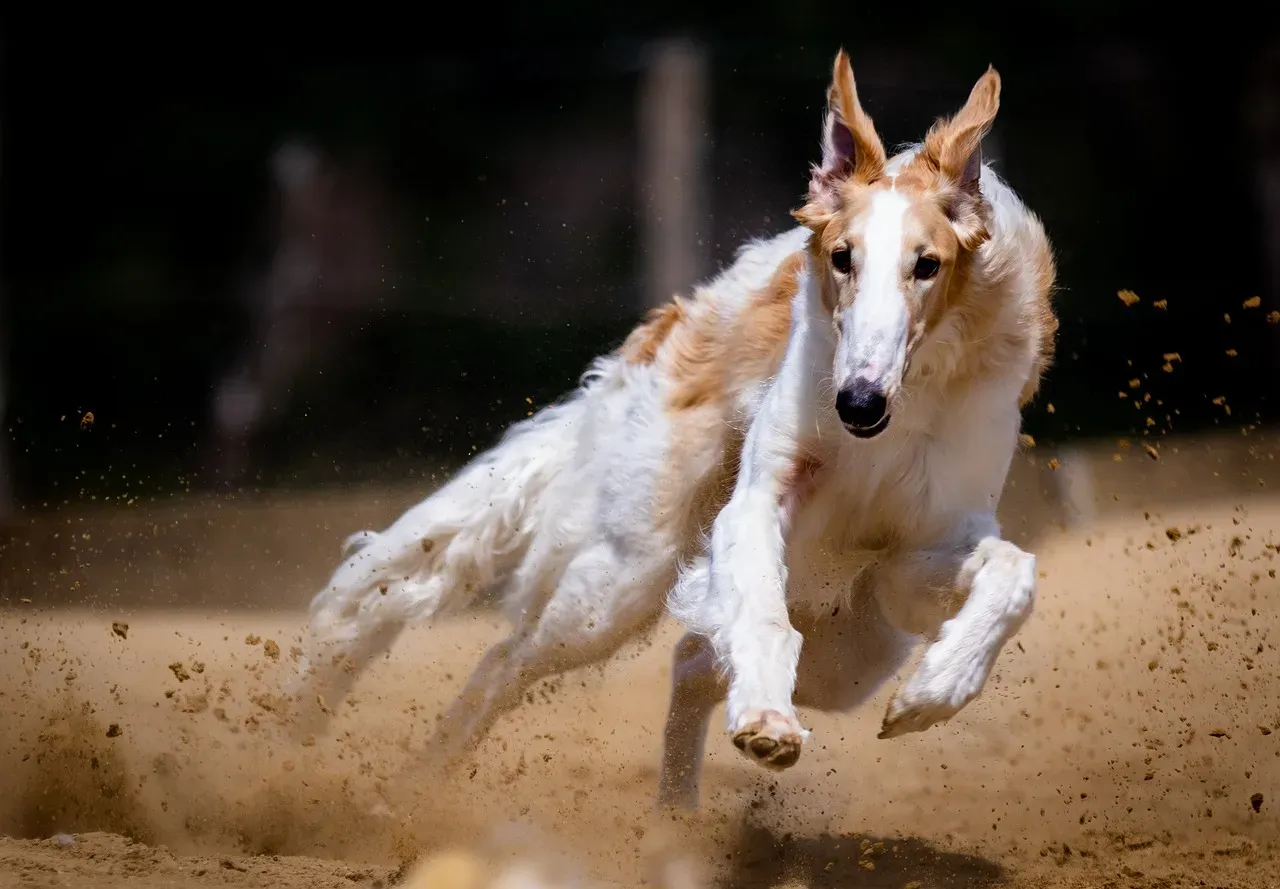
If you have room in your home, ideally a garage or basement, set up an indoor obstacle course with objects you already have: boxes, pillows, chairs, blankets, and brooms. There’s no one right way to build an agility course. Get creative with whatever you have lying around so your pup can jump, weave, and climb through their fun new obstacle course. This works especially well for high-energy breeds that genuinely need an outlet when outdoor exercise isn’t an option.
Start small, with one step stool to climb. When your dog is confident with that, you can add a broom propped up on chairs and teach them to go over or under it. Make a tunnel with pillows, chairs, and sheets. Through agility training, you can see an improvement in your dog’s focus and concentration. Go slowly, use treats generously, and celebrate every successful pass through the course like it’s a championship run.
7. Tug-of-War: The Underrated Indoor Classic
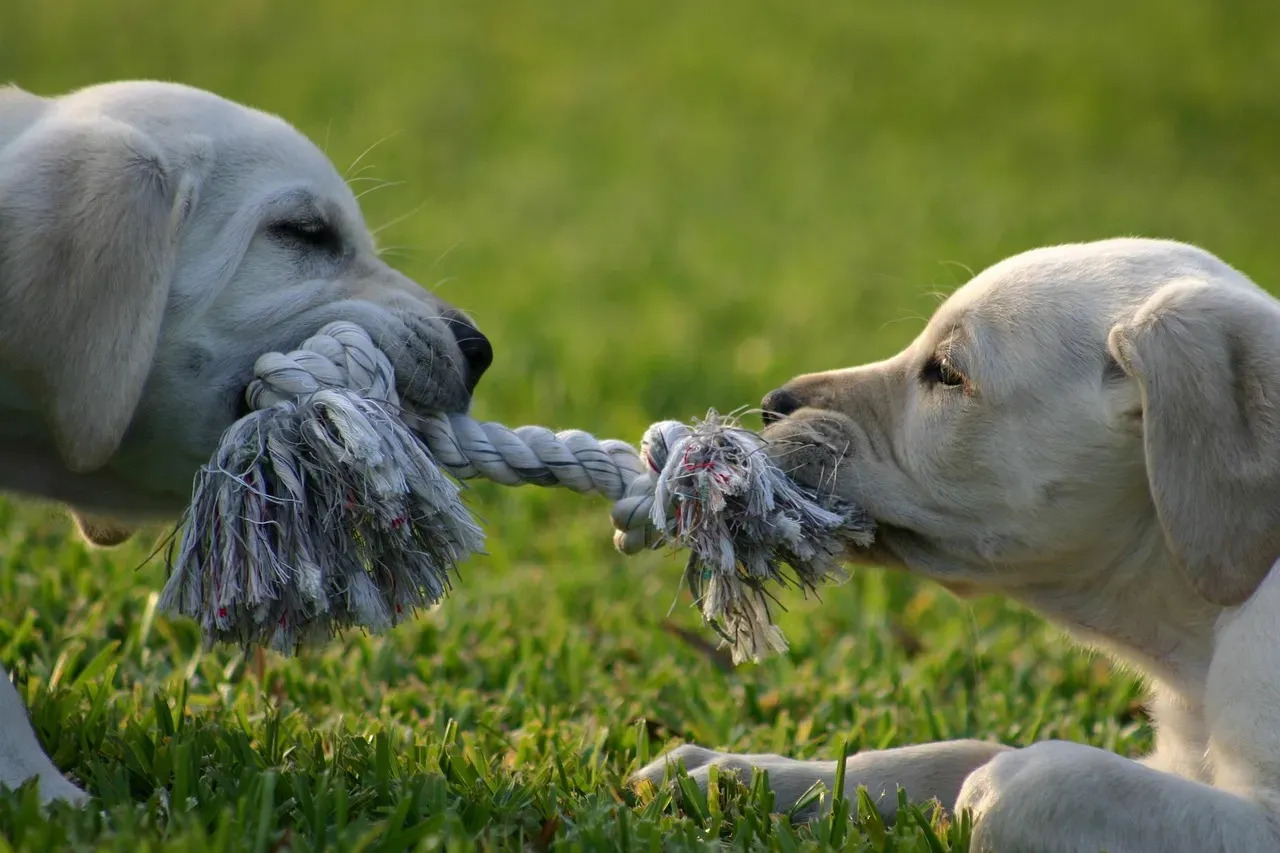
Tug-of-war is a great interactive game that allows for some quality time between you and your pet. Grabbing and shaking a rope or soft toy is a great outlet for your dog’s instinctive prey drive. Many owners shy away from this game out of concern it encourages aggression, but played with clear rules, it’s actually one of the best ways to build impulse control and reinforce communication.
Tug-of-war is a great way to engage your dog’s mind and body while reinforcing positive behaviors. While it may seem like a purely physical game, it also requires focus and problem-solving skills. It builds your dog’s strength and coordination, and teaches impulse control as they learn to follow your cues to start and stop. Through games like tug-of-war, you can also teach your dog commands like “drop it” or “be gentle.” If they become too aggressive or possessive, it may be time to take a break.
8. Calming Grooming and Cooperative Care: Rainy Days as Spa Days
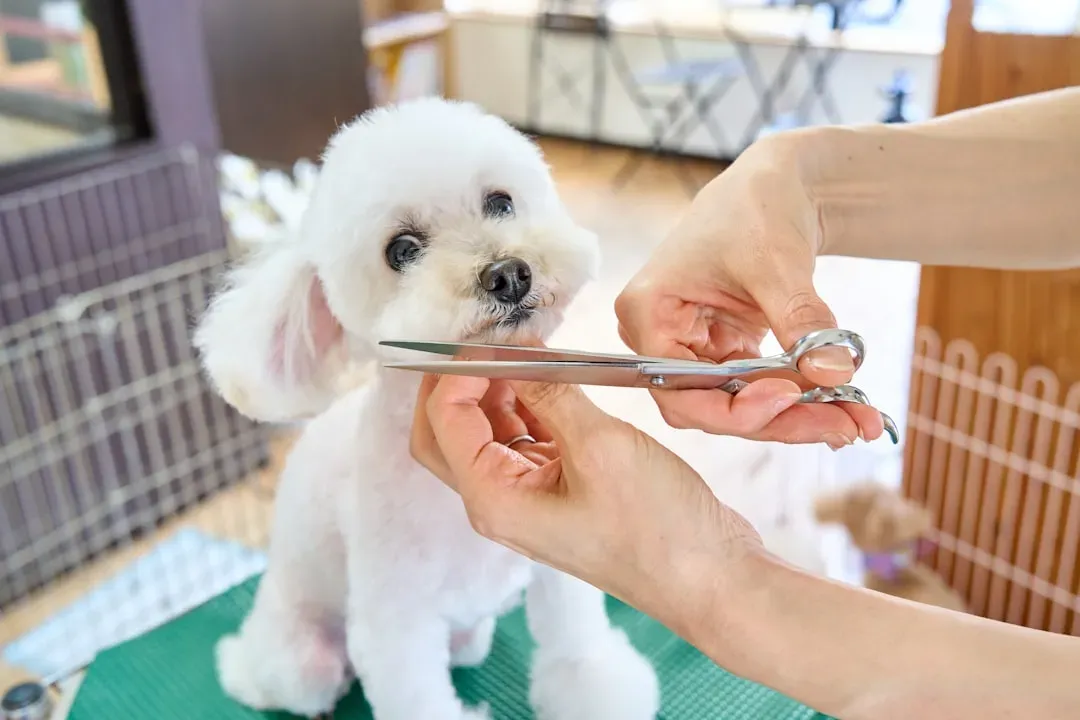
This may be a good time to spend some extra time bonding with your dog through the act of grooming. Sleepy, relaxed days can make for a good time to clip nails and brush hairy coats. Some dogs are afraid of thunder or heavy rain. Grooming can have a calming effect and reduce anxiety during storms. Choose pet-friendly grooming products and create a relaxing environment with low noise and soft lighting. A calm, consistent grooming routine genuinely helps anxious dogs feel more secure in unpredictable weather.
Cooperative care involves teaching your dog a consent cue, which lets you know they are agreeing or opting in to the next step. One of the first cues is a chin rest. Another is getting your dog used to you touching their toes. Many fear-free vet and grooming practices utilize similar techniques with their clients. Building a cooperative care foundation can set your dog up for long-term success and healthier wellbeing outside the home too. It’s a slow game, but a deeply valuable one.
9. Frozen Treats and DIY Food Enrichment: Edible Entertainment
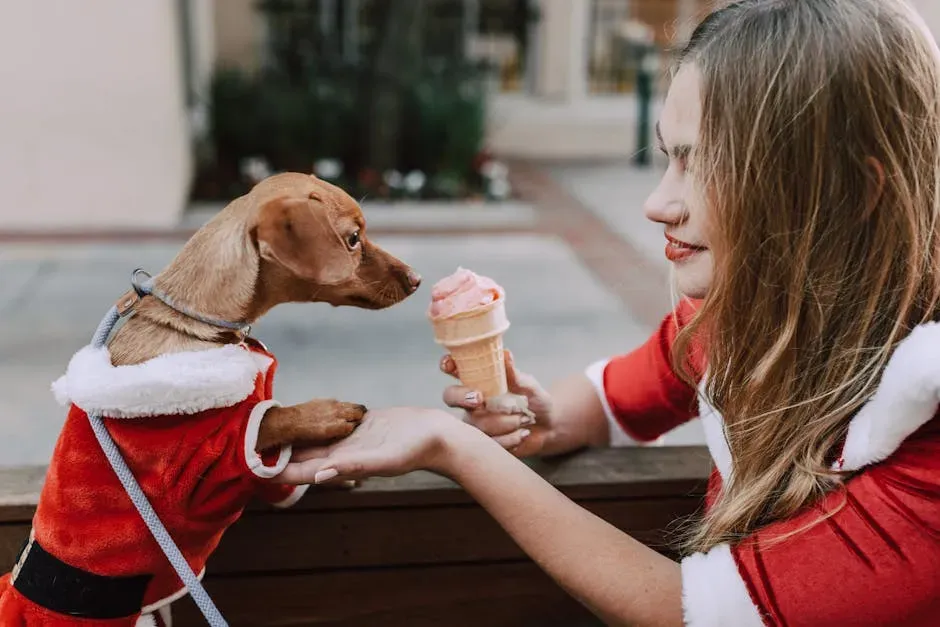
Make the day more enjoyable with frozen snacks. Blend banana, yogurt, or peanut butter and freeze them in silicone molds or inside hollow toys. These treats not only taste great but also keep your dog engaged for longer periods, especially when movement is restricted. This one is low effort for you and genuinely absorbing for your dog. A frozen Kong can easily occupy a curious dog for thirty minutes or more.
Do have fun but make sure you don’t use any toxic ingredients such as chocolate, xylitol, or macadamia nuts. Take a few cardboard boxes of various sizes and hide treats in one or two. Let your dog sniff and dig through them to find the reward. This activity taps into your dog’s natural foraging instincts and is perfect for rainy days when your dog is stuck inside. It’s low impact, highly engaging, and suitable for dogs of all sizes. Pair a frozen treat with a snuffle mat and you’ve got a full enrichment station that costs almost nothing to put together.
A Quick Note on Reading Your Dog’s Signals
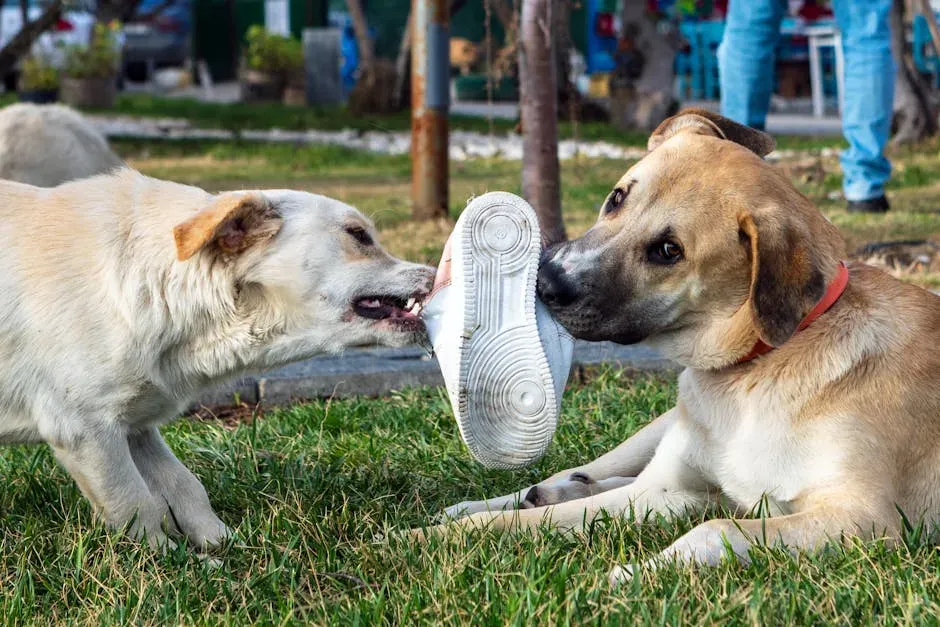
Chewing furniture and shredding fabrics often occur when a dog lacks stimulation, because chewing releases tension and fills empty time. They turn to destruction when their environment fails to offer sufficient engagement. Constant pacing or trailing people around the house reflects unused mental energy. Dogs that struggle to settle often respond well to interactive routines because movement without purpose doesn’t calm their nervous system.
Most dogs benefit from twenty to forty minutes of dedicated enrichment activities per day, broken into multiple sessions. This does not need to be a big production. A ten-minute food puzzle at breakfast, a five-minute training session in the afternoon, and a sniff-focused activity in the evening can be enough to make a significant difference. The best gauge is your dog’s behavior: if they are settling calmly between activities and not creating their own entertainment, their enrichment needs are being met.
Conclusion: Rainy Days Are a Hidden Gift

Rainy days used to feel like a problem with no solution. Your dog pacing. You feeling guilty. The energy in the room slowly building into something neither of you wanted. But with the right tools and a little imagination, those same grey afternoons become something genuinely special: uninterrupted time to play, bond, train, and connect.
Incorporating mental stimulation into your dog’s routine is a rewarding endeavor that benefits both you and your furry friend. By providing engaging activities and challenges, you enhance your dog’s quality of life and strengthen your bond. The rain outside doesn’t change what’s possible inside. It just shifts the scenery. And honestly? Some of the best moments you’ll ever share with your dog will happen exactly like this: two beings, four walls, and the kind of rainy day that turned out to be anything but boring.


