
San Francisco Bay – Gray Whales Face Deadly Risks in Search of Scarce Food
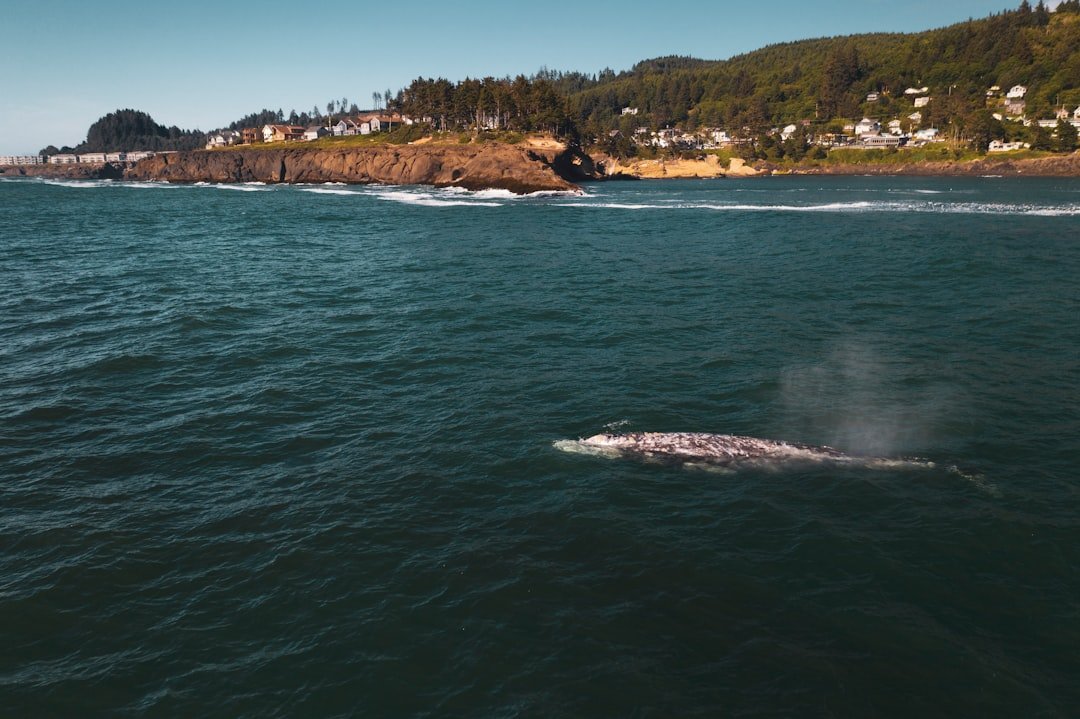
San Francisco Bay – Gray whales, massive migrants from Arctic feeding grounds to Mexican breeding areas, have increasingly ventured into the busy waterway in recent years. Researchers attribute this shift to dwindling prey in their traditional habitats, disrupted by warming oceans.[1][2] Once rare visitors, these 40-foot giants now encounter heavy ship traffic, leading to a troubling spike in fatalities. A new study reveals the bay’s hidden dangers for the struggling population.
A Surge in Sightings Signals Trouble
Scientists cataloged 114 unique gray whales in San Francisco Bay between 2018 and 2025 through photo-identification efforts.[3] Most came from the Eastern North Pacific stock, with few matching known foraging subgroups like the Pacific Coast Feeding Group. Only four whales returned across years, hinting at low survival rates. Surveys involved vessel outings, community photos, and matching markings on flanks, dorsals, and flukes.
Whales lingered for weeks on average – 27 days in 2023, 24 in 2025 – far longer than typical coastal passes. This pattern emerged around 2018, echoing rare stops in the late 1990s during past food shortages. Lead researcher Josephine Slaathaug noted the change: “It was historically very unusual for them to enter the bay, especially for longer amounts of time or consistently year after year.”[4]
Vessel Strikes Emerge as Primary Killer
Of the 114 identified whales, 21 matched to carcasses, establishing a minimum mortality rate of 18 percent.[3] In the broader region, 70 gray whale carcasses turned up, with 30 – or 43 percent – showing blunt or sharp force trauma consistent with ship collisions. Among matched deaths with determined causes, nine of 11 traced to vessel strikes. Slaathaug emphasized: “It’s really important to understand that these are just minimums that we were fully able to confirm.”[1]
Thirteen matched carcasses washed up inside the bay itself. Experts suspect the true toll nears 40 to 50 percent, as skin decay and unrecovered bodies limit matches. “What is unique about San Francisco Bay and this study was that there was such a clear emerging cause of death,” Slaathaug added.[4] Malnutrition weakened many victims, compounding strike risks.
Climate Change Disrupts Ancient Migration
Gray whales travel over 10,000 miles annually, foraging on amphipods in the Bering and Chukchi seas during summer. Ocean warming has cut sea ice, degraded sediment habitats, and slashed prey quality, driving a 50 percent population drop since 2016.[2][4] Now numbering around 13,000, the Eastern North Pacific stock seeks alternatives like San Francisco Bay.
Prolonged thermal anomalies prompt range expansions into novel areas. Unlike resilient subgroups, most bay visitors belong to the vulnerable main stock. Historical die-offs rebounded, but low calf counts signal slower recovery this time. Researchers link the bay’s allure to opportunistic feeding amid Arctic scarcity.
2026 Deaths Underscore Ongoing Crisis
The Marine Mammal Center responded to seven gray whale strandings in the Bay Area by mid-April 2026, including four inside the bay.[5] One adult female on March 17 carried suspected vessel strike injuries; others await necropsy. This follows nearly two dozen deaths in 2025 and aligns with the study’s trends. Six fatalities occurred from mid-March to early April alone.
Two malnourished whales died on Oregon’s coast in April 2026, one with strike evidence. A young whale perished up Washington’s Willapa River. These events revive concerns after the 2019-2023 Unusual Mortality Event closed without full rebound.
Experts Push for Protective Measures
Calls grow for mandatory vessel speed reductions to 10 knots during migration peaks, starting earlier than current voluntary zones off Monterey and San Francisco.[2] The Port of Oakland urges under-10-knot speeds, but enforcement lags. Catherine Kilduff of the Center for Biological Diversity warned: “There is evidence that those aren’t effective. The compliance rate isn’t high enough.”[4]
- Dynamic slow zones based on whale sightings.
- Operator training and thermal imaging for detection.
- Broader education on strike avoidance.
- Adaptive management as foraging shifts continue.
Key Takeaways
- Minimum 18% mortality for gray whales in San Francisco Bay, driven by vessel strikes.
- Climate-induced food shortages push whales into high-traffic zones.
- Seven Bay Area strandings in early 2026 highlight persistent threats.
As gray whales adapt to a warming world, San Francisco Bay stands as a stark reminder of clashing human and marine realms. Stronger safeguards could prevent this urban estuary from becoming a persistent graveyard. What steps should authorities take next? Tell us in the comments.