
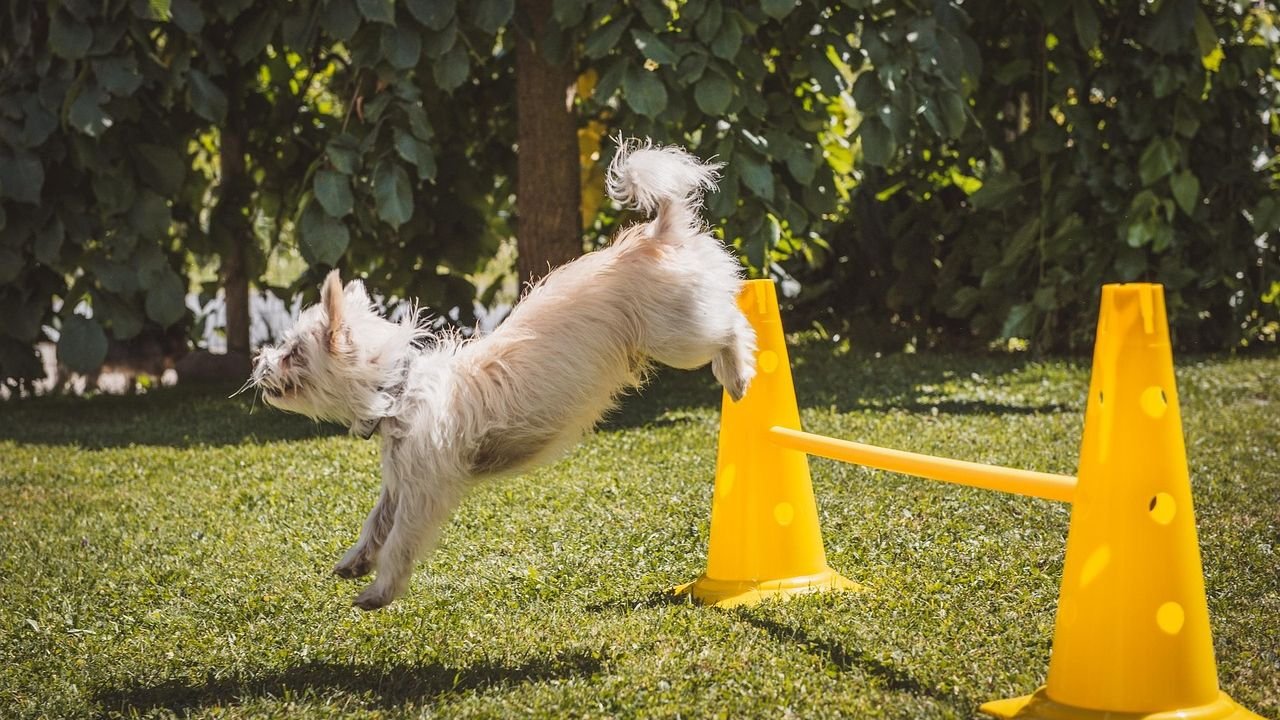
You know that look. The one your dog gives you when rain is hammering the windows and the walk clearly isn’t happening. Those big, searching eyes, the restless pacing, the toy dropped at your feet for the fifth time in ten minutes. It’s not just boredom you’re seeing – it’s a dog whose brain and body genuinely need something to do.
Enrichment is any activity that allows your dog to engage their brain, use their senses, and express natural behaviors. The idea actually comes from the zoo world, where animal care professionals realized that food and shelter alone were not enough to keep animals healthy. Animals need to forage, explore, solve problems, and make choices – and the same is entirely true for your dog. Rainy days, then, aren’t setbacks. They’re opportunities. Here are nine clever, proven ways to make the most of them.
1. Puzzle Toys and Treat Feeders: Let Their Brain Do the Work
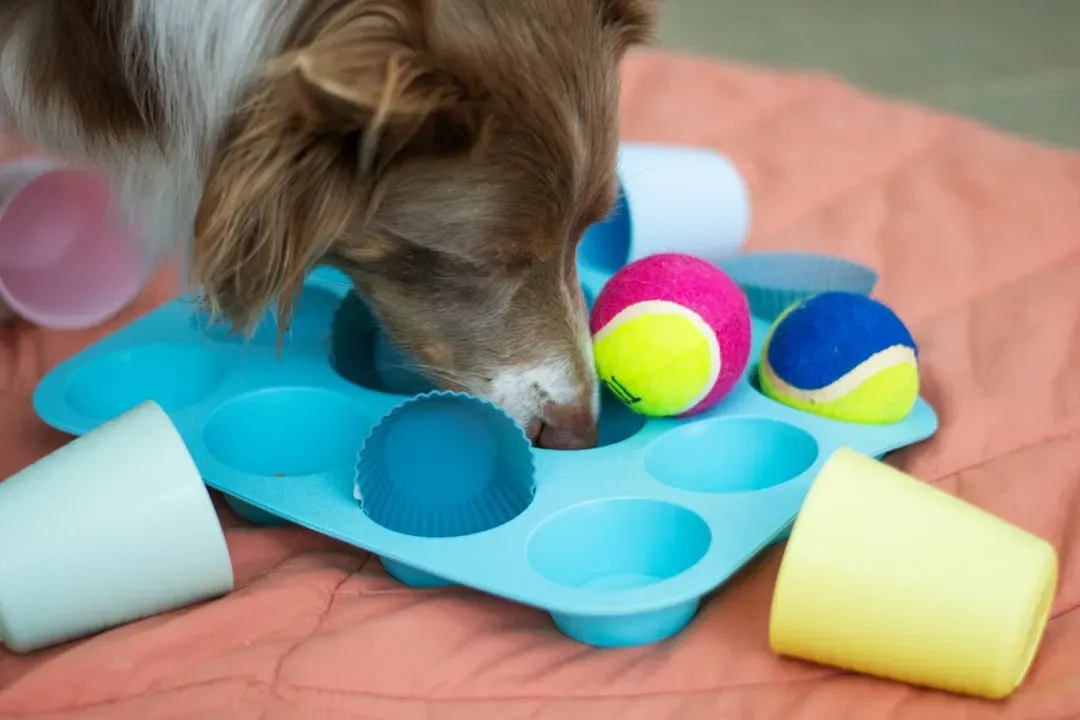
When the weather forces you inside, dog mental stimulation becomes even more important. Puzzle feeders and treat-dispensing toys challenge your dog’s brain while rewarding them with tasty bites. From simple snuffle balls to advanced puzzles with sliding parts, there’s something for every skill level. The satisfying payoff of earning a treat keeps dogs focused, calm, and genuinely tired in a way that a short game of indoor fetch simply can’t match.
Try stuffing a Kong with peanut butter and freezing it, or use a wobble toy filled with kibble. For added variety, switch puzzles every few days or combine multiple types in one session. Interactive toys like puzzle feeders don’t just entertain – they also help prevent destructive dog behavior by redirecting pent-up energy. If your dog finishes a puzzle too quickly, look for a higher difficulty level rather than offering more food.
2. Nose Work and Scent Games: Tap Into Their Superpower
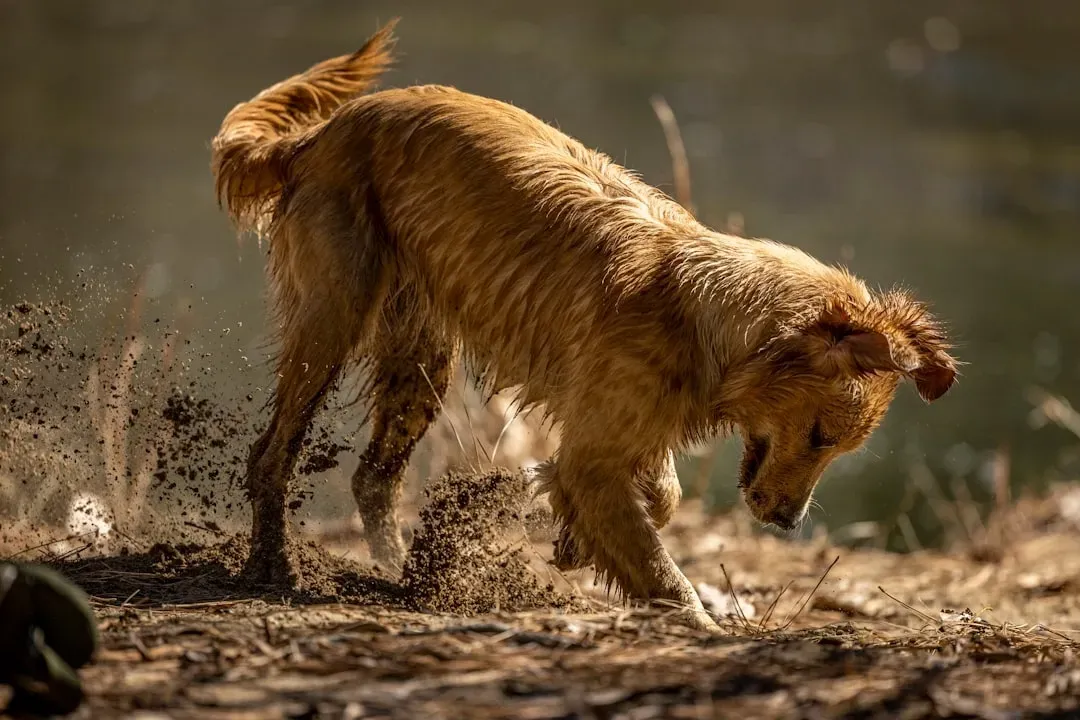
Scent work taps into one of the most powerful parts of your dog’s brain: their nose. Experts say that 20 minutes of sniffing can be equivalent to an hour’s worth of a walk with regards to enrichment. That’s a remarkable return on almost zero effort on your part – no equipment, no large space, just your dog doing what they were naturally built to do.
A simple shell game works well here: grab three cups, put a treat under one, and ask your dog “which one?” When they sniff the right one, praise them and lift the cup so they can have their reward. Once they’re confidently finding it, start moving the cups around before asking. For more advanced play, teach your dog to locate a specific object by name and smell – you could even work up to them finding your keys or their favorite toy on cue.
3. Indoor Hide and Seek: A Game That Never Gets Old
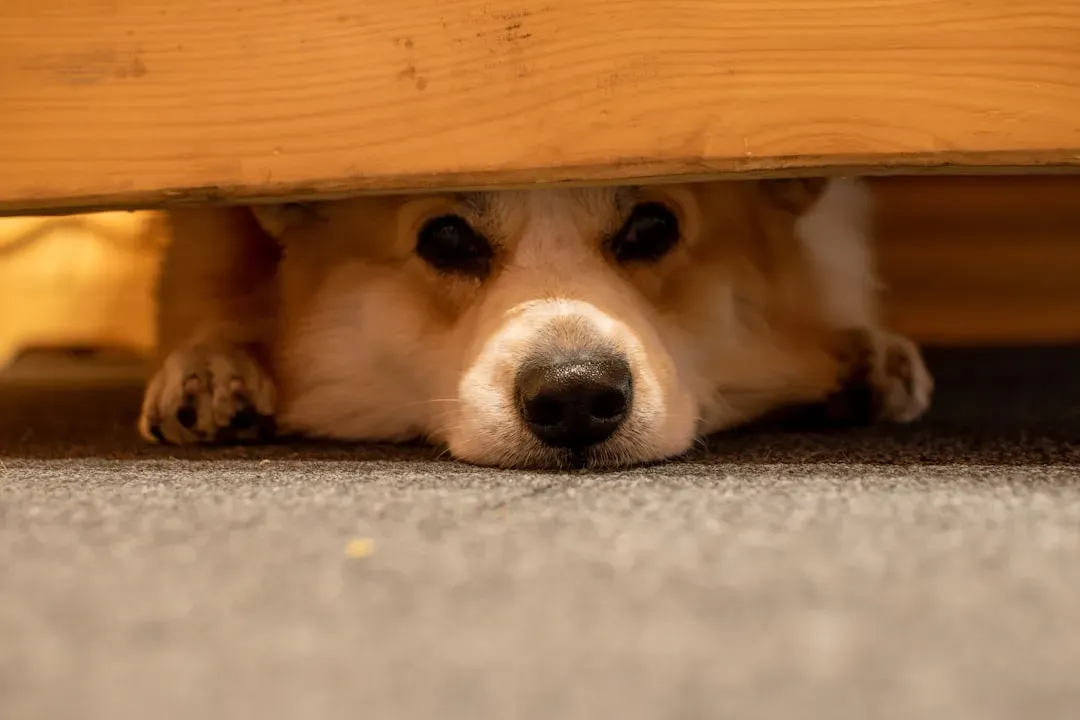
Playing hide-and-seek requires two things from your dog: critical thinking skills and a good nose. In a home setting, dogs don’t need to use these skills as often, and having the opportunity to use them is lots of fun for them. It also taps into the dog’s natural instinct to track, which means this isn’t just entertainment – it’s genuinely fulfilling work for them.
Depending on how well-trained your dog is, you can try instructing them to sit and stay in another room, or simply plan to sprinkle treats around the house while they’re napping. Whichever method you choose, hide some of their favorite treats or chew toys around the house while they’re not watching, then instruct your dog to seek out the hidden rewards for a tasty payoff. You can also hide yourself – simply duck behind a door or under a bed and call your dog. Watch as they sniff everywhere, sometimes coming right up to where you are without finding you. Try to keep from bursting out laughing as their nose takes them somewhere else. Then bask in their wiggly excitement when they finally figure it out!
4. Indoor Fetch and Tug-of-War: Simple Games, Real Benefits
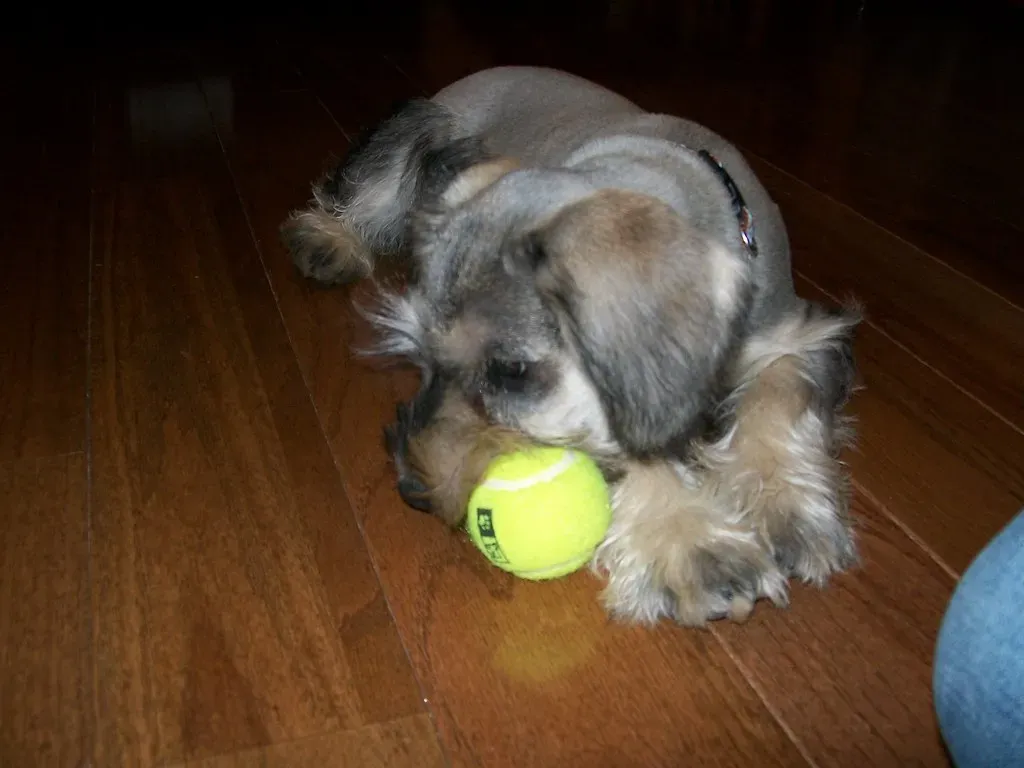
Indoor fetch using soft toys is one of the simplest indoor dog activities that burns energy without damaging your furniture. Look for plush, lightweight toys like a soft squeaky toy designed for safe indoor play. Roll the toy down a hallway or toss it into an open space like the living room. Keep an eye on the flooring – slippery hardwood can increase the risk of slipping, so opt for carpeted areas when possible.
Tug-of-war is a great interactive game that allows for some quality time between you and your dog. Grabbing and shaking a rope or soft toy is also a great outlet for their instinctive prey drive. Through tug-of-war, you can teach your dog commands like “drop it” or “be gentle” – and if they’re becoming too aggressive or possessive, it may be time to take a break. Tug-of-war is also a way to engage your dog’s mind and body while reinforcing positive behaviors. Though it may seem like a purely physical game, it also requires focus and problem-solving skills, builds strength and coordination, and teaches impulse control as they learn to follow your cues to start and stop.
5. Trick Training Sessions: Small Efforts, Big Rewards
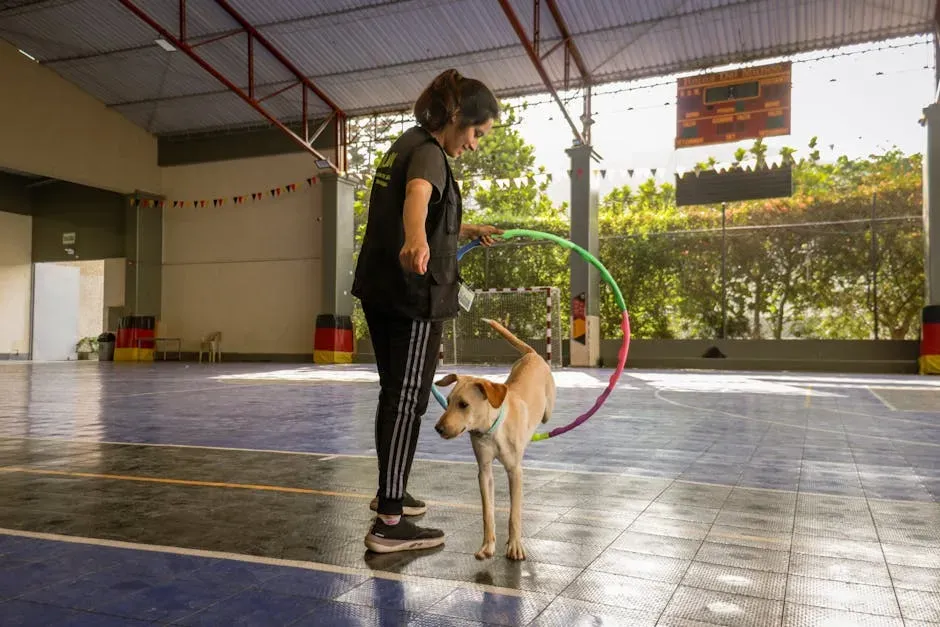
A rainy day is the perfect time to work on training. Teaching new tricks or reinforcing commands is one of the best rainy day dog activities that strengthens your bond while keeping their brain engaged. Training is a triple win when it comes to dog wellness: it provides mental stimulation as they learn to perform certain tricks, physical activity especially with movement-based behaviors, and emotional health as pups build confidence with every trick and behavior they master.
Stay positive and keep training light, without pressure. It isn’t important to get perfect behavior in one session – the goal is to have fun and work together. A nice approach is to take an existing known behavior and build on it. For example, if your dog is already great at lying down on cue, add lying on their side, or resting their chin on the floor. Give lots of breaks and celebrate small wins. Keep sessions short – ten to fifteen minutes is plenty for most dogs before mental fatigue sets in.
6. DIY Indoor Obstacle Course: Turn Your Living Room Into an Adventure
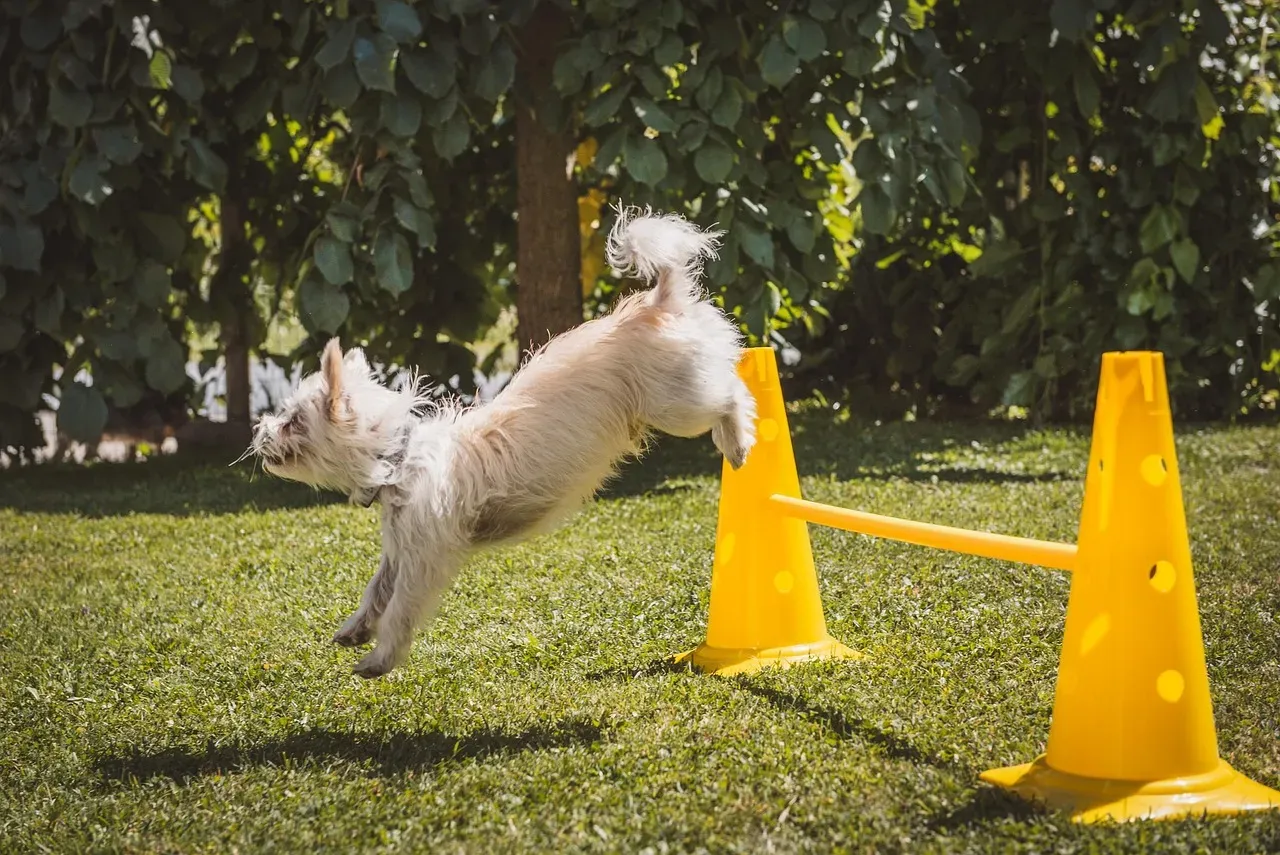
To keep your dog active, you can build them an indoor agility course out of random objects you have around your house, such as cardboard boxes, brooms, hoops, and pillows. Indoor obstacle courses are perfect for dogs with high energy levels, as they provide both mental stimulation and a way to burn off excess energy. The beauty of this is that you don’t need any special gear – your furniture and household items are genuinely enough to get started.
Start small, with one step stool to climb. When your dog is confident with that, you can add a broom propped up on chairs and teach them to go over or under it. Make a tunnel with pillows, chairs, and sheets. Until they get the hang of it, you may need to lead your dog through the indoor agility course with a few treats or their favorite toy. Always supervise, remove sharp or unstable objects, and use non-slip surfaces where possible to keep things safe.
7. Snuffle Mats and Frozen Treats: Enrichment That Soothes
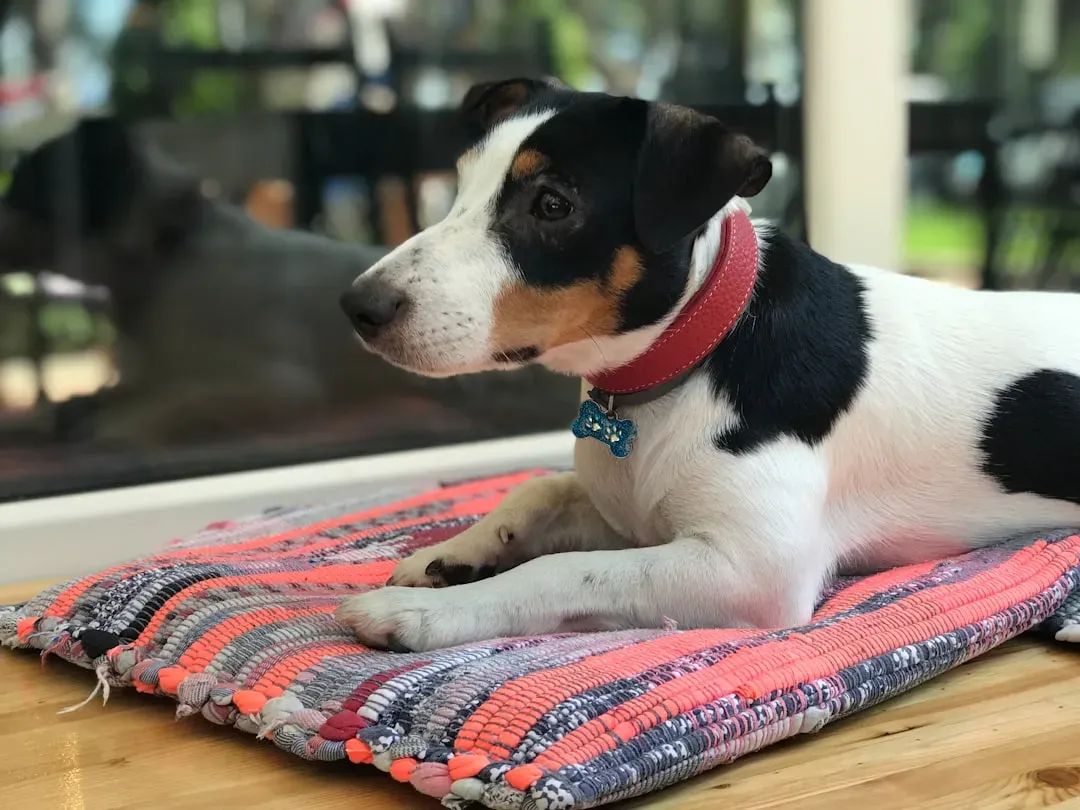
A snuffle mat mimics foraging and is one of the easiest ways to turn a short session into a full mental workout. These mats are made from strips of fleece where treats or kibble are hidden, encouraging your dog to dig and snuffle to find them. They’re excellent for calming dogs down, especially in the evening or after a more stimulating activity. If your dog tends to rush meals, using a snuffle mat for feeding can also help slow them down.
Frozen treats are another great option on rainy days. Blend banana, yogurt, or peanut butter and freeze them in silicone molds or inside hollow toys. These treats not only taste great but also keep your dog engaged for longer periods, especially when movement is restricted. They’re a great way to cool down indoor dogs and provide enrichment. One practical note: always check that peanut butter is xylitol-free before offering it to your dog, as xylitol is toxic to dogs.
8. Grooming and Gentle Massage: Calm Care That Counts

Some dogs are afraid of thunder or heavy rain, and grooming can have a calming effect that reduces anxiety during storms. Choose pet-friendly grooming products and create a relaxing environment with low noise and soft lighting. Regular brushing not only keeps their fur healthy by removing loose hair and tangles and promoting circulation, but the repetitive motion of brushing can also help calm an anxious dog, offering mental relaxation and a chance to decompress.
Cooperative care involves teaching your dog a consent cue, which lets you know they are agreeing or opting in to the next step. One of the first cues is a chin rest. Another is getting your dog used to you touching their toes. Touch, treat, touch, treat, and repeat. End the session if your dog walks away, and make note of how long they’re willing to stay for next time. Many fear-free vet and grooming practices utilize similar techniques with their clients, and building a cooperative care foundation can set your dog up for long-term success and healthier wellbeing outside the home too.
9. DIY Food Puzzles and Mealtime Games: Make Every Bite Count
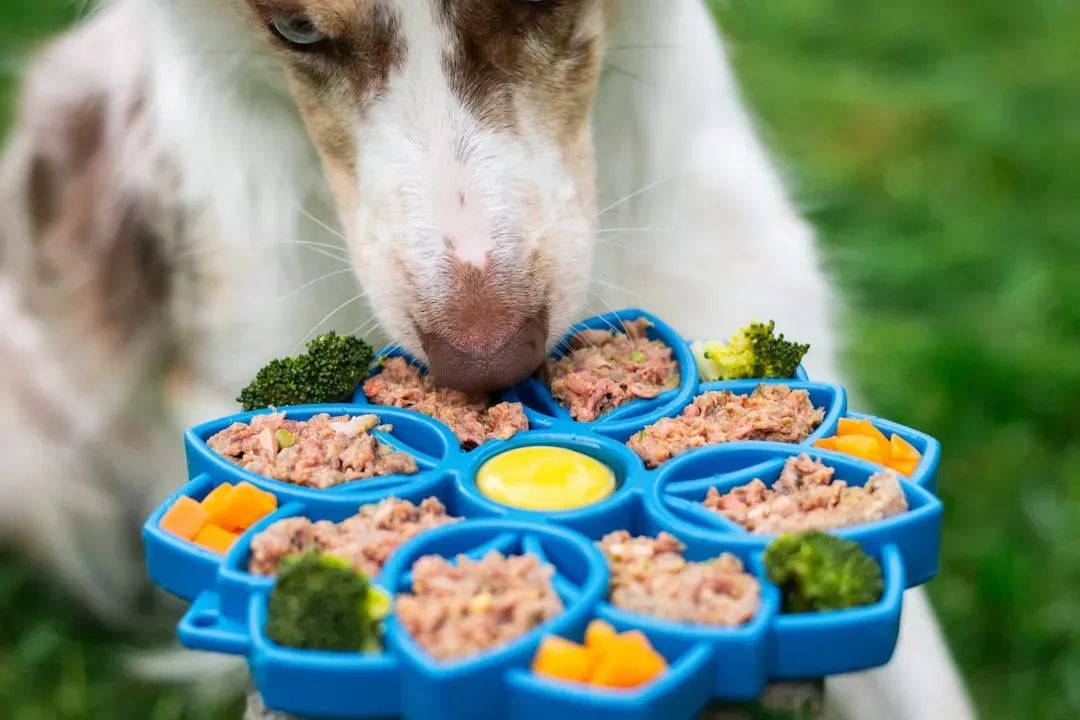
Making mealtime fun, challenging, and interactive is a great way to satisfy your dog’s innate instincts and curiosities. Every meal is an opportunity for enrichment, and food puzzles are a great way to slow down your dog’s eating and provide mental stimulation. You don’t need to spend money on fancy equipment – simple household items work surprisingly well and dogs genuinely can’t tell the difference.
Take a few cardboard boxes of various sizes and hide treats in one or two. Let your dog sniff and dig through them to find the reward. This activity taps into your dog’s natural foraging instincts and is perfect for rainy days when your dog is stuck inside the house. It’s low impact, highly engaging, and suitable for dogs of all sizes. The act of licking has also been shown to reduce stress, so licking treats out of toys can help with de-stressing as well. Fun things to put in them include wet food, pureed pumpkin, and peanut butter without xylitol – and for extra engagement, freeze them so they take longer to work through.
Conclusion: Rainy Days Can Be the Best Days
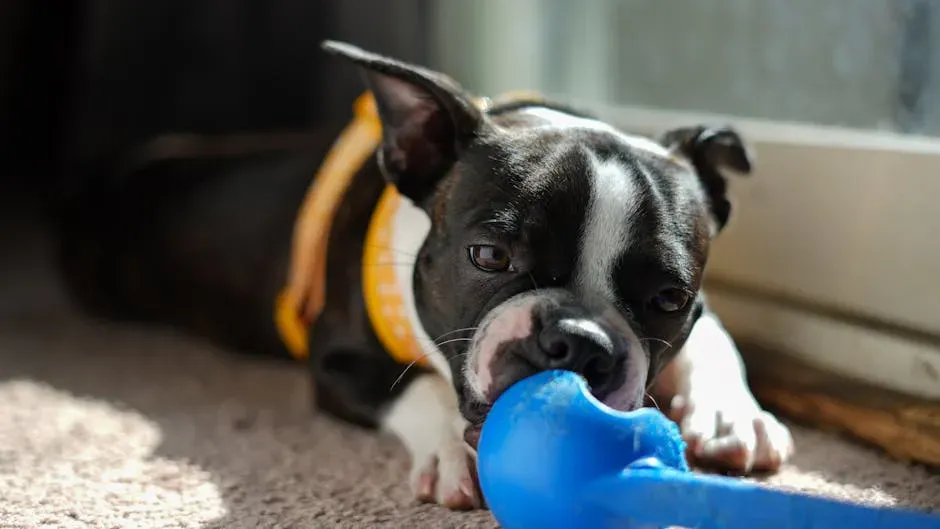
Here’s something worth sitting with: a bored dog isn’t a badly behaved dog. Destructive behavior when left under-stimulated is common. If your dog is shredding or chewing things and doesn’t show signs of separation anxiety, they’re probably bored. The good news is that the fix rarely requires expensive equipment or hours of your time.
The key to a happy and healthy dog is regular enrichment and allowing them to engage in their innate behaviors, such as playing, chasing, smelling, chewing, and scavenging. By allowing your dog to engage in these behaviors, you allow them to be physically, emotionally, and mentally satisfied. Rainy days, then, are less of an obstacle and more of an invitation to show up for your dog in a different way.
Pick one activity from this list today. Watch how your dog responds. A wagging tail and a pair of tired, satisfied eyes by the end of the afternoon is all the confirmation you’ll ever need that it was time well spent.


