
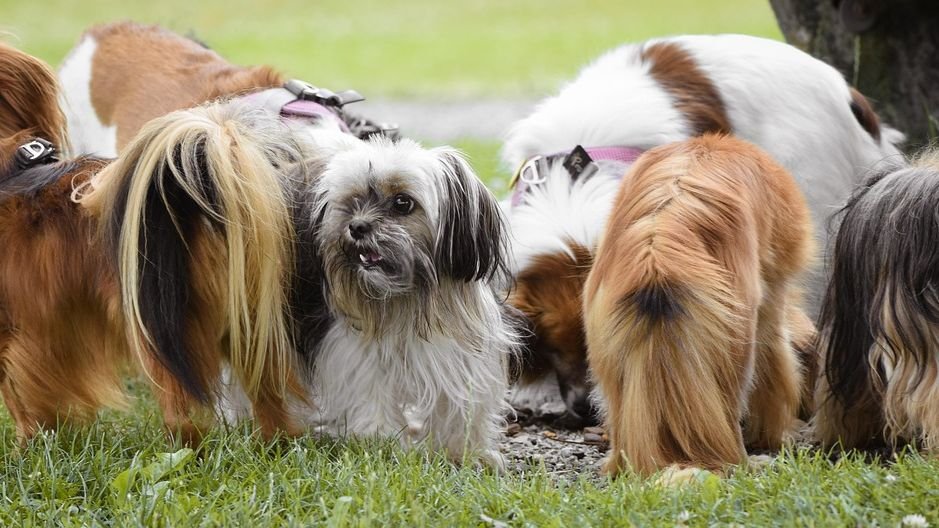
You love your dog. You’d do anything for them. You buy the good food, take them on walks, and spend your evenings on the couch watching TV together. So why is your sweet pup still jumping on every guest, barking at the mailman, or chewing through your favorite shoes?
The truth is, most unwanted dog behaviors don’t come from a “bad” dog. They come from patterns that owners unknowingly created, often with the best of intentions. Most serious dog behavior issues are preventable, and the dogs behind them are mostly doing the best they can, behaving based on the current conditions they live in. These are not bad dogs. They come from common mistakes that are often well-intentioned but based on outdated or misleading information. The good news? Once you spot the pattern, you can change it.
1. Accidentally Rewarding the Behavior You’re Trying to Stop
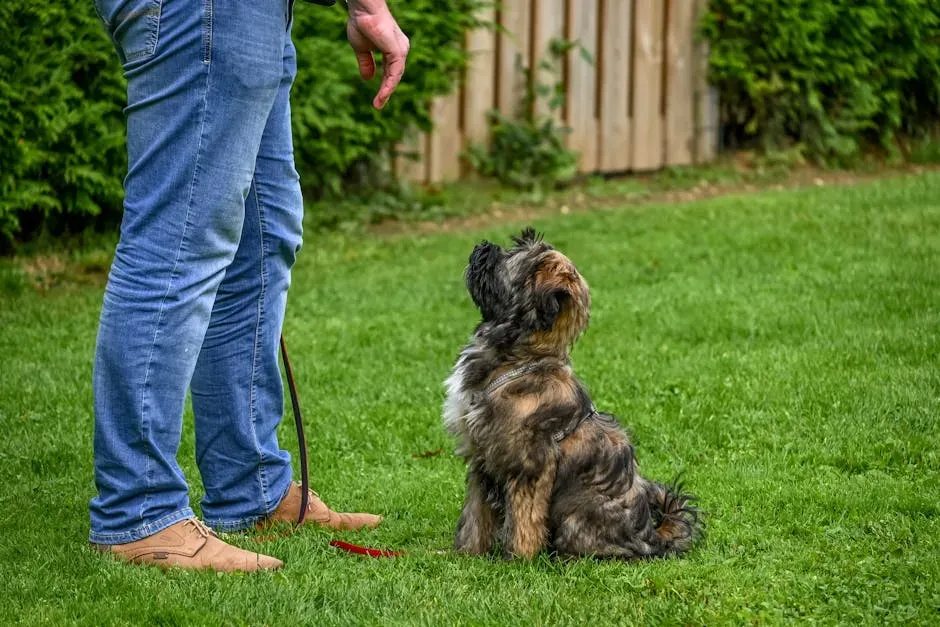
This is probably the most widespread mistake, and it’s almost invisible when it’s happening. A brand-new dog owner might say “I don’t reward the jumping,” but is simultaneously petting the dog to calm it down. That physical contact, however calming it feels to you, is exactly the kind of attention your dog was jumping for in the first place.
Reinforcement isn’t about intention; it’s about what the dog perceives as rewarding. Once an owner understands this, you can build new reinforcement patterns that support calmer behavior. Some pet owners support bad behavior without realizing it. Many of us aren’t even aware of some of our dogs’ less-than-great habits. For instance, you might allow your dog to come inside because they’re barking, or slide them scraps of human food while cooking. The fix starts with awareness, not perfection.
2. Being Inconsistent With Rules and Boundaries
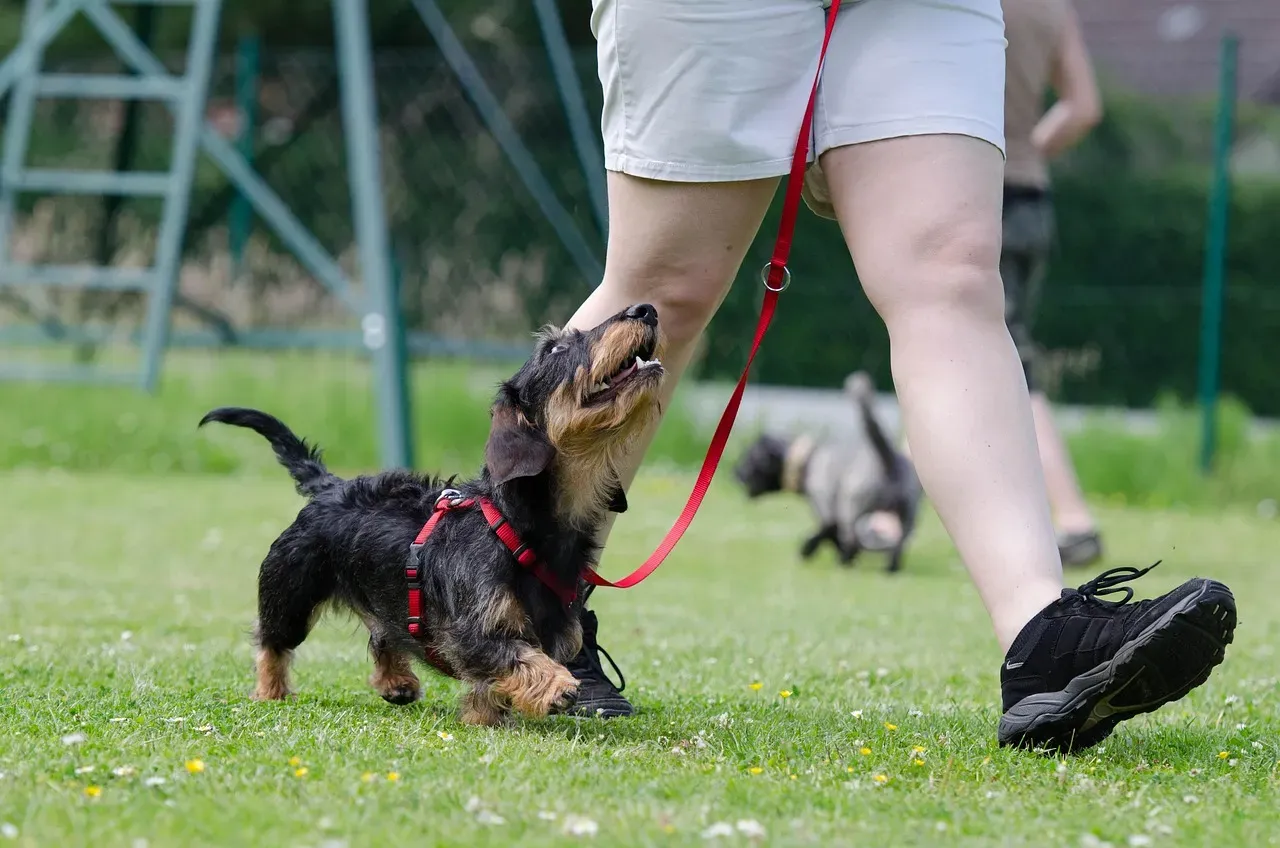
A lack of clear rules confuses dogs and can lead to unwanted behaviors. Some owners let their dogs jump up on people one day, then scold them for it the next. Inconsistent training makes it hard for dogs to learn what’s expected of them. From your dog’s perspective, there’s no logical pattern, just a confusing world where the same action gets praise one moment and a scolding the next.
Consistency is key in dog training. Inconsistent training methods, rules, and expectations can confuse your dog and hinder their progress. Dogs thrive on routine and clear boundaries, so maintaining consistency is essential for their understanding and compliance. Inconsistent cues from different family members can lead to mixed signals and slow down your dog’s learning process. Get everyone in your household on the same page, because your dog is listening to all of you.
3. Using Punishment Instead of Positive Reinforcement
This tag does not indicate the copyright status of the attached work. A normal copyright tag is still required. See Commons:Licensing.
العربية ∙ বাংলা ∙
Bahaso Jambi ∙
Deutsch ∙ Deutsch (Sie-Form) ∙ English ∙ español ∙ euskara ∙ فارسی ∙ français ∙ italiano ∙ 日本語 ∙ 한국어 ∙ македонски ∙ മലയാളം ∙ Plattdüütsch ∙ Nederlands ∙ polski ∙ پښتو ∙ português ∙ русский ∙ slovenščina ∙ svenska ∙ Türkçe ∙ українська ∙ 简体中文 ∙ 繁體中文 ∙ +/−, Public domain)
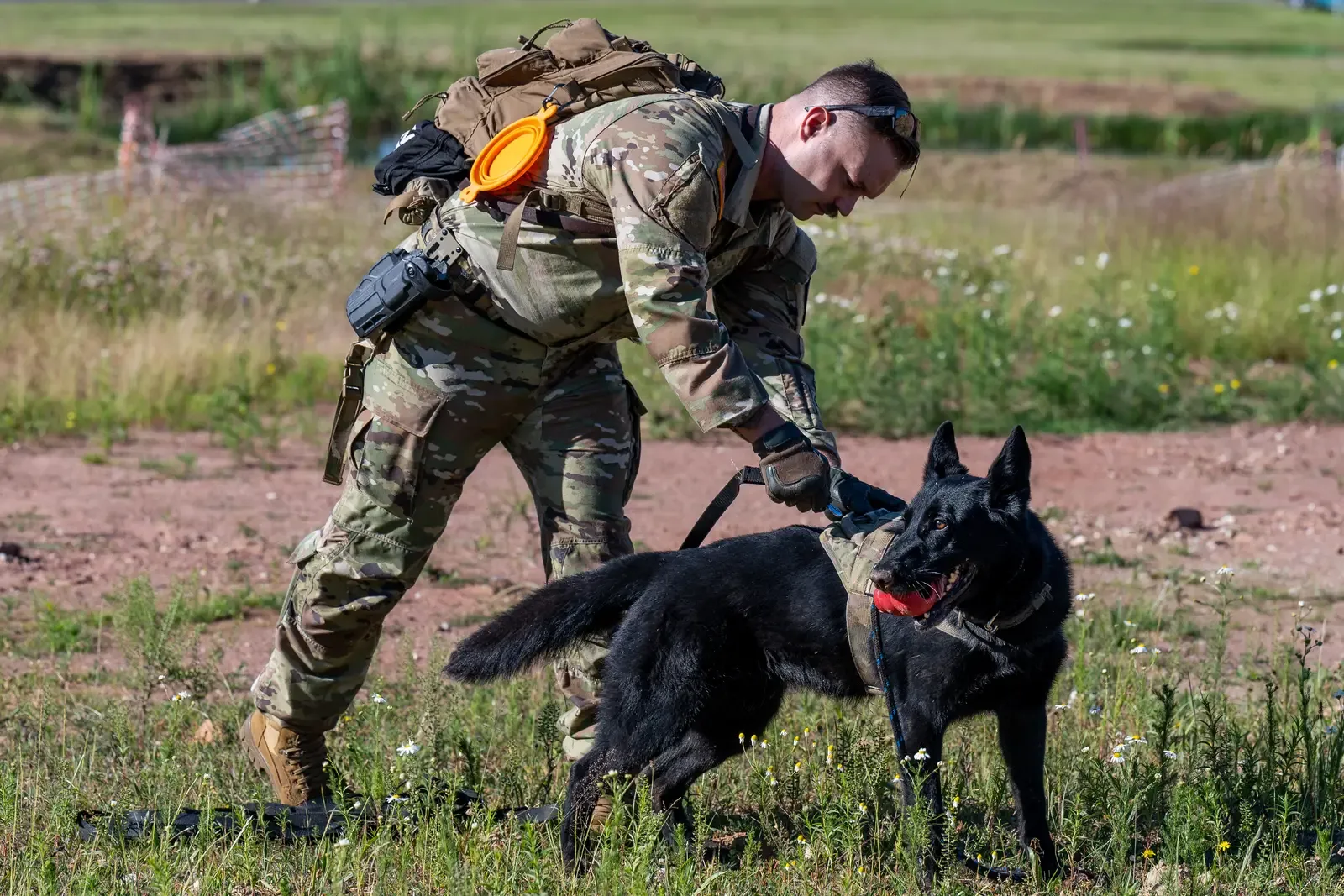
One of the biggest dog training mistakes is resorting to punishment, such as yelling or physical reprimands. These actions can cause a dog to feel threatened, damaging their trust in their owner. Punishment often leads to fear, anxiety, or even aggressive behaviors, making it an unreliable and harmful approach. Scolding might feel natural in the moment, but it rarely teaches a dog what to do instead.
While it’s natural to feel frustrated when your dog misbehaves, resorting to punishment-based training methods can do more harm than good. Punishment can lead to fear, anxiety, and even aggression in dogs. Instead of focusing on punishment, shift your focus to positive reinforcement. Reward your dog for good behavior with treats, praise, and affection, and gently redirect undesirable behaviors without resorting to harsh discipline. The goal is to teach your dog what works, not just what doesn’t.
4. Skipping or Misunderstanding Socialization

A big misunderstanding is assuming socialization means “meeting lots of dogs.” Proper socialization is about exposure to a variety of environments, sounds, surfaces, people, and controlled interactions – not letting every dog run up and say hello. Over-socialization in chaotic settings can actually create reactivity or insecurities later. Quality over quantity makes the difference.
Proper socialization is crucial for a well-behaved and well-adjusted dog. Many pet owners make the mistake of neglecting this aspect of training, which can lead to fearfulness and aggression toward other dogs and people. Make an effort to expose your dog to various environments, people, and animals from a young age, and continue to provide opportunities for positive social interactions throughout your dog’s life. Think of socialization not as an event, but as an ongoing education.
5. Waiting Too Long to Start Training
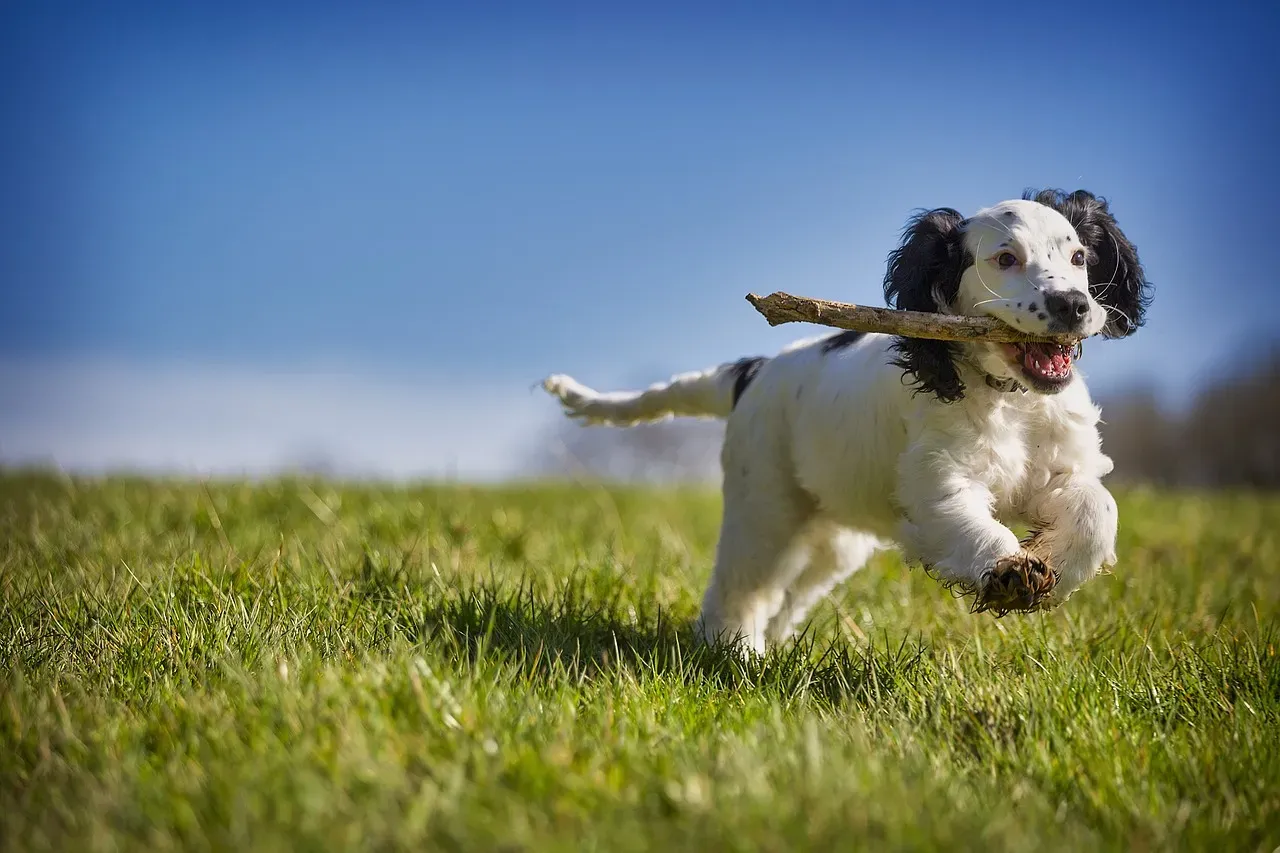
One of the most prevalent dog training mistakes is waiting too long to begin. Waiting until your pet has developed bad habits or behavioral issues can make the training process more challenging and time-consuming. Puppies are like sponges, absorbing new information and experiences rapidly. According to experts, the best time to start teaching dogs is when they are around eight weeks of age.
Early behaviors become rehearsed and reinforced. Repetition builds habit. Habit builds reliability, good or bad. Many problematic behaviors are self-reinforcing and get worse if left untreated. Waiting for things to “sort themselves out” is one of the most common reasons owners end up needing a professional later on. The earlier you address something, the easier the correction.
6. Expecting Dogs to “Grow Out Of” Problem Behaviors
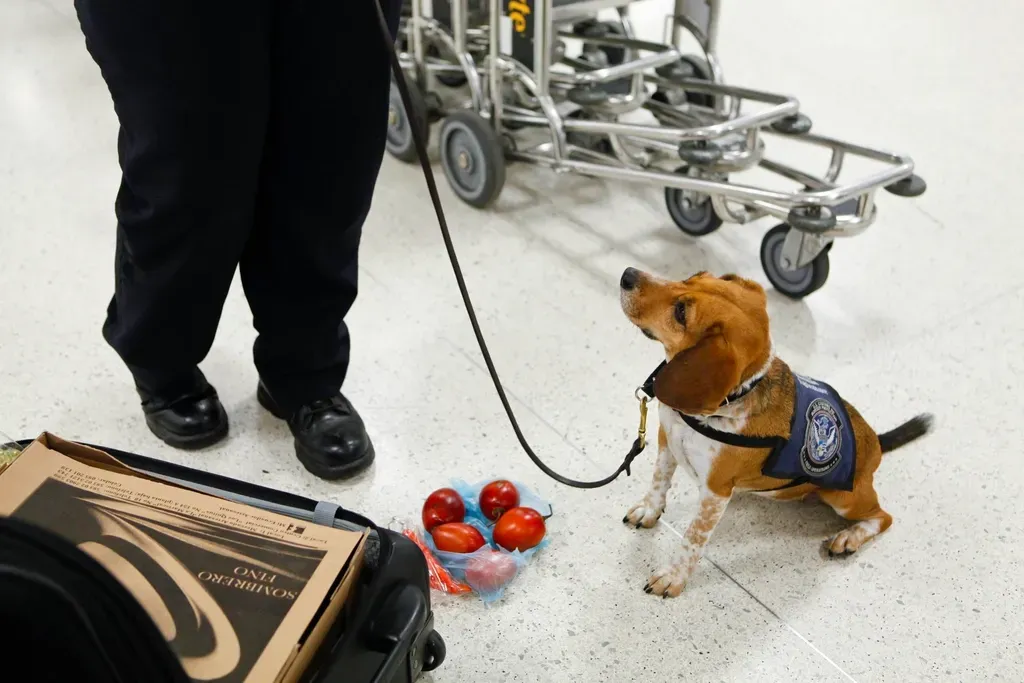
It’s a hopeful thought – that your dog’s pulling, nipping, or resource guarding will fade as they mature. First-time owners often hope their dog will mature past the issues. Unfortunately, dogs grow into patterns, not out of them. If a young dog practices pulling, barking at windows, or resource guarding, those behaviors strengthen with repetition. Early course correction is always easier than trying to undo months of unwanted habits.
It’s important to take behavior seriously as soon as you see any early signs of issues, especially with things like aggression which can be dangerous. Some problems can be more complex than others, so try to nip any unwanted behavior in the bud as soon as possible, before they become a hard-to-break habit and start having an effect on your dog’s emotional health. If a puppy behavior makes you laugh today, picture it on a 60-pound adult dog. That shifts the perspective quickly.
7. Not Providing Enough Mental and Physical Stimulation
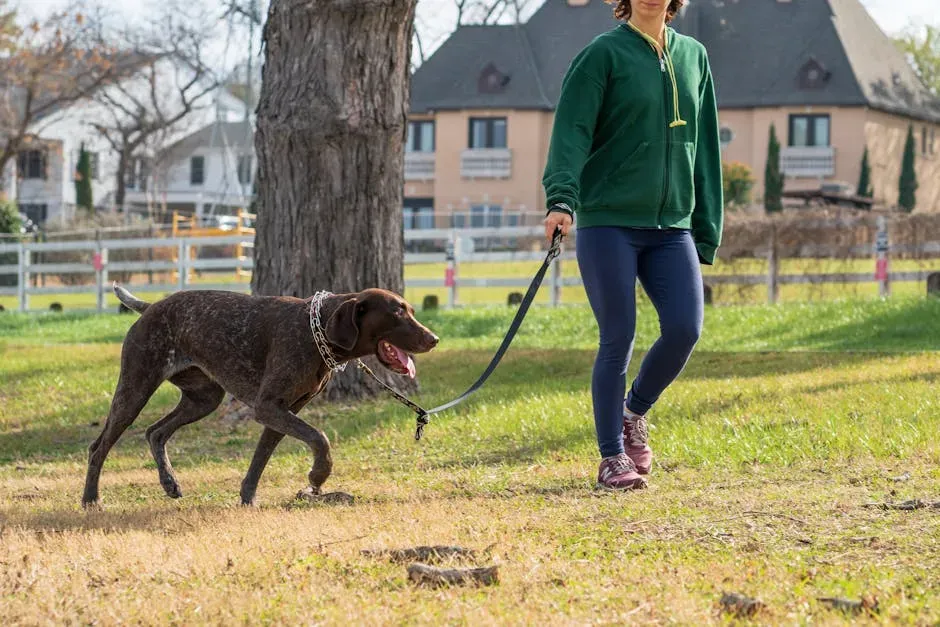
A tired dog is a good dog. If you’re gone many hours a day, and your dog’s walk consists of a quick dash into the backyard, your dog might not be getting enough exercise. They may channel extra energy into bad behavior, like chewing shoes or dragging you on the leash. Puppies generally have more energy than adult dogs and require more exercise. Also, your dog’s breed influences the level of physical activity they need.
Many new dog owners overlook the importance of regular exercise for their furry companions. Dogs require physical activity to maintain their health, prevent obesity, and release excess energy. A lack of exercise can lead to behavioral problems and health issues. Mental stimulation is equally as important as physical exercise. Mix physical exercise with mental enrichment. Sniff walks, puzzle feeders, and training games all help. A bored dog will always find something to do with that energy, and it rarely involves sitting quietly.
8. Ignoring Your Dog’s Body Language
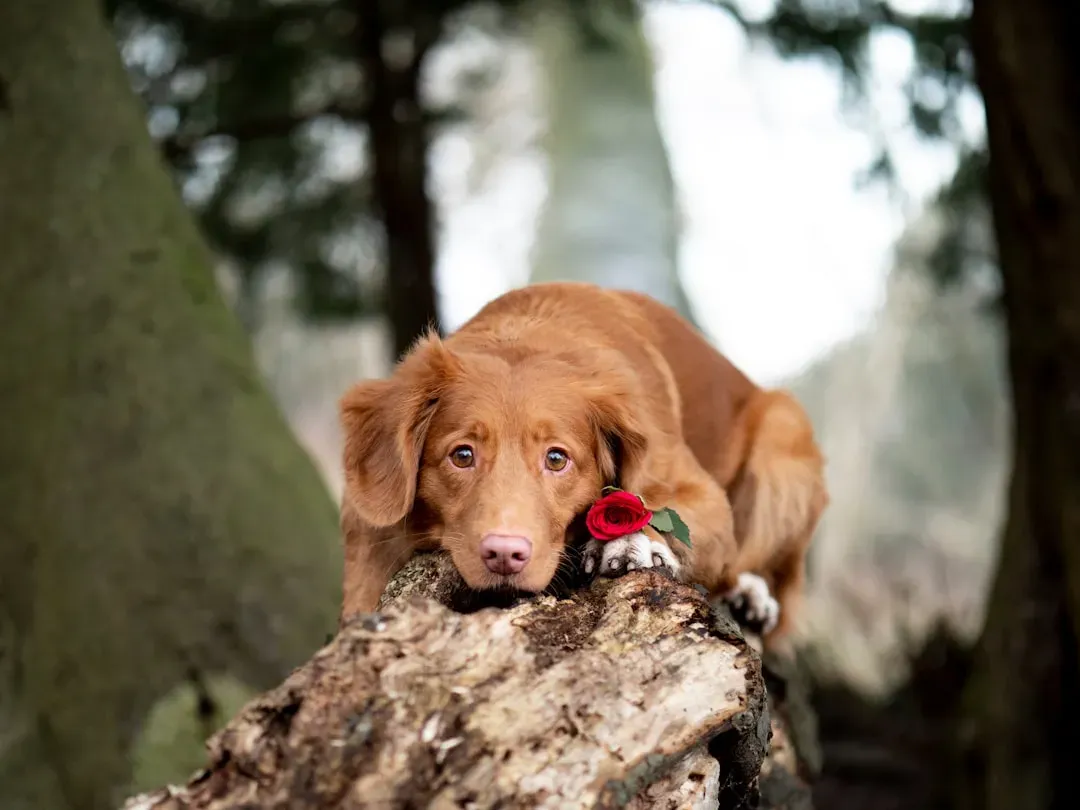
Not understanding or ignoring your dog’s body language can lead to pushing them beyond their comfort zone, which can result in aggression or fear. Dogs communicate constantly, but they do it with their bodies, not words. Dogs communicate with their bodies and we just need to listen. Learn canine body language. Signs like lip licking, yawning, or turning away mean your dog is stressed or unsure.
Inconsistent or unpredictable human-dog interactions can cause emotional conflict in the dog, in which the dog might desire a relationship but does not trust that the interaction will be safe. Because children are less likely to understand canine social signaling used to express discomfort, they are more likely to elicit conflict-related aggressive behavior. When your dog turns away, yawns, or tucks their tail, they’re asking for space. Respecting those signals builds trust and prevents escalation.
9. Giving Too Much Freedom Too Soon
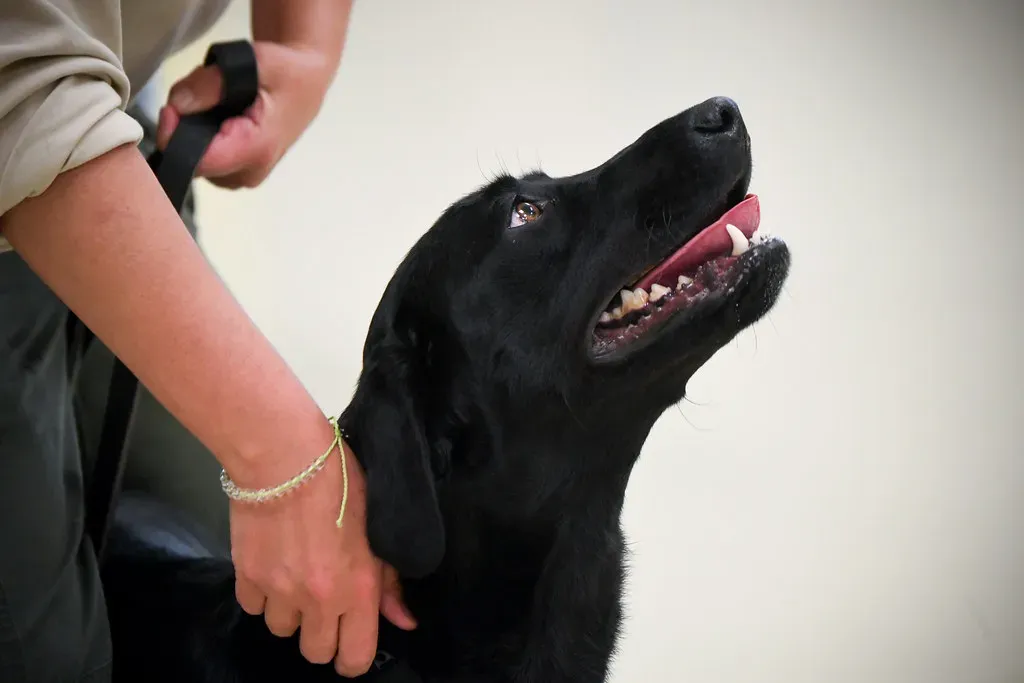
Experienced owners usually understand that daily structure is calming to dogs. First-timers often give a new dog too much freedom right away, allowing them to roam the house, greet everyone, sleep wherever, and choose their own pace. While well-intentioned, this can create anxiety and confusion. Clear patterns, such as routines, boundaries, and predictable interactions, help dogs settle faster and behave more confidently.
Dogs given too much freedom too early quickly learn how rewarding it is to ignore humans and rehearse unwanted behaviors. Management is not a failure. It is prevention. Good management stops dogs from practicing behaviors you do not want while you teach the behaviors you do want. Proper management also includes having enough options for your dog to choose from that aren’t off-limits. Think of a new dog like a new roommate – you wouldn’t hand them every key to the house before you’ve gotten to know each other.
10. Only Treating the Symptoms, Not the Root Cause
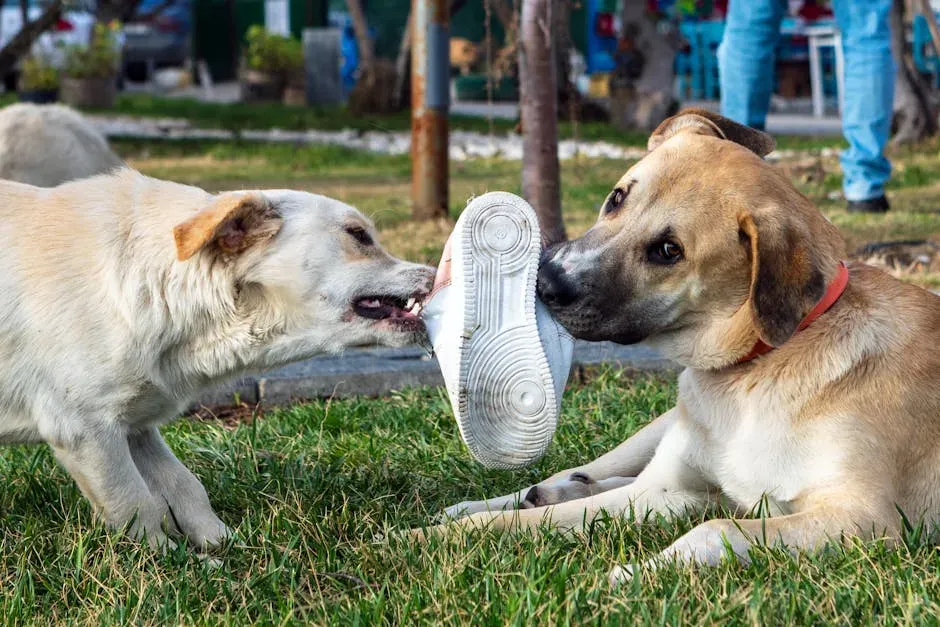
One of the biggest mistakes dog owners make is focusing solely on the symptoms of a behavior without addressing the underlying cause. It’s like putting a Band-Aid over an infection – while it might temporarily cover up the problem, it won’t solve it. What you really need is to treat the underlying issue. When dealing with behavior issues, the goal shouldn’t just be to stop the behavior but to help your dog feel differently so that a different set of behaviors presents itself.
For example, trying to stop excessive barking without addressing the anxiety or boredom behind it will lead to persistent problems or even new behavior issues. In many cases, dogs show unwanted behaviors because they’re actually frightened or unsure of something. If your dog barks when they see another dog, it could be that they’re feeling overwhelmed and this is how they let you, and the other dog, know that they are uncomfortable. Address the emotion, and the behavior often changes on its own.
The Takeaway: It’s Never About Blame
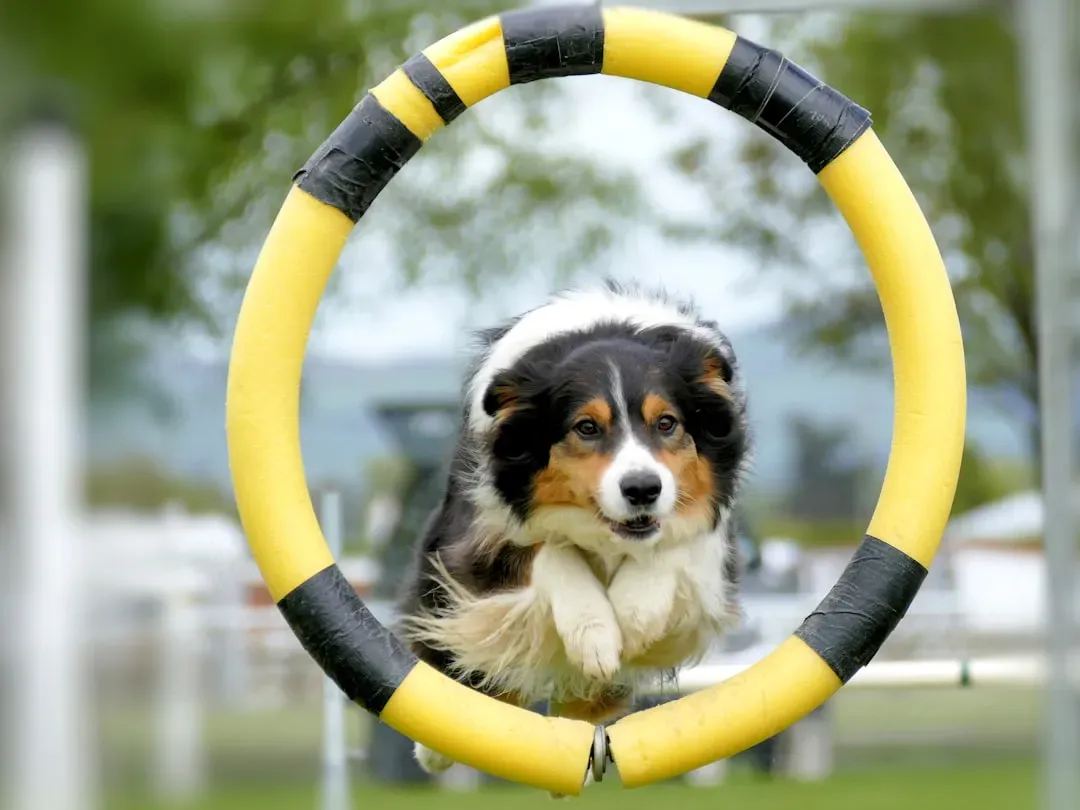
None of these mistakes come from laziness, lack of intelligence, or lack of love. They’re simply assumptions people often make when they’re new to the world of dog behavior. Every dog owner starts somewhere, and most of these patterns can be shifted once you know what to look for.
The relationship between you and your dog is built on thousands of small daily moments. Every walk, every training session, every calm response to a stressful trigger is a deposit in the bank of trust. Teaching your dog to sit, come, or lie down may not seem related to behavioral problems, but it is. Positive reward-based training teaches your dog that good things happen when they do what you ask, strengthens your bond, and provides mental stimulation that will help tire them out, making them less likely to misbehave.
Your dog isn’t trying to make your life difficult. Most of the time, they’re just responding to a world that hasn’t been explained to them clearly yet. The moment you shift from “why is my dog doing this?” to “what can I teach them instead?” – that’s when everything starts to change.


