
There’s a reason so many seniors fall head over heels for small dogs. They’re compact, easier to carry, don’t require an acre of yard space, and often look absolutely irresistible. The problem is that “small” doesn’t automatically mean “manageable.” Some of the most strong-willed, tenacious, and exhaustingly independent dogs on the planet come in tiny packages.
Before you commit to a new canine companion, it helps to understand what you’re really signing up for. Independent and stubborn dog breeds can be more challenging to train, especially for seniors who may prefer a dog that is easily trainable and obedient. That’s not a knock on these dogs. They’re often brilliant, loyal, and endearing. They’re just built for someone with a very specific kind of patience, experience, and physical stamina that isn’t always realistic during the senior years.
This article breaks down ten small breeds that regularly top the “” list, why each one poses real challenges, and what to watch for if you already have one at home. Consider this a kind, honest conversation from one dog lover to another.
1. Jack Russell Terrier: The Tornado in a Small Body
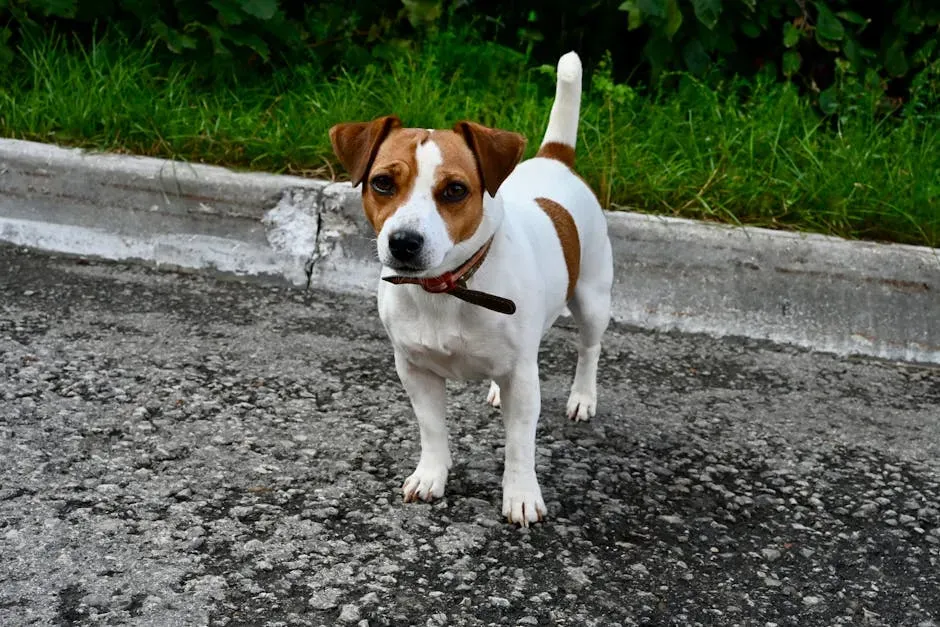
Jack Russell Terriers are small dogs with boundless energy. They require a substantial amount of physical exercise and mental stimulation to keep them satisfied. Without proper outlets for their energy, these dogs can become restless and bored. Picture a dog that’s essentially always on its second cup of coffee. That’s your Jack Russell.
Training a Jack Russell Terrier can also be a challenge. They are known for their stubbornness and independent nature. Jack Russells can be challenging to train, including at potty time. Without strict schedules and rigorous consistency, Jack Russells might permanently mark or use the bathroom in the house. Cleanup can be quite taxing. For a senior managing mobility issues or fatigue, this level of demand can quickly become overwhelming rather than joyful.
2. Dachshund: Cute, Clever, and Completely in Charge
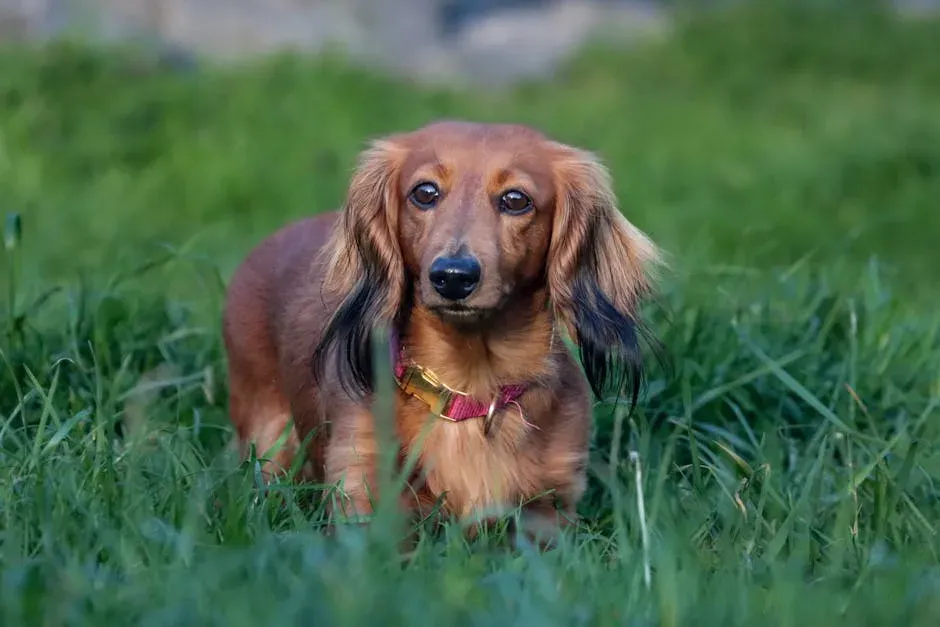
Dachshunds, originally bred for hunting badgers, are courageous and lively but can also be quite stubborn. Their determination makes them fearless but also less inclined to back down or comply with commands without seeing a benefit for themselves. Dachshunds are clever and can be manipulative, requiring consistent training from a young age. Basically, a Dachshund will do what you ask only when it suits them.
Dachshunds are known for their elongated spines, making them susceptible to back problems. They also have a tendency to gain weight, which can exacerbate health issues. Seniors might find managing a Dachshund’s health needs problematic, especially if the dog requires surgery or other intensive care. It’s a double challenge: a willful personality paired with a body that demands careful monitoring and, sometimes, costly veterinary intervention.
3. Chihuahua: Big Attitude, Zero Apologies
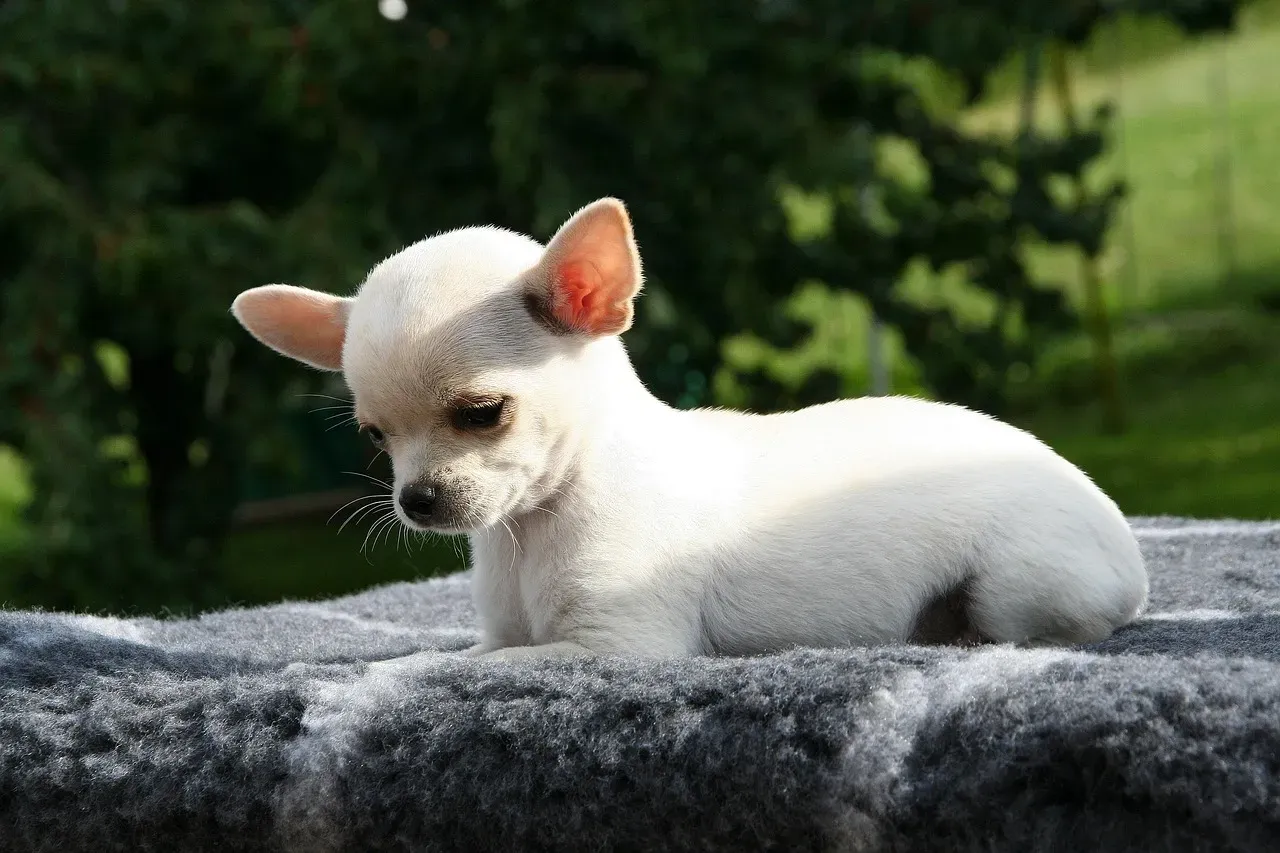
Chihuahuas are known for their small size, spirited energy, and strong-willed temperament. These feisty dogs have bold personalities that may overshadow their eagerness to please, resulting in apparent defiance. Additionally, Chihuahuas are intelligent, resulting in them occasionally testing boundaries and asserting themselves. In plain terms, they know they’re in charge and they plan to keep it that way.
The Chihuahua can be extremely difficult to house train and many owners recommend keeping a litter box in the house just in case. However, these are smart dogs, and a Chihuahua who receives proper training can excel in canine sports. Nonetheless, they often require too much attention for elderly dog owners. Training a Chihuahua effectively requires patience, consistency, and positive reinforcement techniques. Without firm early boundaries, they can easily develop what’s sometimes called “small dog syndrome” – where they run the entire household.
4. Beagle: The Nose Always Wins
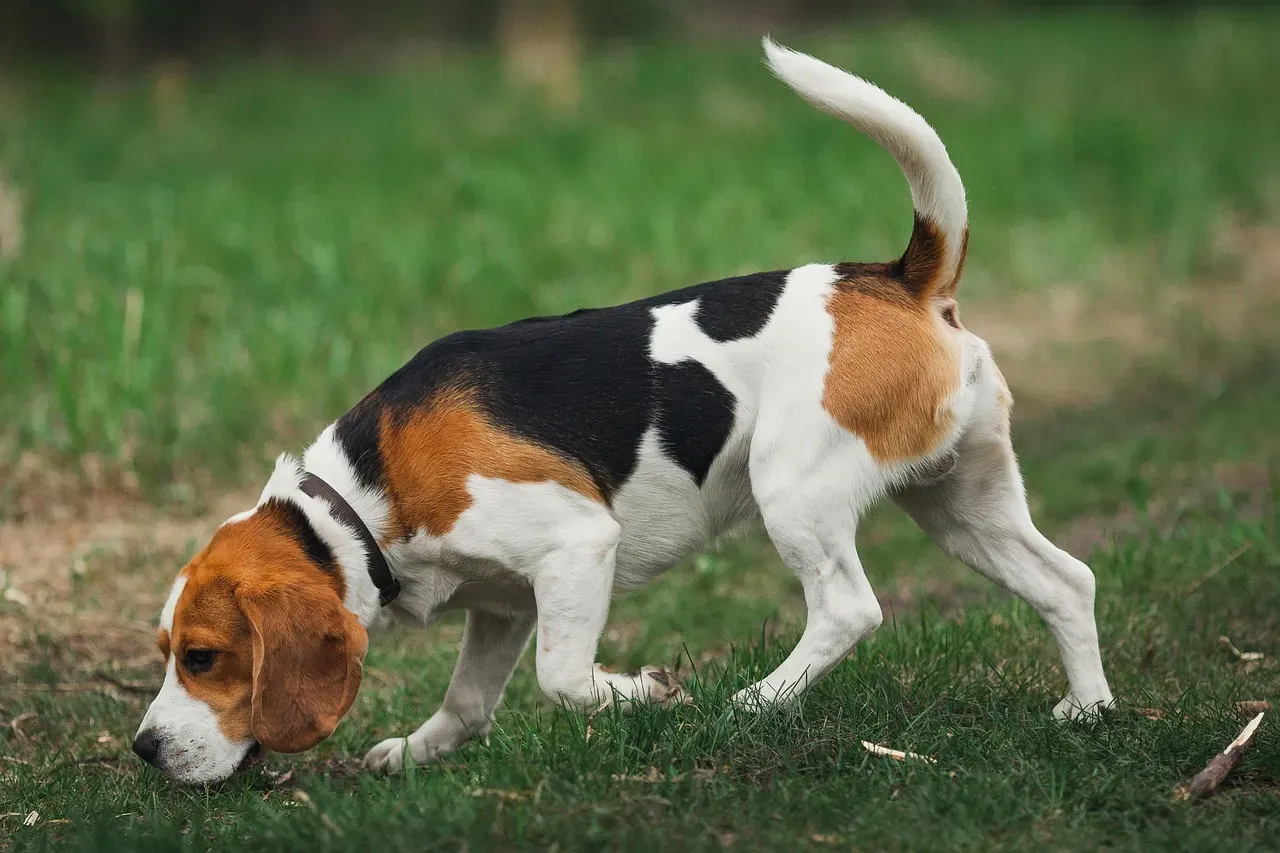
Beagles, with their incredible sense of smell and tracking ability, were bred for hunting and often exhibit a stubborn streak when on a scent trail. Their single-minded focus can make them seem indifferent to commands, especially if they’ve picked up an interesting scent. Beagles are friendly and affectionate but require patience and creative training techniques to manage their selective hearing. Calling a Beagle away from an interesting smell is, frankly, a battle you’ll often lose.
Beagles are adorable and friendly, but they were bred to be hunters and will frequently refuse to obey when they are distracted by a scent. Training a Beagle requires patience, as they can easily get diverted by the intriguing scents around them. For a senior who might not have the stamina for long daily outdoor sessions or the speed to redirect a dog mid-chase, this breed’s instinct-driven independence can pose genuine safety risks on walks.
5. Shiba Inu: The Cat That’s Actually a Dog
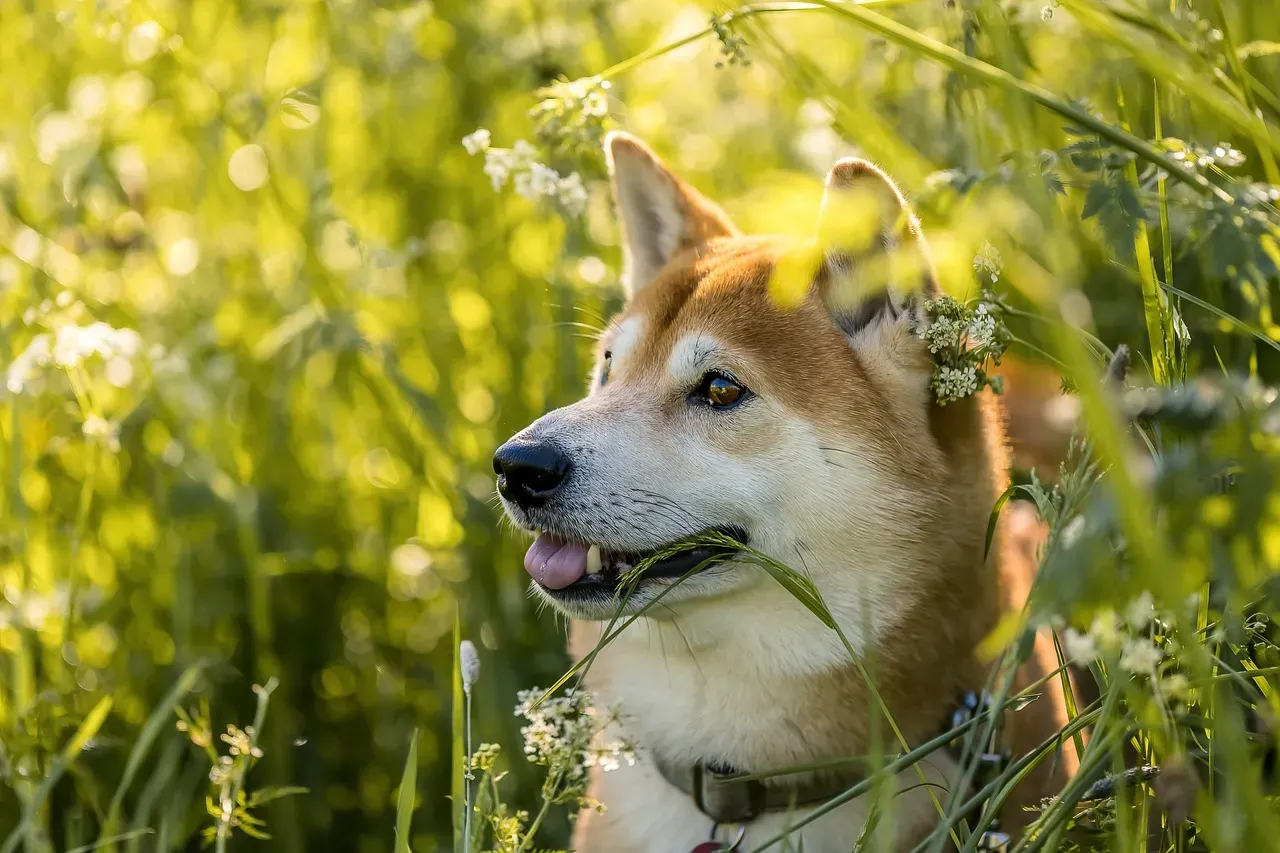
The Shiba Inu is considered an alert, affectionate, and independent breed with high intelligence but also somewhat stubborn and strong-willed. Shiba Inu is highly intelligent but doesn’t necessarily want to do what you want him to do. You may have to make him think obedience is his idea. Working with a trainer who understands the breed’s independence is important for best results.
Due to the high intelligence of the breed it requires a lot of exercise and stimulation. Insufficient exercise may lead to anxiety which leads to undesirable behaviors, notably the “shiba scream”. That’s not a metaphor. Shiba Inus are known to emit a high-pitched, piercing shriek when upset or overstimulated. Bold, loyal, and independent, Shibas form strong bonds with their families but prefer to make their own decisions. They are best suited to experienced owners who can provide consistent training and early socialization to prevent stubbornness and territorial behavior.
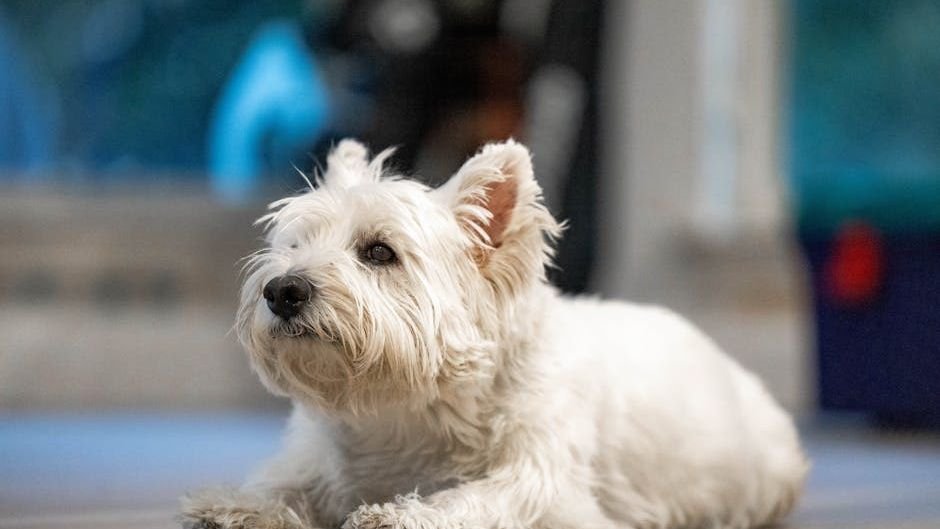
6. West Highland White Terrier: Pure White, Pure Will
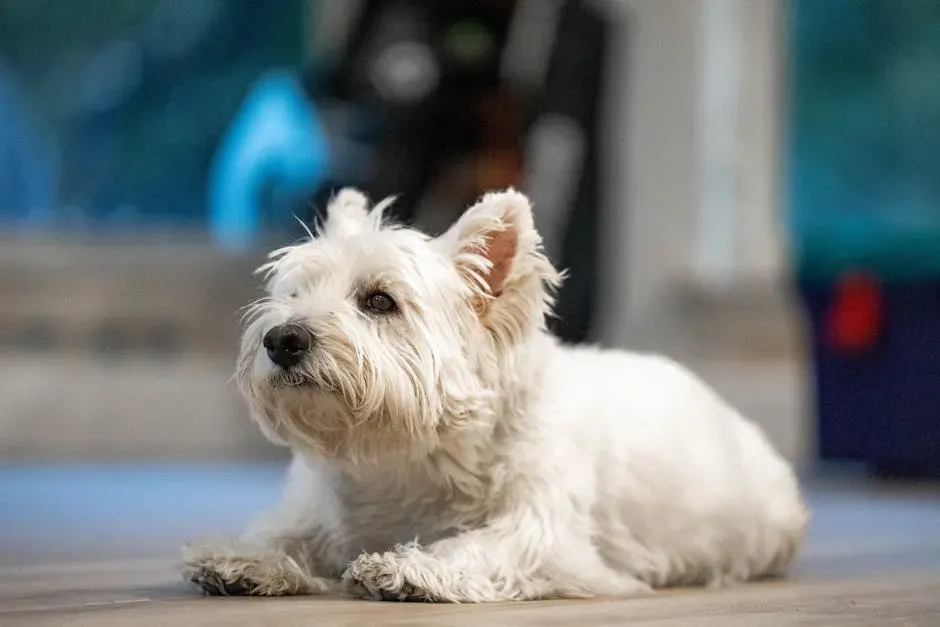
Demanding and testy, with the typical stubbornness and cleverness of a true terrier, the Westie must be shown early on by the owners exactly who is in charge. Prospective owners should know that terriers make great pets, but they do require determination on the part of the owner because they can be stubborn, have high energy levels, and require special grooming. Their fluffy, almost toy-like appearance is a little deceptive.
Best described as alert, active, independent and friendly, the West Highland White Terrier is instantly recognizable. They are quick to win your heart with their energetic persona and their bright white coat that just accents their button eyes, making them an initial hit among anyone who loves a people-oriented canine. That charm, however, comes with a terrier’s inherent stubbornness baked right in. Seniors who lack experience with terrier-specific training strategies may find the Westie charming to look at but exhausting to manage day to day.
7. Scottish Terrier: Dignified, Determined, and Doing It Their Way
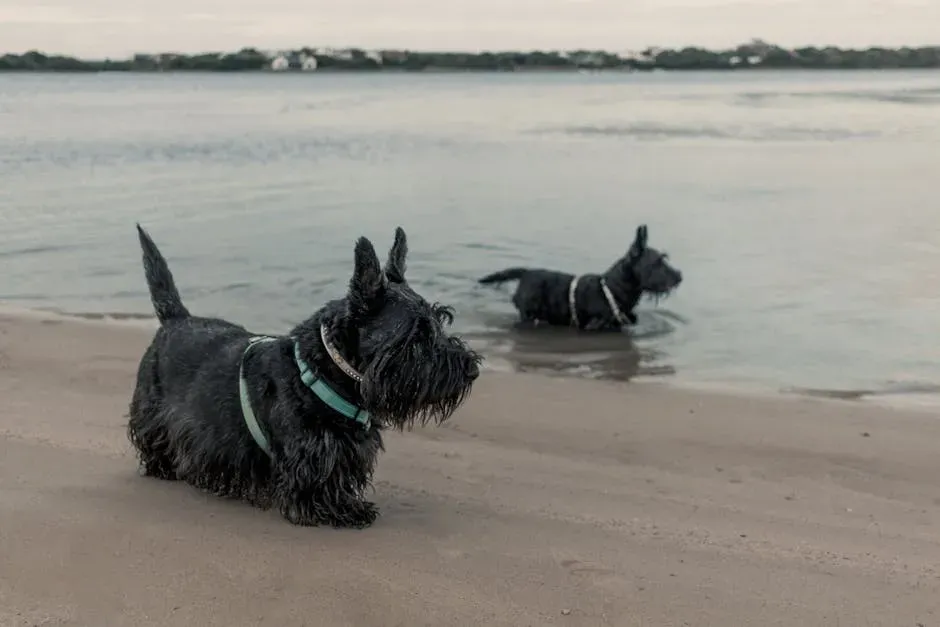
The Scottish Terrier is a bold little dog with a big attitude. Scotties are stubborn and independent, so they require firm but gentle obedience training from an early age. That said, with firm and kind leadership, they can become well-behaved members of the family. The key phrase there is “early age” – which means a senior adopting an adult Scottie with no training history faces an uphill battle.
Vocal, active, and proud, a Scottish Terrier will do whatever they set their mind on. If these dogs don’t want to do something, they don’t. Furthermore, a Scottish Terrier can be a handful since they’re a one-person type of dog. That intense loyalty to one person can also mean difficult adjustment periods when routines change, a visitor stays over, or the senior owner has a health setback that disrupts the dog’s schedule.
8. Miniature Pinscher: All the Confidence, None of the Obedience
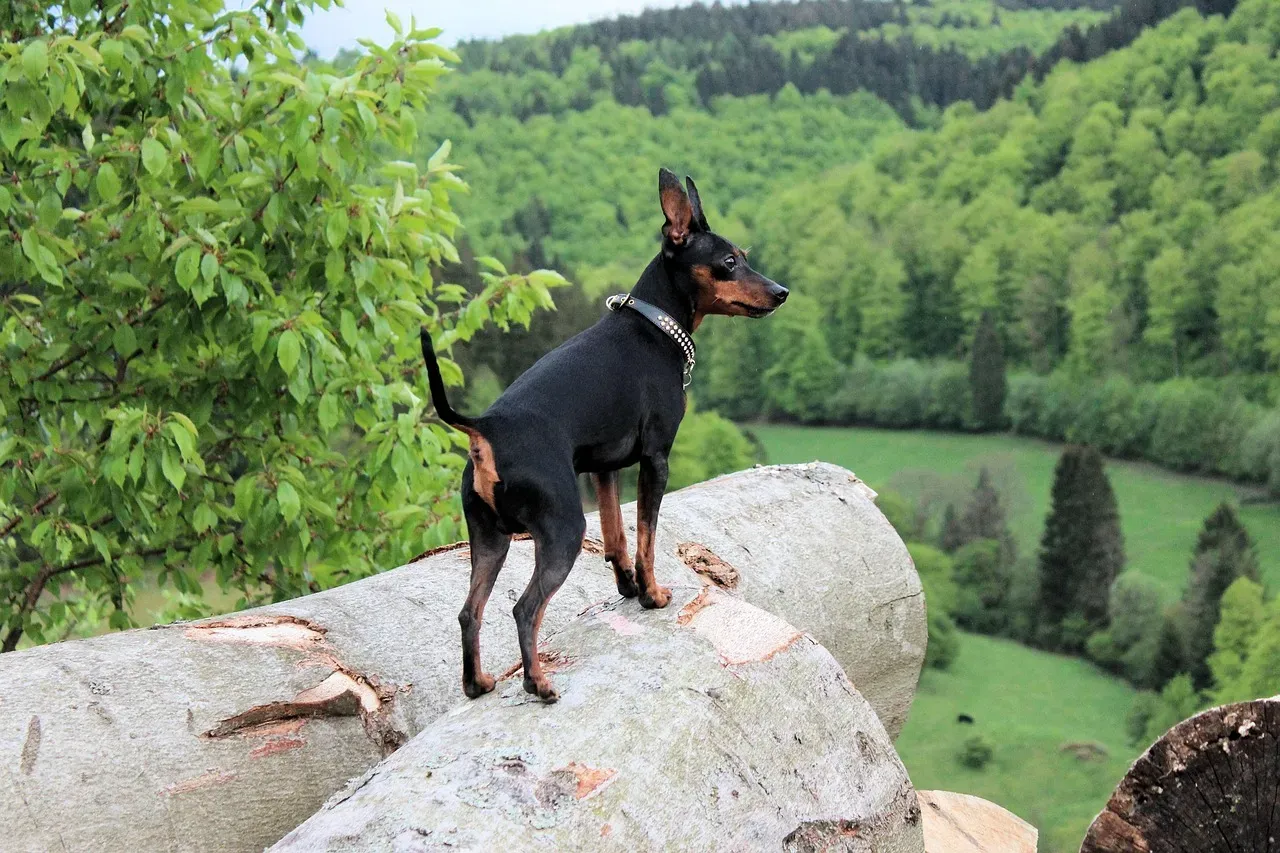
Min Pins, short for Miniature Pinschers, are one of the most active, independent, but stubborn dog breeds. Despite the Min Pins’ stubbornness, they require tons of exercise, constant stimulation, and a partner in crime who can understand their needs. They carry themselves like a large dog trapped in a small body, and they behave accordingly – assertive, fearless, and perpetually convinced they’re running the show.
Independent and stubborn dog breeds can present challenges in terms of training and obedience. These breeds often have a strong-willed nature and may require experienced and consistent training methods. For seniors who may have limited physical strength or mobility, managing and training an independent or stubborn breed can be particularly challenging. The Miniature Pinscher’s boundless energy and quick, darting movements can also create fall risks for seniors, particularly on leash during outdoor walks.
9. Pekingese: Ancient Royalty with a Modern Attitude Problem
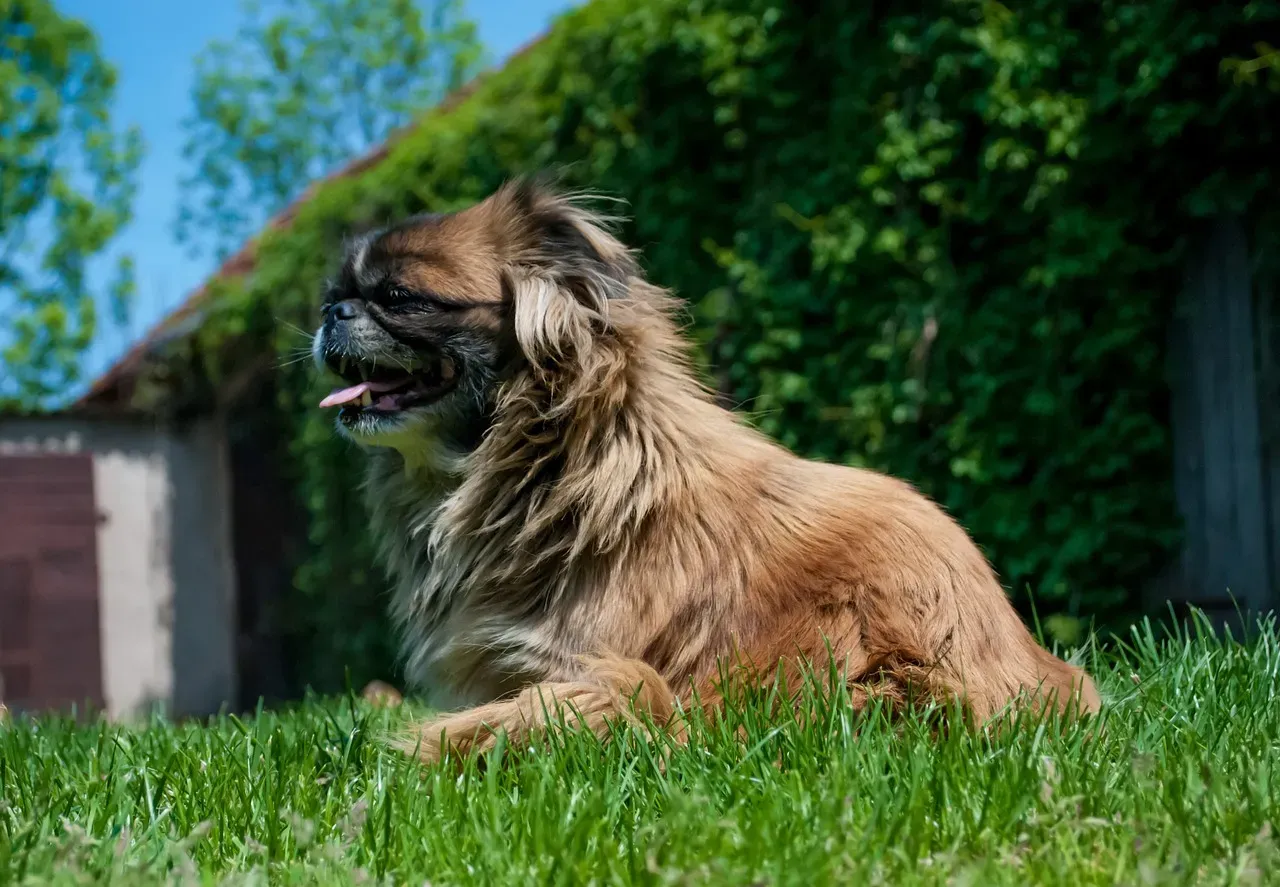
The Pekingese is a small breed with a self-important attitude, reflecting their history as companions to Chinese royalty. They are affectionate with their families but can be stubborn, often displaying a regal indifference to commands or training. Pekingese are intelligent and possess a strong sense of self, requiring a gentle but firm approach to training. Centuries of being pampered by emperors left a mark on the breed’s attitude, and it hasn’t faded much.
Pekingese may be prone to chondrodysplasia, brachycephalic syndrome (difficulty breathing), intervertebral disc disease, luxating patella, canine hip dysplasia, and progressive retinal atrophy. They are loving but will only seek your attention when they are in the mood for it. They can be funny to watch and are usually happy to jump onto your lap for a cuddle. They can become possessive at times, so early training will be needed to prevent them becoming fixated on one person. Their health complexity combined with their stubbornness makes them a genuinely high-maintenance choice.
10. Dachshund (Miniature): Same Stubbornness, Even Harder to Keep Up With
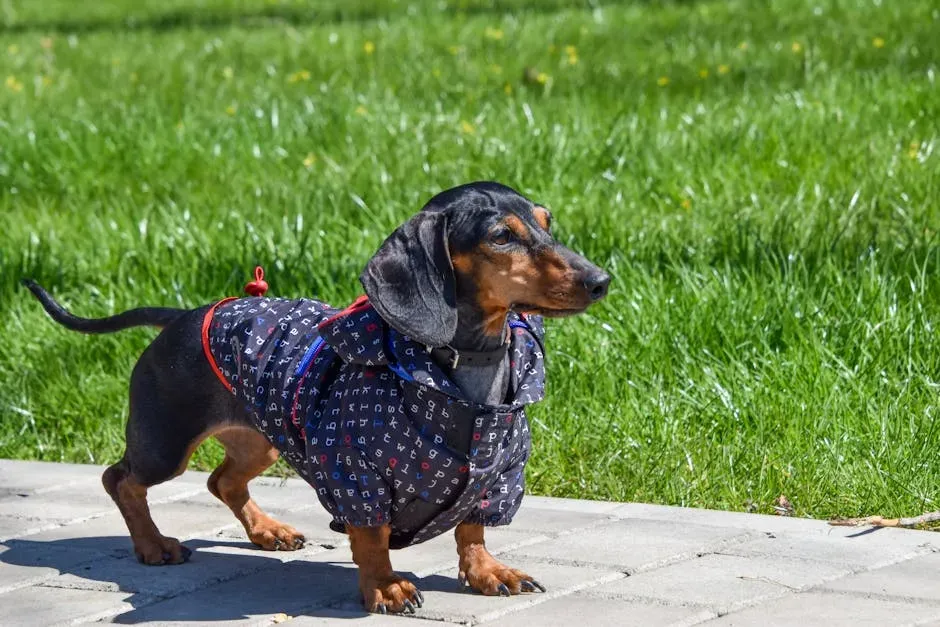
The Miniature Dachshund deserves its own mention, because this pint-sized version of the breed actually brings all of the stubbornness of its standard-sized cousin in an even more disarmingly cute package. The short wiener dog is well-known for their lively and independent attitude, as well as their intelligence, hunting ability, and stubbornness. Doxies like to do things their own way, and you are likely to find your Dachshund digging holes, chewing on shoes, or chasing your other pets on a daily basis.
Dachshunds are brave and bold, often showing no fear despite their small size. This courage, combined with a strong sense of independence, can make them quite stubborn when it comes to training or obeying commands. They’re best suited for owners who can match their determination with patience and consistency. For seniors dealing with limited energy or cognitive fatigue, staying one step ahead of a determined Miniature Dachshund can become a genuine daily strain rather than a rewarding relationship.
So What Should Seniors Do?
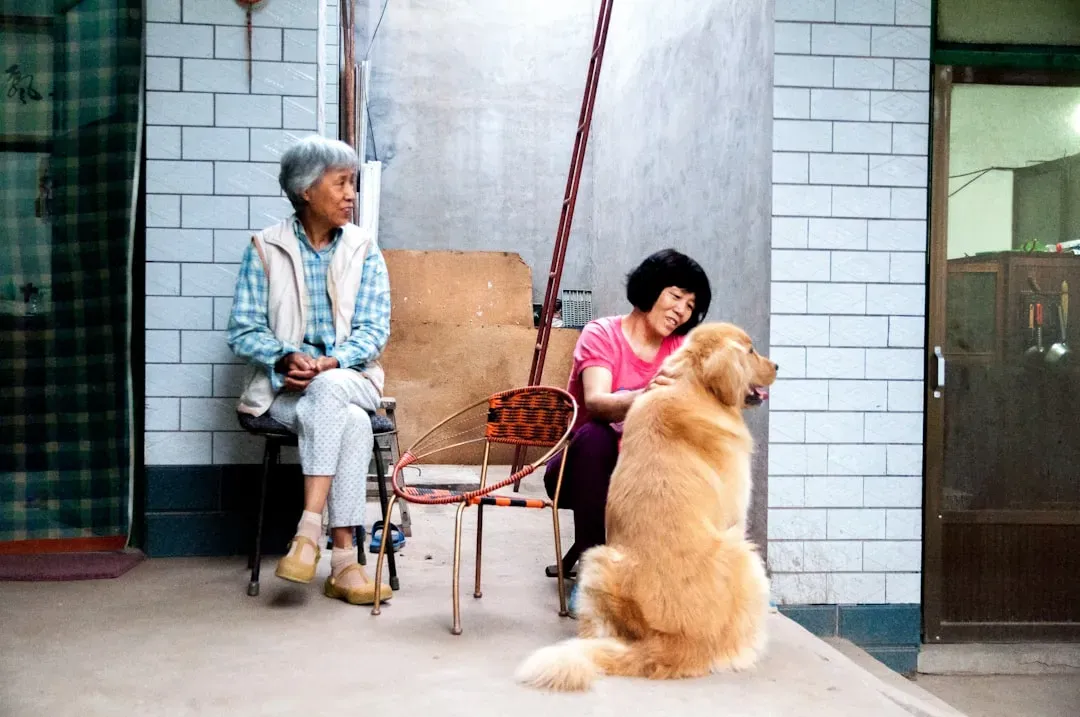
If you already own one of these breeds and you’re managing, that’s genuinely wonderful. Every dog-owner relationship is unique, and stubborn dog breeds aren’t bad; they’re just more independent. Understanding your dog’s behavior, using positive reinforcement, and staying consistent can turn a willful pup into a loving, well-trained pet. A professional trainer who understands the specific breed can make an enormous difference, even for older dogs.
The important consideration when deciding whether to add a dog to your life isn’t age as much as lifestyle and physical ability to take care of a dog. Seniors who are active, experienced with dogs, and have good support systems can absolutely thrive with some of these breeds. The key is to understand the needs and limitations of both the senior and the potential canine companion. This understanding will help to ensure a happy and beneficial relationship.
A Final Thought
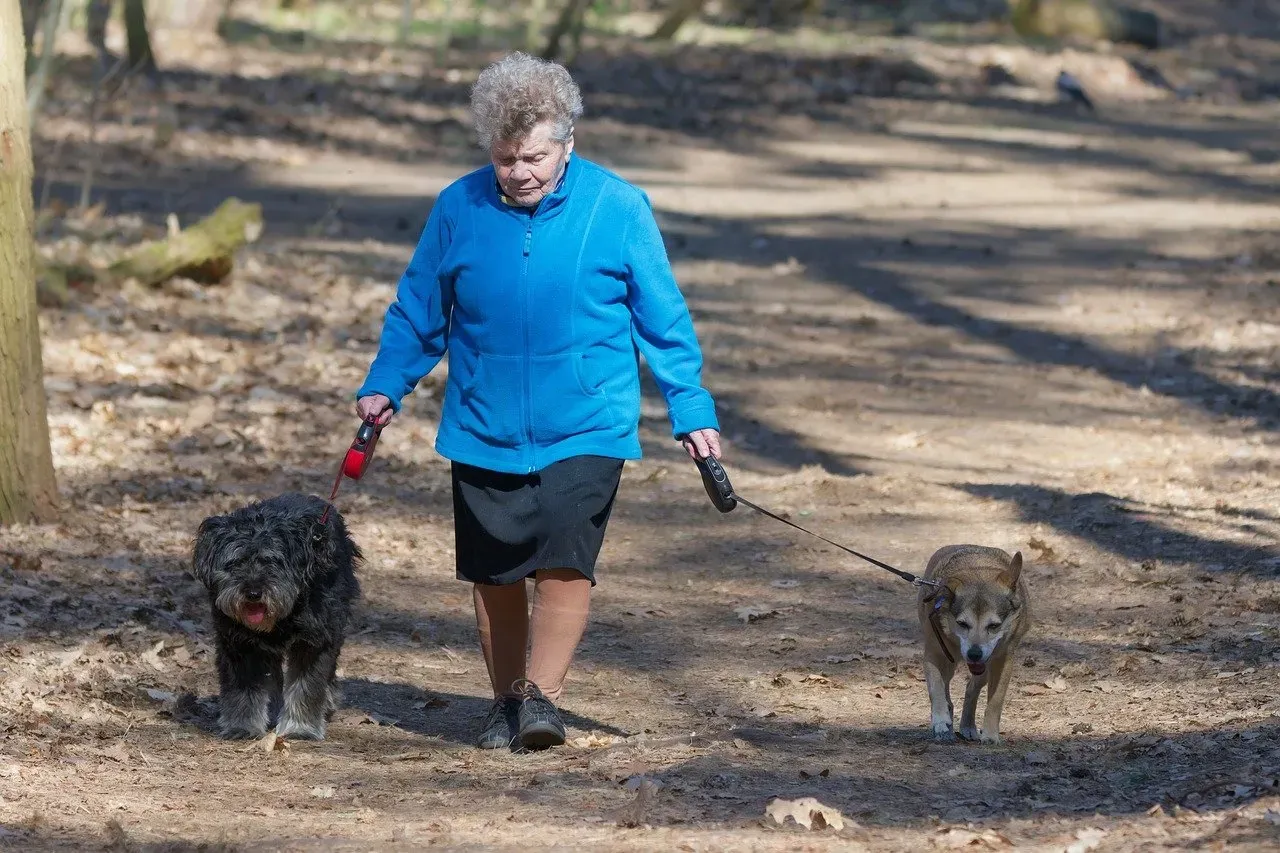
Dogs change lives. They provide structure, purpose, affection, and the kind of unconditional companionship that no human can quite replicate. Dogs provide constant companionship and can help alleviate feelings of loneliness and isolation. Dogs can bring joy, happiness, and a sense of purpose to seniors’ lives, reducing stress and promoting overall emotional well-being. Taking care of a dog encourages regular physical activity, such as walking and playing, which helps seniors stay active and maintain a healthy lifestyle.
The goal of this list isn’t to discourage seniors from owning dogs. It’s to help you choose wisely so that the relationship actually works the way it should – with more joy than frustration, and more warmth than stress. The right dog for your season of life is out there. Sometimes it just isn’t the one with the boldest personality and the most independent stare.


