
Life doesn’t stay still for long. New jobs, new cities, new babies, shift work, a return to the office after months at home – change comes in waves, and it touches your dog just as much as it touches you. Relocating to a new city, welcoming a new family member, or simply changing daily routines can be stressful for pets as well as people, because dogs thrive on routine, and sudden changes in environment, noise levels, or daily structure can sometimes unsettle them.
Still, not every dog falls apart when the schedule shifts. Certain breeds possess the specific intelligence, emotional stability, and physical resilience to handle environmental and schedule changes with ease. Whether you’re a busy professional, a growing family navigating constant transitions, or someone simply wondering which dog will roll with the punches of real life, this list is for you. These nine breeds are genuinely wired for flexibility – and knowing why can help you support them even better.
1. Labrador Retriever: The Cheerful Anchor in Any Storm

There’s a reason the Labrador Retriever has spent decades as one of the most beloved breeds in the world. The Labrador Retriever is the Swiss Army knife of the dog world – friendly, smart, and incredibly adaptable, adjusting quickly whether living in a downtown loft or sprawling countryside, as long as they’re with their favorite humans. Their eager-to-please attitude and easy-going nature make transitions like moving or traveling much less stressful. If your morning walk shifts to an evening one, or the kids’ school pickup suddenly reshuffles the whole afternoon, your Lab will greet the change with that signature tail wag.
Labradors handle schedule changes like champs because they bond tightly and love having a job, even small ones. If mornings become evenings, a Lab will still meet you with a wag, ready for a brisk walk or mellow cuddle. Providing mental games, a chew toy rotation, and short training refreshers keeps their brain busy during transitions. Watch for signs of restlessness like chewing or pacing – these are cues that your Lab needs a mental outlet, not just physical exercise. A quick puzzle feeder or short training session goes a long way.
2. Golden Retriever: Socially Wired for Whatever Comes Next
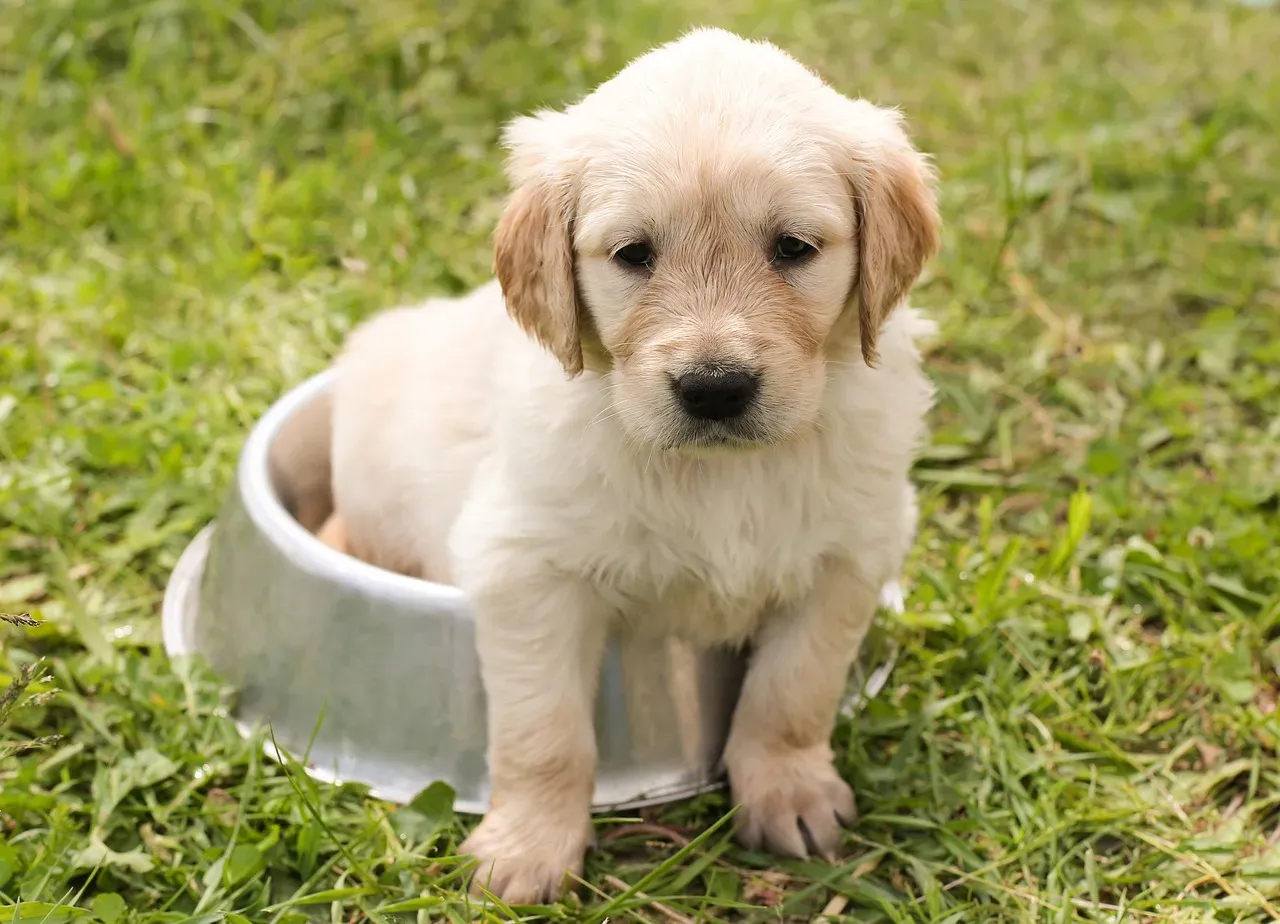
Golden Retrievers are famous for their adaptable and friendly nature, capable of thriving in a variety of settings from busy farmhouses to serene suburban homes. They are excellent with children and other animals, which makes them perfect for families that might grow or change, and they handle new experiences and environments with grace and enthusiasm. That social intelligence isn’t accidental – it’s deeply bred into the Golden’s temperament.
Their social intelligence highlights an acute attunement to human emotions, making them highly responsive companions capable of adapting behavior based on handler reactions. They possess a strong, yet generally focused retrieve drive, readily channeled into tasks like fetching or obedience. Their solid memory means effective retention of commands, routines, and experiences. When your daily schedule changes, keep Golden Retrievers informed through consistency in tone and body language – they’re reading you as much as they’re following a clock. If you notice increased clinginess or yawning during transitions, those are early stress signals worth addressing calmly.
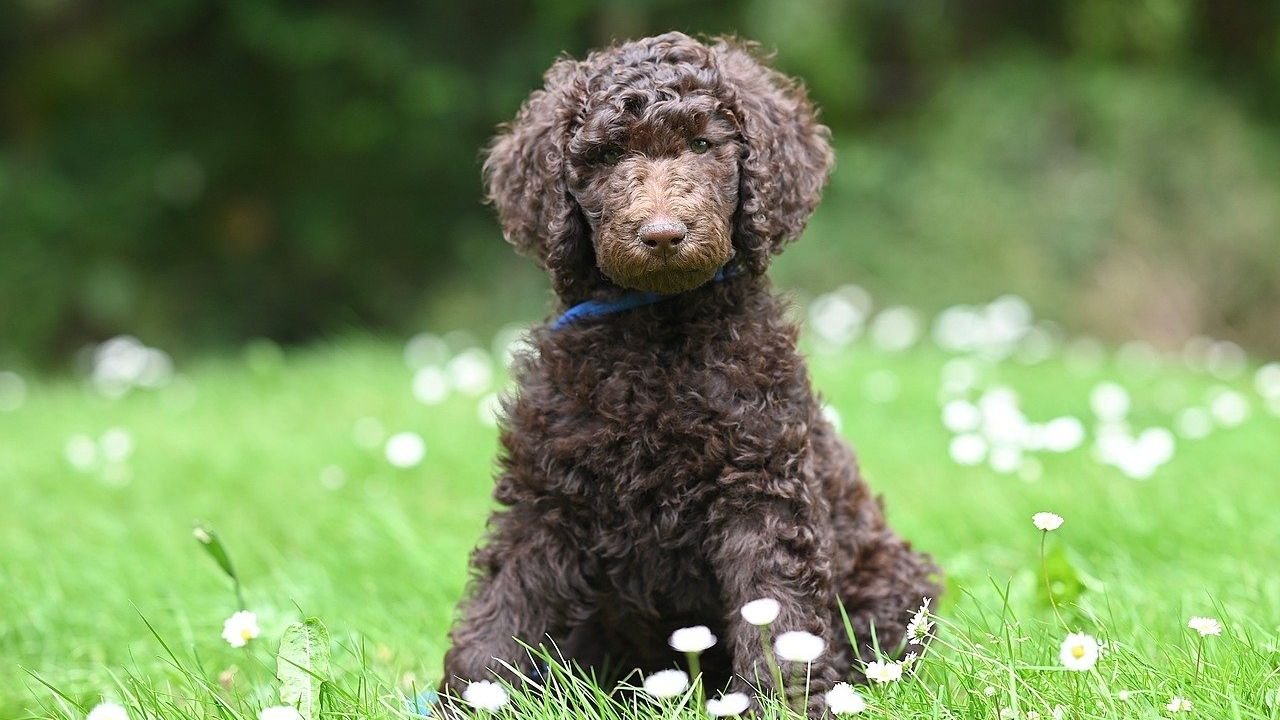
3. Poodle: Sharp Minds That Pivot Fast
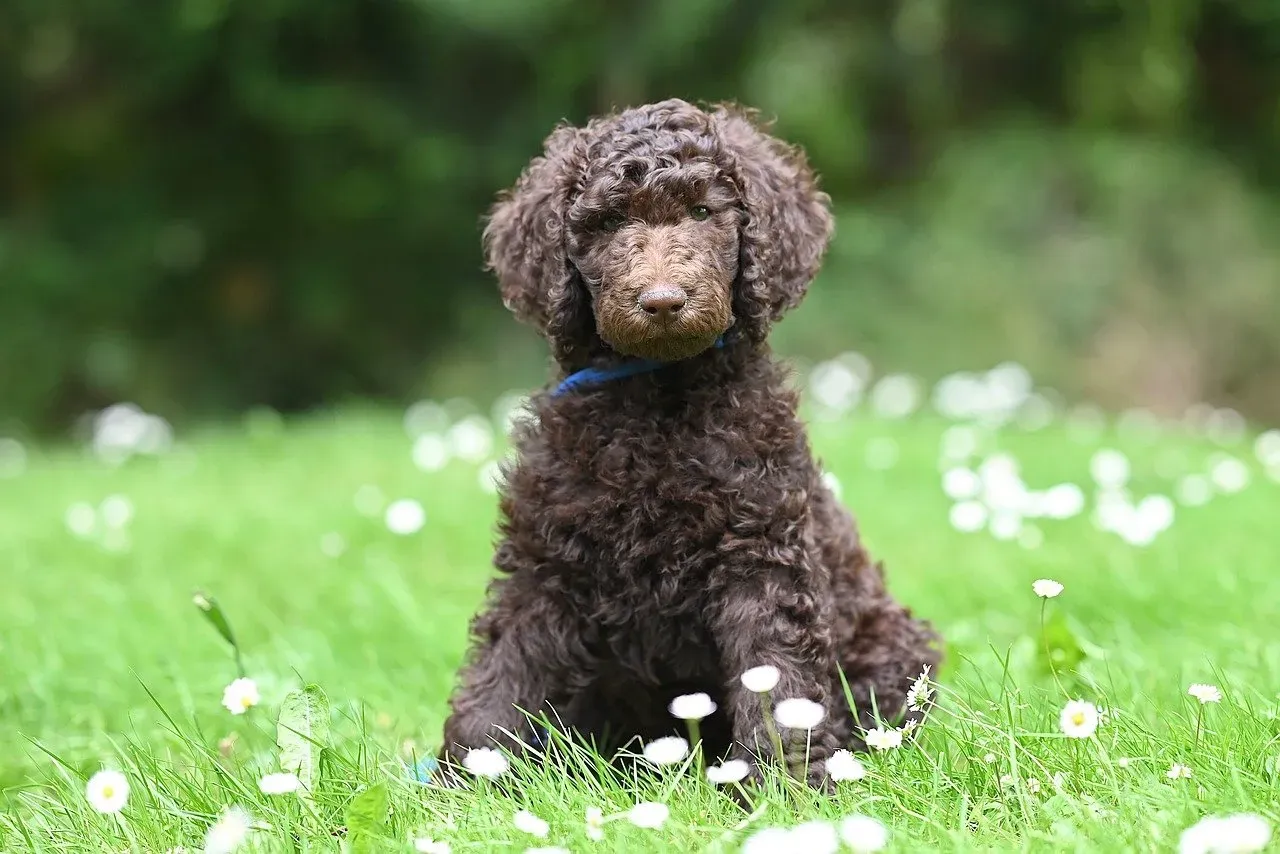
Poodles come in three sizes – standard, miniature, and toy – which makes them suitable for many types of homes and lifestyles. Their intelligence and eagerness to please allow them to adapt quickly to different living situations and training routines. Poodles are also hypoallergenic, and whether participating in dog sports, serving as a companion animal, or living a laid-back lifestyle, they excel in adaptability. That range of sizes also matters practically – a toy Poodle adapts beautifully to apartment life, while a standard Poodle handles a more active household with ease.
Standard Poodles were originally water retrievers, which required them to work closely with hunters. This history shows in their ability to learn complex sequences and follow detailed instructions. Poodles pick up on household routines quickly and adapt well to different training methods, though they are sensitive dogs who respond best to positive reinforcement rather than harsh corrections. If you shift meal times or walk windows significantly, introduce the change gradually over a few days rather than overnight – Poodles notice, and they’ll settle faster with a gentle transition.
4. German Shepherd: Disciplined, Loyal, and Wired to Adapt
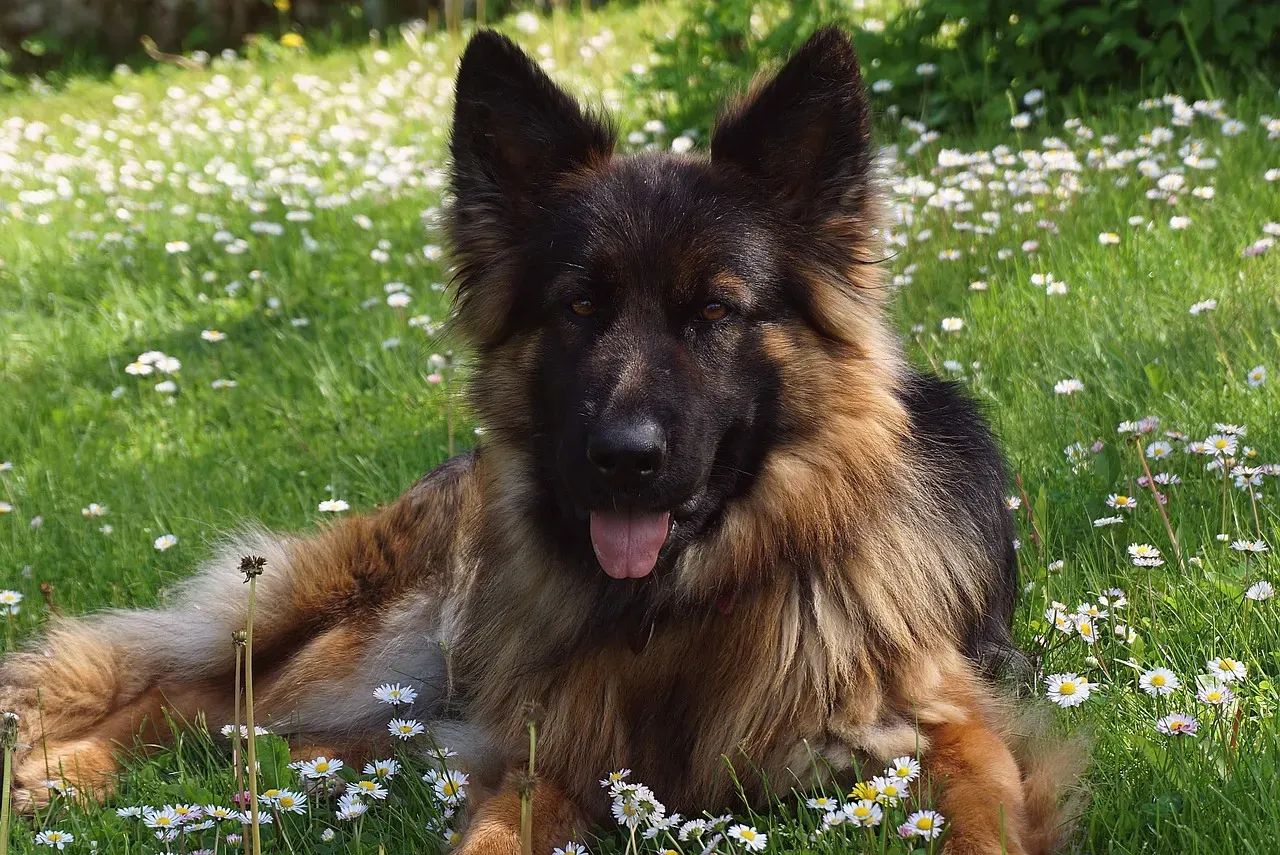
German Shepherds are the quintessential police and military dogs, highly adaptable and capable of learning complex new commands and routines rapidly. Their versatility allows them to thrive in varied roles, from a quiet household pet to an active search-and-rescue partner. That working heritage is actually what makes them so good at adjusting – they’re bred to take direction and pivot without hesitation.
With proper training, they adapt beautifully to family life while still being alert and dependable. The caveat worth knowing: German Shepherds need sufficient mental and physical engagement when routines shift. German Shepherds combine intelligence with loyalty and courage, and are the go-to breed for police work, military service, and search-and-rescue because they can master complicated tasks and work under pressure. They form strong bonds with their handlers and take training seriously, so with consistent guidance, they become reliable companions who handle everything from basic obedience to advanced work. A German Shepherd without enough structure during a chaotic life period may redirect their energy into anxious barking or destructive behavior – a clear behavioral cue that they need more purposeful engagement.
5. French Bulldog: The Easygoing Urban Chameleon
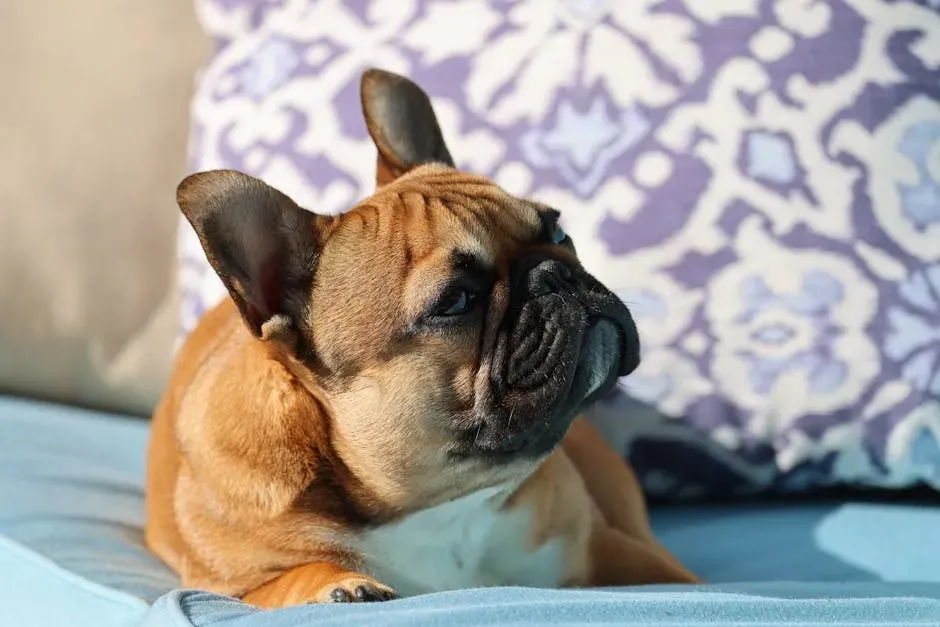
Frenchies are ideal city pets who don’t bark much at all and can be homebodies or social butterflies, depending on the situation. They quickly learn commands and love to please their people, and affectionate and even-tempered, Frenchies adore their families and love to play, but are always ready to curl up for a nap. That flexibility between active and restful modes is one of their most underrated qualities.
French Bulldogs have gained popularity due to their charming personalities and suitability for apartment living, and their compact size and low exercise needs make them ideal for urban dwellers. One real-world health note worth keeping in mind: it’s important to be aware of potential health issues associated with the breed, such as breathing difficulties due to their flat faces, and ensuring responsible breeding practices can help mitigate these concerns. During schedule shifts that involve more excitement or heat, watch for labored breathing or excessive panting – these are health signs that require immediate attention in Frenchies.
6. Cavalier King Charles Spaniel: People-First, Place-Second
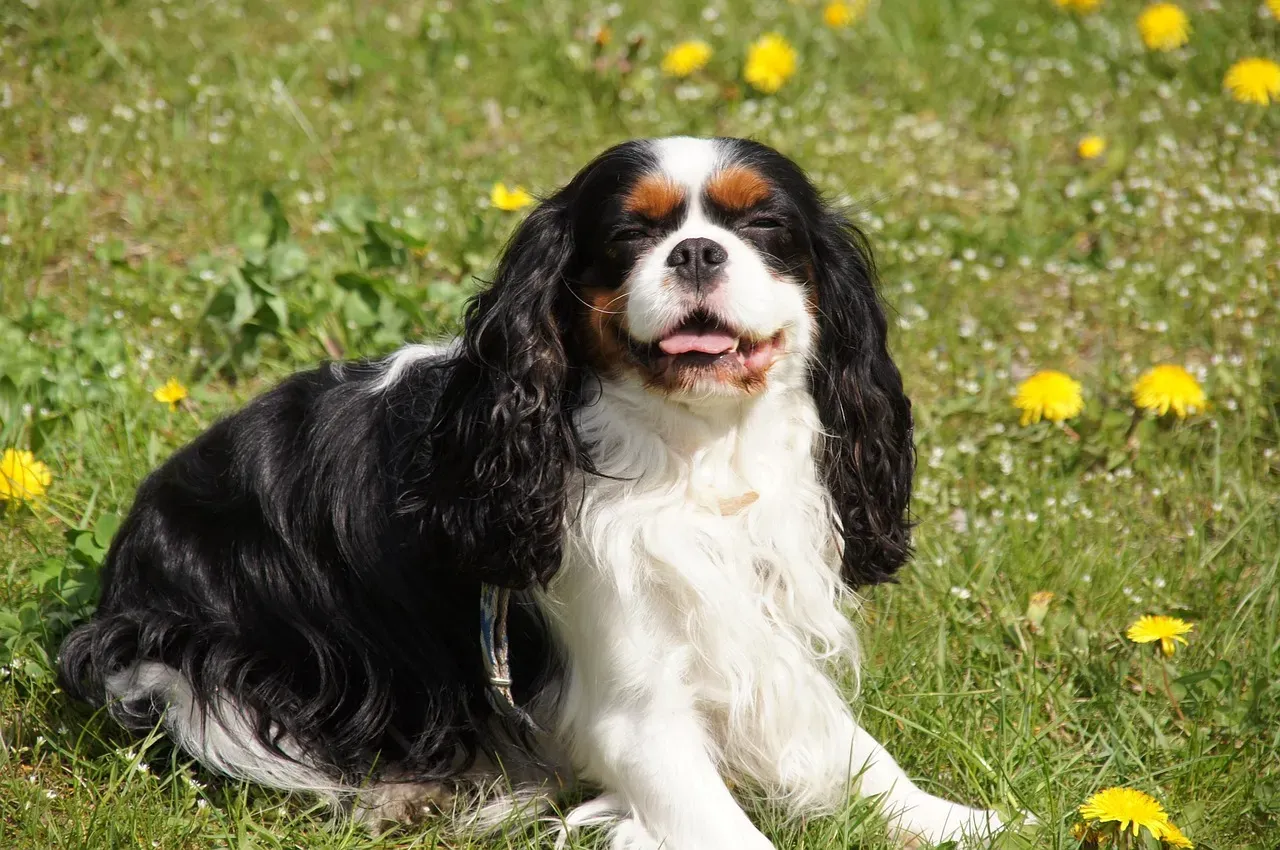
If the Cavalier King Charles Spaniel had a motto, it would be “Where you go, I go.” These affectionate, easy-going dogs are famous for their ability to adapt to different living conditions, whether it’s a cozy apartment or a sprawling estate. Their gentle nature and love of companionship mean they prioritize people over places, and they take new environments in stride as long as they have a lap to cuddle in. That human-centric focus is precisely what makes them so resilient through change.
Cavalier King Charles Spaniels are well-regarded for their ability to adapt to various lifestyles, making them an excellent choice for many families. They are just as comfortable lounging around the house as they are joining their owners on adventures outside, and their small size and affectionate nature make them great companions for city dwellers and those in smaller living spaces. As a preventive tip, Cavaliers can be prone to separation anxiety during major transitions. Giving them a consistent “anchor” – a familiar blanket, a specific corner, a short daily ritual – helps them feel grounded even when everything else is in flux.
7. Boxer: Playful Confidence That Weathers Change Well
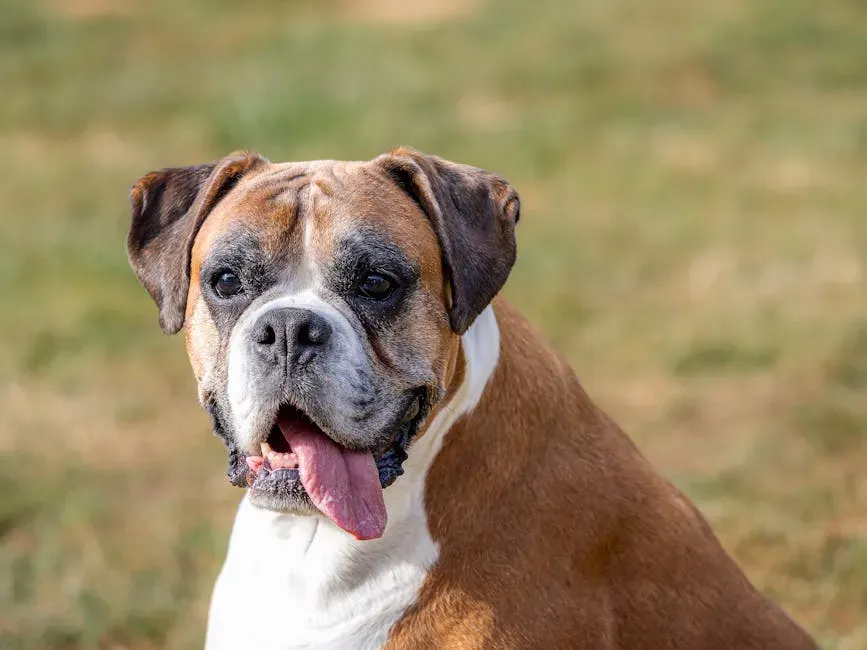
Boxers are known for their boundless energy and playful spirit, but they are also incredibly adaptable. They can live happily in both apartments and houses as long as they receive adequate exercise. Boxers bond closely with their families and adapt well to changes, including welcoming newcomers into the home, and their protective yet friendly nature makes them excellent companions in diverse living situations. There’s a buoyancy to their personality that just refuses to stay down.
Often called the clown of the dog world, Boxers are the ever-lovable goofs who like to make you laugh, maintaining a playful and upbeat spirit well into their senior years. This inherent confidence makes them surprisingly agile in new situations, and they are known to bounce back quickly from the stress of a move or from a change in family dynamics. Their history as a working breed contributes to their ability to settle into new routines. A practical tip: Boxers need physical outlets during periods of transition. Without enough exercise, their exuberance can tip into rowdy behavior – a clear signal they’re looking for a productive way to burn through the nervous energy that change sometimes brings.
8. Havanese: Small Dog, Surprisingly Flexible Soul
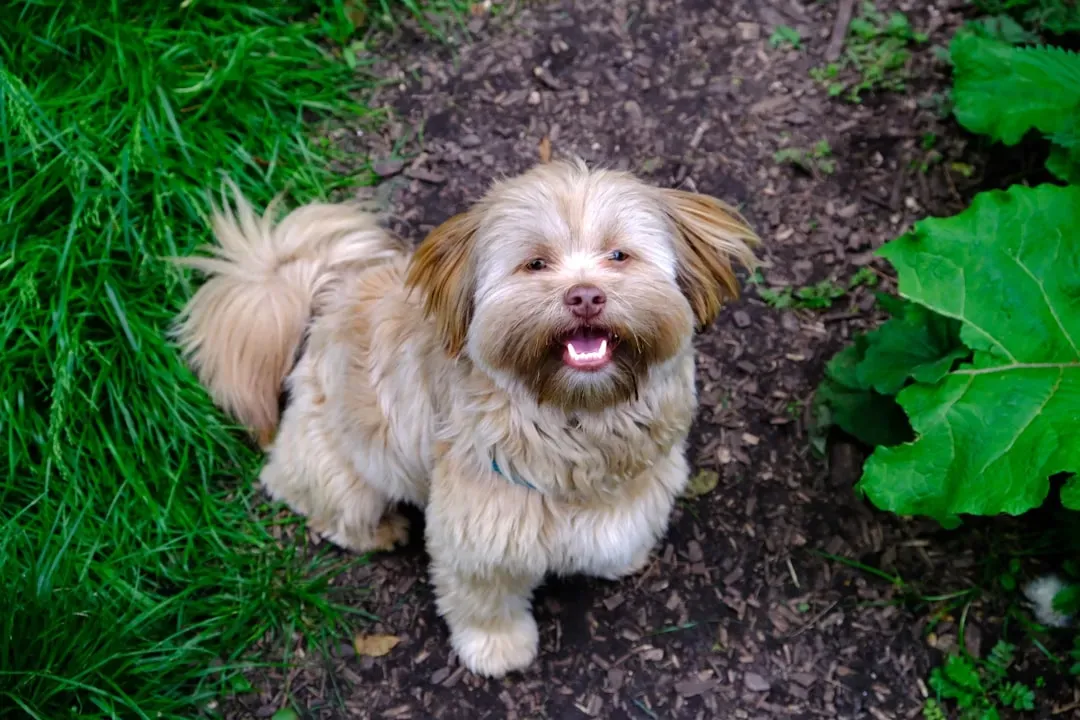
Havanese are compact balls of joy who love meeting new people, are always up for playtime, and gel with other pets, dogs, and kids. While they train well, they don’t constantly require mental stimulation, and Havanese pups are as content running around performing tricks they’ve learned as they are lounging, depending on what the day calls for. That balance of engagement and contentment is genuinely rare in small breeds.
Their adaptability is grounded in temperament, not just size. While they train well, they don’t constantly require mental stimulation, and Havanese pups are as content running around performing tricks they’ve learned as they are lounging, depending on what the day calls for. One thing to note is that Havanese thrive on human connection above all else. During periods of schedule upheaval, they may show subtle signs of stress – increased licking, velcro-like following, or soft whining. These are gentle behavioral cues asking for reassurance, and a calm, consistent check-in from you goes further than any structured routine adjustment.
9. Whippet: The Quiet Adapter You Might Not Expect
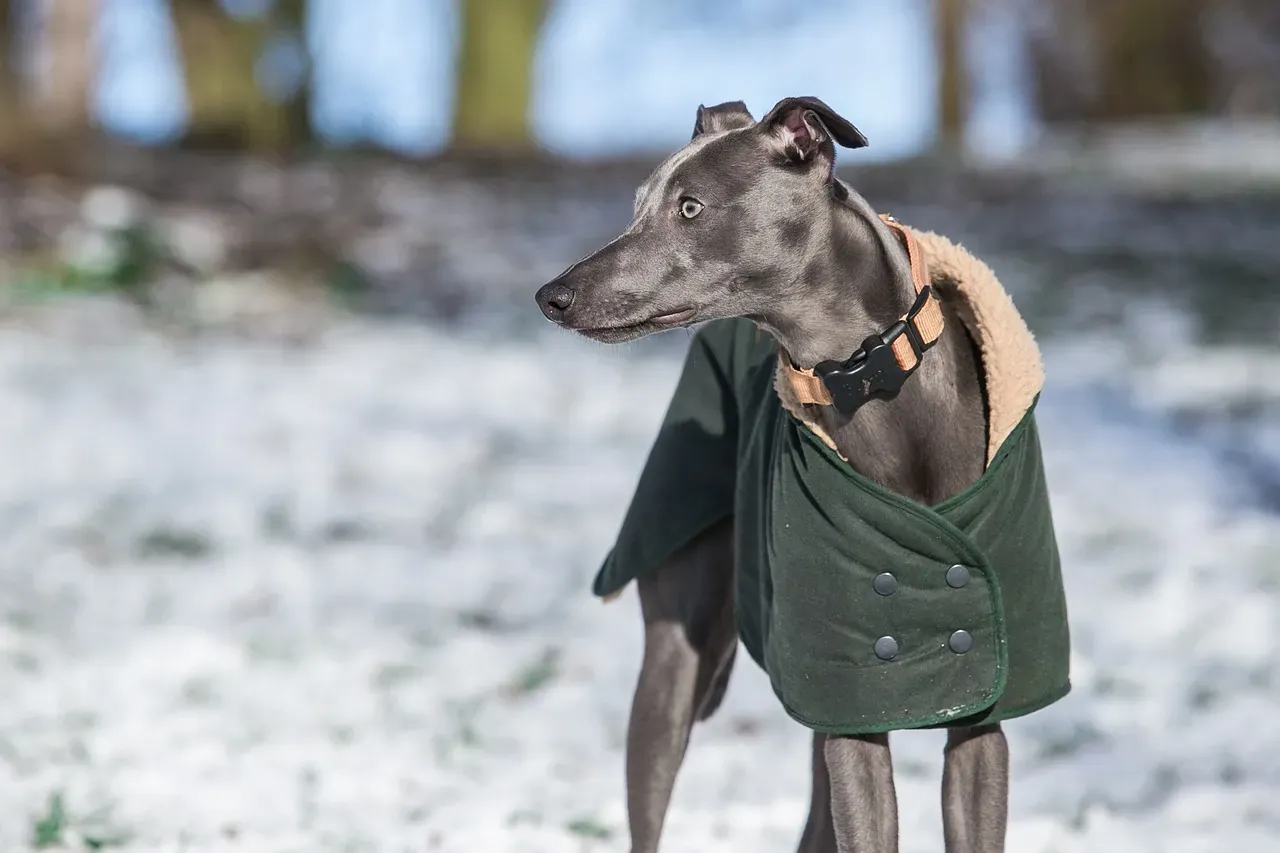
Whippets are gentle and adaptable dogs that thrive in various environments. Their calm demeanor makes them suitable for apartment living, provided they receive regular exercise. Whippets enjoy short bursts of activity such as sprinting, followed by periods of rest, fitting well into different lifestyles, and their affectionate nature and ease of training add to their appeal as adaptable companions. The contrast between their speed on the field and their gentleness at home is one of the breed’s most endearing qualities.
What makes a Whippet particularly suited to shifting routines is their natural tolerance for both activity and downtime. They don’t demand a rigid schedule the way many working breeds do, and they decompress remarkably well after new experiences. Adaptable dog breeds can thrive in a range of settings, from cozy apartments to sprawling country homes, and breeds like the Whippet are known for their resilience, easygoing nature, and ability to handle various social situations, travel, and environmental changes without undue stress. A prevention tip worth keeping in mind: Whippets have very low body fat and thin coats, so they’re sensitive to cold temperatures. If your routine changes involve more outdoor time in cooler seasons, a fitted dog coat isn’t optional – it’s genuinely necessary for their comfort and health.
Conclusion: Adaptability Is a Partnership, Not Just a Breed Trait
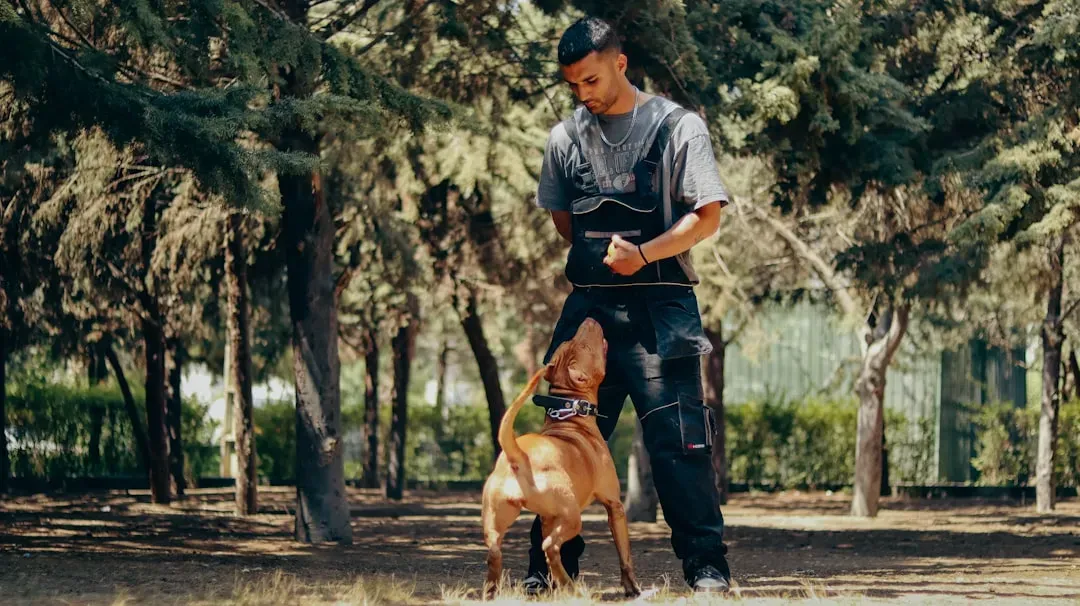
Choosing an adaptable breed is a great head start, but it’s not the whole picture. Generally speaking, all dogs thrive with some structure to daily life, and routines help build trust between you and your dog – the earlier you establish a schedule, the better. Consistent mealtimes, play times, and bedtimes give pets a sense of security and reduce the chances that they’ll develop destructive behavior due to separation anxiety or boredom. Even the most flexible breeds do better when transitions are introduced thoughtfully.
Introducing your dog to various environments, people, and other animals builds confidence and adaptability, and consistent positive reinforcement training helps your dog adjust to different routines and expectations. Regular physical activity caters to your dog’s energy needs, promoting a balanced and adaptable demeanor. The dogs on this list are naturally resilient, but your consistent presence, calm energy, and willingness to meet them halfway is what truly seals the deal. Every dog is an individual, and what one dog does may differ dramatically from another, even within the same breed. Pay attention to your dog’s responses to routines and work with your vet to make sure you’re providing your pup with the right amount of structure.
Adaptability in a dog is wonderful to witness. It reminds you that trust, not just timing, is what holds a good routine together.


