
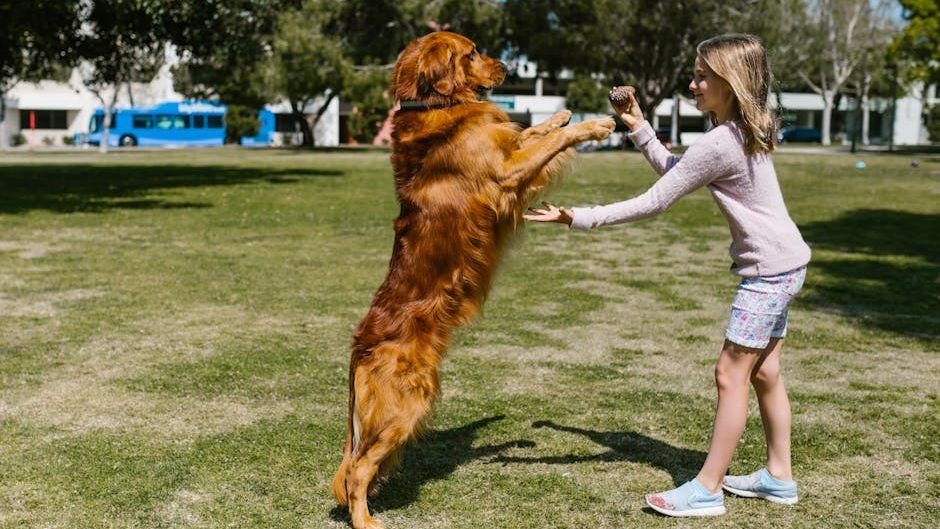
You already love your dog. That part was never in question. Most dog owners feel it every morning when a warm, eager face greets them at the bedroom door. But love and a truly deep bond are two slightly different things, and knowing the difference can change the whole experience of living with a dog.
The bond between you and your dog is built on trust, communication, and love. It’s the kind of connection that lets your dog look to you in an uncertain moment, or settle calmly into the same room simply because you’re there. The good news is that deepening it doesn’t require a complete lifestyle overhaul. It requires awareness, a few intentional habits, and a genuine interest in what your dog is actually experiencing. Here are ten science-backed, practical ways to take that connection further.
1. Learn to Read Your Dog’s Body Language

Understanding your dog’s body language is one of the most powerful ways to strengthen your bond. Dogs communicate how they feel through their posture, tail movements, ears, eyes, and overall behavior. Most owners pick up on the obvious stuff, like an excited tail wag or a growl. The subtler signals, though, are where real understanding lives.
A confident and alert dog holds their ears forward, head up, and tail up. When a dog has their ears turned to the side, head lowered, avoids eye contact, and has their tail lowered or tucked between their legs, they are conveying a message of fear, anxiety, and potentially stress. Catching these signals early means you can remove your dog from uncomfortable situations before they escalate.
Vocalizations such as growling and barking shouldn’t immediately be considered aggressive behavior. They are behaviors on a continuum of communication. Dogs may bark in greeting, excitement, or caution. Growling should be interpreted as an indication of the dog’s discomfort, and you should stop what you’re doing and give the dog more space. Responding respectfully to these signals tells your dog you’re actually listening, which is the foundation of genuine trust.
2. Make Soft Eye Contact the Right Way
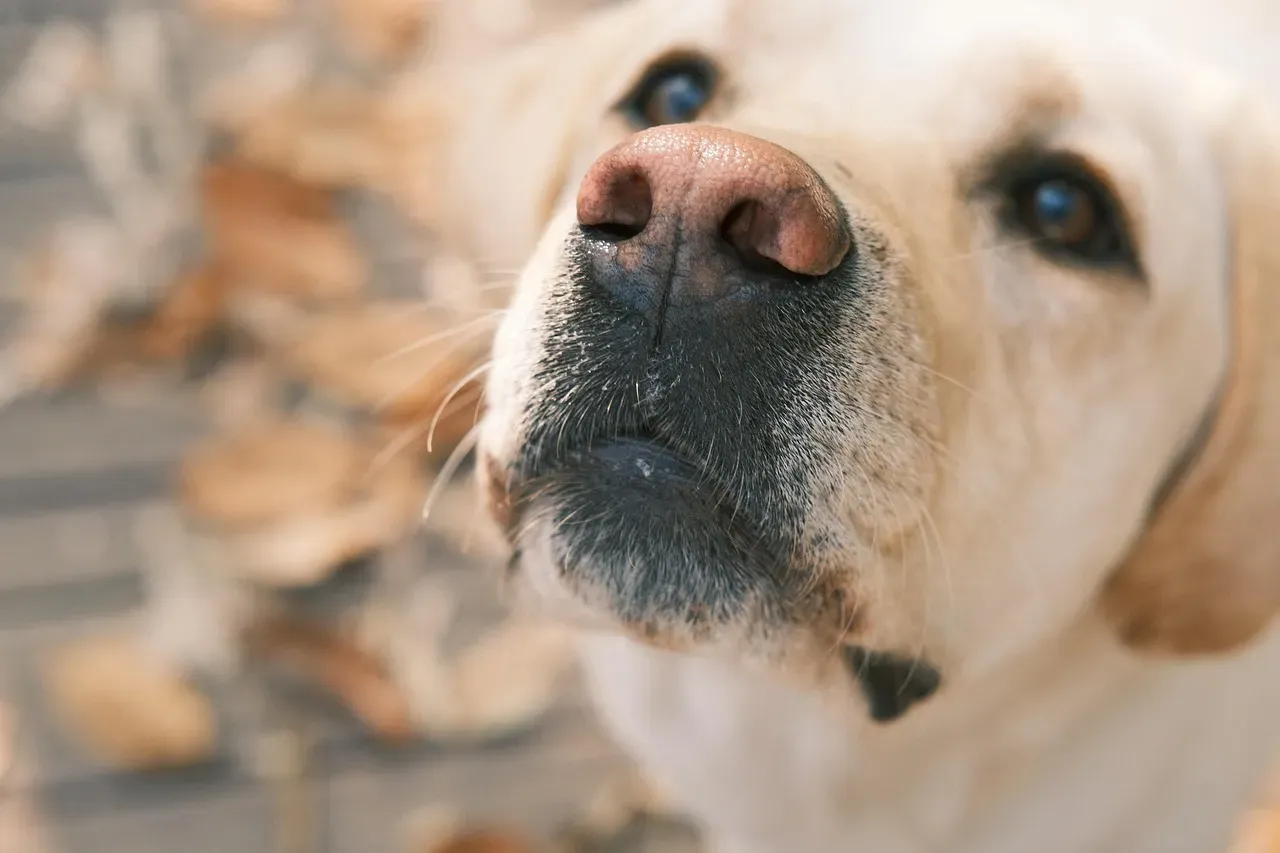
There’s real science behind a loving gaze between you and your dog. Research suggests that humans may feel affection for their companion dogs similar to that felt toward human family members, and that dog-associated visual stimuli, such as eye-gaze contact, activate oxytocin systems. This is the same hormone involved in the bond between a mother and infant.
Of the duos that had spent the greatest amount of time looking into each other’s eyes, both male and female dogs experienced a significant rise in oxytocin levels, and their owners experienced an even larger increase. The effect runs in both directions, building a self-reinforcing loop of warmth and connection.
The key word here is “soft.” A relaxed, gentle gaze while your dog is calm and comfortable is very different from staring at a dog who seems stressed. People and dogs look into each other’s eyes as a sign of understanding and affection, something that dogs’ closest relatives, wolves, interpret as hostility. Context always matters. Save those long tender looks for quiet, relaxed moments rather than charged or uncertain ones.
3. Use Positive Reinforcement in Every Training Session
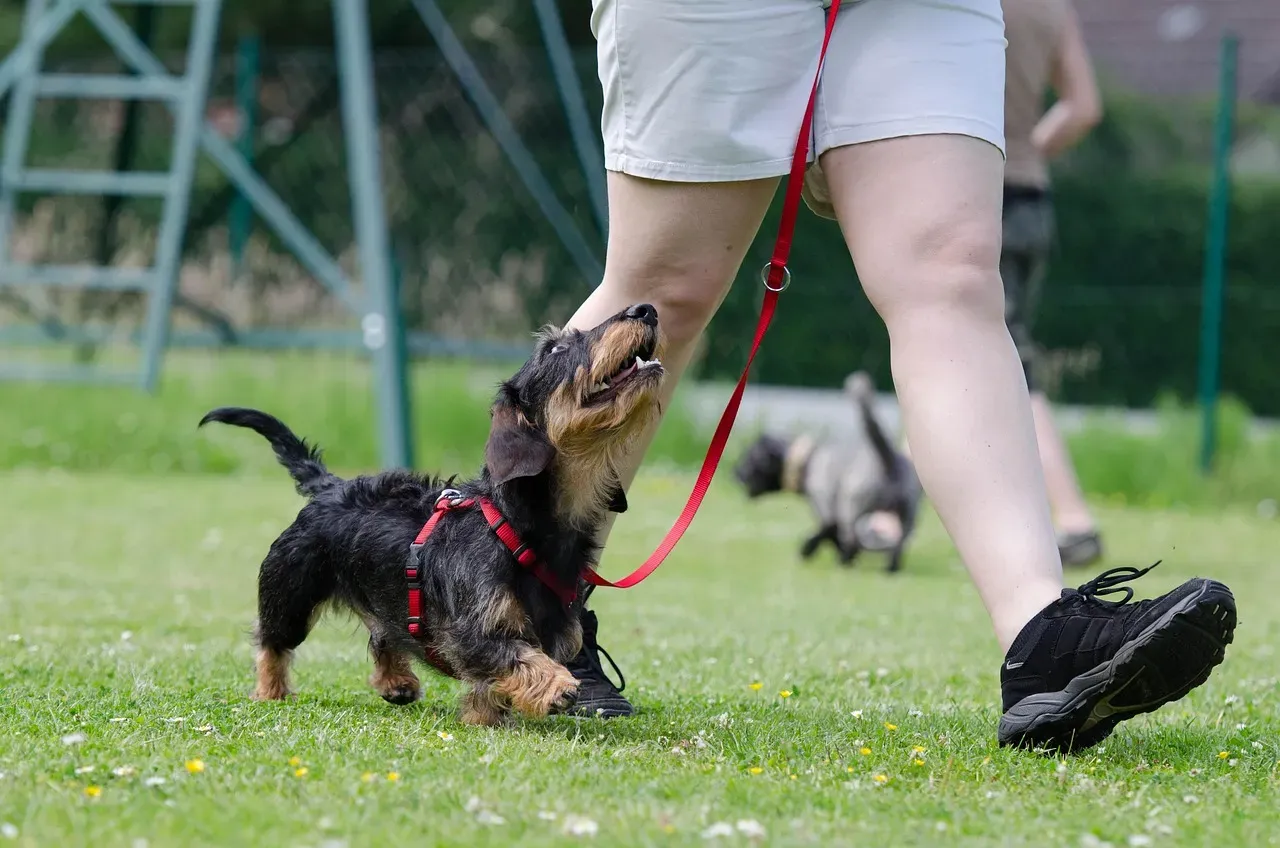
Training sessions that rely on positive reinforcement, such as treats or praise, are proven to strengthen the dog-owner bond. Research shows that dogs trained this way are more eager to engage and learn, making training sessions a bonding opportunity. Think of each short session not as a task but as a conversation where both of you come away feeling good.
The use of positive reinforcement training methods builds up a dog’s confidence and trust in their owners. Conversely, using punitive techniques, such as spraying your dog with water when they bark, can increase a dog’s fear and anxiety and even lead to aggressive behavior. Punishment-based approaches might change behavior in the short term, but they quietly chip away at the trust your dog has in you.
Timing is crucial. Give your dog the reward immediately after they perform the desired behavior so they can make the correct association. Dogs learn best when they can directly link an action to a positive outcome, so even a few seconds of delay can weaken the reinforcement. Consistently rewarding good behavior right away helps your dog understand expectations clearly. Keep sessions short, positive, and always end on a win.
4. Give Your Dog the Gift of a Proper Sniff Walk
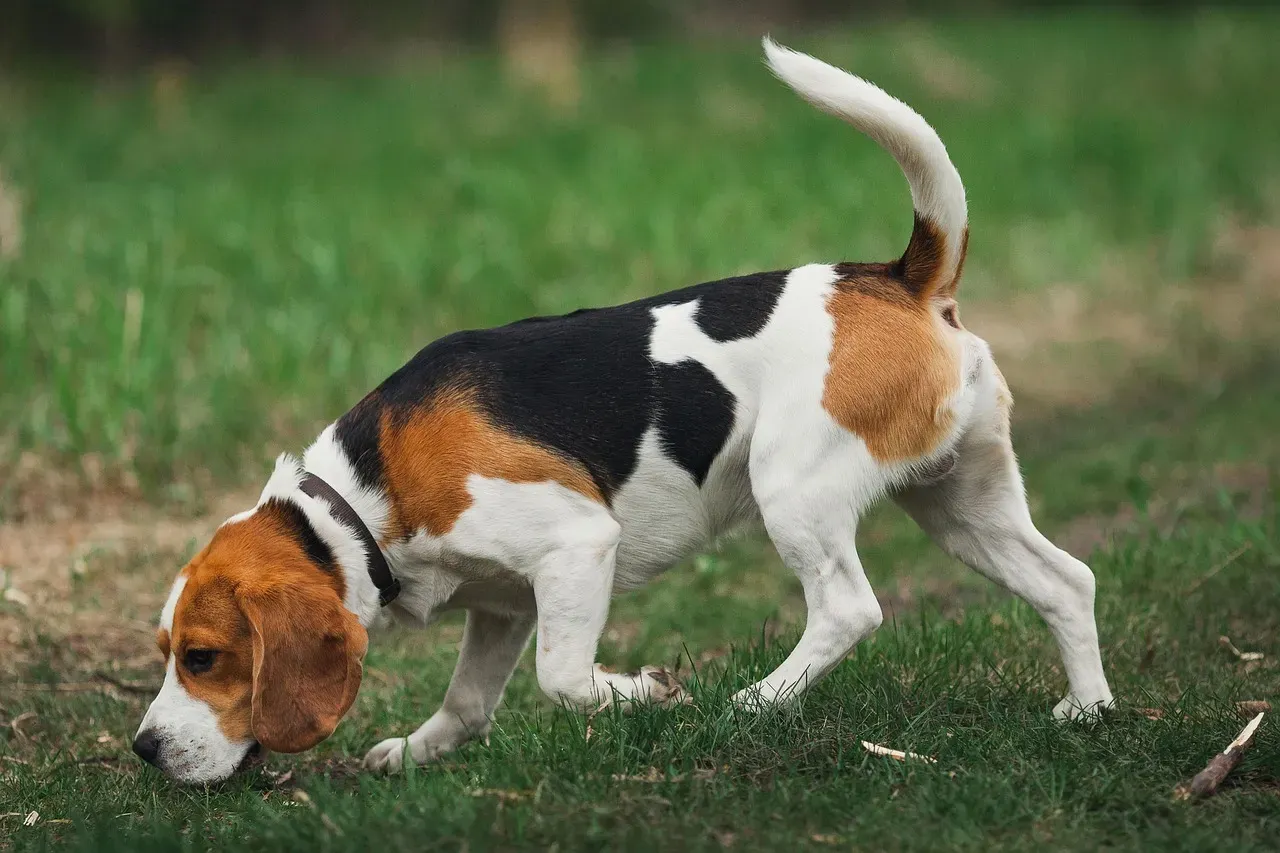
Most dogs spend their walks on a tight six-foot leash, moving at their owner’s pace, past a blur of sidewalk smells they never fully get to investigate. When you take a dog on a traditional, fast-paced walk, they rely more heavily on their eyes versus their nose. You will see their head elevated and scanning the environment. That is not a walk that is calming nor relaxing for your dog.
When a dog engages their nose, it triggers the parasympathetic nervous system, responsible for rest, digestion, and relaxation. This helps lower heart rate and reduce stress levels, promoting overall well-being. A decompression walk, where your dog leads and sniffs freely on a long line, offers something a structured walk simply can’t.
Every walk you take with your dog is a conversation. Giving them the freedom to explore their environment gives them choice and autonomy. It tells them that they matter, and that their needs, desires, and feelings are important. Even one decompression walk per week can noticeably reduce stress and deepen your dog’s trust in you as a safe companion.
5. Engage in Interactive Play That You Both Actually Enjoy
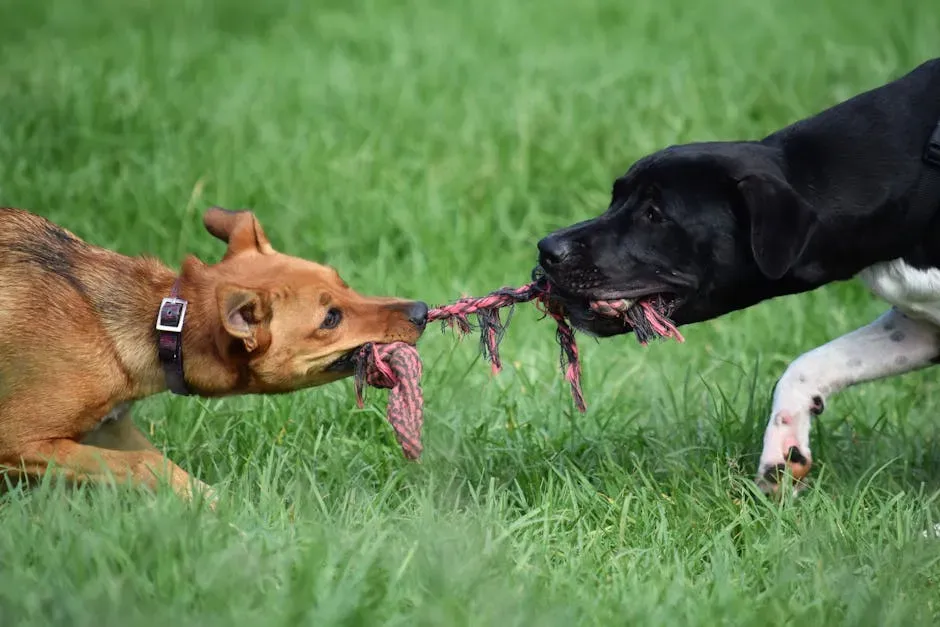
Interactive games like fetch, tug-of-war, or hide-and-seek aren’t just fun. They’re scientifically proven to build trust and improve your dog’s confidence. Tug-of-war, for example, has been shown to enhance cooperation without increasing aggression when played fairly. The key is consistency and clear, fair rules within the game.
Dogs who engage in regular play sessions become more responsive and focused on their person, no matter who “wins” the game. When play follows consistent patterns and clear rules, dogs learn their human is reliable and safe to engage with. Tug with you can’t be replaced by rough-and-tumble with another dog. There’s something uniquely bonding about being a source of fun.
Pay attention to what kind of play your individual dog actually loves. Play is one of the most joyful bonding tools you have. It’s more than just exercise. It’s a chance for your dog to see you as a source of fun and safety. Some dogs want to chase a ball for an hour. Others prefer a five-minute sniff-and-seek game. Following their lead matters.
6. Build Predictable Daily Routines
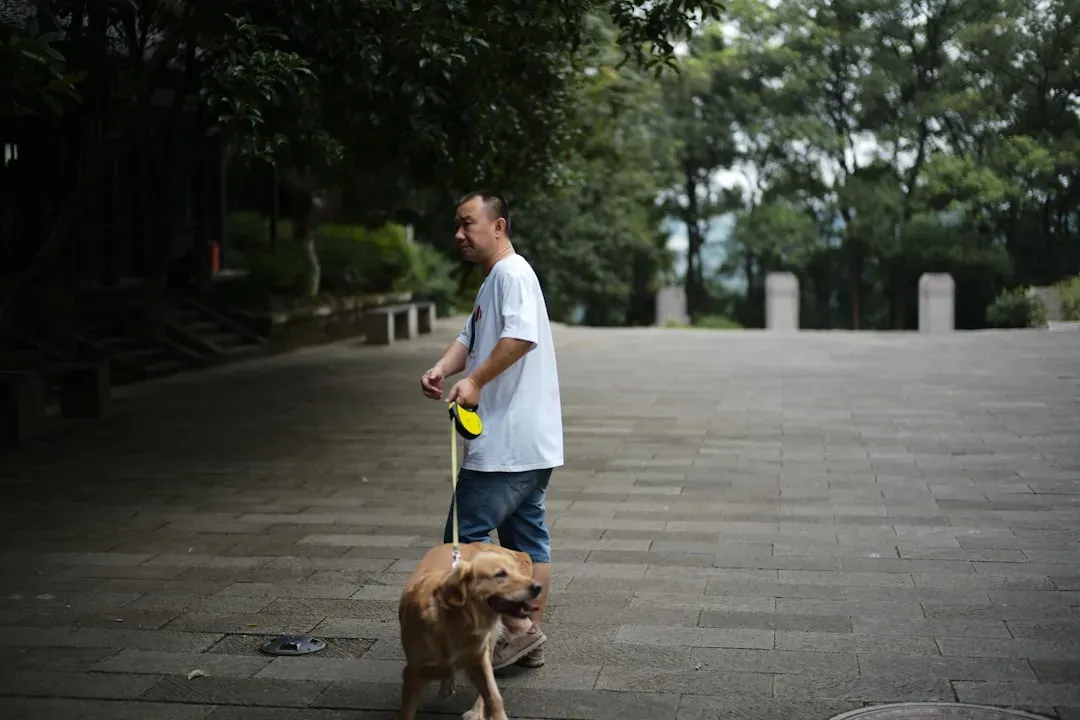
Dogs crave routine and predictability. Just like humans feel safer when life is steady, dogs depend on consistency to feel calm and confident. Whether it’s regular mealtimes or a predictable bedtime ritual, your steady presence and structured care tell your dog they can trust you, and that trust is the foundation of every lasting bond.
Maintaining predictable daily rhythms, such as consistent meal times, regular short walks, and calm play periods at roughly the same hours each day, reduces anxiety and allows the dog’s brain to shift from survival mode to learning mode. This matters especially for rescue dogs or dogs who have experienced household changes, but it benefits every dog regardless of history.
Feeding them at the same times daily, using consistent cues for commands, and establishing calm rituals around waking, walks, and bedtime creates trust. Trust is built when your dog knows what to expect and knows they can count on you to deliver love, care, and safety. It sounds simple, but the cumulative effect of a predictable life is one of the deepest gifts you can give a dog.
7. Make Touch a Meaningful and Conscious Practice
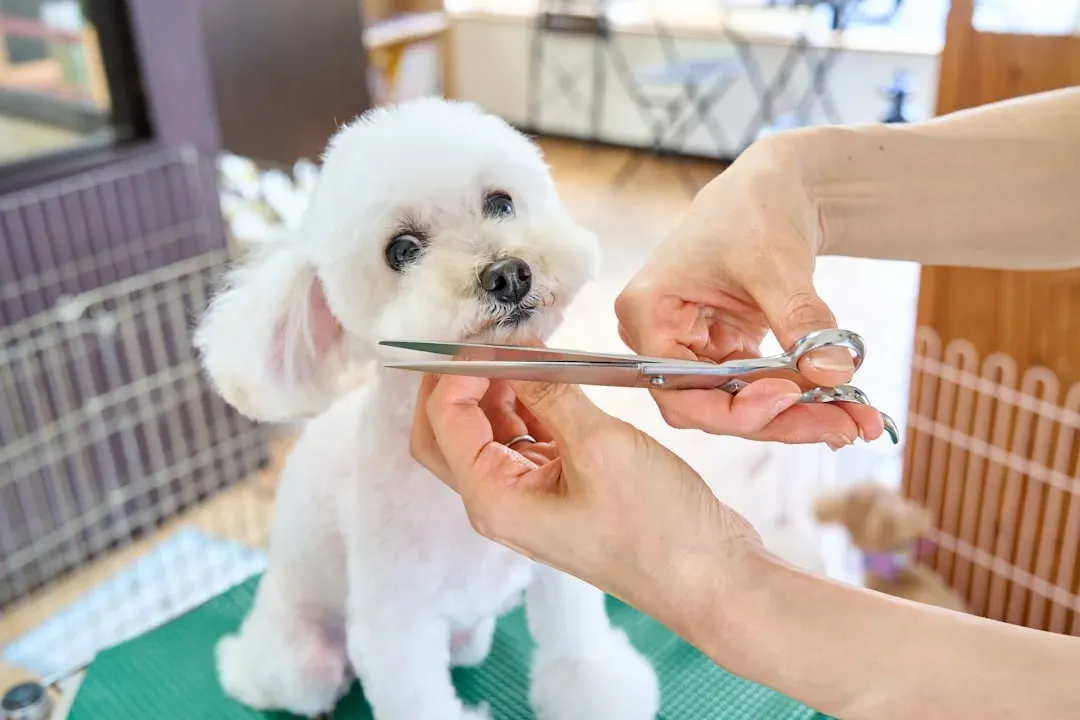
Touch plays a crucial role in strengthening bonds. Studies have shown that activities like brushing, petting, or cuddling your dog increase oxytocin levels in both dogs and humans, fostering trust and emotional connection. The catch is that touch has to be offered on your dog’s terms, not just yours.
Grooming a dog can strengthen the human-animal bond if it’s done right and makes your dog feel good. Brushing your dog’s coat two or three times a week can be very soothing to many dogs. However, many dogs may not instinctively like to be groomed. You can reinforce grooming as a good experience by pairing it with food and praise. Starting slowly and keeping it positive turns grooming from a chore into a ritual your dog looks forward to.
Petting your dog is a feel-good activity for you both. A Washington State University study found that just 10 minutes of petting a dog or cat significantly reduced cortisol in people. So the physical act of reaching out and stroking your dog isn’t just good for them. It genuinely calms you, too.
8. Be Consistent Across the Whole Household
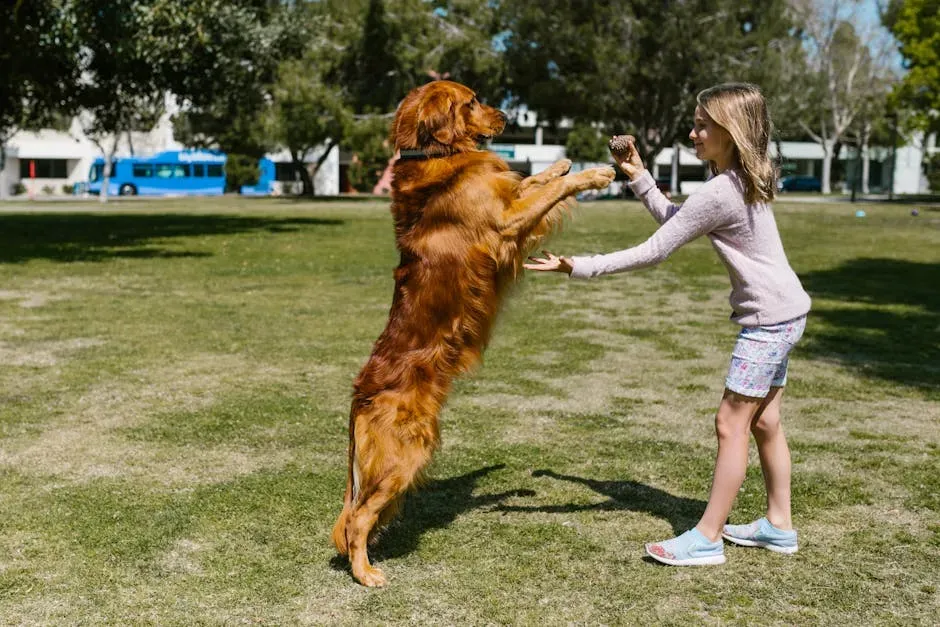
One of the quietest bond-breakers in many dog households is mixed signals. Your dog gets praised for jumping up by one family member and scolded by another. Commands change depending on who’s speaking. Mixed signals from different household members create confusion, and yelling or physical corrections, even mild ones, teach dogs to fear rather than trust.
Being predictable in communication matters. Clear, consistent language builds understanding and trust. For example, saying “outside” every time you take your dog out helps them associate the word with the action. Everyone in the household should use the same cues and enforce the same boundaries. This creates a dog who feels secure rather than constantly second-guessing the rules.
Deepening trust with your dog isn’t a checklist to complete once and forget. It’s an ongoing conversation made of small, deliberate choices. When life gets disrupted, such as during a move or a new baby or an illness, return to your basics. More patience, shorter sessions, extra gentleness. Almost every dog rebounds beautifully when met with renewed kindness and consistency.
9. Practice Being Genuinely Present During Your Time Together
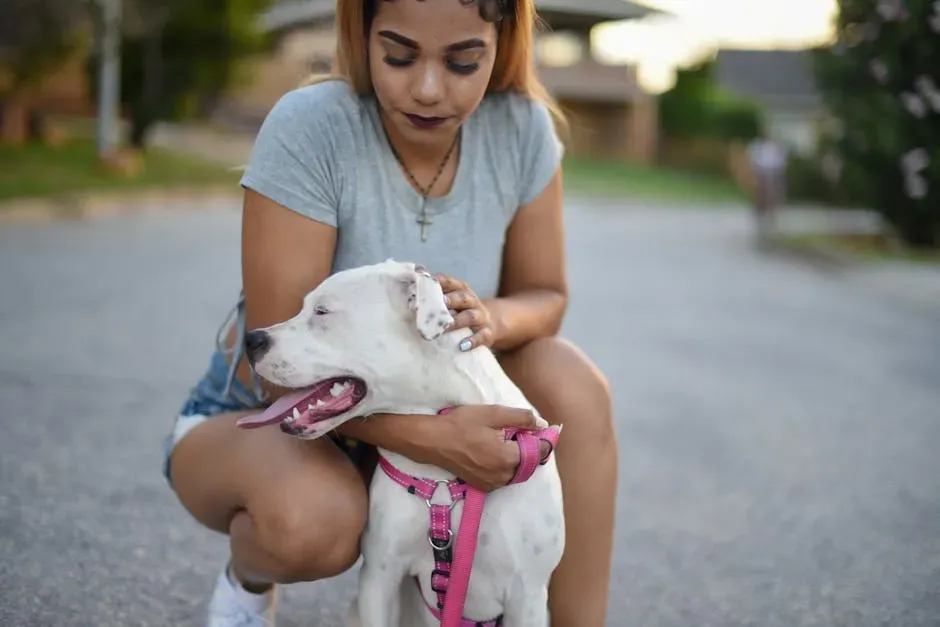
There’s a real difference between being in the room with your dog and actually being present with them. Many owners scroll through their phone during walks, glance at the clock during play sessions, or move mechanically through feeding routines without a moment of real engagement. Your dog notices this more than you might think.
Many pet parents underestimate how much their energy affects their dog. When you’re anxious, your dog can absorb that stress. When you’re grounded, they relax with you. Presence builds peace, and that peace deepens the bond. Even ten minutes of completely undivided attention each day can shift the quality of your relationship noticeably.
If you really want to know whether your dog is strongly bonded to you, ask yourself whether your dog seeks you out for help. When your dog knows they can rely on you, they’ll look to you when things feel uncertain. If you’re out on a walk and something scary happens, does your dog turn to you? Looking for direction indicates a high level of trust. That level of reliance is earned through hundreds of small moments of attentiveness, not grand gestures.
10. Challenge Their Brain With Mental Enrichment
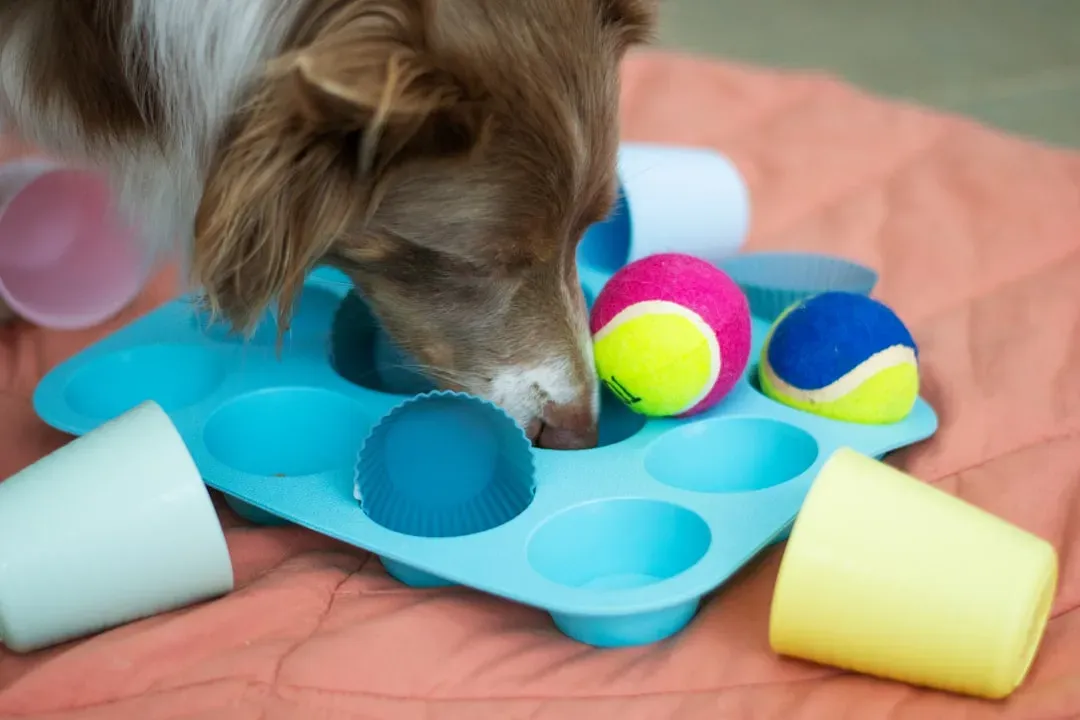
Puzzles and problem-solving tasks engage your dog’s brain and build trust. Hiding treats under cups or rolling them into a towel encourages your dog to think critically, which studies show reduces boredom and strengthens your connection. A mentally stimulated dog is a calmer dog, and a calmer dog is far easier to connect with.
Teaching your dog new tricks not only helps them learn better manners and behavior but is a mentally enriching activity that deepens your connection. Training requires your dog to be tuned into you for guidance. They will master new commands and be rewarded with praise and treats from you, building their confidence. The trick-learning itself matters less than the shared focus and communication it creates between the two of you.
It’s widely agreed by behavioral experts that bond plays a vital role in training. Dogs that are well bonded to their owner learn faster and are overall much easier to train. The relationship and the enrichment reinforce each other in an ongoing loop. The more you invest in your dog’s mental life, the more responsive and connected they become in return.
A Final Thought
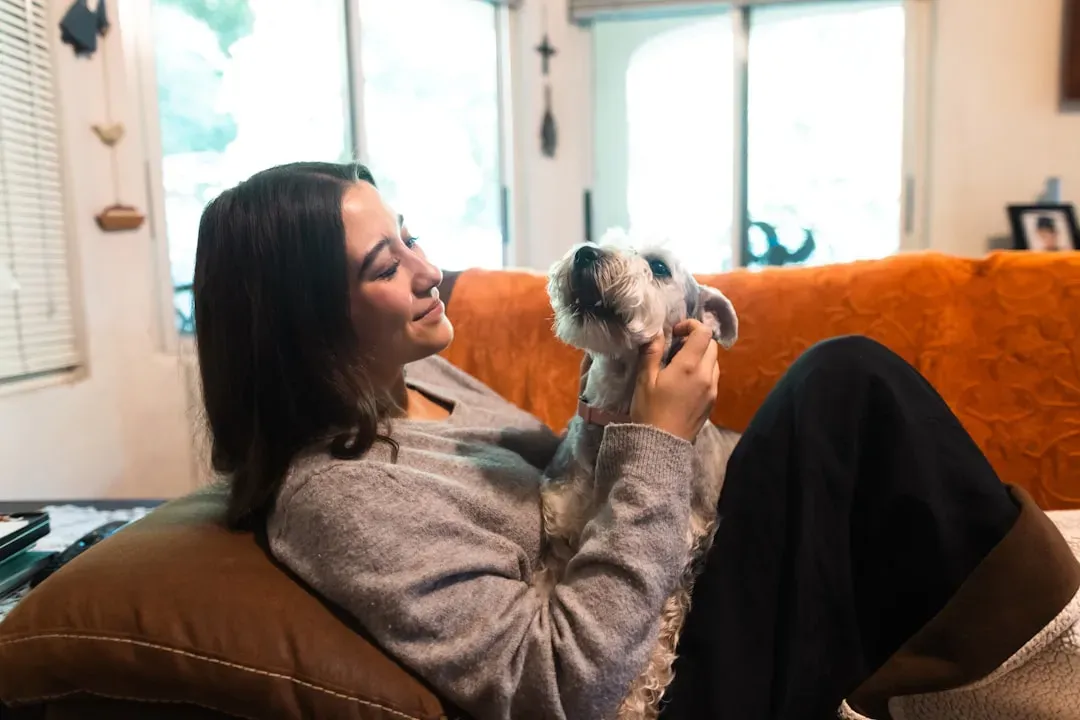
The bond between a person and their dog is one of the genuinely remarkable things about everyday life. It doesn’t demand perfection, and it doesn’t require expensive tools or elaborate schedules. What it asks for is attention: to who your dog is, what they need, and what they’re quietly telling you throughout the day.
A strong bond directly correlates with confidence and generally makes for a happier, more connected life together. Dogs don’t just learn from repetition. They learn best when they’re motivated by trust and positive connection. That trust is built in the small, repeated moments, a gentle look, a patient training session, a walk where you finally let them sniff that patch of grass for as long as they want.
Your dog already loves you. The goal of all this is simply to make sure they also feel completely safe with you, understood by you, and genuinely met where they are. That’s when a good bond becomes something lasting.


