
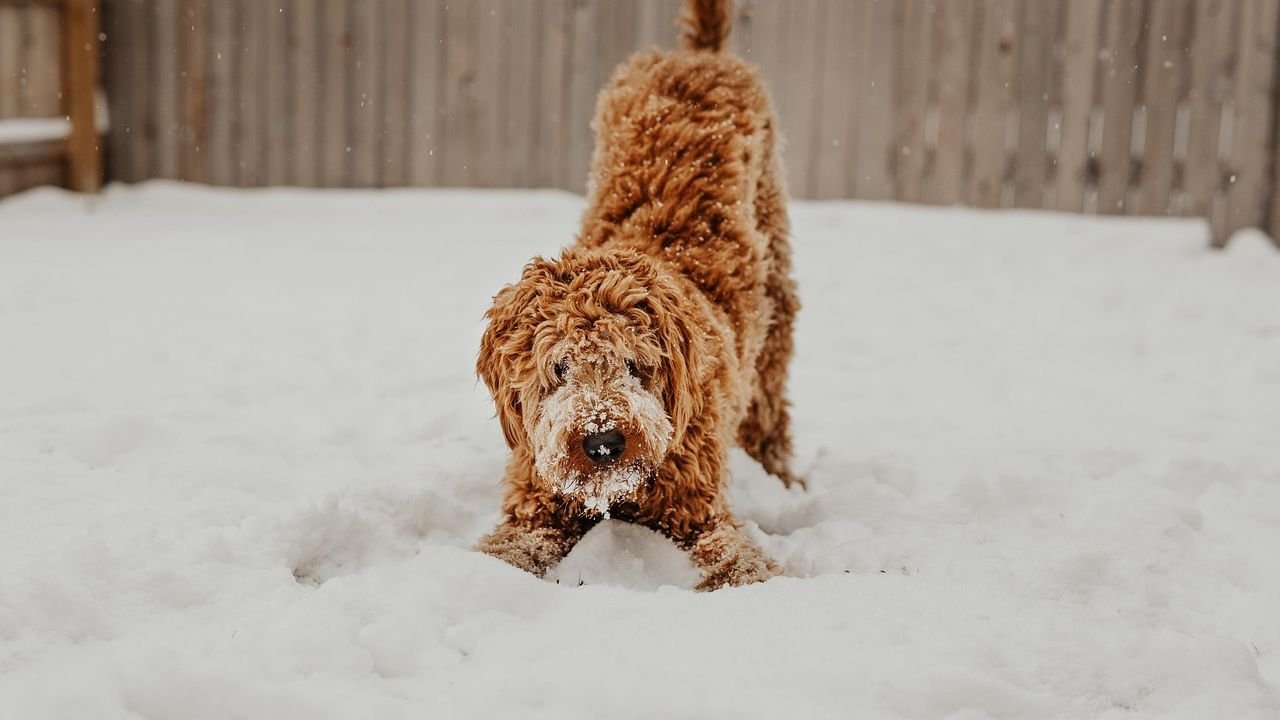
Picture this: you’ve brought your dog to a friend’s backyard gathering, tails are wagging, people are smiling, and the scene looks like a dream. Then you notice your dog tucked behind your legs, yawning repeatedly, refusing to eat the treat you’re offering. Something is off, but you can’t quite name it.
Most dog owners know the obvious signs of fear – trembling, tucked tails, all-out panic. What’s trickier to recognize are the quieter, more subtle signals that happen in everyday social moments. A trip to the dog park, a family reunion, a new puppy playdate: any of these can quietly tip a dog into overwhelm long before a dramatic reaction occurs.
Multiple studies have found that over 70% of dogs display anxious behaviors at some point. The good news? Learning to recognize stress signals is one of the most important skills you can develop as a pet parent. When you can identify early signs of stress, you can remove your dog from uncomfortable situations before their anxiety escalates into more serious behavioral issues like aggression or fear-based reactions. Here are seven signs your dog is overwhelmed in social situations, and what you can do to help.
1. Excessive Yawning at Completely the Wrong Time
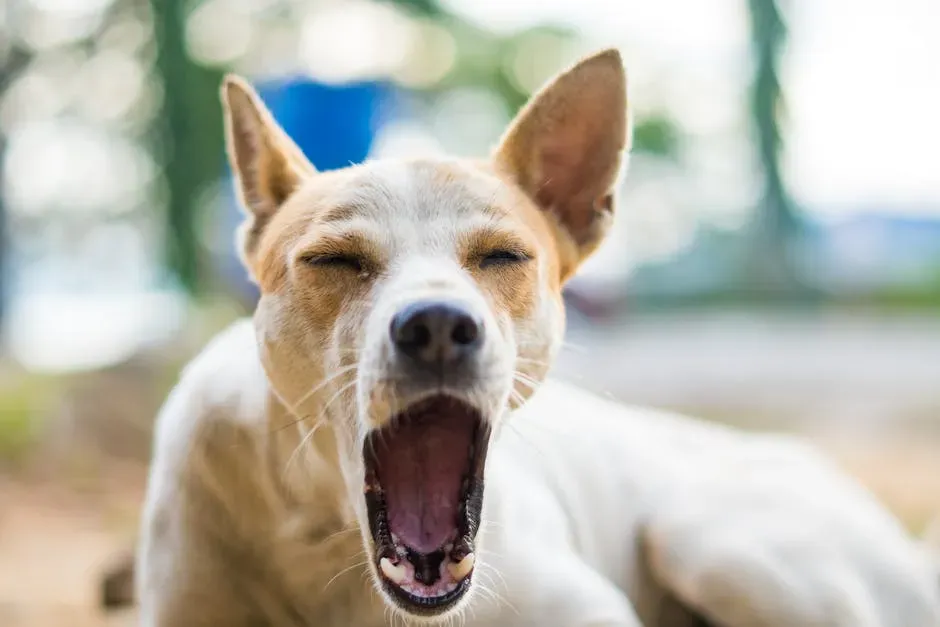
You’re at a busy outdoor café with your dog. He’s not tired – you just arrived. Yet there he is, yawning again and again, even as strangers lean in to say hello. This kind of yawning has nothing to do with sleepiness and everything to do with stress.
If your dog yawns repeatedly in the middle of a noisy waiting room, during a training session, or while being hugged by a stranger, it’s less about sleepiness and more about unease. A stressful yawn is more prolonged and intense than a sleepy yawn. The key is always context: yawning can indicate anxiety, anticipation of something stressful, or an attempt to calm themselves or others in the environment. Some dogs yawn when they’re conflicted about a situation, wanting to do something but feeling nervous about it.
How to help: Step away from the immediate trigger and give your dog some breathing room. Keep your own voice calm and low. Stay calm, speak gently, and stay close to them. If the yawning continues or intensifies, trust the signal and leave the situation entirely rather than pushing through it.
2. Lip Licking and Nose Flicking With No Food in Sight
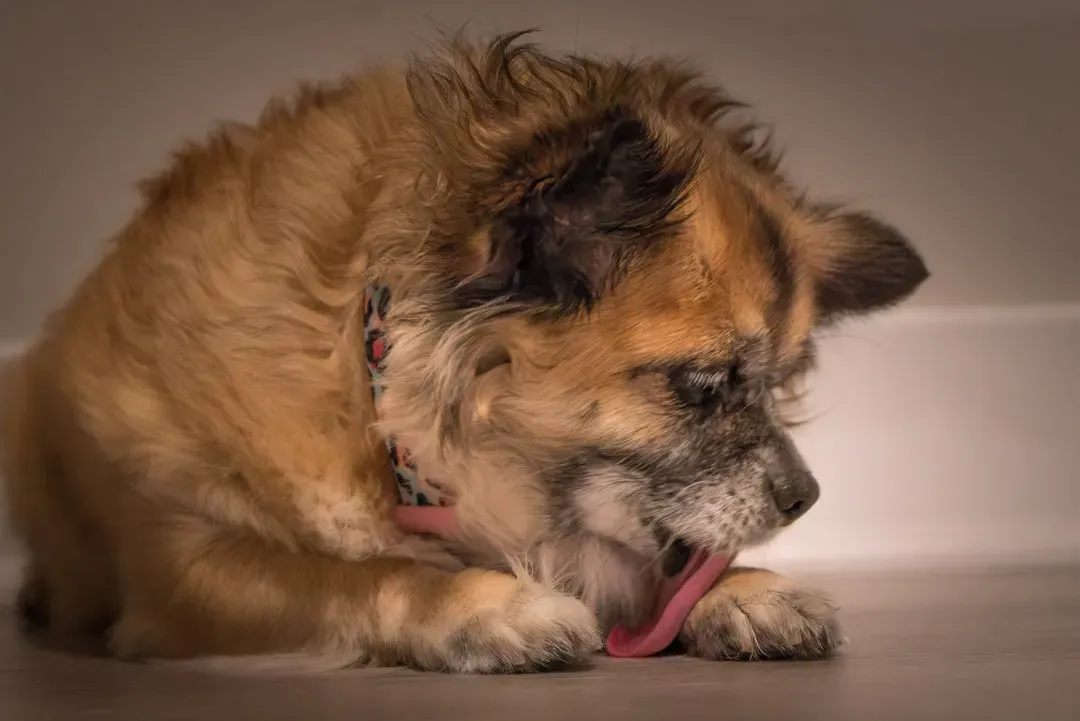
You’re at the dog park when another dog rushes over uninvited. Your dog freezes for a split second and then does a quick tongue flick across his nose. It looks almost like nothing. It’s not.
Lip licking is one of the most frequent stress signals dogs display, and it’s often misinterpreted as the dog simply being hungry or licking food residue from their mouth. It looks like a quick tongue flick that licks the nose or lips, often so fast you might miss it if you’re not paying attention. This is different from the slower, more deliberate licking after eating or drinking. This behavior is a calming signal that dogs use to self-soothe when they’re feeling anxious or to communicate peaceful intentions to others.
If you can help your dog become more comfortable by “listening” to their calming signals, you can sometimes avoid your dog having to use intensified body language, such as barking and lunging, to show their escalated discomfort and fear. Prevention tip: If you notice lip licking during greetings, ask people to approach one at a time, keep sessions brief, and always give your dog the option to disengage.
3. Turning the Head or Body Away
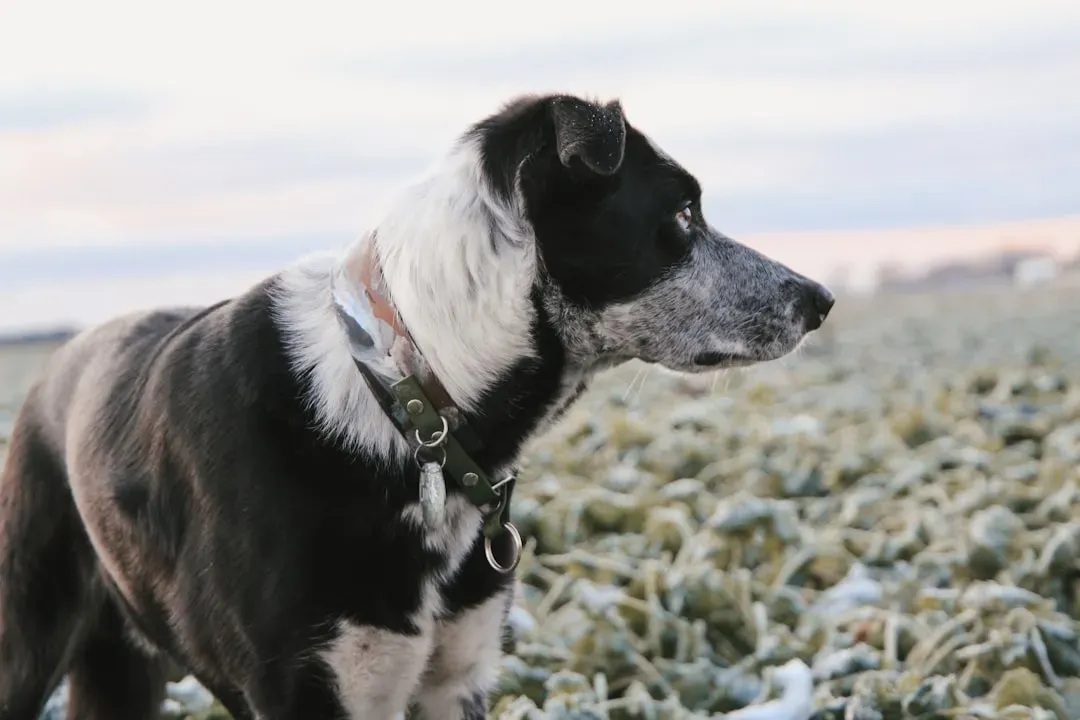
A child runs over excitedly to pet your dog. Your dog doesn’t growl or snap. He just turns his head, then his whole body, to face the other direction. It can look rude, even dismissive. In dog language, it’s actually the opposite: it’s a polite plea for space.
Turning away, refusing to make eye contact, or physically moving away from a stimulus are clear stress signals that indicate the dog wants to increase distance from something uncomfortable. Your dog turns their head away, looks at anything except the stressor, moves behind you, or tries to leave the situation entirely. What it means is, “I’m not comfortable with this, and I’d like it to stop.” If your dog avoids interaction with other dogs or people, do not force the issue. Respect their choice.
This is one of the most commonly ignored signals because it doesn’t look alarming. But if you can recognise the first signs of fear or anxiety in dogs, then you’ll be able to help your dog avoid the things that worry them and keep clear of potential conflicts. When your dog turns away, turn with them. It tells your dog that you’ve got their back.
4. A Tucked Tail or Stiff, Low Wag
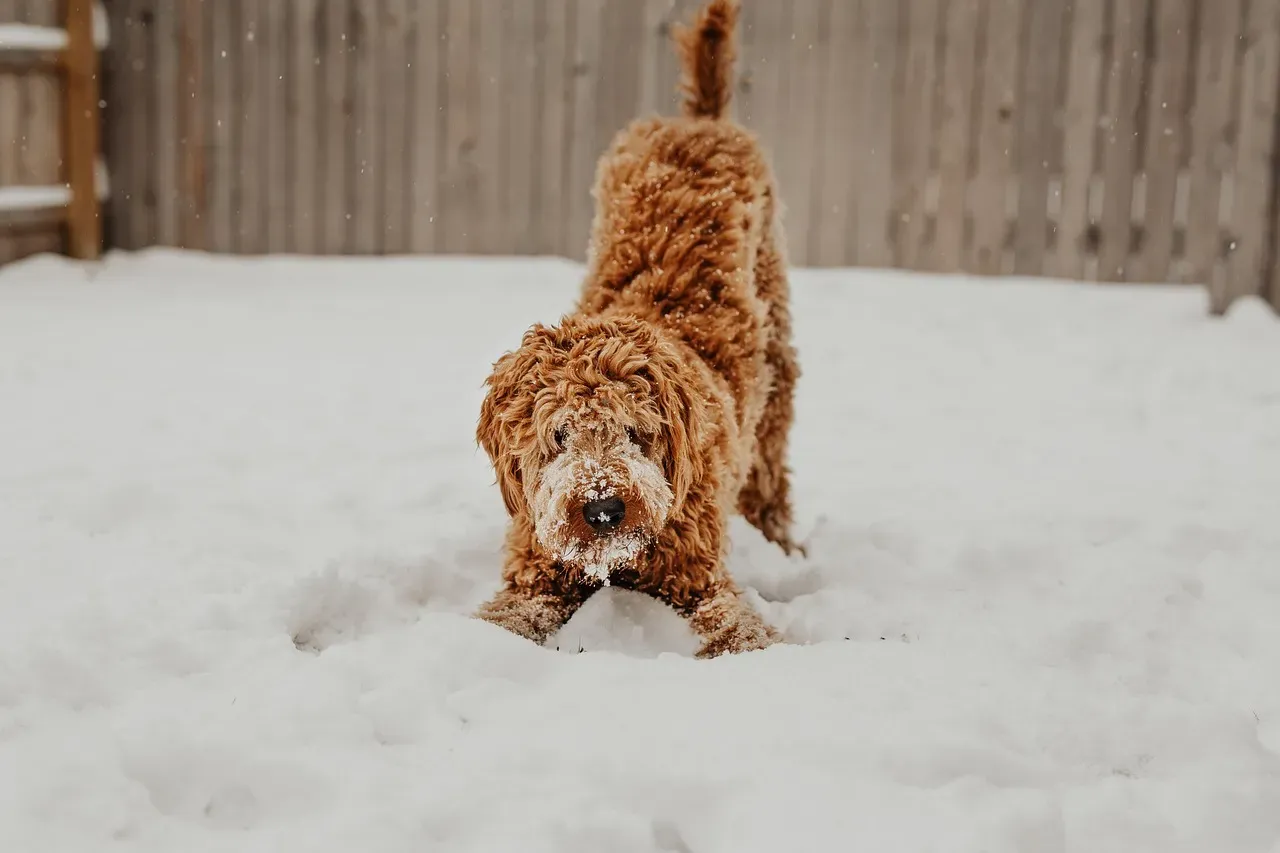
Tails are probably the most misread part of a dog’s body. We see a wagging tail and assume happiness. That assumption can lead us to put our dogs into situations they’re clearly asking us to remove them from.
A wag doesn’t always mean a dog is happy. A tail tucked tightly between the legs is a classic stress signal. A low tail with a stiff, quick wag can also mean worry, not joy. A relaxed wag tends to be looser, higher, and paired with a relaxed body posture. So when meeting new dogs or unfamiliar people in social situations, check the tail’s height, speed, and stiffness – not just whether it’s moving.
Uneasy pups might also curl tightly into a fetal position or crouch low to the ground. If you notice these postures at a dog meetup or neighborhood walk, it’s time to create distance and let your dog reset. Forcing them to stay in that space “to get used to it” rarely helps and often makes the association worse.
5. Ears Pinned Back and Raised Hackles
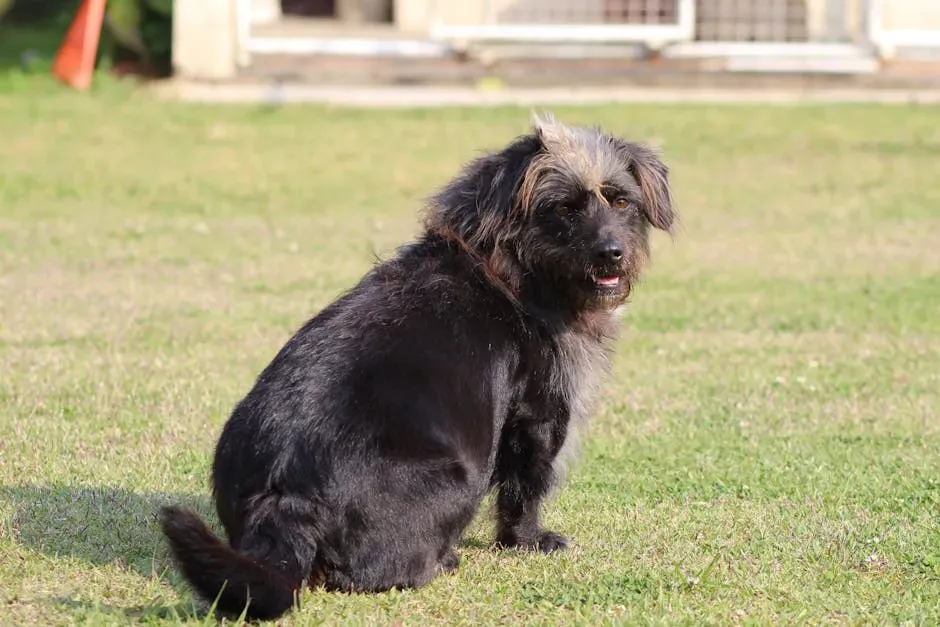
Flattened ears during a noisy family gathering, or that ridge of fur standing up along your dog’s back at the dog park – these are physical signals your dog’s nervous system is working hard to process a situation it finds threatening or overwhelming.
A dog with their ears pinned back or turned outward is probably feeling nervous. This signal is easier to read in breeds with upright ears, but it can be observed in all dogs if you know their normal posture. Raised hackles in dogs are a sign of aggression or arousal. They are a type of warning signal, which is often used by dogs to indicate that they feel threatened or under attack.
It’s worth noting that you shouldn’t rely solely on body language. Some dogs raise their hackles when they’re overstimulated or excited, not necessarily when they’re stressed or anxious. Context is everything. Read the full picture: ears, tail, posture, and the environment all tell the story together. When you see multiple signals at once, that’s when you act.
6. Pacing, Freezing, or Inability to Settle
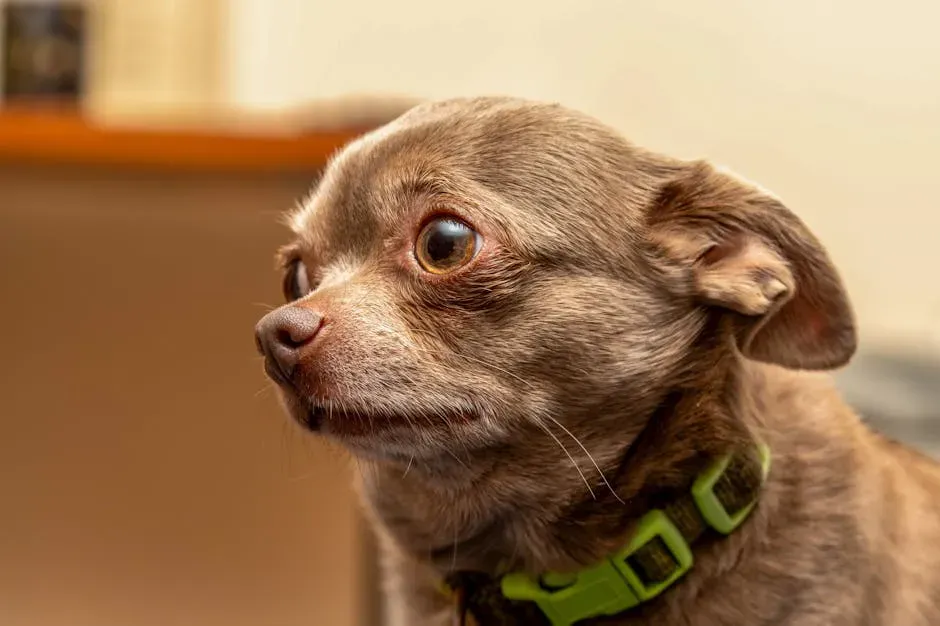
Your dog is at a new dog-friendly event. Instead of sniffing happily or engaging with others, he’s circling the perimeter, stopping and going rigid, then circling again. Or he’s rooted to the spot, completely still, like he’s bracing for something. Both of these are red flags.
When your dog freezes or gets stiff, they’re often stressed about something they see. In a training context, this can sometimes be seen as “submission,” but modern dog training practices tell us that the dog is actually shutting down. This can be very dangerous for both you and your dog. It’s a warning sign that the dog is so stressed that they can’t handle the situation.
Signs of overstimulation include frantic play that lacks normal communication patterns, inability to settle or calm down, excessive panting or drooling, and difficulty focusing on handlers or responding to cues. When dogs become overstimulated, they need quiet time to decompress before continuing with social activities. This might mean a brief timeout in a calm area or ending the session entirely if the dog is too wound up to settle. Trust what you’re seeing.
7. Hiding, Cowering, or Seeking to Escape
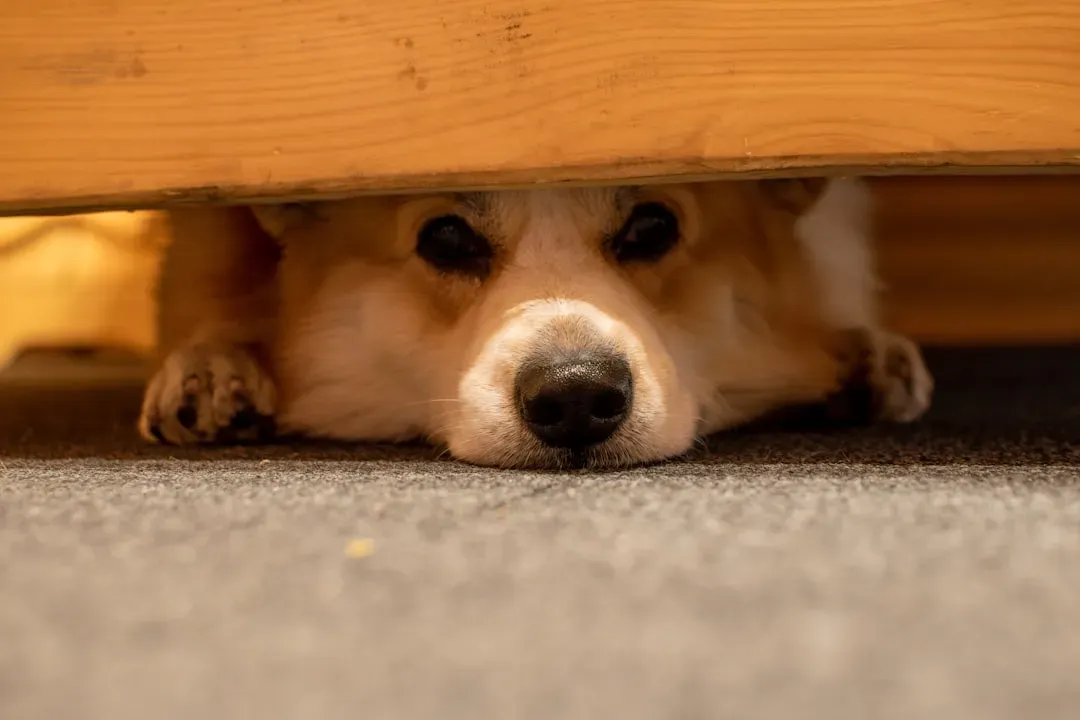
There’s a big difference between a dog who wanders freely at a social gathering and one who is constantly pressing against your legs, trying to squeeze under a chair, or pulling hard toward the exit. The latter dog is not being clingy. They’re asking for rescue.
When dogs are feeling scared or overwhelmed, they tend to seek solace in hiding spots or adopt a cowering posture. You might find them taking refuge under furniture, in cozy closets, or behind objects to create their own little safe havens. Dogs often hide behind their parents in stressful situations, slink under a table, or cower behind a chair. Some will even try to chew off a leash and run if necessary to avoid the stressful situation.
If this happens, don’t insist on staying. If you notice signs that your dog is stressed, first remove them from the stressor. Find a quiet place to regroup. Anxious dogs benefit from a safe place that they associate with positive things, treats, toys, or undisturbed rest. A dog bed or mat is perfect for this because it’s portable, meaning you can take that safety on the road. The mat can be used at the vet’s office, in the car, or at a friend’s home to help your dog feel calm and secure.
How to Build a More Socially Confident Dog Over Time
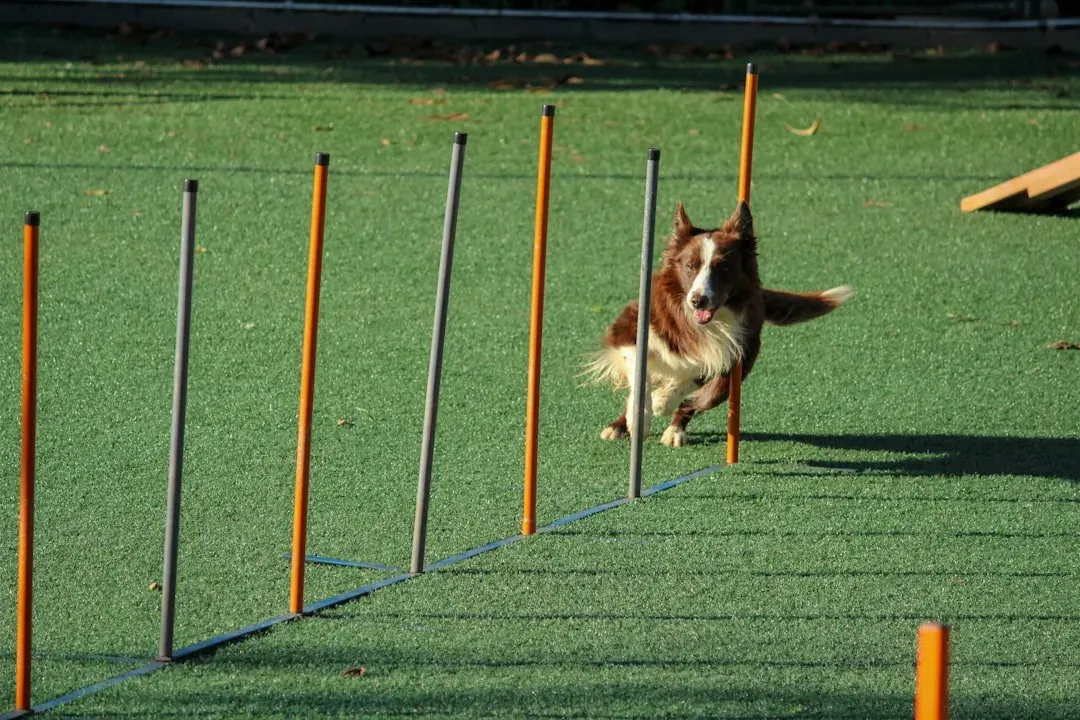
Reading the signs is only half the equation. The other half is building trust through consistency, gradual exposure, and honest advocacy. The best way to help your dog overcome social anxiety is through a process called desensitization. This means gradually exposing your dog to the fearful stimuli and rewarding or praising him when he exhibits the desired behavior.
Keep training sessions brief, just a minute or two at a time. This keeps it from becoming overwhelming and ensures the experience stays positive. Dogs learn through repetition. When you remain calm in how you respond to stressful situations, this shows a dog that they can rely on you. Your steady presence is genuinely one of the most powerful tools you have.
If your dog’s reactions are persistent or severe, don’t hesitate to reach out for professional support. If your dog becomes stressed often or in response to many triggers, see your veterinarian. After ensuring that your dog’s behavior does not have a physical basis, your veterinarian may refer you to a trainer or veterinary behaviorist for further assessment. A treatment plan may include behavior modification, a change in the daily routine, medications to relieve physical discomfort, and medications to reduce the emotional response to the triggers.
Conclusion: Your Dog Is Always Talking – Are You Listening?
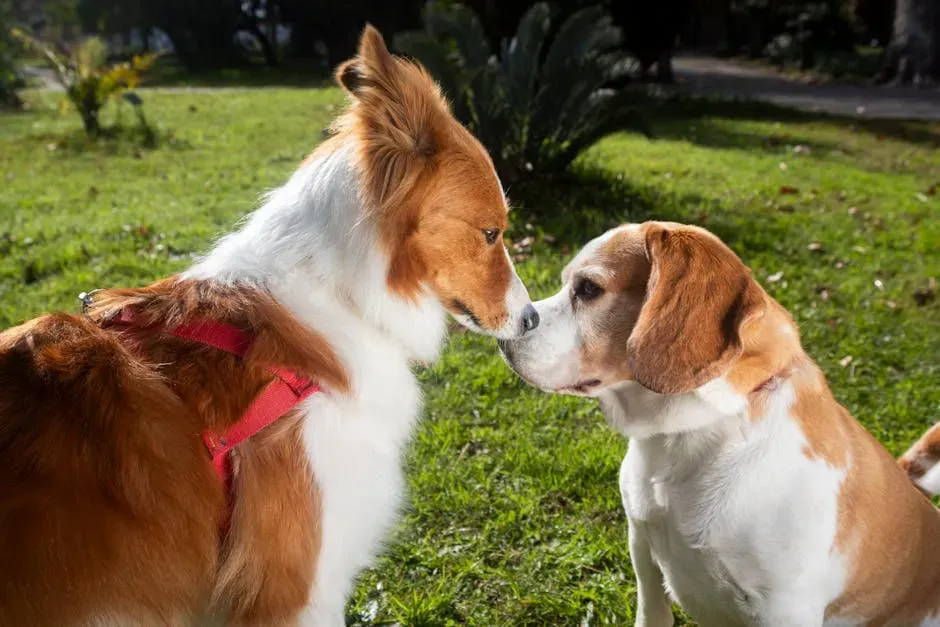
The seven signs covered here aren’t dramatic meltdowns. Most of them are quiet, easy to miss, and often mistaken for something else entirely. That’s precisely why understanding them matters so much. The subtle stress signals, including whale eye, lip licking, yawning, and others, are not signs of misbehavior or disobedience. They’re polite, peaceful communications that say, “I need help; I’m feeling overwhelmed.” By learning to recognize and respect these signals, you become a better advocate for your dog’s emotional wellbeing. You can intervene before stress escalates, build trust through understanding, and create a life where your dog feels safe, heard, and supported.
You don’t need to protect your dog from every social situation. You just need to show up as someone they can trust to read the room for them. When you listen to your dog’s signals, you build trust. Your dog learns, “My person pays attention and keeps me safe.” That kind of bond isn’t built in a single afternoon at the dog park. It’s built in the small, quiet moments when you notice, respond, and choose your dog’s comfort over the expectations of the crowd.


