
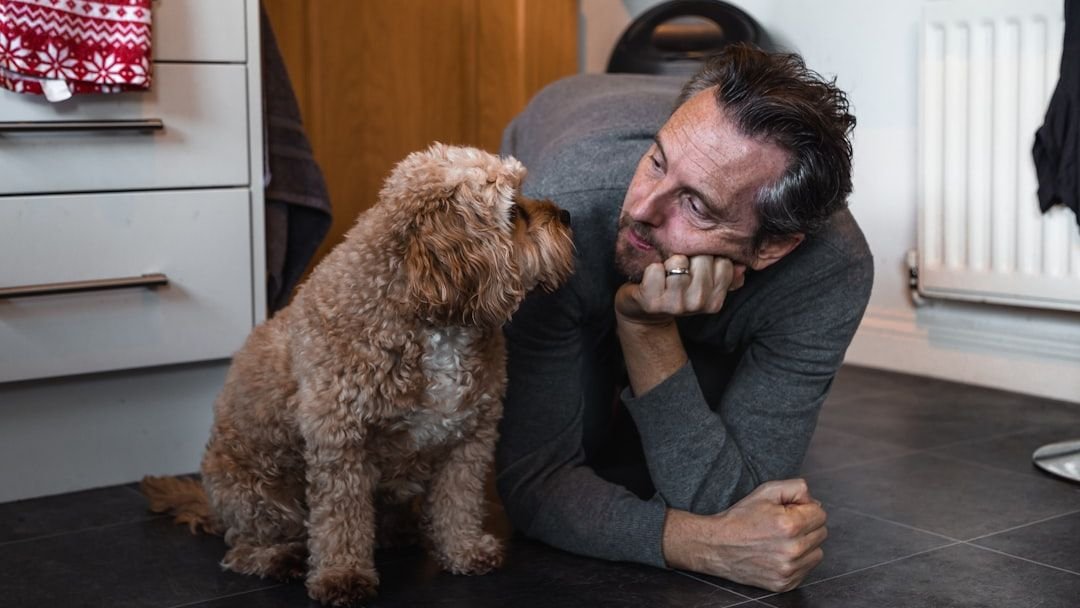
Your dog has never once asked you to prove yourself. They just watched. Every calm voice, every kept promise, every scratch behind the ear at exactly the right moment – it all added up quietly in a ledger you never knew existed. That’s the remarkable thing about dogs. They extend trust freely at first, like a gift offered with both paws, and then they watch to see if you’ll honor it.
Trust between you and your dog doesn’t happen overnight. It develops through consistent interactions, clear communication, and reliable care that shows your dog they’re safe with you. What’s easy to miss is just how much your dog is reading you every single day – your tone, your mood, your body language, your follow-through. They are, in the most genuine sense, paying attention.
This guide breaks down the ten ways dogs actively build trust with their humans, followed by five ways that bond quietly fractures – often without owners even realizing it. Whether you have a puppy fresh from the litter, a newly adopted rescue, or a dog you’ve shared years with, understanding these dynamics will make you a better, more attuned partner to the animal who already believes in you.
1. They Watch Your Body Language – And Mirror Your Calm
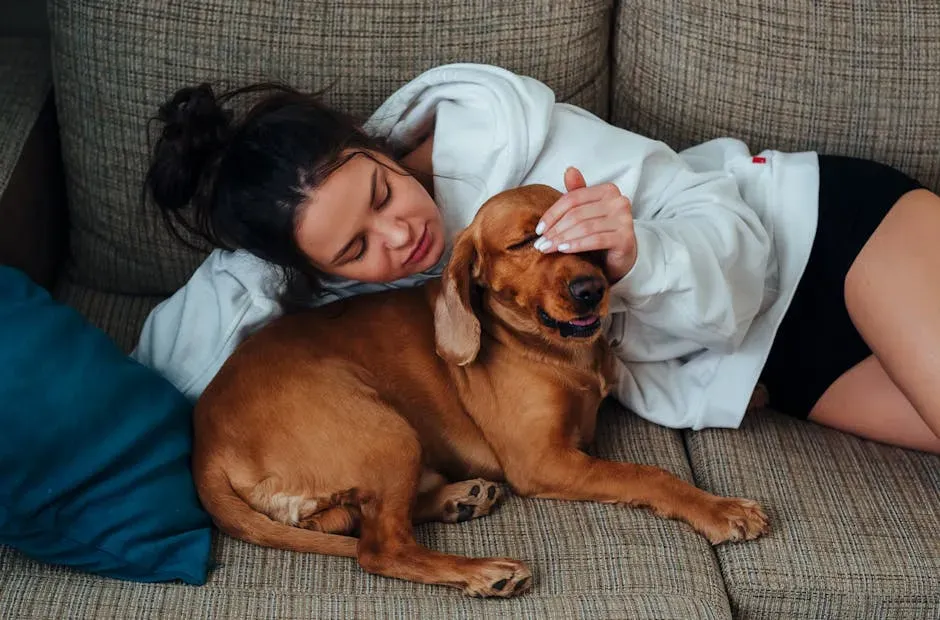
Research has evidenced that dogs learn to use emotional cues from humans to guide their own behavior, and that these intelligent animals look to their companions to learn more about the world around them. This isn’t just charming – it’s a survival strategy refined over thousands of years of co-evolution. Dogs didn’t just learn to live beside humans; they learned to read us.
A study from Brigham Young University suggests that your dog can read your emotions and is less likely to trust you when you’re in a bad mood. Researchers tracked how dogs reacted when they saw humans point to a hidden reward silently and then when using positive or negative facial and vocal expressions. When dogs saw the negative behaviors – frowning, a furrowed brow, and a harsh voice – they were less willing to search for the treat. The takeaway here is simple but powerful: your emotional state is part of how you communicate. A calm, steady presence tells your dog the world is safe right now.
2. They Expose Their Belly – The Ultimate Vulnerability Signal
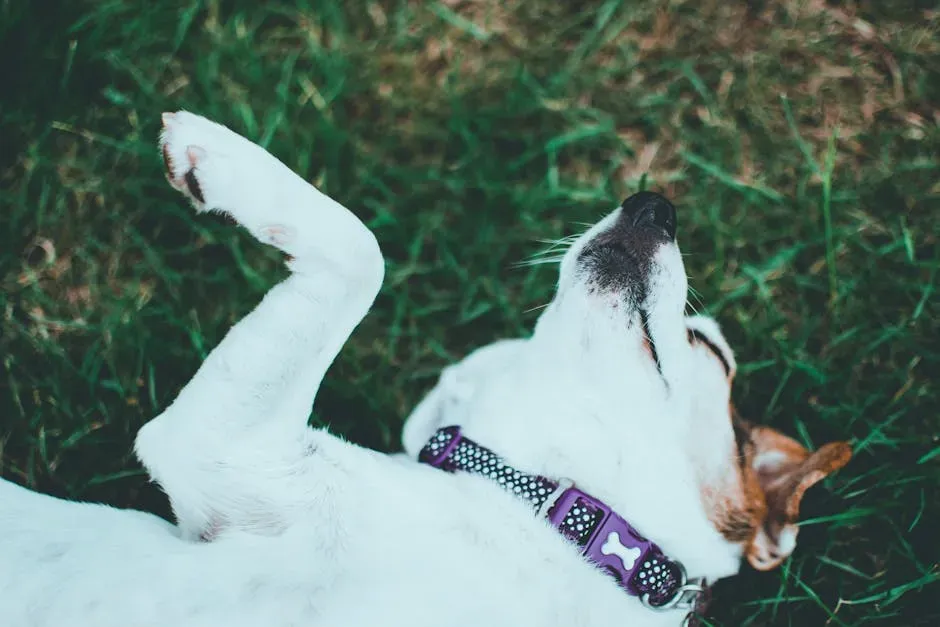
Dogs are at their most vulnerable when they are rolled on their back. If your pup is rolling on their back with their belly exposed, it isn’t just an exercise – it actually signals their profound level of trust in you. If you’re wondering why dogs don’t like to show their bellies to just anyone, it’s because an attack on the underbelly can be fatal in the wild. So when your dog flops over and looks up at you with that goofy, relaxed expression, they’re offering something they wouldn’t give to just anyone.
When a dog truly feels safe, they relax: ears droop, their body “flops,” breathing deepens, and eyes soften. Some will roll over and sprawl on their back. These cues signal maximum comfort – a major trust factor. The best response is always gentle, never forced. Accept the invitation for what it is: a declaration of peace.
3. They Make Soft, Sustained Eye Contact With You
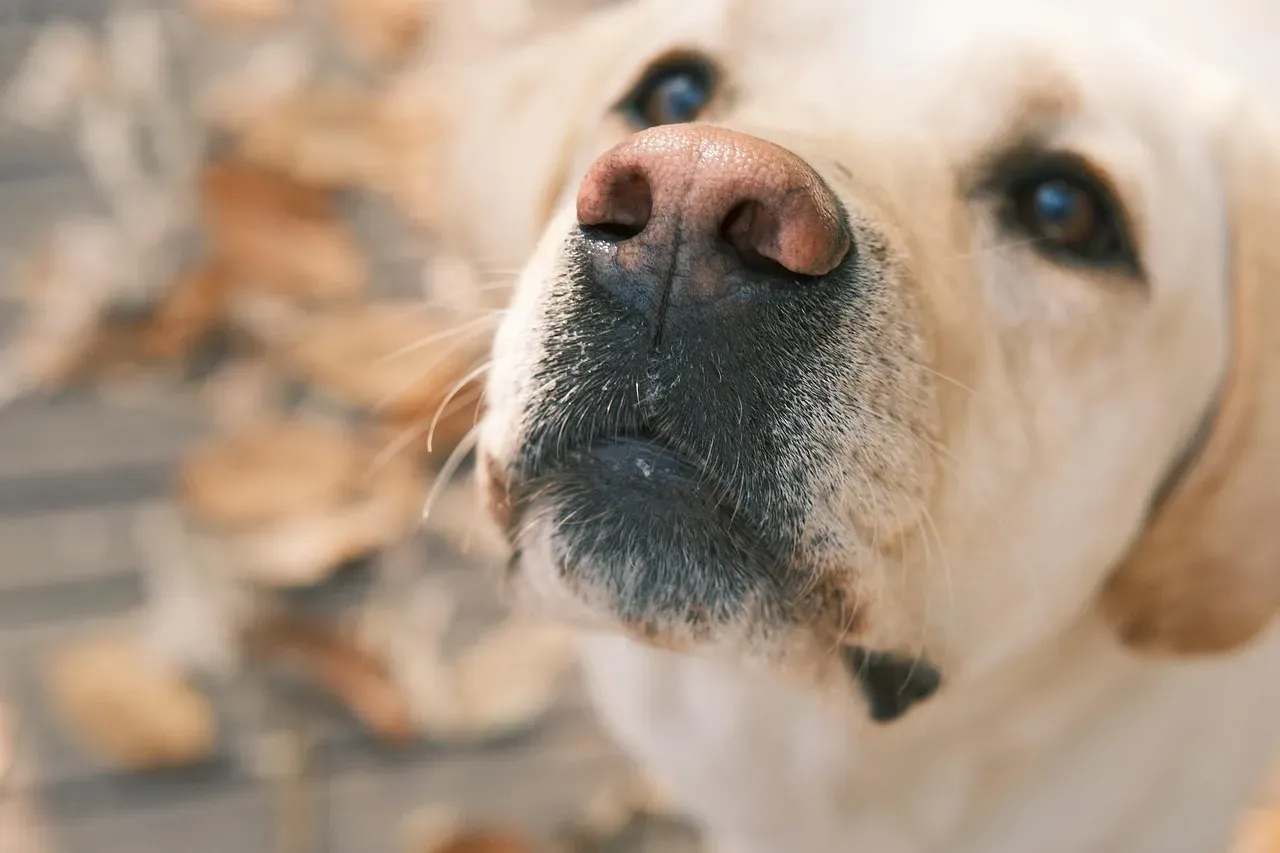
Maintaining eye contact with your dog causes the release of oxytocin. According to a study conducted in 2015 by the University of Japan, mutual eye contact between dogs and their human parents can cause an increase in oxytocin levels – the hormone released when you bond with someone – in both dogs and humans. This is the same chemical that cements the bond between a parent and a newborn child. It’s not nothing; it’s profound.
Mutual gazing between dogs and trusted humans triggers the release of oxytocin, strengthening emotional bonds. This type of eye contact is different from the challenging stare dogs use with threats. If your dog catches your eye across the room and holds it softly, that’s not a demand – it’s an expression of connection. Gaze back, and you’re actively deepening the bond.
4. They Check In With You During Adventures
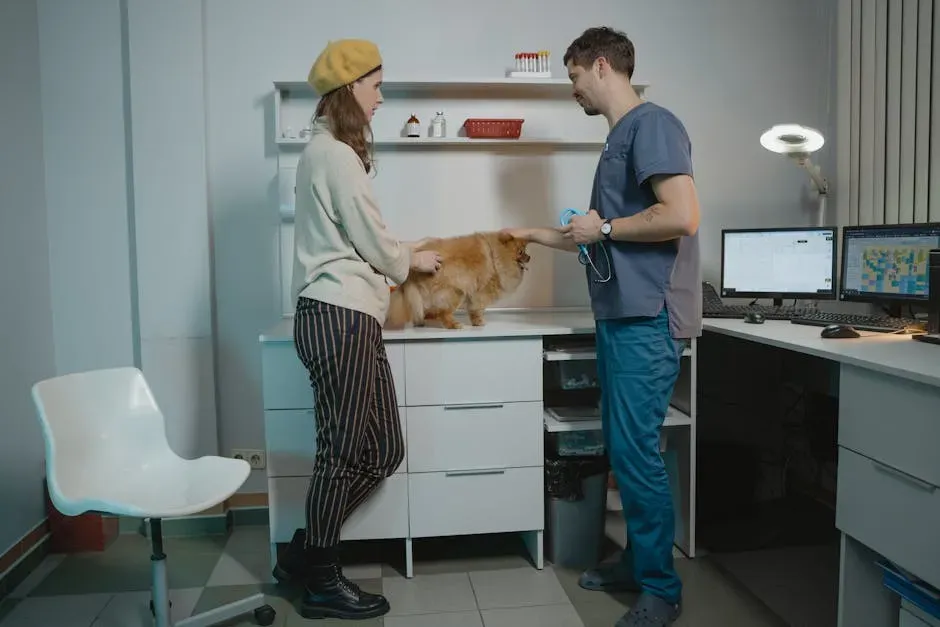
When you’re visiting the dog park or out on the trail, does your dog frequently pause to check in with you? If so, you have a strong bond. When you and your dog are having adventures together, it’s easy for your pup to get distracted. It’s a great big world out there, but a dog who trusts their person knows exactly who’s at the center of it: you.
In new or potentially stressful situations, a trusting dog will look to their owner for cues about how to react. This “social referencing” behavior shows they value your judgment and rely on you for safety signals. When your dog glances back at you at the edge of a new trail or a busy park, they’re not lost – they’re anchoring. Honor that check-in with calm acknowledgment, and you reinforce exactly the kind of trust you both need.
5. They Sleep Near You – Or Facing You Directly

Does your dog prefer to nap when you’re around? Whether your dog sleeps on the bed or in their own comfortable spot, having them share a room with you conveys a powerful sense of security. They can unwind fully because of the assurance and comfort you bring. According to the Better Sleep Council, wild dogs like sleeping in enclosed areas surrounded by their pack members, whom they can trust to keep them safe.
If your dog sleeps directly facing you, they are demonstrating ultimate comfort and attachment. Sleeping positions often reflect security – dogs that rest with their back or side to you also show trust, but facing you overnight is an especially strong signal. Sleep is the one time every creature is at their most defenseless. A dog who chooses to spend that time beside you is speaking a very clear language.
6. They Accept Grooming and Care Without a Fight
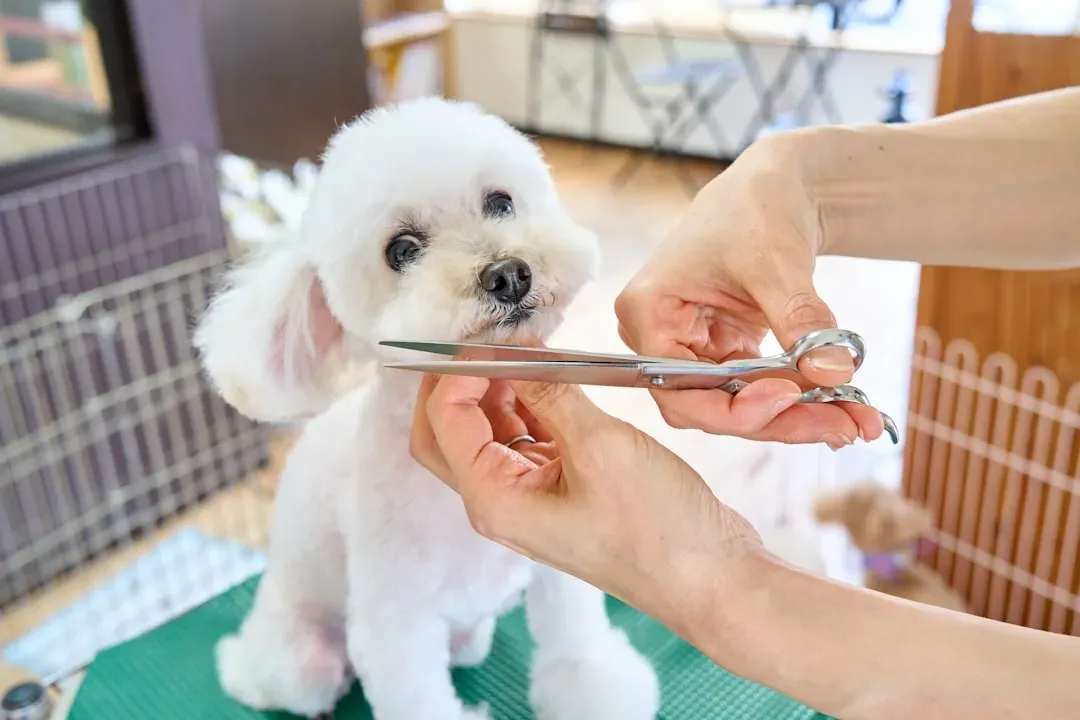
From teeth brushing to nail trimming, our pups require quite a few grooming and care tasks, and allowing us to perform them without a fuss is a clear indicator that your pup trusts you. Most of the handling required for care is awkward if not a little uncomfortable for dogs – so a dog who goes with the flow during unpleasant procedures shows how much they trust you. Think of it like a child who sits still for a doctor’s visit because their parent is nearby. The discomfort is real, but the trust is bigger.
If your dog doesn’t particularly like having their nails trimmed, ear drops administered, or having their eyes cleaned, for example, but they allow you to do it without losing the plot – this is trust in action. There are things we can do to help our dogs feel more comfortable and to build trust that allows us to do things our dogs don’t much like but that are essential for their welfare. A practical tip: pair every uncomfortable procedure with calm praise and a small reward. Over time, your dog learns that your touch, even when it stings a little, means safety.
7. They Bring You Their Prized Possessions
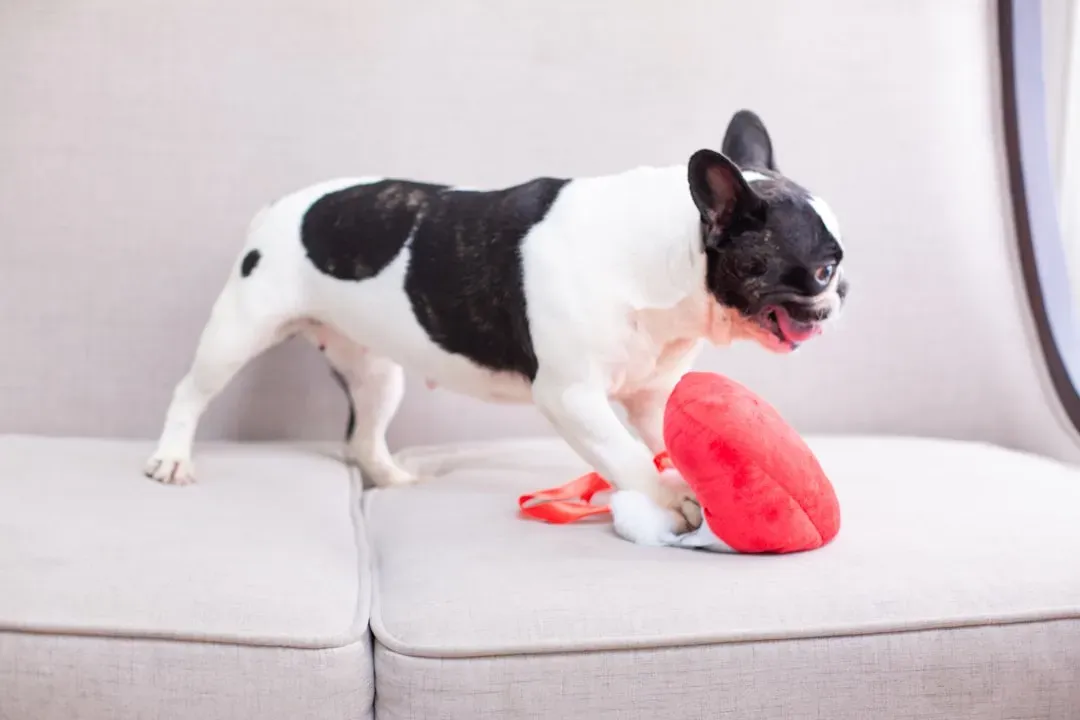
When your dog brings you their favorite toys or special items, they’re demonstrating both trust and a desire to share experiences with you. This behavior mirrors social bonding practices observed in wild canid populations. It might be their beloved squeaky duck or, less glamorously, a sock they’ve claimed as their own. Either way, the gesture carries real meaning.
Dogs may drag in strange “prizes” – shoes, sticks, socks – as “gifts.” This quirky behavior is an attempt to share with you, showing you are seen as part of the inner circle. Accept the gifts and praise gently; it reinforces the bond and makes your dog feel acknowledged. Rejecting or ignoring a dog’s offering, even a slobbery one, misses a small but real opportunity to say: I see you, and I appreciate this.
8. They Lean Into You for Comfort
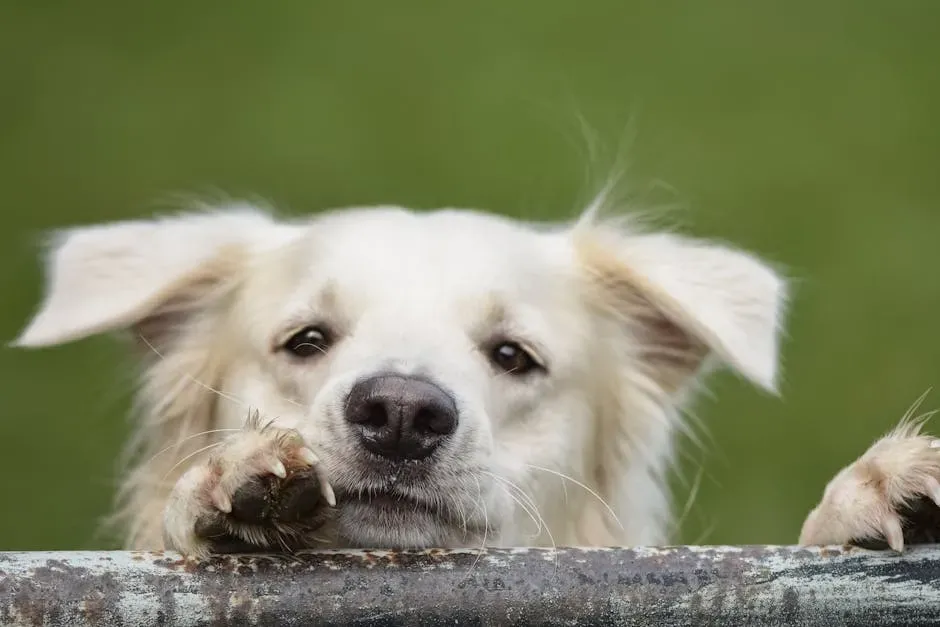
Leaning onto someone portrays comfort, reliance, and emotional trust. Dogs often lean towards reliable individuals for grounding and reassurance. This type of behavior projects a strong connection instead of balancing support. If your dog presses their full weight against your leg during a thunderstorm or a vet visit, they’re not just looking for physical steadiness – they’re looking for you specifically.
Whether it’s during a thunderstorm or after a stressful trip to the dog park, dogs who trust their pet parents will come to them, knowing they’ll find comfort and safety. Even dogs with separation anxiety will begin to relax when their trusted human companions are nearby. Your presence itself is the intervention. That’s a kind of trust that no training session creates alone – it’s built from hundreds of ordinary moments when you simply showed up.
9. They Respond Enthusiastically to Positive Training
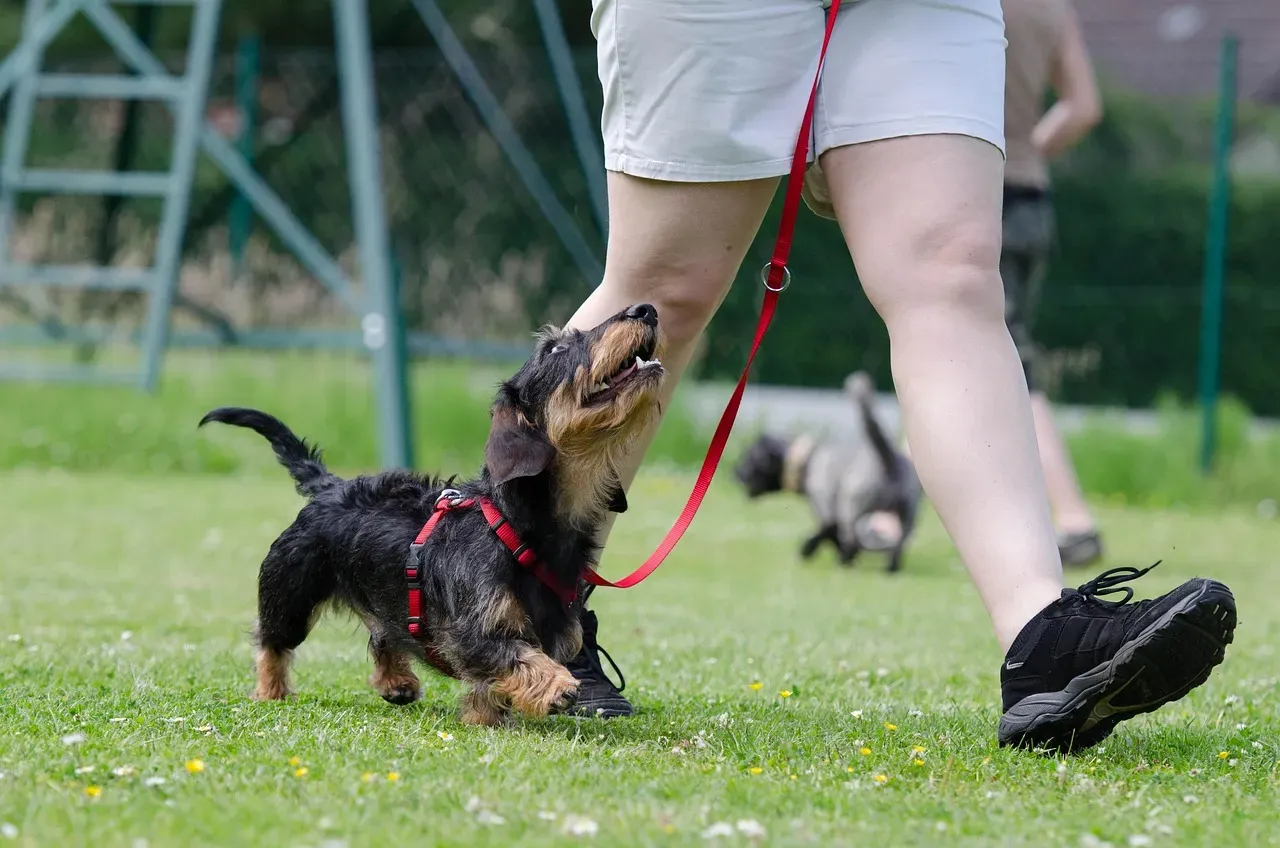
Long ago, dog training consisted of a series of drills that didn’t leave much room for enjoyment or creativity on either end of the leash. Modern, science-backed dog training, on the other hand, is a collaborative effort that puts the focus on the relationship between student and teacher. Rather than being forced to maintain a tight heel or hold an endless down-stay, training rooted in trust allows for an ebb and flow to the process.
A big part of ensuring successful training is when there is mutual trust between an owner and their dog. When dogs receive positive reinforcement, trust is enhanced, and a dog is far more likely to respect their owner’s guidance. This is often the reason why training rescue dogs can require more time and dedication. A dog who engages eagerly in training sessions – who offers eye contact, wags, and tries – is doing something more than learning commands. They’re saying: I trust that this is going to go well for me.
10. They Stay Consistent in Their Attachment Across Time
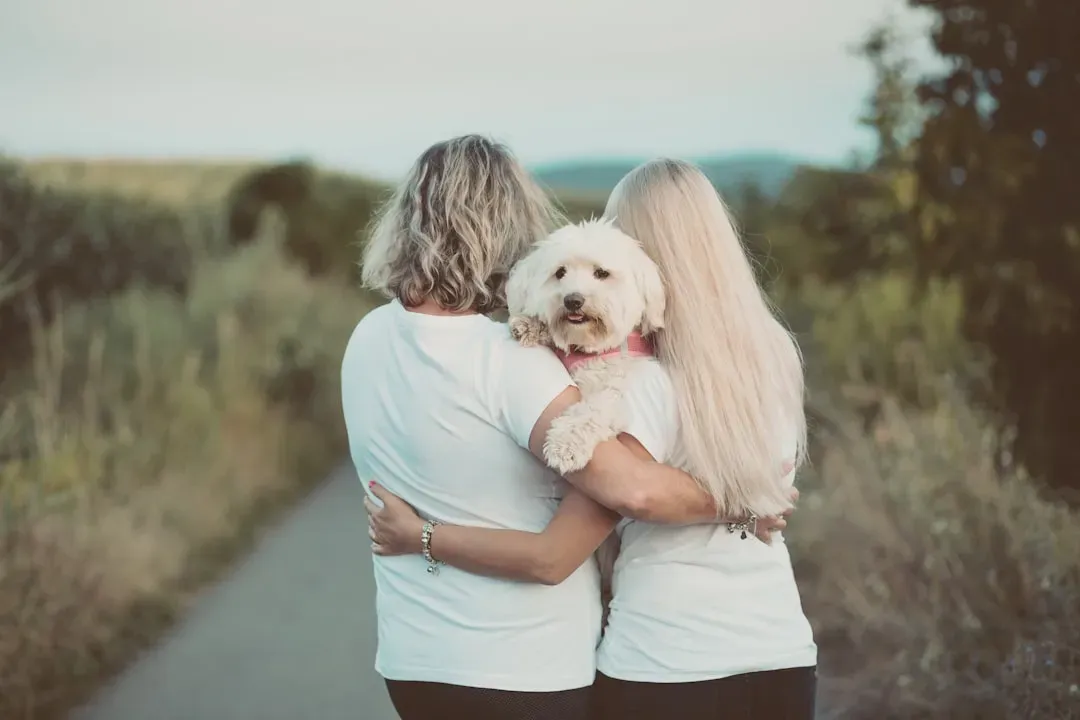
The results of a 2013 study showed that dogs that have a strong bond with their owners behave similarly to the bond human children have with their parents. The dog-human relationship is not merely affection – it is genuine attachment, with all the depth and complexity that word implies. Your dog doesn’t just like you. They depend on you in ways that are neurologically similar to how a child depends on a caregiver.
Cumulating evidence suggests that the relationship between companion dogs and their human caregivers bears a remarkable resemblance to the parent-infant attachment bond. This affiliative bond changes dogs’ behavior in multiple ways. A dog who remains consistently bonded to you through life’s disruptions – new homes, new family members, changes in routine – is showing you something durable. They’ve chosen you, and they keep choosing you. That deserves to be taken seriously.
Trust Breaker #1: Inconsistency in Rules and Reactions
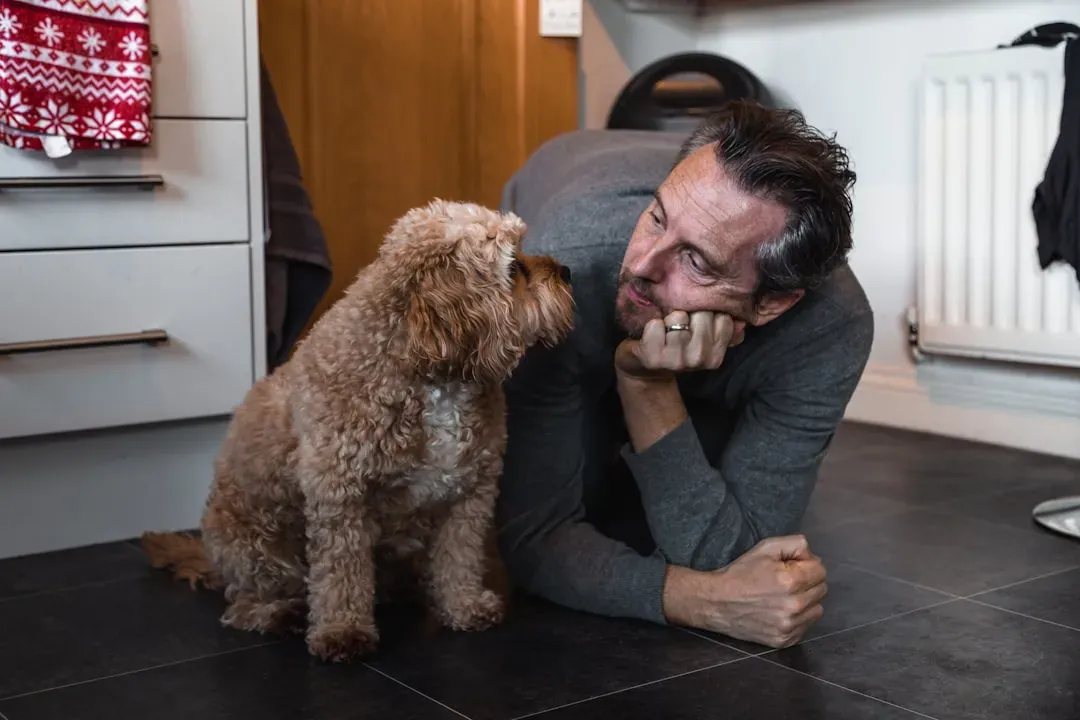
If you sometimes laugh at a behavior and sometimes scold it, your dog can’t predict your reaction. This uncertainty makes them anxious and less confident in your leadership. Imagine trying to navigate a relationship where the same action draws applause one day and anger the next. That’s genuinely disorienting, and dogs feel that confusion in a very real way.
Rewarding the dog for a behavior sometimes and punishing him for the same behavior at other times will only confuse him and is likely to reinforce the undesirable behavior. Use positive reinforcement consistently and respect your dog’s need for attention and training. If you pay attention to your dog sometimes and ignore him at other times, or if you’re mean to him sometimes and nice at others, he won’t know what to expect. He will always be nervous and afraid of you. His trust in you will be damaged or will not develop at all.
Trust Breaker #2: Misleading Your Dog – Yes, They Notice

Research shows that dogs keep track of whether people lie or tell the truth, and use these memories to determine whether they can trust particular humans and the information they get from them. In other words, if you mislead your dog, he will remember those lies and you will not only lose his trust but may also lose his cooperation. A practical example: calling your dog over with a happy voice to give them a bath they dread, or grabbing the leash and then not actually taking them for a walk, chips away at the reliability you represent.
Breaking promises matters to dogs too. If you regularly promise walks by grabbing the leash but then don’t follow through, or if you call your dog and then do something unpleasant like give medicine, they learn your cues can’t be trusted. Over time, a dog who’s been repeatedly misled will begin to hesitate before responding to you – not out of stubbornness, but out of self-protection. They’ve learned caution from experience.
Trust Breaker #3: Forcing Interactions They’ve Clearly Rejected
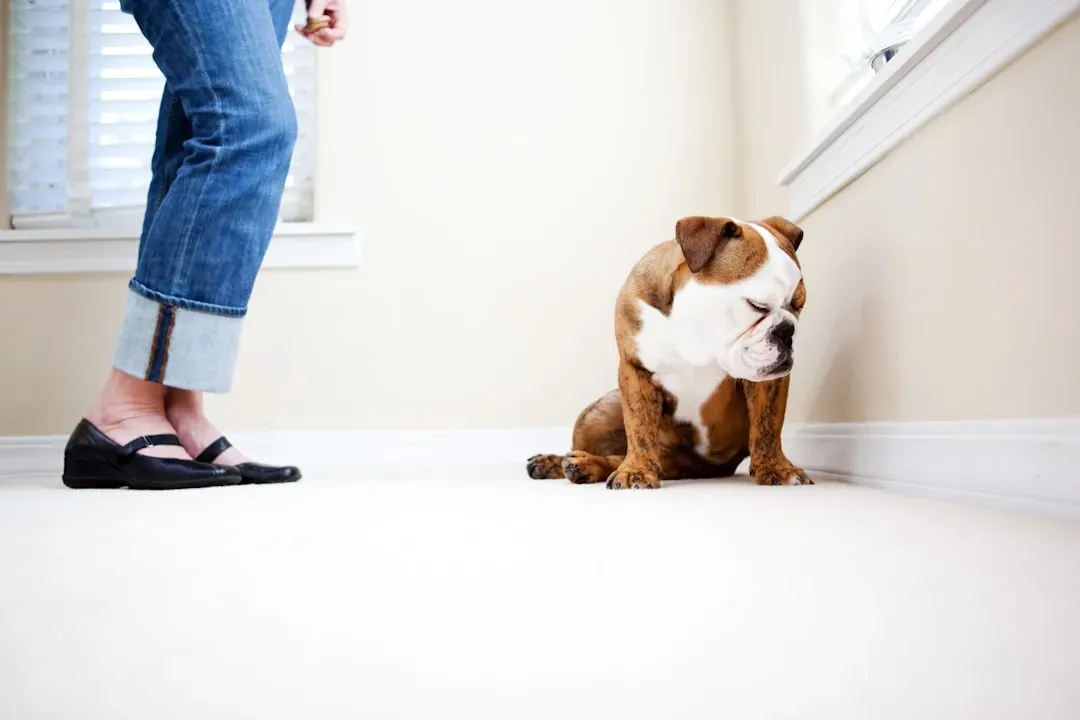
Forcing interactions your dog clearly dislikes breaks trust. If your dog shows discomfort with hugs, forcing them to tolerate hugs teaches them their communication doesn’t matter to you. Respecting their boundaries strengthens trust. This is one of the most common and well-intentioned mistakes dog owners make. The hug feels like love from our perspective – but from a dog’s perspective, being held tightly can feel like restraint.
Ignoring stress signals damages your relationship. When your dog shows fear or discomfort and you force them to continue anyway, you’re teaching them their feelings don’t matter and you won’t protect them. Watch for the signs: lip licking, yawning out of context, turning the head away, a tucked tail, or a stiff body. These aren’t random – they’re requests. Honoring them tells your dog that communication between you two actually works.
Trust Breaker #4: Unpredictable Routines and Neglected Basic Needs
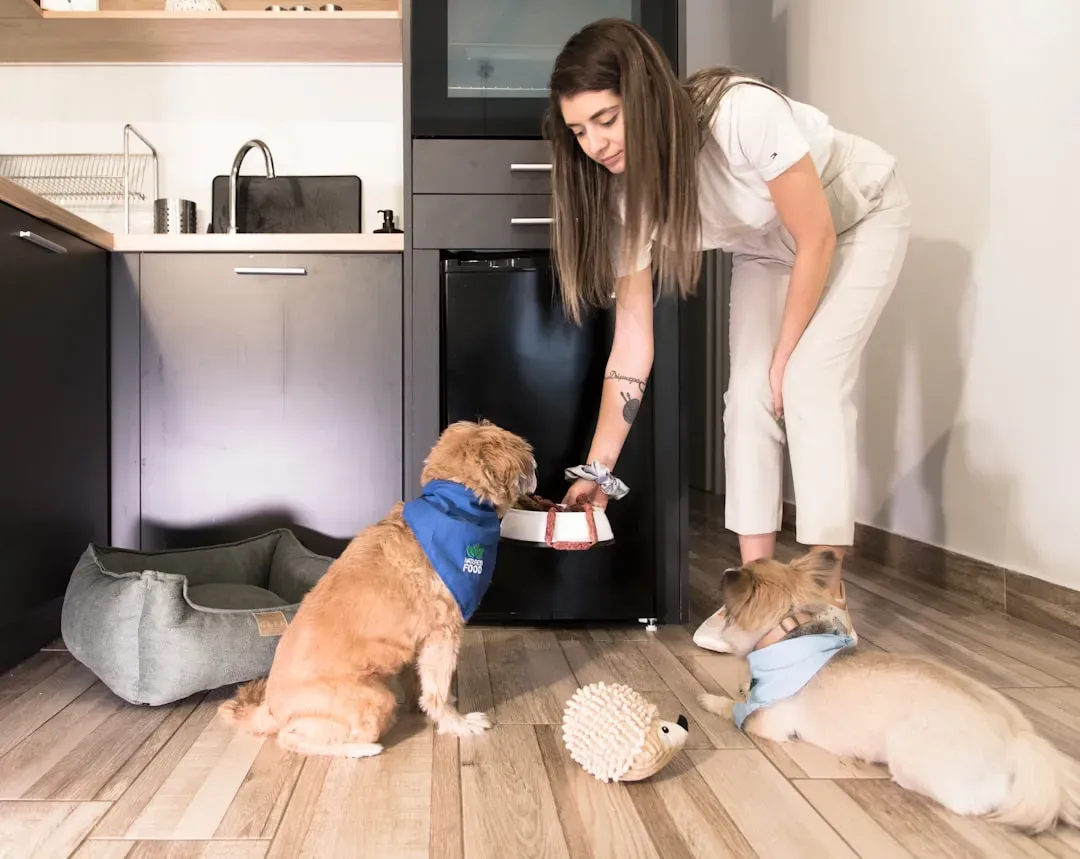
Dogs need to be on a schedule, and consistency in this area is incredibly important. If you sometimes feed your dog at a scheduled time and don’t feed him at that time on other occasions or forget to feed him at all, your dog will always wonder if he’s going to get these essentials. He will not trust that you will always provide for him because you haven’t shown yourself to be reliable in the past.
Since trust is founded on reliability, creating consistent routines can help your dog understand what to expect – which builds trust. This doesn’t need to be a strict daily routine where everything is regimented, but mini routines around things you do regularly can help make things predictable for your dog. For example, you can have a routine you follow for getting your dog ready for a walk, letting them out of the car, or for when guests come over. This helps your dog understand what to expect, which means they feel better prepared for what comes next.
Trust Breaker #5: Using Fear, Pain, or Harsh Punishment as Training Tools
This tag does not indicate the copyright status of the attached work. A normal copyright tag is still required. See Commons:Licensing.
العربية ∙ বাংলা ∙
Bahaso Jambi ∙
Deutsch ∙ Deutsch (Sie-Form) ∙ English ∙ español ∙ euskara ∙ فارسی ∙ français ∙ italiano ∙ 日本語 ∙ 한국어 ∙ македонски ∙ മലയാളം ∙ Plattdüütsch ∙ Nederlands ∙ polski ∙ پښتو ∙ português ∙ русский ∙ slovenščina ∙ svenska ∙ Türkçe ∙ українська ∙ 简体中文 ∙ 繁體中文 ∙ +/−, Public domain)
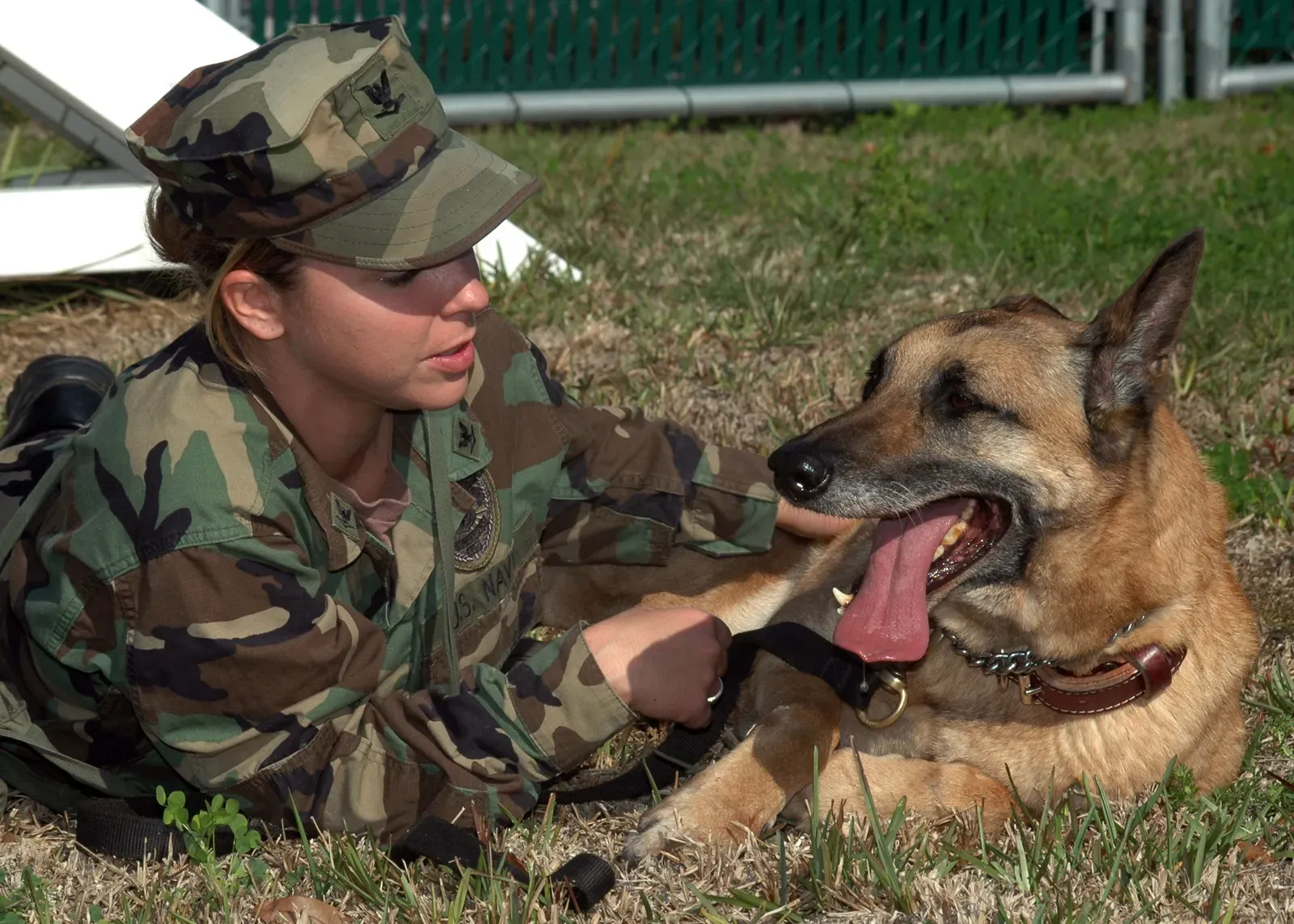
Positive reinforcement builds trust. Using fear, pain, or intimidation destroys trust. This goes beyond training and reaches into every aspect of your life with your dog. When training relies on aversive methods – shock collars, physical corrections, shouting – a dog doesn’t learn what to do. They learn what to fear. That’s not guidance; it’s pressure.
Studies shared by the American Veterinary Society of Animal Behavior (AVSAB) show that dogs who grow up with kind and predictable human interactions tend to have lower stress hormones and better emotional regulation. The inverse is equally true: dogs trained through pain or intimidation carry that stress in their bodies and their behavior. Trust is built when humans act as reliable protectors. Harsh commands or physical discipline can damage trust. Instead, use calm, clear instructions and plenty of positive rewards during training sessions.
Conclusion: Trust Is a Living Thing
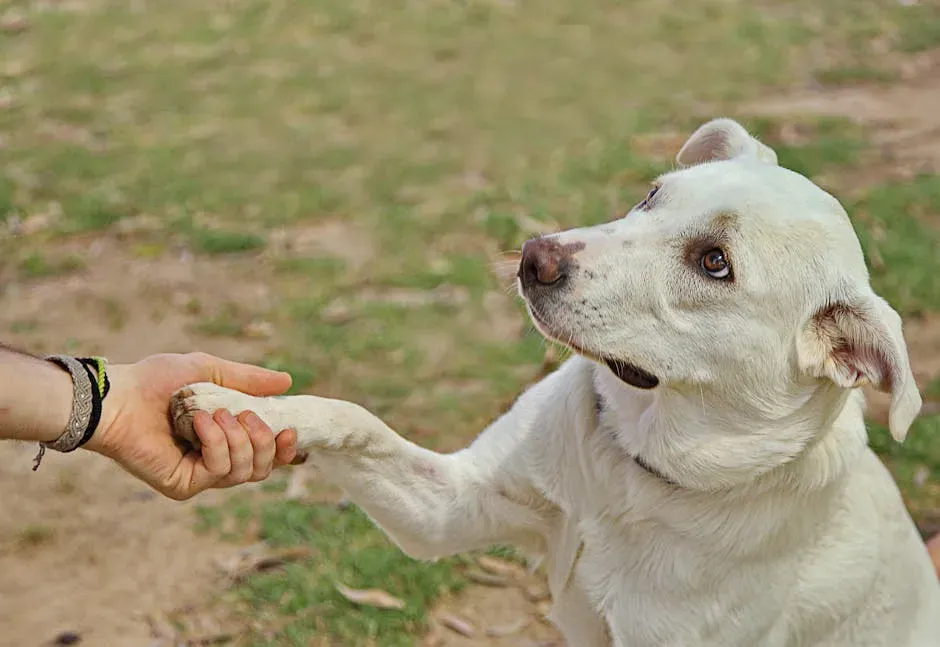
Building trust is an ongoing, daily process – not a one-time achievement. It lives in the small, ordinary moments: the morning walk you didn’t skip, the calm voice you used when they knocked something over, the time you moved the leash slowly instead of lunging for it. None of these feel dramatic in the moment. Together, they’re everything.
Trust isn’t automatic – it’s earned through daily interaction, positive reinforcement, and honoring your dog’s needs. The five ways trust breaks are rarely acts of malice. They’re usually acts of ignorance, impatience, or habit. The good news is that awareness changes things almost immediately. Once you start reading your dog’s signals and responding with more consistency and respect, the relationship shifts.
Your dog doesn’t need perfection from you. They need reliability, honesty, and the steady presence of someone who’s paying attention. In that sense, earning a dog’s trust is one of the most quietly demanding and deeply rewarding things a person can do. They give everything they’ve got. The least we can do is show up for it.


