
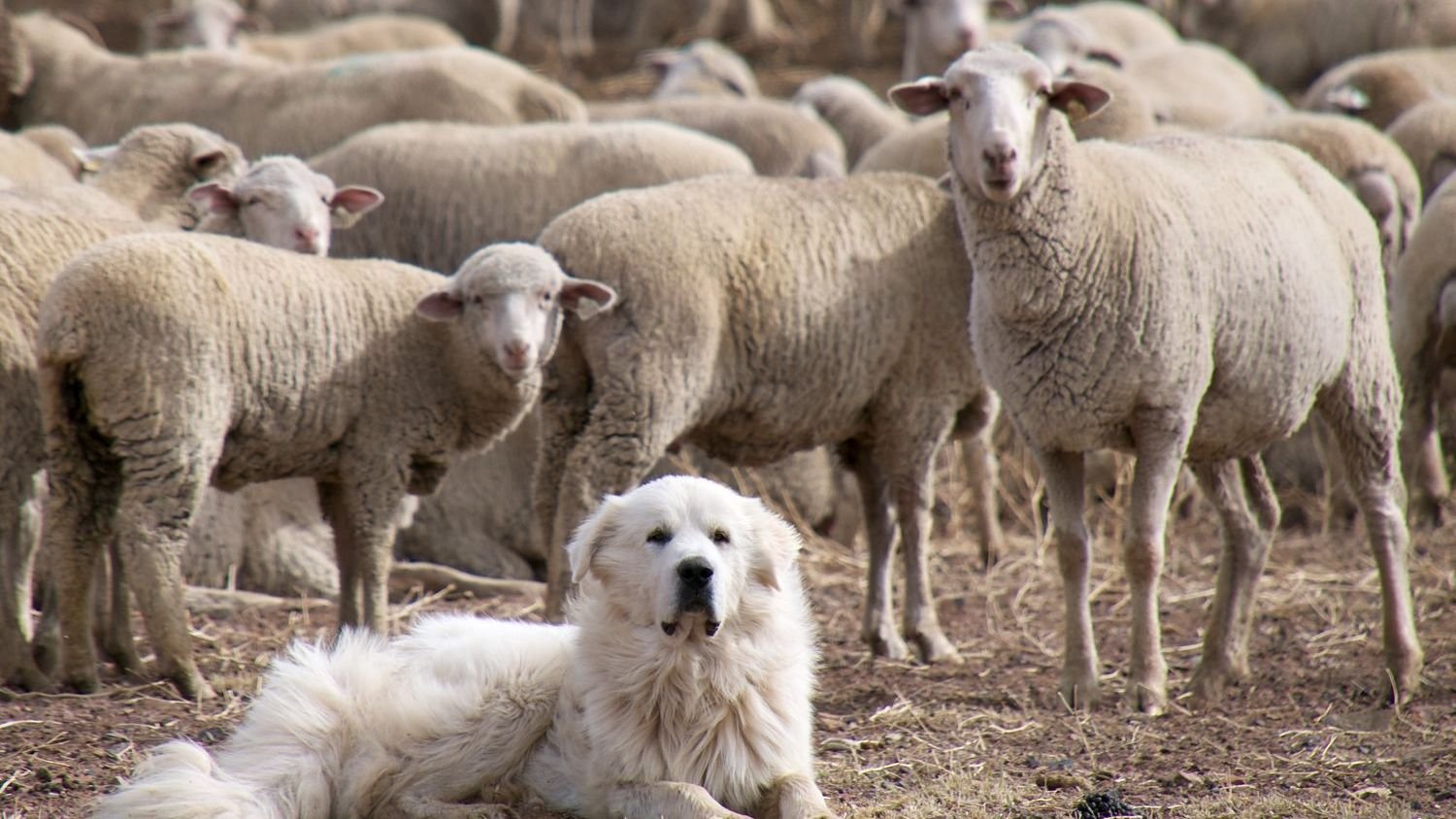
It starts with a sound you don’t immediately recognize. A high-pitched yip echoes through the backyard at dusk, then another, then a chorus. If you live in Texas, you already know what that is. Texas hosts the highest density of coyotes in the United States, with an estimated 900,000 to one million coyotes statewide, far exceeding any other state’s population. That’s not a typo.
As North Texas has grown, coyotes have adapted to the urban expansion. Suburban sprawl hasn’t pushed them out. It’s drawn them in closer. If you live in a rural area or near the wilderness, the threat of coyotes harming livestock, pets, or even family members can be a genuine concern. Coyotes are opportunistic predators and can pose risks, especially at night.
The good news? You don’t have to just hope for the best. Fencing and lighting can aid in keeping coyotes at bay, but one of the most effective deterrents has proven to be the use of specific guard dog breeds. These dogs are bred with the instinct to guard, protect, and defend their territory from predators like coyotes. Here are ten breeds worth knowing about.
1. Great Pyrenees: The Classic Texas Ranch Guardian
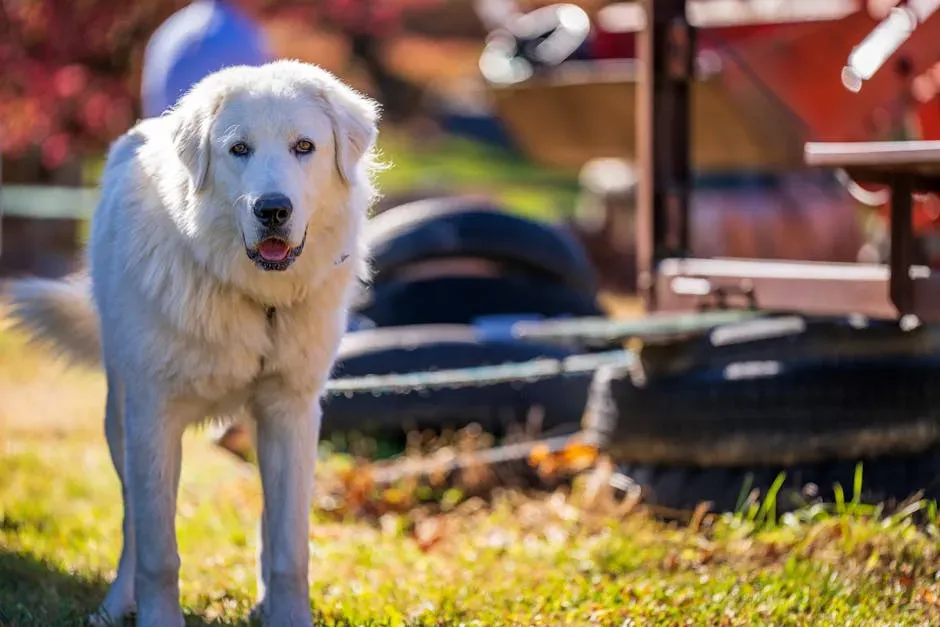
If you’ve spent any time around Texas ranching country, you’ve seen a Great Pyrenees. These large, white, cloud-like dogs have been working livestock guardian duty for centuries. The Great Pyrenees has the heritage of being an ultimate protector and has been used as a livestock guardian since at least 1200 CE. That’s a very long job reference.
This dog has a thick coat and large imposing size, with a deep booming bark that can deter coyotes easily. The Pyrenees remains alert at all times, be it night or day, and stands guard if they perceive a threat nearby. What makes them especially valuable for Texas backyards is their nocturnal nature. While you’re fast asleep, your Great Pyrenees is wide awake, patrolling the pasture like a furry night watchman.
A unique quality of this livestock guardian dog is that it can independently stand guard and watch over the herd without the presence of its owner. Even if kept outside, it will not be affected negatively because of its aloof and independent nature. One thing to keep in mind: breeds like the Great Pyrenees have unmatched instinct when it comes to living with and protecting herds and flocks, but their large natural territories often result in them wandering off the farm and onto neighboring farms or roadways. Secure fencing is non-negotiable.
2. Kangal: The Heavy Hitter from Turkey
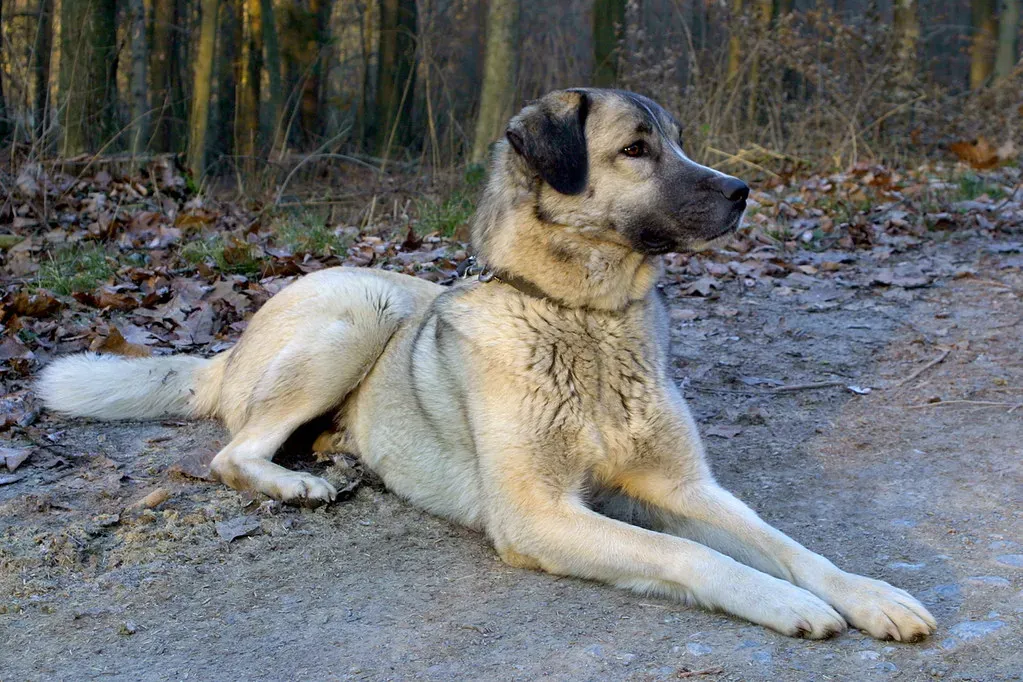
Originating from the Sivas province in Turkey, this ancient breed of dog has been employed for centuries as herding dogs to guard sheep and protect livestock against wolves, bears, and jackals. This role has shaped the Kangal into a dog breed with not only formidable size and strength but also an impressively strong bite force. A coyote weighing around 25 to 35 pounds simply has no answer for that kind of physical presence.
A Kangal doesn’t usually attack without reason. In fact, its first line of defense is presence and intimidation. The breed’s large frame, deep bark, and confident stance often scare predators away before any physical confrontation occurs. That’s exactly what you want in a backyard deterrent. Kangals are also known as intelligent dogs due to their discerning nature, distinguishing between genuine threats and non-threats to their flock. This discernment underpins their reputation as steadfast protectors that can be trusted with the safety of other animals.
These dogs are not casual pets. Early training helps the dog differentiate between real threats and everyday situations. Socialization reduces unnecessary aggression and builds confidence. Given their strength and determination, secure enclosures are necessary to prevent escapes, especially if property borders wildlife areas. The commitment pays off.
3. Anatolian Shepherd: Independent and Relentless
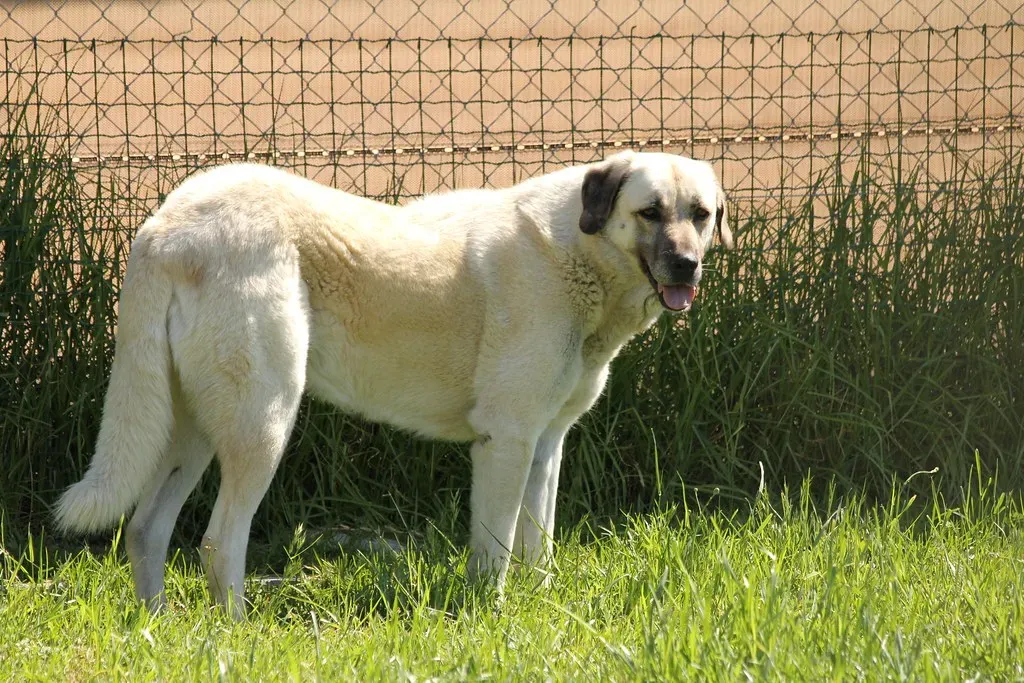
Anatolian Shepherds have been guarding livestock for thousands of years. Their intelligence and independent nature allow them to assess danger and take action when needed. They are large, powerful dogs with strong protective instincts, making them reliable guardians against predators. Unlike some breeds that wait for commands, the Anatolian reads a situation and acts on their own.
The Anatolian Shepherd is Turkey’s version of a working superhero – strong, swift, and fiercely independent. A mix between the Akbash and the Kangal, this breed has centuries of livestock-guarding wisdom running through its veins. Originally bred to watch over flocks in the rugged Anatolian plains, these dogs were brought to the U.S. by the Department of Agriculture in an attempt to find the ultimate sheep protector.
Hailing from Turkey, the Anatolian Shepherd is intelligent, alert, and fiercely protective. This breed is commonly used by farmers to guard goats, sheep, and chickens. They are known to patrol perimeters and confront coyotes without hesitation. For Texas dog owners with open-yard property, this patrol behavior alone is worth its weight in peace of mind.
4. Akbash: Calm, White, and Watching Everything
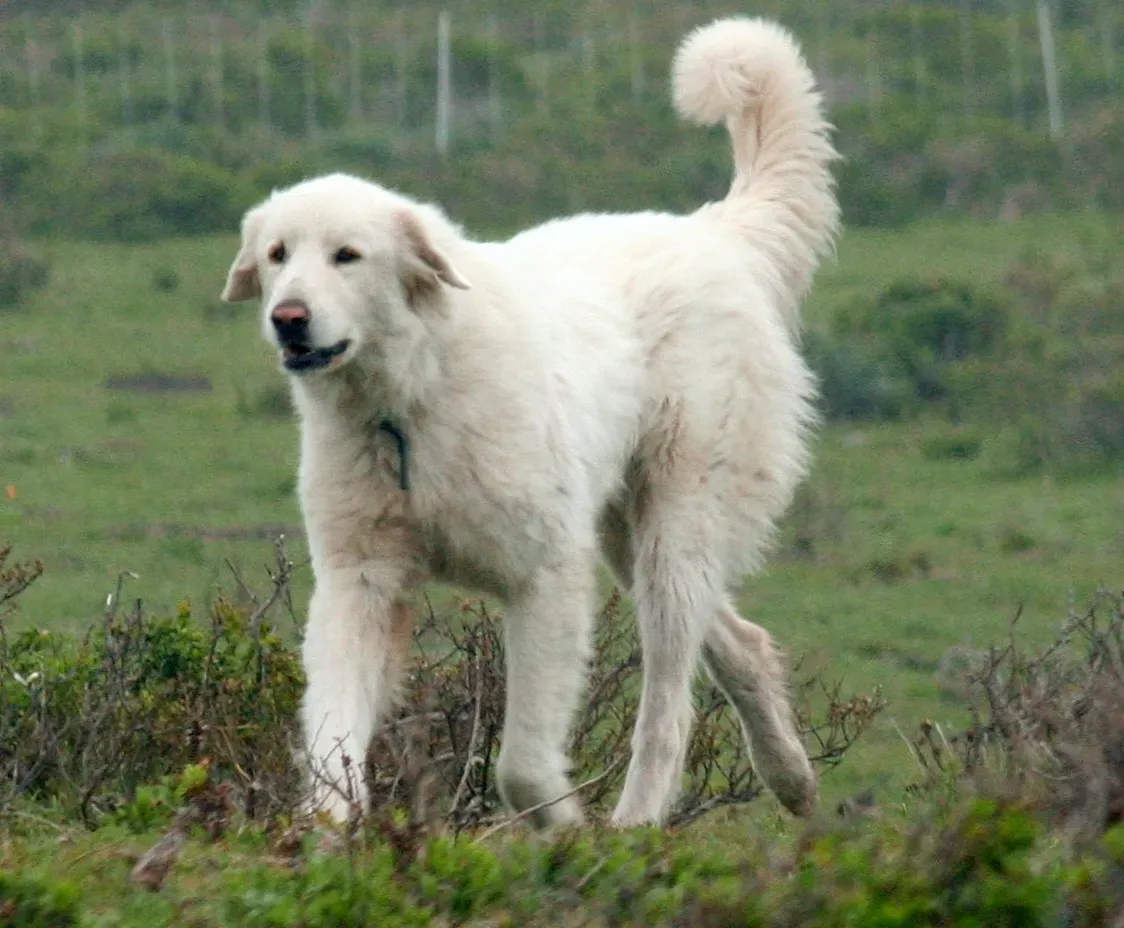
The Akbash, of Turkish origin, is a large dog which can weigh up to 140 pounds and can reach a height of 35 inches. It has long legs, a curled tail, and a white double coat. While on duty, the Akbash is neither shy nor aggressive. It has keen senses that quickly detect unusual sounds and changes in its environment. It is not hostile except when challenged, and it can think and act independently.
For centuries, Akbash dogs have patrolled open fields, keeping sheep safe from wolves, jackals, and coyotes. Their secret weapon? Keen observation and impeccable timing. They won’t bark for no reason or attack without thought. That selective alertness is a huge asset. A dog that barks at everything eventually gets tuned out. One that barks with purpose gets taken seriously.
With proper socialization and training, they can be both a loving family companion and a vigilant protector. They’re not the type to go picking fights but will step up instantly if their home or herd is threatened. Texas dog owners in semi-rural areas tend to love this breed for exactly that reason.
5. Rottweiler: The Yard Guardian with Ancient Roots
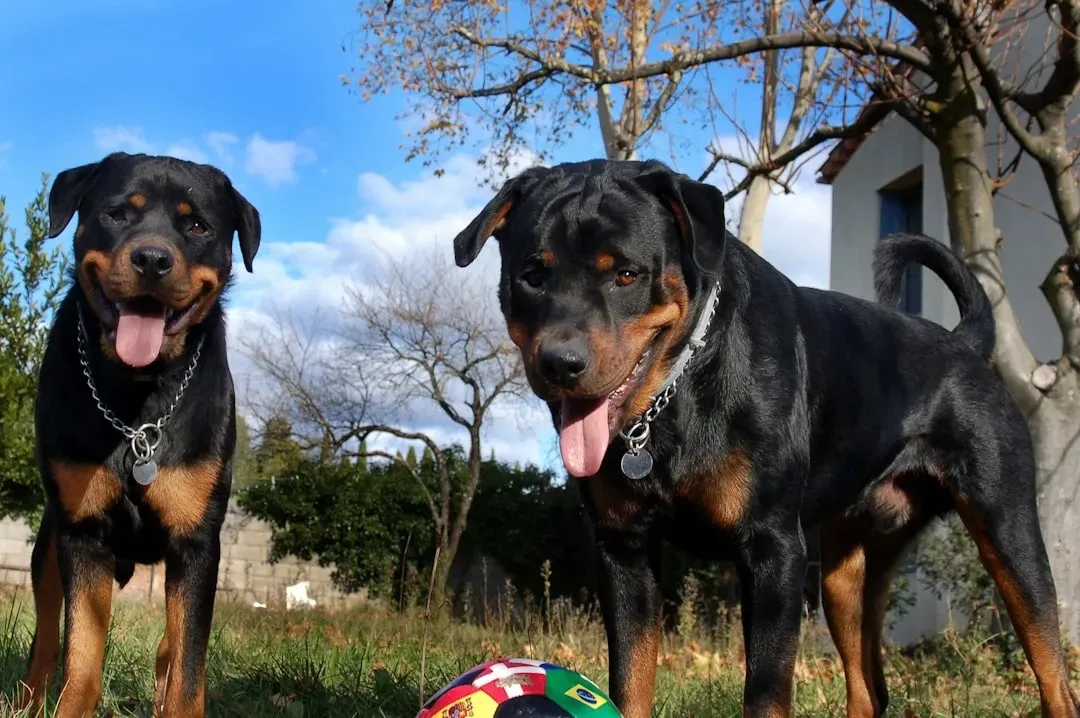
Rottweilers have a rich history tracing back to the Roman Empire, where they were used as drover dogs to herd and protect livestock. Their lineage has bestowed upon them a natural instinct to guard and protect, making them one of the top choices for a guard dog. What many people don’t realize is that the Rottweiler’s guarding instincts were always tied to property defense.
The Rottweiler possesses a strong instinct to guard, making it naturally alert to changes in its environment. It carefully observes situations, often assessing before reacting with calm confidence. Its loyalty to family is unwavering, forming deep bonds that drive its protective nature. This devotion allows it to balance gentleness with vigilance, especially around those it trusts.
One important upside for Texas suburbanites: the Rottweiler’s territory is much smaller than breeds like the Great Pyrenees, Anatolian, and Akbash, preferring to stay close to the family and homestead. They are highly loyal and extremely trainable dogs, fantastic with small children and deeply devoted to the entire family. They have a low natural prey drive and a fierce bark to drive away predators. That bark alone does a lot of the heavy lifting.
6. German Shepherd: The All-Around Backyard Sentinel
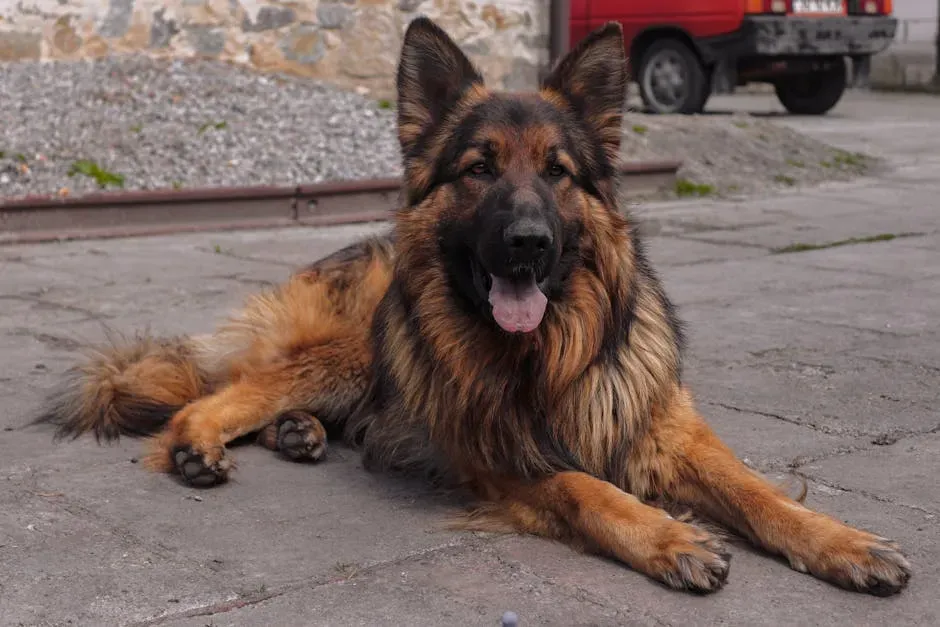
Versatile and highly intelligent, the German Shepherd is one of the most capable working dogs. Their natural ability to assess situations and take action makes them invaluable for protection roles. They have an unmatched work ethic, excelling in tasks that require both strength and strategy. When it comes to coyotes scouting a Texas backyard, that situational awareness matters enormously.
The German Shepherd is one of the most trusted guard dogs in the world. Originally bred in early 1900s Germany to guard and herd livestock, this breed quickly became known for its strength, intelligence, and dedication. Today, it’s a top choice for police, military, and personal protection work. German Shepherds are loyal, courageous, and always ready to defend their families.
Deeply loyal, they form unbreakable bonds with their owners. This connection fuels their protective nature, ensuring they remain watchful at all times. Their ability to read human emotions makes them particularly intuitive guardians. For a family with children who also wants a coyote deterrent, the German Shepherd may be the most well-rounded choice on this list.
7. Belgian Malinois: Fast, Focused, and Fearless
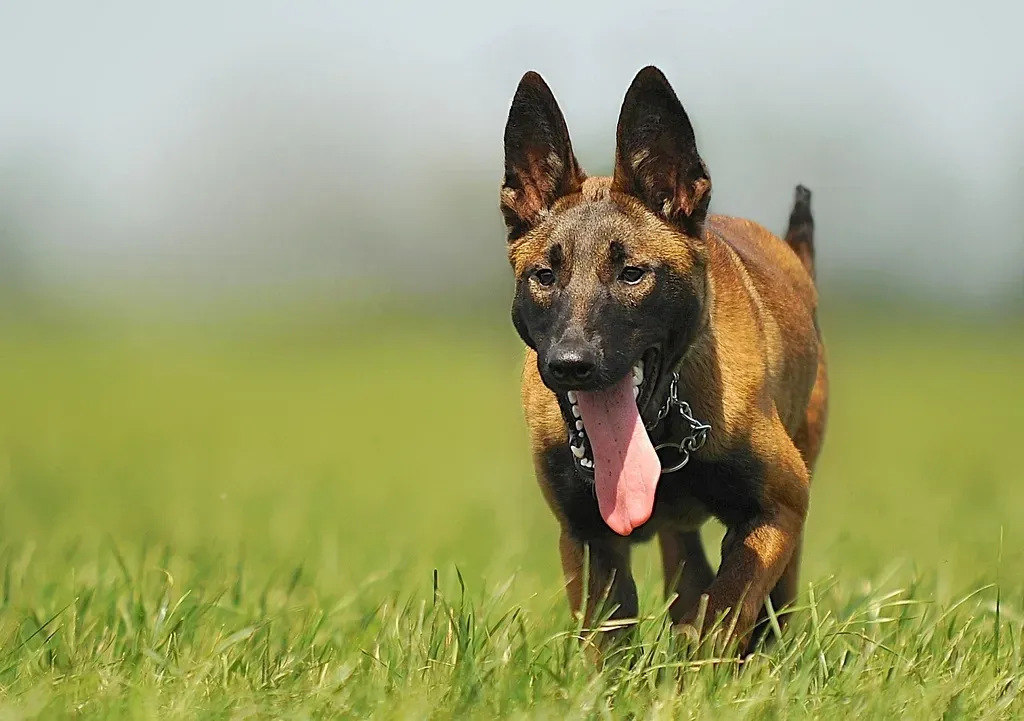
Belgian Malinois dogs are widely used in police and military work due to their speed, agility, and intelligence. Their strong prey drive and protective instincts make them excellent watchdogs. With proper training, they can effectively handle a confrontation with a coyote. The speed factor is significant. Coyotes are quick. The Malinois is quicker.
The Belgian Malinois combines intense drive with controlled behavior, making it a reliable guardian. Its protective instincts are strong, yet it remains composed when properly trained and guided. Highly intelligent and responsive, this breed excels in tasks that require precision and quick thinking. Its ability to stay focused under pressure makes it a trusted choice for advanced protection roles.
Be honest with yourself before getting one, though. This breed demands rigorous physical activity and mental engagement. Without stimulation, they may develop undesirable habits due to pent-up energy. A bored Malinois in a small Texas yard is a different kind of problem. Give them a job and a purpose, and they’ll protect your backyard with intensity that coyotes will learn to avoid.
8. Doberman Pinscher: Speed and Intelligence in One Package
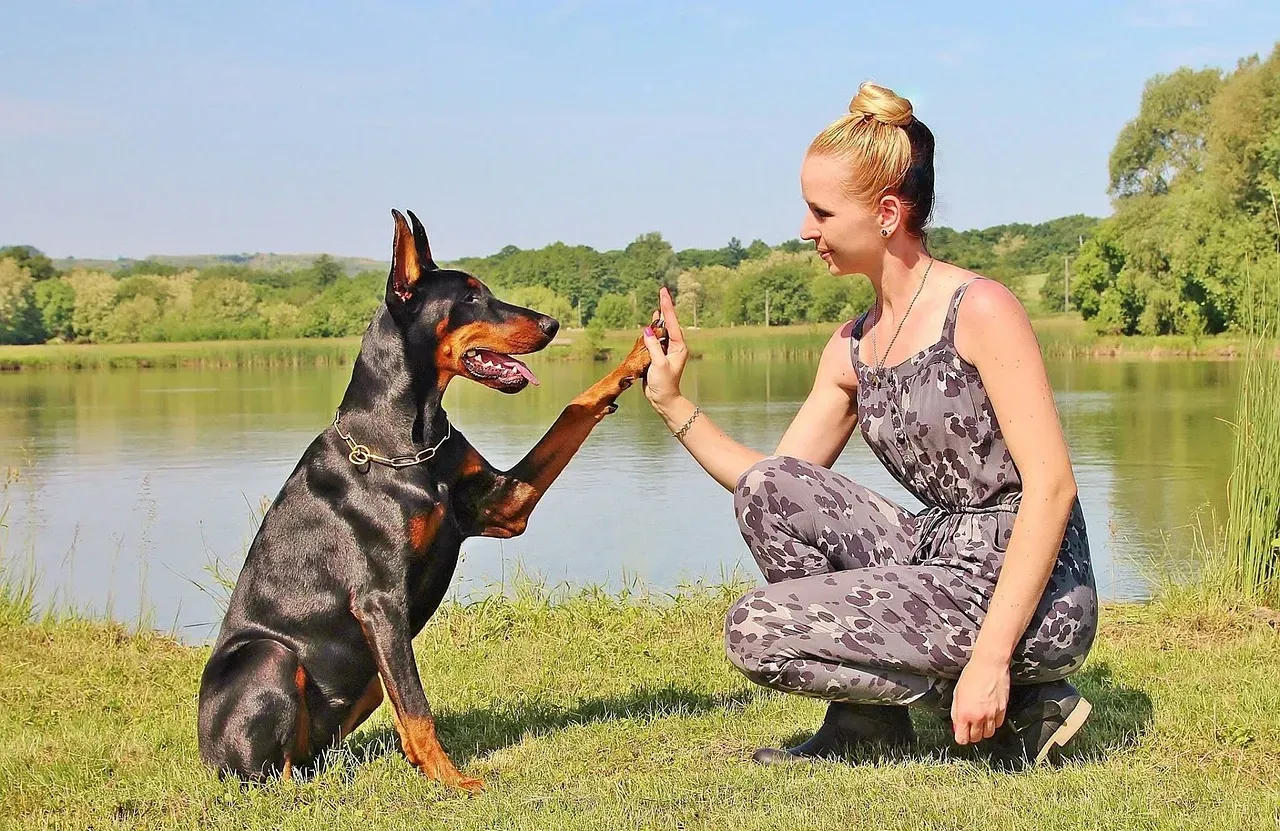
Dobermans are known for their speed, intelligence, and protective instincts. They are naturally alert and have the agility to respond quickly to danger. Their lean yet muscular build gives them an advantage in both speed and strength, making them a capable deterrent against coyotes. That combination of brain and body makes them deceptively effective.
Bred specifically for personal security, the Doberman possesses a natural ability to assess situations quickly and react with precision. Its sharp awareness allows it to distinguish between familiar individuals and potential threats with remarkable accuracy. This breed’s speed and agility enhance its effectiveness as a guardian, making it both a physical and psychological deterrent. Its confident posture alone often discourages unwanted attention.
Despite its protective nature, it forms deep bonds with its family, showing loyalty and affection alongside its watchful instincts. The Doberman Pinscher was originally developed by a German tax collector to serve as an extremely loyal and reliable personal protective guard dog. Today, that loyalty translates directly to defending your family and outdoor pets from unwanted visitors of the four-legged wild variety.
9. Rhodesian Ridgeback: Africa’s Predator Fighter in Texas
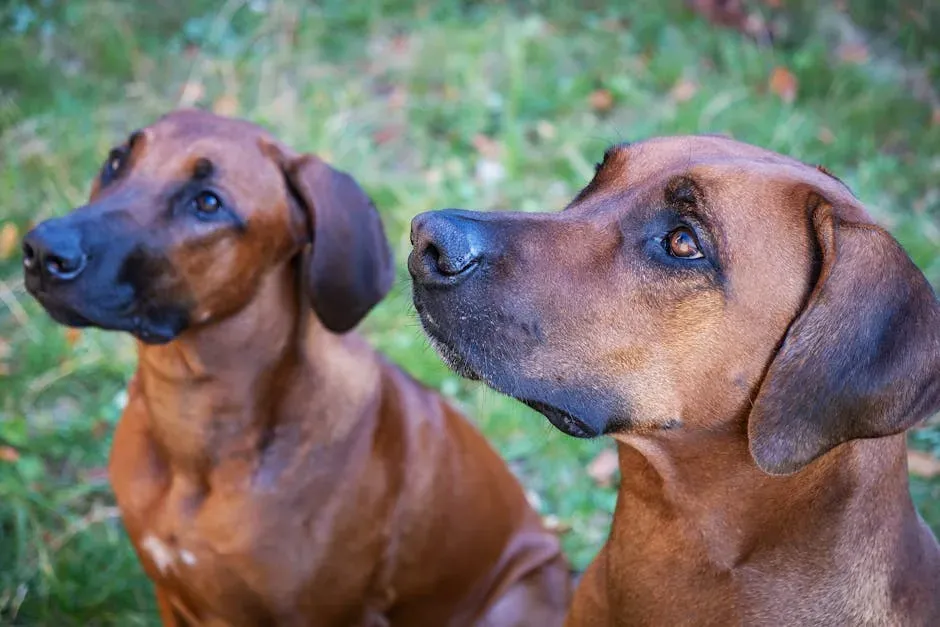
The Rhodesian Ridgeback is also known as the African lion hound because of their history of helping to hunt lions in the Savannah. These dogs are exceptionally equipped and talented at tracking down prey and can hold quarry at bay, which makes them good livestock guardian dogs and wonderful home protectors. A coyote isn’t exactly a lion, but the same core instincts apply.
The Rhodesian Ridgeback is an agile sprinter capable of reaching a speed of 30 to 40 miles per hour in short bursts, making them appropriate for guarding and scaring coyotes away. They also have a deep and loud bark, which can deter coyote attacks effectively. According to PDSA, the Rhodesian Ridgeback may scare away and repel coyotes due to their size, strength, stamina, and protective nature.
One practical note: they cannot fully safeguard you or your livestock against coyotes without proper training. It is necessary to provide them with training to guard against coyotes. Think of the Ridgeback as a highly capable dog that becomes a genuinely powerful backyard deterrent when trained and directed well. Their stamina alone, in Texas heat, sets them apart from heavier breeds.
10. Boerboel: South Africa’s Quiet but Unmistakable Warning
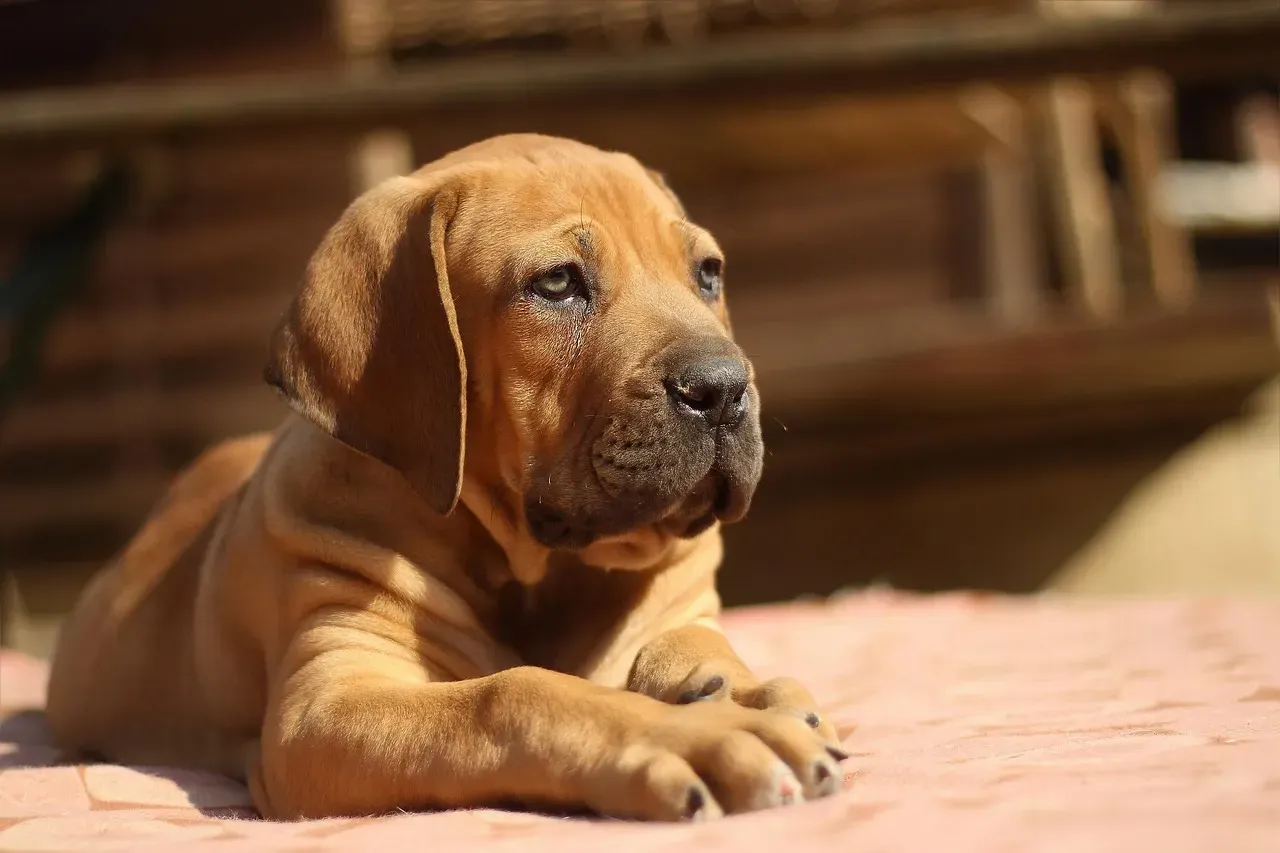
Boerboels are powerful mastiffs with a natural instinct to guard their home and family. Their impressive strength and territorial nature make them excellent at keeping intruders away. They are highly confident dogs that do not back down easily from threats. For a Texas backyard that shares a fence line with green space or a creek, that territorial nature is exactly what you need.
The Boerboel’s sheer size is its first weapon. Guardian dogs establish dominance over a pasture through confrontation, scent marking, and barking, enforcing a buffer zone between livestock and coyotes. A large, confident Boerboel communicates that same message clearly, simply by existing in the yard. Coyotes assess risk before entering territory, and a 150-plus pound mastiff with a territorial disposition shifts that calculation fast.
Like all powerful guardian breeds, early socialization matters a great deal. Their confidence needs direction, not suppression. Pair consistent training with clear boundaries and you have a dog that treats your backyard like a personal kingdom worth defending. For families who want presence and power, the Boerboel delivers both without the constant vocalizations of some guardian breeds.
What Texas Dog Owners Should Know Before Choosing a Coyote Deterrent
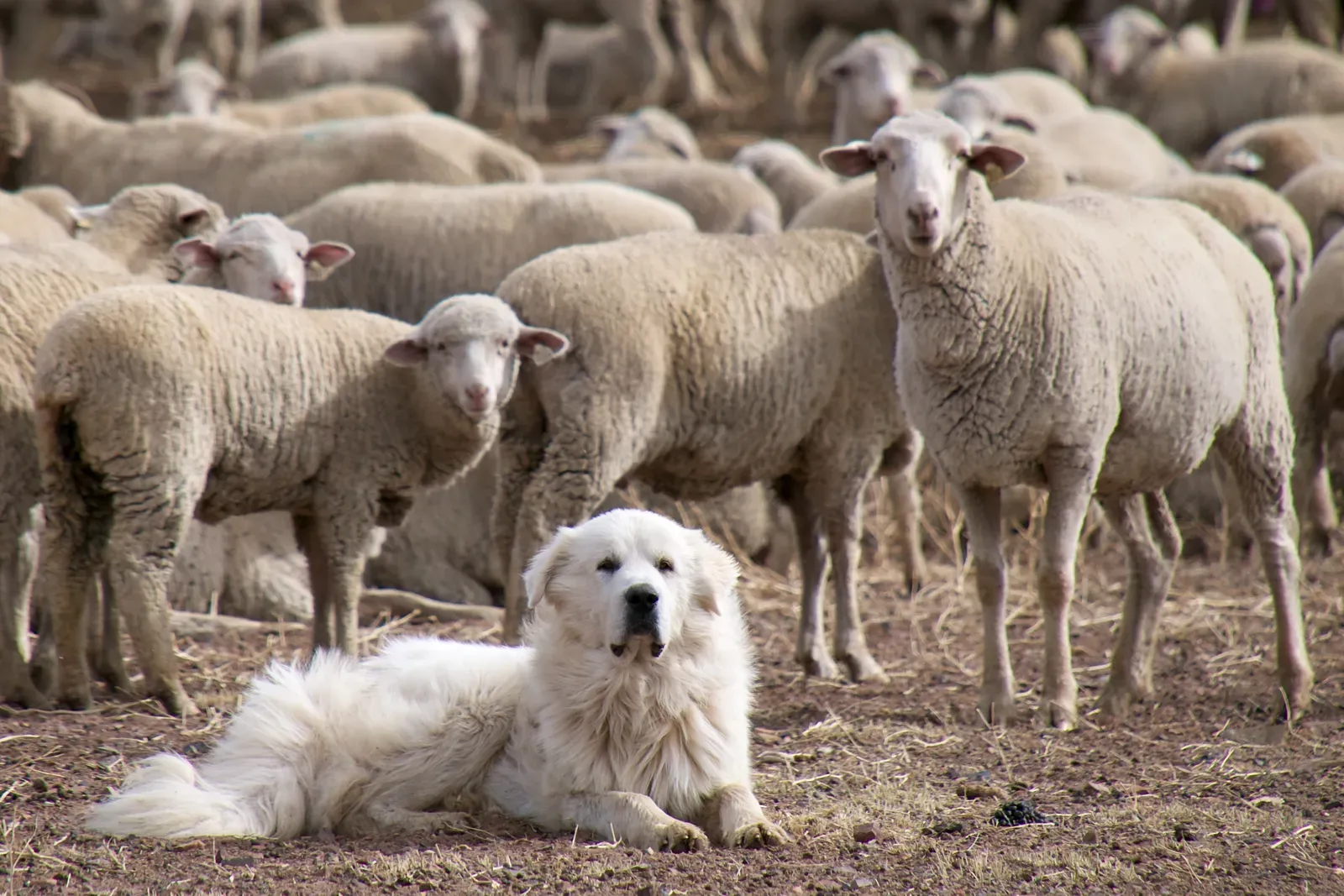
Picking any dog from this list isn’t just about which breed is toughest. Your yard size, your lifestyle, and your family setup all matter. Livestock guardian dogs should be introduced to livestock early to establish lasting bonds. The same logic applies to backyard environments: a dog that bonds with its territory early becomes a far more committed guardian of it.
Remember too that even the best guardian dog works better with smart backyard management. Exclude coyotes by eliminating attractions in your yard: access to trash and recycling, access to compost piles, pet food left on the porch or in the yard, dirty BBQ grills, and fruit and nuts fallen on the ground. A guardian dog paired with good hygiene habits is a much stronger defense than either one alone.
In North Dakota, dogs slashed coyote predation rates on sheep ranches by 93 percent. That figure speaks to something real. These dogs aren’t just symbolic. They work. The key is matching the right breed to your specific Texas backyard situation and committing to proper training, socialization, and care from the start.
Conclusion: Your Backyard Deserves a Guardian You Can Trust
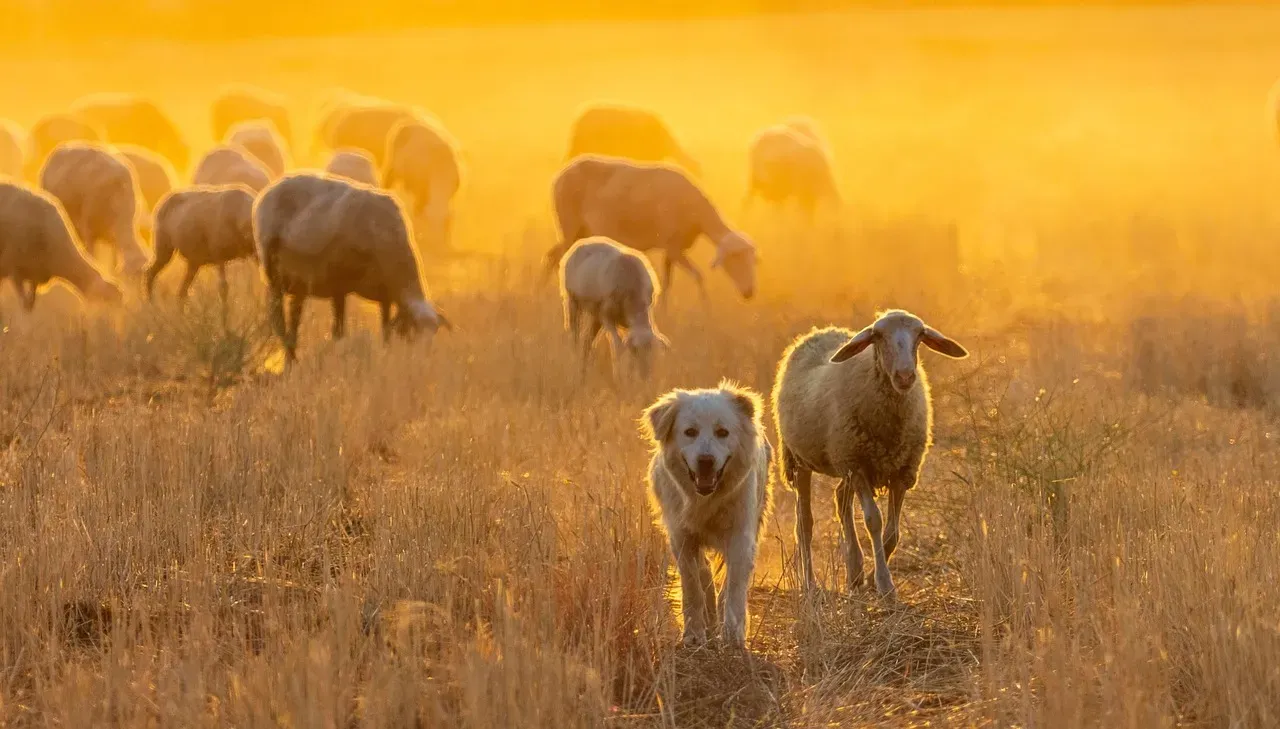
Texas coyotes aren’t going anywhere. Because coyotes are generalists, they’re able to live in a variety of places and conditions. This quality means they’re more likely to survive places with a lot of disturbance, development, and habitat fragmentation, making them good at surviving in cities alongside humans. That’s the reality of life in the Lone Star State.
The breeds on this list share a common thread: they don’t need to attack to do their job. They establish dominance over a space through confrontation, scent marking, and barking, enforcing a buffer zone between their family and coyotes. Presence is power, and these dogs have it in abundance.
Choosing the right guardian dog for your Texas backyard is one of the most meaningful decisions you can make as a dog owner and as a protector of your family. The bond you’ll build with that dog goes well beyond security. It’s loyalty, trust, and a very genuine partnership. That, in the end, is what makes it worth every early morning training session, every long walk, and every night you sleep soundly because your dog is awake and watching.


