

There’s a moment most dog owners know well. You’ve had one of those days where the world feels a little too quiet, a little too big, and you walk through your front door to find your dog already at your feet, tail moving like it’s trying to power a small turbine. Something in you instantly softens.
That isn’t coincidence or sentimentality. It’s biology, behavior science, and thousands of years of shared history between two species that genuinely need each other. Through domestication and selection over at least 35,000 years, there is probably no other species on the planet as well-matched to human social needs as dogs. In a world where loneliness has quietly become one of the most serious public health concerns of our time, your dog may be doing more for you than you realize.
They Offer Constant, Judgment-Free Companionship

One of the most immediate ways dogs help is simply by being present. Dogs are thought to fulfill the four roles of an attachment figure: they are enjoyable, comforting, missed when absent, and sought in times of distress. Adults and children alike confide in their pets because they relieve us from the worry of confidentiality, judgments, or meeting expectations. That kind of company is rare, even among people.
One of the most profound emotional benefits of dog ownership is the unconditional love that dogs provide. They are non-judgmental and offer companionship that can be incredibly comforting during tough times. This bond can help individuals feel valued and loved, which is essential for emotional well-being. When you’re struggling and words feel like too much effort, your dog simply stays close. That quiet presence carries more weight than most people expect.
They Trigger a Real Chemical Response in Your Brain

Research suggests that humans may feel affection for their companion dogs similar to that felt toward human family members, and that eye-gaze contact from dogs activates oxytocin systems. Humans bond emotionally as we gaze into each other’s eyes, a process mediated by the hormone oxytocin. The remarkable thing is that this loop works for the dog too, not just the human.
Increases in beta-endorphin, oxytocin, and dopamine, which are neurochemicals associated with positive feelings and bonding, have been observed in both dogs and people after enjoyable interactions like petting, play, and talking. Grooming your dog releases oxytocin, the “love hormone,” which calms anxiety and promotes feelings of well-being. Physical affection lowers cortisol, the stress hormone, while increasing oxytocin and dopamine. Petting your dog is a simple way to boost your mood and ease anxiety, worry, or loneliness.
They Get You Moving, Which Fights Loneliness Indirectly

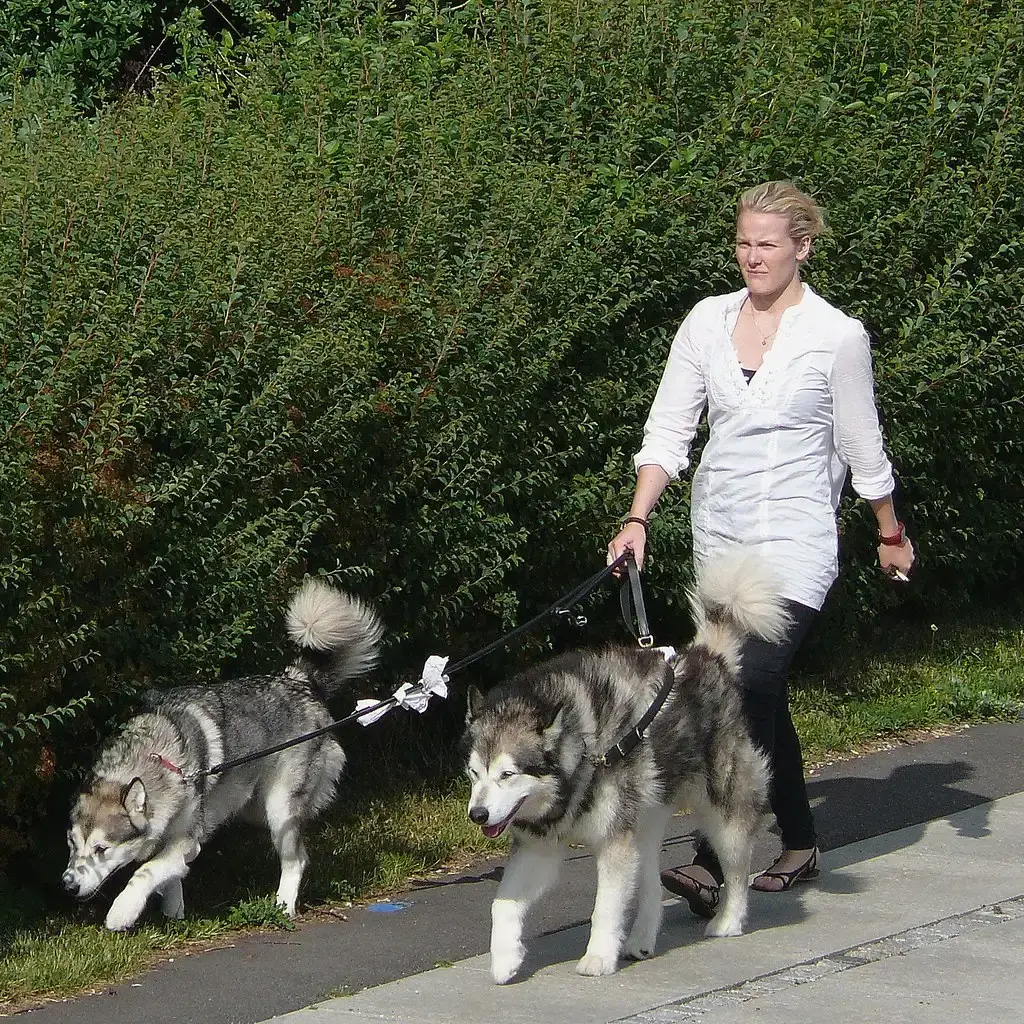
Inability to leave the house is a common symptom of loneliness, so having to walk a dog once or twice daily encourages outside physical fitness. That daily nudge to get outside is deceptively powerful. Movement improves mood, and exposure to the outdoor world naturally increases the chance of human connection.
Over sixty percent of dog owners meet the recommended weekly amount of exercise, meaning they get 150 minutes of moderate exercise or 75 minutes of vigorous exercise each week. Exposure to green spaces has been cited as a positive contributor to mental health, in addition to the benefits of physical activity. Physical activity, social catalyst, and exposure to green spaces all provide indications that dog ownership may predict reduced loneliness and improved mental health via dog walking.
They Act as Powerful Social Icebreakers

Dogs are known as wonderful “social icebreakers” and are referred to as the “great leveler.” People will risk directly engaging with unfamiliar people when there is a dog present. Research shows that pet owners have made friends through their companion animals, which have helped them engage more in the community. A dog on a leash is essentially a social invitation that most people can’t resist accepting.
Pets create opportunities for social interactions, for example, helping you get to know your neighbors. Going to pet-friendly events, beaches, or parks can help increase your social network and reduce feelings of loneliness and isolation. If you have a fear of social situations, a pet can help you become more comfortable meeting other pet owners and enhance your mental health. For people who find cold social situations intimidating, a friendly dog creates an organic, low-pressure entry point.
They Give You a Meaningful Daily Routine

Loneliness and the absence of structure often feed each other. When there’s no reason to get up, the hours can blur into a heavy, shapeless fog. Dogs interrupt that pattern decisively. Pets can encourage routines that promote emotional stability. Caring for a pet requires regular feeding, walking, and playtime, which can add structure to daily life. This structure provides a sense of purpose and accomplishment, contributing to emotional resilience.
Most owners agree that a pet can improve your mental health in many ways. Their constant love, care, daily structure, and needs can fill us with purpose. There’s something genuinely grounding about having a creature depend on you. It pulls your attention outward, away from inward spiraling, and toward something real and immediate.
They Reduce Stress and Lower Blood Pressure

Just the presence of animals significantly improves blood pressure. Pet owners typically have a lower resting blood pressure than people who don’t own pets. The physical effects are well-documented and start faster than most people realize. Studies have shown that interacting with pets can lead to decreased levels of cortisol, the hormone associated with stress. A study published in the Journal of Psychosomatic Research found that individuals who owned pets experienced lower blood pressure and heart rates during stress-inducing situations compared to those without pets.
Stroking, hugging, or otherwise touching a loving animal can rapidly calm and soothe you when you’re stressed or anxious. The companionship of a pet can also ease loneliness, and most dogs are a great stimulus for healthy exercise, which can substantially boost your mood and ease depression. These are not small effects. They accumulate daily, quietly reshaping how the body handles pressure and isolation.
They Provide a Sense of Purpose and Being Needed
Caring for a dog can give you a sense of purpose and help to combat feelings of loneliness or isolation. Caring for a dog can help by making you feel needed, dependable, and helpful; they give you someone to focus on other than yourself. Purpose, it turns out, is one of the strongest buffers against the hollow feeling that loneliness creates.
The vast majority of owners credit pets with giving them purpose during difficult times. Feeding, walking, and grooming a pet can create a sense of purpose and responsibility, which can be immensely helpful in combating feelings of aimlessness. This is especially relevant during life transitions, such as retirement, divorce, or the loss of a loved one, when a dog can quietly anchor a person to daily meaning.
They Help Older Adults Stay Connected and Active

Loneliness among older adults is a particularly serious concern. Social isolation and loneliness are a growing public health epidemic. More than one-third of Americans older than 65 and half of those over 85 live alone. Dogs offer something that no care schedule alone can replicate: a living, responsive companion that shares your home.
Pet ownership can provide essential social and emotional support for older adults. Older adults who own pets report a reduction in stress and loneliness. They also experience an increase in activity and overall quality of life. Additionally, older adults who have strong connections with their pets report lower rates of depression. Seniors who own pets often report higher levels of physical activity, which can delay the onset of cognitive decline and provide mental stimulation.
They Offer Measurable Benefits in Clinical Settings

The Human Animal Bond Research Institute and Pet Partners announced results of a randomized clinical trial indicating that the presence of a therapy dog contributes to greater immediate improvement in loneliness for psychiatric inpatients than visits from another person or standard care alone. That finding is striking precisely because it was a controlled comparison, not just anecdotal observation.
Loneliness was found to decrease significantly more in the group that received an animal-assisted intervention than in the other groups. Patients who were dog owners in the group also experienced more lasting reductions in loneliness relative to the other two groups, suggesting that dog visitation, not just human visitation, is especially helpful for this population. The implications go beyond hospitals. They reinforce why the human-dog bond carries genuine therapeutic weight in everyday life too.
They Support Emotional Regulation During Hard Times

The main biological benefits pets generously give us include relieving stress, lowering heart rates and blood pressure, plus helping us become physically active, directly reducing the risk of mortality, and even helping us cope with physical and emotional situations, including pain. When grief or anxiety or depression narrows your world, a dog keeps one tether to the present moment intact.
By providing companionship and unconditional love, pets help us fight depression, improve our mood and outlook, facilitate healing, increase resiliency, and bring distraction. Research has even shown that dog and cat owners laugh more daily than people without pets. Laughter in the context of loneliness is no small thing. It’s one of the first things loneliness tends to steal, and dogs, with their unfiltered personalities, have a reliable habit of bringing it back.
They Are Uniquely Tuned to Human Emotional Signals

Pets have evolved to become acutely attuned to humans and our behavior and emotions. Dogs are able to understand many of the words we use, but they’re even better at interpreting our tone of voice, body language, and gestures. Like any good human friend, a loyal dog will look into your eyes to gauge your emotional state and try to understand what you’re thinking and feeling. That attunement is not incidental. It developed specifically through thousands of years of living alongside people.
Because of this evolutionary history, dogs are biologically wired to read human behavior. They naturally pay attention to subtle human cues. In many ways, dogs are better at understanding human signals than even our closest animal relatives. When you’re quietly sad and haven’t said a word, your dog often already knows. That kind of attentiveness from another living being is deeply meaningful to a lonely person.
They Build a Sense of Belonging and Community

The vast majority of owners consider pets to be family members. The bond formed with a pet can create a sense of belonging and community. Whether it’s through shared experiences with other pet owners or simply the companionship of a beloved animal, this sense of belonging can significantly impact mental well-being. Dog ownership quietly connects people to a larger community of fellow dog lovers, whether at the local park, in online groups, or simply in passing conversations with neighbors.
Research shows that social relationships, both in quantity and quality, profoundly affect mental and physical health. Scientific research continues to support pet ownership and human-animal interaction for improving social connections, providing social support, decreasing loneliness and depression. A dog doesn’t just give you company within your four walls. It reconnects you to the world beyond them in ways that are sometimes quiet, sometimes joyful, but consistently real.
Conclusion: More Than a Pet, a Partner in Wellbeing

What dogs do for human loneliness isn’t a single, neat mechanism. It’s a layered web of chemistry, behavior, routine, physical touch, and social connection that works differently for each person and each dog. The research is not without nuance, and it’s worth being honest that a dog is a serious commitment that works best when the relationship is built on genuine care, not just a quick fix for emotional pain.
It’s important to remember that a pet is not a miracle cure for mental health issues. Owning a pet is beneficial and comforting only for those who love and appreciate domestic animals and have the time and money to keep a pet happy and healthy. When that foundation is in place, though, the bond is remarkable.
The next time your dog rests their head on your knee for no apparent reason, know that it isn’t random. They feel what you feel, perhaps more clearly than most people in your life do. And in that quiet exchange, something genuinely healing is taking place.


