
Dogs are genuinely one of the more fascinating creatures you’ll share a home with. They’ll guard you from a vacuum cleaner, stare you down during dinner, and then fall asleep twitching like they’re chasing something through a dream forest. Every weird little habit is a window into who they are.
The good news is that most of these behaviors aren’t random. They’re rooted in instinct, personality, and the surprisingly deep emotional bond dogs form with their people. Once you understand what’s actually going on, you won’t just laugh at your dog’s quirks. You’ll appreciate them.
The Pre-Sleep Spin Cycle
You’ve seen it. Your dog walks to their bed, circles three times, paws at the cushion, and finally collapses. It looks ridiculous. It’s also ancient. Dog behaviorists believe that a dog’s need to perform this bedtime ritual of turning around in circles before lying down is inherited, with canine ancestors such as wild wolves having done the same thing.
Circling may have evolved in wolves as a means to check the locations of other pack members, to check for predators, or to point their noses upwind to better detect the approach of other animals. It also helped by tamping down vegetation and smoothing the ground to create a comfortable bed.
Research found that on a smooth surface, roughly one in five dogs turned at least one full circle before laying down. On a shaggy, uneven surface, more than half of the dogs turned at least one full circle before resting, making them nearly three times more likely to circle on the uneven surface. What does it reveal about personality? Dogs who spin more dramatically tend to be more cautious and conscientious by nature. Meanwhile, dogs that are in pain will circle excessively as they struggle to find a comfortable position, sometimes crouching and rising several times before fully reclining, so it’s worth consulting a veterinarian if your dog can’t seem to settle.
The Zoomies
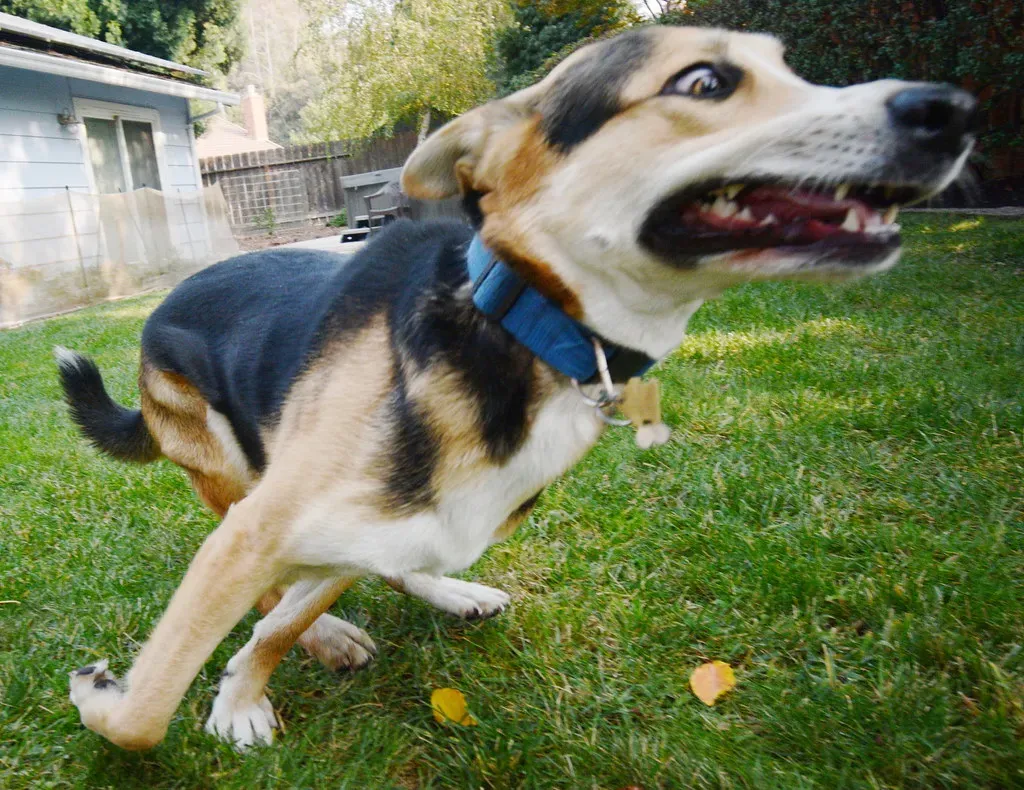
One minute your dog is napping. The next, they’re sprinting laps around the living room at full speed, ears pinned back, tail tucked, knocking over everything in their path. Welcome to the zoomies. Zoomies, also known as frenetic random activity periods or FRAPs, are what we call the rapid and erratic movements, including running, spinning, and jumping, that dogs display seemingly at random.
If you observe closely, you’ll notice that zoomies often occur after a period of rest or in response to certain triggers such as playfulness, social interaction, or being in a stimulating environment. Some dogs even start doing laps every time their favorite meal is being prepared. Zoomies are a way for dogs to release pent-up energy and express their joy, and they’re a completely normal behavior.
As for personality? Dogs who get frequent zoomies are usually high-energy, emotionally expressive types. They feel big feelings and can’t always contain them. They’re especially common after baths, long naps, or when your pet is just excited to see you. If your dog does this every time you arrive home, take it as a compliment. That’s full-body joy, directed right at you.
The Soulful Stare at Dinner Time
You sit down to eat and immediately feel watched. You look up, and there’s your dog, motionless, locked in on your plate with the intensity of someone watching a suspense thriller. This behavior has roots in wild ancestry. Dogs evolved from wolves who hunted in packs and followed a social hierarchy, where dominant pack members typically ate first while lower-ranking wolves waited for their turn. Staring was a passive way to show interest, essentially a polite request for leftovers.
Much of the time though, dog staring is exactly what it seems: an expression of love. Just as humans stare into the eyes of someone they adore, dogs stare at their owners to express affection. Mutual staring between humans and dogs releases oxytocin, known as the love hormone, which plays an important role in bonding and boosts feelings of love and trust.
So your dog isn’t always scheming. Sometimes they just love you. Still, it’s worth knowing that even a one-time treat from your plate reinforces the idea that staring works. Even small reactions can signal to your dog that the behavior is getting your attention, and that’s often reward enough to keep it going. Dogs who do this most persistently tend to be clever, emotionally intuitive, and highly food-motivated. You can redirect the habit gently without any guilt.
The Toy Delivery Service
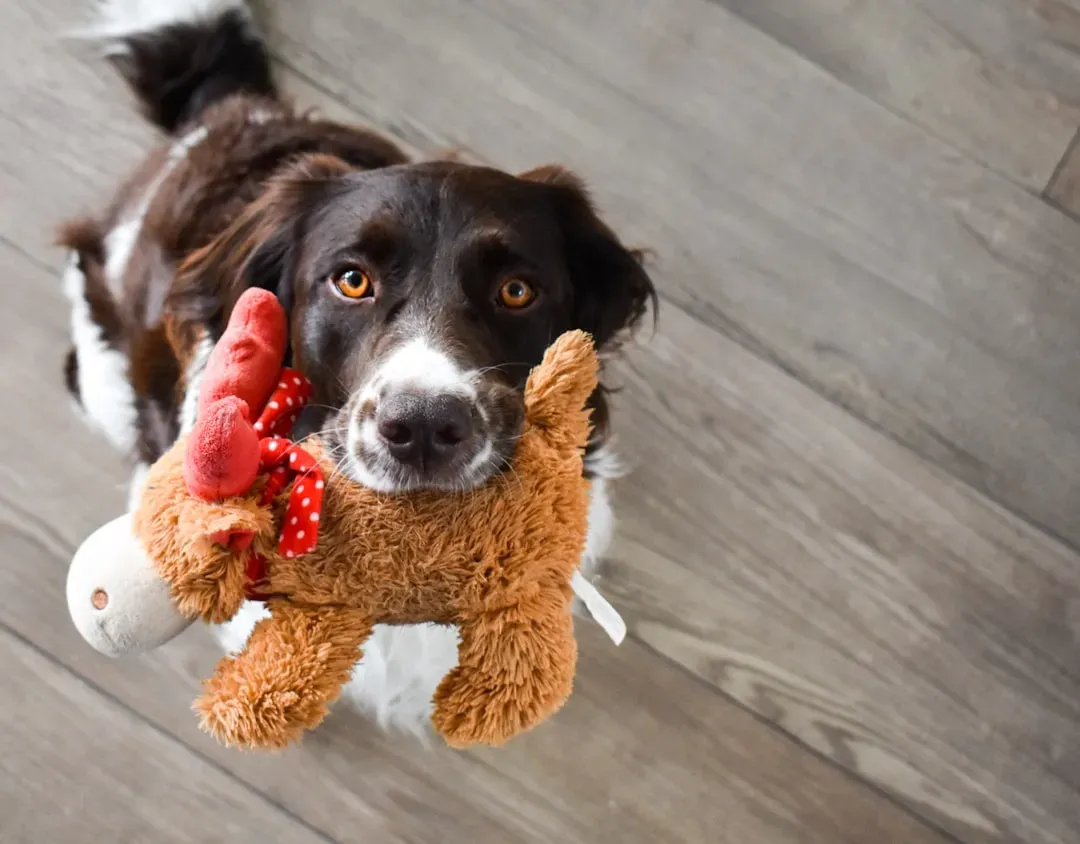
You walk through the front door and your dog charges toward you with a soggy stuffed animal hanging from their mouth. It’s not an accident. For many dogs, greeting their owner at the door is one of the most exciting moments of the day. Some will grab the nearest toy and proudly present it, as a natural way to express happiness and enthusiasm. Carrying a toy allows them to channel their energy into something positive, making the reunion even more special.
Dogs will often give gifts to the leaders of their pack to show affection and respect. As man’s best friend, dogs have an instinctive desire to please their humans, and you have likely reinforced this behavior by giving them praise, scratches, and playtime in return.
This is particularly meaningful when a dog brings a favorite or well-worn toy, as it suggests that they view their owner as someone worthy of their most treasured possessions. For deeply bonded dogs, this behavior may go beyond simple play and into emotional territory. Some dogs bring their owners toys simply to feel closer to them, without any expectation of interaction. Dogs who do this consistently tend to be affectionate, expressive, and loyal to the core. It’s a small gesture with a lot of heart behind it.
The Velcro Dog Habit
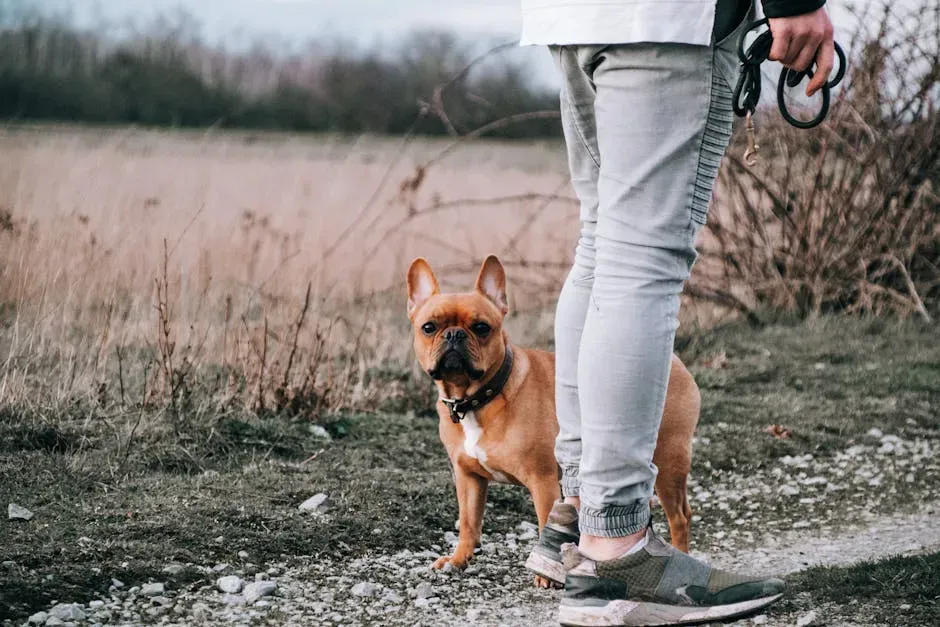
You get up to make coffee. Your dog follows. You move to the couch. They’re there too. You head to the bathroom. They wait outside the door like a tiny, concerned security guard. Canine companions that follow their humans everywhere are often referred to as “Velcro dogs” because of their desire to be attached to your side, and dogs are fundamentally pack animals who view us as their pack.
Another reason your dog might stay close to your side is positive reinforcement. If every time you are with your dog they get affection or treats, they’re likely to follow you around more often. Breed plays a role too. Sporting dogs like Vizslas, Labrador Retrievers, and Golden Retrievers have been bred to work closely with people and prefer to be by their side, while companion breeds such as Shih Tzu and Cavalier King Charles Spaniels have also been selected for their desire to stay close.
Here’s the important distinction every dog owner should know. The big difference between being a Velcro dog and having separation anxiety is anxiety itself. While Velcro dogs prefer to be glued to their owners, dogs with true separation anxiety actually panic when they’re away. Velcro dogs may be more inclined to develop separation anxiety, but it doesn’t automatically mean they will. If your dog suddenly becomes extra clingy out of nowhere, and it is out of character for them to behave this way, they may not be feeling well. If a dog is in pain, they may go to their owner for comfort, so a vet visit is a good idea.
The Head Tilt
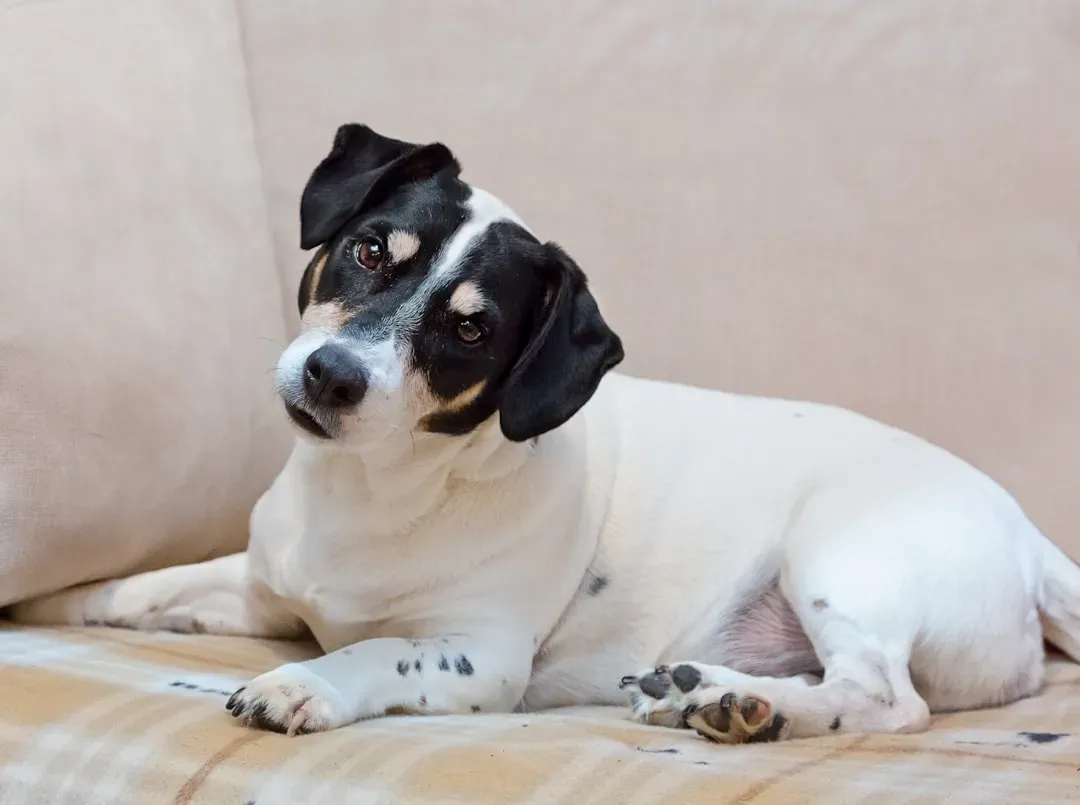
You say a particular word, or maybe just make a funny noise, and your dog tips their head to one side with those wide, curious eyes. It’s one of the most universally adored dog behaviors in existence. Dogs tilt their heads in response to certain stimuli or to gather more information about their surroundings. By tilting their heads, they can adjust the shape of their ears to better locate the source of a sound.
Dogs may also tilt their heads when they encounter something new, unfamiliar, or intriguing. This head tilt can be a sign of curiosity and attentiveness, as they try to gather more visual and auditory information about the object or situation in front of them.
Dogs are highly attuned to human emotions and body language. When a dog tilts their head in response to their owner’s voice or facial expressions, it may be an attempt to show empathy and understanding. Dogs who head-tilt frequently tend to be curious, socially engaged, and responsive to their humans. It’s a sign they’re genuinely listening. If you notice excessive or unusual head tilting accompanied by other concerning behaviors, it’s always a good idea to consult with a veterinarian to rule out any underlying health issues.
Chasing Their Own Tail
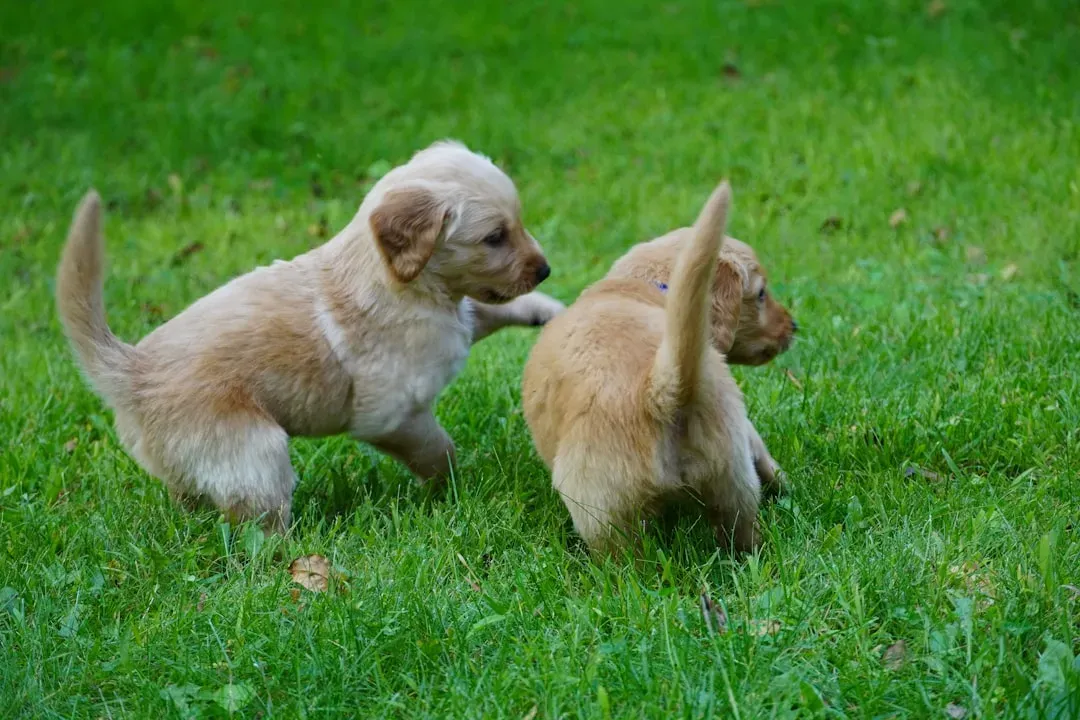
A puppy first discovering their tail is one of life’s purer comedic moments. They spin, lunge, miss, spin again. It’s endlessly entertaining to watch. Dogs descend from predatory animals, and chasing moving objects triggers their natural hunting instincts. When a dog sees its tail moving, it may perceive it as something to chase, much like it would with a small animal or prey.
Some dogs chase their tails when they’re bored and need more mental stimulation or physical activity. Puppies might also chase their tails out of curiosity as they gain awareness of their bodies. High-energy dogs with under-stimulated minds are particularly prone to this habit. More walks, puzzle toys, and play sessions can often resolve it naturally.
When it stops being funny and starts being frequent, it’s worth paying attention. While tail chasing can be perfectly normal, if it becomes excessive, interferes with daily activities, or is accompanied by other concerning behaviors, speak to your veterinarian. Tail chasing can be classified as a stereotypy, falling under obsessive compulsive disorder, which can present in dogs as canine compulsive disorder. Catching it early makes a big difference.
Dreaming Out Loud

Your dog is fast asleep when suddenly they start twitching, paddling their paws, and making quiet little sounds. Maybe a muffled bark. Maybe a whimper. It looks both hilarious and oddly sweet. Dogs may run, bark, or even sniff when they are in the REM phase of sleep. During REM sleep, dogs experience increased brain activity similar to humans, and researchers believe that these movements observed during sleep are a reflection of their dream activity.
Dogs may be reenacting or responding to the stimuli present in their dreams, which can include things such as playing, chasing, or exploring. This is considered completely normal and is actually a sign of a healthy, active mind. Active dreamers tend to be dogs with rich daily lives, curious dogs who absorb a lot of experience during their waking hours.
The personality insight here is subtle but real. Dogs who dream more actively often have more sensory-rich lives. More outdoor time, more social interaction, more learning. Dog behavior has been shaped by millennia of contact with humans and adaptation to human lifestyles, and as a result of this physical and social evolution, dogs have acquired the ability to understand and communicate with humans in remarkably complex ways. Their dream life is part of that complexity. Let them sleep. They’re probably chasing something wonderful.
What Your Dog’s Habits Are Really Telling You
Every spin before bed, every intense dinnertime stare, every toy dropped at your feet is part of a language your dog has been speaking all along. Several potential personality traits have been identified in dogs, including playfulness, curiosity, fearlessness, chase-proneness, sociability, aggressiveness, shyness, and boldness. These aren’t just categories in a textbook. They show up every day in your living room.
It’s worth taking your dog to a veterinarian if they start displaying behaviors they’ve never had before. Sudden changes in behavior and personality can indicate an underlying health issue, so it’s best to consult a veterinarian to see if behavioral changes are due to a medical cause. Most of the time though, what you’re seeing is simply your dog being themselves.
The more you understand what’s behind the habits, the better care you can offer. Knowing when a behavior is joy versus anxiety, instinct versus discomfort, is one of the most valuable things you can learn as a dog owner. Your dog has a whole personality built right into their daily quirks. You just have to know where to look.


