
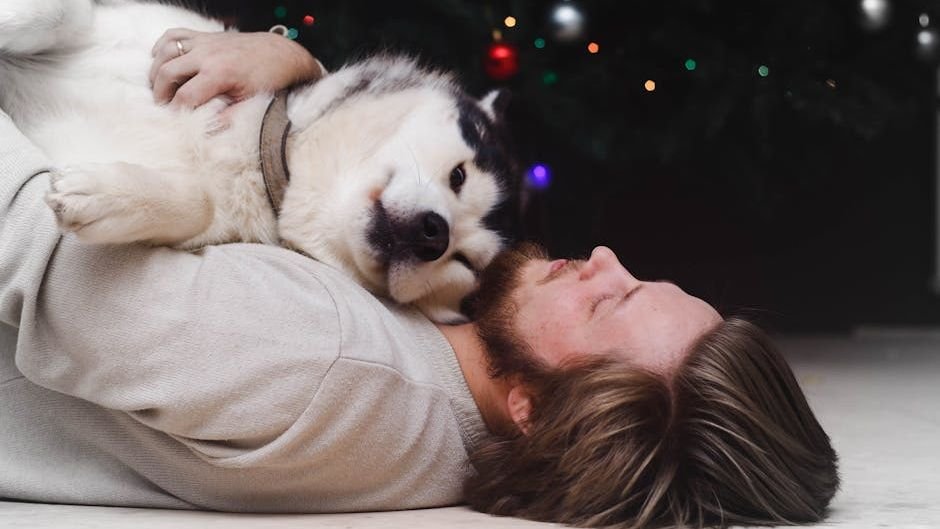
Your dog can’t text you a heart emoji or leave a sticky note on the fridge. They can’t say the words out loud, no matter how many times you wish they could. Yet every single day, your dog is telling you exactly how they feel, and most of the time, you’re probably missing it.
Dogs may not have a word for love, but they demonstrate a certain set of behaviors that really means the same thing. The science behind this is genuinely remarkable. A major factor contributing to a dog’s affection is the release of oxytocin, also known as the “love hormone,” and this hormone is released in both dogs and humans when they share positive interactions such as petting or playing together. Once you learn to read these signals, the relationship you have with your dog shifts in a meaningful way. You stop wondering if they love you and start realizing just how loudly they’ve been saying it all along.
1. The Soft, Lingering Gaze That Melts You From Across the Room

There’s a moment every dog owner knows well: you look up from whatever you’re doing and catch your dog just staring at you from across the room, calm, unhurried, completely content. It feels a little funny at first. Then it feels a lot like love.
Studies indicate that when dogs make direct eye contact with their owners, it triggers the release of oxytocin in both the dog and the human. This “love hormone” is the same one that bonds mothers to their infants, further affirming the special relationship between humans and their canine companions. That shared gaze isn’t accidental or idle. It’s deeply intentional.
Studies show that domesticated dogs have learned to use eye contact differently than their wild ancestors. Soft eye contact is a special way that dogs communicate with us, the same way humans connect with each other. One important distinction: soft, relaxed eyes are a sign of trust, while stiff or intense eye contact can signal discomfort or anxiety. So watch for that warm, unhurried gaze. That’s the one that counts.
2. They Follow You Everywhere, Even to the Bathroom
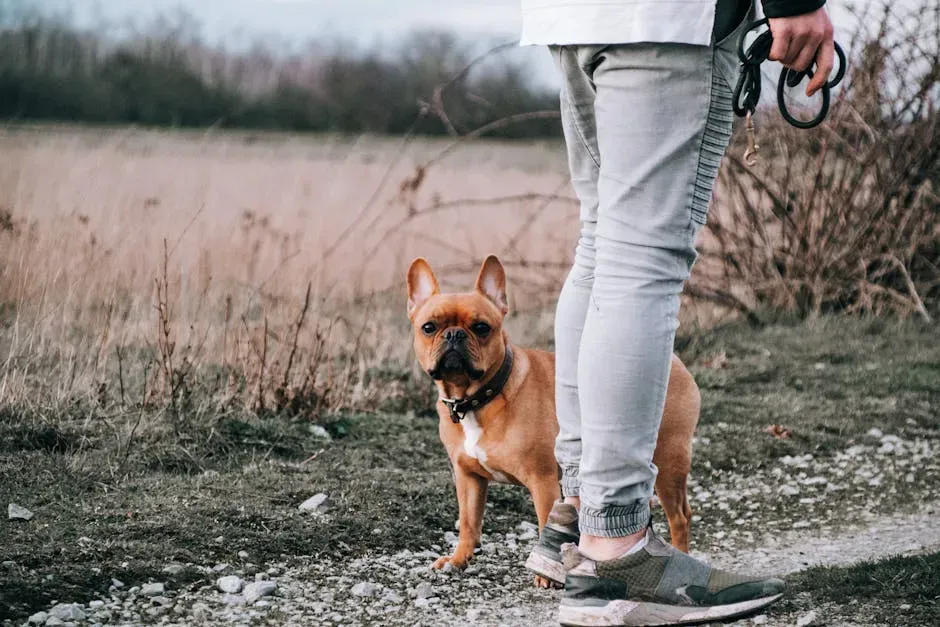
It’s become a universal joke among dog owners: you can’t walk ten feet in your own home without a furry shadow right behind you. Most people find it amusing. A few find it slightly maddening. What it actually is, though, is one of the clearest expressions of devotion your dog can offer.
Scientific studies suggest this behavior is one of the ways dogs demonstrate their deep bond and love for their owners. Research has also shown that dogs often mimic our emotions, a phenomenon known as emotional contagion, which is another way they show love. The drive to follow you is rooted deep in pack instinct. When your dog follows you around the house, it’s their way of saying “I want to be with you,” deeply rooted in their pack mentality, where in the wild, dogs stick with their pack to ensure safety and companionship, and by sticking close to you, they see you as their leader.
That said, keep a healthy eye on the behavior. Not all attention-seeking or clingy behavior is rooted in love. Sometimes, dogs may act overly needy due to separation anxiety or fear. Understanding the context and consulting a vet or behaviorist can help clarify your dog’s emotional state. When the following is calm and relaxed, it’s love. When it tips into panic, it’s worth addressing.
3. They Bring You Their Favorite Toy as a Gift

Picture this: you walk through the front door after a long day and your dog comes charging toward you with a soggy tennis ball or a mangled stuffed animal dangling from their mouth. You might laugh. You should also feel genuinely honored.
Sharing prized possessions is a sign of social bonding in dogs and often reflects their desire to spend quality time with you. When a dog drops a toy at your feet or brings you their ball, they’re inviting you to interact and including you in their world. This gesture goes deeper than play. Dogs don’t part with their beloved possessions easily, so when they offer you their “treasure,” they’re showing trust and love. This behavior is rooted in pack instincts: dogs share resources with those they care about.
When a dog brings you a broken toy, it’s not random. They’re handing over something precious because they trust you to help. That’s love and teamwork. Next time your dog drops a slightly destroyed plush duck at your feet, accept the gift with the seriousness it deserves. They’re trusting you with something they value, and that’s not nothing.
4. They Lean Their Full Weight Against You
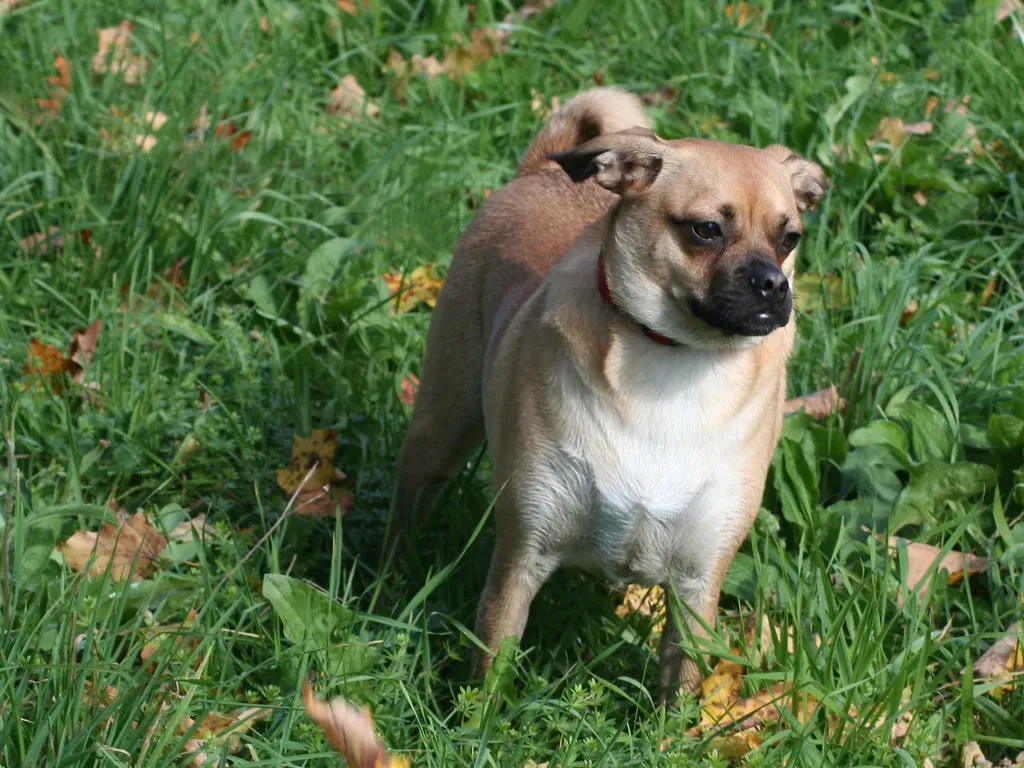
You’re sitting on the sofa and your dog quietly walks over and just leans their entire body against your leg or thigh. They don’t ask for anything. They don’t make a fuss. They just press themselves against you and stay there.
When dogs lean their full weight against you, it signifies complete trust. This means your dog sees you as a protector. Your dog may do this for comfort, but when they lean against you, it is the equivalent of a full-body hug. There’s a warmth in that gesture that words can’t quite capture. When a dog leans against you, it’s more than just a physical gesture. Dogs are naturally social animals that seek comfort and security from their pack, and leaning is often their way of saying “I feel safe with you.”
It’s worth reading context here, though. Dog leaning can occur in various situations, such as during moments of relaxation, excitement, or even when they’re feeling uncertain. While it’s often a sign of love, it’s important to pay attention to the context. A dog leaning excessively during stressful situations might be seeking reassurance or trying to communicate discomfort. Responding with patience and care can help your dog feel more at ease.
5. They Greet You Like You’ve Been Gone for a Year
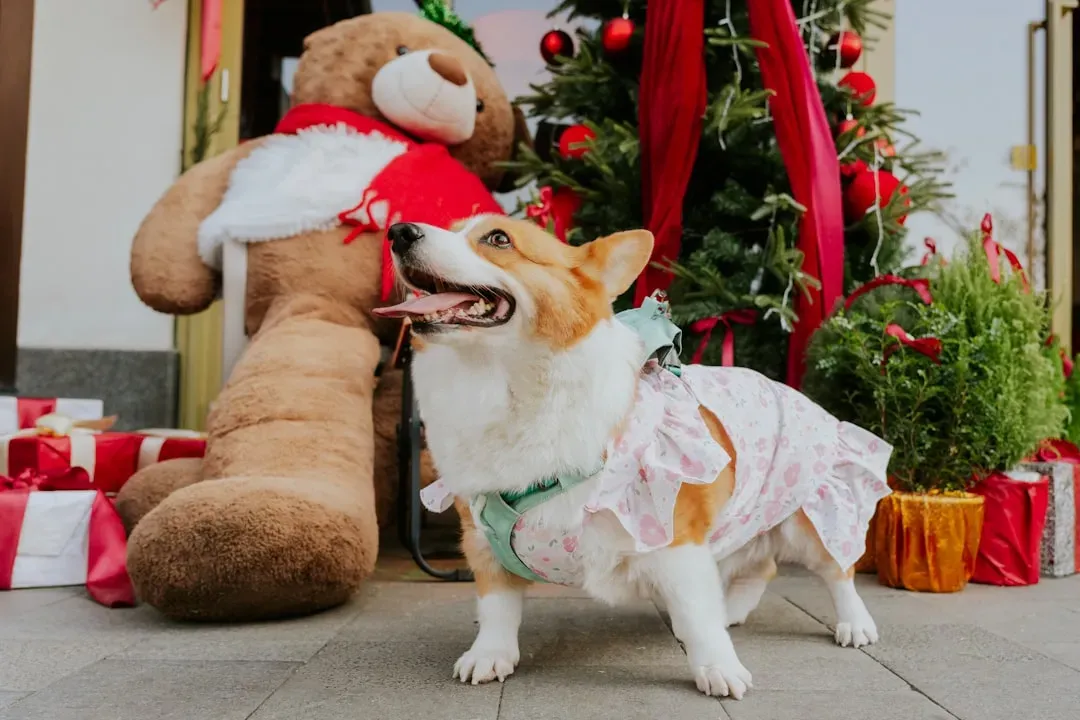
You stepped out to grab the mail. You were gone for maybe four minutes. Your dog greets your return like you survived a war. The wiggling, the tail spinning, the little happy sounds, the full-body celebration. It might seem excessive. It’s actually one of the most honest expressions of love in the natural world.
Few things compare to an exuberant greeting from your furry bestie upon returning home, even if only after a short absence. Their excitement isn’t about wanting a walk or playtime; it’s an expression of pure joy at your presence. The science backs this up too. When dogs smelled the odor of their owners, as compared to other odors, the caudate nucleus, known as the reward center of the brain, showed activation. “This provides important clues about the importance of humans in dogs’ lives,” the researchers concluded.
A dog’s love language may also come in the form of wiggling, dancing, and tippy tapping around you. These joyful movements show your dog is excited to see you, so much so they can’t sit still. Meet that energy when you can. Get down to their level. Let them know their enthusiasm is received and returned. It matters more than you might think.
6. They Sleep as Close to You as Possible
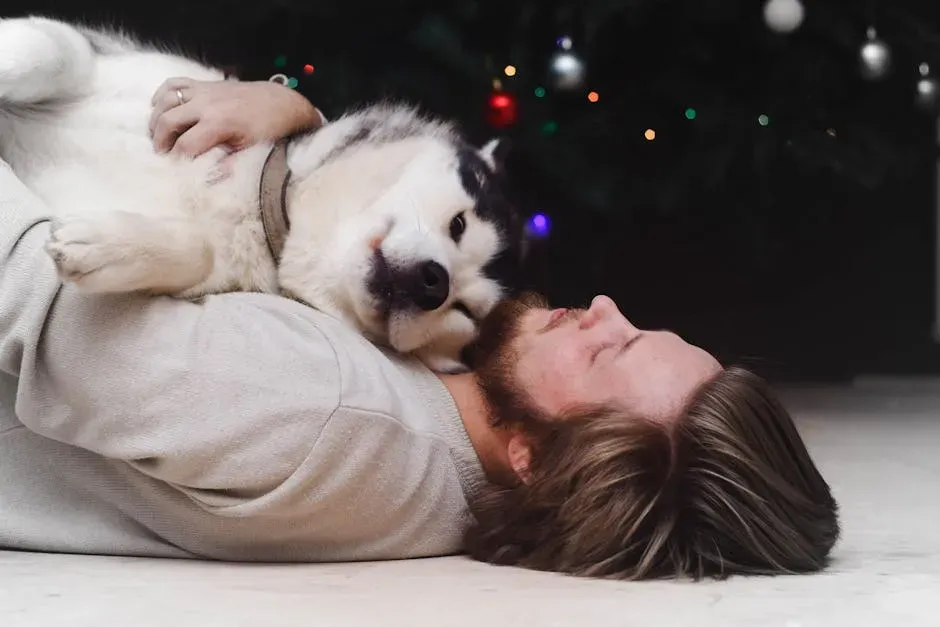
Whether they’ve claimed half the bed or they’re curled against your feet on the couch, where your dog chooses to sleep says something real. Sleep is vulnerable time for any animal. Your dog’s choice to spend it pressed against you isn’t coincidence.
Sleep is a vulnerable time for any animal, but your dog doesn’t feel that way when curled up next to you. Studies indicate that dogs who have a secure relationship with their humans sleep better when they’re close. So next time your dog takes up half the bed, remember it’s not just about the warmth, it’s about the deep sense of security they feel nestled up with you.
In the wild, pack members sleep close together for protection and warmth. By choosing you as their sleep buddy, your dog is signaling you’re part of their inner circle. Sleeping with you or near you is one of the most comforting and honest ways dogs show love. If your house rules don’t allow dogs on the bed, that’s completely fine. A dog curled against your feet or settled in the same room is expressing the very same thing.
7. They Lick You With Calm, Quiet Affection
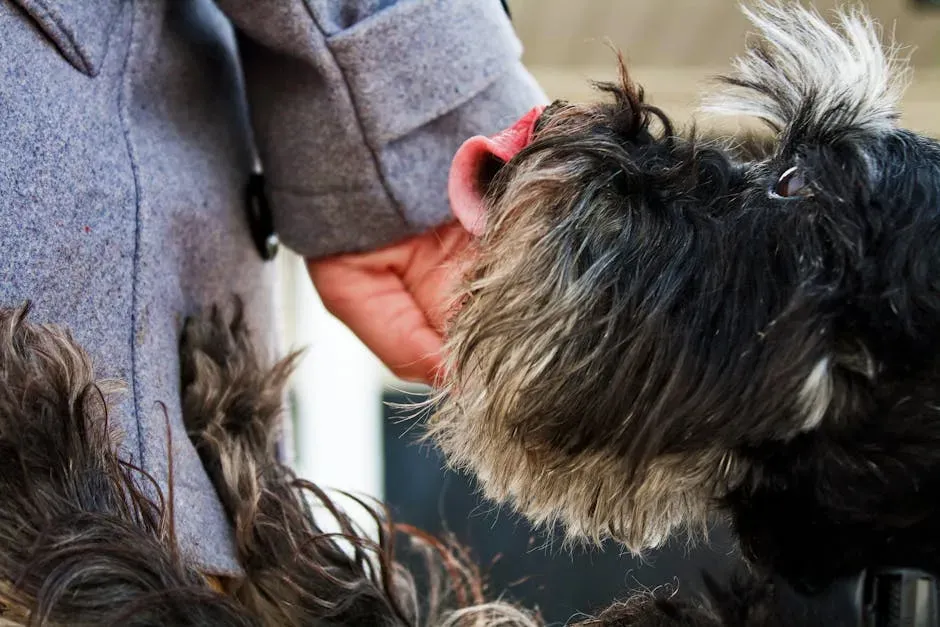
Licking often gets written off as a quirk or dismissed with a laugh and a wipe of the face. In reality, it’s one of the oldest forms of canine bonding there is, and when your dog licks you calmly and intentionally, they’re communicating something genuine.
Licking is one of your dog’s earliest bonding behaviors. Puppies lick their mothers; adult dogs lick each other for grooming, reassurance, or affection. When they lick you, they’re engaging in that same instinctive bonding practice. The behavior reads differently depending on the situation. Licking can mean affection, submission, or even a desire for attention. Frequent, calm licking, especially after you return home, is a strong sign of love.
Licking is a behavior dogs often use to show they feel comfortable and emotionally safe with someone. If your dog is an enthusiastic licker, you can redirect to calmer forms of affection through consistent, gentle training. The important thing to know is that the impulse behind the lick is loving, even when the delivery is a little overwhelming. Each dog is unique, and their ways of expressing love can vary. Pay attention to your dog’s individual behavior and cues to deepen your bond and understanding of their affectionate nature.
8. They Yawn When You Yawn
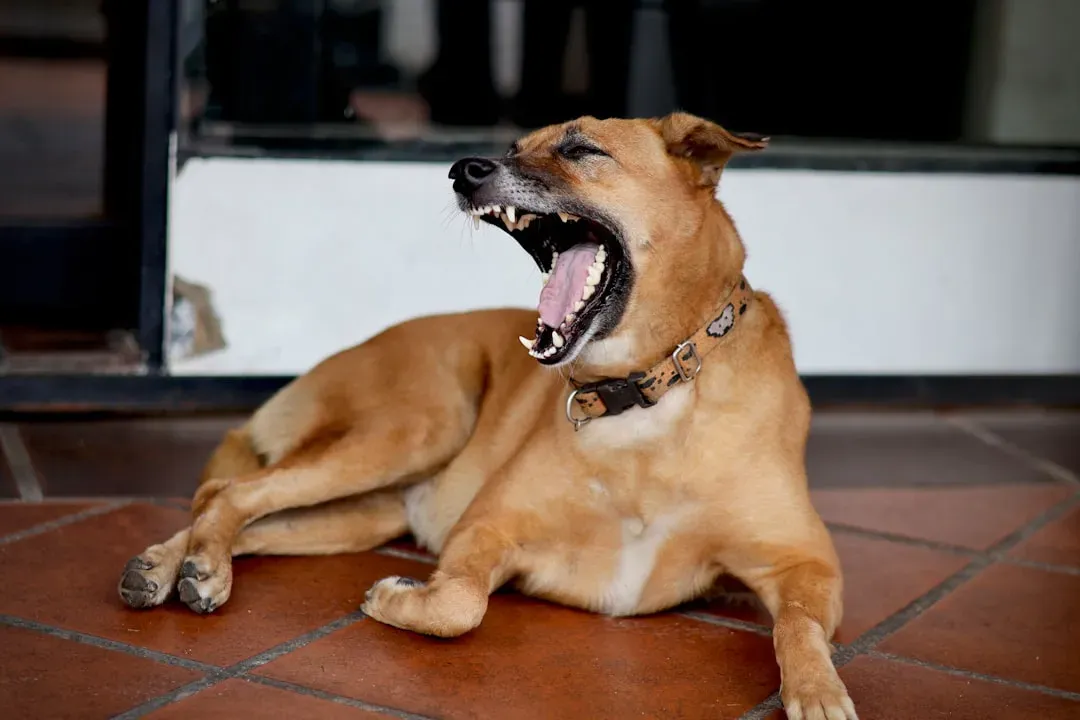
This one catches people off guard every time. You’re sitting quietly with your dog nearby and you let out a big yawn. A few seconds later, your dog yawns too. It feels like coincidence. It isn’t.
Not all dogs will yawn when their owners do, but those that do likely share a deep bond with them. Research has shown that contagious yawning is linked to social bonding. In humans, it often occurs among family members or close friends. So, when your dog catches your yawn, it’s a sign they consider you part of their close circle. It’s a unique and charming sign of affection.
Dogs are incredibly in tune with your moods and emotions. Because of this, emotional contagion, the tendency to reflect the feelings or behaviors of someone you’re close to, can also show up in dogs. For example, if they yawn when you yawn, it can be a sign that you’re emotionally connected. It’s a small, quiet moment. Easy to overlook. Contagious yawning is relatively rare among animals. Most animals don’t exhibit this behavior, making it special when dogs do. This act sets dogs apart, highlighting their strong social nature. Next time it happens, let it land. Your dog is closer to you emotionally than you might have realized.
Conclusion: You’re Already Someone’s Whole World
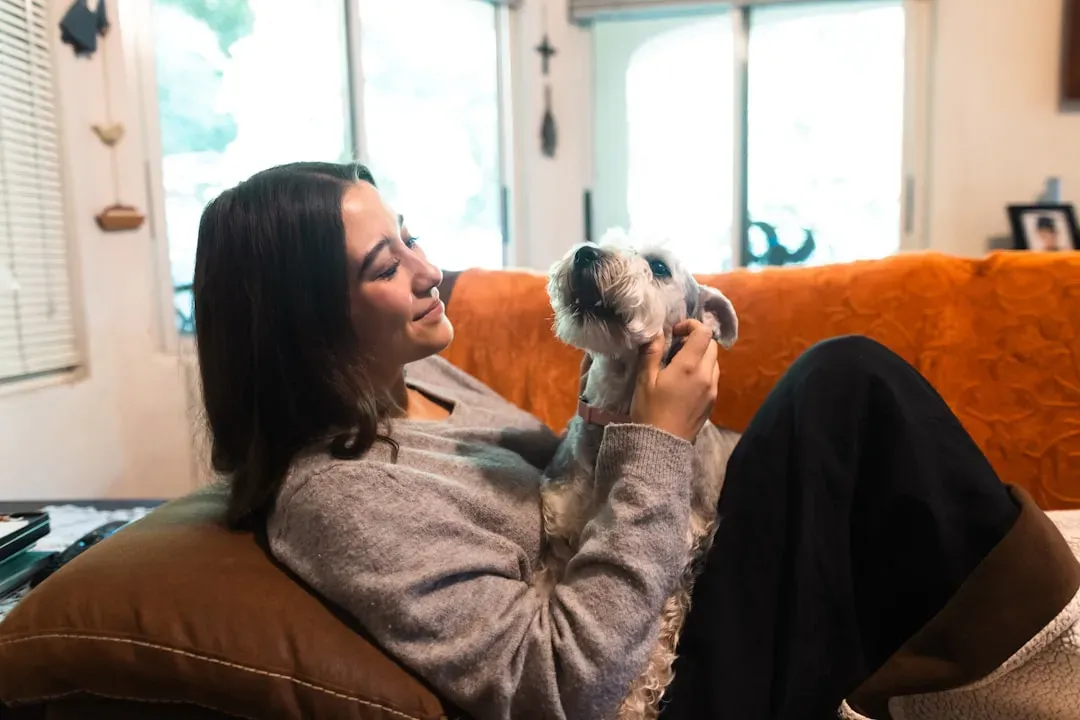
Your dog isn’t waiting for a special occasion to show you how they feel. It’s happening every single day, in the lean against your leg, the toy dropped at your feet, the soft gaze from across the kitchen, the yawn that mirrors yours.
Dogs have evolved alongside humans for thousands of years, selectively bred to enhance their sociability and responsiveness to people. This interspecies co-evolution has led to an unparalleled emotional connection between dogs and humans. That history runs deep, and it shows up in these small, daily moments that are so easy to overlook when life gets busy.
The more fluent you become in your dog’s language, the richer the relationship gets. Dogs that are socialized from an early age, treated kindly, and live in stable environments are more likely to express affection toward their owners. Positive reinforcement training further strengthens the bond. When a dog is trained using rewards and praise, they associate their owner with positive experiences, deepening emotional attachment. You don’t need to do anything grand. Just show up, pay attention, and meet their love with yours. They’ve already decided you’re worth everything they’ve got.


