

There’s a particular kind of quiet that settles over a house when a beloved dog is slipping away. It’s not dramatic at first. No sudden collapse, no unmistakable announcement. Instead, it comes in whispers: a bowl left untouched, a tail that doesn’t quite wag the way it used to, a pair of eyes that seem to be looking at you just a little longer than normal. These are the moments that break your heart before you even fully understand what they mean.
Knowing what to watch for isn’t about bracing for the worst. It’s about being present, responding with intention, and giving your dog the comfort and dignity they deserve in their final chapter. Recognizing end-of-life behaviors lets you adapt your care to address your dog’s specific needs, whether creating quiet spaces or knowing when pain management should be discussed with your veterinarian. This understanding helps you make compassionate choices to prioritize your dog’s comfort and dignity during their final days. Here are ten quiet changes that often signal a dog is nearing the end of life.
1. A Sudden Disinterest in Food and Water
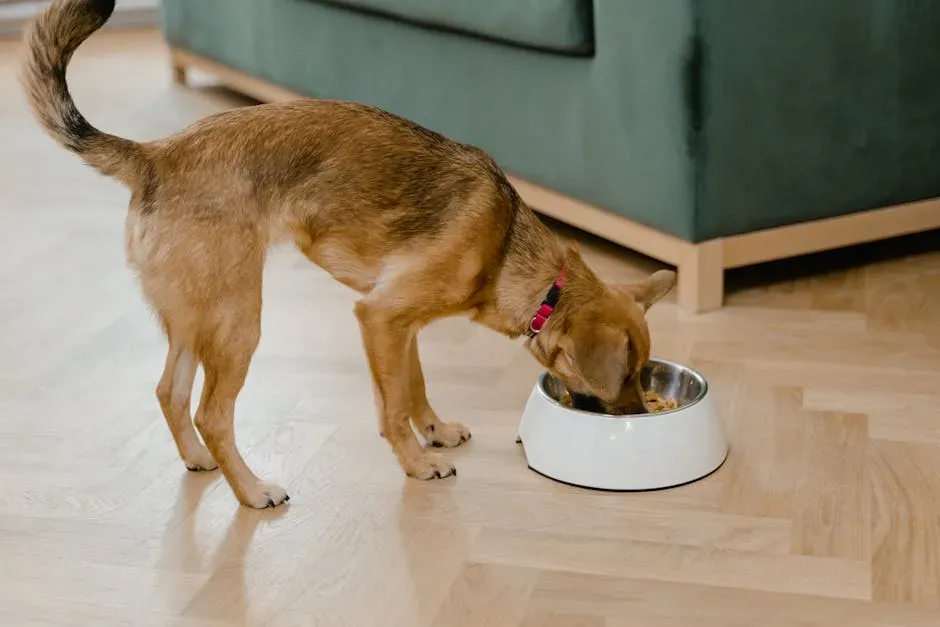
For most dogs, mealtime is sacred. So when your dog starts turning away from their bowl, even passing on their favorite treats, something significant is happening. One of the earliest and most noticeable signs is a significant decrease in appetite and water intake. Many dogs lose interest in food, even treats or hand-fed favorites. As the body begins to shut down, hunger and thirst signals fade.
It is common for dogs to lose interest in food and water in their final days, particularly if they are experiencing nausea or pain. In some cases, a dog’s loss of appetite and decreased thirst may be accompanied by other gastrointestinal symptoms, like vomiting and diarrhea. If this happens, don’t force feeding. Instead, try warming their food slightly to enhance its scent, offering small portions of something gentle like plain boiled chicken, or consulting your vet about appetite stimulants. A vet may also be able to prescribe either an appetite stimulant, or a medication to reduce the nausea, if that is the cause.
2. Dramatic Increases in Sleep and Lethargy

Dogs nearing the end of their life often become extremely lethargic. They may spend most of their time sleeping or lying down and show little interest in activities they once enjoyed. You may even notice altered sleep patterns, sleeping more during the day and becoming restless at night, which is one of the most common end-of-life signs in dogs.
Older dogs often sleep more than younger ones, but a significant increase in sleeping or lethargy can be a sign of declining health. Your dog may appear tired even after minimal activity, preferring to rest more frequently. This increased need for rest is a common indicator that your dog is nearing the end of its life. Rather than trying to wake or encourage activity, let them lead. Place soft, orthopedic bedding in their favorite spots. Your calm presence nearby does more than any well-intentioned attempt to keep them moving.
3. Withdrawal from the Family or Unusual Clinginess

Some dogs seek out the comfort and company of their humans to the point of clinginess, while others become more solitary and seek quiet corners to be alone. Both responses are normal, and neither means your dog loves you any less. It’s simply how individual dogs process their own physical decline.
Dogs may become less interactive with family members. They might choose to spend more time alone, away from the usual hustle and bustle of the household. This withdrawal is often a coping mechanism as their energy levels diminish. If your dog is seeking solitude, respect that space but keep yourself close enough that they know you’re there. If they’re suddenly velcroed to your side, lean in. That closeness is everything to them right now.
4. Seeking Out Unusual or Secluded Resting Places

As their body temperature regulation changes or their urge to feel safer increases, dying dogs start seeking unusual places to rest. This could include under furniture, in closets, and in other secluded spots. Your dog may want to be away from the hustle and bustle of daily household activities.
Contrary to popular myths, dogs don’t run away to die. Some dogs may seek a quiet, secluded place, others may wander away due to confusion or disorientation. If you notice your dog choosing the back of a closet over their usual bed, try placing a familiar blanket or an item of your worn clothing in that spot to give it warmth and scent. If your dog has a favorite blanket, toy, or an item of clothing that smells like you, keep those nearby to comfort them.
5. Rapid or Visible Weight Loss
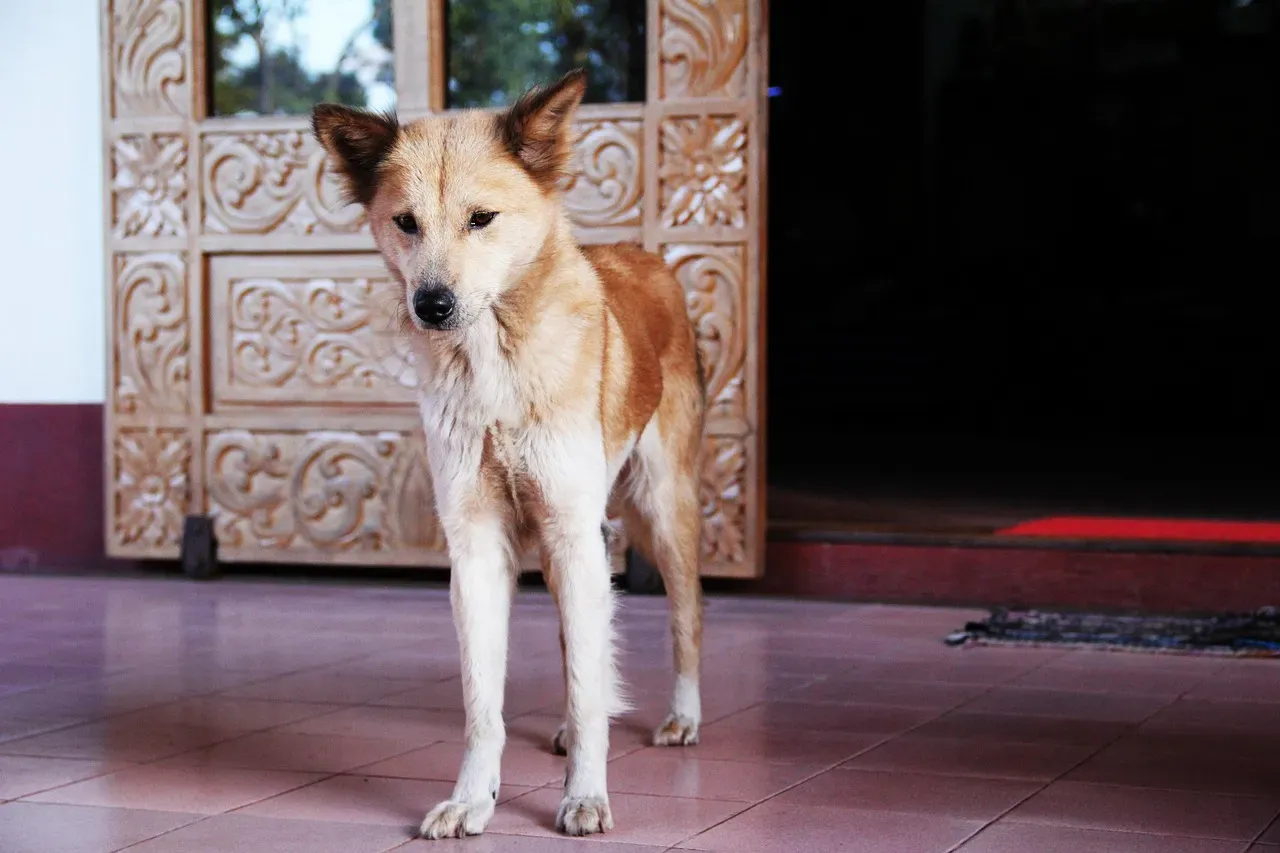
You may notice that your dog seems to be losing weight rapidly. While weight loss is common in older dogs, extreme or rapid weight loss can be a sign that a dog is nearing the end of life. Extreme weight loss can occur from not eating or changes in their metabolism due to certain conditions.
This often happens rapidly, especially if the dog is elderly or suffering from a terminal illness. Muscle atrophy may make your dog look thinner and more frail. Sometimes, even with regular feeding, older dogs can’t absorb nutrients well, which worsens the weight loss. Run your hands gently along your dog’s spine and ribs regularly. If bones that were once barely palpable are now prominent, that’s worth discussing with your vet immediately, as some underlying causes may still be treatable.
6. Changes in Breathing Patterns

Breathing is controlled by muscles and nerves, and is not immune to the slow breakdown of your dog’s body. Your dog may start showing abnormal breathing patterns, with his respiratory rate fluctuating up and down even when he is at rest. He may stop breathing periodically and then resume again.
Abnormal breathing patterns, or signs of breathing difficulty even while resting, are another common sign before death. An example is open-mouth breathing, or if the dog stops breathing for a moment periodically and then resumes again. These breathing changes can be frightening to witness. Keep the room calm and well-ventilated, avoid stress triggers, and contact your vet right away if breathing becomes labored or distressing. Pain management can sometimes ease respiratory difficulty significantly.
7. Loss of Interest in Favorite Activities

Dogs near the end often grow disinterested in favorite activities and people, initially just seeming to sleep more. As you observe closely, you’ll notice a lack of usual greetings or tail wags. The dog who once bolted to the door at the jingle of a leash now barely lifts their head. That shift is one of the quietest and most heartbreaking signs there is.
A sharp decline in your dog’s daily activity is a big sign that your dog is nearing death. Activities that were fun for your dog such as walks and car rides may now be disinteresting or exhausting for them. Instead of pushing for exercise, find smaller, gentler forms of connection. A slow walk just to the end of the driveway, a few minutes of gentle brushing, or simply sitting together in a patch of sunlight can still carry meaning without taxing their diminishing energy.
8. Disorientation, Confusion, and Cognitive Shifts

Disorientation and confusion are also common. You might find your dog staring at walls, getting stuck in corners, or forgetting where their water bowl is as canine cognitive dysfunction sets in, a condition similar to dementia in humans. This can be startling to witness, especially in a dog who was sharp and responsive just weeks before.
Canine Cognitive Dysfunction or “dog dementia” can become more pronounced in a dog’s final stages. This can manifest as disorientation, where they may seem lost in familiar surroundings or have trouble recognizing family members. Keep the home layout consistent, limit furniture rearrangements, and speak softly and reassuringly when they seem confused. Familiar smells, your voice, and gentle touch are powerful anchors for a dog whose senses are fading.
9. Restlessness, Pacing, or Inability to Get Comfortable
Some dogs may become restless near the end of life. Dogs that are uncomfortable or in pain may pace aimlessly or change positions often. This can also lead to trouble sleeping since they can’t get comfortable enough to settle down. It’s a painful irony: a dog too exhausted to move, yet too uncomfortable to rest.
One of the most common signs of dying is often an increase in pain and an inability to get comfortable. Your dog may sleep more than usual and have trouble getting up or going outside to use the bathroom. They may cry out, pant even though they are at rest, or even show signs of aggression when touched in painful areas of the body. This is an important conversation to have with your vet. Pain management often plays a vital role in easing the signs your dog is dying. Your vet can offer options like anti-inflammatories, opioids, or palliative care strategies to address the pain directly and relieve the accompanying emotional distress.
10. Changes in Body Temperature and Pale or Cold Extremities

Dull or cloudy eyes, a lackluster coat, sores that heal slowly, and temperature regulation problems can all appear. Your dog may feel unusually cold or hot and seek out warm or cool spots accordingly. You might notice their paws, ears, or gums feel cooler to the touch than usual, which is worth paying close attention to.
If your dog has pale gums or cold paws and lips, it could be a sign the end of their time is near. Pale gums and cold extremities can be caused by poor circulation, a sign that the heart is struggling to pump blood. You can offer some warmth by placing a soft, heated blanket nearby, though always ensure they can move away from it if they get too warm. Dogs that are sick, aging, or dying are susceptible to becoming hot or cold and often have trouble regulating their body temperature. If you live in a warmer region, ensure your dog has a shady place to rest with easy access to water. In cooler climates, ensure you have provided your dog with a warm and cozy bed and blanket, or a warm spot in the sun to sleep.
What You Can Do: Creating a Peaceful Environment

The kindest thing you can do for your dog in their final days is to make sure they are as comfortable as possible. Keep clean, supportive cushioned or orthopedic bedding available, along with disposable potty pads to avoid soiling the bedding if incontinence is an issue. Small adjustments to your home can make a significant difference in their day-to-day comfort.
Change your home to fit your dog’s new needs. Position food and water near their sleeping area. Ensure there are no tripping hazards or other areas they might get stuck. Add non-slip rugs to prevent falling. Setting up a calming environment by providing a safe, quiet space with dim lighting will soothe your dog and ease anxiety. Your steady, quiet presence is still the most valuable thing you can offer.
When to Talk to Your Vet About End-of-Life Options

While it’s true that some behavioral changes can signal the end of life, it’s just as important to remember that not every sign of decline means your pet is dying. Many pets, especially seniors, experience health issues that are treatable or manageable with proper veterinary care. A sudden withdrawal, mobility issue, or appetite loss could just as easily stem from something like arthritis, dental pain, infection, or a manageable chronic condition, and not necessarily mean impending death.
The HHHHHMM scale, which stands for Hurt, Hunger, Hydration, Hygiene, Happiness, Mobility, and More Good Days than Bad, helps owners and veterinarians assess quality of life. Low scores suggest it may be time to consider palliative care or euthanasia; higher scores might mean interventions could improve well-being. Hospice care focuses on providing comfort rather than curative treatments. This care can be administered at home with the guidance of your veterinarian, ensuring your dog’s final days are as peaceful and pain-free as possible.
A Final Note for the Grieving Heart

Watching a dog you love move toward the end of their life is one of the most quietly devastating things a person can go through. These changes, small as some of them seem, are your dog’s way of communicating with you, just in a different language than before. They still need you. Maybe more than ever.
Knowing the signs that a dog may be dying can help you prepare in advance and help ensure that your dog’s last days are full of love and light. Staying close by, as your presence can be the most comforting thing for your dog in their distress or confusion, matters deeply. Those final moments together are about presence. The most important thing you can offer is the peace of knowing they are not alone.
The love you’ve given over their lifetime doesn’t end at the threshold of goodbye. It carries forward in how gently you let them go.


