
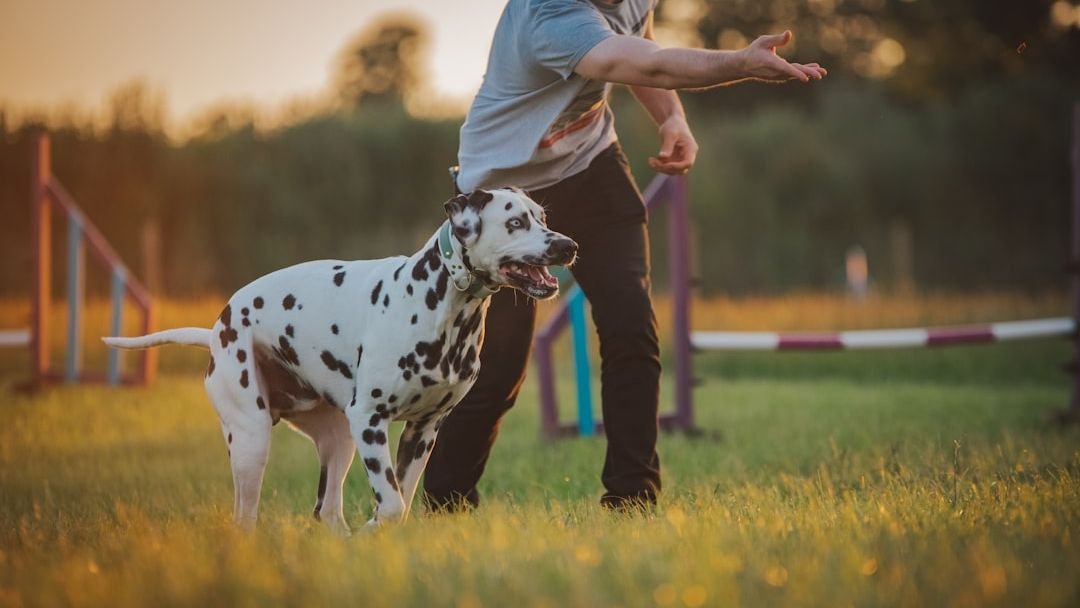
Your dog has never once questioned whether you deserve their loyalty. They greet you at the door whether you’ve been gone five minutes or five hours. They sleep near your feet not because they have to, but because you are, quite simply, their entire world. That kind of devotion is extraordinary. The tricky part? Dogs can’t tell you when something is off. They can’t explain why they chewed through the couch cushion, why they’re suddenly hiding at the back of the closet, or why they seem a little flat lately.
What they can do is show you, if you know what to look for. The science of canine behavior has grown enormously in recent years, and what’s become clear is that dogs have real, consistent emotional and physical needs. Some of those needs we meet without even thinking about it. Others we unintentionally neglect. This guide breaks down exactly what your dog is counting on from you, and what quietly breaks their trust.
1. A Daily Routine They Can Count On
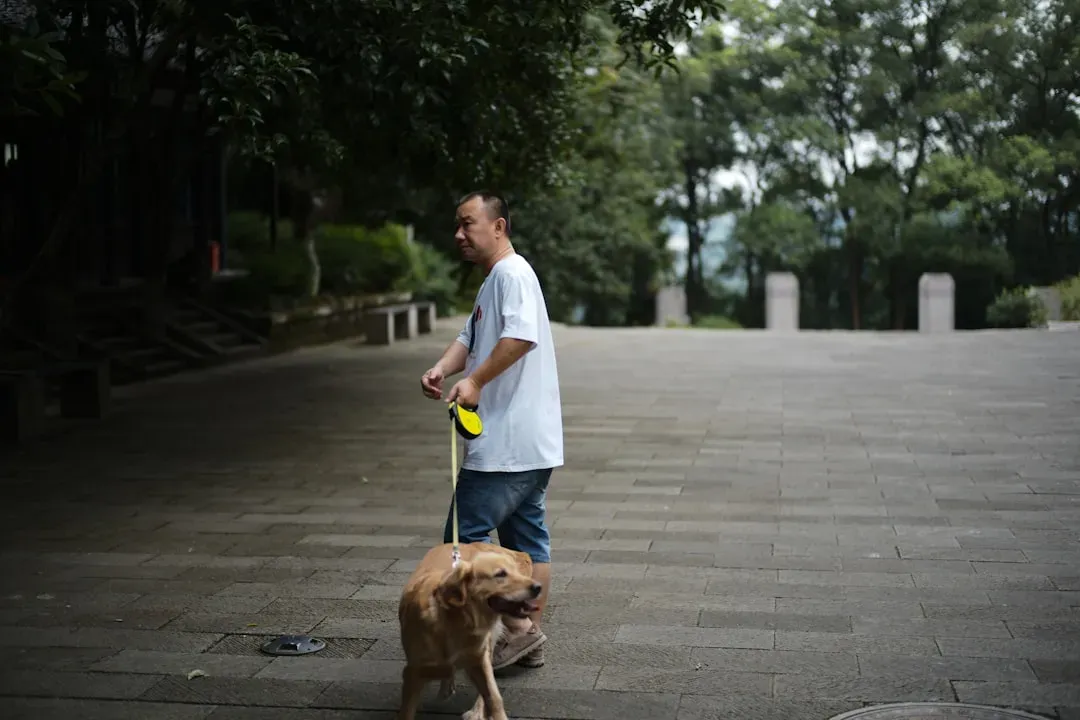
Dogs are creatures of pattern. Lack of predictability and scheduling can result in anxiety and undesirable behaviors in dogs. When your dog knows that breakfast comes at seven, the walk happens at eight, and you’re home by evening, they feel safe. That security reduces background stress in ways that directly affect their behavior and mood throughout the day.
Changes to our schedules are stressful to dogs too, and they thrive on consistency and routine, potentially becoming agitated or anxious with routine changes. This doesn’t mean you need military-grade scheduling, but it does mean your dog genuinely benefits when the basics stay predictable. If your routine shifts significantly, try to ease your dog in gradually rather than changing everything at once.
2. Enough Exercise for Their Specific Breed and Energy Level
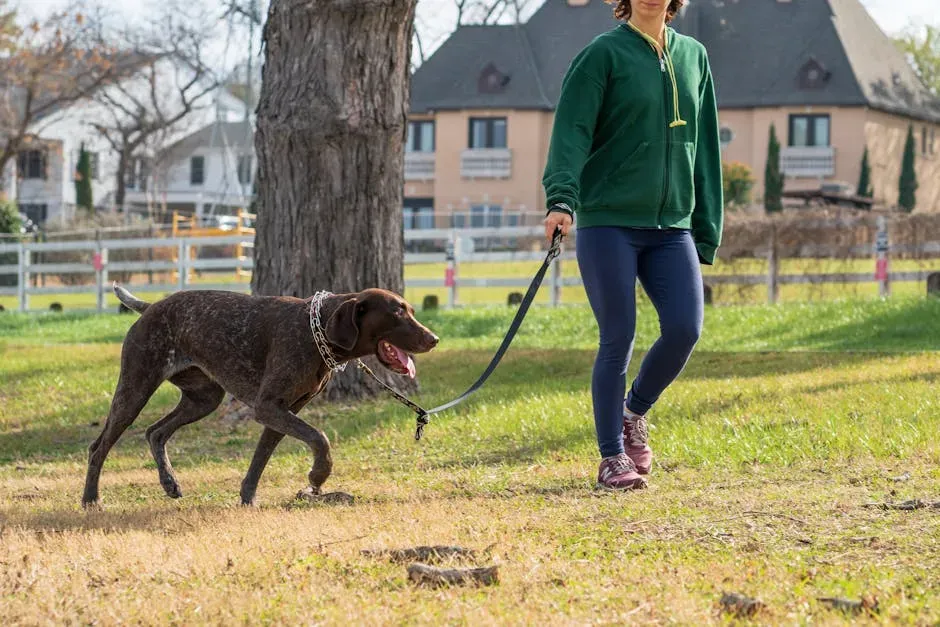
Studies have shown that dog owners are far more likely to meet their daily exercise requirements, and exercising every day is great for the animal as well. It will deepen the connection between you, eradicate most behavior problems in dogs, and keep your pet fit and healthy. A tired dog is, by and large, a well-behaved dog. Most destructive behaviors, including chewing, digging, and excessive barking, stem from pent-up energy that has nowhere to go.
Many dogs do not get enough daily exercise, leading to obesity and associated health problems like arthritis and heart disease. The right amount varies by breed, age, and health, but the principle holds for every dog: their body needs to move. A short neighborhood stroll won’t cut it for a Border Collie. Know your dog’s energy profile and honor it consistently.
3. Mental Stimulation That Challenges Their Brain

Toys that make your dog work for a treat sharpen the brain. Food puzzles mimic natural problem-solving and keep boredom at bay. Studies show that mentally stimulated dogs are less anxious and way more content. Mental exhaustion is just as effective as physical exercise for keeping dogs calm and balanced. A fifteen-minute puzzle session can settle a restless dog better than an extra lap around the block.
For dogs, sniffari walks, puzzle feeders, and training games keep the mind active. Simple adjustments like varying walk routes or hiding treats around the home engage natural instincts and ease stress. Dogs who are mentally engaged tend to be more confident, less reactive, and easier to live with. Think of mental stimulation as daily maintenance for your dog’s emotional health, not just an occasional bonus activity.
4. The Freedom to Sniff on Walks

Dogs rely on their noses more than sight or sound, so scent-based games stimulate the brain and boost confidence. On a walk, your dog isn’t just stretching their legs. They’re reading a full story about every creature, human, and event that passed through that space before them. When you constantly pull them along without letting them stop and sniff, you’re cutting that experience short.
Letting dogs stop and sniff is their version of reading the news. Sniff-heavy walks help dogs relax and feel more in control. It’s how they gather information, process the world, and decompress. A slower, sniff-rich walk of twenty minutes will often do more for your dog’s mood than a brisk forty-minute power walk with a tight leash. Let them lead with their nose sometimes.
5. Genuine Quality Time and Physical Closeness

There’s science behind those cozy couch moments. Physical closeness releases oxytocin, the bonding hormone. Dogs aren’t complicated; being near the people they love is often the highlight of their entire day. This matters more than most owners realize. Scrolling your phone while your dog sits beside you is not the same as actually engaging with them. Dogs are perceptive, and they sense the difference between presence and distraction.
A 2009 study in Japan found that staring into your dog’s eyes can raise your level of oxytocin, also known as the “love hormone.” That mutual gaze isn’t just sweet, it’s a genuine biological exchange of trust and affection. Set aside even ten minutes a day for undivided, screen-free connection with your dog. It costs nothing and means everything to them.
6. Positive, Reward-Based Training
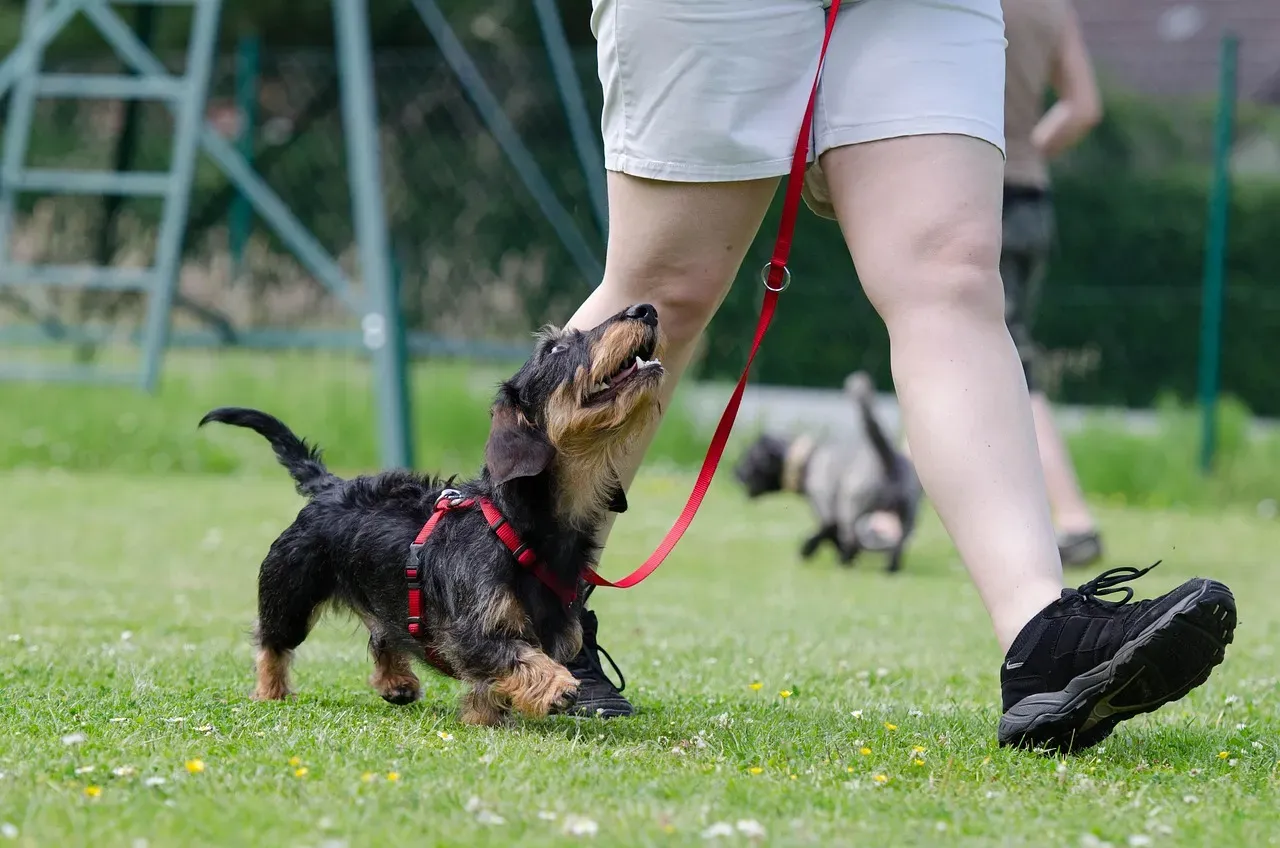
Dogs actually like learning when it means treats, toys, or high-pitched praise. Reward-based training boosts confidence, improves communication, builds trust, and lowers anxiety. Training is not just about obedience. Done well, it’s one of the deepest forms of communication you can have with your dog. It tells them what the world expects of them, and that you’ll be patient enough to guide them there.
Rejecting brutal, pain-based training methods like choke collars based on debunked understandings of “dominance” is important. All your dog wants is for you to show them the way through compassionate leadership and positive reinforcement. Training methods that prioritize punishment and aversive techniques have been shown to increase aggression and other behavior issues in dogs. The science is clear: kindness works better, builds a stronger bond, and leaves no emotional damage behind.
7. Early and Ongoing Socialization
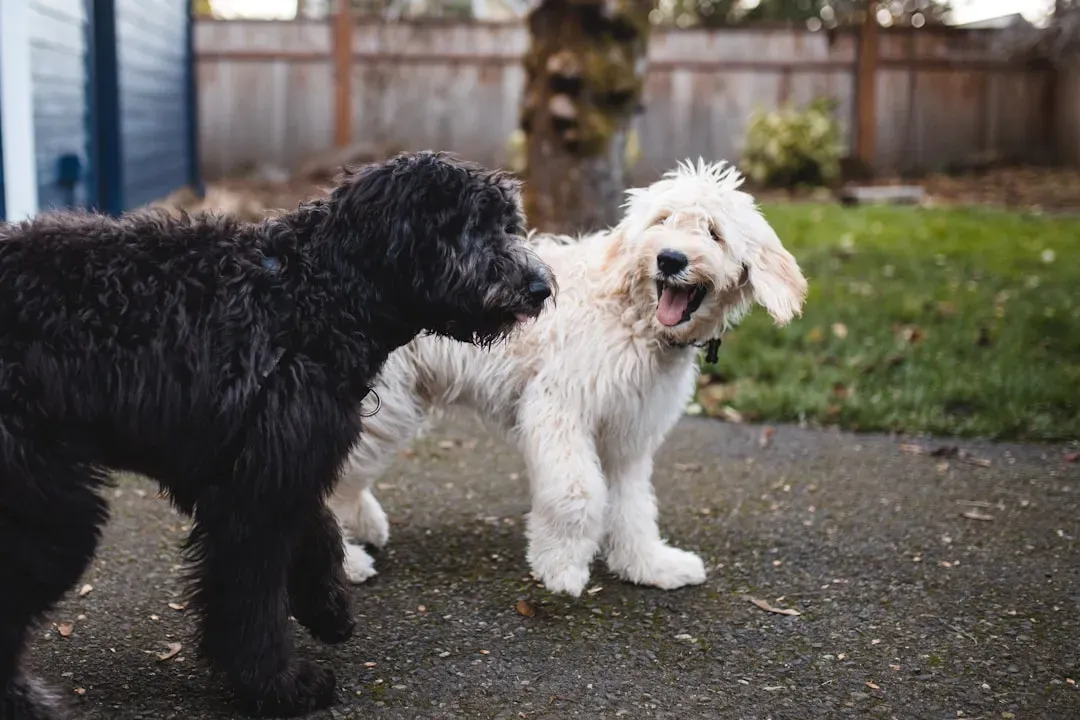
Socialization is the process of preparing a dog or cat to enjoy interactions and be comfortable with other animals, people, places, and activities. The best time to start this process is between 3 and 14 weeks of age for puppies, when the animals are most open to learning about their environment. During this period, a broad range of positive experiences can help prevent fearful, reactive, or aggressive responses in the future.
Socialization, however, doesn’t simply stop once puppyhood ends. Socialization doesn’t stop after puppyhood. Adult dogs need continued exposure to different stimuli to maintain positive behaviors and reduce the risk of anxiety-related issues. Regular interactions with other dogs and humans help reinforce positive behaviors and prevent regression into fear-based reactions. A well-socialized dog isn’t born, they’re made, carefully and consistently, by an owner who understands the importance of new experiences.
8. A Safe, Quiet Space They Can Call Their Own
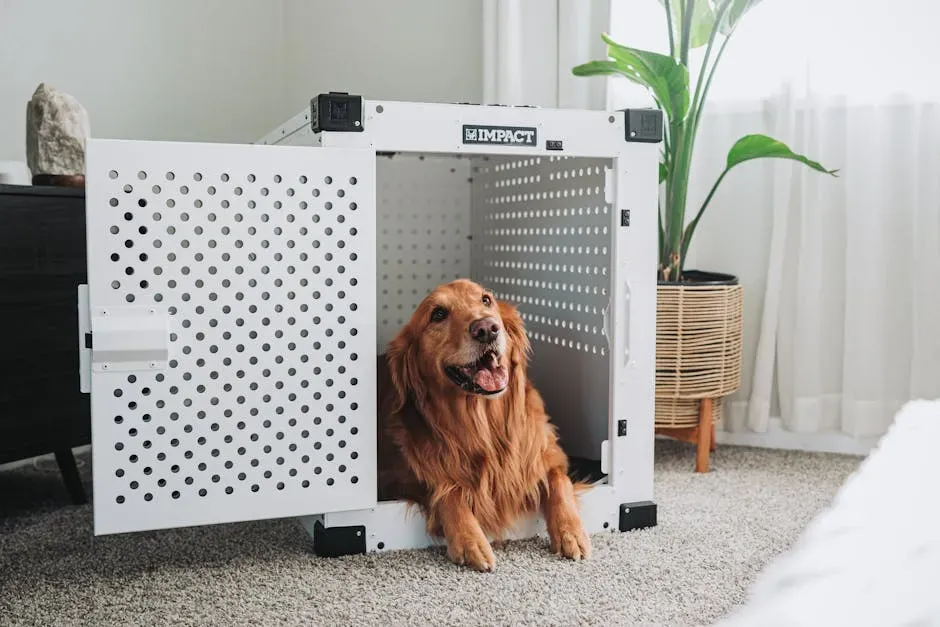
Every dog needs a retreat. A crate, a corner with a bed, a specific spot that’s theirs. It is important to provide your dog with a safe place in the home where they can escape stimuli that trigger a stress response. Everybody enjoys a calm place to retreat. When visitors arrive, when the house gets loud, or when your dog is simply overwhelmed, they need somewhere to decompress without being followed or coaxed back out.
Watch your dog’s behavior when things get busy at home. One of the early signs of stress, especially situational stress, is retreating. Your dog, who might normally enjoy being the center of attention, might choose to withdraw from the group and hide in a safe place. If this happens, let them. Forcing an anxious dog back into a stimulating environment rarely helps and can sometimes push a normally gentle dog toward defensive behavior.
9. Consistent Rules and Clear Boundaries
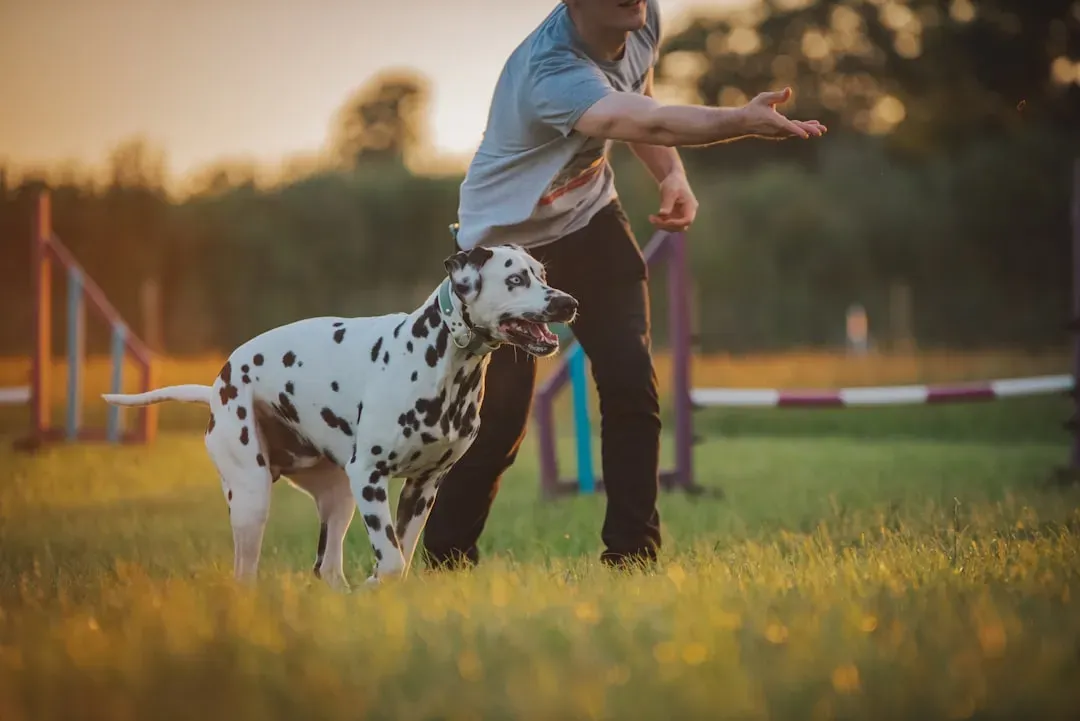
Consistency is the cornerstone of effective dog training. Yet many dog owners unknowingly send mixed signals. For example, allowing a dog to jump on guests one day but scolding them for it the next creates confusion. This inconsistency can lead to anxiety and stress, as the dog struggles to understand what is expected of them. Dogs don’t operate on logic the way humans do. They learn through patterns, repetition, and consistent feedback.
Inconsistent training can manifest in various ways, such as using different commands for the same behavior, enforcing rules sporadically, or having family members follow different protocols. Everyone in the household needs to be on the same page. If one person lets the dog on the couch while another shoos them off, your dog isn’t being disobedient. They’re simply confused, and confusion over time becomes chronic stress.
10. Regular Veterinary Care and Health Attention

Your dog can’t tell you when something hurts. Pain and illness often show up first as behavioral changes: sudden aggression, reduced appetite, lethargy, or unusual withdrawal. A common sign of chronic stress is reduced appetite or increased digestive problems. Dogs, even dogs who are overweight, will still eat regularly when they are healthy. If your dog is suddenly refusing food, it’s a sign of stress. That stress may sometimes have a medical root your vet needs to evaluate.
Routine checkups aren’t just for vaccinations. They’re how you catch issues early, before they become serious. If your dog becomes stressed often or in response to many triggers, see your veterinarian. After ensuring that your dog’s behavior does not have a physical basis, your veterinarian may refer you to a trainer or veterinary behaviorist for further assessment. A treatment plan may include behavior modification, a change in the daily routine, medications to relieve physical discomfort, and medications to reduce the emotional response to the triggers. Staying ahead of your dog’s health is one of the most loving things you can do.
11. Disappointment #1: Being Left Alone for Too Long, Too Often

One of the most common stress triggers occurs when the dog is left alone for long periods of time. Dogs are social beings and they require company. If they spend too much time alone they can feel lonely. This isn’t about guilt-tripping owners who work full-time. It’s about acknowledging a real need and finding solutions, whether that’s a midday dog walker, doggy daycare, or a neighbor who can pop in.
Sometimes dogs who have isolation anxiety will not eat when their owners are not at home. Other signs include destructive behavior, excessive barking, and housebreaking accidents that only happen when you’re out. Dogs may drool and lick excessively, chew on objects compulsively, or destroy furniture as a way to cope and physically escape. This change in behavior is a common sign of anxiety and stress. Although seen as destructive or disobedient, these compulsive behavior signs are coping mechanisms dogs use to self-soothe and calm themselves.
12. Disappointment #2: Inconsistent Emotional Responses From You

Your dog reads you constantly. Your posture, your tone, your breathing. They are astonishingly good at picking up on human emotional states. In a study from Sweden’s Linköping University, researchers found dogs’ stress levels were greatly influenced by their owners and not the other way around. Their findings suggest that “dogs, to a great extent, mirror the stress levels of their owners.” That’s not a metaphor. It was measured in cortisol levels from hair samples.
Pets have evolved to become acutely attuned to humans and our behavior and emotions. Dogs are able to understand many of the words we use, but they’re even better at interpreting our tone of voice, body language, and gestures. When you’re anxious, erratic, or emotionally unpredictable, your dog absorbs that. Calm, steady energy is genuinely protective for your dog’s mental health, not just a nice personality trait.
13. Disappointment #3: Forcing Interactions They’re Not Ready For
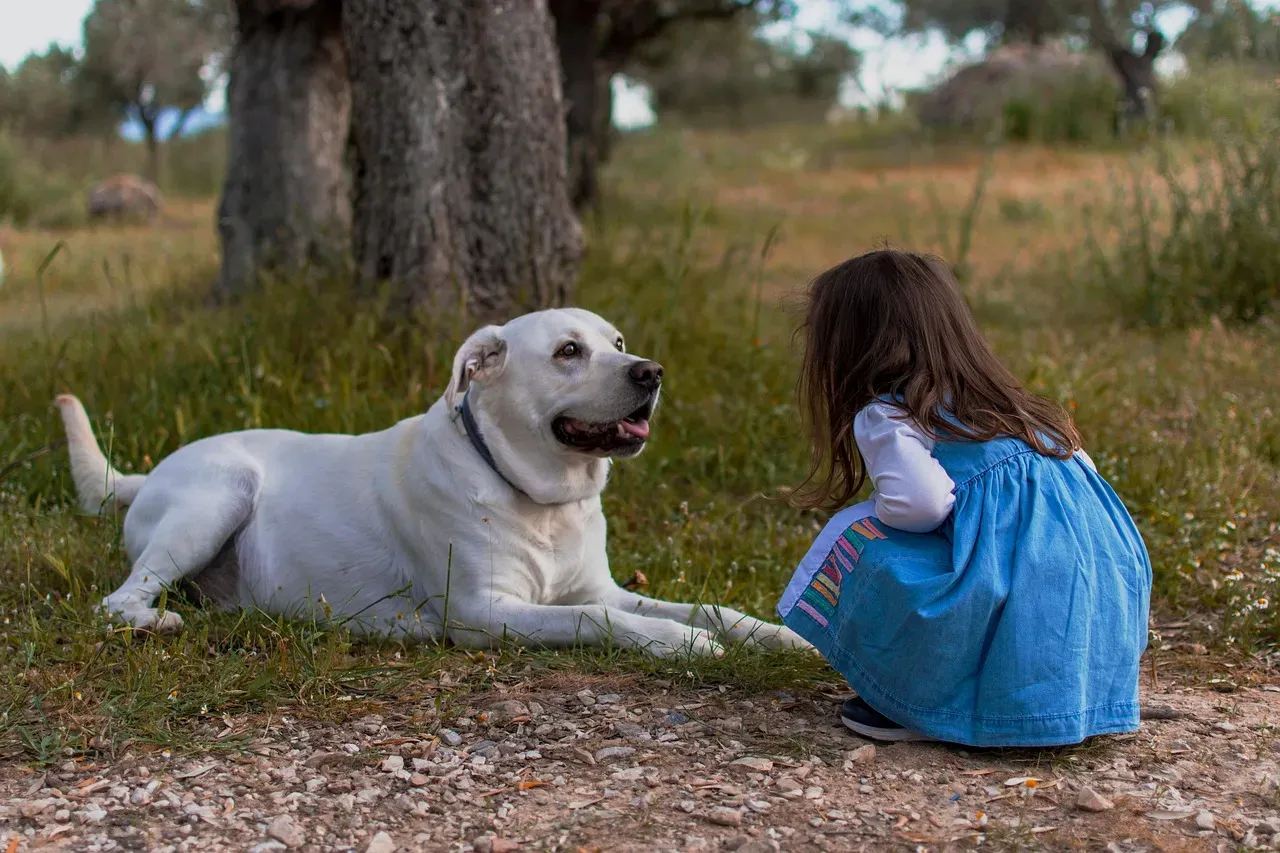
It happens at every dog park: a well-meaning owner pushing a visibly uncertain dog toward an unfamiliar group. If your dog avoids interaction with other dogs or people, do not force the issue. Respect their choice. Forcing your dog through situations that frighten them doesn’t build confidence. It builds distrust, toward the trigger and, over time, toward you.
Forcing your dog out of their den to interact with people, especially children, can be dangerous. Your dog, while normally gentle, might feel threatened enough to show aggression. Prevention is simple: watch your dog’s body language before and during any new interaction. Yawning, lip licking, turning away, or a tucked tail are all signals asking for space. Honor those signals the first time, not after things escalate.
14. Disappointment #4: Yelling, Punishment, and Harsh Corrections
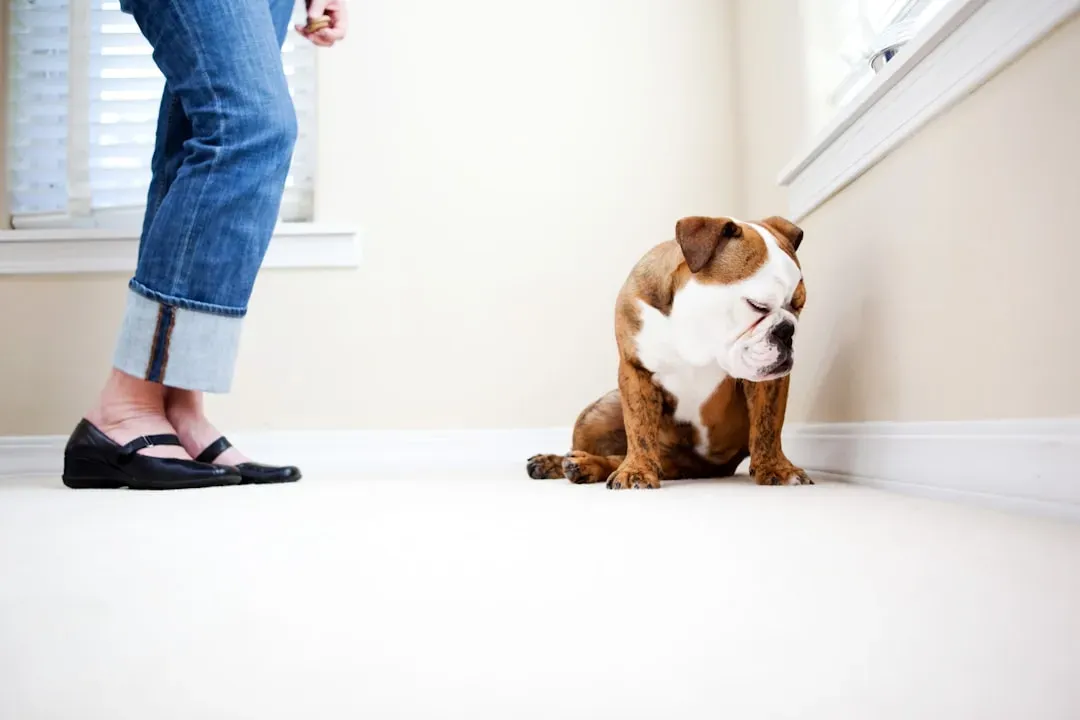
Avoid punishment or harsh corrections. These methods may suppress behavior in the short term, but they also teach fear and damage your relationship. Positive reinforcement teaches your pet that learning is safe and rewarding, which leads to faster, more reliable results. Many owners resort to yelling out of frustration, especially after repeated accidents or destructive behavior. It’s understandable. It’s also counterproductive.
The key factor to remember when addressing the situation is to seek ways to teach your dog how to cope and react without inadvertently punishing them for any misbehavior. Your dog may appear scared or guilty, especially when paired with destructive compulsive behavior. That “guilty” look? Research suggests it’s actually a fear response to your tone, not evidence that your dog knows what they did wrong. Calm redirection will always outperform punishment in the long run.
15. Disappointment #5: Skipping the Sniff, Rushing the Walk

A walk where your dog is yanked away from every interesting smell isn’t really a walk for them. It’s a march. Scent-based activities are a favorite among anxious dogs and help them focus and feel in control. The nose is your dog’s primary way of experiencing the world. Denying them the chance to use it fully is a bit like handing someone a book and then only letting them read every third line.
Try to avoid taking the same walking route every day. Let your dog experience a variety of environments, from sidewalks to dirt roads. This will provide your growing dog with much-needed mental stimulation. Changing routes, slowing down, and letting your dog lead occasionally transforms a routine walk into genuine enrichment. Your dog will come home more satisfied, calmer, and better bonded to you for simply letting them be a dog.
A Final Thought for Every Dog Owner
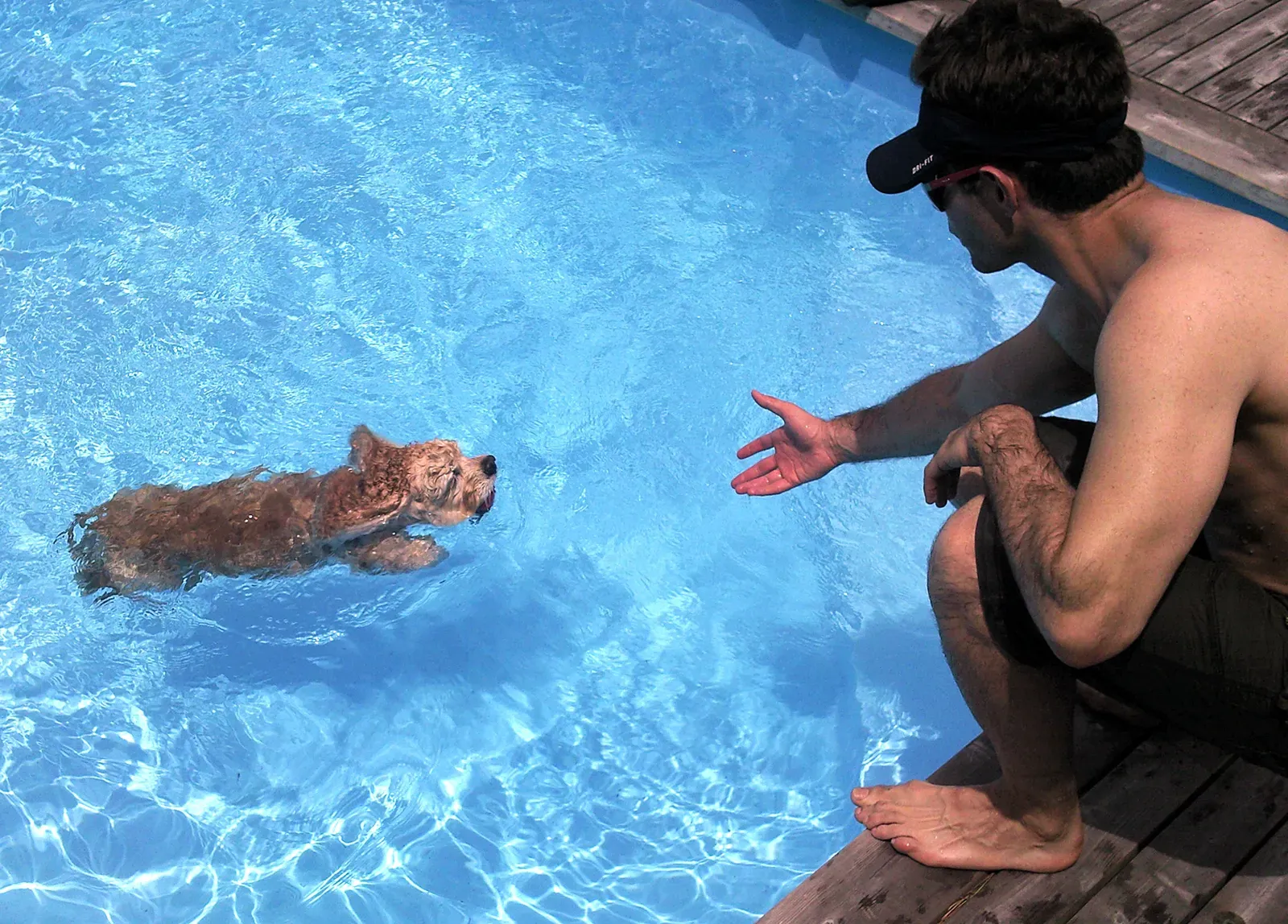
Dogs don’t ask for much. They need us to carve out time to meet their social needs instead of leaving them isolated for most of the day. Our dogs give us so much, and in return they don’t ask for much. Routine, affection, safety, and the chance to explore with their nose. That’s genuinely most of the list.
The gaps we’ve covered here aren’t indictments. They’re invitations. Every one of these areas is something any caring owner can improve, often with small, consistent shifts rather than dramatic overhauls. A well-socialized and mentally stimulated dog is easier to train and more enjoyable to be around, strengthening the relationship between pet parents and their furry companions. When you meet your dog’s real needs, you don’t just improve their life. You deepen something that, if you’ve experienced it, you already know is one of the most uncomplicated and honest relationships a person can have.
Pay attention to the signals. Adjust where you can. Your dog is already doing their part.


