
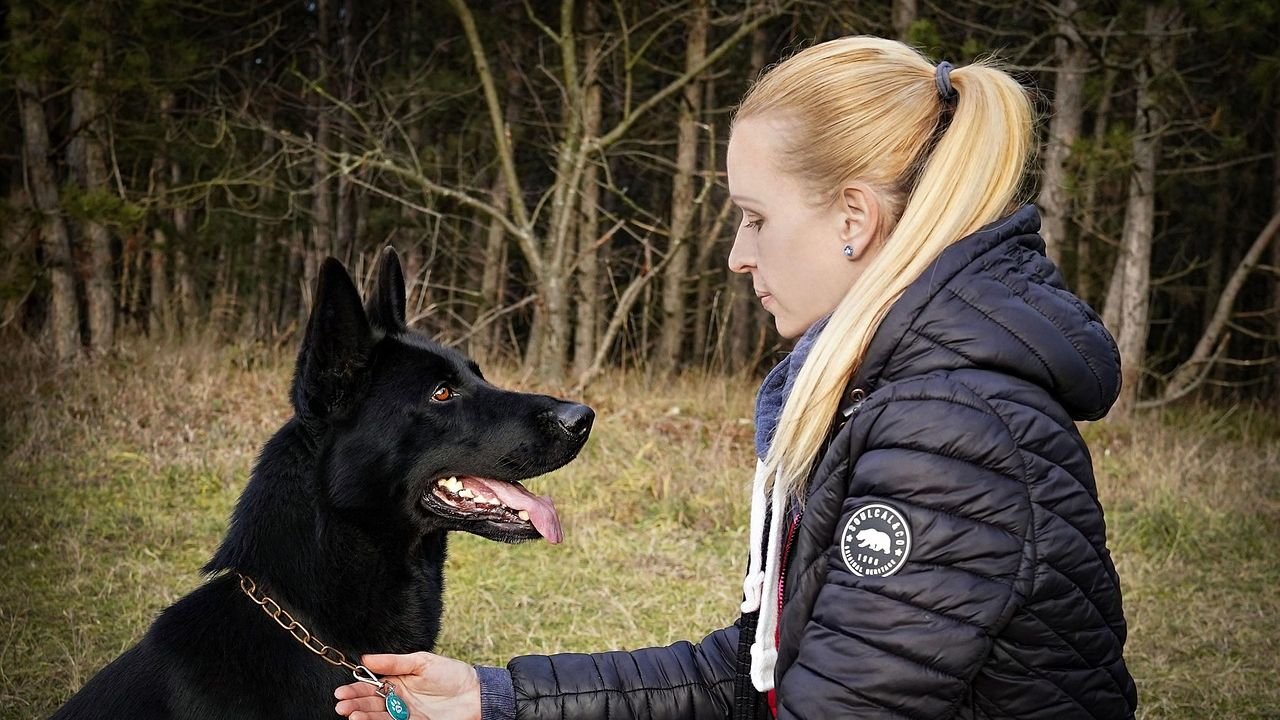
Pennsylvania’s forests are beautiful, dense, and alive with wildlife. They’re also home to one of the largest black bear populations on the entire East Coast. More than 16,000 black bears live in Pennsylvania, and there have been bear sightings in every Pennsylvania county, though most bears live in the northern and western parts of the state. If you live near the Poconos, the Allegheny highlands, or any forested stretch of the Keystone State, a bear encounter isn’t a matter of if. It’s a matter of when.
For dog owners, the stakes feel especially personal. Your dog is family, and the idea of a curious or startled black bear wandering into your yard is unsettling. Black bears usually run away when dogs chase them, and even the smallest breeds have scared black bears away. Still, knowing which breeds naturally command the most respect from wildlife can help you make a smarter, safer choice about the dog that shares your property. Here are ten breeds that bring real deterrent power to Pennsylvania bear country.
1. Karelian Bear Dog: The Gold Standard of Bear Deterrence
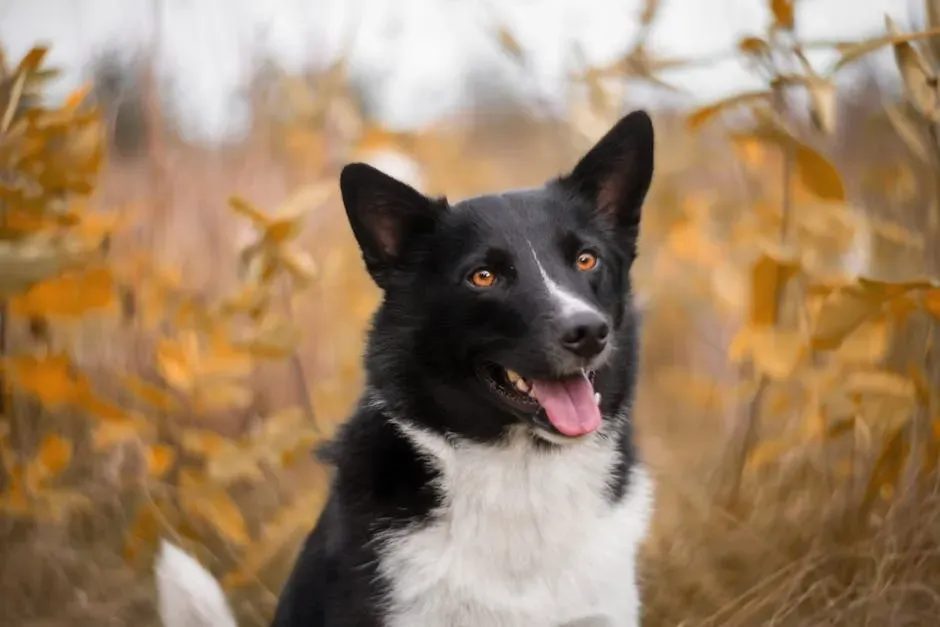
When wildlife agencies need to move bears away from human areas without harming them, there is one breed they call first. The most common breed of bear dog is the Karelian Bear Dog, a black-and-white working dog from the region between Finland and Russia called Karelia, originally intended as a big game hunting dog. Today, they’re used in an entirely different capacity.
In Washington State, where hunting bears with dogs is illegal, Karelian Bear Dogs are used as bear deterrents by the Department of Fish and Wildlife. Their technique is straightforward and highly effective. Karelian Bear Dogs are quick on their toes and don’t scare easily, traits that made them useful to hunters of large game like moose, boars, and bears. The dogs are more than 20 inches tall and weigh between 45 and 50 pounds, stocky, powerful, and stay low to the ground. If you live in bear-dense regions of Pennsylvania, this breed is your most purpose-built option.
2. Tibetan Mastiff: Ancient Guardian With a Commanding Presence
Originally, Tibetan Mastiffs were used to protect Buddhist monasteries and monks of Tibet from animals such as bears, wolves, and snow leopards. That heritage didn’t happen by accident. These dogs were shaped over thousands of years specifically to face down large predators at altitude, in the dark, and alone.
The Tibetan Mastiff is an ancient guardian with a thick, lion-like mane and a commanding presence, known for their independence and protective instincts that can deter even the fiercest predators. Males weigh between 90 to 160 pounds, and their size alone can be a deterrent to potential threats, making them excellent protectors for homes and livestock. For Pennsylvania dog owners with rural acreage, this breed brings a built-in alarm system with thousands of years of refinement behind it. Keep in mind they need firm, consistent training from puppyhood and don’t thrive being left isolated.
3. Great Pyrenees: The Gentle Mountain Giant
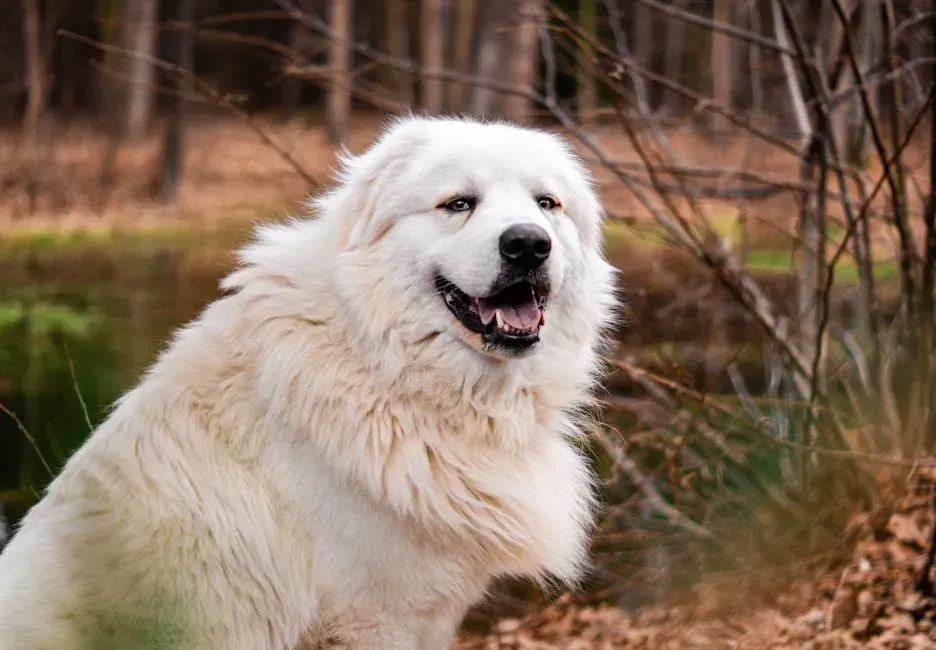
Bred to guard livestock in the rugged Pyrenees mountains, the Great Pyrenees is a natural protector against large predators, with a thick coat, immense strength, and a fearless nature that makes them formidable guardians. They’ve been performing this job for centuries without much fanfare, which is part of what makes them so reliable.
Modern Great Pyrenees continue their ancient role as livestock guardians on ranches worldwide, with their independent nature and natural protective instincts allowing them to work with minimal human direction, deterring predators through their imposing presence, and weighing between 85 and 115 pounds with a thick, weather-resistant white coat. Training involves conditioning them to recognize bear scents and respond with loud barking and defensive posturing, and their calm yet assertive demeanor ensures they remain in control of a situation without unnecessary aggression. For Pennsylvania families with farms, chickens, or just wide open yards, a Great Pyrenees is an incredibly steady choice.
4. Akita: Japan’s Bear Hunter in a Family Dog’s Body
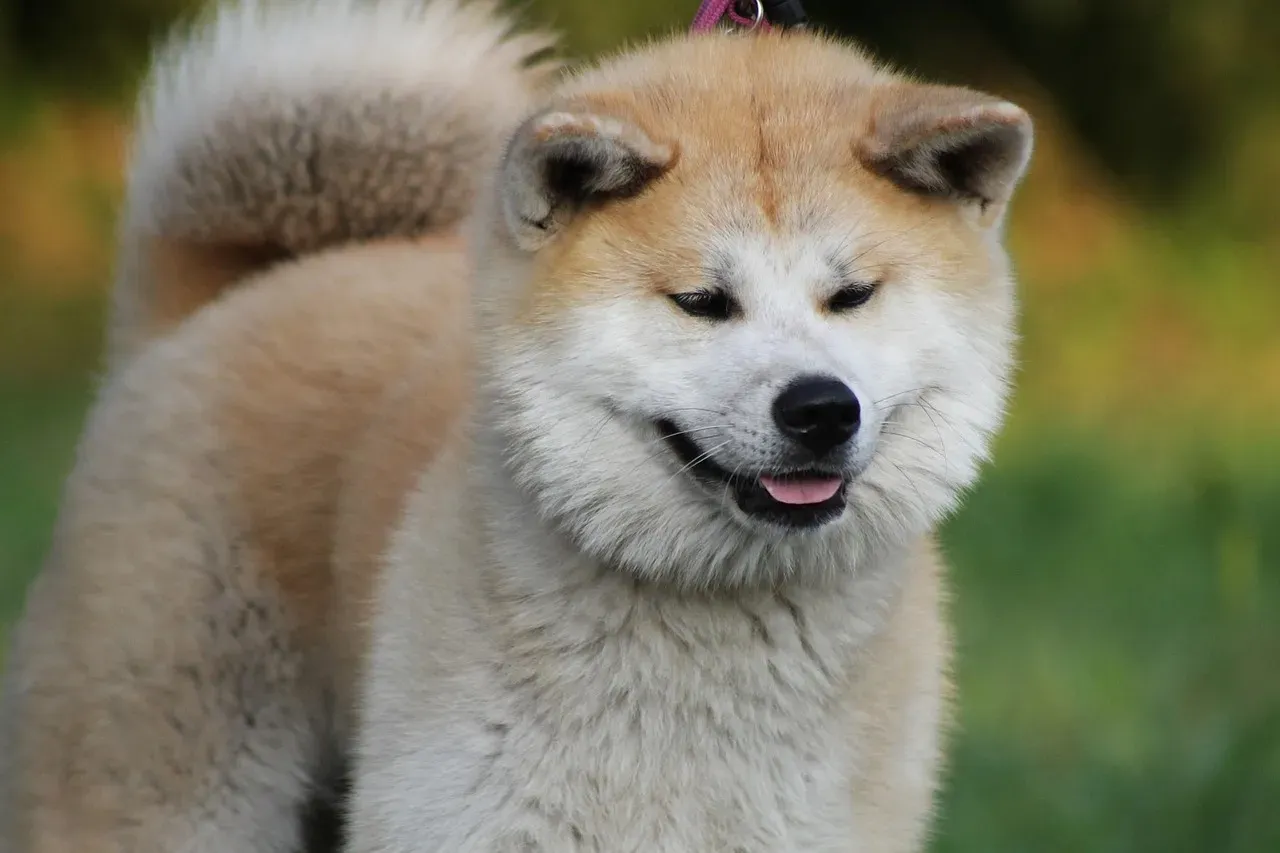
Akitas boast a storied past, initially bred for hunting large game such as bears, boars, and deer in Japan, named after the Akita Prefecture where they were first bred, and have been esteemed companions of Japanese nobility for centuries, prized not only for their hunting prowess but also for their loyalty and protective nature. That history translates directly to bear country usefulness today.
The Akita is known for its courage and strong protective instincts, and their tenacious nature and imposing size are assets for anyone facing the possibility of a bear encounter, with their loyalty and alertness making them devoted protectors. Their thick double coat provides protection from harsh weather, and their imposing stance makes them a strong deterrent to bears. Akitas are deeply bonded to their family, which means they take the safety of their home territory very seriously. Early socialization is essential, though, as this breed can be reserved and even territorial with strangers.
5. Caucasian Shepherd Dog: The Bear’s Worst Nightmare
Few dogs on earth inspire the kind of pause that a Caucasian Shepherd does. The Caucasian Shepherd Dog is a massive, long-haired dog that can easily break the 200-pound mark, bred to protect sheep flocks and homes from predator attack, and is an absolute terror when facing down other predators. In Pennsylvania’s wooded terrain, that presence alone does most of the work.
Known for their massive size and fearlessness, Caucasian Shepherds have been used to guard livestock against predators like wolves and bears in the Caucasus region, and their dense fur and formidable presence can deter larger threats, while their unwavering loyalty ensures they won’t retreat in the face of danger. This breed isn’t for first-time dog owners. They’re powerful, independent-minded, and require an owner who can provide calm, structured leadership. In the right hands, though, they’re extraordinary.
6. Plott Hound: Pennsylvania’s Wilderness Tracker
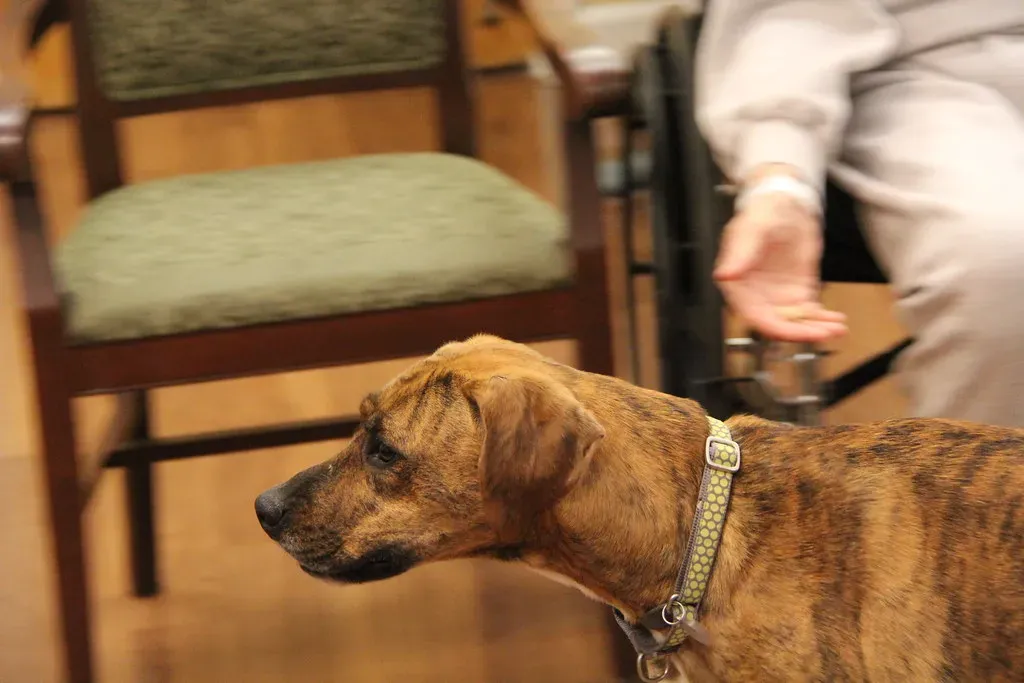
The Plott Hound is a large scent hound, originally bred for hunting bears. Developed by the Plott family in North Carolina, this breed is renowned for exceptional tracking and treeing abilities, particularly in pursuit of large game such as boars and bears, with a strong and muscular build well-suited for endurance and agility in rugged terrains. Their whole genetic purpose is to find bears and not back down from them.
The Plott Hound is a rugged, relentless hunting dog who is a mellow gentleman at home but fearless, implacable, and bold at work. Plotts are more likely to attack than just tree or bay up, are pretty fearless, and were specifically bred for it, making them very good at their job. Pennsylvania’s forested terrain in the north-central counties is practically Plott country. These dogs are athletic and need room to run, but for homeowners and hunters living where bear activity is heavy, they’re an outstanding and naturally suited choice.
7. Anatolian Shepherd: The Silent Sentinel
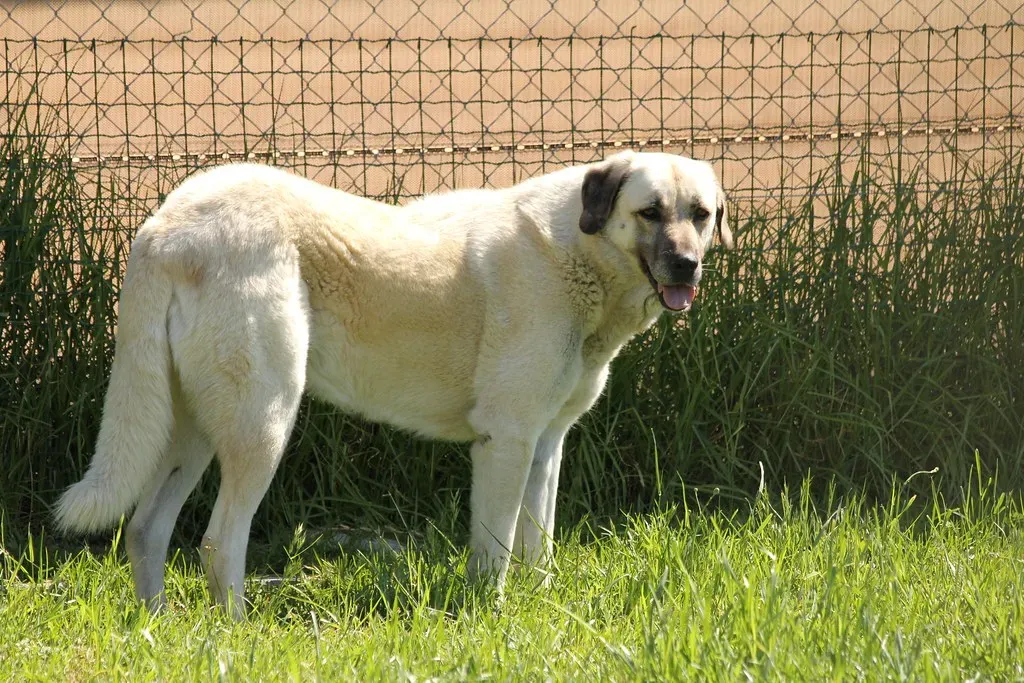
A fearless guardian from Turkey, the Anatolian Shepherd is bred for fending off predators, with endurance, strength, and intelligence that make them ideal bear deterrents. Unlike some breeds that bark loudly and often, Anatolian Shepherds tend to observe and assess before acting, which makes them strategic rather than reactive.
Their training includes livestock guarding techniques and exposure to bear encounters to build confidence in defensive situations, and they rely on their intelligence and natural instincts to outmaneuver large threats. The Kangal’s close relative, the Anatolian, is renowned for impressive strength and agility, traits that make it an effective guardian against predators, originating from Turkey where these dogs have been bred for centuries to protect livestock. They do best with plenty of space and a clear job to do. If your Pennsylvania property backs up to woods, this breed will patrol that perimeter with quiet authority.
8. German Shepherd: Loyal, Alert, and Always Ready
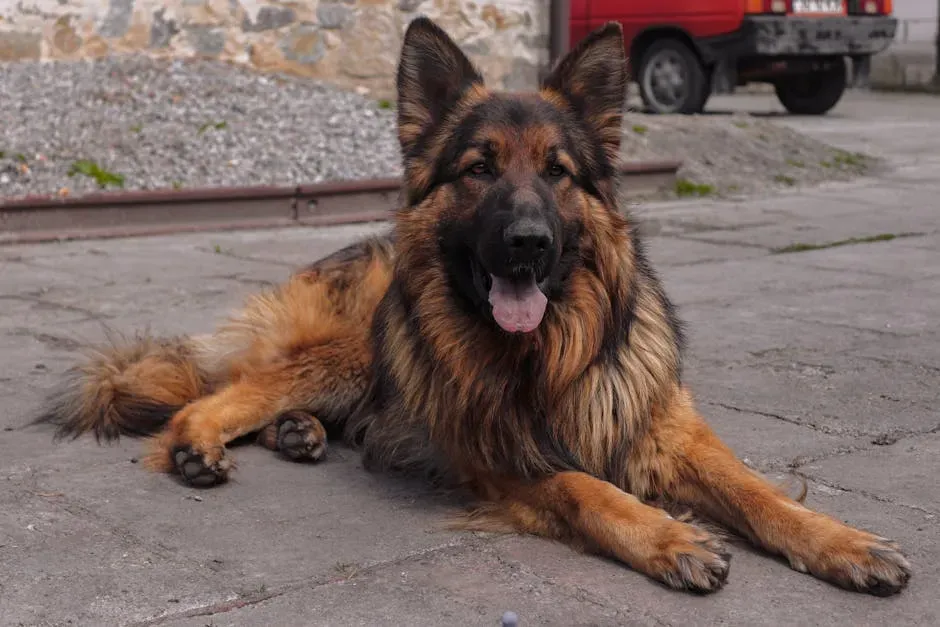
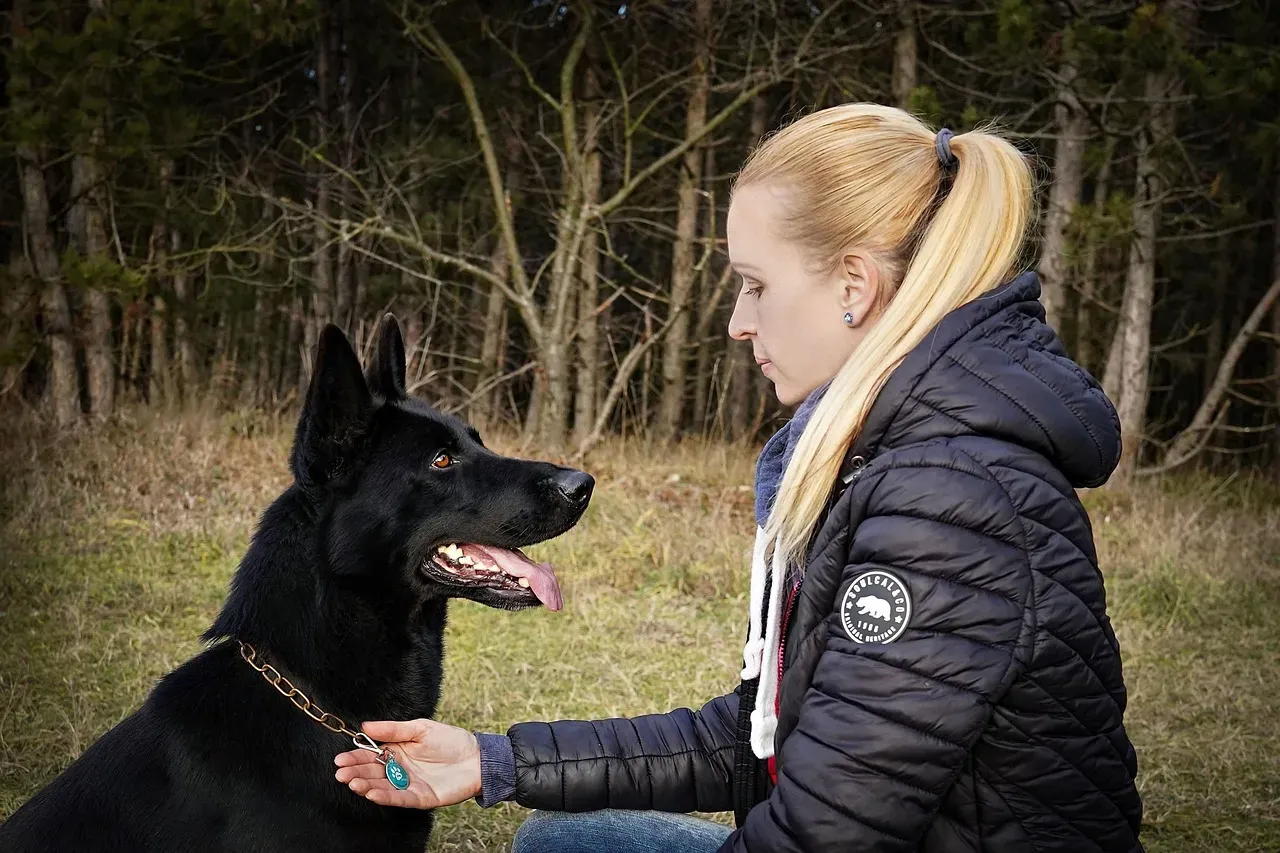
The German Shepherd might be the most versatile working dog on the planet, and that versatility extends to wildlife deterrence. German Shepherds are known for their intelligence, loyalty, and strong protective instincts. In bear country, those qualities add up fast. Their sharp alertness means they’ll detect a bear’s presence before you even know it’s there.
German Shepherds are among the well-known protective breeds that can serve as a good deterrent against an aggressive bear. They’re quick, loud when it matters, and deeply tuned in to their human family’s safety. Unlike some of the more livestock-focused breeds on this list, German Shepherds also excel inside the home as family companions, which makes them one of the most balanced options for Pennsylvania dog owners who want both a devoted pet and a reliable alert dog. Consistent obedience training keeps them sharp and manageable.
9. Kangal: The Strongest Guardian on the List
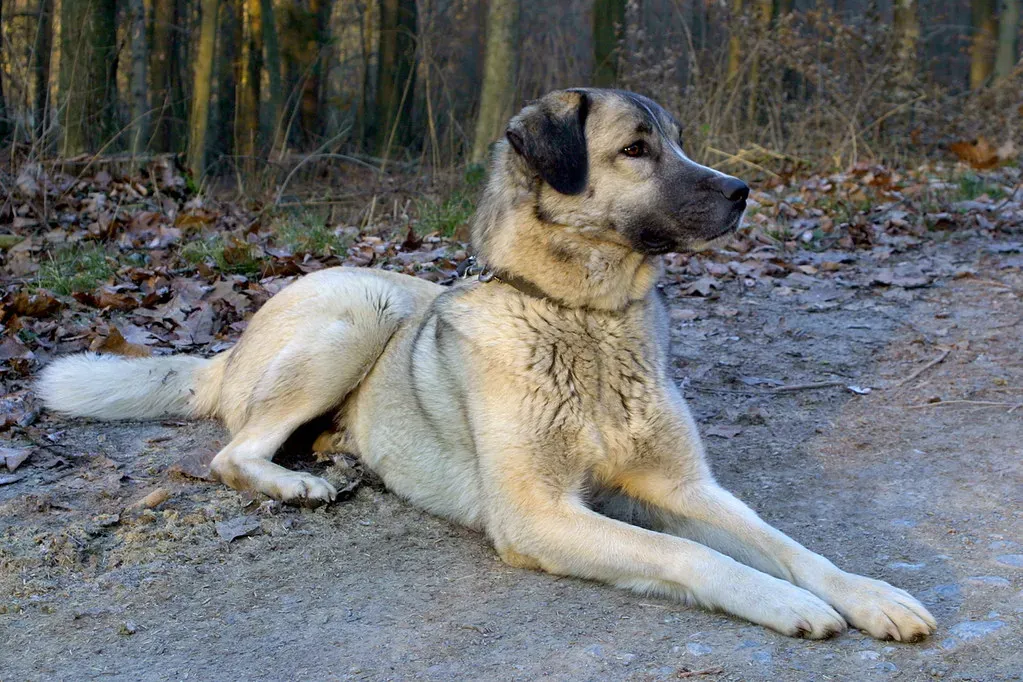
The Kangal takes top ranking for its incredible strength, loyalty, and fearlessness, with one of the strongest bite forces of any breed, making these Turkish guardians natural bear deterrents. That bite force is rarely used outright. Instead, the Kangal’s sheer imposing presence is usually enough to send most wildlife in the opposite direction.
The Kangal is renowned for its impressive strength and agility, traits that make it an effective guardian against predators, originating from Turkey where these dogs have been bred for centuries to protect livestock, making them naturally inclined to guard against bears and other threats in the wild. Kangals are trained with situational awareness drills, endurance exercises, and reinforced guarding techniques, and their imposing stature and strategic intelligence make them formidable in bear defense. For Pennsylvania families with livestock, horses, or large properties adjacent to state forest land, a Kangal is one of the most effective guardian dogs you can own.
10. Alaskan Malamute: Strength, Instinct, and Wild Awareness
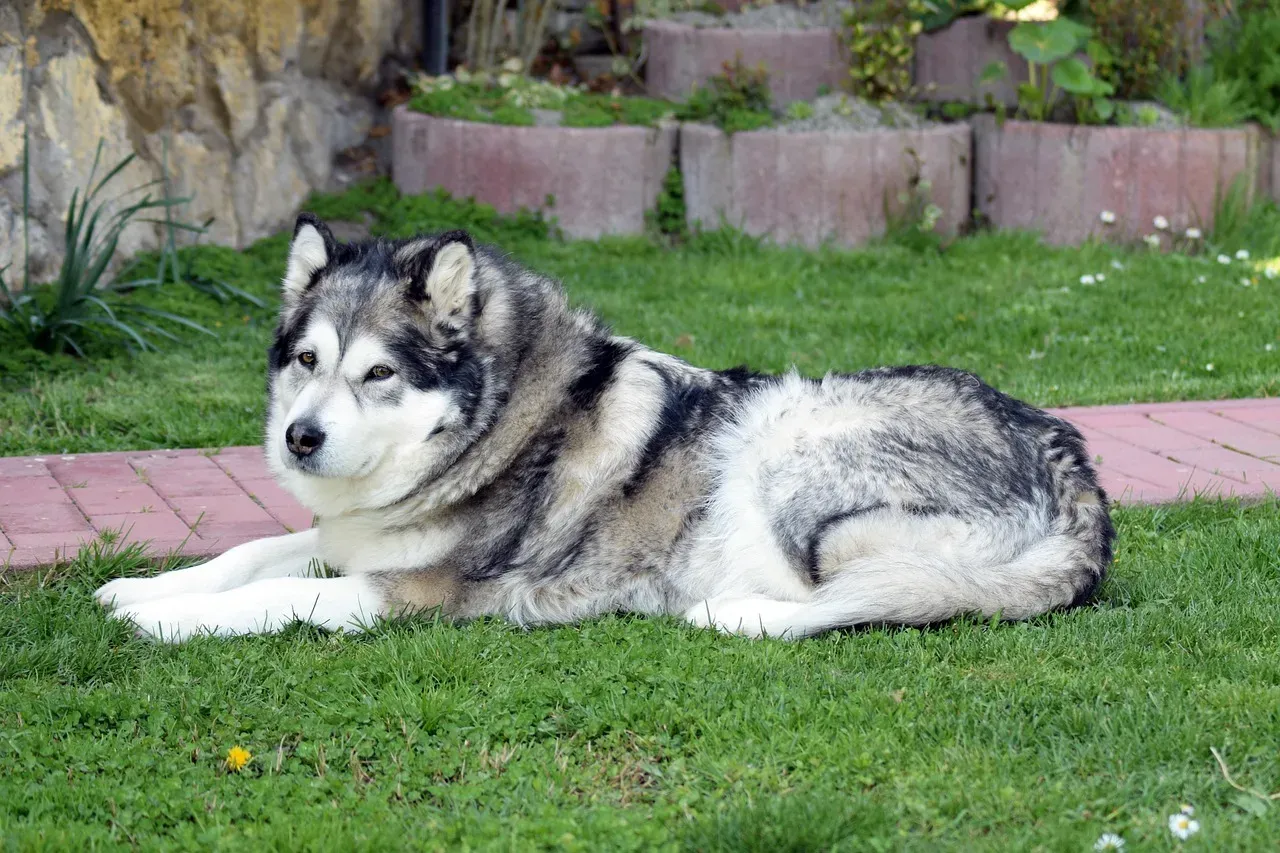
Alaskan Malamutes are ancient Arctic sled dogs known for their endurance, strength, and pack mentality, and historically used for pulling heavy loads through harsh conditions, these dogs have a strong prey drive and an independent nature, making them excellent deterrents against wildlife, including bears. They’re not a breed that was softened down over generations of indoor living.
Though typically associated with sledding, Alaskan Malamutes are also known for their strength and endurance, with their wolf-like appearance and instincts making them formidable against larger predators, and they thrive in cold climates and can be invaluable on wilderness treks in bear country. Their powerful vocal presence adds another layer of deterrence. A Malamute’s howl at midnight carries a long way through Pennsylvania woods, and that sound alone is enough to make a foraging bear rethink its dinner plans. Be prepared for a dog that needs substantial daily exercise and mental stimulation to stay balanced.
Important Safety Notes Every Pennsylvania Dog Owner Should Know
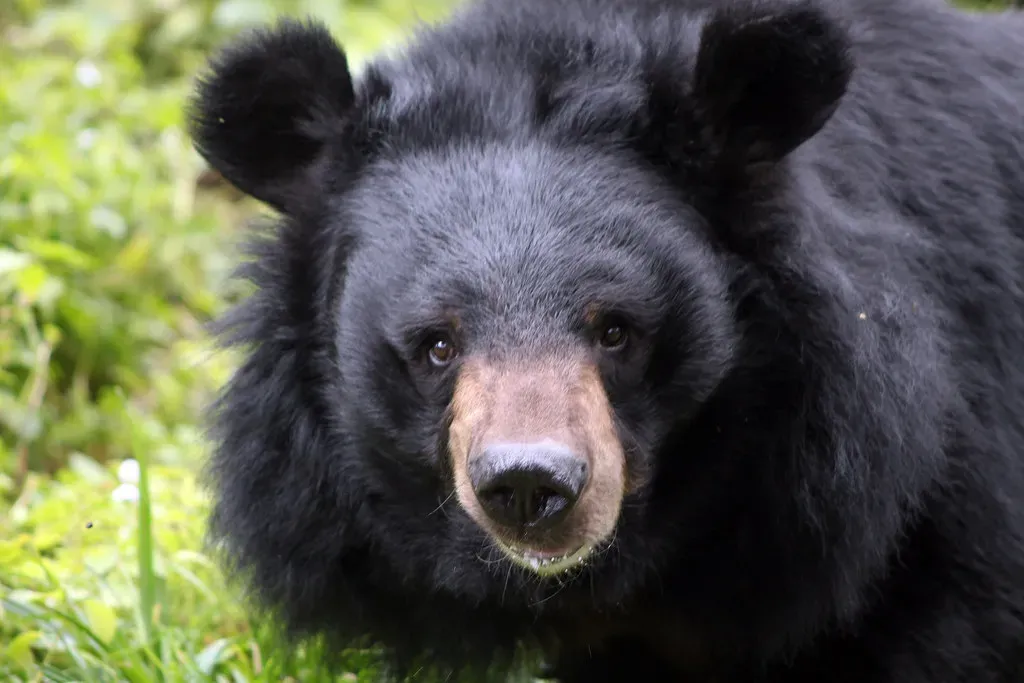
These breeds can deter bears, but no dog is a guaranteed shield. Bears don’t like noise, so it’s more the barking that chases them away than any actual fear of the dog, and a single dog without backup has little chance against a determined black bear. Understanding this distinction matters enormously for your dog’s safety.
BearWise reports that dogs were involved in more than half of the confrontations between humans and black bears during a recent five-year period, and almost half of the dogs involved were injured or killed, while a significant portion of their human companions were also wounded. That statistic isn’t meant to scare you. It’s meant to inform you. Bears tend to ignore fenced-in or tethered-up dogs, as they recognize the dog doesn’t pose a threat. A free-roaming, confident, and well-trained dog is a far more effective deterrent than one confined to a tie-out.
Keep in mind that bears are opportunists, and if something smells or looks like food, they will go for it, regardless of whether you intended it for your dog, the birds, or a barbecue. Avoid keeping any food in your yard, keep trash and compost in sealed, airtight containers, and never leave pet food unattended outdoors. These simple habits reduce the reason a bear has to visit your property in the first place, which is the best prevention of all.
Conclusion: The Right Dog for Bear Country Is More Than Just Brave
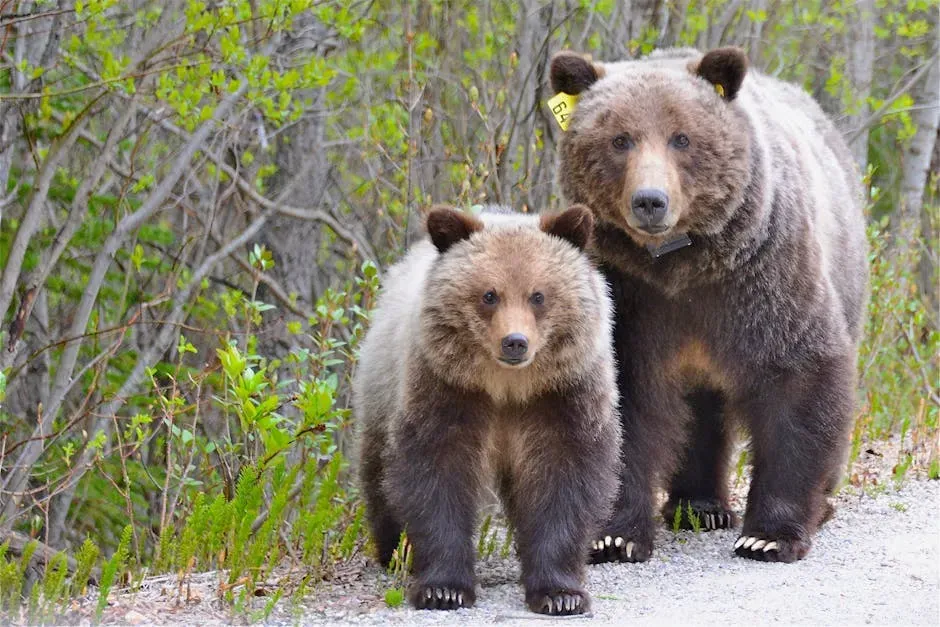
Living in Pennsylvania with black bears as neighbors is a reality thousands of dog owners navigate every single day. The ten breeds covered in this article each bring real, documented deterrent qualities to that challenge, whether through their size, their voice, their ancestry, or their instincts. From the purpose-built Karelian Bear Dog to the ancient Tibetan Mastiff and the hard-nosed Plott Hound, there’s a breed here for nearly every lifestyle and property type.
What matters most, though, isn’t just the breed you choose. It’s how well that dog is trained, how well your property is managed, and how seriously you take coexistence with local wildlife. Bear attacks are rare, according to the Pennsylvania Game Commission. A bold dog combined with smart habits around food, garbage, and property boundaries puts the odds firmly in your favor.
The best bear deterrent is a confident, well-loved dog that knows its family and knows its territory. Give your dog that foundation, and you’ll both be safer for it.


