
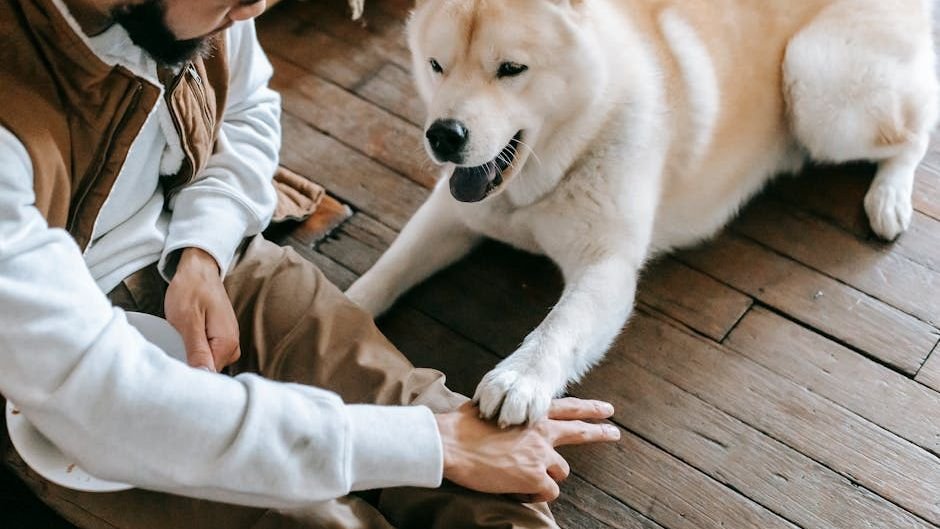
You know that look your dog gives you – head tilted, eyes wide, slightly uncertain, like they’re trying to solve an equation you didn’t know you’d assigned? Most of us chalk it up to cuteness. The truth is, your dog might genuinely be confused, and not by anything exotic. The culprit is usually something you do every single day without a second thought.
Dogs are extraordinary at reading humans. They have the ability to read human body language and feel that our movements and gestures contain important cues as to what will happen next in their world. Yet for all that sensitivity, the gap between what we mean and what our dogs actually understand is wider than most of us realize. Here are twelve things that are quietly scrambling your dog’s signals – and what you can do about it.
1. Direct, Sustained Eye Contact

Locking eyes with your dog might feel like a bonding moment to you. To your dog, though, it reads very differently. In a dog’s world, direct eye contact is a challenge or a threat, while looking away is a sign of deference or respect. That stare you’re holding might be unintentionally making your dog feel pressured, not loved.
Dogs will look directly at us if they trust us and feel at ease, but they will frequently turn their head or look away to show they are being non-confrontational. Prolonged periods of eye contact can make a dog feel really worried. A soft, gentle glance is far more reassuring than a long, unbroken gaze. When approaching a dog you don’t know, or if your own dog seems wary of you, try looking off to the side or over the head instead of directly into the dog’s eyes. If the dog seems comfortable with you, try making brief, soft eye contact and see how she reacts. If her body language stays soft and she continues to approach you, she is probably comfortable with at least some eye contact.
2. Hugging Your Dog
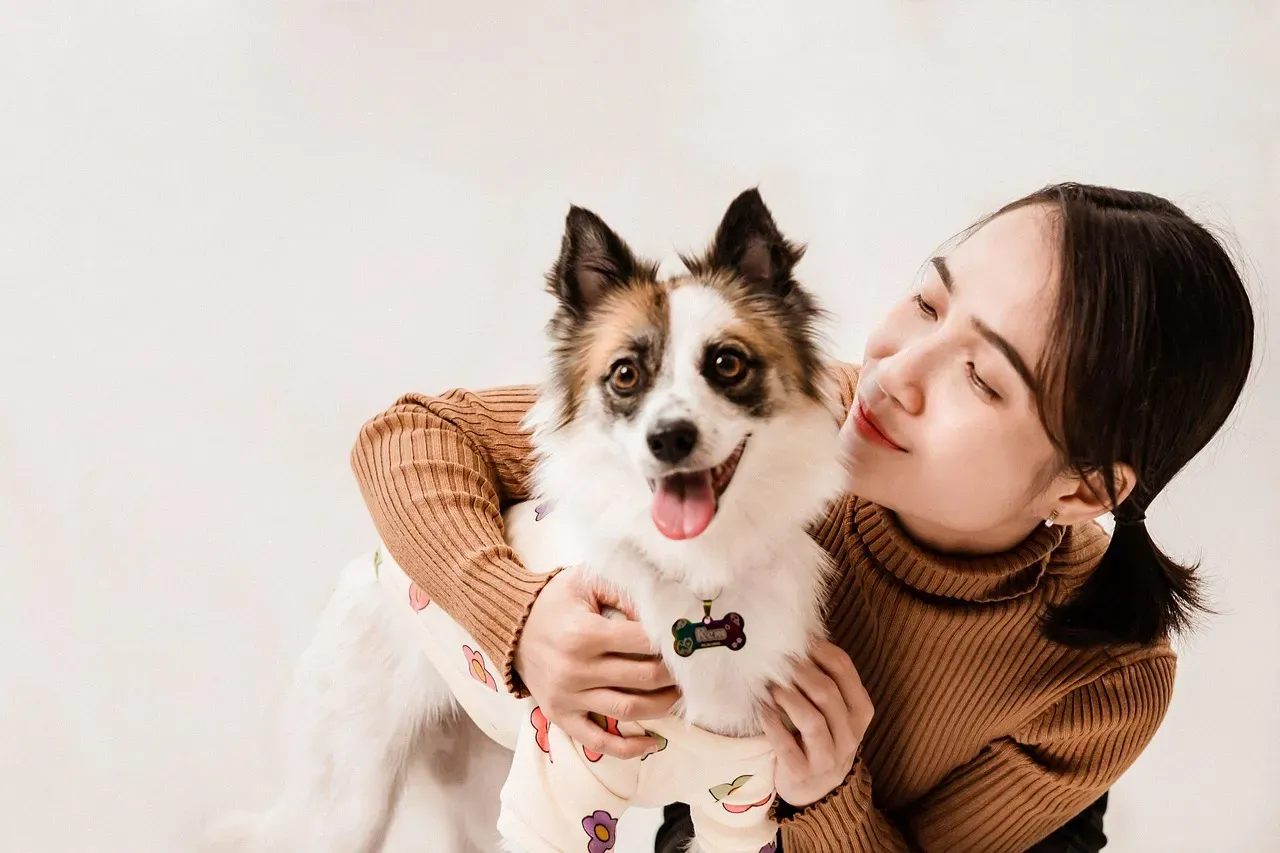
For humans, a hug is warmth and affection wrapped in two arms. For many dogs, it’s something else entirely. Showing affection through hugging is second nature to people, but not all dogs like hugs. Some dogs will cuddle up to us but only in their own way, often one which is less restrictive for them. The restraint of a hug can actually feel threatening to a dog who hasn’t been taught to enjoy it.
If your dog leans into the hugs with a relaxed body and soft expression, you’re on solid ground. If you see your dog ducking, looking away, leaning away, tensing up, or offering other distance-increasing signals, you might want to rethink your hugging program. Watch for those subtle cues. A high number of stress behaviors can occur due to misunderstanding of the information a dog is communicating during human-dog play, petting, and hugging behavior. When in doubt, let your dog choose the closeness.
3. Inconsistent Commands and Changing Rules

This one catches almost every dog owner off guard. Dogs thrive on routine, predictability, and clear communication. Unlike humans, they don’t understand language in complex ways, but they do recognize patterns of behavior, tone, and repetition. The moment those patterns become unpredictable, your dog is left in a fog.
Inconsistent rules can stress a dog. If one person in a household invites a dog onto the furniture and another tells the dog they are not allowed on the furniture, this is confusing for the dog. The same applies to commands. Saying “down” one day and “lie down” the next can confuse your dog. Pick a word, stick with it, and make sure everyone in the household uses the same language. Your dog is counting on that predictability to feel safe.
4. Delayed Rewards and Punishments
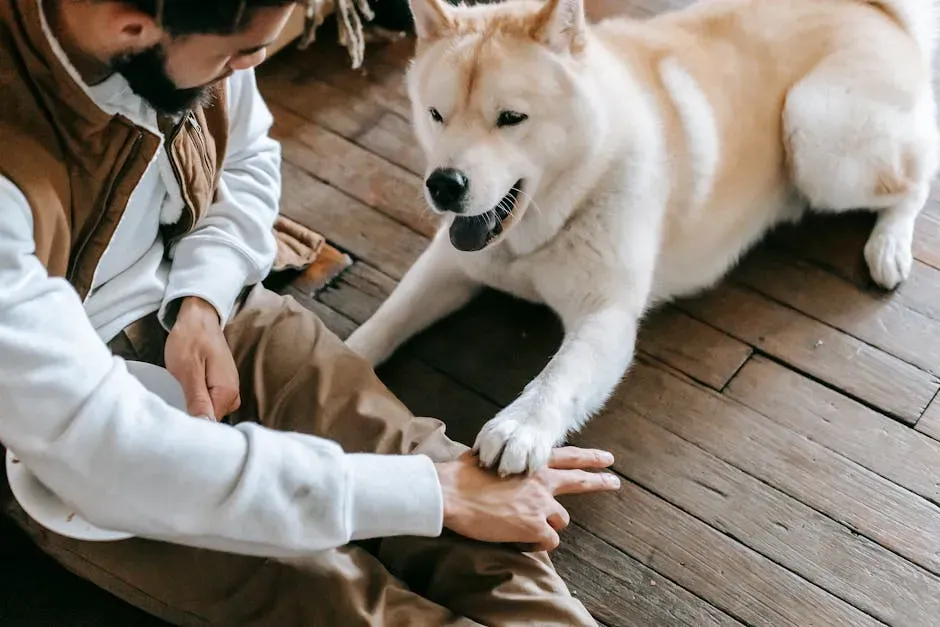
Timing matters far more in dog training than most people realize. Dogs associate the consequences of their actions with the most immediate action that they can recall. For this reason, a lot of dogs begin to confuse commands when they are punished or rewarded too late after committing the act. Coming home to find a chewed cushion and then scolding your dog is, from your dog’s perspective, completely baffling.
Timing is everything in reward-based training. A reward must be given immediately after the desired behavior to create a clear connection in the dog’s mind. Delayed rewards confuse dogs and can inadvertently reinforce the wrong behavior. If you missed the moment, let it go. Reacting minutes later teaches nothing useful and can genuinely shake your dog’s sense of trust in you.
5. Mixed Signals from Your Tone and Body Language
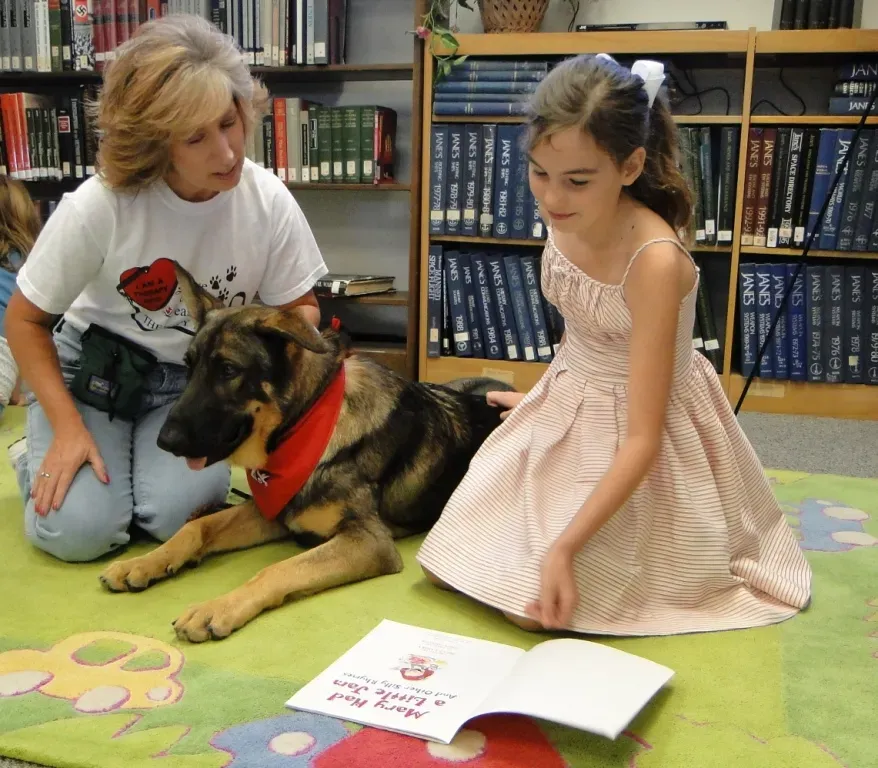
Dogs are reading your whole package – not just your words. Dogs arguably get more from our tone and body language than our actual words. They observe our physical clues to determine what we want them to do or not do. They watch our facial expressions, posture, and body movements. They listen to the tone of our voice. They combine all these observations to determine our meaning. When those signals don’t match, your dog catches the contradiction.
Imagine saying “good dog” in a flat, irritated voice after your dog finally comes to you after three calls. The word is positive; the tone is not. If your body language is unintentionally intimidating, erratic, or contradicts the cues you are trying to give, the result can be a very confused, uncertain, frightened, or aggressive dog. The fix is simpler than it sounds – breathe, relax your posture, and let your mood match your message before you speak.
6. The “Guilty Face” Misunderstanding

Few things feel more satisfying than catching your dog in the act and watching them offer that classic guilty look – ears back, tail low, eyes averted. It’s compelling. It’s also almost certainly not guilt. Submissive or appeasement signals are often misinterpreted by owners as indicative of “guilt” following an undesirable behavior. In truth, dogs that display submissive postures towards their owners are likely responding to discernible human body language or past association with punishment, and are attempting to lessen predictable forthcoming punishment based on previous experience.
Your dog isn’t confessing. They’re reading your tense posture and responding accordingly. When you yell at your dog for doing something bad and she makes that guilty face, is it really because she is guilty, or is it because she is scared you are going to reprimand her more? Taking an extra second or two to focus on your dog’s behaviors, knowing that you need to overcome a bias to view the situation around the dog rather than the dog himself, can go a long way in getting a true read on your own dog’s emotional state. Understanding this distinction isn’t just interesting – it protects your relationship.
7. Approaching Dogs Head-On
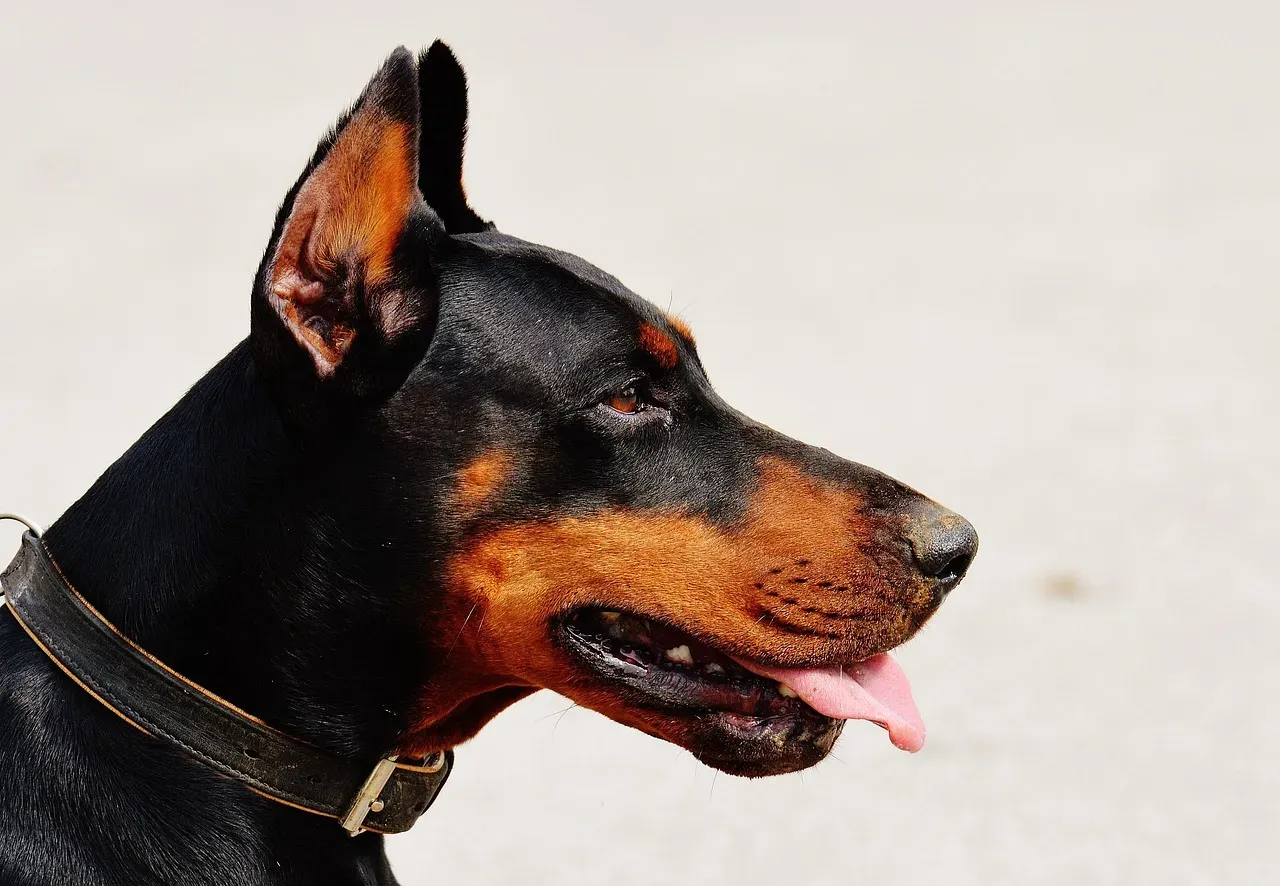
The way humans greet each other – walking straight up, making eye contact, extending a hand – is almost precisely the opposite of how dogs prefer to be approached. Another greeting behavior that can make a dog nervous is approaching them head-on or leaning over them. It’s normal for humans to stand facing each other, and we like to walk straight up to each other. For our canine pals, this can be too much too soon. Even your own dog can find this posture unsettling if they’re already anxious or wary.
When you approach a dog, turn slightly to the side to appear less threatening; you can even crouch down to be at their level to encourage them to come closer to greet. The best piece of advice for interacting with a dog is allowing them to approach you in their own time. It feels counterintuitive, but stepping back and letting your dog come to you is one of the most trust-building things you can do.
8. Yawning at the Wrong Moment

You yawn when you’re tired. Your dog yawns for a completely different set of reasons, and when you yawn at them, they might be reading it as a signal you didn’t intend to send. Consider yawning. People yawn when they’re tired or bored, but dogs yawn when they’re stressed. According to Turid Rugaas, author of “On Talking Terms With Dogs: Calming Signals,” dogs use yawning to calm themselves in tense situations and to calm others, including their owners.
So when you yawn broadly during a training session or tense moment, your dog might interpret it as a calming signal directed at them – which can actually disrupt focus or reinforce the idea that the situation is stressful. Lip-licking is another bit of dog body language that people often misinterpret. Just like people, dogs will lick their lips after a delicious meal, but they’ll also do it when they feel anxious. Sometimes the tongue flick is so quick it’s tricky to notice. Your dog isn’t signaling a desire to lick your face. Rather, it’s a sign of discomfort with a given situation. Learning these signals makes you a much better communicator.
9. Leash Tension That Travels Through Your Hands

Your dog feels everything on that leash – including your anxiety. When walking your dog, non-verbal signals can be transferred down through the lead, usually without you realising – they will sense any tension you feel in your grip. If you’re dreading an encounter with another dog up ahead and your grip tightens, your dog picks that up instantly and may react before you’ve done anything at all.
It’s normal to worry sometimes about things like your dog greeting another dog. However, the more tense you are, the more anxious your four-legged friend is likely to become. A loose leash signals safety. A tight leash, even when well-intentioned, can set the stage for reactivity. You can reassure your dog with your body language that the new person or situation isn’t something to worry about by staying calm and keeping the leash loose. It takes practice, but it’s one of the most powerful things you can learn as a dog owner.
10. Punishing the Wrong Behavior at the Wrong Time
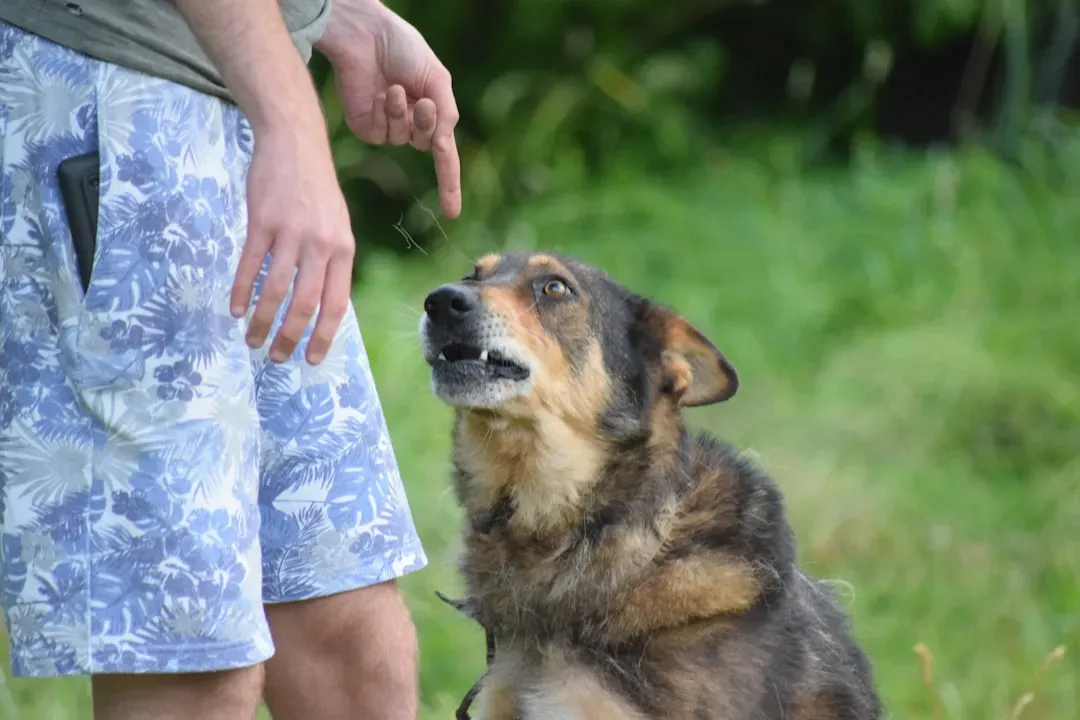
Dogs do not purposefully disobey commands, despite what it may seem in the moment. More often than not, they are confused as to what you are asking them to do, or too overwhelmed or distracted to process the commands that you are giving. What looks like defiance is usually confusion or overstimulation. Punishing your dog in that state doesn’t teach – it just adds stress to an already foggy situation.
Punishment almost always actually makes the dog’s insecurity even worse while decreasing the dog’s ability to learn. Studies have shown that positive, rewards-based training is more effective and reduces the likelihood of aggressive behaviors compared to punitive training methods. Dogs taught with positive methods show fewer stress signals, show a better bond with their owner, and tend to respond more quickly to cues or commands. If your dog is struggling to understand something, the answer is rarely more pressure – it’s clearer, calmer, and more consistent guidance.
11. Assuming Your Dog Shares Your Emotional Reality

We love our dogs so deeply that it’s natural to assume they experience the world the way we do. That assumption, while warm, can quietly create real confusion. People were not judging a dog’s emotions based on the dog’s behavior, but on the situation the dog was in. Further complicating the communication process is people’s projection of their emotions onto the dog. Research from ASU confirmed this pattern strikingly: we often read the context of a situation rather than the dog’s actual signals.
Adding to the misunderstanding is a human projection of their feelings onto the dog. This “anthropomorphizing” of the interaction further clouds truly understanding what your dog’s emotional state actually may be, and what she is trying to tell you. Your dog isn’t sulking because you left for an hour or ecstatic because it’s Friday. Every dog’s personality, and thus their emotional expressions, are unique to that dog. Really pay attention to your own dog’s cues and behaviors – not the story you’re projecting onto them.
12. Lack of Mental Stimulation Disguised as “Bad Behavior”
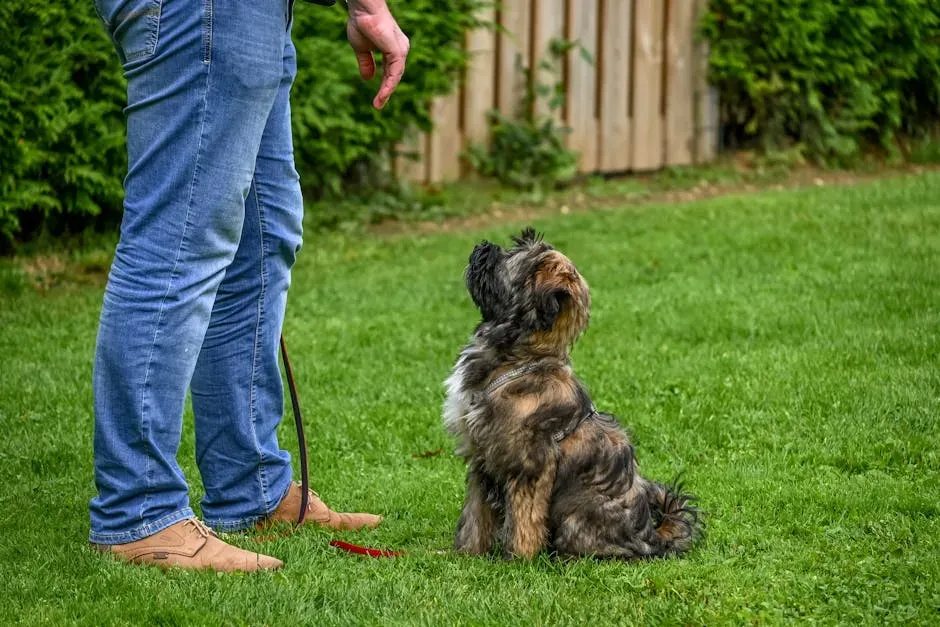
A dog who digs up the garden, barks incessantly, or chews through your belongings isn’t being naughty. They’re bored – and boredom in a dog is genuinely uncomfortable. Many pets do not get enough daily activity for their breed or age. Physical exercise is important, but mental stimulation can’t be overlooked. Dogs who lack both often display hyperactivity, restlessness, or problem behaviors to release pent-up energy. What looks like misbehavior is often just an unmet need.
Trained dogs are generally happier. Training provides structure and mental stimulation and strengthens the bond between the dog and its owner. It reduces confusion and stress, as dogs understand what is expected of them. Puzzle feeders, short training sessions, and new scent experiences can go a long way. Addressing behavior issues requires structure, consistency, and a focus on reward-based training. Punishment isn’t necessary – and often makes things worse. A better approach starts with identifying triggers, using calm reinforcement, and keeping routines predictable. Meeting that mental need regularly changes the whole dynamic.
Conclusion: Confusion Is Fixable – One Signal at a Time
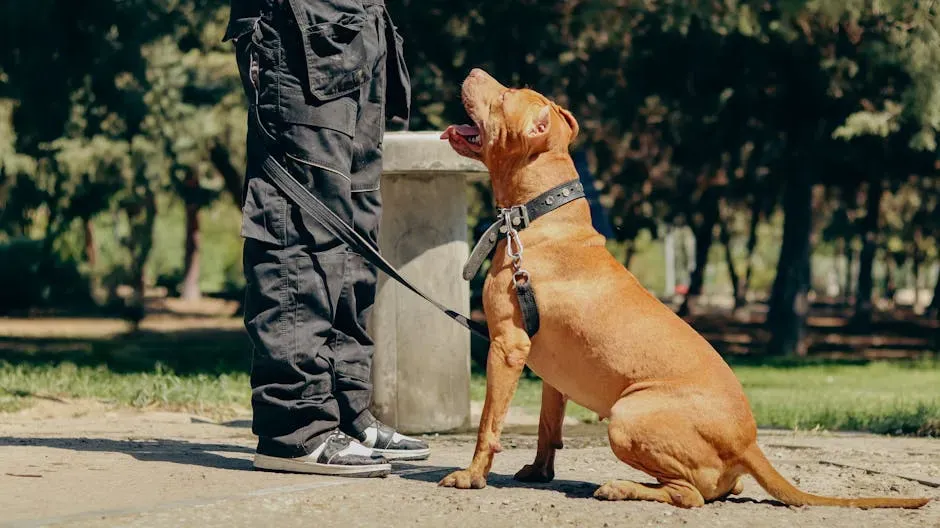
The beautiful thing about all twelve of these sources of confusion is that none of them require expensive equipment, professional intervention, or starting over with your dog. They require awareness. Once you see the world from your dog’s perspective – even partially – your interactions shift in ways that genuinely matter to them.
Your dog isn’t trying to frustrate you, embarrass you, or win a power struggle. When training or interacting with your dog in a way which your dog perceives as inconsistent and unpredictable, they are often left feeling confused, stressed, and frustrated. That confusion is a signal – and it’s pointing you toward a better conversation. The more fluently you learn to speak your dog’s language, the more trust, calm, and genuine joy you both get to share. That’s not a small thing. That’s the whole relationship.


