

You grab your keys, slip on your shoes, and there it is – that look. Head tilted, eyes wide, tail barely moving. Your dog knows. Somehow, they always know. Long before the door closes behind you, something is already shifting inside them. The question most dog lovers quietly carry isn’t whether their dog misses them. It’s what exactly their dog is going through once the house goes quiet.
The science of canine emotion has made remarkable strides, and what researchers have uncovered is both fascinating and deeply moving. Dogs aren’t just sitting passively in an empty room. Their minds are working, their senses are scanning, and their emotions are very much present. Understanding what your dog experiences during your absence isn’t just intellectually interesting – it can genuinely change how you care for them.
Your Dog Reads Your Departure Before You Even Leave
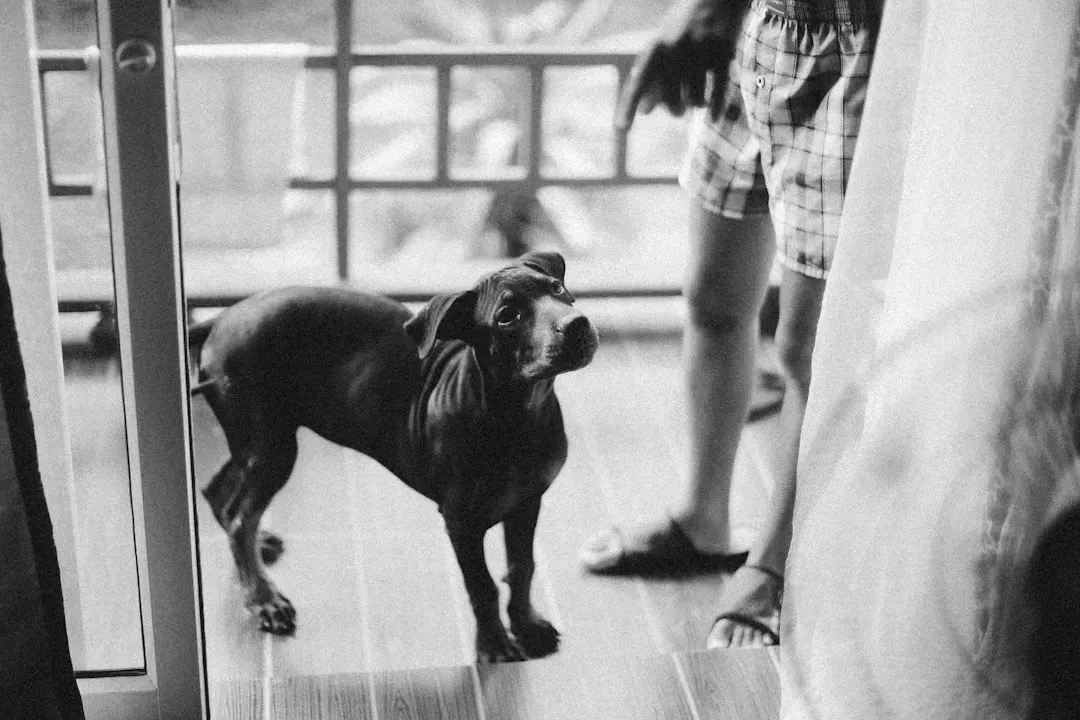
Most dog owners have noticed it at some point. You reach for your bag, and your dog’s ears perk up. You put on your coat, and they start pacing. This isn’t coincidence. A dog might start to pace, pant, and whine when they notice their guardian applying makeup, putting on shoes and a coat, and then picking up a bag or car keys. Your routine has become a predictable script, and your dog has memorized every line of it.
The term “separation anxiety” describes the distress a dog can feel when left alone by their human companion, and some dogs show signs of this distress as soon as their caregiver gets ready to leave the house. For dogs who struggle with being left alone, they may start feeling anxious within minutes of you leaving, or even before you leave. That pre-departure window can be one of the most stressful parts of the whole experience for them.
The good news is that this learned anxiety can be unlearned. One treatment approach is to teach your dog that when you pick up your keys or put on your coat, it doesn’t always mean that you’re leaving. Practicing departure cues without actually leaving – picking up your keys and sitting back down, for instance – can slowly break the association between those signals and the stress that follows.
The Emotional Storm That Hits Right After the Door Closes
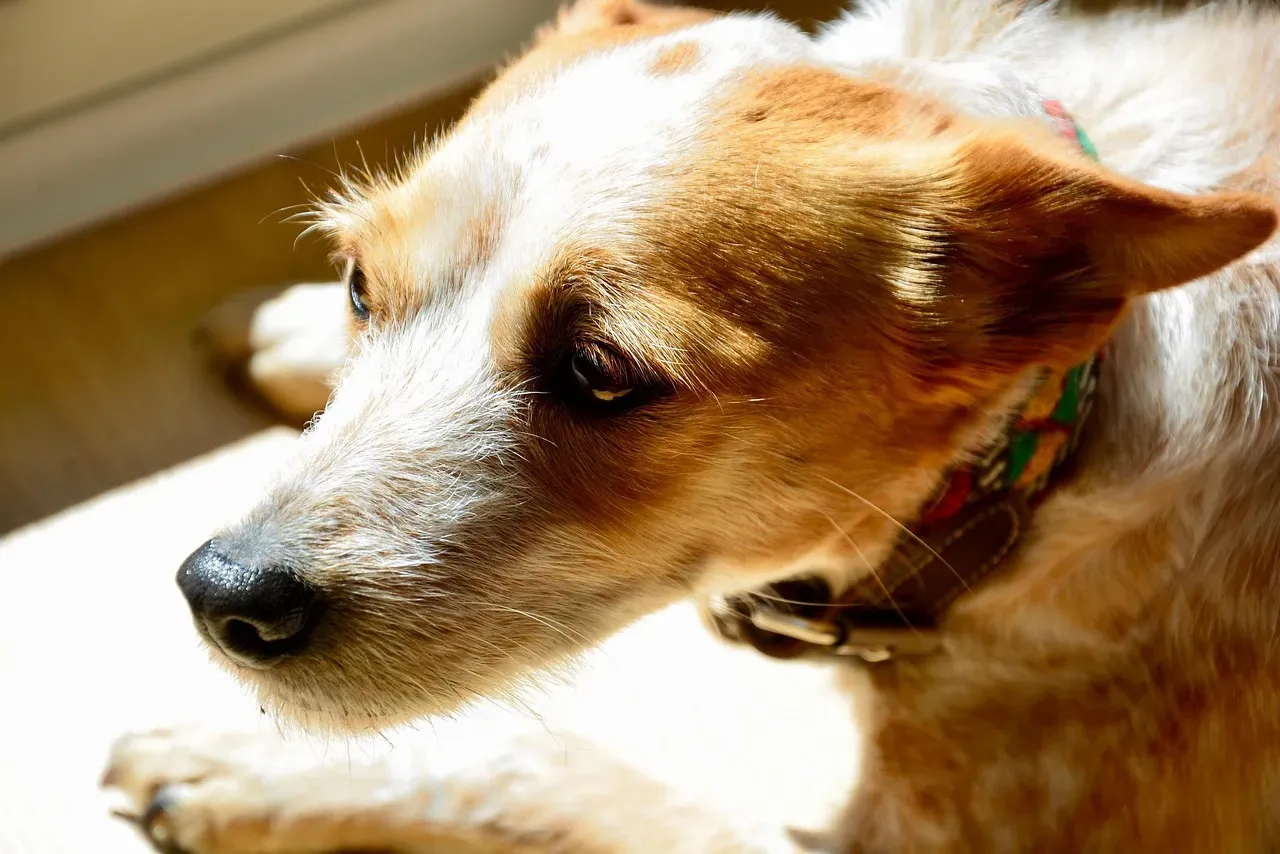
The moments immediately after you leave are often the most intense for your dog. The peak intensity of separation-related behaviors occurs shortly after the owner’s departure. This is when panic, if it exists, tends to peak rather than build gradually. According to certified applied animal behaviorist Patricia McConnell, Ph.D., although we can’t know for sure what’s in a dog’s mind, we can think of separation anxiety as the equivalent of a panic attack.
The most common distress behaviors are destruction and excessive vocalization, including whining and barking. Less obvious signs also appear. All the physiological signs of fear may be present – an increase in heart and breathing rate, panting, salivating, and increased activity. Your dog may try to follow you as you leave, scratching at doors, chewing at doorframes, or jumping up at windowsills to look for a way out.
Here’s something important to understand. The particular type of barks emitted in isolation are especially easy to recognize and are mostly characterized by human listeners as being “desperate” and “fearful.” These aren’t performance behaviors. They’re genuine emotional responses. Every time your dog becomes highly distressed, stress hormones occur in the body which can take days to reduce, causing negative, long-term effects on your dog’s body and mental state.
Your Scent Is the Invisible Thread Keeping Them Connected to You

While you’re gone, your dog doesn’t simply forget you exist. In fact, your scent becomes one of the most powerful anchors they have. With a sense of smell 10,000 to 100,000 times stronger than a human being’s, a dog can easily tell their owner’s scent apart from any other person’s. Your unique chemical signature is as distinct to them as a fingerprint. Humans each have a unique scent that enables dogs to tell one person from another, and our dogs do not need to see us to identify us.
In MRI studies, the caudate nucleus, the brain’s reward center, lights up when dogs smell familiar humans, even in the absence of visual or auditory cues. That means your scent isn’t just recognized – it’s rewarding at a neurological level. Familiar odors, a favourite blanket, or an unwashed T-shirt, can reduce cortisol and heart rate in dogs separated from their owners. Something as simple as leaving a worn piece of clothing can genuinely ease your dog’s distress while you’re away.
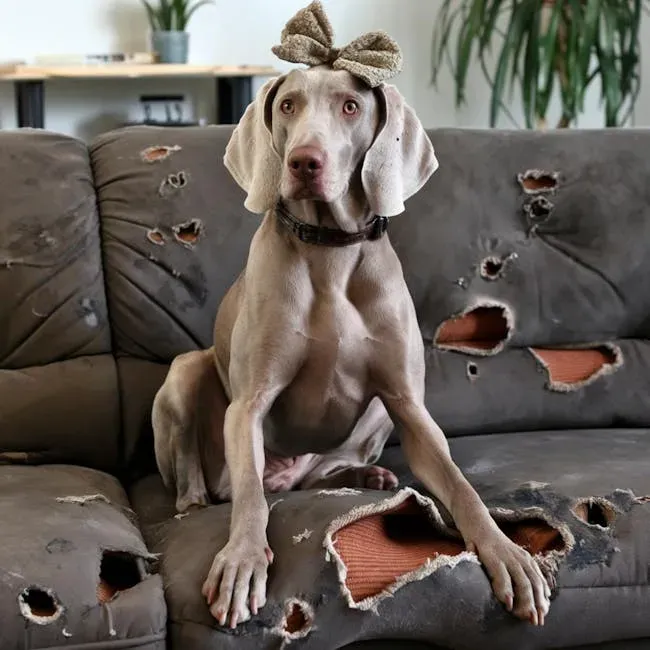
After their initial frantic period, your dog may settle down to chew something that you have recently touched that still carries your scent. Dogs will often chew scented items into small pieces and curl up in the debris so that your dog forms a “barrier” of your scent around them for security. It’s not destructive spite. It’s comfort-seeking behavior rooted in a powerful biological drive to stay close to you.
Boredom, Restlessness, and the Long Hours In Between
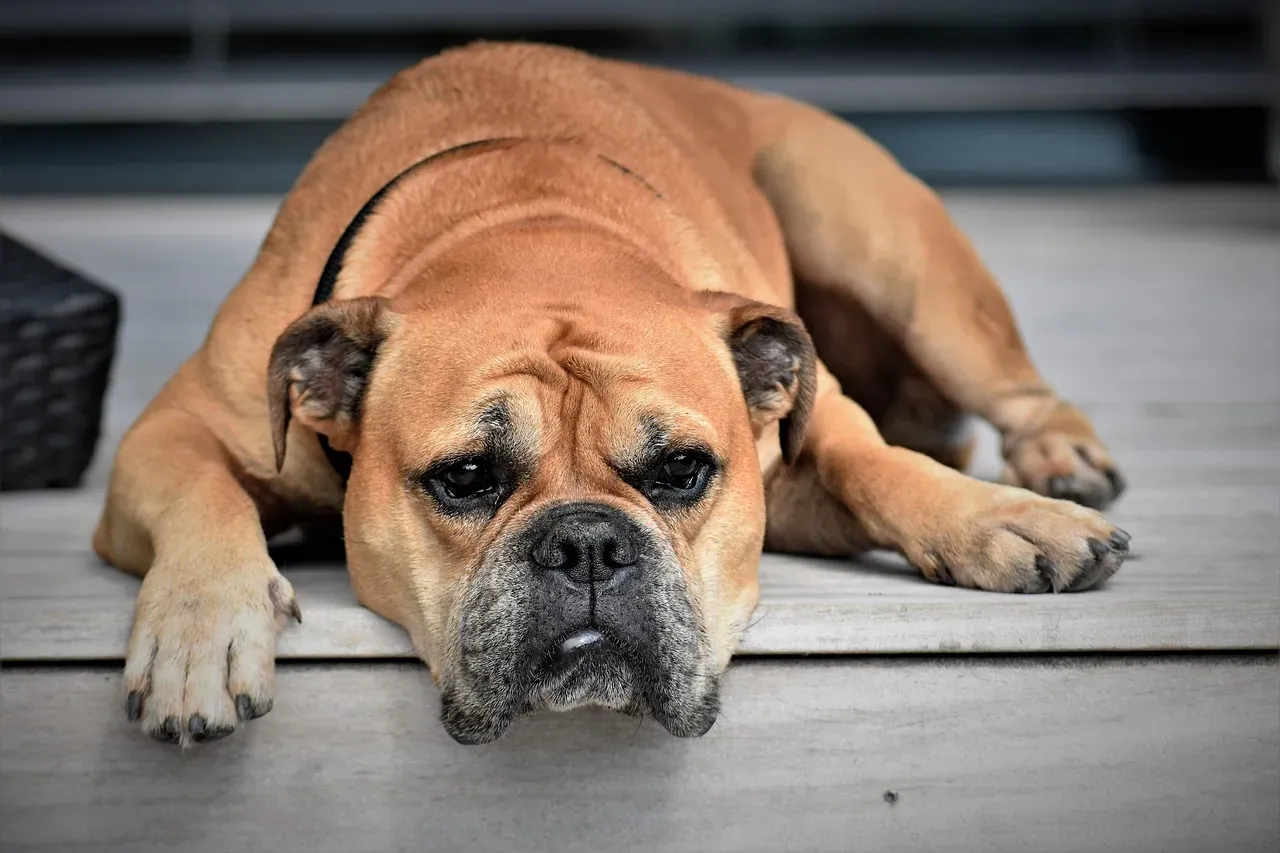
Not every dog with alone-time struggles is in the grip of full separation anxiety. Many dogs simply don’t have enough to do, and that gap between anxious and bored is worth understanding. Separation anxiety is a serious condition that goes beyond the occasional mournful whimper when you leave or the shredded sock waiting for you upon your return. It’s also not the same as boredom, and unlike a little mischief when your dog is left alone, separation anxiety is the result of legitimate stress.
Some dogs spend large portions of the day monitoring the house. You might notice paw prints on the window, a blanket pushed aside near the door, or a worn patch of carpet where your dog tends to pace. Dogs do sleep a lot – often 12 to 14 hours a day – but there is a difference between natural rest and boredom-driven sleep. When a dog has nothing to do for hours at a time, sleeping becomes the default activity. These dogs may appear calm, but what’s really happening is that they’ve simply run out of stimulation.
As a general rule, your dog should never be left alone for more than four hours at a time. However, this will greatly depend on your dog, their age, breed, and how they cope with being on their own. Some may struggle being away from their owners for this long and others will be unphased. Knowing your individual dog’s tolerance is more useful than any one-size-fits-all recommendation.
How to Actually Help: Practical Steps That Make a Real Difference
Understanding what your dog goes through is the first step. Acting on it is where real change happens. Exercise can’t cure separation anxiety, but it certainly can help treat and prevent it. Make sure your dog gets plenty of age-appropriate physical exercise – this is especially true for large, high-energy dogs. A tired, contented dog who’s had a brisk walk and playtime is more likely to settle down when you leave.
Mental stimulation matters just as much as physical exercise. Interactive dog toys are fantastic for tackling separation anxiety. Chew toys, for example, help relieve stress and prevent boredom. Instead of crying and barking, they offer a satisfying outlet for your dog’s stress. Puzzle toys are incredibly helpful in situations like separation anxiety, where your dog might otherwise fixate on your absence – they can help dogs focus on something other than the fact that their beloved human has left. A rotating selection of enrichment toys keeps the environment feeling fresh rather than stale.
How you leave and return also matters more than most people realize. Try to tone down any obvious signals that you’re about to go out. Avoid saying goodbye to your dog. Instead, just calmly and discreetly gather up everything you need to take with you. Then put your coat and shoes on and leave without making a fuss. The less aware your dog is that you’re getting ready to go out, the better. On the return side, when saying goodbye, just give your dog a pat on the head and leave. Similarly, when arriving home, say hello to your dog and then don’t pay any more attention until they’re calm and relaxed. Calm exits and calm entrances reduce the emotional contrast that fuels anxiety.
If the problem runs deep, professional help is always a valid path. The most successful treatment for canine separation-related problems may be behavior modification that focuses on systematic desensitization and counterconditioning. If standard advice hasn’t eased the separation-related behavior, talk to a vet who knows you and your dog. They should then refer you to a clinical animal behaviorist who will help identify the underlying cause and develop a personalized treatment plan.
Conclusion: Seeing the World From Your Dog’s Perspective
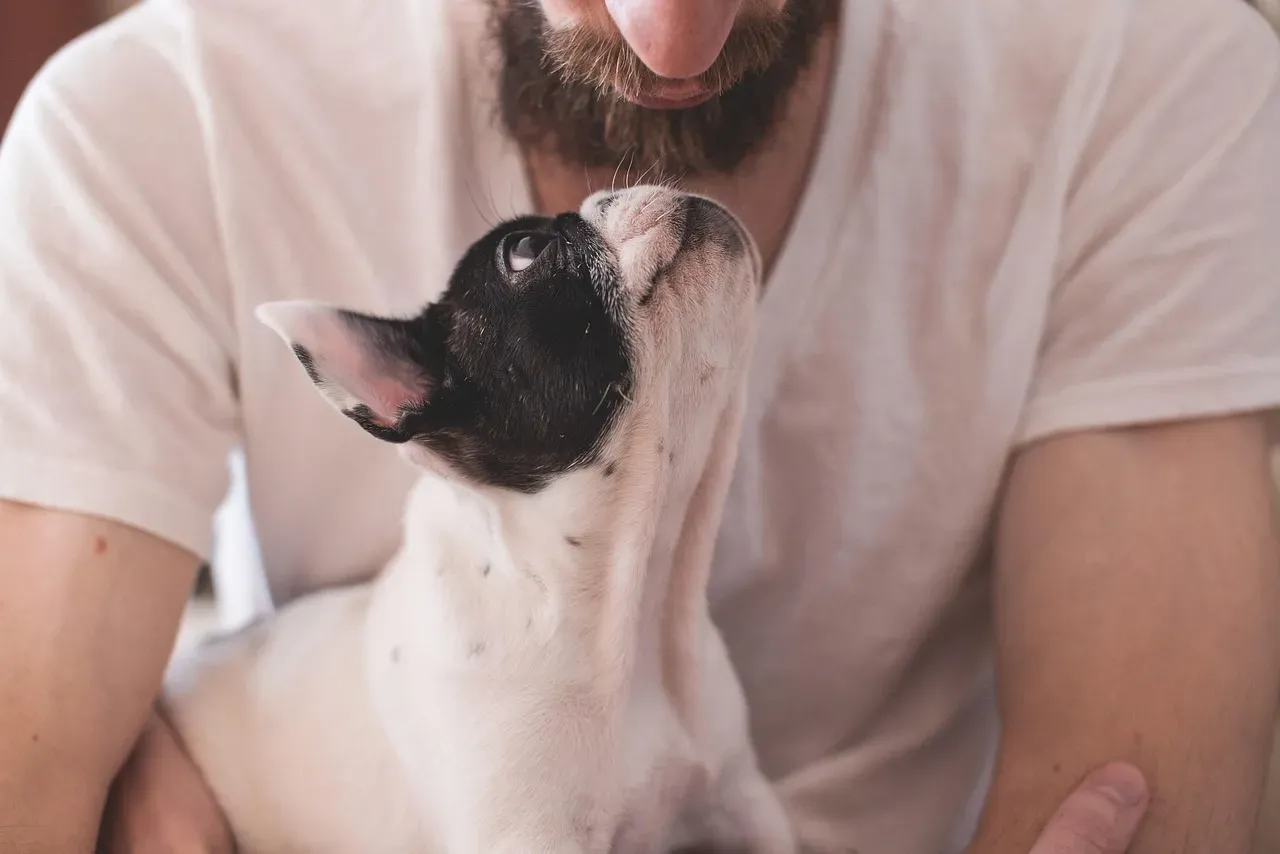
Your dog doesn’t have the language to tell you what they feel when you walk out that door. What they have is behavior – the pacing, the waiting by the window, the strategic theft of your unwashed hoodie. All of it is communication. Once you start reading it that way, the guilt of leaving shifts into something more useful: clarity about what your dog actually needs.
The relationship between a dog and their person is one of the most well-studied bonds in animal behavior, and the research consistently points in the same direction: your dog’s world is organized around you. Dogs are very social animals. They would naturally live in family groups and have evolved alongside humans over thousands of years to work with us and live as our companions. Most dogs would choose to spend the majority of their time in our company.
That’s not a burden. That’s a bond worth honoring – through thoughtful routines, enrichment that engages their minds, and the quiet reassurance that when you leave, you always come back. Every dog deserves to feel safe in the gap between your goodbye and your return.


