
You already know your dog needs daily walks and regular meals. But here’s something that surprises a lot of devoted dog parents: your pup’s brain craves a workout just as much as their body does. Mental exercise is just as important as physical exercise for a well-rounded dog. Without it, even a well-fed, well-walked dog can become restless, destructive, or quietly frustrated.
Without adequate enrichment, dogs often develop behavioral issues such as chewing, digging, barking, or even depression. The good news? You don’t need expensive equipment or a trainer on speed-dial. Most of these games require nothing more than a few minutes, a handful of treats, and your full attention. Your dog will feel the difference, and honestly, so will you.
1. The Treat Hunt: Nose Work That Actually Tires Them Out
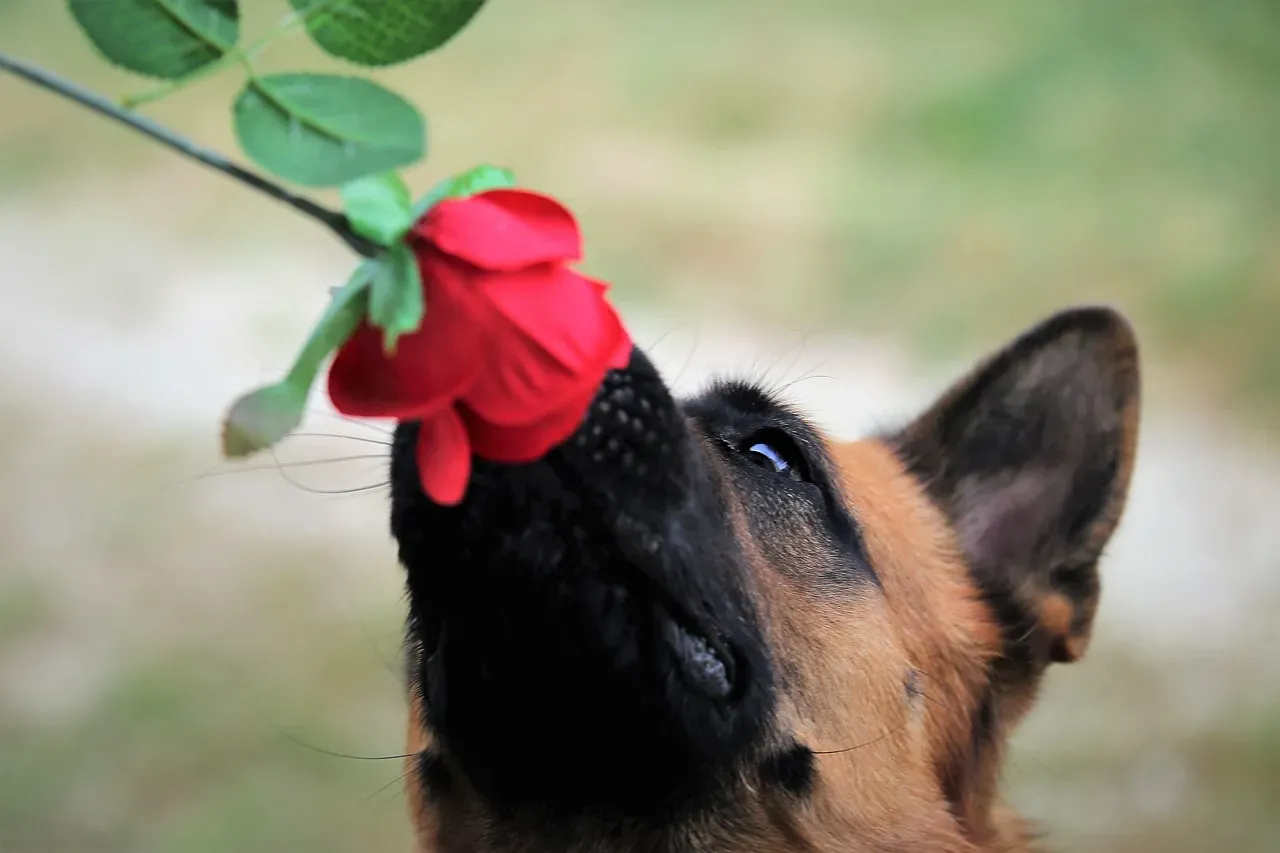
One of the easiest and most effective brain games you can start today is a simple treat hunt. Hide pieces of your dog’s favorite treat around the house or, if it’s nice outside, the garden, and let them hunt for a tasty reward. It sounds almost too simple, but what’s happening cognitively is anything but simple.
This game gets their brain working, makes them earn their food, and also stimulates their olfactory senses. A dog’s sense of smell is their primary lens on the world, and giving them permission to use it fully is genuinely satisfying for them. Start by placing treats in obvious spots and gradually move to trickier hiding places like under a folded blanket or behind a furniture leg.
Just 10 to 15 minutes of mental stimulation will tire them out more than a 30-minute walk. If your dog tends to gulp their meals too fast, this game doubles as a useful slow-feeding strategy. Watch for tail wagging, intense sniffing with a focused posture, and happy whining as signs your dog is deeply engaged and loving every second of it.
2. Hide and Seek With You: The Game Where You’re the Reward
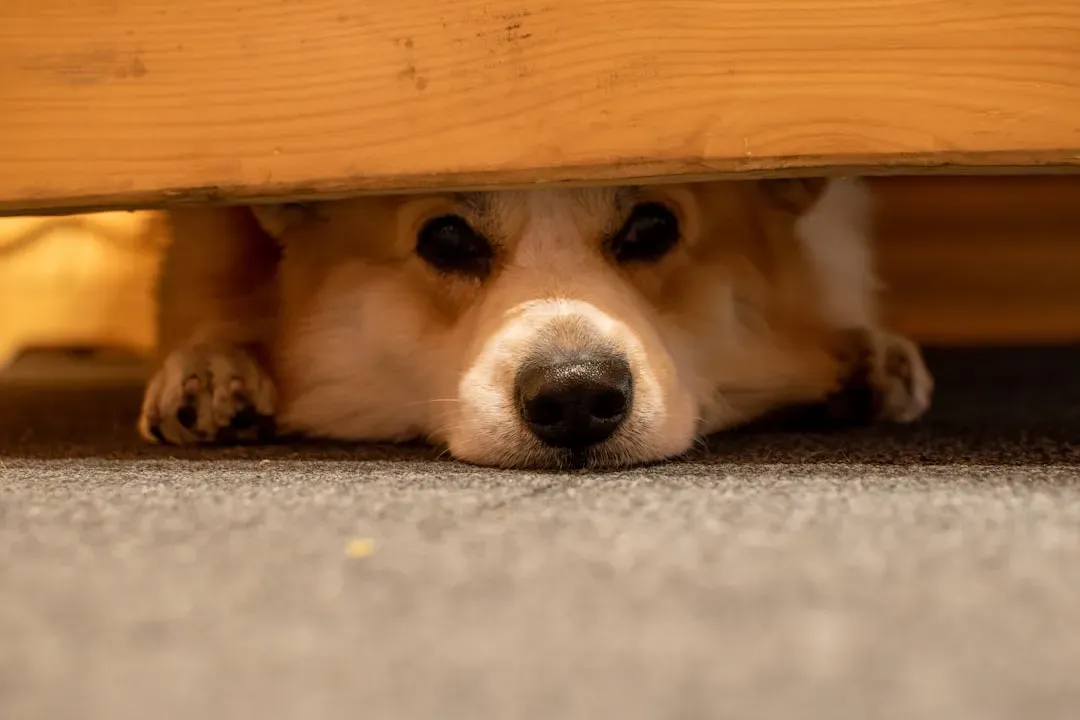
One great way to boost your dog’s problem-solving skills is to play brain games like hide and seek. In this version, you are the prize. Ask your dog to sit and stay, quietly find a hiding spot in another room, then call them to come find you. The first few rounds may be easy. Keep raising the bar.
When they find you, use treats, praise, and plenty of excitement to keep your dog engaged and entertained. The best thing about this game is that you can repeat it as many times as you want by changing hiding spots or getting other family members involved. This is especially great for reinforcing the “come” command in a joyful, pressure-free context.
With this activity you also get the opportunity to reinforce dog commands like “wait” and “come,” as well as introduce new command words like “find.” Pay attention to your dog’s behavior cues: a confident seeker will have their nose to the ground, ears alert, and move purposefully from room to room. If your dog seems confused or gives up easily, shorten the distance and celebrate every small win.
3. The Shell Game: Memory and Focus in Three Cups
Also known as the shell game, this fun dog brain game puts your dog’s concentration to the test. All you need are three cups and either a treat or a play toy. Place the treat or toy under one cup and shuffle the cups around while your pup tries to follow which one holds the reward. It’s wonderfully low-tech and endlessly repeatable.
Hiding a treat under one of three cups and shuffling them is great for focus, memory, and scenting. Your dog may use their nose to sniff out the right cup even after the shuffle, which is perfectly fine. That’s them using every cognitive tool available to solve the problem, which is exactly the point. Once you’re done shuffling, encourage your dog to choose a cup either with their paw or nose. If chosen correctly, they’ll be rewarded with the treat or toy that was under the cup.
A key tip: keep the pace slow enough that your dog can actually track the cup. The goal isn’t to confuse them into failure. It’s to give them a solvable challenge that builds confidence over time. Reasoning skills are essential for developing puppies and older dogs alike. Successful problem-solving is also a big confidence booster.
4. Puzzle Feeders and Food Dispensing Toys: Earning Every Bite
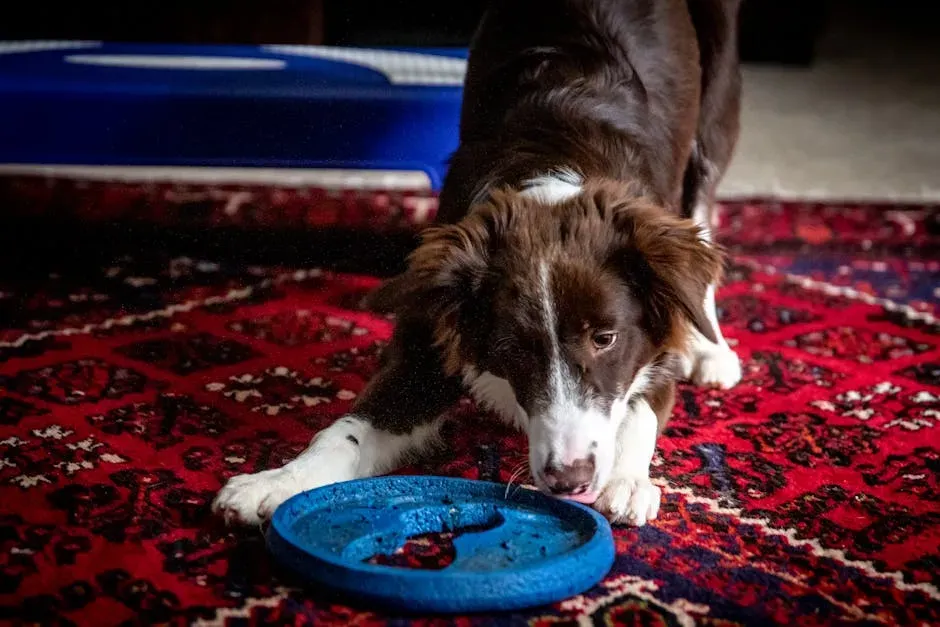
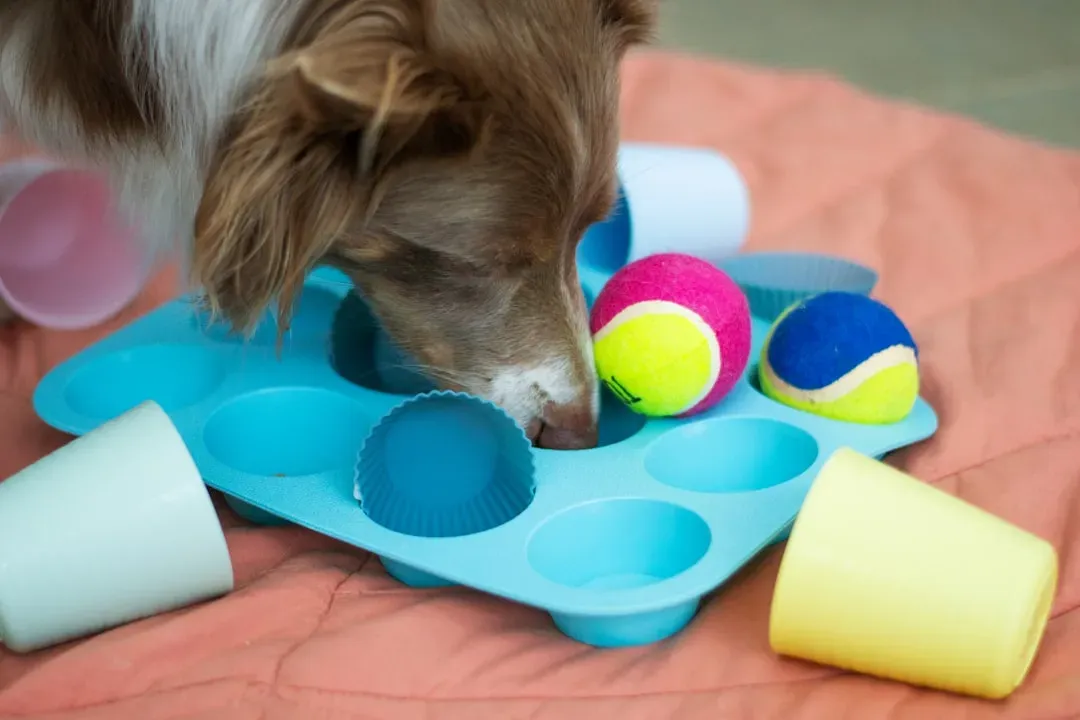
Puzzle toys are one of the most popular dog brain training tools, and for good reason. These interactive toys require your dog to manipulate pieces, slide compartments, or flip levers to access hidden treats. You can buy purpose-built puzzle feeders or simply place treats in a muffin tin covered with tennis balls for a quick DIY version.
The process of figuring out how to get their food from the feeder is mentally stimulating for dogs. It encourages them to use their problem-solving skills and keeps them occupied. Using puzzle feeders can reduce boredom and alleviate destructive behaviors. Dogs that chew furniture, bark excessively, or pace restlessly are often understimulated, and a puzzle feeder addresses that root cause rather than just the symptom.
When introducing a puzzle feeder, start with an easier model. This allows your dog to get used to the concept without frustration. Gradually, as your pet becomes more adept, transition to more complex feeders. If your dog pushes the toy away and walks off, that’s a sign the difficulty level is too high for now. Drop it back a level and let them succeed first.
5. The Name Game: Teaching Your Dog the Names of Their Toys
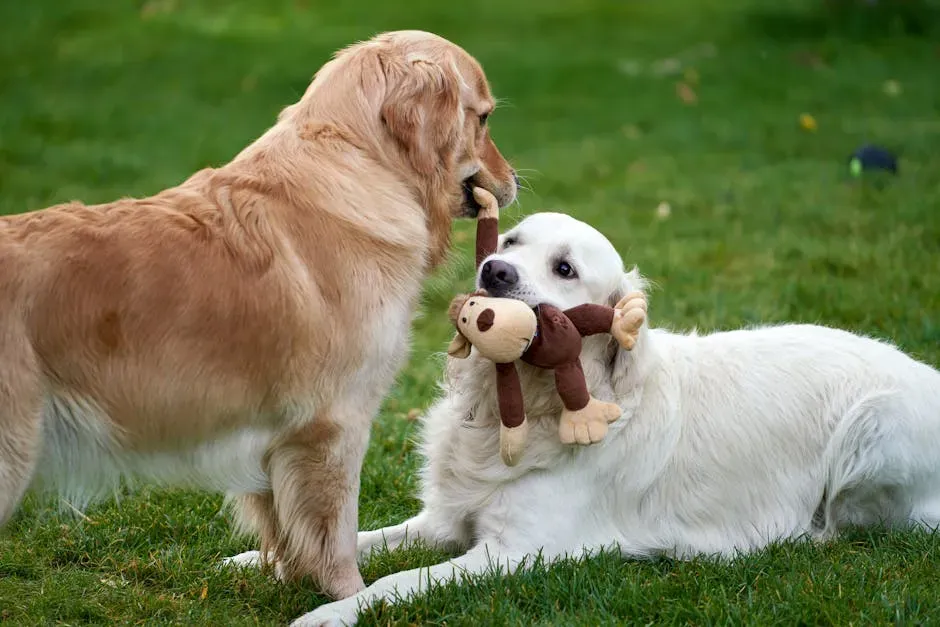
Another fun brain game for dogs is the name game, and the best way to do it is by using your dog’s toys. Start by playing with one specific toy, repeating its name enthusiastically as you play. After several sessions, your dog begins to associate the word with the object. Then you can test them by asking them to fetch that specific toy from a pile.
After your dog knows the name of one toy you can move on to teaching them the name of another. On average, dogs can learn 165 different words, so your dog has the potential to learn the names of a lot of different toys. This might sound ambitious, but even modest progress here engages memory, vocabulary association, and object discrimination, all in one game.
Teaching your dog a new trick requires a lot of concentration on their part, which is why tricks make for a challenging brain workout. By teaching new tricks with positive, rewards-based training, you can help to boost your dog’s confidence and happiness. The name game is really trick training in disguise, and dogs that seem “not that smart” often surprise their owners deeply once they try it with patience and consistency.
6. DIY Obstacle Course: Agility in Your Living Room
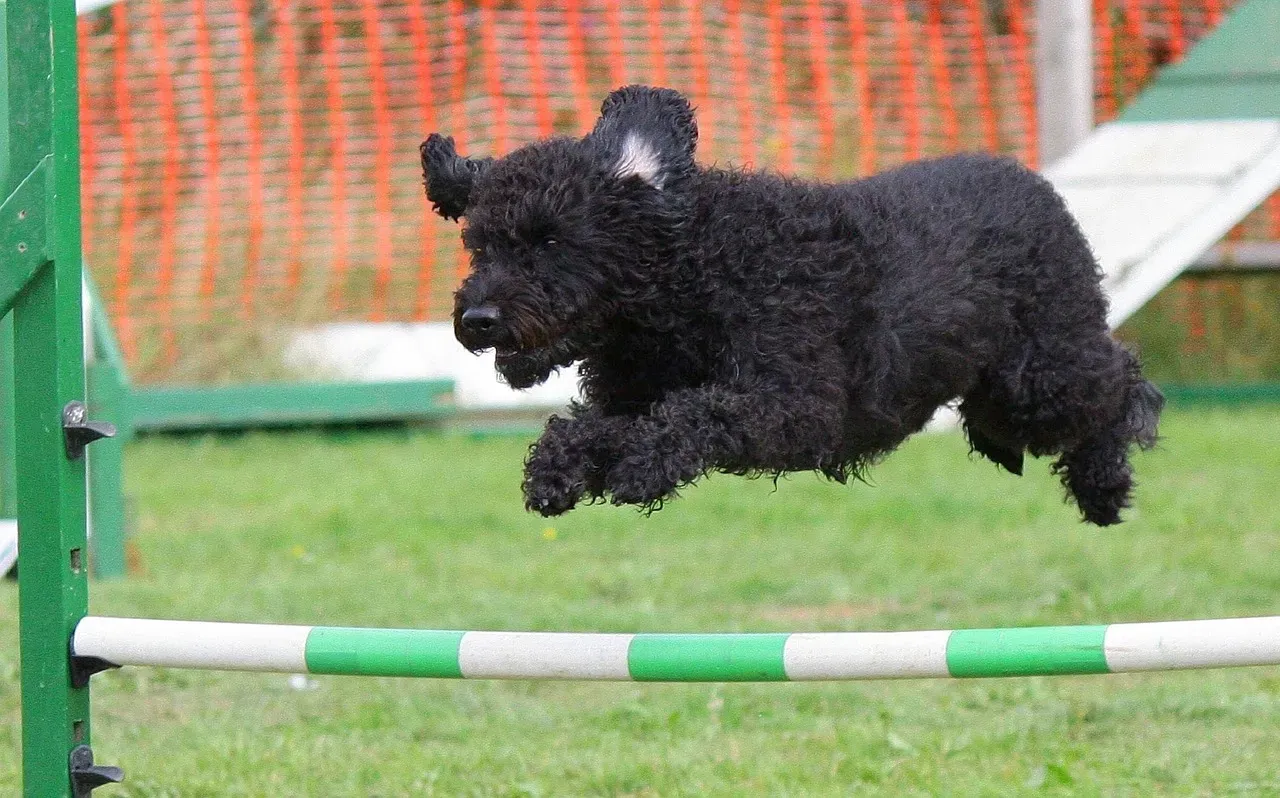
Agility can be a mentally and physically stimulating brain game for your dog. You can easily make an obstacle course out of common household objects that are safe for dogs, or you could go all out and buy a dog agility set. Think chair legs to weave through, a broomstick balanced between two stacks of books to jump over, or a blanket draped between chairs to crawl under.
As your dog navigates the course, it learns to overcome various challenges. This boosts their confidence and improves coordination. Your job is to guide them through with clear cues and generous praise. The mental load of listening to your signals, reading the environment, and planning each move is surprisingly intense for dogs of any age.
Always demonstrate how to navigate a new challenge. Encourage your dog with treats or praise. This keeps them motivated and ensures they feel successful with each new triumph. Watch for signs of overstimulation like frantic behavior or losing focus entirely. Those are cues to pause, simplify, and end on a positive note rather than pushing through.
7. Snuffle Mat or Scatter Feeding: Harnessing the Power of the Nose
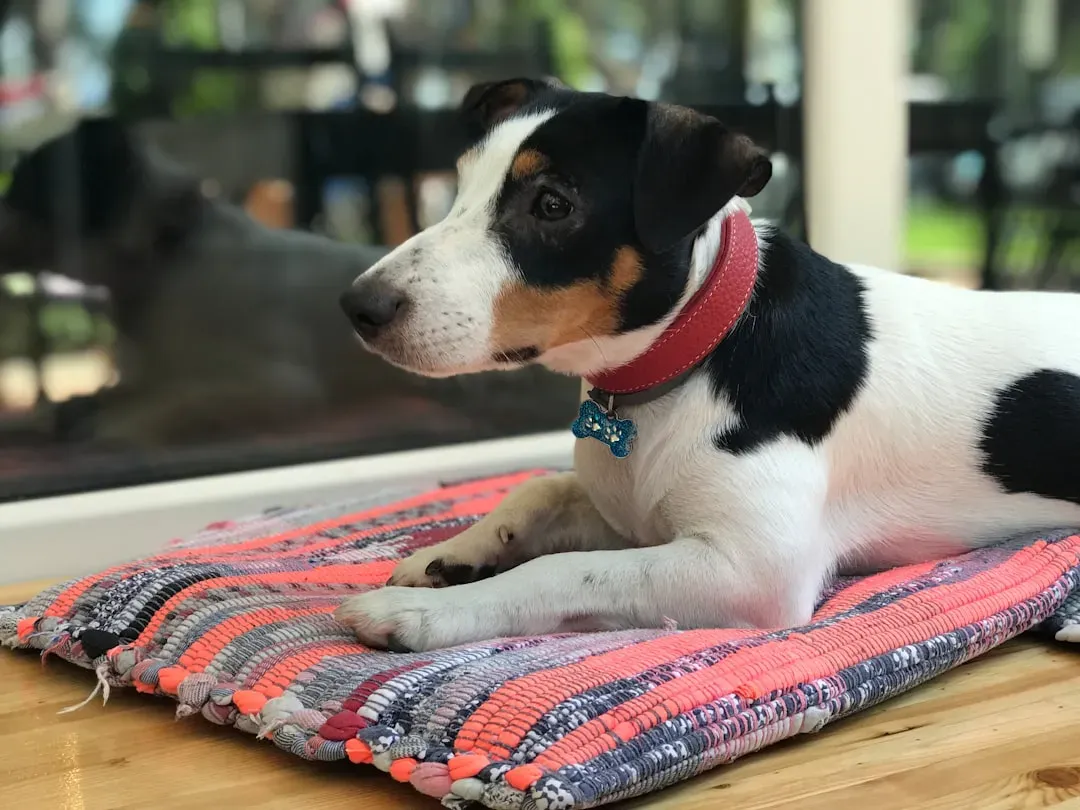
A large, interactive nose work mat with treats hidden all through it can provide lots of mental stimulation and fun for your pet. You can use it as a change of pace for feeding your dog by hiding their mealtime portion of kibble in all the mat’s nooks and crannies. They get to hunt for their dinner using their sense of smell instead of just eating it from a boring bowl.
If you don’t have a snuffle mat, scatter feeding works beautifully as a free alternative. This type of enrichment activity is easy to introduce. All you need to do is let your dog search for and sniff out its food over a specific area. Dogs boast an incredible sense of smell, and nose work games like scatter feeding encourage autonomy while providing an exciting alternative to the usual feeding routine.
By engaging in brain games with dogs, you help to improve their mood, behavior, and sleep routine. Mental stimulation can work to tire your dog out and ensure a good night’s sleep at the end of the day. Dogs that are scatter fed or use snuffle mats tend to be calmer afterward, a real benefit if your pup tends toward evening restlessness or post-meal zoomies.
8. Eye Contact Training: The Two-Second Game That Builds Lifelong Focus
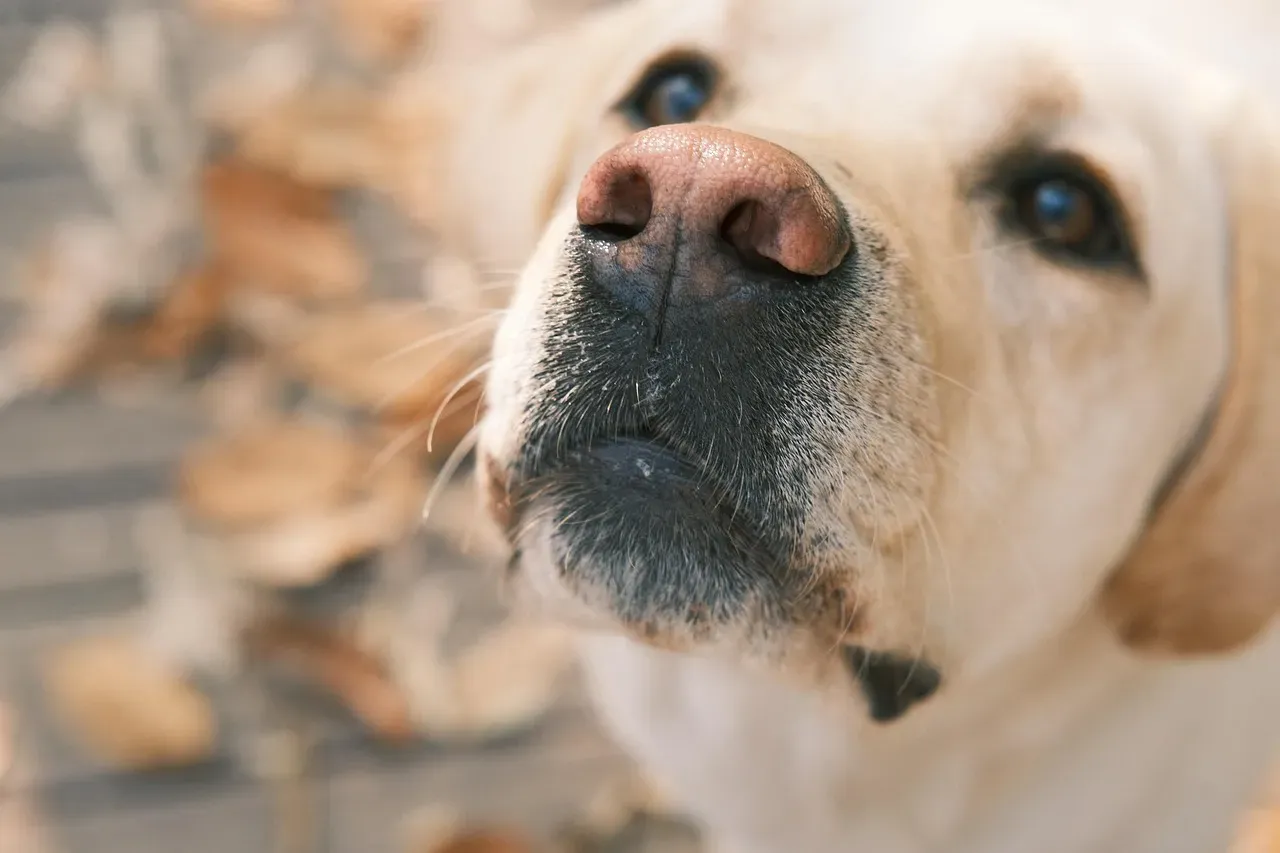
Hold a dog treat to your forehead or by your eye and ask your dog to look at you. Gradually fade the food lure until you can use a hand signal and a verbal command to ask your dog to look at you. It sounds modest, but this exercise is a foundational tool that unlocks your dog’s ability to focus in distracting environments.
Not only does this basic behavior help you get your dog’s attention when they’re distracted, but eye contact also triggers a release of oxytocin in both you and your dog. Oxytocin is the hormone for attachment between parent and child. In other words, asking your dog to look at you isn’t just a training exercise. It’s genuinely bonding in a measurable, biological way.
Aim for short sessions of two to three minutes at a time, especially with puppies or dogs new to the exercise. Consistent mental stimulation, even just 10 minutes daily, makes a difference, and activities that honor natural instincts combined with positive reinforcement build confidence steadily over time. The dog that can hold eye contact in a noisy park is the same dog that once learned this simple, quiet game at home.
Getting the Most Out of Every Game Session
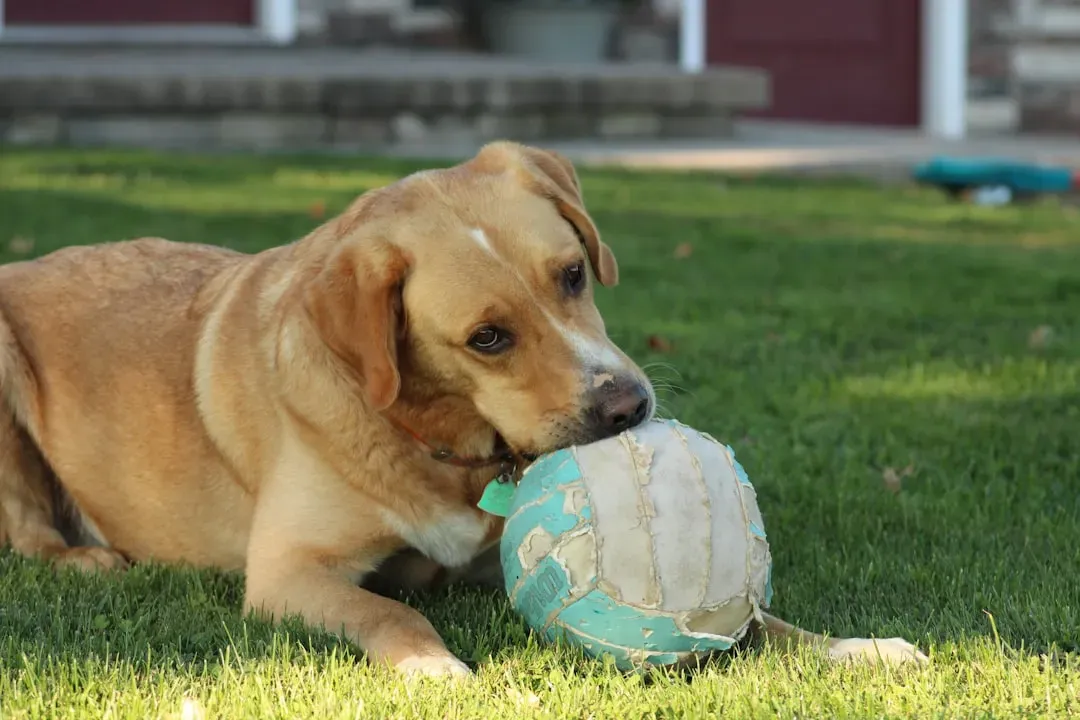
As a minimum, you should aim to incorporate 30 minutes of play for your dog per day, split between two 15-minute sessions. The specific amount of mental stimulation a dog needs varies, so it’s important to observe your dog and adjust the amount of play to individual needs. A senior Beagle and a two-year-old Border Collie are going to need very different volumes and intensities of mental engagement.
Watch for signs like excessive barking, chewing, digging, or restlessness. These behaviors often signal a need for more mental stimulation and enrichment activities. On the flip side, a dog that’s truly mentally satisfied tends to be calmer, settle more easily, and sleep better. That shift in behavior is one of the most rewarding things you’ll notice as you make brain games a regular habit.
Rotate activities to maintain novelty and prevent boredom. Dogs thrive on variety within routine. You don’t need to introduce a brand-new game every day. Simply changing the hiding location, adding a new obstacle, or using a different toy in the name game is enough to keep things fresh and cognitively engaging for your pup.
Conclusion: A Smarter Dog Starts With a More Intentional You
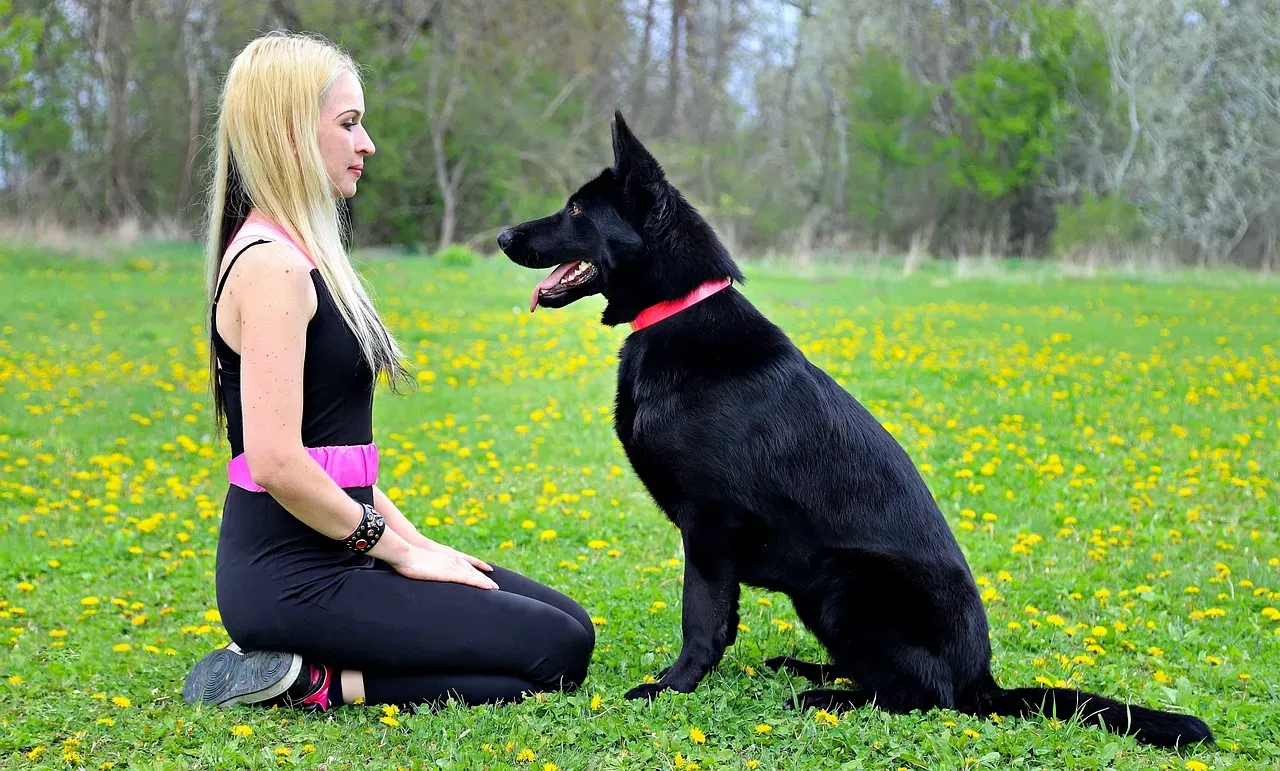
Your dog isn’t asking for much. A puzzle here, a sniff-and-seek there, a few minutes of eye contact by the couch. These small acts add up to something genuinely meaningful for a creature whose brain is wired to work, explore, and connect. These brain games strengthen not only your dog’s mind but build your unbreakable bond with your dog.
Brain-boosting games benefit dogs of all sizes and breeds, though the type and intensity might vary. Every dog has the capacity to learn and enjoy activities that challenge its mind. Whether you have a laid-back Basset Hound or a high-drive Australian Shepherd, there’s something on this list that fits your life together.
The most important ingredient in every single one of these games isn’t the treat or the toy. It’s you, showing up, paying attention, and choosing to engage. That presence is what your dog has always wanted most, and the brainpower boost is just a beautiful bonus.


