

Nevada is one of those states that surprises people when it comes to dogs. It’s not just slot machines and sprawling desert vistas – it’s also a state with serious dog-loving energy. Nevada ranks among the states with the highest search volume for dog breeds per capita, which tells you something meaningful: people here aren’t just getting dogs on impulse. They’re researching, comparing, and caring deeply about which breed fits their life.
The Silver State presents a unique set of conditions for dog ownership. Summers push well past 100°F in Las Vegas and Reno, apartments are common in the urban corridors, and the lifestyle ranges from retirees seeking quiet companionship to active families who want a trail partner on weekends. Those realities directly shape which breeds thrive here. Nevada stands out as one of only two states in the country whose top three most popular breeds consist entirely of small dogs – the Chihuahua, Chihuahua mix, and French Bulldog, which reflects both the heat and the urban lifestyle of the state’s major cities. Still, the full picture of Nevada’s favorite dogs is far richer than just those top three.
1. French Bulldog – The Apartment King of Las Vegas

It’s no accident that the French Bulldog keeps landing at the top of popularity lists in Nevada. The American Kennel Club announced that for the fourth year in a row, the French Bulldog is the number one most popular dog in the United States based on AKC registration numbers. In Nevada’s dense urban areas, this compact, bat-eared companion fits like a glove into apartment living.
The pint-sized French Bulldog continues to reign as a favorite, and their small stature, easygoing temperament, and adaptability make them a great fit for urban living and small homes. That’s a perfect description of life in Henderson or downtown Las Vegas. They don’t need long runs, they’re happy on the couch, and they adore their people.
There’s one serious caveat for Nevada Frenchie owners, though. The French Bulldog’s large brachycephalic skull and flat muzzle create a collection of respiratory abnormalities known as brachycephalic obstructive airway syndrome (BOAS), and their narrow nostrils and elongated soft palate can obstruct normal breathing and affect their ability to pant and cool themselves. In Nevada’s summer heat, this becomes a life-or-death concern. Use caution and significantly limit your French Bulldog’s outdoor activity when temperatures rise above 80 degrees, and use extreme caution during excessive heat above 90 degrees – keeping your French Bulldog indoors except for bathroom breaks. Schedule walks early morning or after sunset. Air conditioning isn’t a luxury for this breed in the desert; it’s essential.
2. Chihuahua – Nevada’s Beloved Little Pocket Dog

California and Nevada are the only two states whose top three most popular breeds consist entirely of small dogs, and the Chihuahua holds a prominent place in that lineup. It’s not hard to understand why. Chihuahuas are fiercely loyal, surprisingly bold, and require very little space – qualities that resonate with Nevada’s large apartment-dwelling population.
Chihuahuas are tiny but mighty, and apartment dwellers across the country are making a safe bet with Chihuahuas, which typically weigh no more than six pounds when fully grown. That small size makes them perfect travel companions too, whether you’re shuttling between Reno and Vegas or heading to a pet-friendly hotel on the Strip. Their short coat also handles the dry desert heat better than many breeds.
That said, Chihuahuas can be prone to dental problems, hypoglycemia (especially as puppies), and patellar luxation. They’re also known to be temperamental around strangers and other dogs if not socialized early. Don’t skip puppy classes just because your dog is small – a well-socialized Chihuahua is a confident, happy one. Watch for signs of shivering indoors (they chill easily in over-air-conditioned spaces) and be mindful that Nevada’s blazing pavement can burn those tiny paws just as severely as any large breed’s.
3. Labrador Retriever – Still Going Strong Across the Silver State

Nevada follows the national trend and favors Labs. Despite the state’s shift toward smaller breeds in urban zip codes, the Labrador Retriever holds on with remarkable staying power – especially in suburban and rural areas like Sparks, Carson City, and the outskirts of Las Vegas. The Labrador Retriever is celebrated for its playful nature, affectionate temperament, and trainability, and Labs are known for their friendly demeanor and adaptability, making them perfect family companions.
Labs are genuinely one of the most forgiving breeds for first-time dog owners. They tend to be eager to please, respond well to positive reinforcement, and bond deeply with kids. The challenge in Nevada is exercise – Labs need a solid 60 minutes or more of activity daily, and Nevada summers can make midday walks dangerous. Early morning and evening outings become non-negotiable from May through September.
Health-wise, Labs are predisposed to hip and elbow dysplasia, obesity (they’re enthusiastic eaters), and ear infections due to their floppy ear canals. Keep their weight in check – extra pounds put real stress on their joints over time. Regular vet checkups, joint supplements as they age, and controlled feeding portions will go a long way toward keeping your Lab healthy well into their senior years.
4. German Shepherd – The Loyal Protector with a Nevada Following
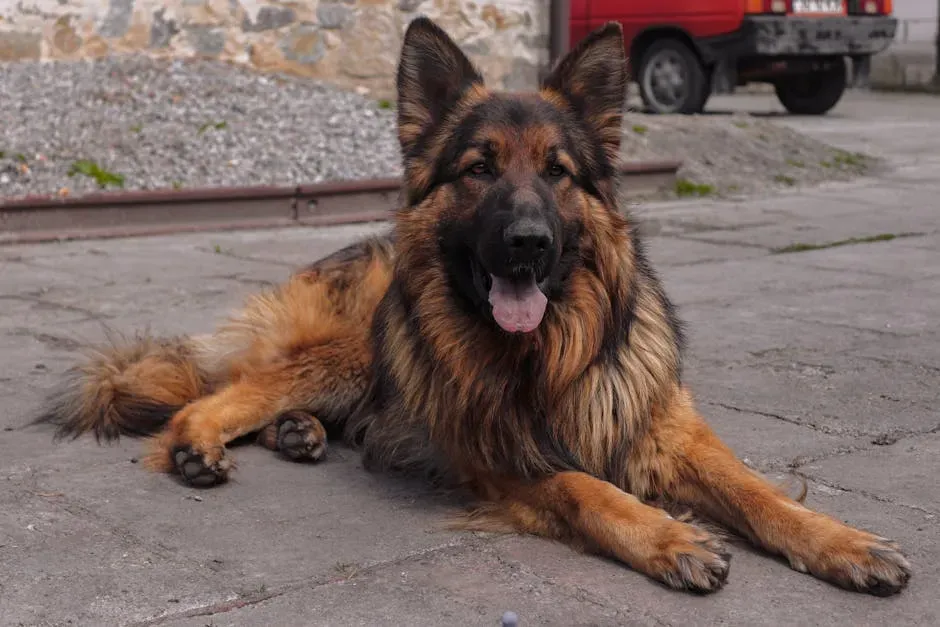
German Shepherd Dogs rank among Nevada’s most commonly owned breeds, with strong adoption numbers across shelters in the state. It’s easy to see why. Known for their loyalty and protective instincts, German Shepherds are favorites for active individuals and families who value their trainability and strength. They excel as family guardians, working dogs, and devoted everyday companions.
Living with a German Shepherd in Nevada’s heat requires real preparation. Since a German Shepherd’s coat is a crucial part of their built-in air conditioning, you should never shave it in the summer – the long guard hair and shorter downy coat serve as a critical cooling system and must remain intact to work efficiently. Many well-meaning owners make this mistake, thinking a shorter coat means a cooler dog. It doesn’t. Cutting their fur actually makes them more susceptible to heat and sunburn by removing the outer coat that protects their delicate skin.
German Shepherds need mental stimulation just as much as physical exercise. A bored GSD in a backyard can become destructive quickly. Puzzle feeders, obedience training, and scent games are excellent indoor alternatives during peak heat hours. Watch for signs of hip dysplasia as they age – it’s one of the breed’s most common health challenges – and maintain a lean, healthy body weight throughout their life.
5. Pit Bull Terrier – Nevada’s Most Common Shelter Dog
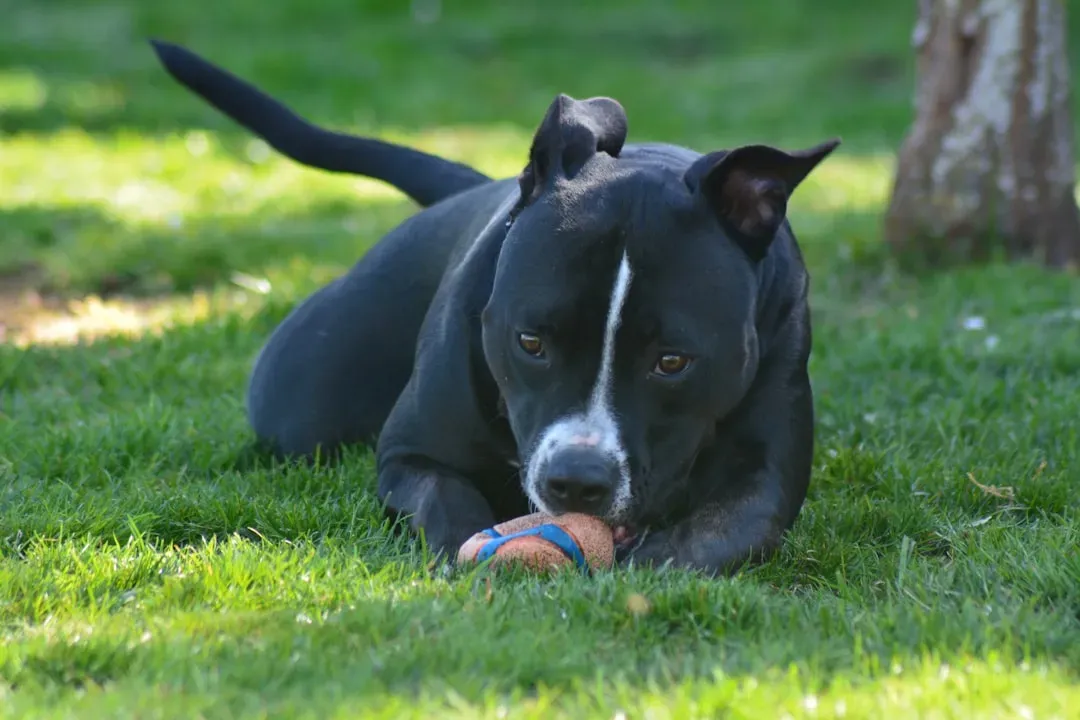
The Pit Bull Terrier is the most common breed available for adoption across Nevada shelters, with the highest numbers listed on Petfinder in the state. That’s a bittersweet statistic. It reflects both the breed’s widespread presence in Nevada homes and the unfortunate reality that too many end up in shelters. Nevada is genuinely torn between Labs in the broader countryside and the American Pit Bull in the Neon Capital of Las Vegas.
Pit Bulls are affectionate, athletic, and intensely people-oriented. They thrive on routine, consistent training, and plenty of exercise. Owners who invest time in early socialization and obedience training are almost always rewarded with an incredibly loyal, gentle companion. The breed’s strength and energy level can be a lot for inexperienced owners, so honest self-assessment before adopting matters.
In Nevada’s heat, Pit Bulls do reasonably well given their short coats, but they’re still vulnerable to heatstroke during vigorous exercise. Keep walks to early morning or evening hours in summer, and always provide shade and fresh water. If you’re considering adoption, Nevada shelters have no shortage of Pit Bulls waiting for exactly the kind of patient, loving home you can offer. Giving one a second chance is one of the most rewarding things a dog person can do.
6. Dachshund – The Underdog Favorite Gaining Ground in Nevada
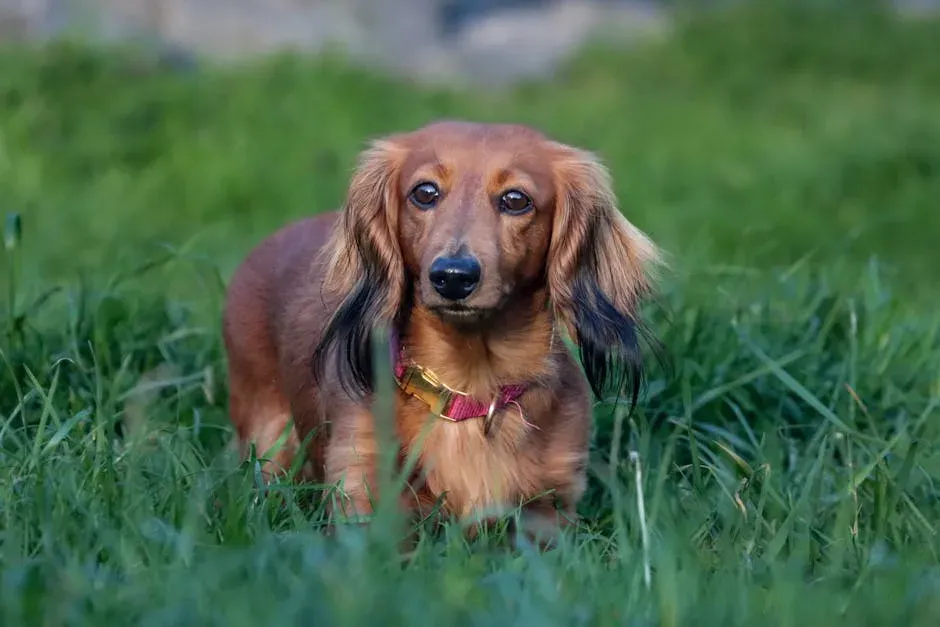
Nevada has been identified as a state with a notable love for the Dachshund, a compact and perfectly suited companion for smaller living spaces. These long-bodied, short-legged dogs carry enormous personality in a very small frame. Dachshunds – also known as “wiener dogs” – have been making major moves in national popularity rankings in recent years. Their curiosity and playful spirit make them genuinely fun housemates.
The biggest health concern with Dachshunds is their spine. Intervertebral disc disease (IVDD) is extremely common in the breed due to their elongated back. Jumping on and off furniture, especially repeatedly, can cause serious spinal damage over time. Invest in pet ramps or stairs for the sofa and bed – this is one of the simplest preventive steps you can take. Also avoid letting your Dachshund gain excess weight, as even a few extra pounds puts significant strain on that long vertebral column.
In Nevada’s climate, Dachshunds do fairly well. Their short coats handle the dry heat better than heavy-coated breeds, and their compact size makes them adaptable to apartment life. They are, however, surprisingly stubborn when it comes to training. Patience, consistency, and food motivation are your best tools. They may be small, but they’ve got a big, independent mind all their own.
7. Siberian Husky – A Desert Surprise with Devoted Fans
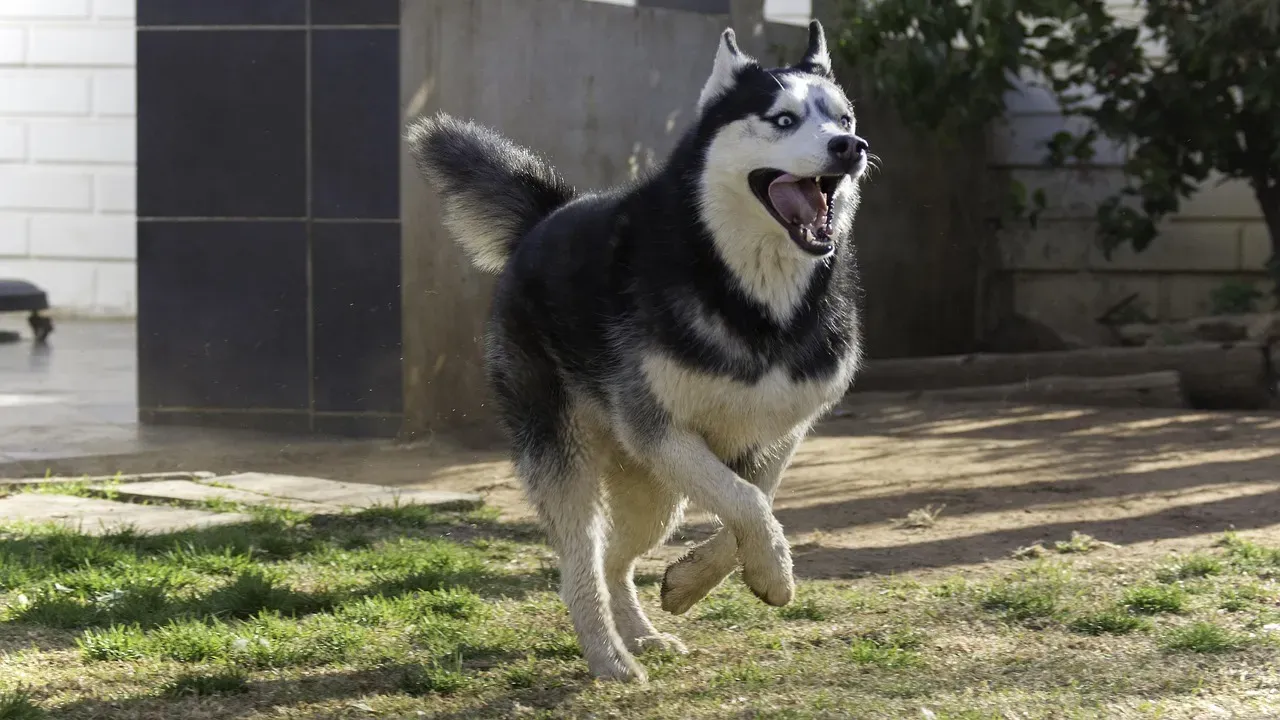
Siberian Huskies appear consistently in Nevada’s shelter and adoption data, reflecting a real and dedicated owner community in the state. The irony of a cold-climate breed being so popular in the desert isn’t lost on anyone – but Husky people tend to be passionate, and Huskies themselves are stunning, high-energy dogs that attract devoted owners regardless of geography.
The challenge, of course, is Nevada’s summers. Huskies have thick double coats designed for Arctic conditions, and managing that in 110°F Las Vegas summers demands serious commitment. Never leave a Husky outdoors during peak heat hours, ensure your home is well air-conditioned, and schedule all exercise before 8 a.m. or after 8 p.m. in the summer months. Regular brushing helps remove dead undercoat, which actually improves airflow to the skin – and never shave a Husky for the same reason you wouldn’t shave a German Shepherd.
Huskies are also notably high-energy and highly vocal. They talk, howl, and demand engagement. Without adequate mental and physical stimulation, they can become escape artists – and in a desert environment, a loose Husky is a serious safety concern. Secure fencing and daily structured activity aren’t optional with this breed. They’re non-negotiable.
8. Golden Retriever – The Family Classic That Nevada Can’t Quit

While Nevada is one of the few states with enough affinity for smaller breeds that the Golden Retriever doesn’t always crack their top three, make no mistake – Goldens remain enormously popular across the state’s suburban neighborhoods and family households. Their warm, gentle temperament and effortless trainability keep them in demand year after year.
Golden Retrievers are a natural fit for families with children. They tend to be patient, affectionate, and socially confident from puppyhood. In Nevada’s suburban communities around Las Vegas and Reno, they’re a familiar sight on morning walks and at weekend parks. Their thick coats do require attention in the heat – early or late walks, access to shade, and always fresh water. They’re not as heat-sensitive as flat-faced breeds, but summer caution is still warranted.
Health-wise, Goldens are prone to hip dysplasia, certain heart conditions, and notably higher rates of cancer compared to many other breeds. Regular veterinary screenings, maintaining a healthy weight, and staying current on preventive care make a real difference. A well-cared-for Golden can live a full and joyful 10 to 12 years, and those years will be filled with more loyalty and warmth than you might ever expect from one dog.
9. German Shorthaired Pointer – The Active Nevadan’s Trail Dog
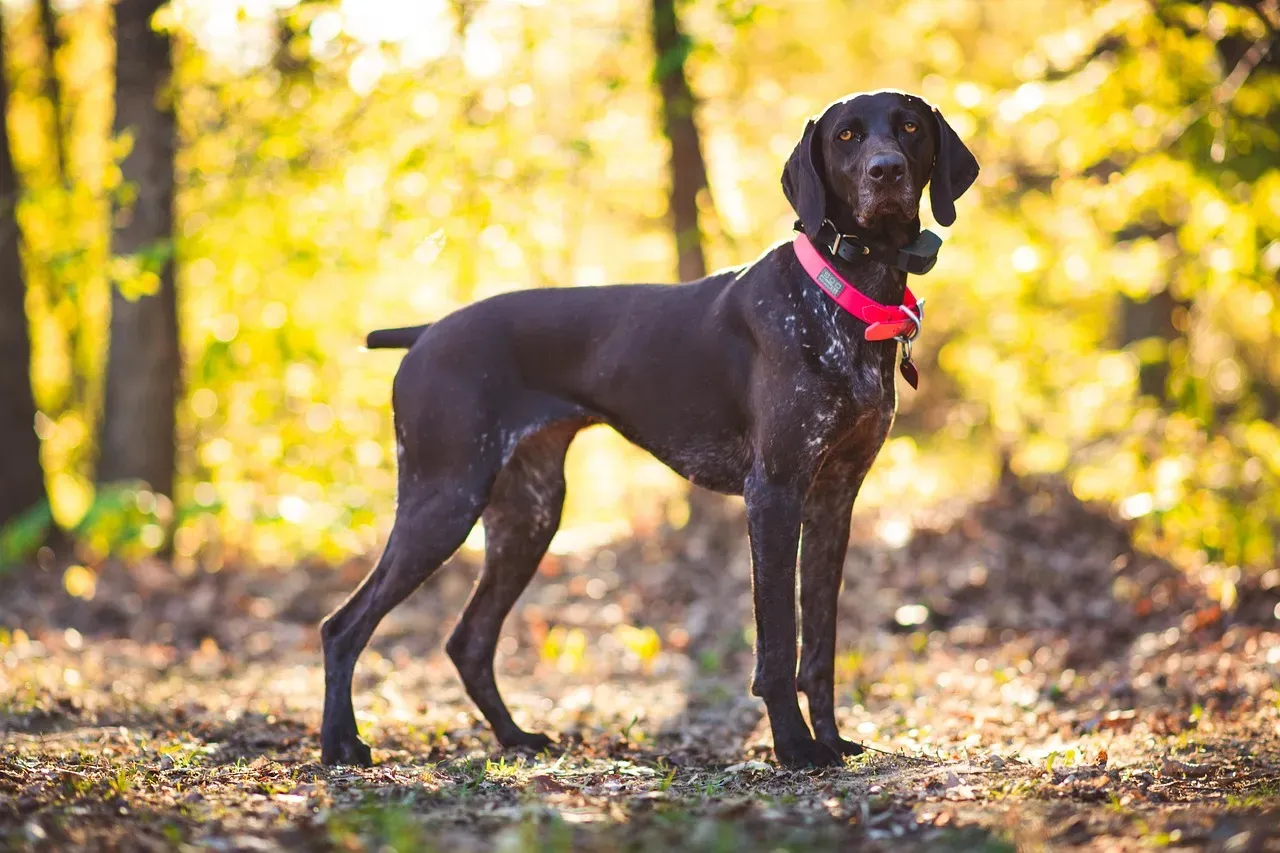
For Nevada residents who hike, run, or spend weekends exploring Red Rock Canyon and Lake Mead, the German Shorthaired Pointer quietly earns its place as one of the state’s favored breeds. German Shorthaired Pointers have maintained a strong position in national AKC rankings, holding steady year after year. In a state with so much open terrain, their athleticism and versatility make them a natural match.
GSPs are intensely energetic. They were bred to run for hours in the field, and that instinct doesn’t switch off in a suburban backyard. Owners who can commit to structured daily exercise – a long run, a hike, or a swim – will find the GSP to be an incredibly rewarding companion. Those who can’t often find the breed overwhelming. Honest lifestyle assessment before bringing one home is crucial.
The short, dense coat of the GSP is actually a practical advantage in Nevada’s climate. It handles heat better than many sporting breeds, though shade and hydration are still essential during summer outings. The breed is also generally healthy and long-lived, with relatively fewer genetic issues than some of its more heavily bred counterparts. Ear hygiene and regular exercise are your two main maintenance priorities with a GSP.
10. Mixed Breeds and Shelter Dogs – Nevada’s Hidden Heartbeat
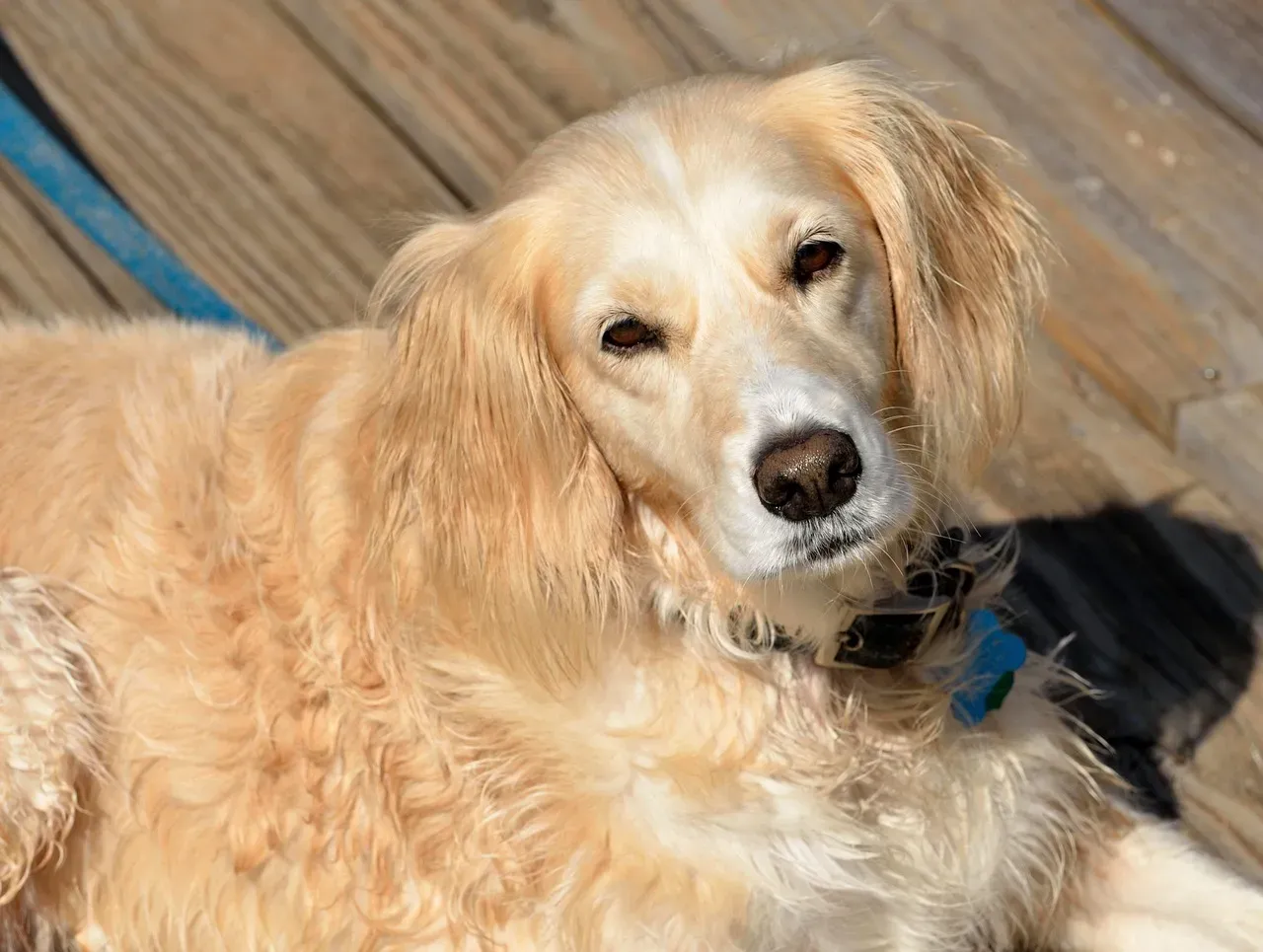
Data compiled from Petfinder shows that mixed breeds are consistently among the most common dogs available for adoption in Nevada, with over a thousand dogs listed across the state at any given time. These dogs are Nevada’s unsung heroes – often overlooked on breed lists, but deeply present in the homes and hearts of people across the state.
Mixed breed dogs often benefit from what’s called hybrid vigor – broader genetic diversity that can reduce the risk of certain inherited conditions common in purebred lines. Shelter dogs come in every size, temperament, and coat type, meaning there’s genuinely something for every lifestyle if you’re willing to spend time at your local shelter getting to know the individual dogs rather than chasing a specific breed profile.
The length of stay for dogs at shelters has increased, and larger dogs stay the longest – with a median of 20 days compared to 14 days for small dogs. If you have the right setup for a bigger dog, walking into a Nevada shelter with an open heart might be the best decision you make this year. Every dog on that list deserves a shot at the life they’ve never had.
Conclusion: Knowing Your Breed Means Caring for Your Dog Better

What makes Nevada interesting as a dog state is the tension between climate and love. People here clearly adore their dogs – they research obsessively, they adopt in large numbers, and they choose breeds that fit the rhythms of their real lives. The desert doesn’t stop Husky people. The apartments don’t stop Lab people. Passion finds a way.
What every Nevada dog owner shares, regardless of breed, is the responsibility to adapt their care to the environment. That means scheduling walks thoughtfully, keeping water accessible at all times, knowing your individual dog’s heat tolerance, and building a relationship with a trusted local veterinarian who understands the regional conditions your dog lives in.
The breed you choose tells a story about the life you want. But how you care for that dog tells a story about who you are. Nevada dog owners, by and large, seem to be telling a pretty good one – and so do the dogs lucky enough to live with them.


