

There’s a particular kind of quiet that settles into a home when you live alone. No voices, no movement, just the soft hum of whatever you’ve left on in the background. For millions of people, that silence isn’t peaceful – it’s heavy. Social isolation and loneliness are a growing public health epidemic, and the scale of it is hard to ignore. Loneliness is considered as harmful as smoking 15 cigarettes a day and may be a greater public health threat than obesity.
Dogs don’t solve every dimension of that problem, and it would be dishonest to say they do. What they offer is something quieter and, for many people, genuinely life-changing: consistent, non-judgmental presence. Scientific research continues to support pet ownership and human-animal interaction for improving social connections, providing social support, and decreasing loneliness and depression. Here are ten specific, research-backed ways your dog is already working against your loneliness – probably without you even noticing.
1. They Offer Companionship Without Conditions or Judgment
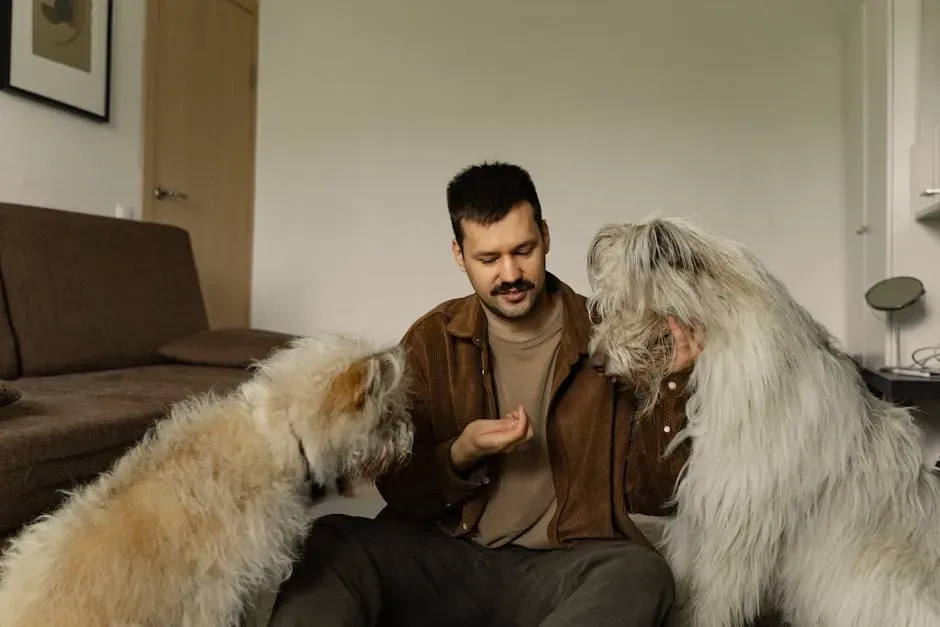
One of the most disarming things about dogs is that they don’t require you to perform wellness. You don’t have to seem okay, explain your mood, or put your best foot forward. Dogs are thought to fulfill the four roles of an attachment figure: they are enjoyable, comforting, missed when absent, and sought in times of distress. Adults and children alike confide in their pets because they relieve us from the worry of confidentiality, judgment, or meeting expectations.
This kind of unconditional presence is rarer than it sounds. Human relationships, even the closest ones, carry implicit expectations. A dog simply stays. That consistency – the reliable warmth of another creature who is always glad you’re home – creates a genuine sense of not being alone. By providing companionship and unconditional love, pets help us fight depression, improve our mood and outlook, facilitate healing, increase resiliency, and bring distraction.
2. They Trigger a Real Chemical Response in Your Brain

A number of studies have shown that when dogs and humans interact with each other in a positive way, for example cuddling, both partners exhibit a surge in oxytocin, a hormone which has been linked to positive emotional states. This isn’t feel-good metaphor – it’s measurable biology. When humans interact with a dog in a calm way – stroking the dog, making eye contact, or even talking to the dog – both species release oxytocin, and their cortisol levels drop. Additionally, blood pressure and muscle tension lower, and mood elevates. Combined, these responses indicate the interactions are relaxing and enjoyable, which helps to reduce a person’s overall experience of loneliness.
Petting a dog releases oxytocin, serotonin, and dopamine in both humans and dogs while lowering cortisol levels, reducing stress, and strengthening the dog-human bond. If you’ve ever felt genuinely calmer after sitting with your dog for a few minutes, that’s not imagination. Multiple studies show that even five to ten minutes of petting a calm dog can significantly lower stress. The biochemistry is working whether you’re aware of it or not.
3. They Create a Daily Routine That Anchors You

Loneliness often deepens in the absence of structure. When days blur together without clear rhythm or purpose, isolation can take root quickly. Dogs interrupt that drift simply by having needs. They need feeding, walking, and engagement at consistent times – and that regularity transfers to you. Research found that responsibility and attachment to the dog give owners a sense of purpose that comes from routine, with fixed times for meals and walks.
Animal-assisted interaction adds structure and purpose to daily life. Routine interaction with animals introduces consistent schedules, which can be especially beneficial for individuals recovering from addiction or managing mental health disorders. For anyone navigating grief, depression, or a major life transition, having a creature who depends on you for their day can be a quiet but powerful anchor. It gives you somewhere to be – even when everything else feels uncertain.
4. They Get You Outside and Moving

Inability to leave the house is a common symptom of loneliness, so having to walk a dog once or twice daily encourages outside physical fitness and lowers rates of social withdrawal. It seems almost too simple, but getting outside – fresh air, changing light, the sounds of a neighborhood – does something real to your mood. Dog walking provides a routine that necessitates leaving the house, leading to inevitable encounters. These interactions, no matter how brief, contribute to a sense of being seen, acknowledged, and part of something larger.
Those who frequently walk their dogs are more likely to meet the recommended physical activity guidelines and are less likely to be sedentary than non-dog owners. Movement itself reduces anxiety and supports better sleep, and both of those things directly affect how isolated a person feels. Your dog’s excitement at the sight of a leash isn’t just cute – it’s a daily invitation back into the world, whether you feel like going or not.
5. They Act as a Natural Social Icebreaker

Dogs are known as wonderful “social icebreakers” and referred to as the “great leveler” – people will risk directly engaging with unfamiliar people when there is a dog present. This plays out in parks, on sidewalks, in apartment hallways, and at café tables every single day. A dog transforms the social landscape around you. Strangers who wouldn’t normally make eye contact suddenly stop, smile, and ask your dog’s name.
Research suggests companion animals can be a catalyst for several dimensions of human social relationships in neighborhood settings, ranging from incidental social interaction and getting to know people, through to formation of new friendships. One 2019 study found that roughly four out of five participants reported they met more people in their neighborhood after getting a dog, and more than a third said they made longer-term friends thanks to their dog. That’s not a trivial finding. For someone living alone or new to an area, those chance encounters can become the foundation of a social life.
6. They Help You Build a Sense of Community

Older dog owners had an increased opportunity for contact and social interaction with new people and neighbors, particularly when walking the dog. Establishing social and support networks for dog owners contributes to their satisfaction with life and ability to overcome loneliness. This effect extends well beyond age. Dog parks, neighborhood walks, and online groups for local dog owners all create micro-communities that center on a shared love of dogs but often evolve into something much broader.
Dog owners, and more specifically those who walked their dogs, were far more likely to have reported befriending someone they met through a pet-related connection or getting social support from them. Communities often organize pet-friendly events such as adoption fairs, charity walks, or casual meet-ups. These activities strengthen relationships beyond small talk. Neighbors discover common interests and build trust through repeated interaction. Your dog is, quietly, building you a village.
7. They Reduce Loneliness Quickly – Even for New Owners

One of the more striking findings in human-animal bond research is how fast the effect shows up. New dog owners felt less lonely after they got a dog compared to control groups. The effect happened quite quickly, within three months of acquiring a dog. This matters because loneliness can feel like something that takes a long time to shift. The evidence suggests that welcoming a dog into your life begins changing things faster than most people expect.
A study published in the journal Animals in 2021 conducted an online survey with nearly 1,200 participants, most of whom reported having at least one companion animal. The majority of respondents felt their pets positively impacted their mental well-being. Around 85 percent of respondents who owned dogs felt their pets had an extremely or moderately positive effect on their mental health. The relationship between dog and owner builds quickly and, for most people, deepens steadily over time.
8. They Provide Measurable Benefits for Older Adults

Among older adults, the stakes around loneliness are particularly high. More than one-third of Americans older than 65 and half of those over 85 live alone. Isolation at this stage of life is linked to cognitive decline, depression, and a significantly shortened lifespan. Dogs offer a practical, daily form of engagement that many other interventions struggle to replicate. Psychiatrists at the University of Rochester Medical Center examined 830 primary care patients over age 60. Researchers understood from earlier studies that older adults who reported feelings of loneliness were at increased risk for many serious physical and mental health conditions, including early death.
The group most likely to report feelings of loneliness was those living alone without a pet. When researchers adjusted for living status, age, and mood, they found those living with pets were significantly less likely than non-pet owners to report loneliness. The University of Rochester researchers concluded that pet ownership could help spread feelings of social connectedness and significantly decrease feelings of isolation in older patients, and further postulated that sharing a home with a pet could improve an older person’s overall well-being. For many seniors, a dog is not a luxury – it’s a genuine health resource.
9. They Play a Powerful Role in Clinical and Therapeutic Settings

Beyond the everyday household, dogs are now being formally integrated into healthcare settings with measurable results. The Human Animal Bond Research Institute (HABRI) and Pet Partners announced results of a randomized clinical trial indicating that the presence of a therapy dog contributes to greater immediate improvement in loneliness for psychiatric inpatients than visits from another person or standard care alone. This is a significant finding – it suggests there is something specifically valuable about a dog’s presence that even a kind, attentive human cannot fully replicate.
Loneliness was found to decrease significantly more in the group that received an animal-assisted intervention than in the other groups. Patients who were dog owners in the therapy group also experienced more lasting reductions in loneliness relative to the other groups, suggesting that dog visitation – not just human visitation – is especially helpful for this population. Many hospitals, doctors’ offices, and healthcare facilities are already incorporating pets in their treatment plans. The science is catching up to what dog lovers have long understood intuitively.
10. They Give You a Sense of Purpose and Being Needed

There’s something quietly powerful about being needed. Not in a stressful way, but in the gentle, daily sense of knowing that another living creature is depending on you to show up. Dogs offer this in an uncomplicated, consistent way. Research showed that attachment to the dog was a motivation for owners to remain physically active in order to meet the animal’s needs. That sense of responsibility doesn’t feel like a burden – it feels like a reason.
A pet becomes an anchor point in your day: a reason to get out of bed, a nudge to go outside, a silent witness in the room when thoughts get dark. For people going through loss, illness, or a period of disconnection from their usual social world, this kind of uncomplicated purpose can make a meaningful difference. Research suggests that pets, in particular dogs, can reduce a sense of isolation and loneliness and improve psychological health by increasing opportunities for social connection as well as providing emotional support. Being responsible for something you love is, in its own way, a form of connection.
A Final Thought

None of this is to say that a dog replaces human relationships, professional mental health support, or the deeper work of building a connected life. The research is honest about that, and so should we be. What dogs do offer is real, daily, and often underestimated – a quiet buffer against the kind of loneliness that can quietly erode a person’s health and sense of self.
Human-canine interactions may be a versatile, accessible, and relatively affordable approach to reducing loneliness and increasing socialization, particularly for high-risk individuals such as those experiencing mental or physical health challenges. The human-animal bond is supported by scientific research which consistently proves and reinforces that this mutually beneficial relationship between people and pets results in happier, healthier lives for both parties.
If you share your life with a dog, you already know this on some level. The research simply puts language to something your dog demonstrates every single day: showing up, staying close, and making the quiet feel a little less empty.


