
Alaska is not a forgiving place. It’s home to grizzly bears that can tip the scales at over 800 pounds, wolves that hunt in coordinated packs, and terrain so vast and unpredictable that even experienced outdoorsmen respect it deeply. For the people who live, work, and explore in this wilderness, whether they’re running livestock, camping in the backcountry, or living in remote communities, the right dog isn’t just a companion. It can be a genuine line of defense.
These aren’t your typical lap dogs. They’re fearless working dogs with centuries of selective breeding behind them, designed specifically to face down predators that could crush them in seconds. Some were bred for the mountains of Central Asia. Others emerged from the frozen forests of Scandinavia. What they all share is an instinct, a courage, and a physical capability that makes them remarkably well suited to Alaska’s unforgiving wild. Here’s a look at ten breeds that truly earn their place in that landscape.
1. Karelian Bear Dog: The Proven Bear Country Specialist
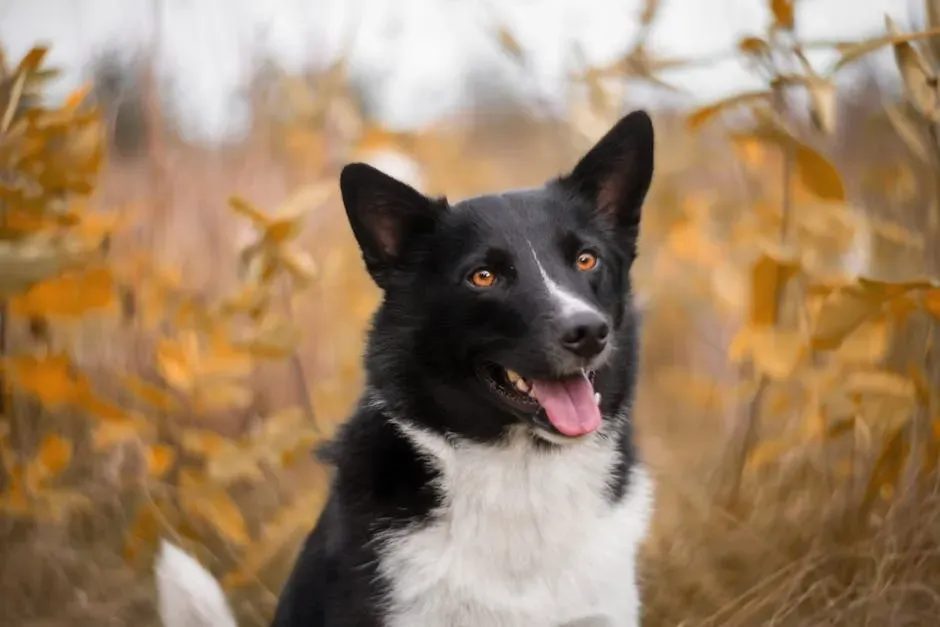
If there’s one breed that has earned an almost mythic reputation in Alaska bear country, it’s the Karelian Bear Dog. The pursuit of safer human-wildlife coexistence led bear biologist Carrie Hunt to this breed specifically for finding bears, pushing them away from people, and helping communities live safely in bear country. The KBD is a hardy hunting dog from Finland, renowned for the ability to pursue and bay large game safely and effectively, and select lines from good hunting bloodlines are fearless even in the pursuit of brown bear.
The Alaska Fire Service itself has called on these specialized canines to protect firefighters battling wildfires, and Karelian Bear Dogs have already demonstrated their value by deterring bears that wandered into remote work camps. In practice, KBDs will engage grizzly or black bears and bark or “bay” to flush them from cover or hold them in a location, all while keeping a safe distance. If you’re a dog owner living in bear-dense regions of Alaska, learning to read your KBD’s alert behavior, ears forward, intense focus, body locked on a scent direction, could give you critical early warning time.
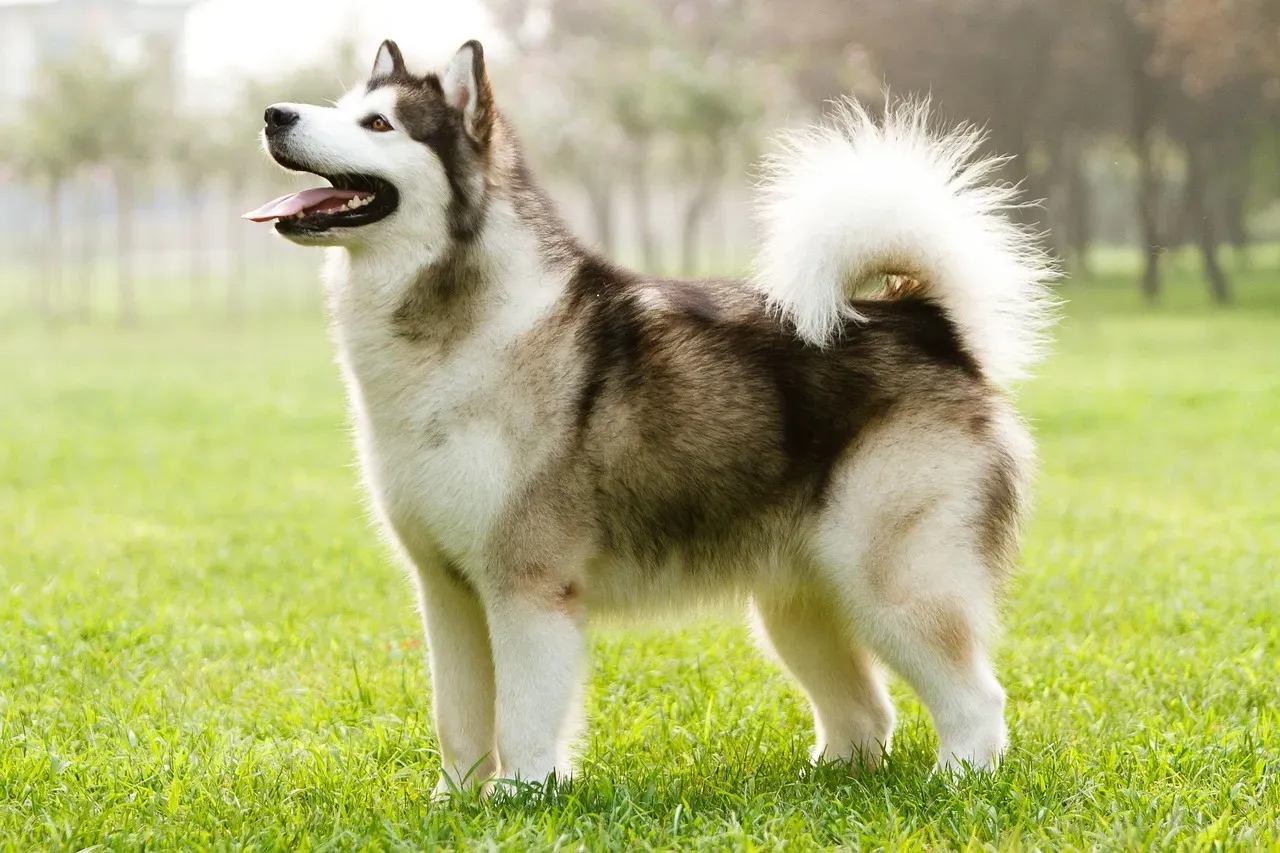
2. Alaskan Malamute: Born From the Frozen North
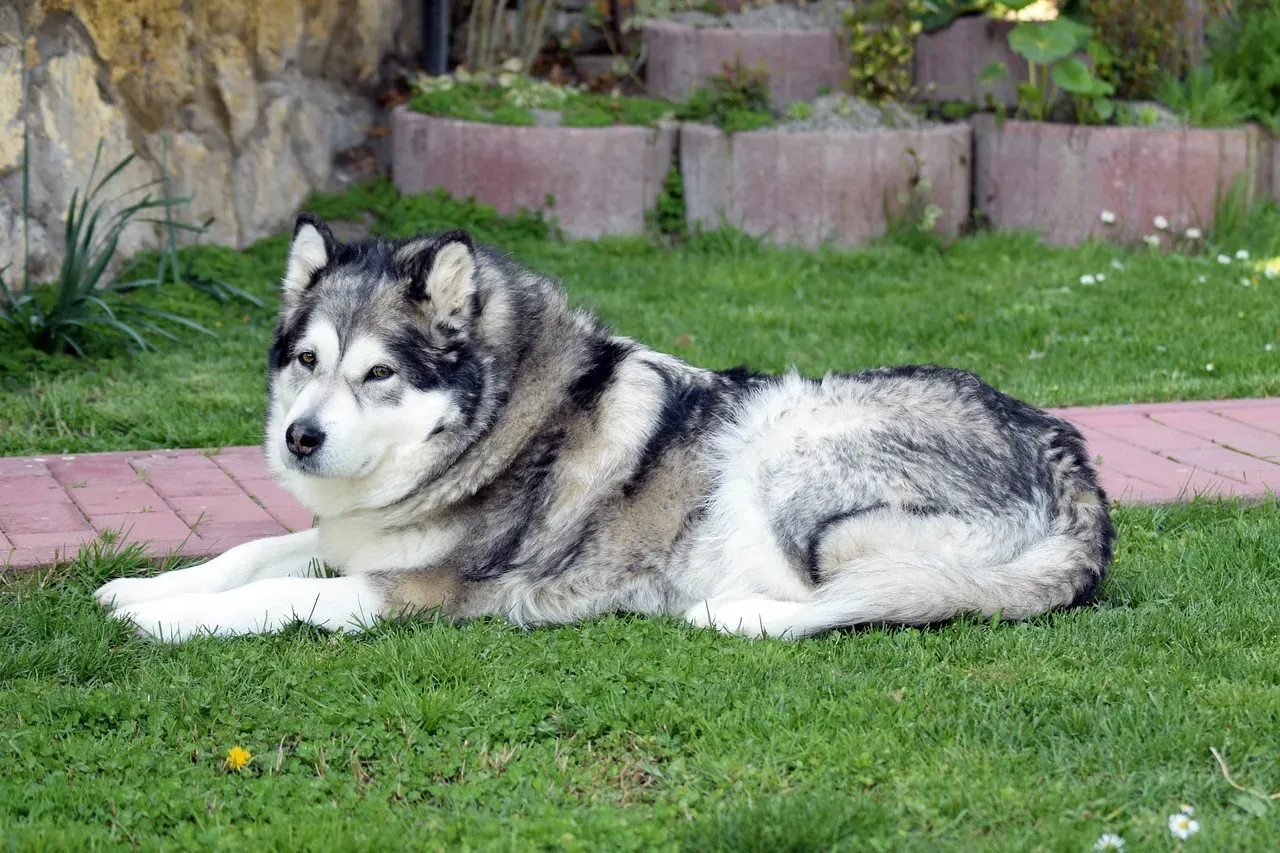
Bred by the native Mahlemut people of Alaska, the Alaskan Malamute was indispensable for survival, hunting seals, warding off polar bears, and hauling heavy sleds across icy terrain. This is a dog that was shaped by Alaska itself, generation after generation. Larger and more robust than their close relatives the Siberian Husky, Malamutes can weigh twenty pounds more and stand taller, with a double, exceptionally thick coat that provides unmatched insulation against frigid winds and snow.
The Alaskan Malamute is the heavy lifter of the Arctic world, bred to haul massive loads across frozen landscapes with all-out strength and stamina. Unlike racing sled dogs, Malamutes are built for power, not speed, and their thick double coat protects them from freezing temperatures, allowing them to thrive in extreme cold. One practical note for owners: beyond their physical resilience, Malamutes are highly intelligent, loyal, and remarkably social, thriving when given purposeful work and plenty of physical exercise. Without that outlet, they’ll redirect that energy in ways you probably won’t appreciate.
3. Caucasian Shepherd Dog: The Mountain Fortress
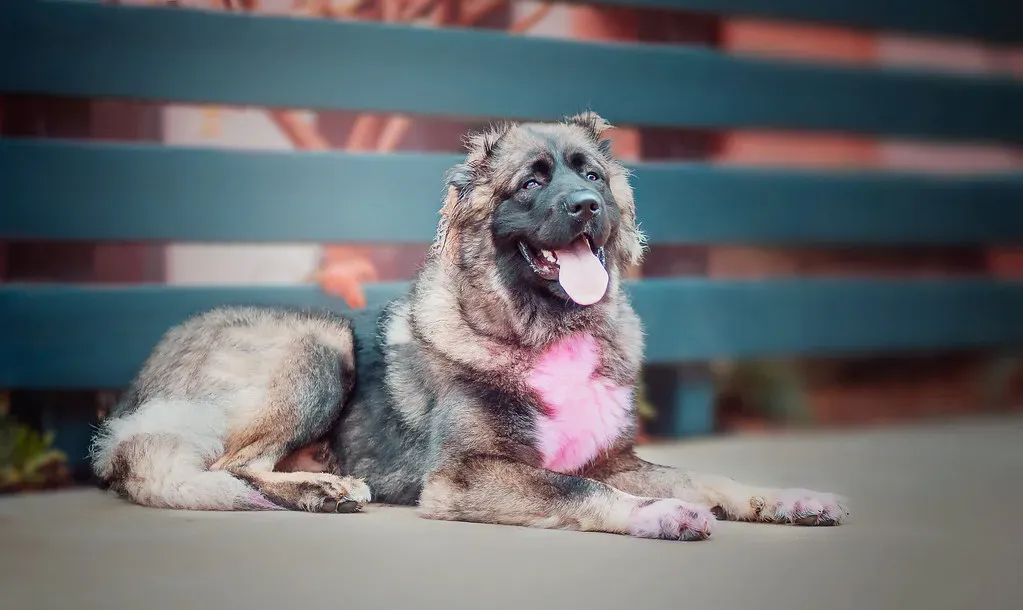
The Caucasian Shepherd Dog, also known as the Caucasian Ovcharka, is one of the most powerful guardian breeds in the world. Originating from the rugged Caucasus Mountains, these dogs were bred to protect flocks from wolves, bears, and intruders. They carry that heritage visibly. Their sheer mass alone commands attention, and a bear encountering one in a field has reason to reconsider its approach entirely.
Despite their intimidating looks, Caucasian Shepherds are deeply devoted and loving with their families, and with those they trust, they’re surprisingly affectionate and gentle. They need an owner who can provide firm, confident leadership, someone they respect as a true equal. These massive dogs are fearless protectors, standing up to wolves, bears, and other threats, but they require experienced handling due to their strong-willed nature. This is not a first-time dog owner’s breed. Respect goes both ways with a Caucasian Shepherd.
4. Kangal: Speed, Strength, and Intimidating Instinct
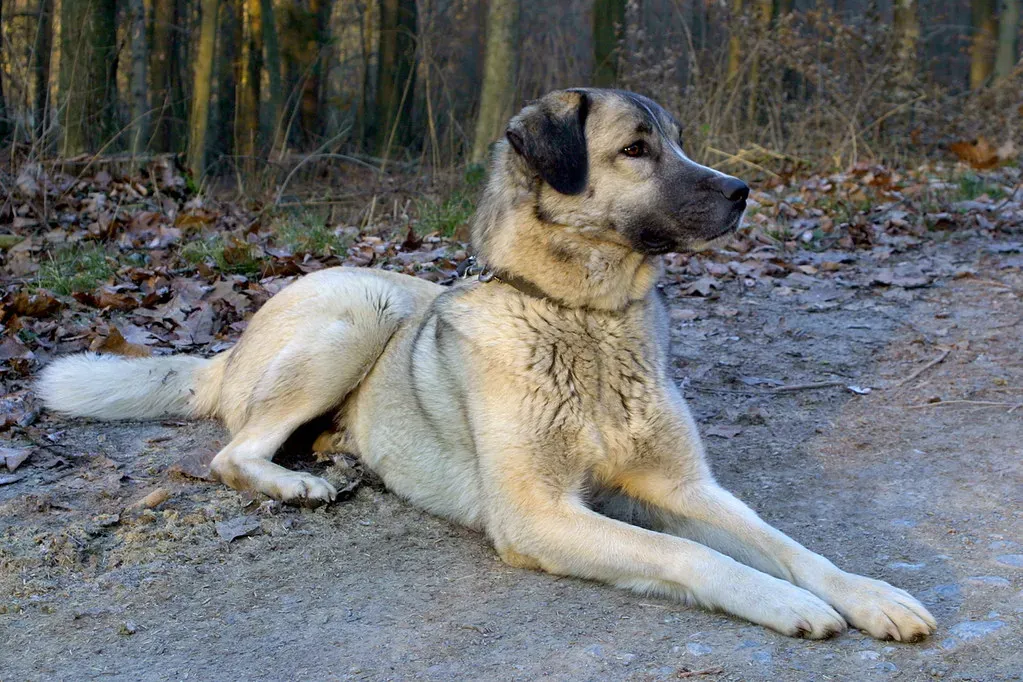
The Kangal Dog is one of the most powerful livestock guardian breeds, boasting incredible strength and speed. This Turkish breed is known for its unmatched ability to guard livestock, often scaring off wolves with its intimidating presence. Kangal Dogs have been successfully introduced to western U.S. sheep producers where grizzly bears and wolves threaten livestock, and their track record in predator-dense territory speaks for itself.
In rough country, a Kangal works perimeter routes, deterring predators long before conflict escalates. Socializing them thoughtfully and teaching solid recalls allows you to trust their judgment when terrain hides trouble. In Alaska, where a threat can materialize quickly out of dense brush, that independence combined with reliable recall training makes all the difference. Wolves represent the highest threat level among predators, and the Kangal ranks among the best breeds for wolf deterrence.
5. Anatolian Shepherd: Ancient Guardian, Modern Protector
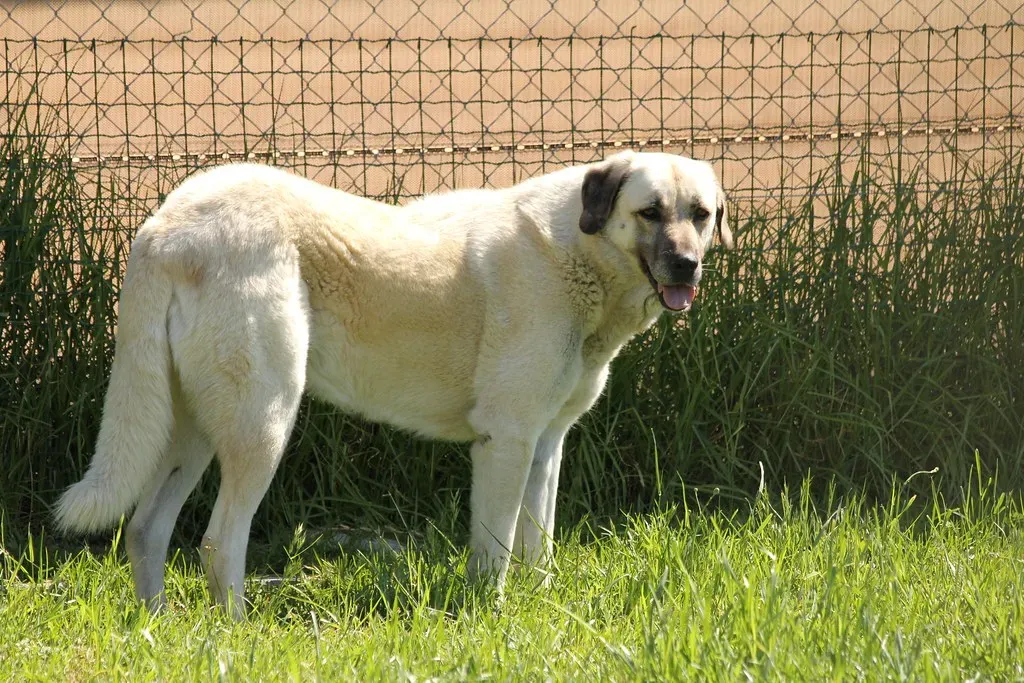
Originating from Anatolia in Turkey, this powerful breed was bred to protect livestock like sheep and cattle from predators. With its large size, muscular body, and impressive endurance, it thrives in challenging terrains and tough outdoor environments. Anatolian Shepherd dogs have ancient roots that go back nearly 6,000 years. Few breeds carry that kind of field-tested pedigree. The Anatolian Shepherd’s robust health, resilience, and innate guarding instincts translate well to the cold, with many thriving in Alaskan conditions, and their independent nature and protective instincts make them excellent guardians against wildlife.
Originally bred to guard flocks, the Anatolian Shepherd has one of the strongest bite forces of any dog breed on the planet. Their large, imposing build, powerful legs, and desire to work make them great dogs for the outdoors, and to this day they are still used as livestock guardians. A behavioral cue worth knowing: Anatolians tend to be calm and quiet most of the time. When one becomes suddenly alert and positions itself between you and the tree line, take notice. That calm shift to focused intensity is how they communicate threat awareness.
6. Great Pyrenees: The Calm Sentinel of the Wilderness
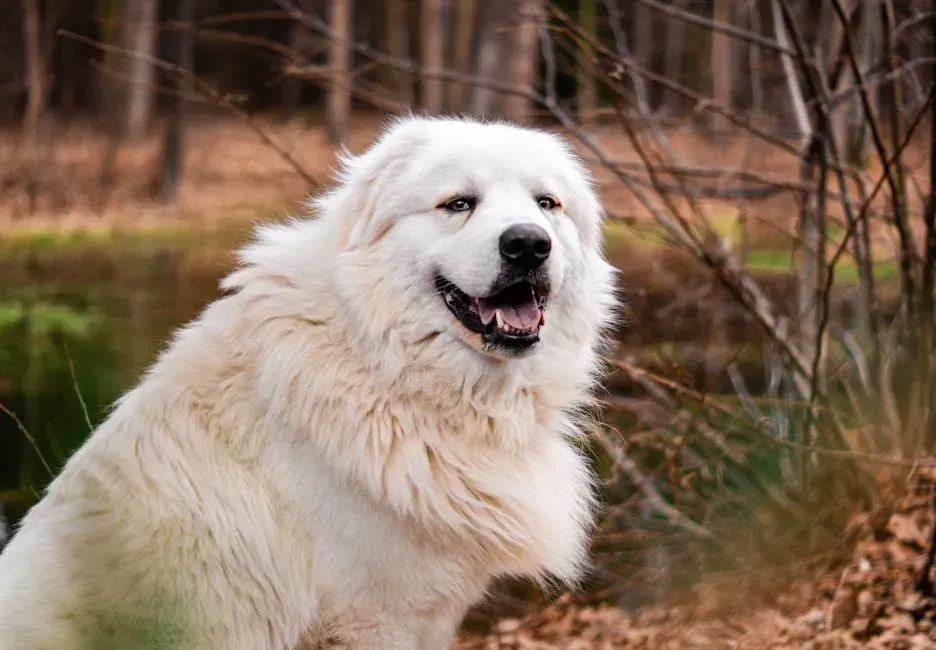
Originating in the high mountains between France and Spain, the Great Pyrenees was developed to protect flocks from predators with courage, intelligence, and bursts of explosive energy. Unlike endurance runners, these incredibly intelligent dogs rely on strategic strength, designed to charge and intimidate threats while conserving energy for decisive action. Friendly, calm, and deeply devoted, they thrive when close to people.
Great Pyrenees dogs are most comfortable positioned within their flock. While they can weigh from 80 to 120 pounds, their primary defense is a low and intimidating bark that carries across open ground. Big and loud, they will get between the herd and danger, though they’re not likely to give chase or get into a direct scrap. Their thick double coat shields them from snow, wind, and freezing temperatures, which makes them well suited to Alaska’s brutal winters, though strenuous exercise in warm weather should be avoided. Think of them as the watchful barrier between your animals and the treeline after dark.
7. Tibetan Mastiff: The High-Altitude Fortress Dog
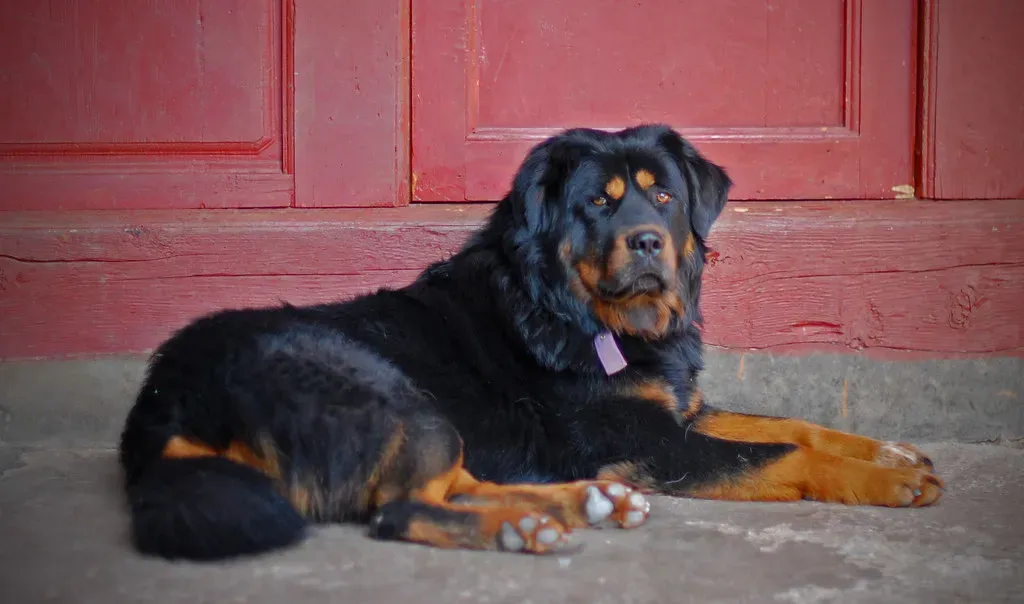
The Tibetan Mastiff is the ultimate guard dog of high-altitude wilderness, built to withstand some of the planet’s harshest climates. Originating in Tibet and the Himalayan regions of Ladakh, this imposing breed was developed to protect flocks from predators and herding livestock, using instinctive tactics like barking, scent-marking, and strategic intimidation rather than confrontation. Its survival in extreme environments relies not only on sheer strength but also on deep-rooted pack instincts, a trait shared with wild canids such as wolves.
In their native Tibetan region, Tibetan Mastiffs were bred to protect livestock from predators like wolves, snow leopards, and bears. That’s a predator list that translates meaningfully to Alaskan conditions. Tibetan Mastiffs are large, powerful dogs with a thick double coat that provides protection from both the elements and potential attackers, and they also have a deep bark and intimidating presence that can be enough to deter potential threats before a confrontation even begins. Socialization from puppyhood is genuinely important with this breed. Without it, their natural wariness of strangers can become unmanageable for even experienced owners.
8. Norwegian Elkhound: The Viking’s Wilderness Partner
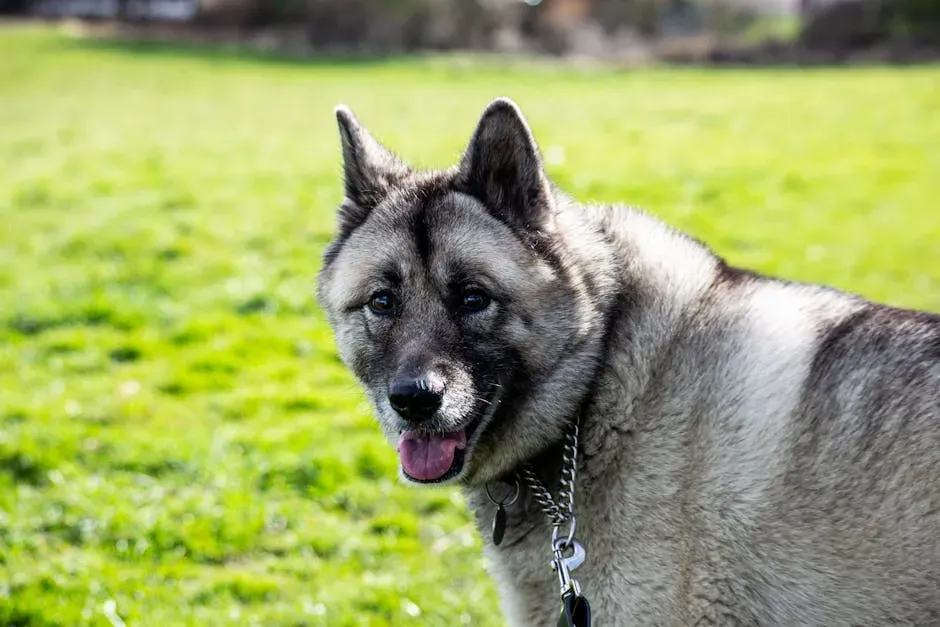
The Elkhound has served as a hunter, guardian, herder, and defender throughout its long history. It is known for its courage in tracking and hunting elk and other large game, such as bears and wolves. The Norwegian Elkhound is a hardy, adventure-ready companion built for cold, rugged landscapes. Weighing roughly 45 to 57 pounds, this breed’s strength comes wrapped in a thick, weatherproof double coat that shields them from snow, wind, rain, and icy temperatures. Originating in Scandinavia, Elkhounds were bred to hunt and track large game in harsh climates, giving them endurance, intelligence, and real courage in the wilderness.
The breed’s role in the hunt was to independently track down large game and hold it at bay, jumping in and out to distract its attention while signaling to hunters by barking very loudly, and the dog would only bark while the animal was stationary. That controlled, tactical approach is precisely what makes the Elkhound valuable in Alaska. They can be independent and vocal, especially when alerting to movement, which makes them excellent watchdogs for any remote camp or homestead. Annual wellness checks for kidney health are worth prioritizing with this breed, as they carry a known hereditary predisposition to certain kidney conditions.
9. Airedale Terrier: The Scrappy All-Purpose Defender
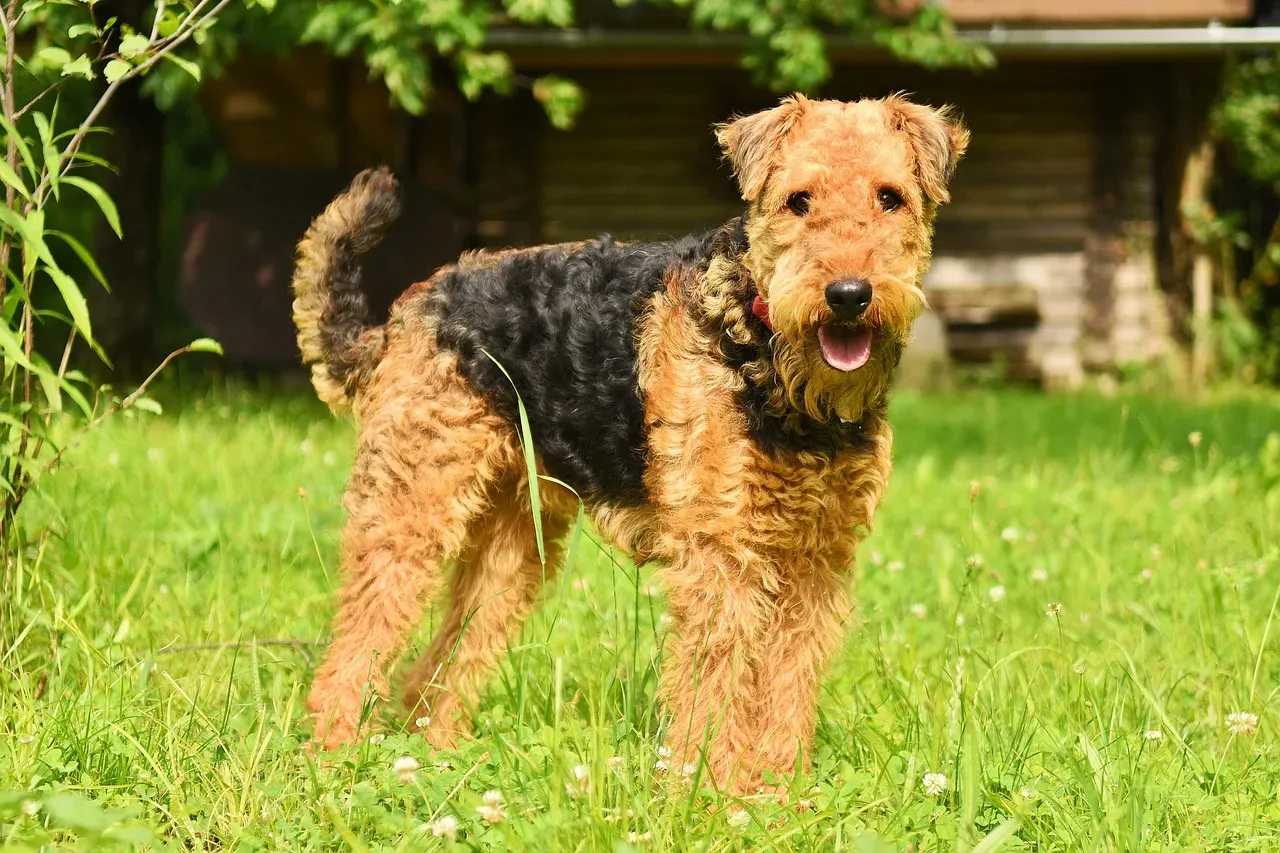
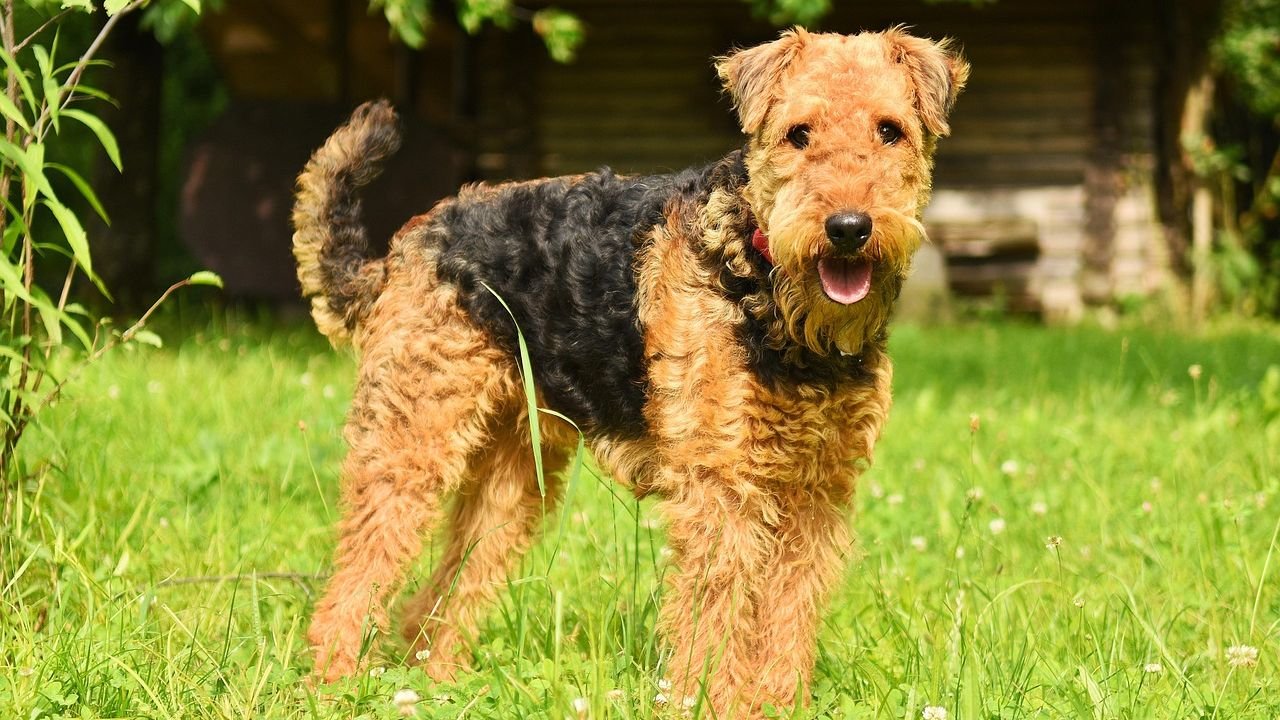
Originally bred as all-around hunting and working farm dogs in England, the Airedale Terrier continues to be used by landowners in the American West as a utility tool of sorts for protecting farmsteads and human safety in areas with dense grizzly populations. They may not have the sheer bulk of a Kangal or Caucasian Shepherd, but what they lack in size they compensate for with relentless tenacity and intelligence. Airedale Terriers and Karelian Bear Dogs are used by landowners and conflict reduction specialists alike as guard and pursuit dogs to protect human safety and pursue wildlife.
As a commercial fisherman in Alaska, one veteran handler used his Airedale as a working companion and also ran the breed to tree and trap mountain lions. The breed has since been used as a safety net while hunting in dense grizzly bear country and to protect small livestock and cattle close to the ranch. In addition to their bear and mountain lion chasing prowess, KBDs and Airedale Terriers are good family dogs, making them well suited to support smaller ranching and farming operations that need an all-purpose utility dog. If you live in a remote Alaskan area and want one dog that can do many jobs, the Airedale deserves serious consideration.
10. Siberian Husky: Endurance Athlete With a Wild Edge
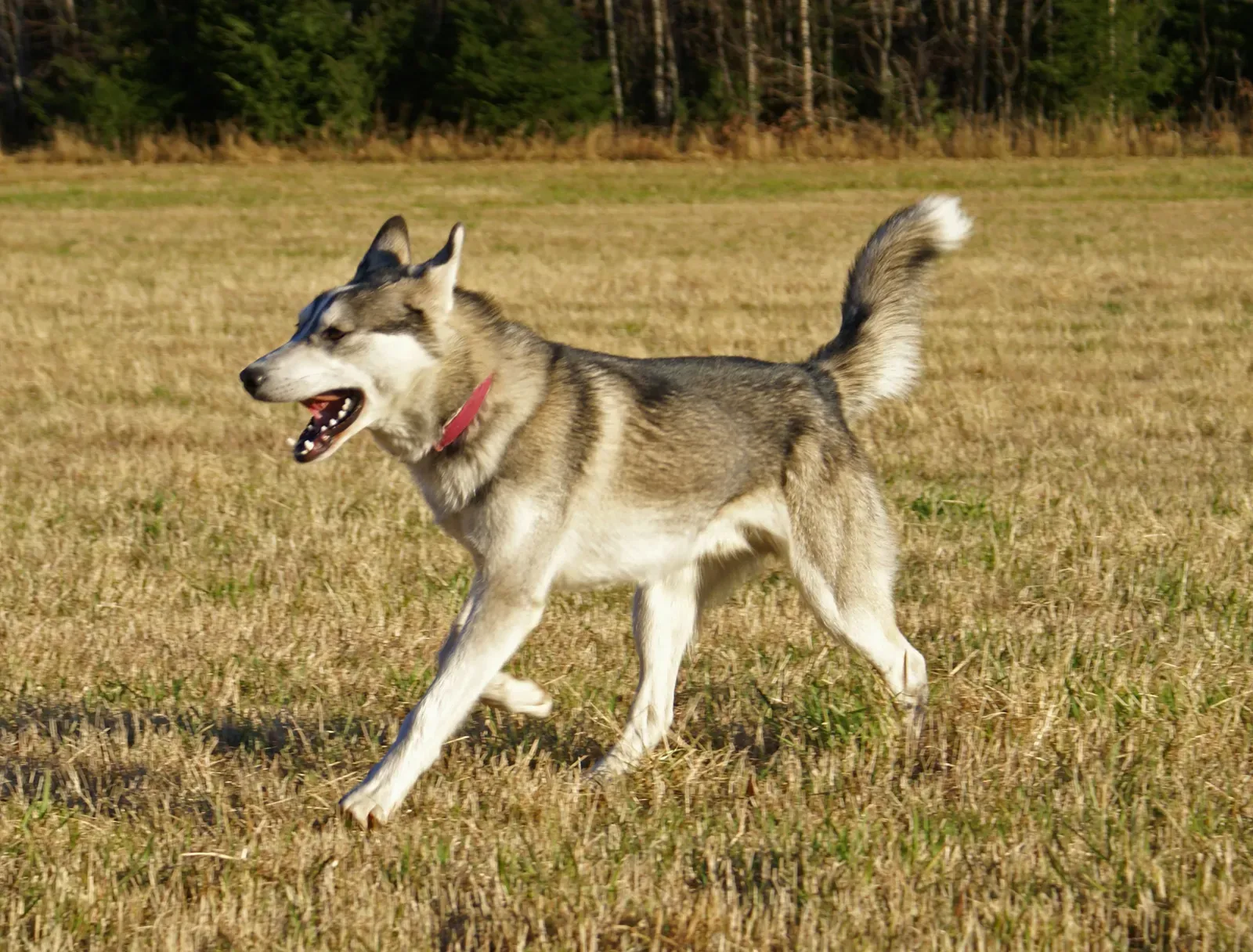
Recognized worldwide for their endurance, the Siberian Husky is one of the quintessential breeds known for its ability to thrive in Arctic conditions. Originally bred by the Chukchi people of Siberia, these medium-sized dogs were brought to Alaska during the Nome Gold Rush to serve as sled dogs. Their thick double coat, compact size, and remarkable stamina make them well suited for long journeys in cold climates.
Siberian Huskies, as an ancient breed, can pull sleds for miles with steady speed during long journeys through remote wilderness, running all day with minimal food while pulling many times their own body weight. The Siberian Husky possesses a wild, wolf-like appearance paired with a lean and highly muscular body. While Huskies aren’t classic guardian dogs, their acute senses, loud alert behavior, and boundless stamina make them valuable early warning systems in wilderness settings. A Husky that suddenly stops, pivots, and fixes its gaze on the treeline is telling you something you should listen to.
Important Considerations Before Choosing a Wilderness-Ready Dog
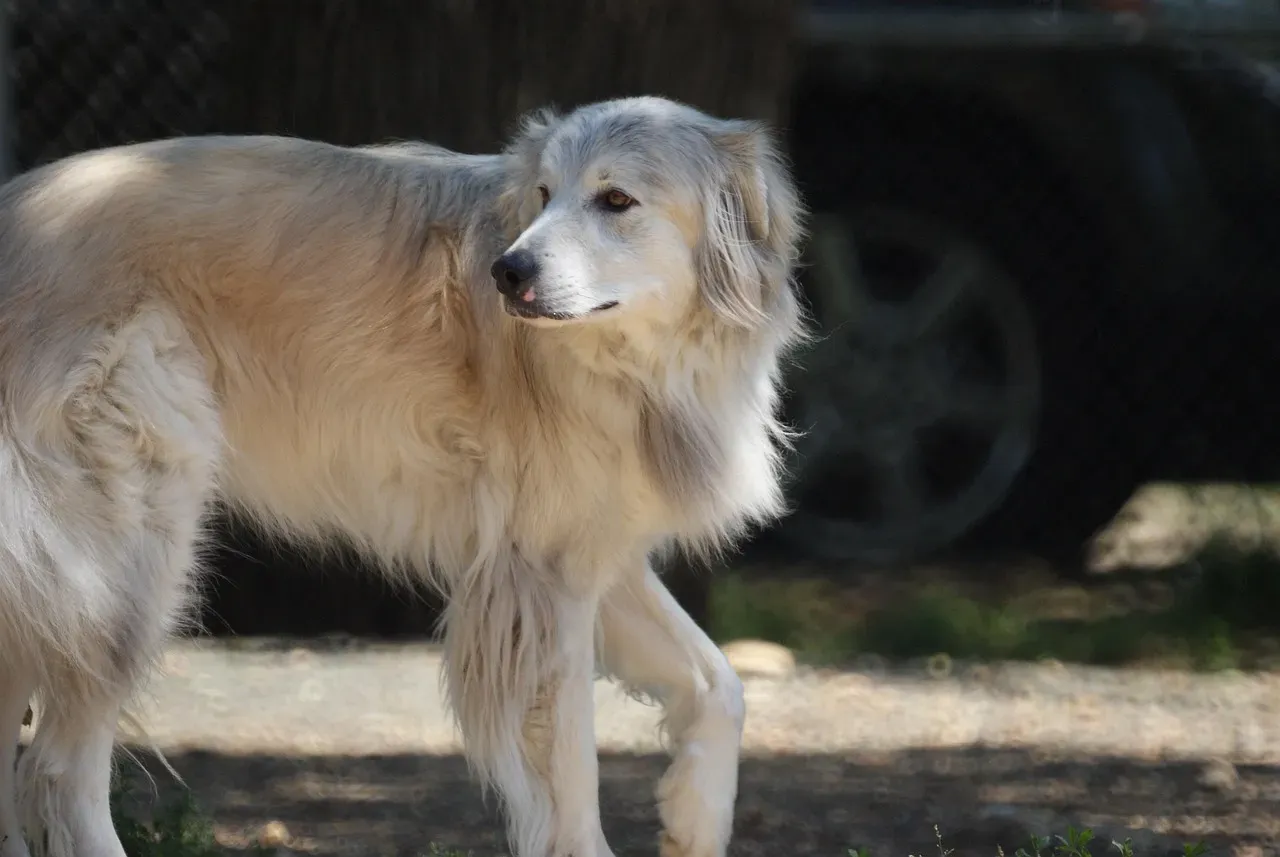
When it comes to guarding farms and families, it’s important to remember that not all dogs are suited for the role. True livestock guardians are bred from a young age to bond with animals and stay calm under pressure, and while some dogs may bark at intruders, only specialized breeds have the instincts and power to physically protect flocks and homes. Choosing the right breed for Alaska’s wilderness isn’t something to rush.
Single guardian dogs can handle coyotes and solitary threats, but wolves in packs require multiple mature guardians, with two to four dogs per large pasture being common when wolf pressure is high. Raising pups with livestock before twelve weeks is also key, as it ensures they bond to the flock and accept stock as family. It can take twelve to twenty-four months for pups to become effective guardians, and some dogs take even longer to mature and outgrow the instinct to chase or play with livestock rather than protect them. Patience is not optional. It’s part of the commitment.
Conclusion: Courage Has a Breed, But It Still Needs You
Every dog on this list carries something remarkable in their DNA, centuries of purpose-built instinct shaped by some of the harshest environments humans and animals have ever shared. In Alaska, where the wilderness is genuinely wild, that heritage matters. A Karelian Bear Dog that knows how to haze a grizzly, an Anatolian Shepherd standing firm at the perimeter of a remote homestead, or a Malamute that simply refuses to quit in minus-thirty-degree conditions, these are not ordinary dogs doing ordinary things.
Still, no breed’s instincts work in isolation. Early socialization, consistent boundaries, and proper training prevent dogs from roaming, chasing non-threats, or harming stock. Regular vaccination, parasite control, and good nutrition ensure that guardian dogs stay healthy enough to actually do their job. The courage these dogs carry is extraordinary. But your consistency, care, and understanding of their individual needs are what allows that courage to work for both of you. In Alaska’s wilderness, that partnership isn’t just meaningful. It’s essential.


