
Pennsylvania is a state that asks a lot of its residents, and honestly, of their dogs too. The Keystone State experiences a true four-season climate, including frigid winters with heavy snow, damp springs with frequent rain and thawing, hot and humid summers, and leaf-filled autumns. That’s a wide swing from one season to the next, and not every dog breed is built to roll with it.
Pennsylvania generally has a humid continental climate characterized by wide fluctuations in seasonal temperatures. Summers are generally hot and humid with temperatures reaching into the high 80s and 90s during the day, while winters tend to be cold and snowy. For certain breeds, this kind of climate mismatch isn’t just uncomfortable. It can create real health challenges that well-meaning owners don’t see coming until their dog is already struggling. Whether you’re thinking about bringing a new dog home or already sharing your life with one of these breeds, what follows is a practical, honest look at which dogs tend to hit a wall in Pennsylvania, and which ones genuinely thrive here.
1. Siberian Husky: Built for the Arctic, Not the Philly Summer
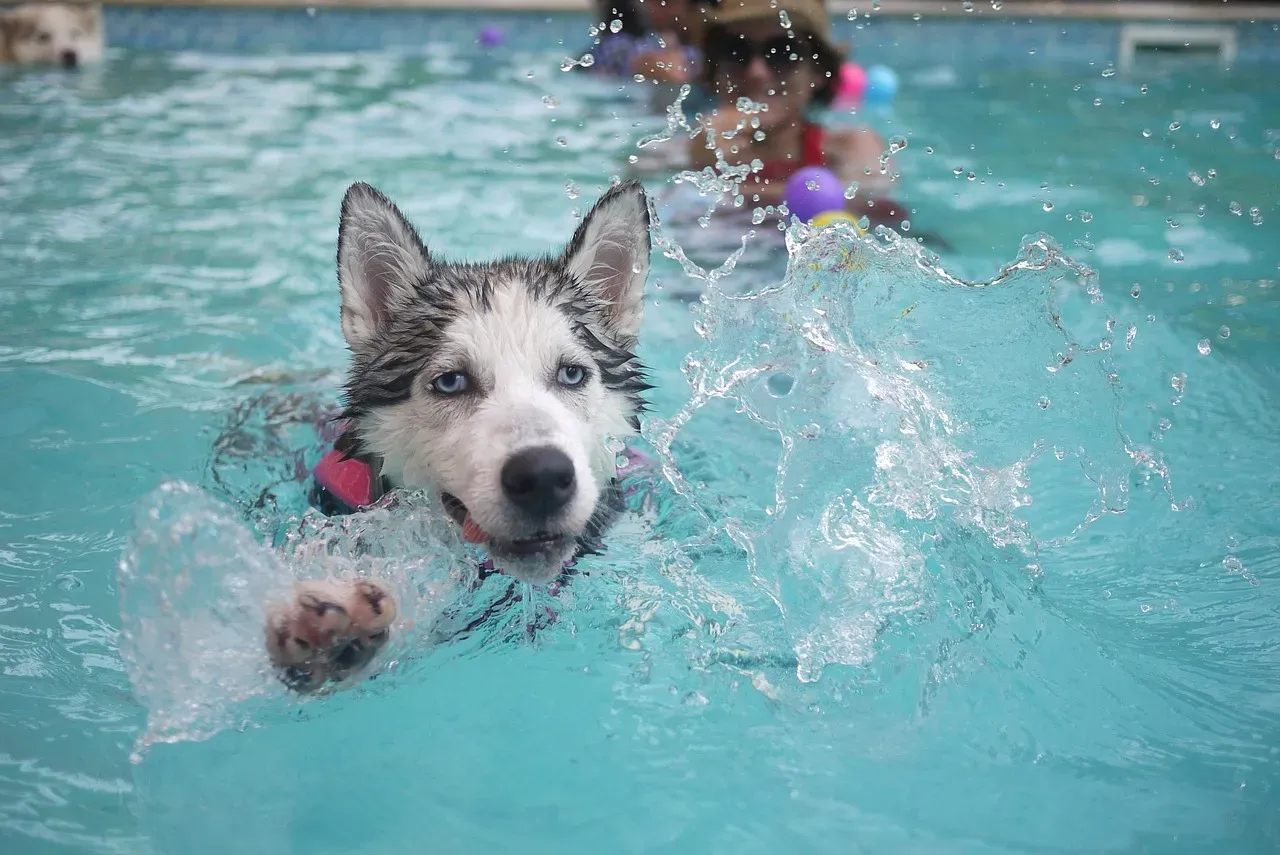
The Siberian Husky is one of the most striking dogs you’ll ever see, and many Pennsylvania families fall in love with that wolf-like look. The problem kicks in hard around June. The Alaskan Malamute, like the Husky, was bred to pull heavy loads in freezing temperatures, making these Arctic-type breeds one of the best for cold weather but one of the worst for hot climates. Huskies carry thick double coats that trap heat aggressively, and Pennsylvania’s humid summer months can push them toward dangerous overheating.
Beyond the physical risk, Huskies are high-octane working dogs that need serious daily exercise. From about July 1 to the middle of September, southeastern Pennsylvania occasionally experiences uncomfortably warm periods during which light wind movement and high relative humidity make conditions oppressive. During those weeks, a Husky owner faces a genuine dilemma: limit exercise and risk a bored, destructive dog, or exercise in the heat and risk heatstroke. Watch for excessive panting, drooling, and a glazed look in their eyes, all early signs of heat distress.
2. Alaskan Malamute: A Working Dog Out of Its Element
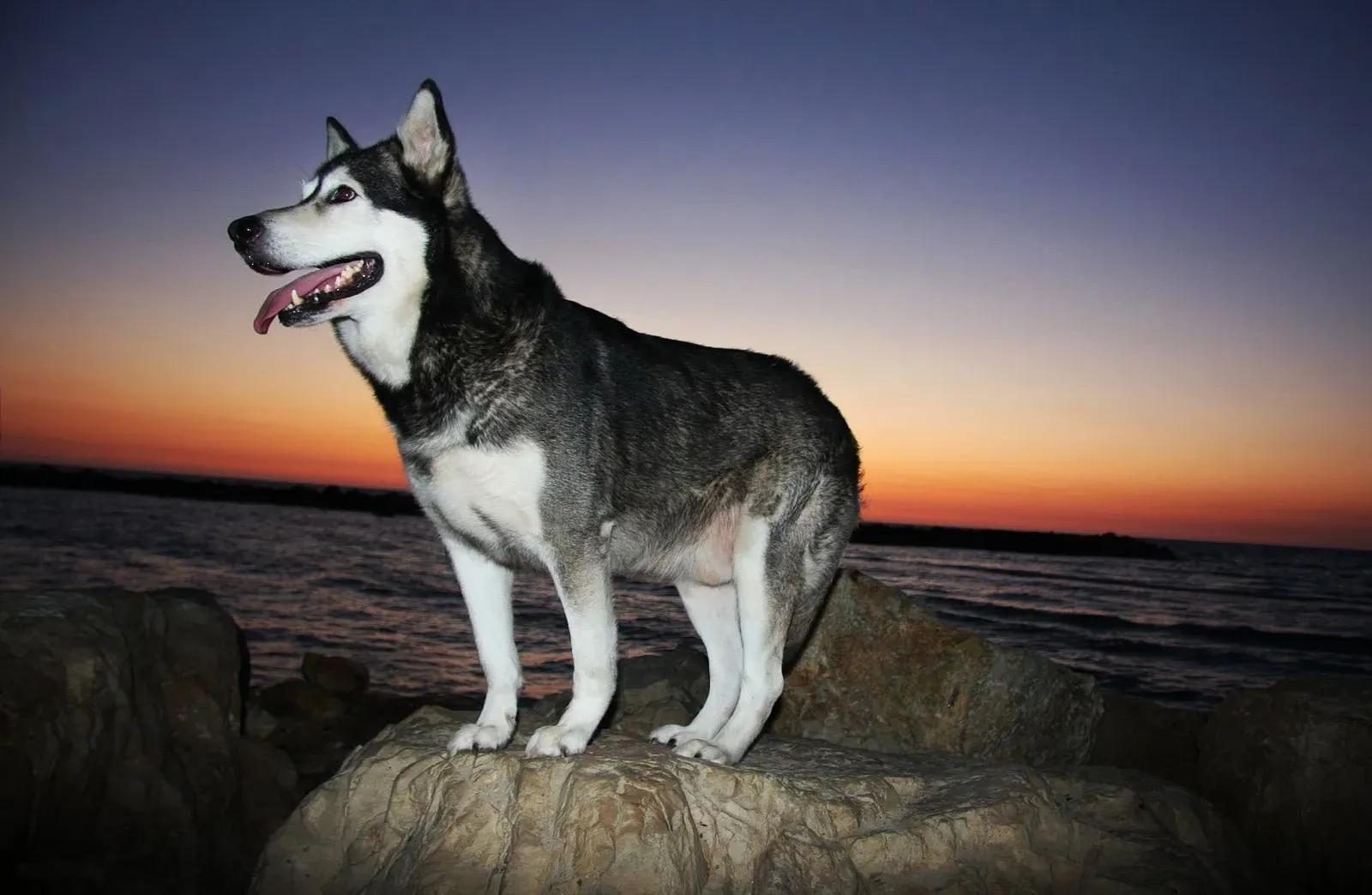
The Malamute’s dense coat is like a well-insulated parka that traps heat and locks out moisture. Malamutes love to work and be outside, so this breed is best for homes in colder or moderate climates. During the warmer months, it’s essential to plan outdoor exercise when the temperature is at its lowest. In Pennsylvania, that often means early morning walks before seven, even in May.
Malamutes also have a stubborn, independent nature that can make managing their exercise needs frustrating for first-time owners. If you already have one, invest in a quality undercoat rake and commit to regular grooming sessions throughout the spring and summer. Removing the loose undercoat dramatically reduces trapped heat. Always have multiple water stations set up, especially outdoors, and never leave your Malamute in a parked vehicle, even briefly.
3. English Bulldog: A Flat Face in a Humid State
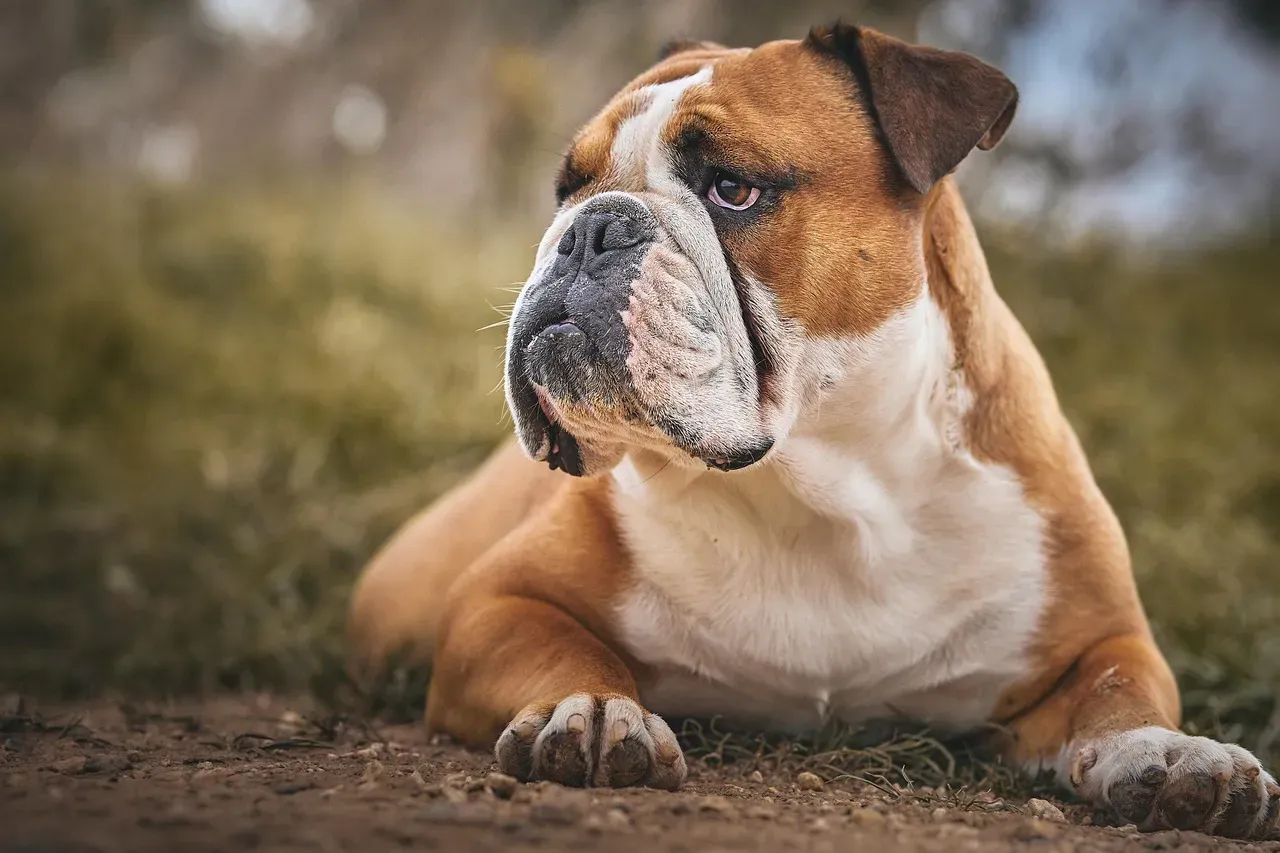
The flat face of an English Bulldog makes this breed prone to overheating. It’s vital that pet parents restrict this dog’s outdoor activity during the heat of the day. Fortunately, this isn’t too difficult, as English Bulldogs have a reputation for being calm dogs. The deeper issue is that dogs aren’t able to sweat the same way as people, relying on panting to cool themselves down, making brachycephalic breeds with short noses and flat faces particularly prone to heat exhaustion and dehydration.
Pennsylvania’s humid summers create a double threat for Bulldogs: the heat itself, plus the moisture in the air, which makes panting even less effective. Skin fold infections are another common issue in this breed during warm, muggy months. Watch for redness, odor, or discharge in their facial wrinkles. Clean them regularly with a damp cloth and dry them thoroughly to prevent bacterial buildup. Air conditioning isn’t a luxury for Bulldog owners in this state. It’s a health necessity.
4. French Bulldog: Popular but Poorly Suited for Keystone Summers
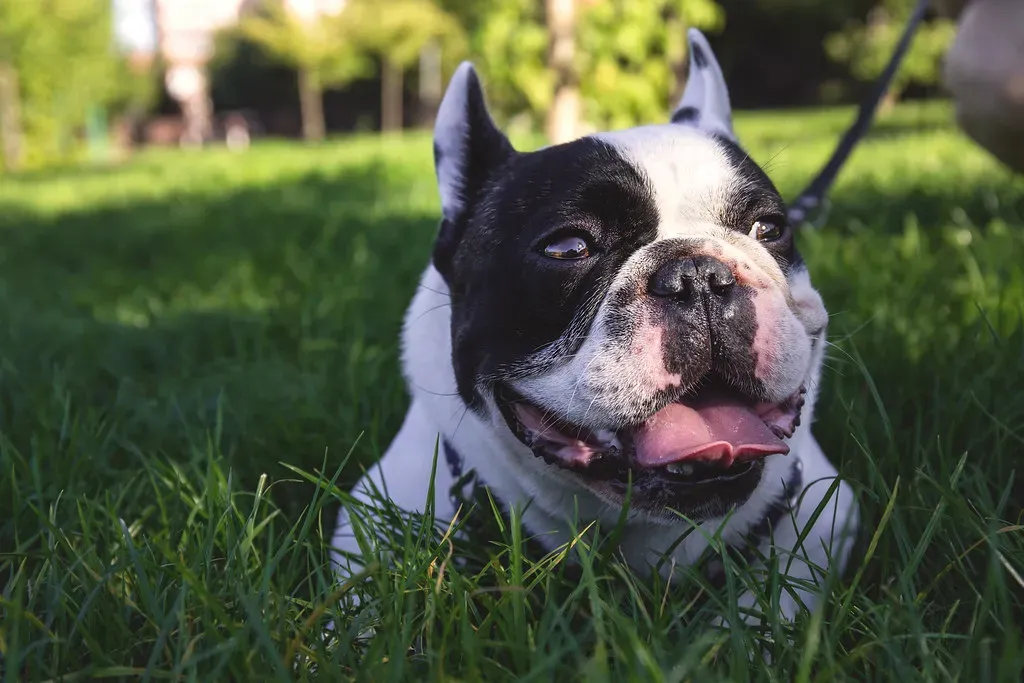
French Bulldogs cannot effectively cool down through panting, and because dogs don’t sweat like humans do, this can be dangerous. French Bulldogs are among the most popular dog breeds in the country, and their pet parents need to know how to keep them cool and safe. Their popularity in Pennsylvania cities like Philadelphia and Pittsburgh means thousands of Frenchie owners face this challenge every summer without fully realizing the risk.
Strenuous activities should be avoided during the hottest parts of the day. Consider cooling mats or fans to help reduce a Frenchie’s body temperature, and ensure they have access to fresh water around the clock. In Pennsylvania’s muggy summer afternoons, even a short bathroom walk can be enough to trigger respiratory distress in a French Bulldog. If you notice your Frenchie breathing loudly, stopping frequently, or stretching their neck upward while walking, those are signs to get them inside immediately.
5. Chow Chow: Dense Coat Meets Dense Humidity
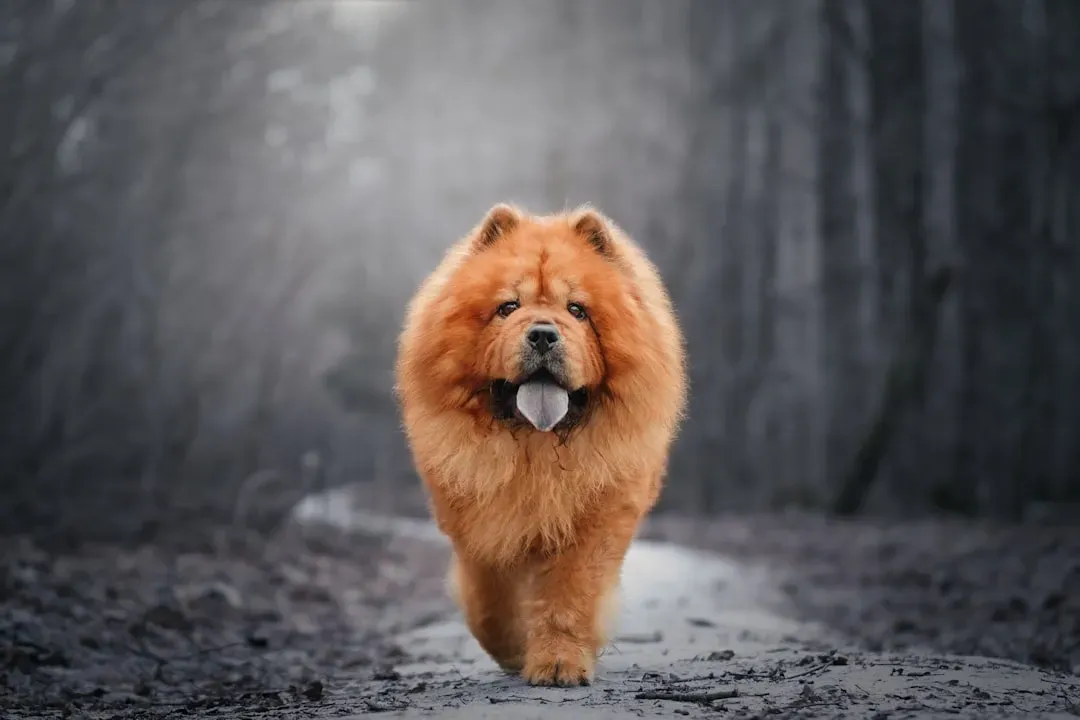
Chow Chows are not well suited for hot weather due to their thick double coat and heavy build, and when not properly cared for, they can easily overheat. The Chow Chow’s shortened muzzle and thick coat can be a deadly combination in hot weather. Pennsylvania’s summer humidity makes the situation worse, because humid air reduces the efficiency of panting even for dogs with normal muzzle lengths.
Chow Chows have an extremely dense coat better suited for cold climates and risk overheating if not kept in cool, shaded areas. Their naturally aloof temperament also makes it harder to read their discomfort. Unlike a Lab that will visibly lag and pant loudly, a Chow may simply sit still and silently overheat. Prevention tips include keeping them indoors during peak afternoon heat, using a slicker brush to thin the undercoat before summer, and always providing a shaded, well-ventilated outdoor space.
6. Saint Bernard: The Swiss Alps Dog in a Philadelphia Summer
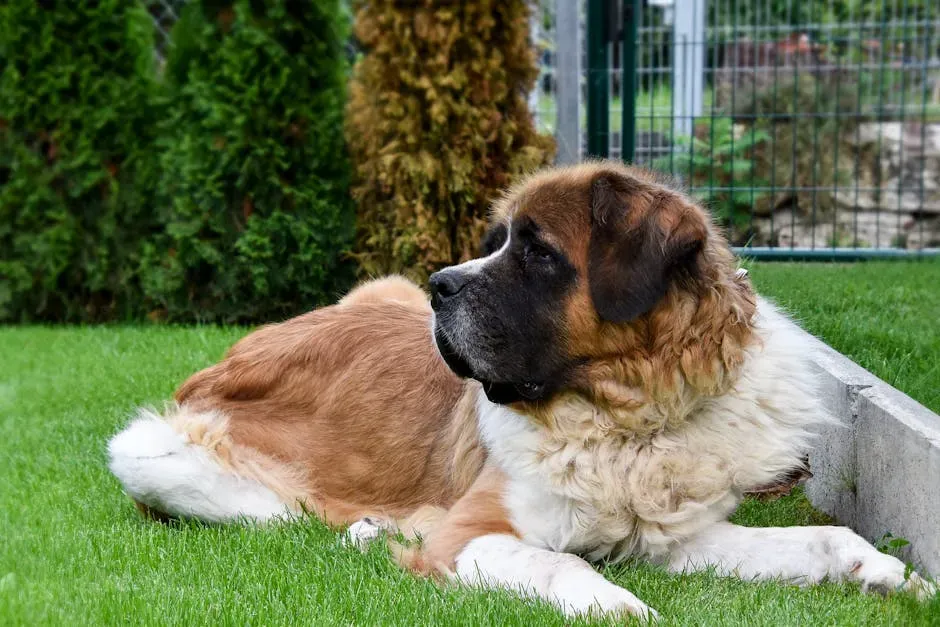
Originally from the Swiss Alps, Saint Bernards were bred for cold-weather rescue work. Thanks to the thick coat that protects them in the mountain snow, Saint Bernards can struggle in hot and humid climates. Offering them fresh water and using cooling mats and fans can help lower their body temperature. Originally from the Swiss Alps, Saint Bernards can quickly succumb to high temperatures and require air-conditioned environments in hot regions.
Saint Bernards are also giants, and size alone becomes a heat challenge. Larger dogs generate significantly more body heat simply by existing. In Pennsylvania’s summer months, a Saint Bernard in a home without central air conditioning is in a genuinely dangerous situation. If you own one, plan your outdoor time for early morning or after sunset, keep fresh water available in multiple spots, and watch for lethargy, excessive drool, or pale gums, which indicate dangerous overheating.
7. Pug: Adorably Vulnerable in Summer Weather
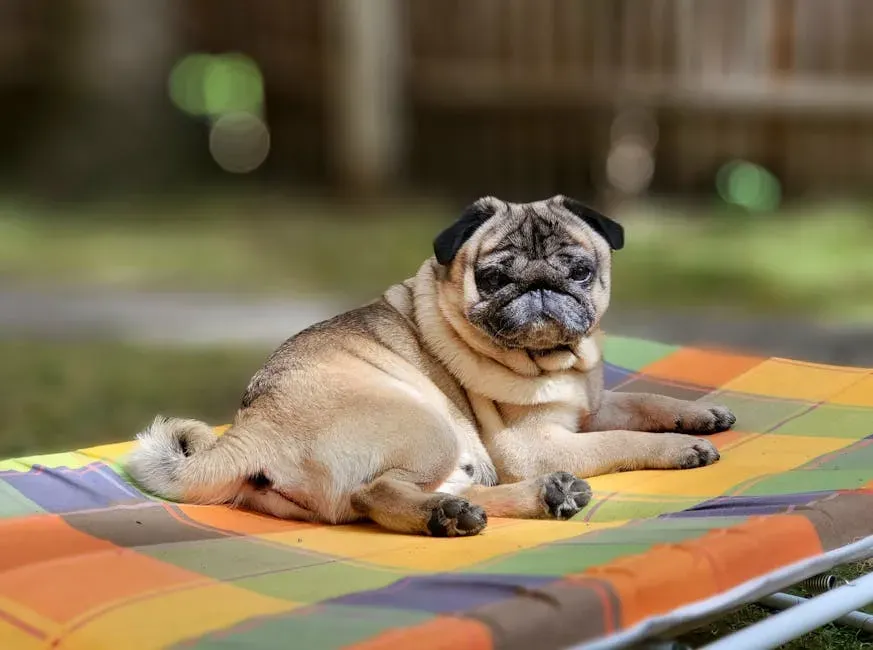
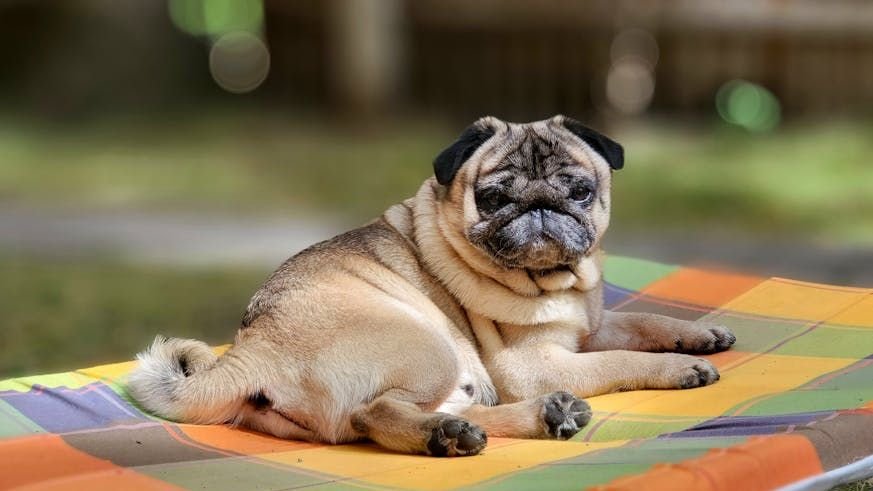
Despite the Pug’s short fur and compact size, they don’t do well in hot weather because of their flat face. Cool, well-ventilated places are important for keeping this small dog breed cool during the summer. In the Southeastern Coastal Plain and Piedmont Plateau, Pennsylvania’s summers are long and at times uncomfortably hot, with daily temperatures reaching 90°F or above on an average of 25 days during the summer season. That’s a lot of dangerous days for a flat-faced Pug.
Pugs are also prone to eye problems, dental issues, and obesity, all of which become harder to manage in a climate that limits exercise time. Their wrinkled faces, while irresistible, trap moisture during humid months and can breed yeast and bacterial infections if not cleaned regularly. A good routine includes daily face fold wipes, weight monitoring, and leaning toward indoor enrichment games during summer afternoons instead of midday walks.
8. Bernese Mountain Dog: A Cold-Climate Gentle Giant
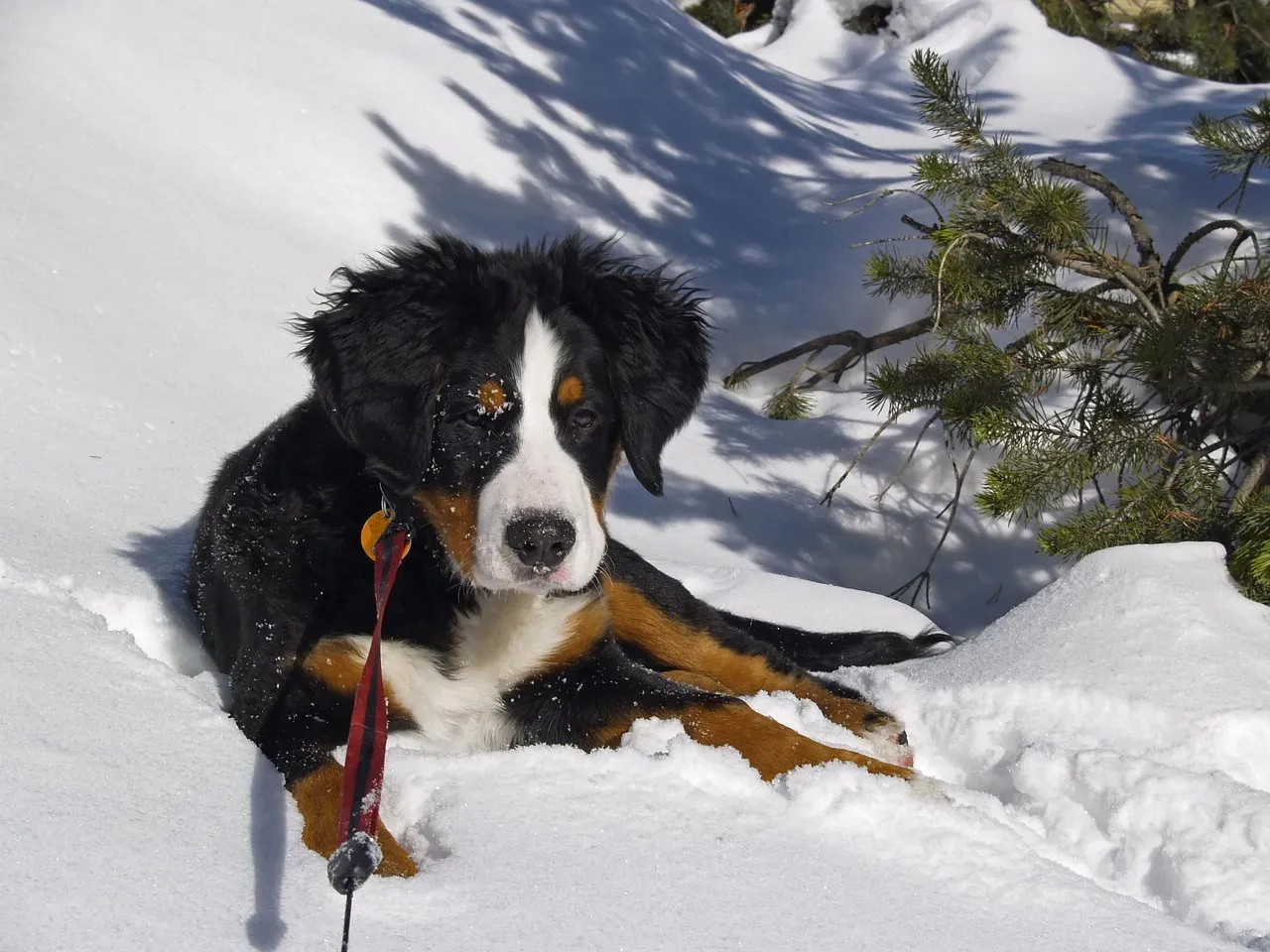
Bernese Mountain Dogs prefer parking beside the air conditioner over almost anything else when temperatures rise. Bred in the Swiss mountains to work in cold, alpine conditions, Berners carry thick, multi-colored coats that serve them beautifully in winter but become a burden when Pennsylvania’s humidity settles in. They’re gentle, loving, and devoted family dogs, which makes their heat sensitivity all the more important for owners to understand.
Fortunately, Pennsylvania winters are genuinely enjoyable for Bernese Mountain Dogs. They thrive in snow and cooler temperatures, which gives them a real quality-of-life advantage during several months of the year. The summer management plan is what matters most. Keep outdoor time to early morning and after dark during July and August. Regular brushing helps, and if your Berner seems lethargic on a hot day even in air conditioning, a quick vet check is always warranted.
9. Akita: Stoic but Struggling in the Heat
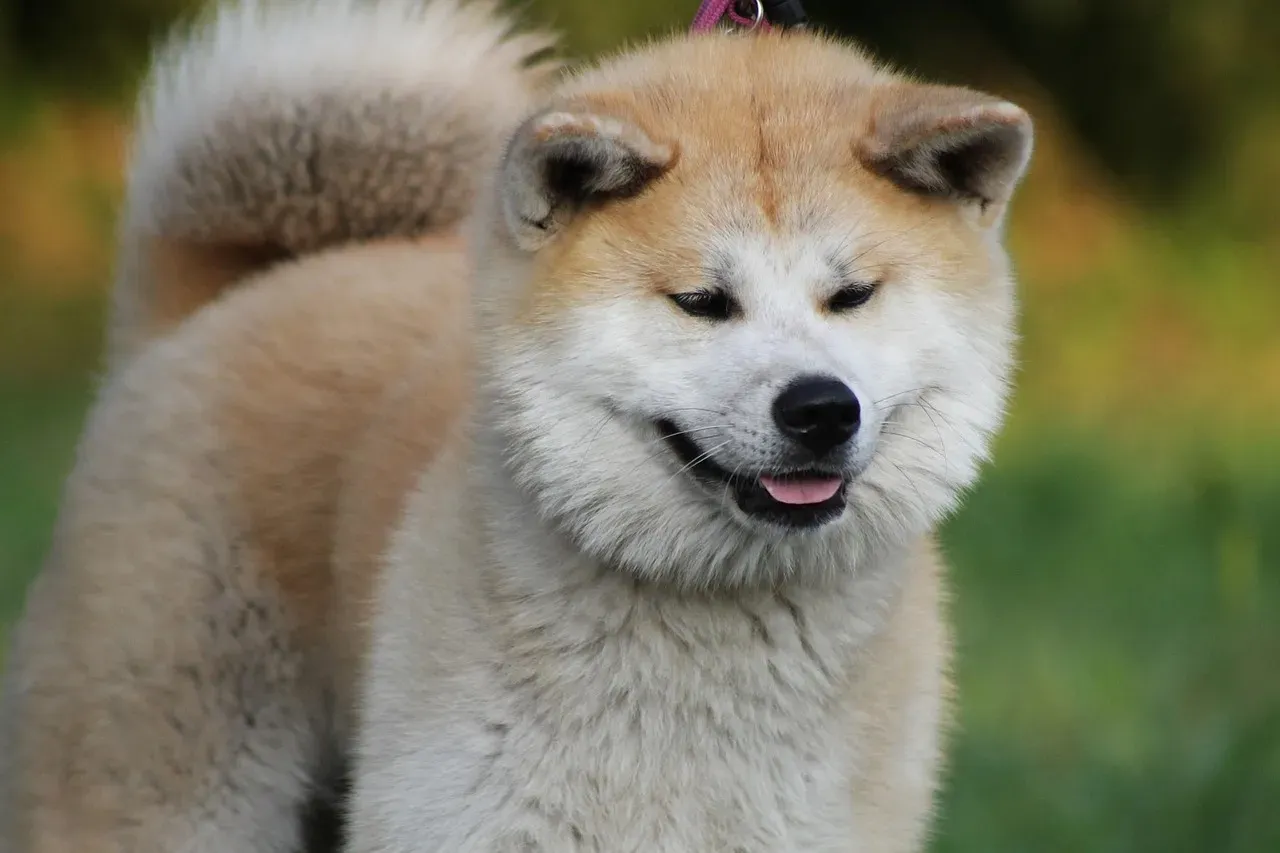
In cold weather, an Akita’s thick double coat provides insulation, but in hot weather this coat may cause them to overheat. These dignified Japanese dogs originated in mountainous regions where winters are harsh and summers relatively mild. Akitas have thick double coats designed to keep them warm in icy conditions, and that same fur can trap heat in warmer months, leading to discomfort.
Akitas may appear stoic and unbothered, but don’t let that fool you – they’re struggling internally to regulate their body temperature. This breed’s tendency to mask discomfort is actually one of its biggest risks in Pennsylvania. An Akita in distress won’t always show obvious signs until the situation is serious. Prevention is everything here. Establish a reliable summer routine of early exercise, midday indoor rest, and regular coat maintenance. Never skip water access, and keep cooling mats available in their favorite resting spots.
10. Pekingese: Long Coat, Flat Face, Wrong Climate
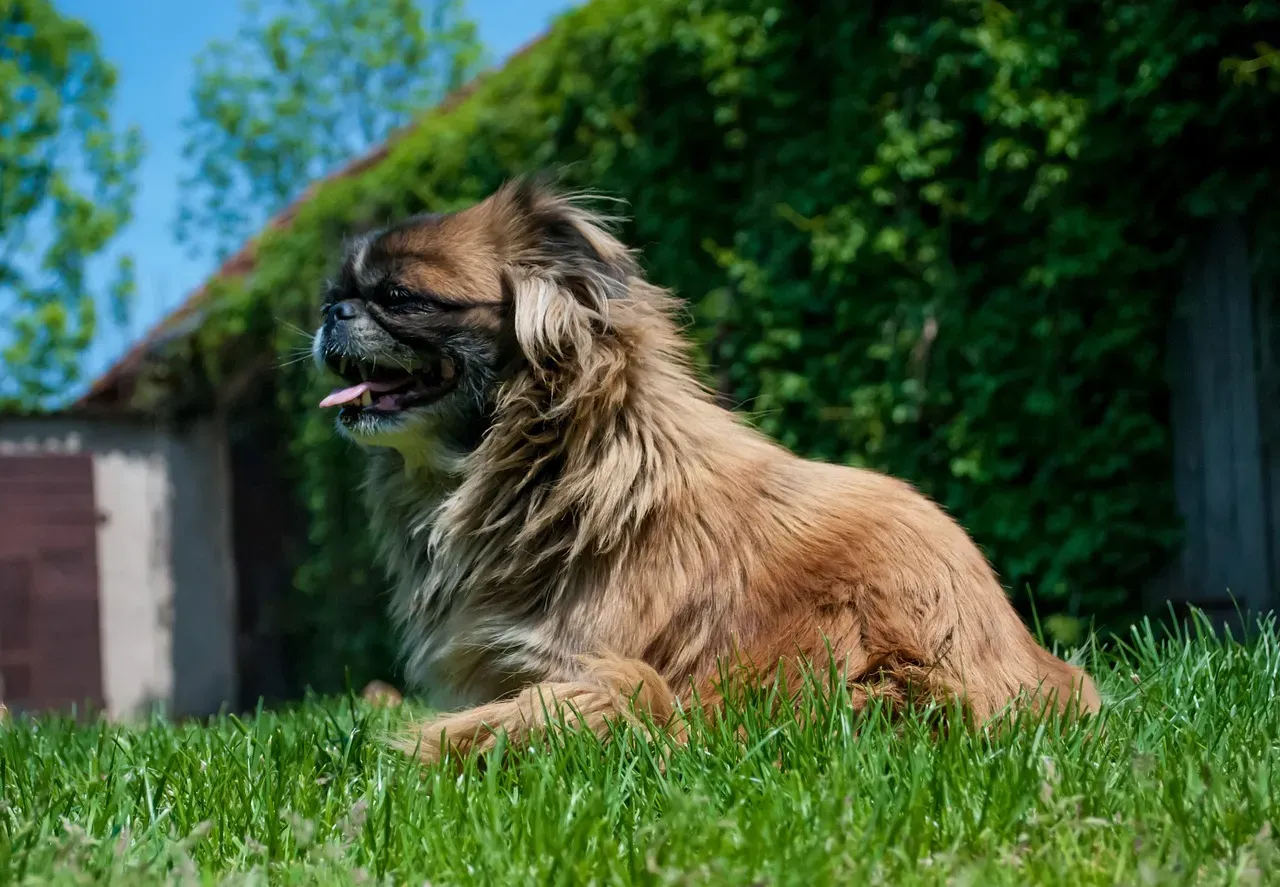
Pekingese cannot tolerate hot weather because they have a long, thick coat and because they’re brachycephalic. The most recognizable attributes of the Pekingese are the breed’s round, flat face and long, dense coat. But those features also mean that these pint-sized pups can’t handle hot weather. When temperatures climb, keep outings brief and instead use indoor activities to give these dogs the mental and physical exercise they need.
For Pekingese owners in Pennsylvania, the danger window runs from late May through early September. Even a short walk on a warm afternoon can cause breathing difficulties in a breed this physiologically vulnerable. Signs of distress include blue-tinged gums, labored breathing, and sudden collapse. Always err on the side of caution. Indoor games, short-burst training sessions, and cool tile floors become this breed’s best friends during the humid months.
11. Newfoundland: A Water Dog That Doesn’t Want Your Summer
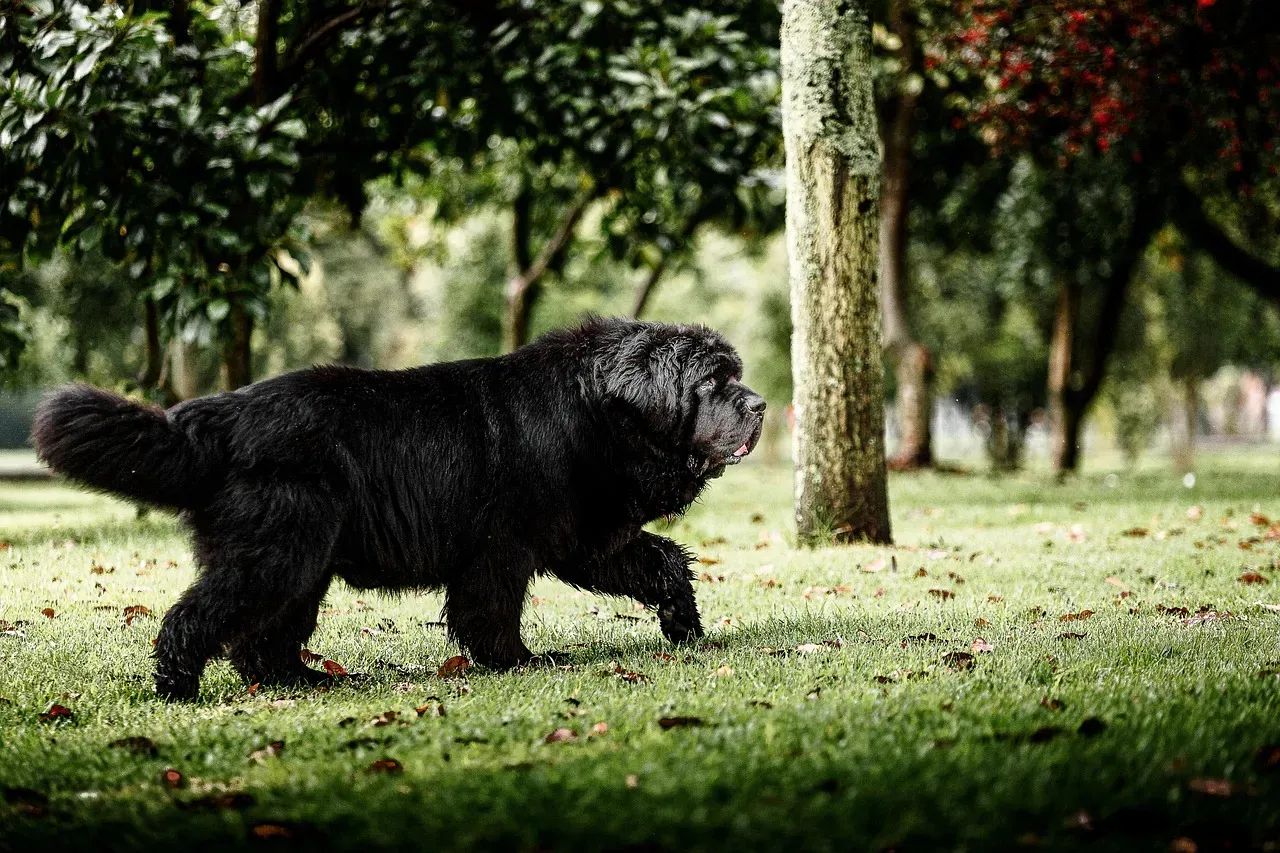
Newfoundland dogs were born to swim, not sunbathe. Newfies have a thick, water-repellent double coat that allows them to take a dip in brisk waters, like those found in the breed’s Canadian homeland. In hot climates, keep a close eye on your gentle giant to make sure they don’t overheat. If you have a pool or lake nearby, these water-loving dogs will gladly splash around for a little outdoor exercise.
Pennsylvania’s numerous lakes and rivers can actually give Newfoundlands some relief, which is worth noting if you live near one. A supervised swim session in a cool body of water during summer is a far better choice than a walk in afternoon heat. That said, always dry their coat thoroughly after swimming, as the moisture retained in such a dense coat can lead to skin issues. Watch for hot spots, which are moist, irritated patches of skin that can develop quickly under a thick wet coat.
12. Boston Terrier: Compact but Compromised by Humidity
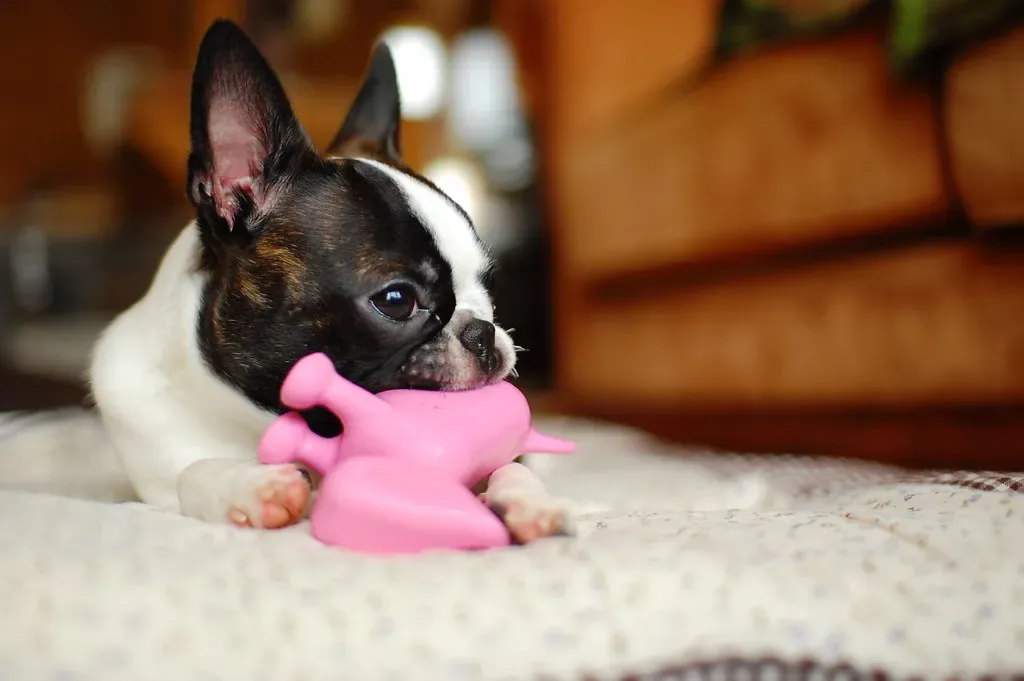
Boston Terriers are adaptable dogs making them a perfect fit for just about any living situation, as long as you keep in mind that they don’t do well in summer heat. Although Bostons have a short, smooth coat, the breed’s short muzzle means that intense exercise during periods of high heat and humidity is a no-go. The good news is that there are plenty of indoor activities a Boston Terrier will be happy to take part in, like fetch in the living room, puzzle games, or tugging with a favorite toy.
Boston Terriers are clever, playful, and deeply bonded to their people, which makes them wonderful companions in Pennsylvania for most of the year. Fall, winter, and spring are genuinely excellent seasons for this breed here. It’s truly just the summer months that require careful planning. Stick to early morning walks, have a variety of enrichment toys ready for indoor days, and invest in a good quality cooling mat. Their short snouts also make them prone to snoring and sleep disruptions in high heat, so keeping sleeping areas cool matters too.
Now, the Good News: 5 Breeds That Thrive in Pennsylvania Homes
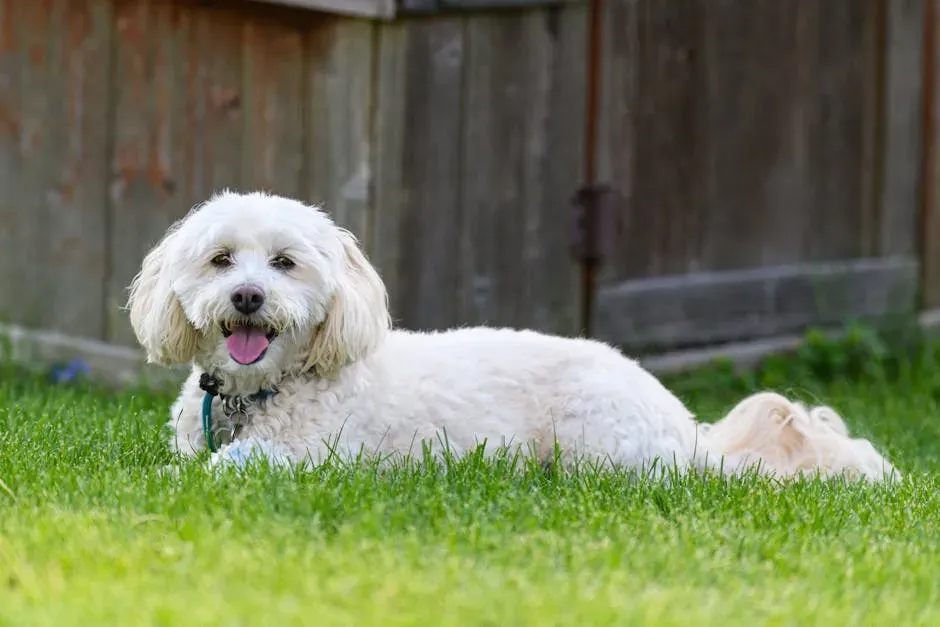
Pennsylvania’s climate can sound intimidating from a canine care perspective. The good news is that the state’s four seasons are genuinely wonderful for many breeds, and the right match makes life easier for both dog and owner. One of the best ways to narrow down potential breeds is to investigate what breeds were developed in similar climates. Pennsylvania’s humid continental weather, with its real winters and moderate summers, suits a surprisingly wide range of dogs beautifully.
The following five breeds consistently perform well across Pennsylvania’s full range of seasons. They’re not immune to heat, because no dog truly is. They simply tolerate the state’s climate swings more comfortably, require fewer emergency interventions, and tend to live fuller, more active lives throughout the entire year.
1. Labrador Retriever: Pennsylvania’s All-Season Companion
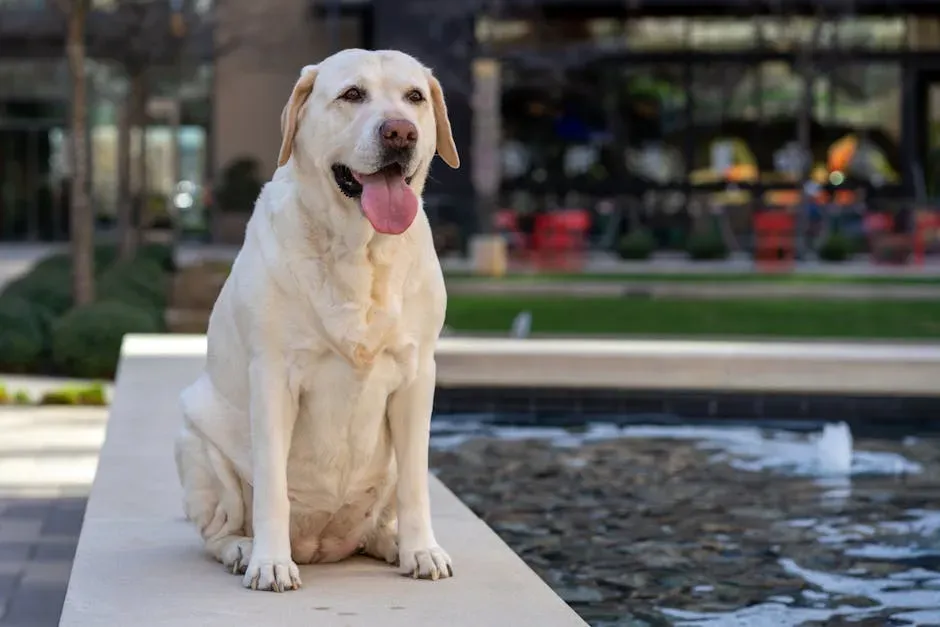
Always up for an adventure, Labrador Retrievers are a beloved breed. Their affectionate nature and love for play fit right into the active Pennsylvania lifestyle. Labs handle the state’s seasonal swings well, enjoying winter walks in the snow just as much as autumn hikes through the Pocono Mountains. Their double coat provides seasonal insulation without reaching the extreme density of Arctic breeds, giving them solid adaptability across all four seasons.
This breed is friendly, outgoing, and playful. Labs can live until 12 years old and are intelligent. The combination of being friendly and active makes them great for families. They’re also mentally resilient enough to handle schedule changes and weather limitations without falling apart behaviorally. In the heat of July, early morning exercise and a paddling pool in the backyard will keep a Lab perfectly content. In January, they’ll happily bound through snow with zero complaints.
2. Golden Retriever: Warmth in Every Season
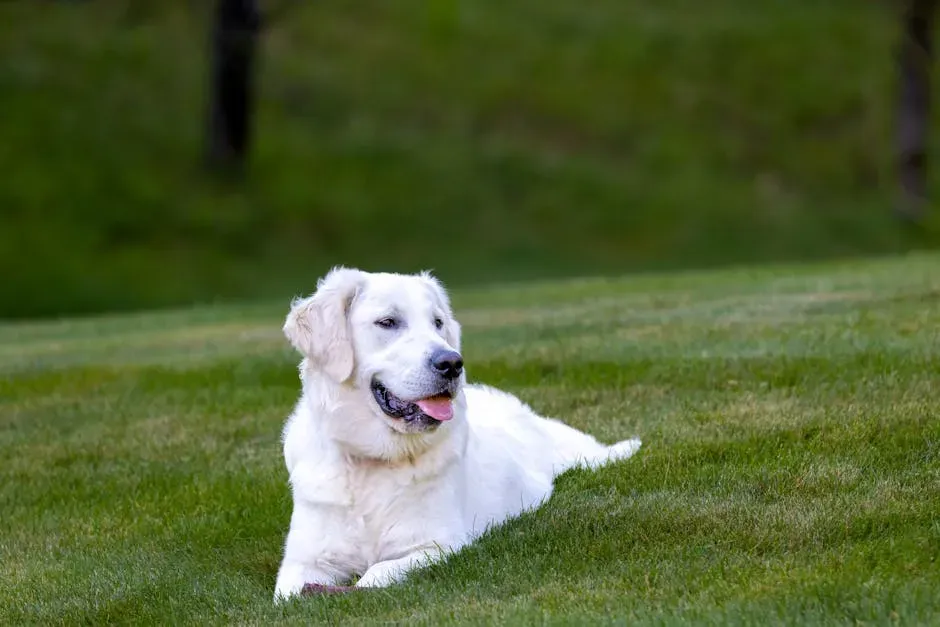
Golden Retrievers are popular all over the country, and Pennsylvania is certainly no exception. Golden Retrievers are great family dogs, and you can find them throughout the state. Whether you’re a single person, you already have other pets, or you have a family and kids, a Golden Retriever is a great choice. Their moderate double coat offers genuine weather flexibility, managing both Pennsylvania winters and summers reasonably well with some common-sense summer care.
Goldens are emotionally intelligent dogs that respond beautifully to their owner’s cues. If you’re scheduling walks for early morning and late evening in summer, they’ll adapt without complaint. They’re also natural swimmers, which makes Pennsylvania’s abundance of lakes and rivers a genuine quality-of-life perk for this breed. Regular brushing during spring shedding season keeps their coat manageable and prevents heat retention during the warmer months.
3. German Shepherd: Loyal, Adaptable, and Built for Variety
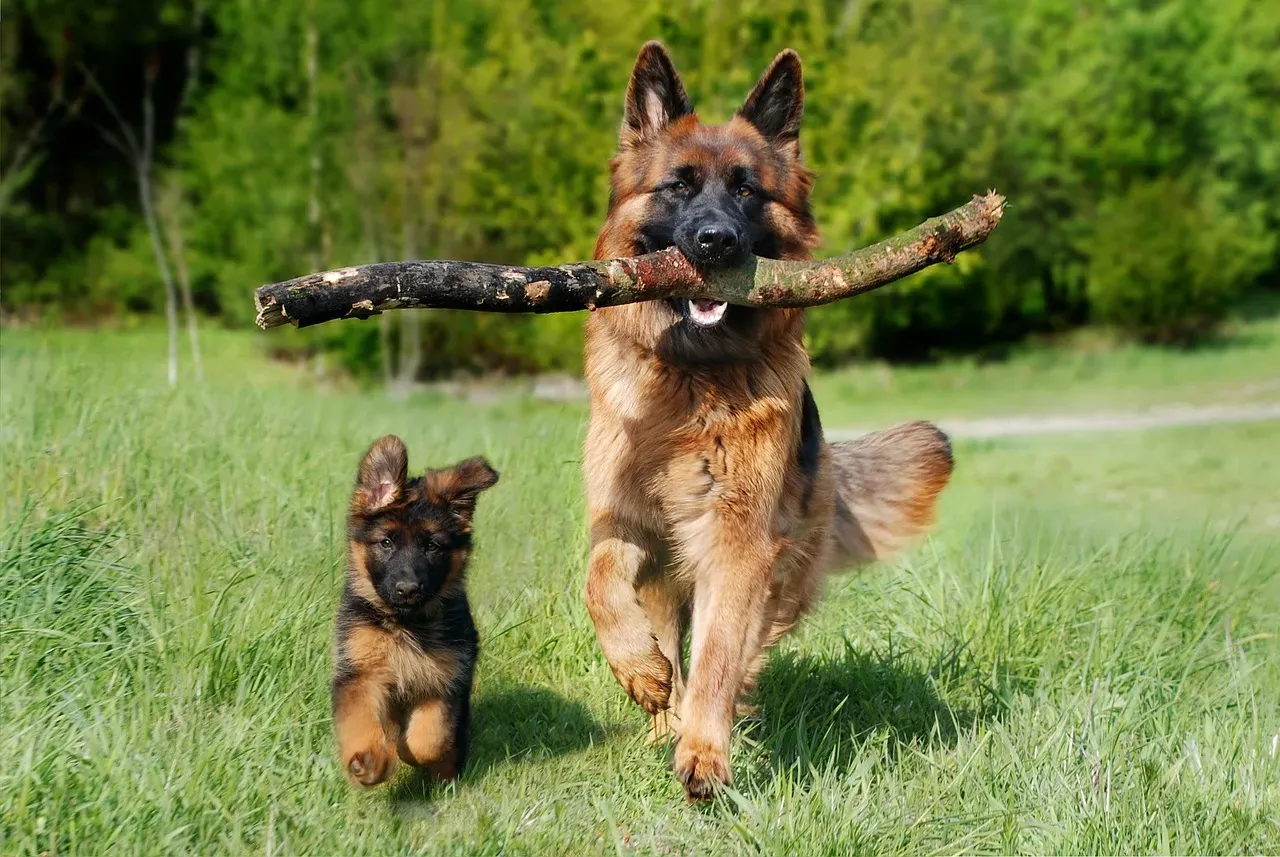
German Shepherds are known for their loyalty and intelligence. Walk around Philadelphia, and you’ll likely see these noble dogs serving in various roles, from dedicated family members to diligent service animals. Their medium-length double coat handles Pennsylvania’s varied seasons respectably, offering warmth in winter without the extreme density of mountain breeds. They do require attentive summer care, but their overall adaptability puts them comfortably on the thriving-in-Pennsylvania list.
The German Shepherd can be a bit more challenging for novice dog owners, but they’re highly trainable, and if you have a bit of space, they can be a great fit. For Pennsylvania families with a yard, this breed flourishes with consistent training, daily exercise, and mental challenges. They tend to enjoy all four seasons, particularly autumn hikes and winter runs, which Pennsylvania delivers in abundance.
4. Beagle: A Natural Fit for Pennsylvania’s Hunting Heritage
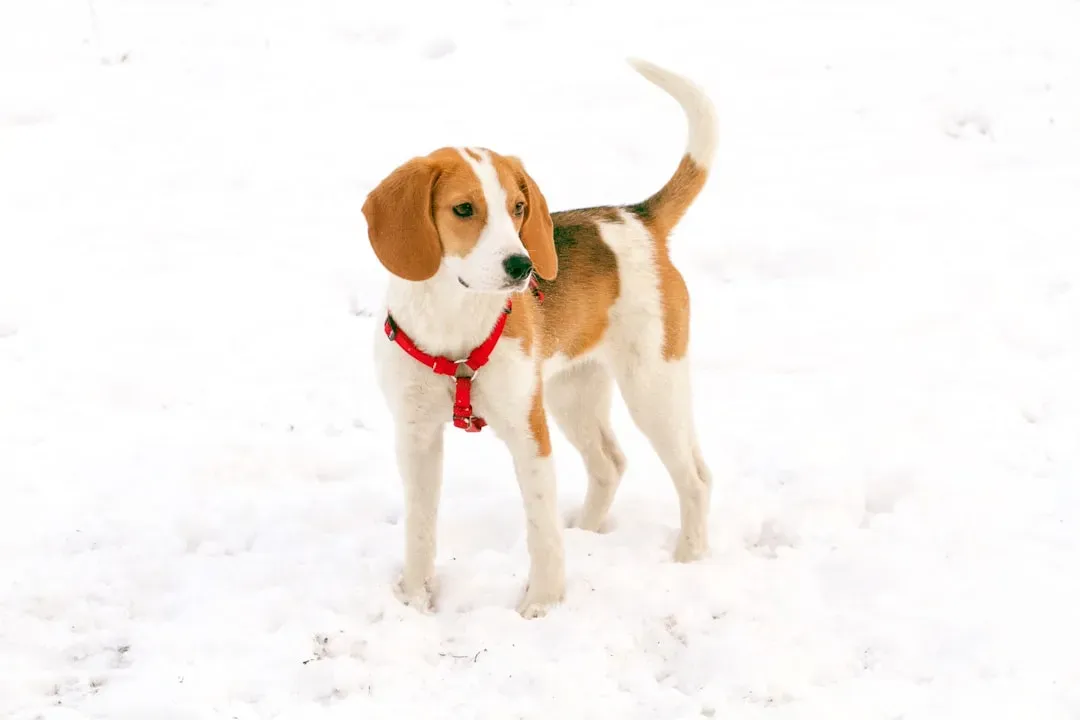
Beagles are excellent hunting dogs, and with a strong hunting heritage throughout Pennsylvania, it’s no surprise that the Beagle is so popular. They’re smaller dogs that hunt in packs and by scent, so often you’ll find that someone with a Beagle has more than one. Their short, dense coat is weather-flexible across seasons, and their moderate size means they don’t generate excessive body heat in summer. They’re built like the Keystone State’s landscape itself: sturdy, adaptable, and reliably resilient.
Beagles thrive on activity and nose-work, making Pennsylvania’s trails, parks, and open fields ideal playgrounds for them year-round. They do well in homes with yards and love the mental stimulation of scent-based games. One thing to keep in mind is their powerful nose and vocal nature. In rural Pennsylvania, this is charming. In a city apartment, it requires a consistent training investment. Supervised off-leash time should always happen within a secured fence, as their nose has a habit of overriding their recall.
5. Poodle: Smart, Seasonally Sound, and Endlessly Adaptable
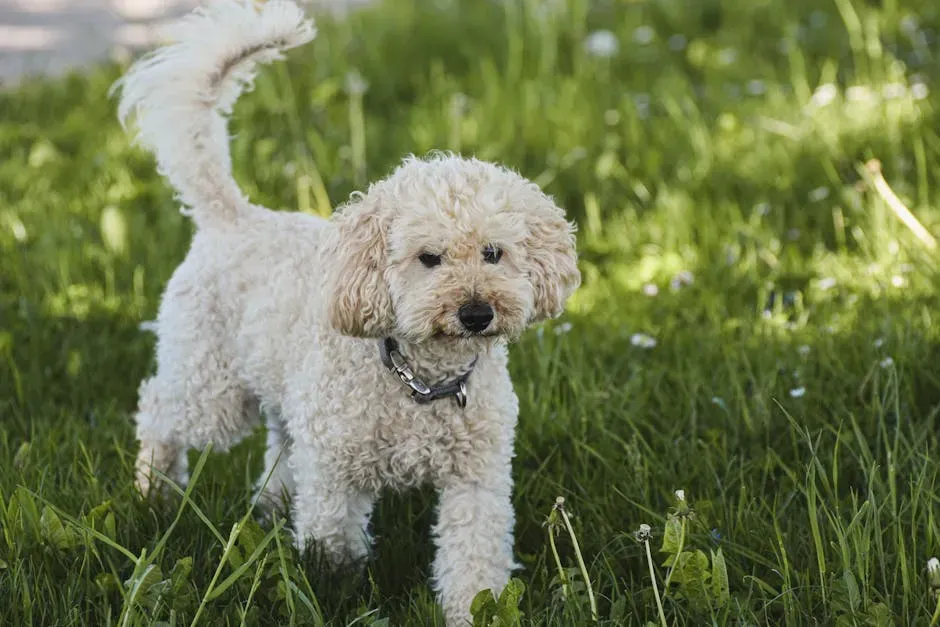
Poodles are an intelligent, loving, and hypoallergenic dog breed, and they’re extremely popular throughout Pennsylvania. Poodles come in all different sizes, so you can find a Poodle that fits into a small apartment or larger ones that work great for larger properties and homes. Their single-layer curly coat, which doesn’t shed heavily and doesn’t retain extreme heat the way double coats do, makes them one of the more climate-flexible breeds for this state. Regular professional grooming keeps their coat manageable and helps with warm-weather comfort.
Standard Poodles in particular excel in Pennsylvania’s active outdoor culture. They swim well, hike confidently, and engage thoroughly with training. Miniature and Toy Poodles fit equally well into the state’s urban areas, including Philadelphia row homes and Pittsburgh apartments. Across all sizes, Poodles tend to be emotionally attuned, mentally sharp, and genuinely joyful companions throughout every season Pennsylvania offers.
How to Know If Your Dog Is Struggling with Pennsylvania’s Climate
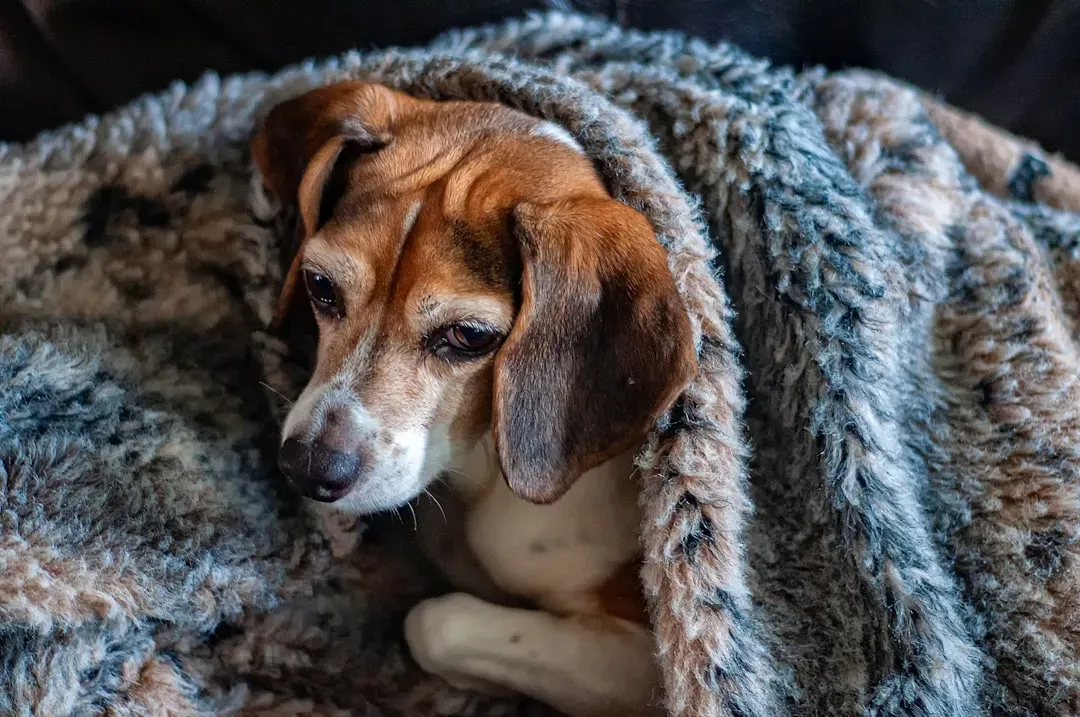
Whether you own a heat-sensitive breed or simply want to be more observant, knowing the early signs of heat-related distress is essential. Double-coated breeds like Alaskan Malamutes and Saint Bernards are better suited for cooler climates, and pet parents should monitor their dog for signs of overheating as temperatures rise. Common early signs include excessive panting, thick drooling, restlessness, and seeking cool surfaces to lie on. More serious warning signs include pale or bluish gums, rapid or shallow breathing, and unsteadiness on their feet.
If you own one of the heat-sensitive breeds, don’t panic. With proper precautions like limiting outdoor time during peak heat, providing constant access to cool water and air conditioning, and watching carefully for signs of distress, you can keep your dog safe. The key is being proactive rather than reactive. A thermometer by the back door, a consistent walk schedule tied to cooler parts of the day, and a well-stocked kit of cooling tools can make a genuine difference for any dog in Pennsylvania’s summer months.
Conclusion: The Right Match Makes All the Difference
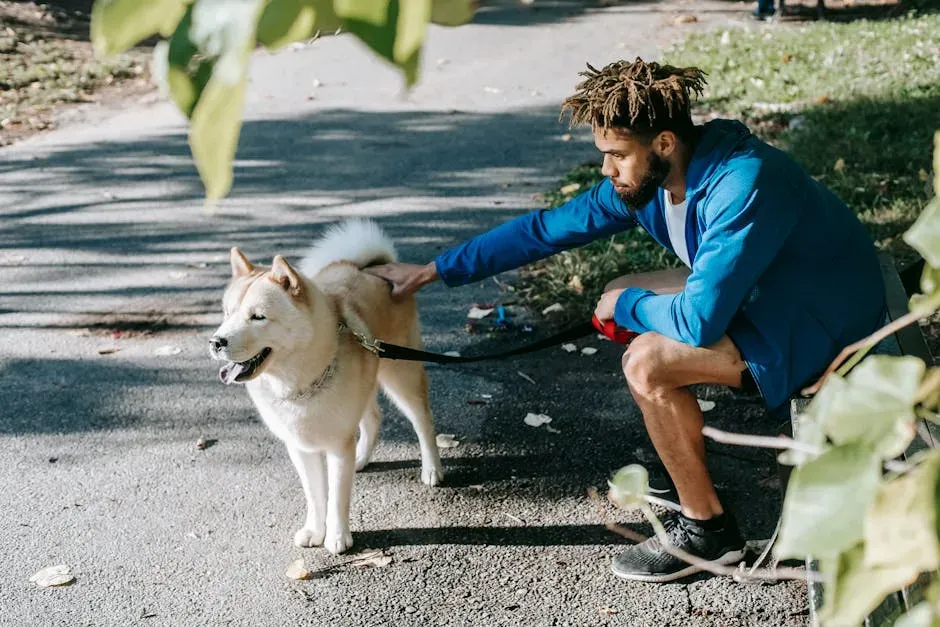
Choosing a dog breed for your Pennsylvania home isn’t just about personality or aesthetics. Climate compatibility is a welfare issue, and it’s one that deserves honest attention before you bring a puppy home. Ignoring a dog’s needs can lead to stress and behavioral problems, so it’s key to know what each breed needs. The breeds that struggle here aren’t lesser dogs. They’re simply dogs shaped by environments very different from a Pennsylvania summer.
Consulting with your veterinarian or a certified dog trainer can help determine the best breed match for your lifestyle and environment. That conversation, combined with honest self-assessment about your home setup, daily schedule, and outdoor access, will serve your future dog far better than any impulse purchase.
The most important thing any dog owner can do is stay curious and stay observant. Your dog will tell you, through behavior and body language, whether they’re thriving or just surviving. In a state as seasonally dynamic as Pennsylvania, that kind of attentiveness isn’t just thoughtful care. It’s the foundation of a genuinely good life, for both of you.


