

Every morning, millions of dog owners close their front door and walk away, leaving behind a creature who has been watching every single move they made that morning. The jingling keys. The specific shoes. The way you grabbed your bag. Your dog noticed all of it, and the internal response that follows is far more layered than most of us realize.
We tend to assume our dogs are simply waiting, maybe napping, maybe getting into something they shouldn’t. The truth is a mix of genuine emotion, sensory intelligence, and deeply wired social instinct. Understanding what’s really happening in your dog’s mind when you leave isn’t just fascinating science. It can change how you prepare, depart, and return, and ultimately make life better for both of you.
Your Dog Already Knows You’re Leaving Before You Walk Out the Door
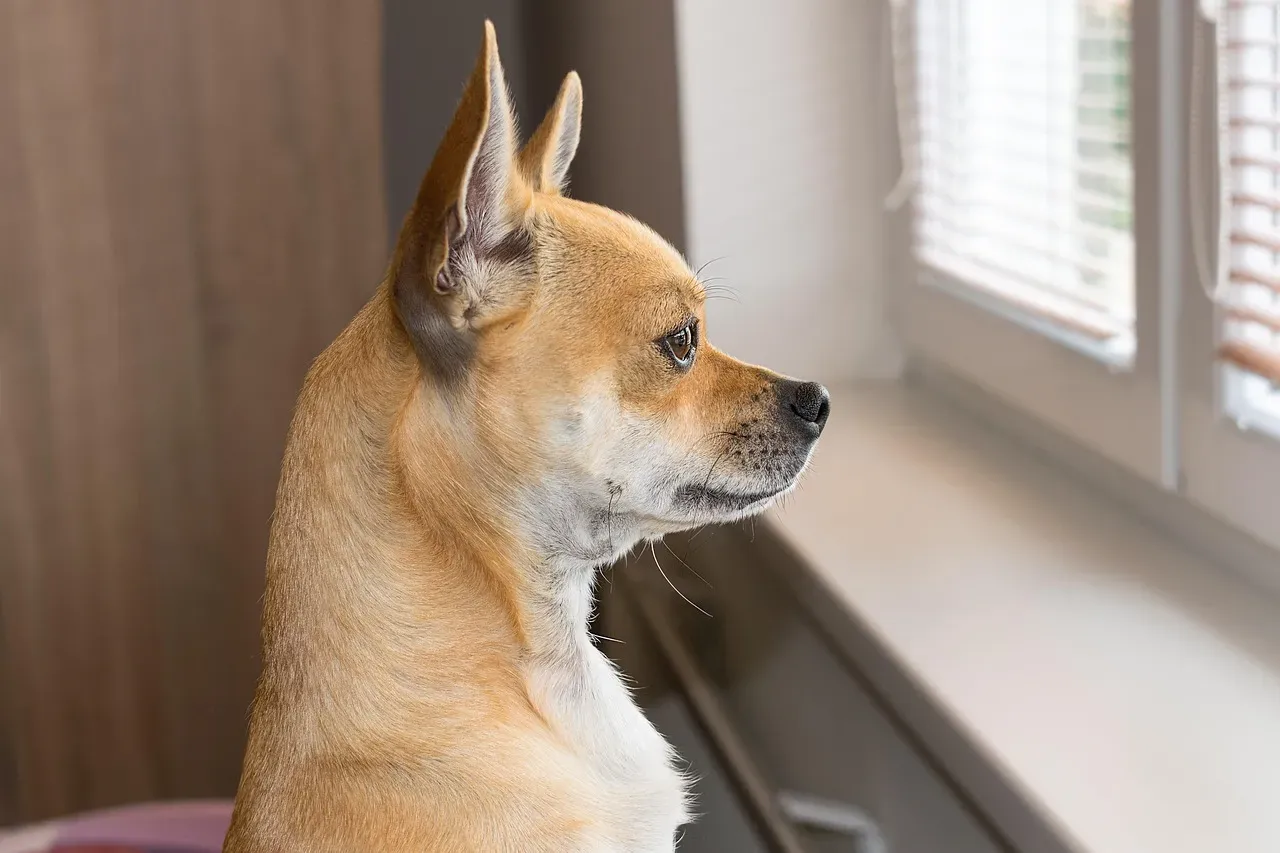
Dogs are master observers, and they’ve been studying you since the day you brought them home. Dogs’ brains are wired for associative thinking. If you always pick up your keys before leaving, your dog learns that “keys plus door” means departure. It’s not intuition in any mystical sense. It’s pattern recognition built from hundreds of repetitions.
Pre-departure cues, also known as leaving cues, are signals that indicate to a dog that their guardian is about to leave. Common triggers include everyday items and actions that guardians might not even think twice about, such as picking up keys or putting on a coat. For many dogs, these cues can spark excitement, anticipation, or anxiety.
Some dogs suffering from separation anxiety become agitated when their guardians prepare to leave. Others seem anxious or depressed prior to their guardians’ departure or when their guardians aren’t present. Some try to prevent their guardians from leaving. If your dog starts pacing or following you room to room the moment you put on your coat, that’s not coincidence. That’s a dog reading your routine with striking accuracy.
If your dog shakes, yawns, or licks their lips when you’re about to leave, they might feel a little stressed. These are subtle signs many owners miss entirely. Stress yawning is easy to confuse with tiredness, and lip licking can look casual. Knowing these signals means you can take steps to ease the moment rather than rush through it.
The Emotional Reality: It’s Not Just Missing You
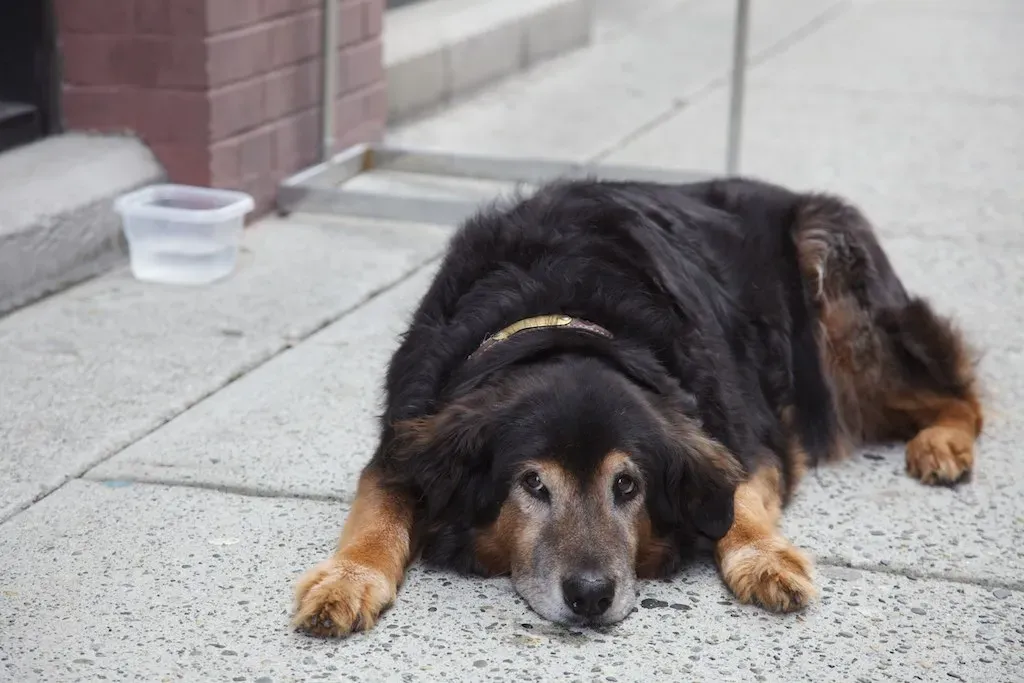
There’s a common and comforting assumption that dogs simply “wait happily” while we’re gone. The science tells a more honest story. Dogs displaying separation-related behaviors are often in a compromised emotional state, with anxiety being one of the commonly associated states. Research has also suggested frustration, panic, fear, and boredom as other negative affective states associated with different types of separation-related behaviors.
The human-dog social bond is thought to be analogous to filial attachment. As humans provide resources to the dog, the dog is dependent on humans and motivated to stay close to its owner. This motivation manifests itself as a stress response in the absence of the owner. These stress-related behaviors can be various in appearance and intensity; fear, anxiety, panic, and also frustration might appear.
Dogs can actually start missing their owners from the moment they part ways, and keep missing them more up until two hours. Beyond two hours, the melancholy stays about the same until they’re reunited. That’s an important nuance. The hardest emotional stretch for most dogs is that first hour or two, not the entire duration of your absence.
Research suggests that eight out of ten dogs find it hard to cope when left alone. Yet, half won’t show any obvious signs, so it can be easy for owners to miss. That silent suffering is what makes this issue worth taking seriously, because a dog who isn’t chewing your furniture or howling can still be genuinely distressed.
How Your Dog Experiences Time While You’re Gone
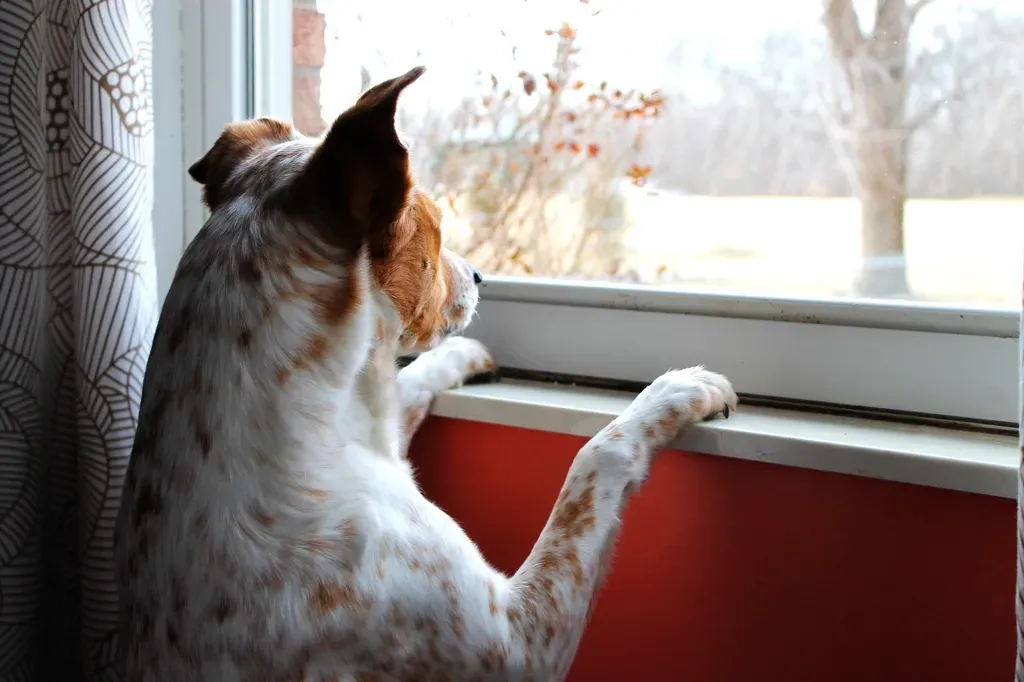
Dogs don’t experience time the way we do, but that doesn’t mean they’re oblivious to its passage. Dogs do not perceive time in the same structured way humans do. Instead of understanding minutes and hours, dogs rely on routines, scent changes, and emotional associations to interpret time. It’s a remarkably different but sophisticated system.
One of the most compelling theories involves their nose. Swedish researchers have proposed that dogs learn to associate a certain level of scent reduction with the moment of their owner’s return. When you leave, your scent gradually weakens throughout your home. If you consistently return home after a certain amount of time, your dog memorizes the degree of scent loss that predicts your arrival.
Like most mammals, dogs have a circadian rhythm, an internal 24-hour clock that helps regulate sleep-wake cycles and other physiological processes. While their actual sleep cycles differ from ours, dogs have evolved to sync fairly closely with human schedules. Light levels, neighborhood sounds, temperature shifts throughout the day, all of these serve as environmental time markers your dog reads without thinking.
Studies show dogs react more strongly to four-hour absences than thirty-minute ones, proving they distinguish between short and long departures. They likely use a combination of scent degradation, light changes, biological rhythms, and learned patterns to estimate duration. The longer you’re gone, up to a certain point, the more enthusiastic their greeting becomes.
What Your Dog Actually Does While You’re Away
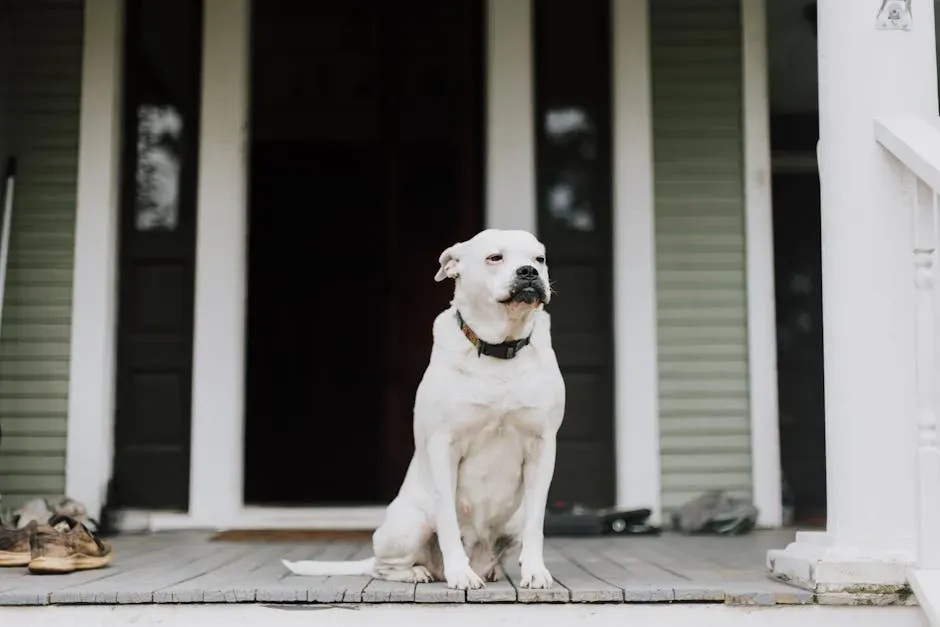
If you’ve ever come home wondering whether your dog spent the afternoon planning an escape or eating your sofa, you’re not alone. The reality, for many dogs, is far more mundane. Research has demonstrated that dogs mostly spend their time resting when the owner is gone. Sleep, it turns out, is the default setting for a dog who is comfortable being alone.
When secretly recorded, dogs who are alone in their homes often spend time at the door where their preferred human left, quite likely hoping they will soon return. That image carries some weight. Your dog isn’t just sitting on the couch. They’re often stationed at the exact spot where you disappeared, waiting for the world to make sense again.
When dogs realize you’ve left, their thoughts race and they become hyper-alert to sounds signaling your return, such as car doors, horns, or clocks chiming. Eventually, they relax and fall asleep. Dogs experience REM sleep similar to humans and dream vividly. You may notice them running, whimpering, or moving their lips in their sleep.
When they are neither tired nor on alert, dogs may occupy themselves with play. This is why humans may return home to find their property damaged. Boredom and anxiety are the two main engines behind destructive behavior, and they’re worth addressing proactively rather than after the fact.
What You Can Do to Make Leaving Easier for Your Dog

The good news is that most dogs can learn to tolerate, and even feel comfortable with, being alone. The approach matters enormously. The most successful treatment for canine separation-related problems may be behavior modification that focuses on systematic desensitization and counterconditioning. In plain terms: start small, build gradually, and make being alone feel safe rather than frightening.
Owners should work on their dogs tolerating being left alone. Dogs are social animals so the owner leaving can be upsetting to the dog. You can do this by practicing lots of short departures, like running out to check the mail and coming back in, gardening for a few minutes and coming back in, or taking a quick trip to the grocery store. Repetition in small doses builds confidence gradually.
Exercise your dog before you leave. A tired dog is one that is less likely to behave badly. Dogs need at least 20 to 30 minutes of activity each day. Plan to get up earlier in the morning so you can walk your dog or play a game that gets them moving. Physical tiredness is one of the most underutilized tools for reducing separation stress.
Predictable schedules provide emotional stability and reduce anxiety. Puzzle toys, chew toys, and enrichment activities keep dogs mentally engaged while owners are away. Physical activity encourages relaxation and helps dogs rest during alone time. Calm exits help dogs learn that leaving is a normal and safe event. Keep goodbyes low-key. A long, emotional farewell can actually amplify your dog’s stress rather than soothe it.
Protective factors include ensuring a wide range of experiences outside the home and with other people, between the ages of five and ten months, stable household routines and absences from the dog, and the avoidance of punishment. Building independence early, while a dog is still young, pays dividends for years.
Conclusion: What Your Dog Really Needs From You
Your dog isn’t dramatic for struggling when you leave. They’re deeply social, emotionally bonded to you, and operating without the cognitive tools to understand why the most important creature in their world just walked out the door. That context matters.
The behaviors that can seem frustrating, the chewed cushion, the bark that annoyed the neighbors, the look of guilt when you return, are almost always expressions of distress, not defiance. The good news is that separation anxiety is preventable and treatable. Most dogs, with the right support and routine, can learn to feel genuinely okay on their own.
You can’t explain to your dog where you’re going or when you’ll be back. What you can do is build the kind of consistent, calm, enriched environment that tells them everything will be fine. That steady reassurance, woven into the daily rhythm of your life together, is something your dog will feel even when you’re nowhere in sight.


