
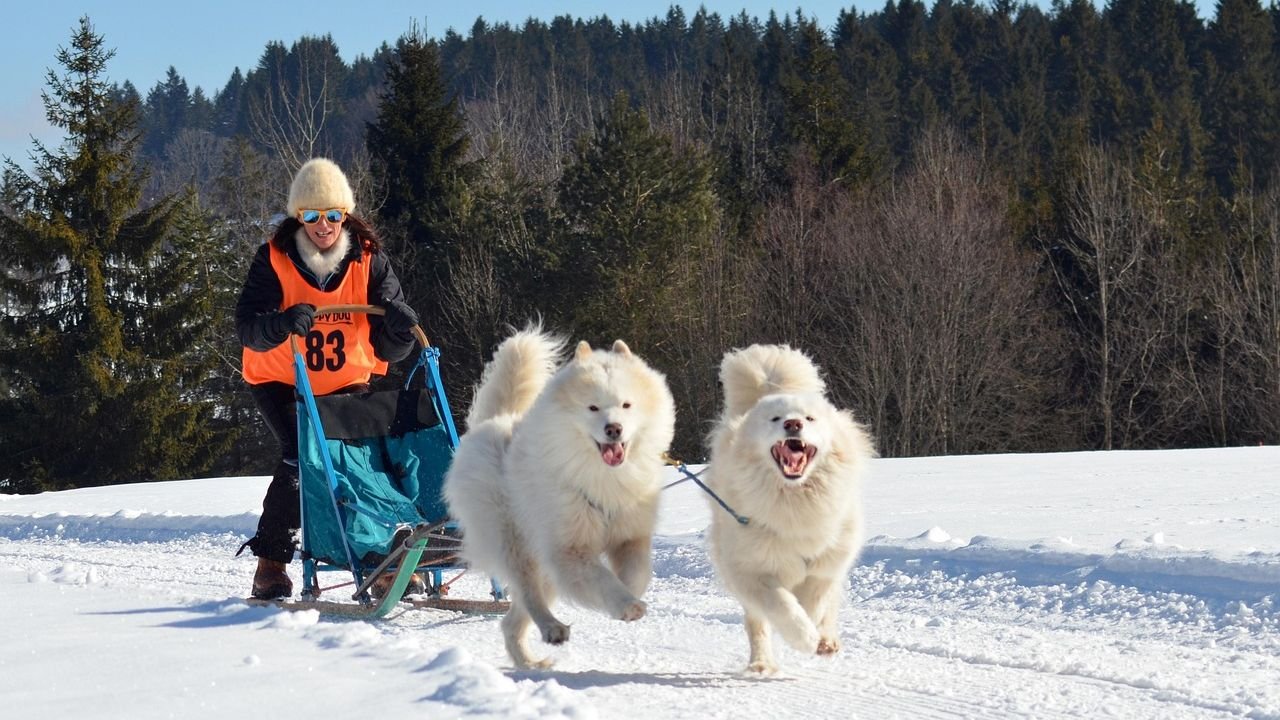
Alaska is unlike anywhere else in the United States. Where most Americans live alongside mild seasons and suburban backyards, Alaskans share their lives with something wilder – glaciers, tundra trails, endless winters, and a deep cultural bond with working dogs that stretches back thousands of years. The relationship between people and their dogs in the Last Frontier isn’t just a lifestyle preference; it’s practically written into the land itself.
What’s interesting is that the most popular dogs in Alaska don’t all wear snow boots and pull sleds. Alaska is one of only six states in the country where the most popular breed doesn’t appear in the national top ten, which tells you something real about what Alaskan dog owners value. Whether you’re an Anchorage family looking for a loyal companion or a mushing enthusiast out near Fairbanks, the breeds below tell the full story of life with dogs in Alaska’s extraordinary landscape.
1. Labrador Retriever – Alaska’s Unlikely Number One
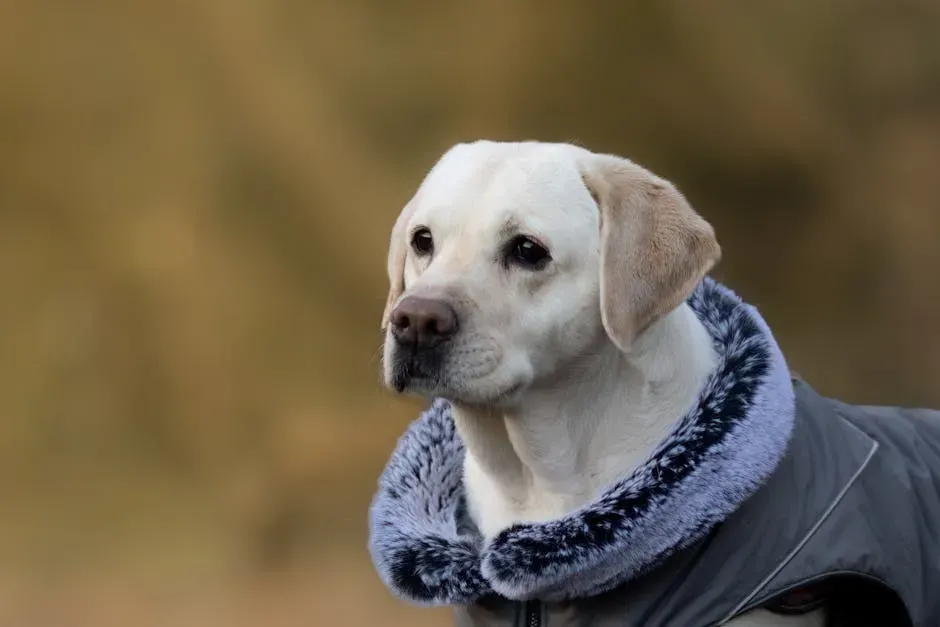
It might surprise you, but the most popular dog in Alaska is the Labrador Retriever, which has won over hearts globally because of their easygoing and eager-to-please nature. That warmth and adaptability translates beautifully into Alaskan family life, where people need a dog that’s steady, trainable, and genuinely good with everyone in the household.
The Labrador Retriever is the world’s most consistently loved dog. Labs have a natural warmth that makes them fit seamlessly into almost any household. They love children, respect seniors, and get along with other pets without drama. For Alaskan families juggling long workdays, outdoor adventures, and unpredictable weather, that temperament is priceless.
Labradors were developed as primarily water dogs, and their coats insulate them against cold and icy water, with dense undercoats and a slightly oily, short outer coat. That coat is genuinely suited for Alaska’s wet, cold conditions. Keep an eye on their weight, though – Labs love food, maybe a little too much, so portion control matters.
2. Alaskan Husky – The True Dog of the North
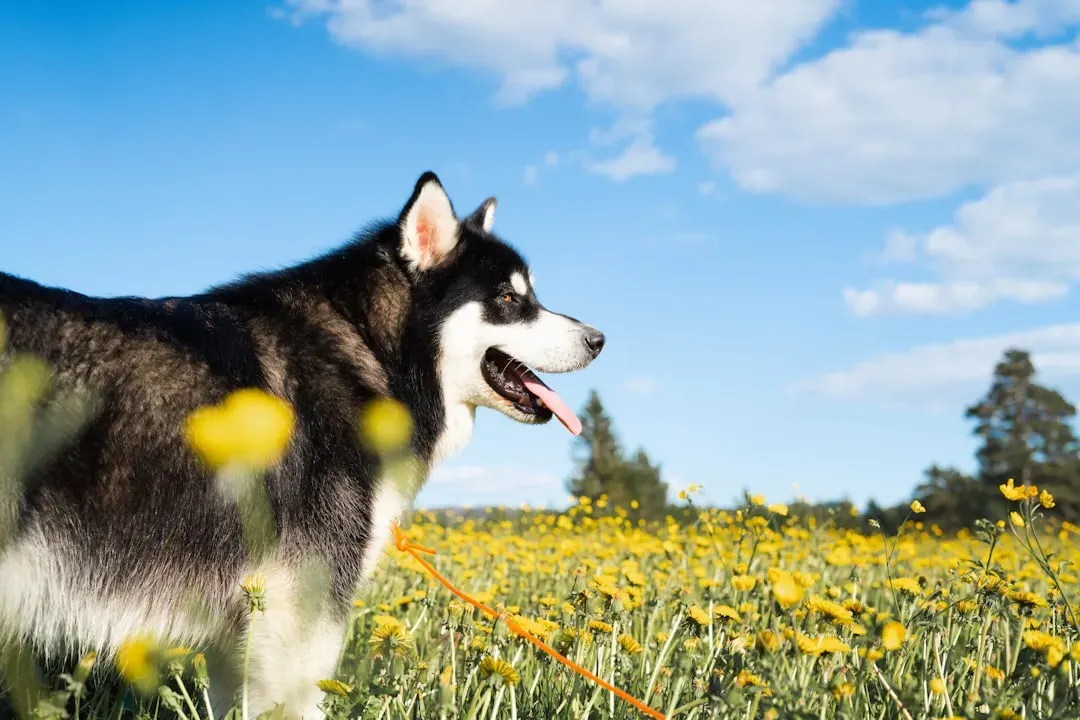
Alaska’s unique breed is unsurprisingly the Alaskan Husky, which ties with the Labrador mix for the number three spot in the state. Few dogs are as deeply connected to Alaskan identity as this one. They’re the undisputed champions of long-distance sled racing, and their presence on the trails feels almost historical.
Alaskan Huskies are the dog of choice for sled racing in the Arctic. They have it all – speed, stamina, high work drive, and exceptional teamwork skills. Worth noting is that Alaskan Huskies are not recognized by the American Kennel Club because they have been crossed with other dogs to optimize their working ability. The Alaskan Husky is a dog type, not a breed, due to being bred to enhance job performance rather than for body, face, and coat color standards.
Because of their greater endurance, Alaskans are usually the breed of dog utilized in long-distance competitions. In a single day, they can run 100 miles. If you’re raising one as a companion rather than a working dog, be honest about your commitment to daily vigorous exercise. A bored Alaskan Husky will make its feelings known loudly and creatively.
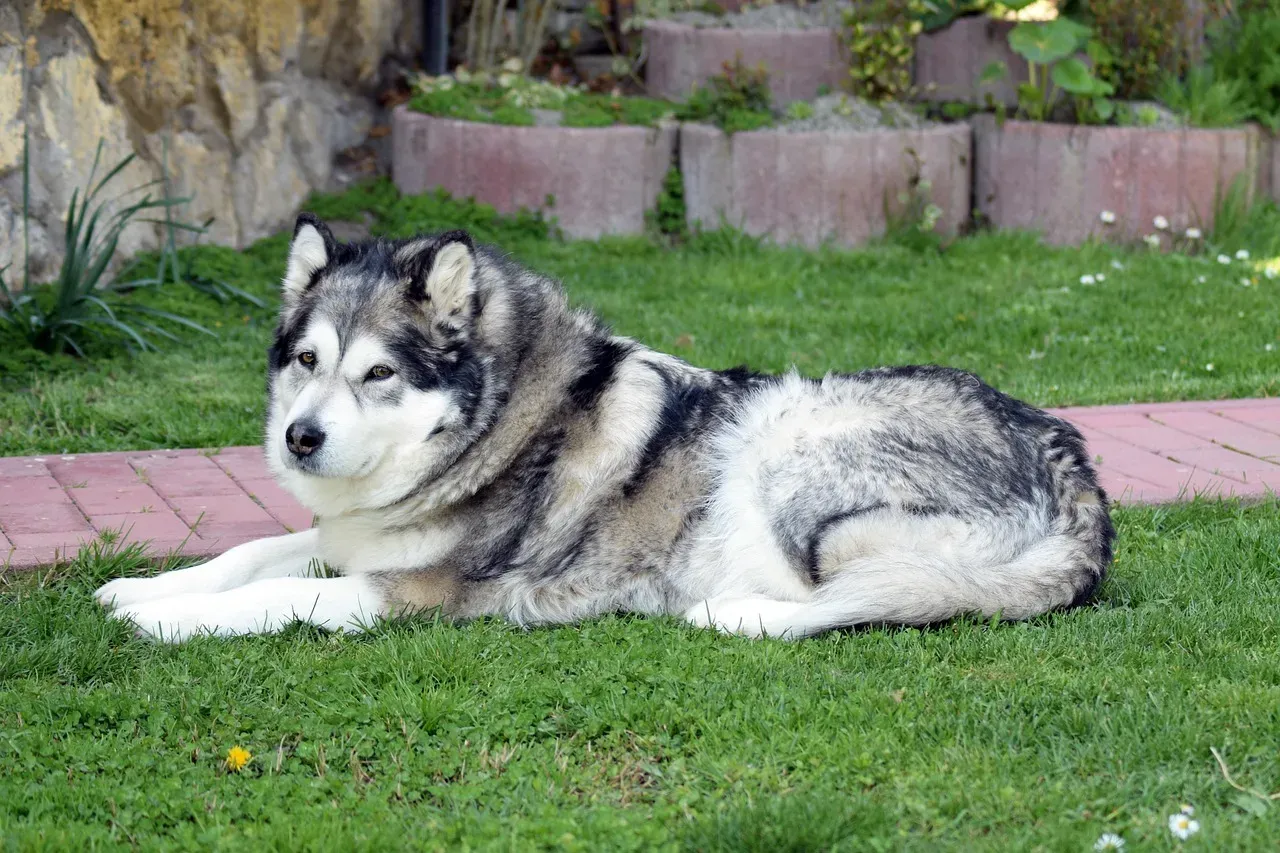
3. Alaskan Malamute – The Gentle Giant of the Frontier
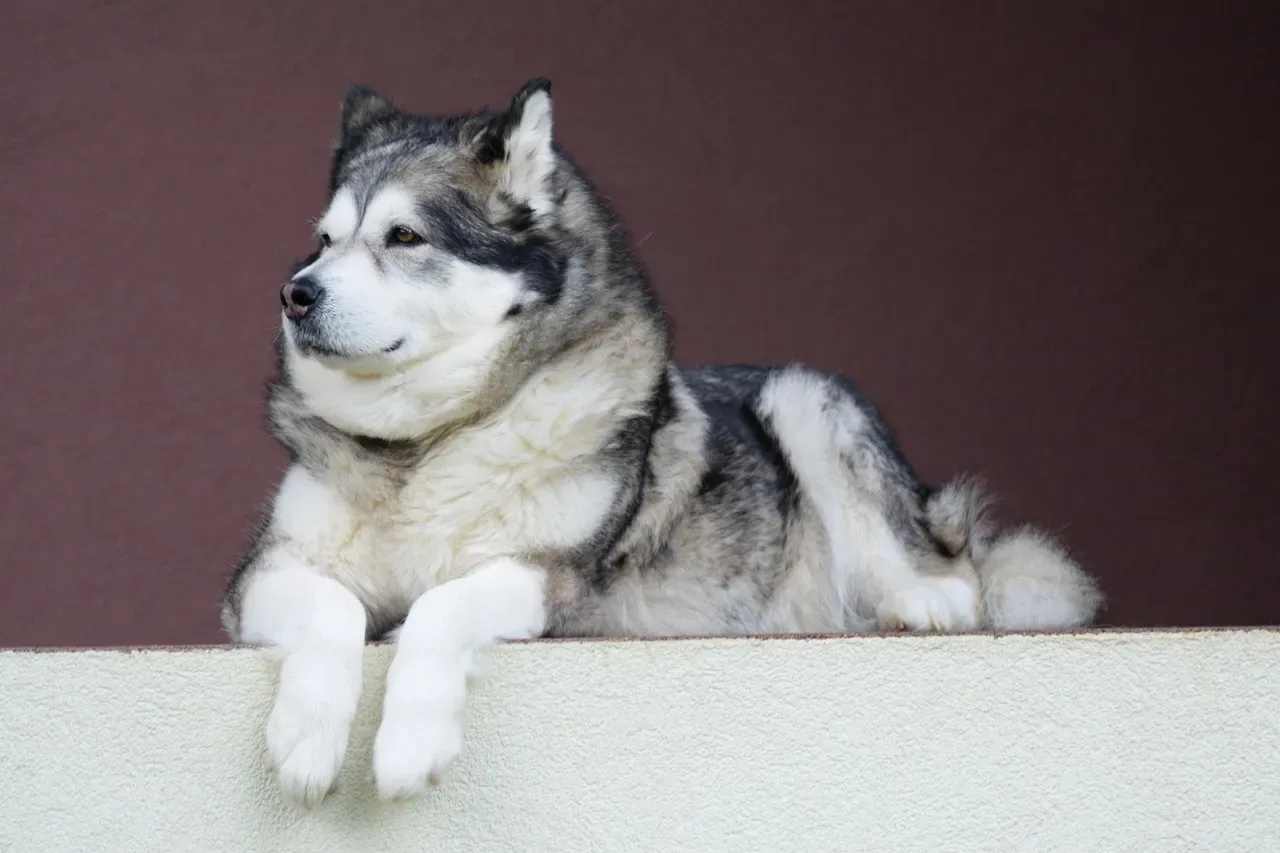
The Alaskan Malamute is a large breed of dog that was originally bred for its strength and endurance to haul heavy freight as a sled dog. The Alaskan Malamute is one of the oldest sled dog breeds from the Arctic. They are the Alaskan State dog and are believed to have arrived in North America thousands of years ago with hunters who crossed the Bering Strait.
They have a thick, fluffy coat that protects them in extreme cold. Malamutes are known for their loyalty and affection toward families but require proper training and socialization to manage their independent nature. Think of them as affectionate and deeply loyal, but not necessarily obedient in the traditional sense – there’s a strong will beneath that fluffy exterior.
From a health standpoint, Malamute owners should stay informed. Other health issues in Malamutes include elbow dysplasia, inherited polyneuropathy, osteochondrodysplasia, cerebellar hypoplasia, heart defects, and eye problems. A growing problem among arctic dog breeds, including the Alaskan Malamute, is canine diabetes, with onset occurring typically in middle age of five to seven years. Regular vet checkups and a proper diet go a long way with this breed.
4. Golden Retriever – Sun-Colored Warmth in a Cold State
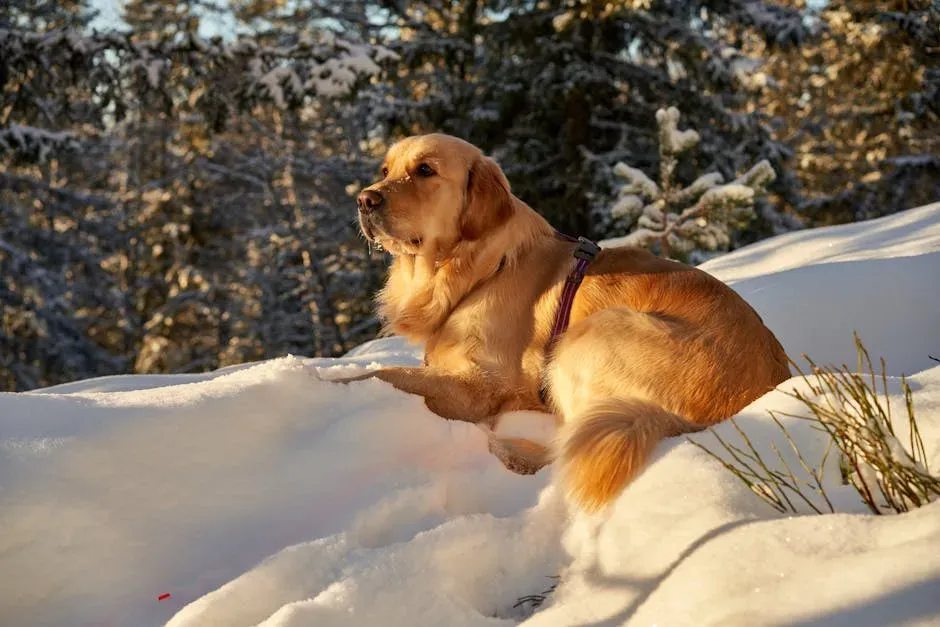
Golden Retrievers bring a kind of steady sunshine into Alaskan homes that few other breeds can match. Golden Retrievers are often described as the friendliest dogs in the world. Everything about a Golden – their soft eyes, calm spirit, and steady temperament – gives off warmth. They’re patient with children, kind to strangers, and accepting of other pets.
What people love most about Golden Retrievers is their emotional sensitivity. They sense your mood and adjust themselves – playful when you’re cheerful, calm when you’re tired, comforting when you’re low. A Golden doesn’t just live with you; they connect with you on a deep, loyal level.
Goldens need consistent exercise, particularly in a place where winters can feel endless. Mental stimulation matters just as much as physical activity for this breed. Also be aware that what’s true of the Labrador Retriever tends to also be the case with close cousin the Golden Retriever when it comes to health issues. They are also prone to developing ichthyosis, a genetic skin condition. Routine vet visits, especially as they age, are a smart investment.
5. Siberian Husky – Speed, Beauty, and a Mind of Their Own
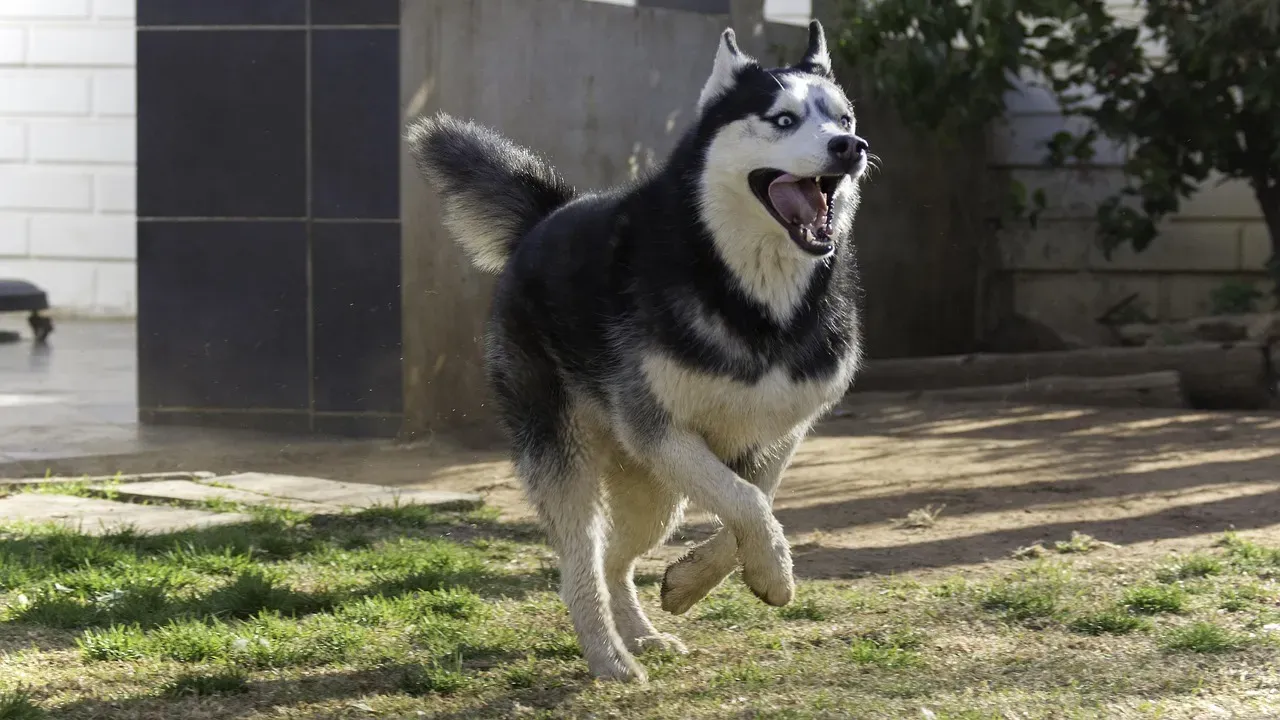
Huskies were originally bred to pull sleds across the expansive frozen tundras of Siberia. Therefore, this breed knows how to handle the cold. They have thick, medium-length double coats, sickle-cell tails, erect ears, and almond-shaped eyes. In Alaska, they fit in as naturally as the spruce trees lining the highways.
Siberian Huskies remain the most popular sled dog breed today, with some still bred to compete in demanding events like Alaska’s annual Iditarod. Even as companions, their drive and energy don’t disappear. Siberian Huskies have a strong pack mentality, so they do well with other dogs. They are extremely energetic, so make sure you can keep up.
If you live in Alaska and love the outdoors, a Husky will match you stride for stride on every trail. The honest truth, though, is that a Husky without an outlet for its energy is a Husky that will redecorate your home without your permission. Daily vigorous exercise and mental challenges are non-negotiable with this breed.
6. German Shepherd – The Loyal Protector in Any Terrain
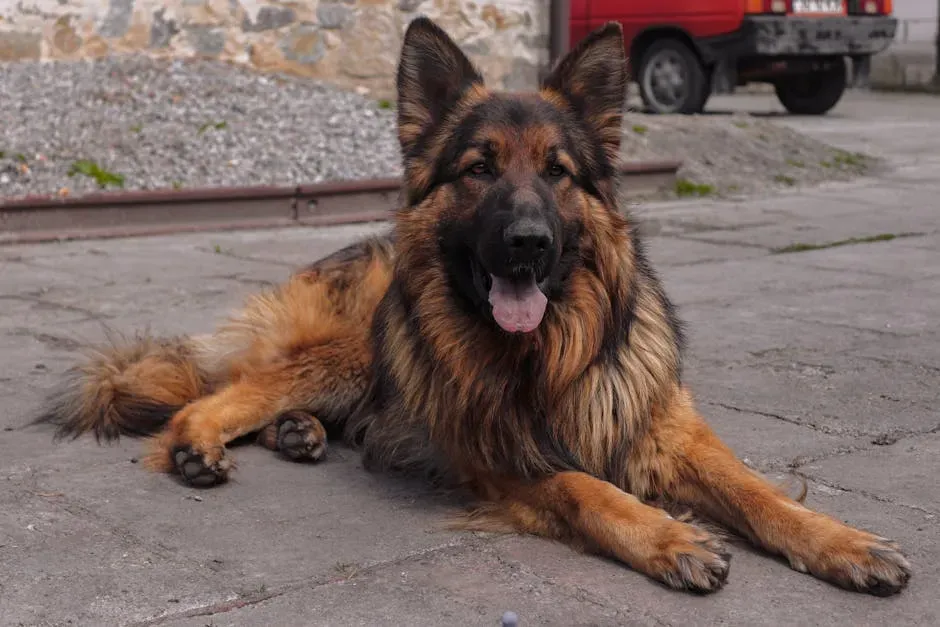
Originally bred for herding, the German Shepherd is loyal, intelligent, confident, and has a protective nature. They are widely used in police work and military jobs, and as service dogs. Alaska’s remote geography and the genuine need for security in more isolated communities make the German Shepherd a practical and beloved choice across the state.
Aloof with strangers, the GSD is a one-person dog and forms deep bonds with its owner. They crave companions all the time. Left alone for too long, they are likely to develop separation anxiety. This is important context for Alaskan owners who work long or irregular hours.
On the health front, keep in mind that obtaining a German Shepherd from a good breeder should hopefully minimize the risk of hip dysplasia, a painful condition that can be prevented through careful screening. German Shepherds are also more likely to develop cataracts, cardiomyopathy, and skin allergies than most other breeds. Ask breeders for health clearances, and don’t skip those annual wellness exams.
7. Samoyed – The Smiling Dog Built for Snow
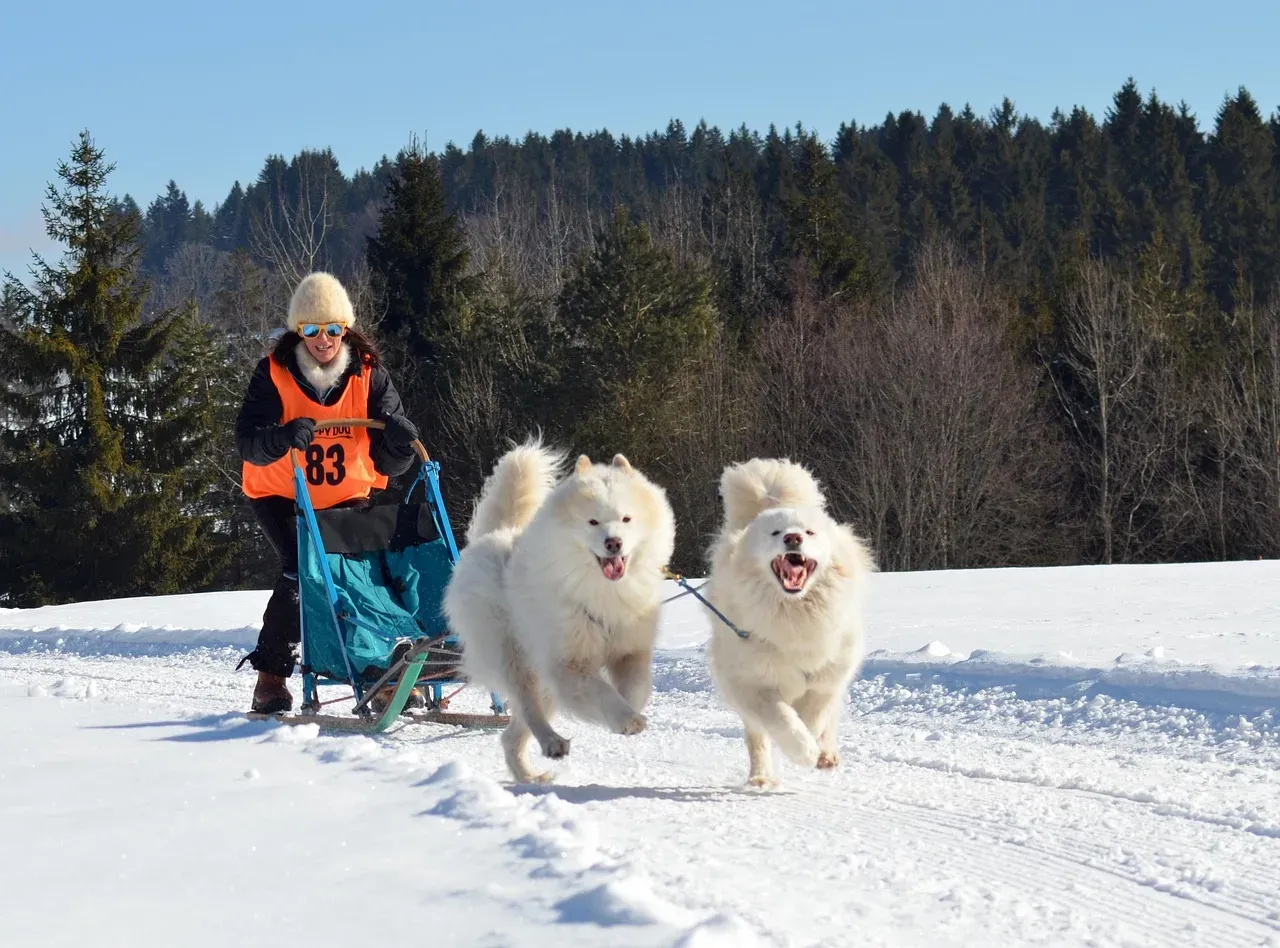
The Samoyed is a substantial but graceful dog standing anywhere from 19 to a bit over 23 inches at the shoulder. Powerful, tireless, with a thick all-white coat impervious to cold – Sammies are perfectly beautiful but highly functional. In Alaska, they look like they belong there because, in many ways, they do.
The Samoyed is a friendly, personable dog. These are intelligent dogs, with a touch of independence. Bred to live in a tent in very close quarters with their families, they thrive on human company. One behavioral cue to watch for: Samoyeds will alarm bark and, if left alone for long periods of time, will often develop into nuisance barkers.
In ancient times and before modern technology, Alaskan dog breeds were integral to human survival. They transported supplies, helped people hunt, and some, like Samoyeds, slept on top of their humans to warm them during frigid arctic nights. That ancient partnership still shows up in how deeply Samoyeds bond with their people today. Their coat requires consistent brushing to prevent matting, so budget time for grooming alongside all that snowy outdoor play.
8. Bernese Mountain Dog – Big, Calm, and Made for Cold Mountains
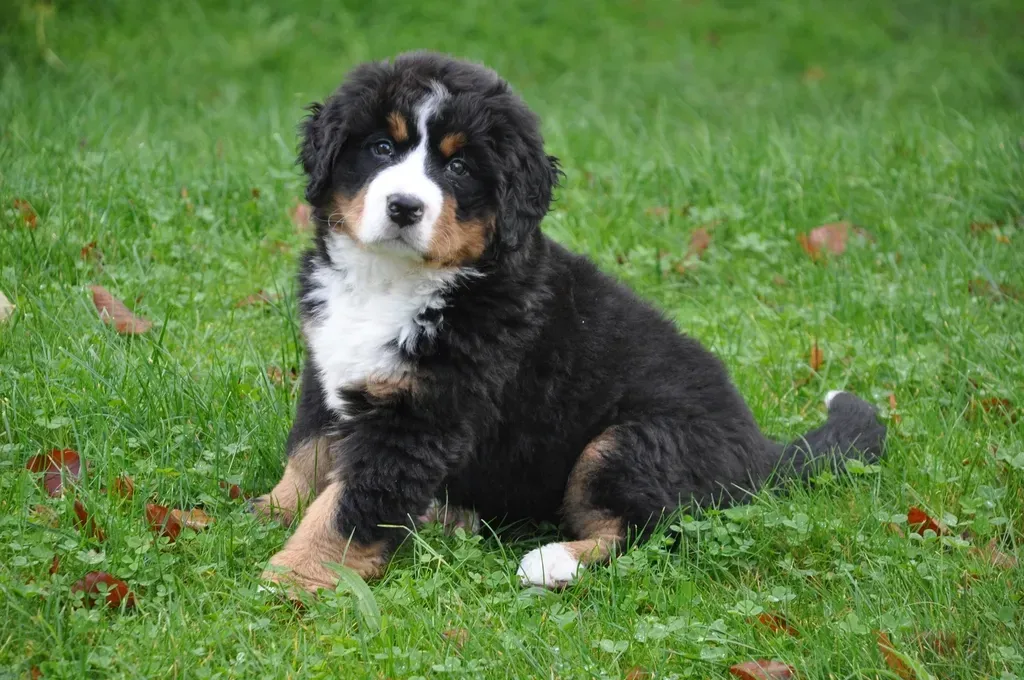
Originating in the Swiss Alps, the Bernese Mountain Dog worked alongside farmers to herd cattle, guard livestock, and haul dairy products through the hills and valleys of Bern. Generations of pulling carts and wagons in rugged, snowy terrain built their strength and resilience. Well-muscled and sturdy, Bernese Mountain Dogs have a thick, tricolor coat that insulates their body from snow and wind.
Bernese Mountain Dogs are known for their friendly and affectionate nature. They are eager to please and form strong bonds with their families. This breed is particularly good with children and tends to be very gentle, making them excellent family pets. Their calm temperament makes them a genuinely lovely presence in active Alaskan households.
However, Bernese owners need to be proactive about health. Bernese Mountain Dogs are prone to the same conditions as other large breeds, including bloat and cancer. They have an unusually high rate of musculoskeletal conditions, including arthritis, hip dysplasia, cruciate ligament rupture, and osteochondritis, which often strike at a young age and affect mobility. Keeping your Bernese at a healthy weight and avoiding repetitive high-impact activity during their growth phase can make a real difference in their long-term joint health.
9. Great Pyrenees – The Mountain Guardian Who Loves the Cold
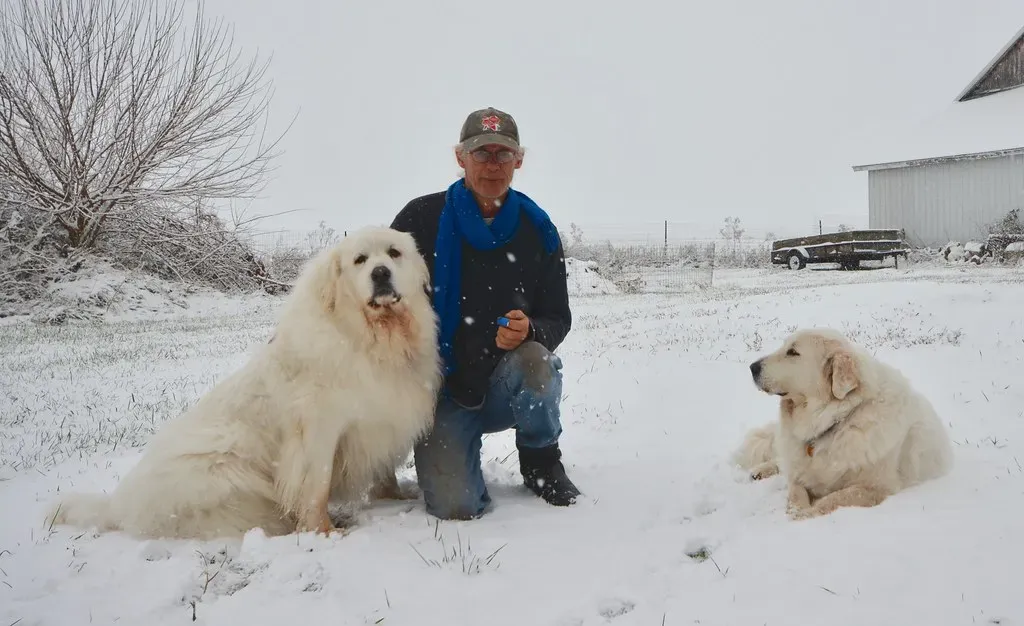
Also known as the Pyrenean Mountain Dog, the Great Pyrenees spent centuries guarding sheep in the Pyrenees Mountains between France and Spain. Bred to defend the flock against wolves and bears, they needed size, strength, and stamina to withstand cold nights outdoors. Alaska’s wide-open spaces and cold climate are almost tailor-made for this breed.
Their guardian instincts make them excellent watchdogs, but they may not be as eager to please as Bernese Mountain Dogs. Their independent nature can be a double-edged sword, providing both a sense of security and a challenge in training. This breed’s protective instincts mean they are always alert, watching over their home and family with a keen eye.
The Great Pyrenees thrives with space and secure fencing and may roam if unfenced. They need early socialization and consistent training to channel their independent guardian instincts – recall can be challenging due to their natural breed independence. For rural Alaskan homesteads, their watchful and protective nature is genuinely valuable. In more populated settings, consistent early training is a must.
10. Labrador Mix – The Beloved All-Rounder of Alaska

The Labrador mix makes the popular breed list in both Alaska and Vermont, and it’s easy to understand why. Mixed-breed Labs carry the best of their parent’s people-oriented temperament while often benefiting from the broader genetic diversity that comes with mixed heritage. They’re found in shelters and rescues across the state, which makes them an especially meaningful choice for adoptive families.
Lab mixes tend to inherit that signature friendly and resilient personality. Labs were bred as working retrievers, so they’re intelligent, active, and enjoy having a purpose. Fetch, swimming, scent games, and long walks keep them balanced. They learn quickly and genuinely try to please, which makes training enjoyable. A Lab mix in Alaska is often a hiking buddy, a family protector, a children’s companion, and a couch dog all in one.
If you’re considering adopting a Lab mix, start with a basic health screening and a temperament assessment. They can vary widely depending on the other breed in the mix, but their Labrador roots usually shine through in their warmth and adaptability. Consistent training, socialization from puppyhood, and regular exercise are the cornerstones of raising a well-rounded Lab mix anywhere – but especially in Alaska’s active, outdoor-oriented culture.
What Makes Alaska Unique for Dog Owners
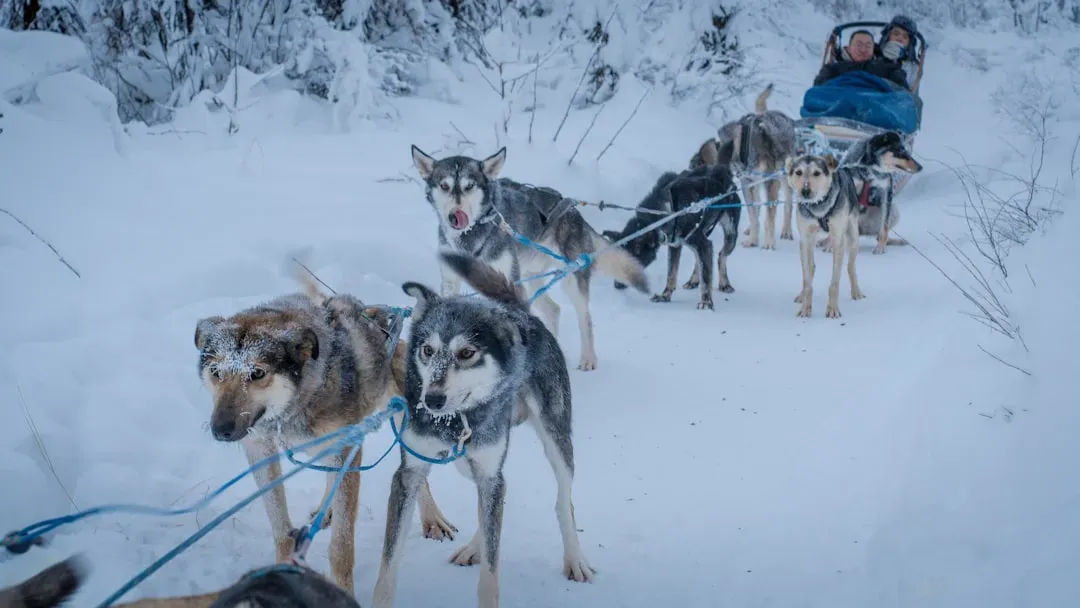
Alaska presents conditions that few other states can match. A dog that thrives in a snowy climate has a dense coat that insulates them from the elements. Often, northern dog breeds will have a good foundation by virtue of stout, furry paws that allow them to traverse icy terrain. That principle guides much of what Alaskans love in their dogs – substance over appearance, function alongside companionship.
Alaska is considered the last frontier of North America because of its breathtaking natural beauty, top-notch fish, and massive glaciers. In this part of the Arctic, few people live in the often harsh environment of Alaska. However, this state is home to a wide variety of animals, including dogs. Sled dogs, a particular type or group of dog breeds, rule the cold environment of Alaska.
What unites all ten breeds on this list is their ability to thrive alongside people who take their dogs seriously. Even breeds built for the cold need proper care during winter. Cold weather can increase a dog’s energy needs, so consider high-quality, nutrient-rich foods to keep them fueled. Add to that regular paw checks, a warm indoor space, and genuine daily engagement, and you’ll have a dog that doesn’t just survive Alaska – but absolutely loves it.
Conclusion: The Right Dog Makes Alaska Even Better
Choosing a dog in Alaska isn’t just about picking a breed you love the look of. It’s about finding a partner for the kind of life you actually live. The breeds on this list have proven, through real behavior and real history, that they can handle the terrain, the temperatures, and the deep human bonds that Alaska demands of its dogs.
Whether you’re drawn to the ancient working heritage of the Alaskan Malamute, the sunshine temperament of the Golden Retriever, or the steadfast loyalty of a Lab mix adopted from your local shelter, the most important thing is this: know your breed, understand their needs, and show up for them the way they show up for you every single day.
In a state where nature always has the last word, a well-cared-for dog isn’t just a pet. It’s your most devoted companion through all of it.


