

There’s a moment most dog owners know well. You’re sitting on the couch after a long day, your dog pads over, curls up against your leg, and lets out a long, slow sigh. It feels like they just understood exactly what you needed. The strange thing is, they probably did.
Dogs are unlike any other animal on the planet. Through roughly 15,000 years of living alongside humans, they’ve developed a set of behaviors, instincts, and social skills that are genuinely one of a kind. Some of what they do is deeply ancient. Some of it is wired specifically to communicate with us. All of it is worth understanding more deeply, because the better you understand your dog, the better you can care for them.
Here are 12 things dogs do that set them apart from every other creature on earth.
1. They Tilt Their Heads to Understand You Better

Few things are more immediately disarming than a dog’s head tilt. That slow, sideways cock of the ears is one of the most recognizable gestures in the animal kingdom. Most people assume it’s purely adorable. The reality is more interesting than that.
Dogs tilt their heads primarily to optimize sound detection. Their ear flaps partially cover the ear canal, acting as a barrier to sound transmission, so they adjust their head position and move their ear flap to better focus on the exact location of the sound. On top of that, the head tilt may also help dogs mentally process what they’re hearing. Research has shown that dogs who successfully linked a word with a specific object were more likely to tilt their head when they heard that word.
Psychologist Stanley Coren also hypothesized that vision plays a role. A dog’s muzzle can obstruct their view of your face, so tilting the head helps them see you better. His pilot study showed that dogs with more pronounced muzzles, such as Greyhounds, exhibited head-tilting behavior toward their owners more often than those with flatter faces. Worth noting: if your dog is tilting its head persistently and it doesn’t seem connected to anything you’re doing or saying, that’s a sign to call your vet. A constant, unexplained head tilt can point to disorders of the vestibular system, and the causes can range from ear infections to toxic reactions to more serious conditions.
2. They Spin in Circles Before Lying Down
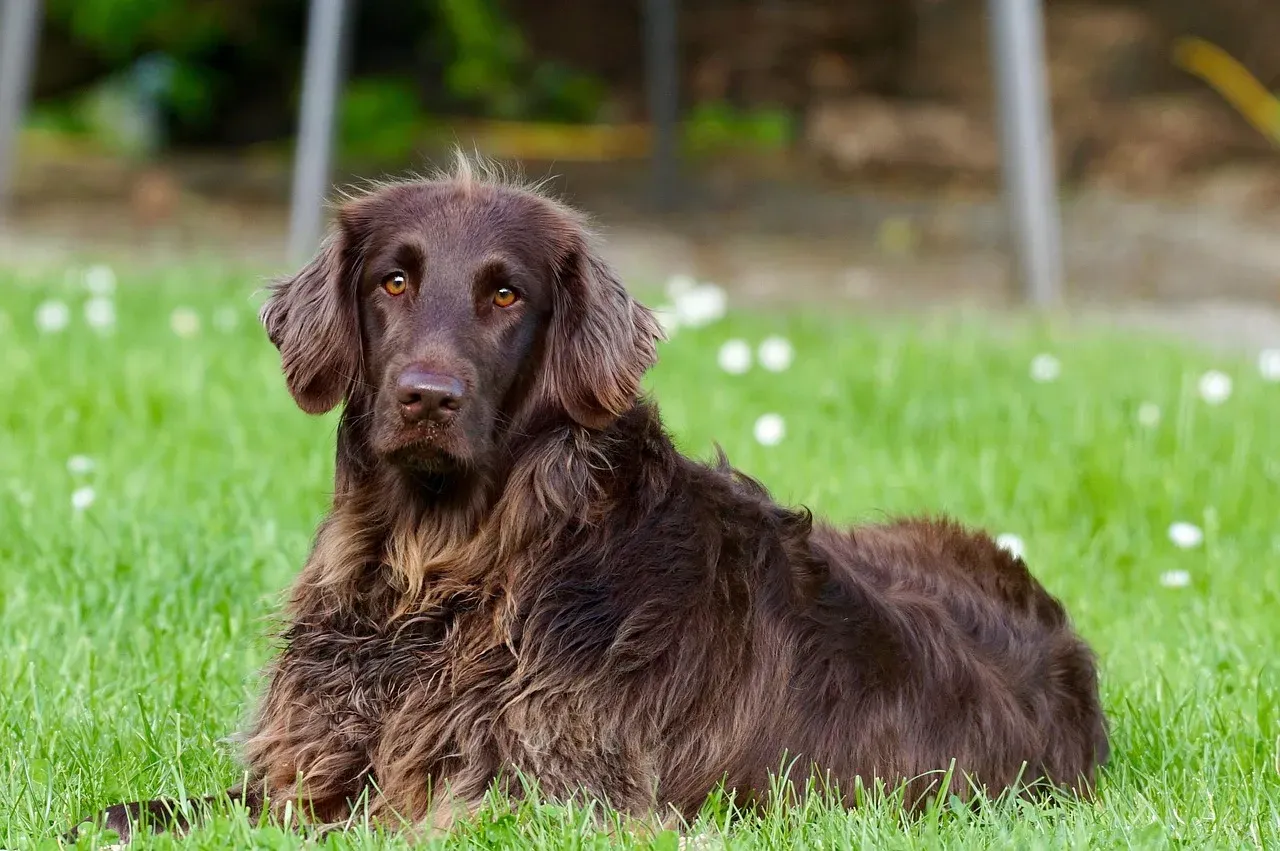
Watch your dog find their spot on the couch and you’ll almost always see it: the ritual circles, a few turns, sometimes a little scratch. Then, finally, they settle. It looks a bit neurotic. It’s actually ancient.
The probable reason many dogs spin around before lying down is that their wild ancestors did the same. Being warm and cozy while sleeping was a survival goal for outdoor canids, and stomping through grass created a more level, softer surface. If the area was covered in snow or leaves, circling would similarly flatten and clear it. One study of 62 pet dogs conducted by researcher Stanley Coren found that the dogs were nearly three times more likely to circle before lying down on an uneven shag rug than they were on smooth, even carpeting. That’s a strong signal that this behavior is rooted in comfort-seeking and preparation.
While normal circling is harmless, excessive or compulsive spinning can signal discomfort or medical issues. If your dog takes unusually long to settle, it may be worth a closer look. Joint pain or arthritis can make it difficult to find a comfortable position, and repetitive or disoriented circling can indicate cognitive dysfunction, particularly in older dogs. If the circling suddenly starts happening more frequently in a senior dog, check in with your veterinarian.
3. They Have a Nose That Functions Like a Medical Scanner

A dog has about 300 million scent receptors compared with a human’s 6 million. That’s not just a quirky fact. That gap in biology translates to abilities that still surprise researchers today. Dogs have smell receptors so accurate they can detect substances at concentrations of one part per trillion. For context, that’s roughly equivalent to detecting a single drop of liquid in twenty Olympic-size swimming pools.
Scent dogs have been trained to alert for seizures, hypoglycemia related to diabetes, and to screen for viruses, bacterial infections, and numerous cancers including mammary, prostate, lung, ovarian, colorectal, and melanoma. The mechanism behind this is the detection of volatile organic compounds, chemical signatures that diseased cells release. The tiniest shifts in hormones or volatile organic compounds released by diseased cells can be picked out by dogs, and consequently, dogs have been trained to sniff out markers of disease that might even go unnoticed with medical tests.
Research has shown that dogs could tell identical twins apart by smell, even if they lived in the same home and ate the same diet. Your dog doesn’t just recognize your scent. They read it constantly, noticing every shift. That’s a depth of knowing that no other domestic animal comes close to matching.
4. They Get the “Zoomies” and Science Actually Has a Name for It
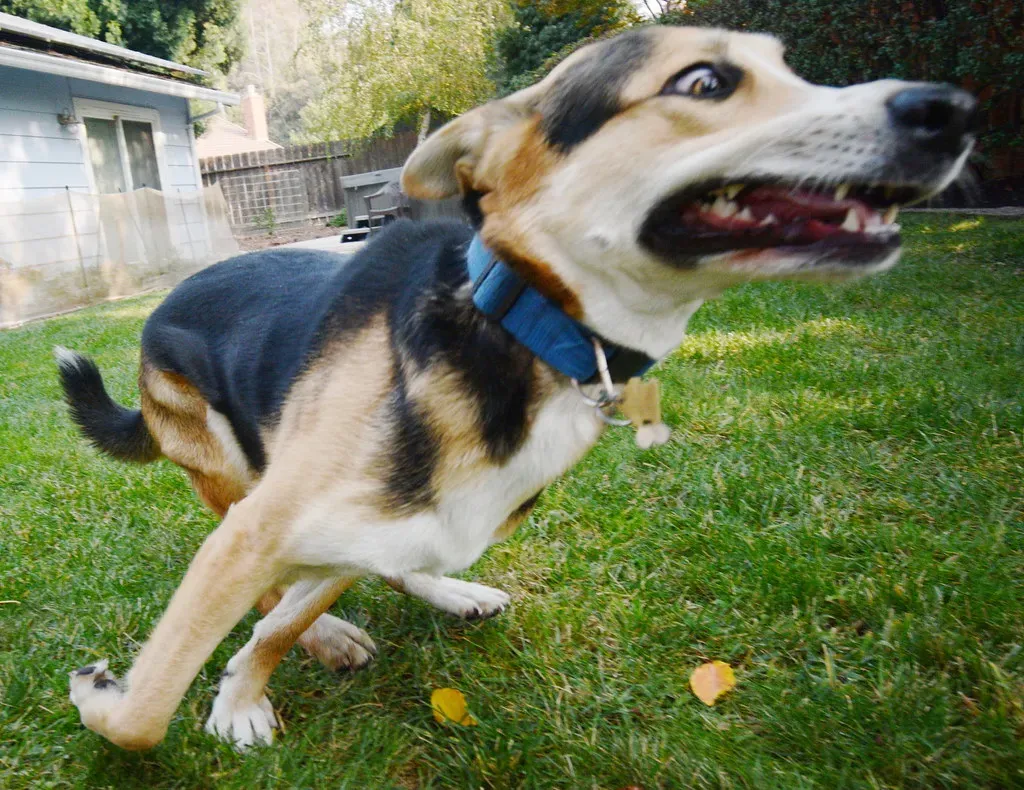
You’ve seen it. One moment your dog is perfectly calm. The next, they look slightly possessed and tear through the house in wild, looping sprints. This explosion of energy even has an official scientific term. The technical name for dog zoomies is frenetic random activity periods, or FRAPs, and they serve a purpose: to release pent-up energy.
According to veterinary behavior specialists, there is no known specific cause for FRAPs, but they appear to be a way to release pent-up energy or alleviate stress. A dog who has been home alone all day with nothing to do may feel the need to zoom to expend that energy, and FRAPs also commonly occur when an owner returns after a long absence. Dogs frequently zoom after bath time, which is likely a way to release anxious energy built up during a stressful event.
Zoomies are generally a sign of a happy, healthy dog. The main safety tip: make sure your dog isn’t zooming on slippery floors or near stairs. If your dog exhibits zoomies frequently or at inopportune times, they may be telling you they need more exercise and mental stimulation. Otherwise, enjoy the adorable antics while they last.
5. They Can Catch Your Yawn
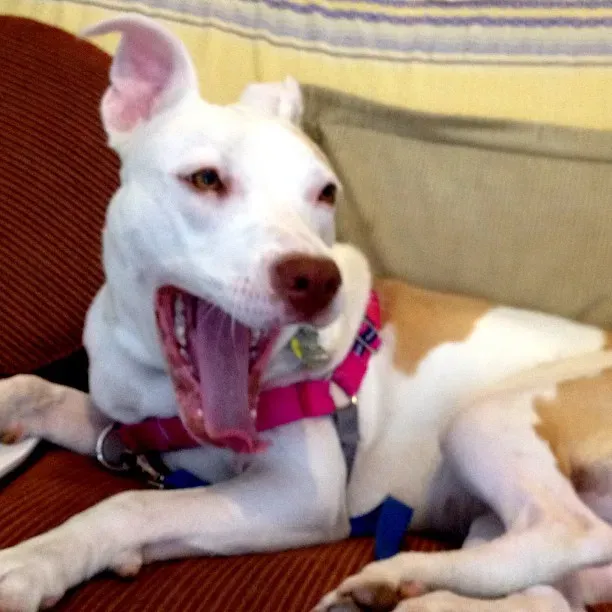
If you’ve ever yawned around your dog and watched them yawn right back, it wasn’t a coincidence. Dogs are one of the very few non-human animals known to yawn contagiously, and the implications for our bond with them are genuinely fascinating. Just like humans, dogs can “catch” yawns from family members or other dogs. Contagious yawning is seen as an empathetic behavior in humans, though it is still unclear whether a similar mechanism is at work in dogs.
Research visiting the homes of 25 dogs from different breeds, including golden retrievers, Labrador retrievers, and Chihuahuas, had their owners yawn in front of them. In total, the dogs yawned 22 times after seeing their owners yawn, and just 5 times after seeing owners simply open and close their mouths. The difference in response matters. It suggests the dogs weren’t just mimicking mouth movements. They were responding to something more specific.
Yawning also communicates stress. If your dog yawns more than usual, they might be anxious, using yawns as a coping mechanism. You may notice this at the vet’s office, at crowded events, or during thunderstorms. A relaxed yawn is one thing. Repeated yawning in tense situations is your dog’s quiet way of telling you they’re uncomfortable.
6. They Follow Your Pointing Gesture

Psychologists have spent years probing the unique relationship between dogs and humans to understand how their social and cognitive skills evolved. One of the most striking findings involves something you might do without thinking every single day: pointing. When you point at something, your dog looks where you’re pointing. That sounds simple, but it’s actually remarkable.
Wolves, chimpanzees, and many other intelligent animals cannot reliably follow a human’s pointing gesture in the way dogs can. This skill appears to have evolved through the domestication process, as dogs essentially learned to read human communicative intent. Dogs read human body language extremely well. Even free-ranging dogs can follow human pointing gestures, and dogs are constantly watching you and interpreting your behavior.
Research has investigated how dogs read human social cues to decide who to cooperate with. In one study, dogs watched an experimenter interact with two other humans, a helper and a non-helper. When the experimenter reached for a clipboard just out of reach, the helper handed it over while the non-helper moved it further away. Dogs used that social information to make decisions. They’re not just reading your gestures. They’re reading your character.
7. They Dream During Sleep

If you’ve ever watched your dog twitch, whimper, or paddle their paws while sleeping, you weren’t imagining things. Dogs dream. The evidence for this comes from brain research showing that dogs experience REM sleep, the sleep stage in which humans experience vivid dreaming, with strikingly similar patterns to our own. Brain scanning and other techniques have been revealing how memory, language, and sleep functions work in dogs.
What do they dream about? Most researchers believe dogs replay daily experiences during sleep, much like humans consolidate memories through dreaming. Smaller dogs tend to dream more frequently than larger breeds, though the content of individual dog dreams remains well beyond what science can measure. What’s observable is the twitching, the running motions, the soft barks. Something is happening in there.
Prevention tip for anxious dreamers: a consistent daily routine and a calm sleep environment can make a meaningful difference in how restfully your dog sleeps. If your dog frequently cries out, wakes suddenly in distress, or shows signs of confusion after waking, mention it to your veterinarian. It may be a sign of canine cognitive dysfunction, particularly in older dogs.
8. They Eat Grass and Scientists Still Debate Why
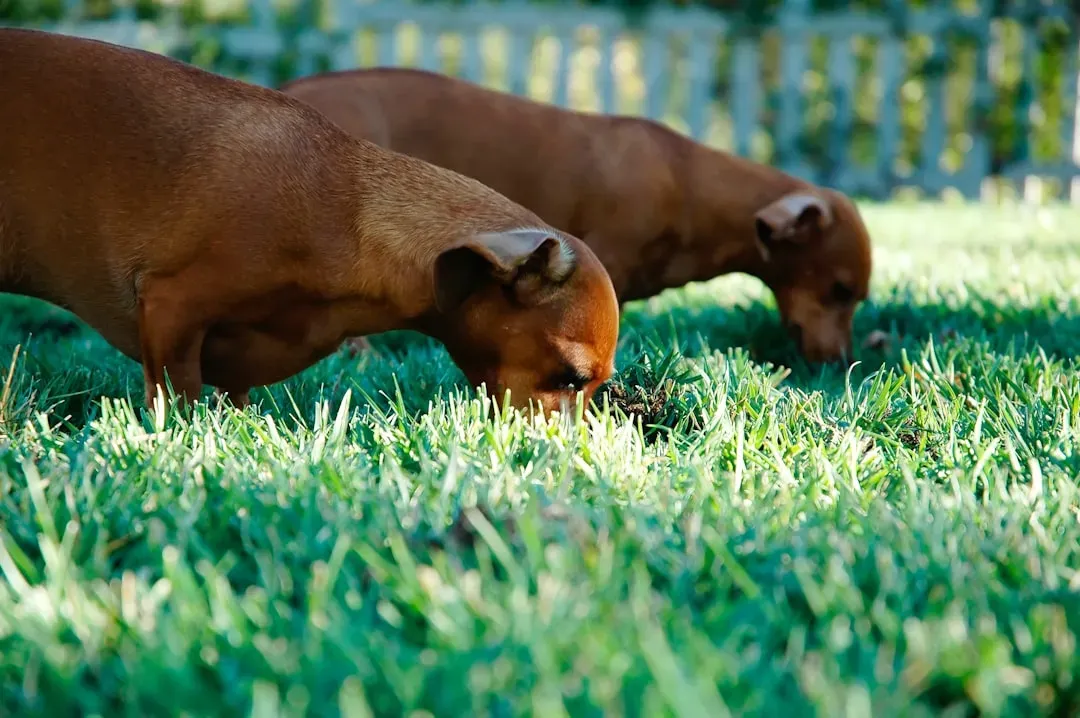
Grass eating is one of those behaviors that reliably puzzles dog owners. Your dog has a full bowl at home. They still stop on the walk, drop their nose to the lawn, and start chewing. It’s not a sign of a broken dog, and it’s far more common than most people realize.
One explanation is that dogs eat grass to make themselves vomit when their stomachs are upset. The assumption is that the blades of grass tickle the throat and stomach lining and trigger the vomiting reflex. The majority of dogs that eat grass, however, don’t vomit afterward. Another theory is that dogs eat grass because they’re not getting certain nutrients in their food, though there is not much evidence to solidly back this up.
The most likely reason dogs eat grass may also be the simplest: they like the taste. Regardless of the reason, most veterinarians believe eating grass is a relatively normal and harmless behavior. The genuine risk is pesticides. Lawns sprayed with chemicals can be dangerous to dogs, so keep your pup from munching on grass treated with fertilizers or any kind of chemical spray.
9. They Sync Their Emotional State With Yours

Dogs don’t just notice your mood. Research suggests they actually absorb it. Studies have found that a dog’s stress hormones can mirror their owner’s over time, a phenomenon called emotional contagion that points to a genuinely deep form of social attunement. Emotions like sadness, anxiety, and distress trigger physiological responses in humans that can change our speech patterns, movements, posture, and smell. Since a dog’s senses are so heightened, they can detect these signals and understand what happens next.
Studies found that dogs oriented toward their owner or a stranger more often when the person was pretending to cry than when they were simply talking. That’s not trained behavior. That’s instinct. Recent research has also shown that dogs can use your emotional state to predict your behavior and adjust their decision-making accordingly. Dogs aren’t just attending to your body language. They’re reading your mood.
This is useful to know as a caregiver. If you’re going through a stressful period, your dog is likely feeling it too. Making space for calm, predictable routines during difficult times helps both of you. Research has confirmed that dogs can reduce emotional distress and increase life satisfaction in their owners.
10. They Mark Territory Through Scent With Remarkable Specificity

The way a dog approaches a fire hydrant, a lamp post, or a particular patch of grass on a walk is not random. Each sniff is a rich social data point, and each mark left behind is a message. Dogs have well-developed olfactory glands, vision, and auditory and tactile senses that allow them to gain environmental cues and information from other dogs and humans. Sniffing another dog’s markings tells your dog that animal’s sex, age, health status, and emotional state.
Dogs are territorial by nature. Whenever they relieve themselves, this serves as a territorial marker. Because many animals mark their territory in a similar way, dogs attach an additional chemical message letting other animals know that the deposit was left specifically by them. Scratching after eliminating also leaves claw marks in the ground filled with scent from the glands in their paw pads, serving as a secondary form of territory marking.
This is why allowing your dog time to sniff on walks isn’t optional enrichment. It’s a fundamental need. A dog that sniffs freely on a walk is processing the world in the deepest way they know how. Rushing them through every sniff opportunity is a bit like skimming a book and calling it read.
11. They Understand Human Words Better Than Most Animals
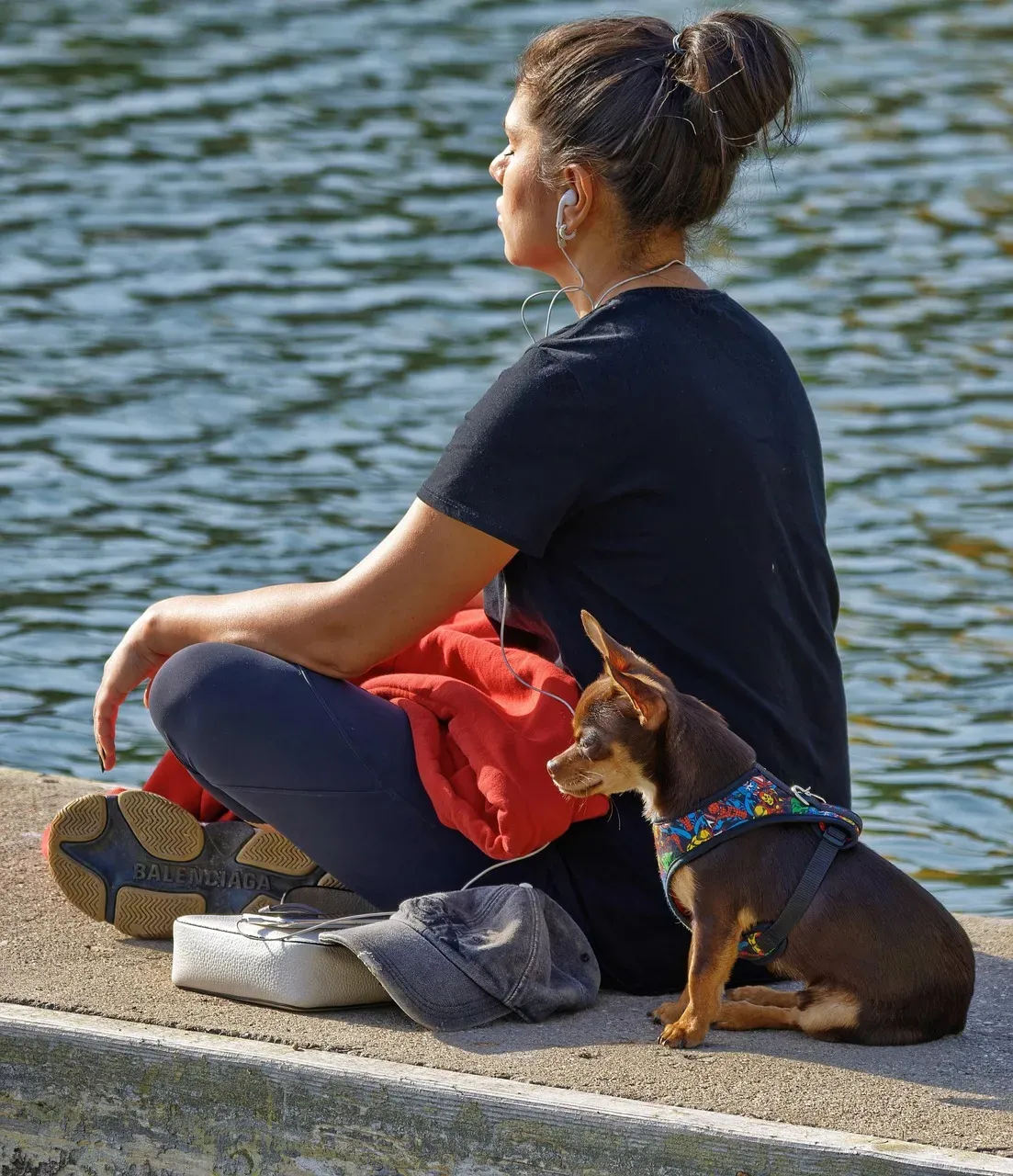
Dogs aren’t just responding to your tone. Research has shown they process the actual meaning of words in ways that are unexpectedly sophisticated. In 2004, Science published a report about an exceptional Border Collie named Rico who could recognize vocal labels for over 200 items, mostly toys, which he retrieved by name. Research demonstrated that Rico was also able to identify a novel item from a group of familiar items and retrieve it in response to an unfamiliar name in nearly three quarters of trials.
Dogs understand humans not only by what they say, but how they say it. They assess facial expressions, eye movements, tone of voice, body language, and inflection to translate human communication. This is a genuinely remarkable capability. Most animals respond to tone alone. Dogs are doing something more layered, more interpretive.
Scientists found that when asked to retrieve a specific toy by name, gifted word-learning dogs cocked their heads in the gesture familiar to all dog owners a significant portion of the time across dozens of trials, compared with just a tiny fraction of the time in typical dogs. The head tilt, in this context, appears to reflect active word processing. Your dog listening to you is not a passive event.
12. They’ve Co-Evolved With Us in Ways No Other Animal Has
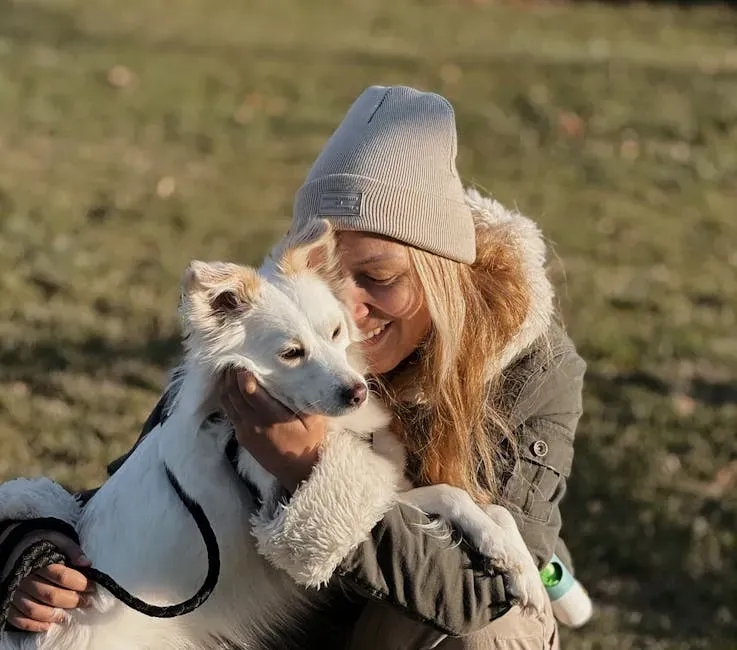
The dog-human bond isn’t just heartwarming. It’s scientifically distinct. Dogs are the only large carnivore ever fully domesticated, and the only animal that has adapted its social cognition over millennia specifically to read, cooperate with, and communicate with humans. The companionship of dogs has added meaning to human lives for thousands of years. Amid declining birth rates and a weakening of traditional support systems, that bond may now be more important than ever.
Although dogs are sexually mature by six to nine months of age, they are not socially mature until eighteen to thirty-six months. The socialization process begins early in development, when puppies are most receptive to both canine and human contact. From three to eight weeks of age, puppies are most capable of learning how to interact with other dogs, and between weeks five and twelve, they are most receptive to learning how to interact with people. That window is why early positive human contact is so formative.
The Canine Brain and Tissue Bank is now supporting research on neurodegeneration, as well as on how the gut microbiome influences canine cognition and behavior. New brain imaging and genetic tools are letting researchers explore how dogs think and feel in ways that weren’t possible before. After all these centuries together, science is still uncovering how extraordinary this species truly is.
Conclusion: Every Behavior Is a Conversation
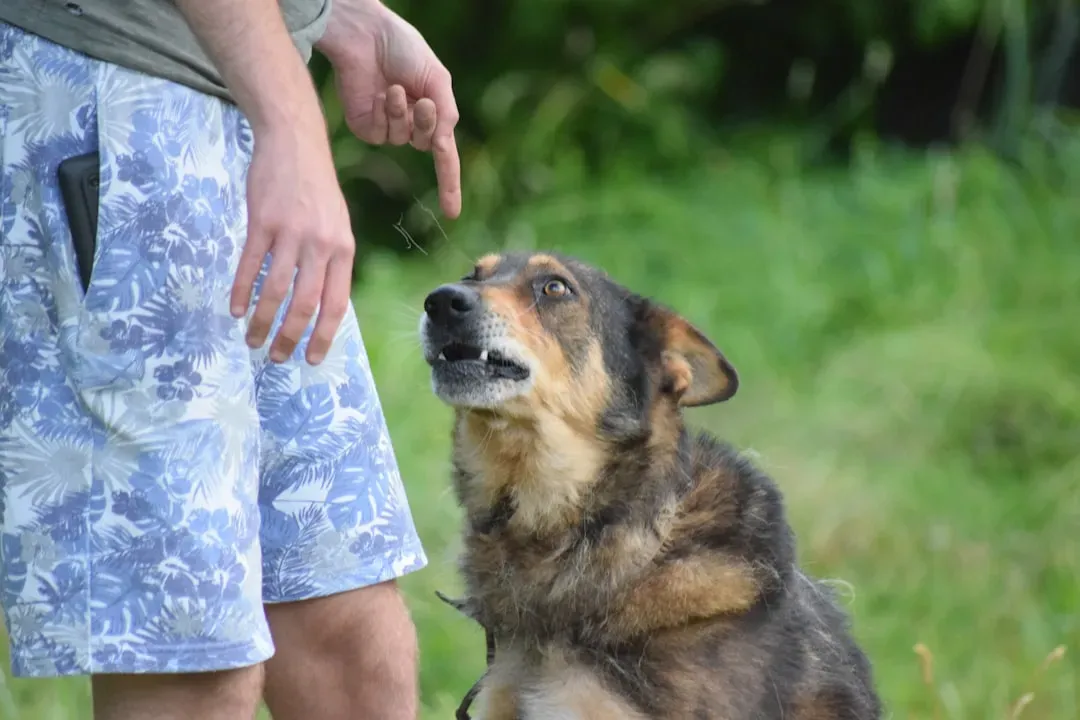
Your dog circles before lying down, tilts their head when you speak, matches your mood without a word, and tracks your scent with a precision that would put any lab instrument to shame. None of this is background noise. Every behavior is a piece of language, a window into a mind that has been shaped, through thousands of years of shared living, specifically to understand you.
The more you understand what’s behind the head tilt, the zoomies, the circling, and the grass-eating, the more clearly you can hear what your dog is actually communicating. Some of it is ancient instinct. Some of it is love. Often, it’s both.
Dogs don’t need you to be perfect. They need you to be present, observant, and curious about who they actually are. Given what they do for us every single day, that curiosity feels like the very least we can offer back.


